
Soft Coral Compatibility: Which Wrasse Species Are a Perfect, Gentle Match?

Welcome to Aquarium Mastery!
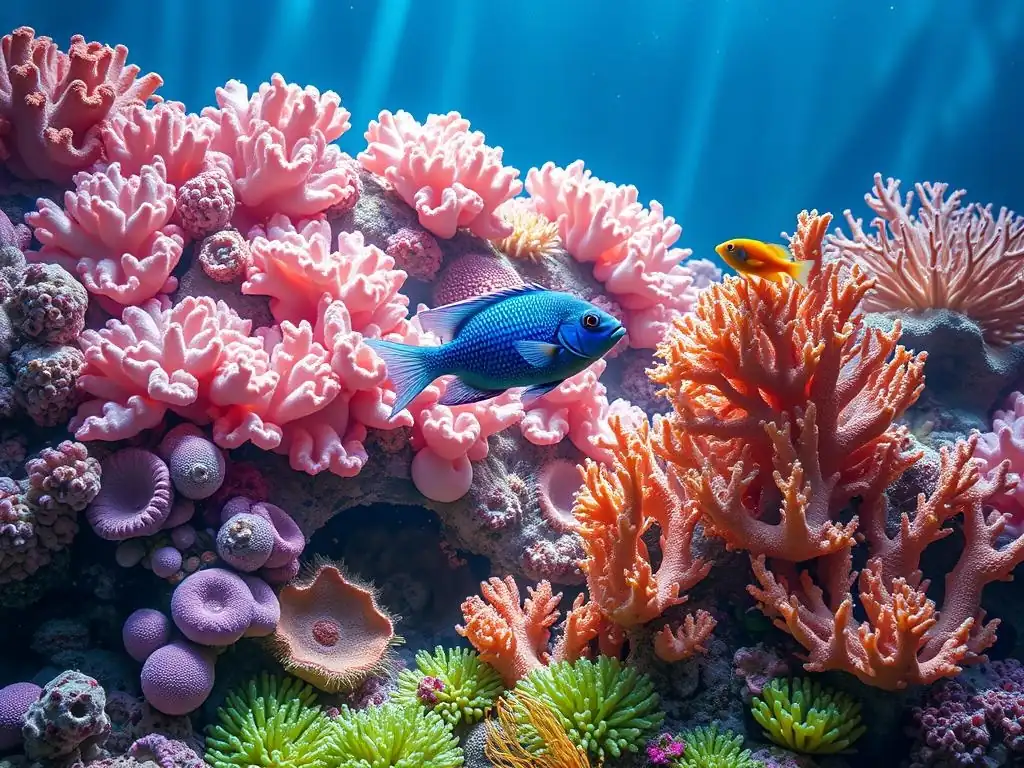
Curious about keeping vibrant soft corals and the dazzling beauty of wrasse in your saltwater aquarium? Navigating the nuances of saltwater wrasse coral compatibility can feel like a delicate dance. We're here to guide you. Discover which wrasse species are the perfect, gentle match for your reef, ensuring a thriving and harmonious aquatic ecosystem. Dive in and unlock the secrets to a truly stunning and peaceful reef tank!
- Understanding Wrasses and Soft Coral Interactions in Reef Tanks
- Wrasse Species Known for Soft Coral Reef Compatibility
- Wrasses to Avoid: Species That May Harm Soft Corals
- Creating a Harmonious Reef Tank Environment for Wrasses and Soft Corals
- Acclimation and Introduction: Safely Adding Wrasses to Your Soft Coral Reef
- Troubleshooting Wrasse Coral Compatibility Issues
- Choosing the Right Wrasse: A Summary of Soft Coral Reef Compatibility
-
Frequently Asked Questions
- What exactly does "Saltwater wrasse coral compatibility" mean in the context of a reef aquarium?
- Which saltwater wrasse species are generally considered safe for soft coral reef tanks?
- What are some signs that a wrasse is not coral compatible?
- Are there any specific soft corals that are more vulnerable to wrasse predation than others?
- Besides coral nipping, are there other compatibility issues to consider when keeping wrasses in a reef tank?
- Final Reflection: Harmony in the Reef
- Dive Deeper: Transform Your Reef Tank Now!
Understanding Wrasses and Soft Coral Interactions in Reef Tanks
The Appeal of Wrasses in Reef Aquariums: Beauty and Function
Wrasses are a highly sought-after group of fish for marine aquariums, largely due to their incredibly diverse and vibrant coloration. From the electric blues and reds to striking yellows and intricate patterns, these active swimmers add dynamic beauty to any reef display. Beyond their aesthetic appeal, many wrasse species exhibit fascinating behaviors, constantly darting amongst live rock, sifting sand, and interacting with their environment, providing endless entertainment for aquarists.
Their appeal extends beyond mere aesthetics; many wrasse species serve vital functional roles within a reef ecosystem, making them beneficial tank inhabitants. They are often employed as natural pest controllers, diligently hunting and consuming various small, unwanted invertebrates that can plague reef tanks. This includes parasitic flatworms like Red Planaria, pyramid snails (which prey on Tridacna clams), and other nuisance organisms, thereby contributing to the overall health and stability of the aquarium, a crucial aspect of saltwater wrasse coral compatibility.
Defining Soft Corals: Characteristics and Care Requirements
Soft corals, belonging to the sub-class Octocorallia, are distinguished by their lack of a rigid, stony skeleton, instead possessing a flexible, fleshy body. Common examples include various Leather corals (Sarcophyton, Lobophytum, Sinularia), Mushroom corals (Rhodactis, Ricordea, Discosoma), Zoanthids (Palythoa, Protopalythoa), and many types of Gorgonians. Their diverse forms, textures, and often flowing movements add unique visual interest to a reef tank, and they are generally considered more forgiving for beginner aquarists compared to their stony counterparts.
While generally robust, soft corals still require stable and appropriate water parameters to thrive. Optimal conditions typically include a temperature range of 74-78°F (23-26°C), salinity between 1.023-1.026 specific gravity, and a pH of 8.1-8.4. Essential elements like alkalinity (8-12 dKH), calcium (400-450 ppm), and magnesium (1250-1350 ppm) should be maintained, though soft corals are less demanding in their uptake compared to stony corals. They prefer moderate water flow and moderate lighting, and are susceptible to physical damage or irritation from aggressive tank mates.
The Importance of Wrasse and Coral Compatibility
Ensuring proper saltwater wrasse coral compatibility is paramount for the long-term success and health of a reef aquarium. An incompatible pairing can lead to significant stress for both the fish and the corals, potentially resulting in irreversible damage to valuable coral colonies. Some wrasse species, particularly those with natural diets that include coral polyps or the invertebrates found within coral structures, can cause extensive tissue recession, partial or complete die-off, and ultimately, the loss of soft corals. This directly impacts the aesthetic appeal and biological balance of the tank.
Beyond the direct harm to corals, introducing an incompatible wrasse can disrupt the entire ecosystem of a reef tank. The financial investment in corals can be substantial, with individual colonies sometimes costing hundreds of dollars. The emotional investment of nurturing a thriving reef community is also significant. Having to rehome a fish that is causing damage or dealing with declining coral health due to poor compatibility choices can be disheartening and costly, emphasizing the critical need for thorough research before any purchase.
Wrasse Species Known for Soft Coral Reef Compatibility
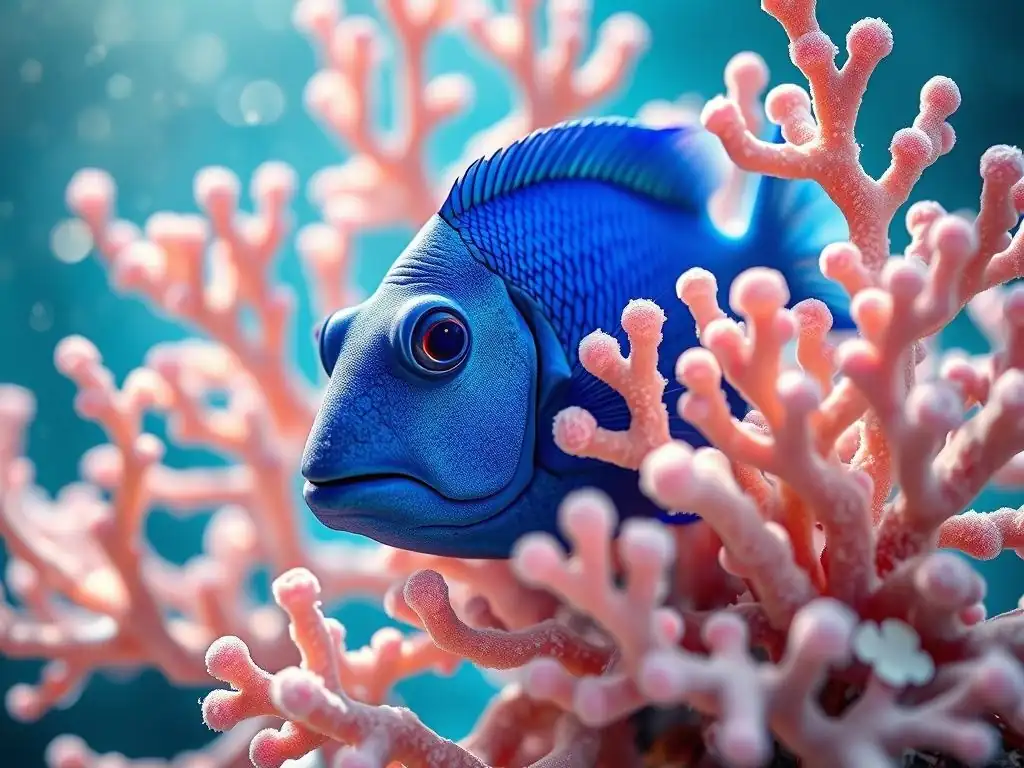
The Yellow Coris Wrasse ( Halichoeres chrysus ): A Gentle Reef Resident
The Yellow Coris Wrasse, Halichoeres chrysus, is a consistently popular choice for reef aquariums due to its striking, uniform bright yellow coloration and active nature. Typically reaching an adult size of 4-5 inches (10-12 cm), this species is known for its peaceful temperament, making it an excellent candidate for a community reef tank. It originates from the Indo-Pacific region, where it inhabits sandy and rubble areas of coral reefs, constantly sifting through the substrate in search of food.
In captivity, the Yellow Coris Wrasse is observed to be a diligent sand-sifter, spending much of its day meticulously scouring the sand bed and picking at live rock surfaces. This foraging behavior is largely beneficial, as it helps aerate the sand and control populations of small pests. Its generally non-aggressive nature towards other fish and invertebrates, combined with its specific feeding habits, contributes significantly to its reputation as a highly reef-safe species, particularly regarding saltwater wrasse coral compatibility.
Yellow Coris Wrasse Diet and Feeding Habits in Reef Tanks
In their natural habitat, Yellow Coris Wrasses are micro-predators, primarily feeding on a diverse array of small invertebrates found within the sand and on live rock. This diet typically includes copepods, amphipods, small worms, and other tiny crustaceans. Their constant sifting of the sand bed is a direct reflection of this natural foraging behavior, which helps to keep the substrate clean and free of detritus accumulation.
To thrive in a home aquarium, the Yellow Coris Wrasse's diet must be supplemented with high-quality, varied frozen foods. Offerings such as mysis shrimp, enriched brine shrimp, finely chopped seafood (like clam or scallop), and frozen copepods should be provided multiple times a day. Consistent and ample feeding ensures their nutritional needs are met, reducing any potential inclination to explore corals for food, which is already a rare occurrence with this species.
Yellow Coris Wrasse Compatibility with Soft Corals: Observed Behavior
The Yellow Coris Wrasse exhibits a very high degree of saltwater wrasse coral compatibility, making it one of the safest choices for tanks dominated by soft corals. Its primary foraging activity is focused on the substrate and live rock, rather than the polyps or tissues of corals. Aquarists consistently report that Halichoeres chrysus rarely, if ever, bothers soft corals, leaving species like Zoanthids, Mushroom corals, various Leather corals (e.g., Sarcophyton, Lobophytum), and Gorgonians completely untouched.
This species' gentle nature and specific dietary preferences mean that it poses virtually no threat to the delicate structures of soft corals. Its active presence helps maintain a clean sand bed, which indirectly benefits corals by preventing the buildup of organic waste. For aquarists prioritizing the health and undisturbed growth of their soft coral collection, the Yellow Coris Wrasse stands out as an exemplary and reliable choice for harmonious coexistence.
The Six Line Wrasse ( Pseudocheilinus hexataenia ): A Peaceful and Colorful Option
The Six Line Wrasse, Pseudocheilinus hexataenia, is a small, active, and highly popular wrasse in the reef aquarium hobby, instantly recognizable by its six distinct horizontal orange-yellow lines set against a purple-blue body. Typically reaching an adult size of only up to 3 inches (7.5 cm), its diminutive stature makes it suitable for a wider range of tank sizes, including smaller nano-reefs (though larger tanks are always preferred for active fish). It exhibits quick, darting movements as it navigates the rockwork.
While generally peaceful towards most tank inhabitants, the Six Line Wrasse can display territorial behavior, particularly towards other small, similarly shaped, or timid fish. However, this territoriality rarely extends to invertebrates or corals. Its constant activity and relatively small size contribute to its low bioload, and its robust nature makes it a resilient addition for many aquarists seeking good saltwater wrasse coral compatibility.
Six Line Wrasse's Role in a Reef Ecosystem: Pest Control
The Six Line Wrasse is highly valued by aquarists for its significant role in natural pest control within a reef ecosystem. It is renowned for actively hunting and consuming various common aquarium pests, most notably parasitic flatworms (such as Red Planaria) and pyramid snails, which are notorious for preying on Tridacna clams. Its diligent foraging behavior, as it meticulously picks at live rock and explores crevices, makes it an effective biological solution to these unwanted invaders.
This pest control behavior directly benefits soft corals by helping to maintain a clean and healthy environment free from organisms that could otherwise irritate, stress, or directly harm them. By reducing the population of nuisance pests, the Six Line Wrasse contributes to the overall vitality and undisturbed growth of soft coral colonies, solidifying its reputation as a beneficial and highly compatible addition to a soft coral-dominated reef tank.
Six Line Wrasse and Soft Coral: Minimizing Risk of Damage
The Six Line Wrasse exhibits excellent saltwater wrasse coral compatibility, making it a very safe choice for soft coral reef tanks. Its small mouth and natural diet, which is primarily focused on tiny invertebrates and copepods, mean it generally leaves coral polyps completely untouched. Instances of a Six Line Wrasse nipping at soft corals are exceedingly rare and typically only occur under extreme conditions of starvation or severe stress.
To further minimize any negligible risk, it is advisable to provide plenty of live rock with numerous crevices and hiding spots, allowing the wrasse to feel secure and establish its territory without undue stress. Ensuring consistent, multiple daily feedings with small, high-quality meaty frozen foods (like mysis shrimp or copepods) will keep the wrasse well-nourished and focused on its appropriate diet, reinforcing its peaceful coexistence with soft corals.
The Melanurus Wrasse ( Halichoeres melanurus ): Reef Safe with Caution
The Melanurus Wrasse, Halichoeres melanurus, is a strikingly beautiful and active fish, characterized by its vibrant green and orange coloration accented with distinct black spots and stripes. It can reach an adult size of up to 6 inches (15 cm), requiring a larger tank (typically 75 gallons or more) to accommodate its active swimming and growth. This species is often sought after for its sand-sifting capabilities and engaging personality.
While generally considered reef-safe, the Melanurus Wrasse is listed with a "caution" due to individual personality variations. The vast majority of individuals are excellent citizens in soft coral tanks, but a small percentage might occasionally exhibit exploratory nipping at certain types of corals, particularly if underfed or stressed. However, this behavior is far less common with soft corals compared to large polyp stony (LPS) corals.
Melanurus Wrasse Diet: Targeting Pests, Not Corals
Similar to its cousin, the Yellow Coris Wrasse, the Melanurus Wrasse's natural diet consists primarily of small invertebrates found within the sand bed and on live rock. This includes various worms, copepods, amphipods, and other micro-crustaceans. Their constant sifting of the substrate is a beneficial behavior for the aquarium, as it helps to keep the sand bed clean, aerated, and free from detritus and unwanted pest populations.
In a home aquarium, it is crucial to provide a varied diet of high-quality frozen foods, such as mysis shrimp, brine shrimp, finely chopped clam, and other meaty preparations. Feeding 2-3 times daily ensures the Melanurus Wrasse is well-nourished, which significantly reduces any potential inclination to explore corals for alternative food sources. Their natural pest-hunting tendencies are an added benefit for overall reef health.
Managing Melanurus Wrasse Behavior Around Soft Corals
To ensure optimal saltwater wrasse coral compatibility with a Melanurus Wrasse, providing an appropriate environment is key. A well-established sand bed of at least 2-3 inches (5-7.5 cm) is crucial, as this species buries itself in the sand at night or when startled, a natural behavior that reduces stress. Ample live rock aquascaping with numerous hiding spots also provides security and reduces potential territorial disputes.
Consistent and generous feeding with a diverse diet is the most effective strategy to manage any potential nipping behavior. A well-fed wrasse is generally a happy wrasse, less likely to explore corals out of hunger or curiosity. Close observation during the initial introduction period is also vital; while issues are rare with soft corals, monitoring allows for early detection of any undesirable tendencies, enabling prompt intervention if needed.
Other Reef-Safe Wrasse Options for Soft Coral Tanks
Eight Line Flasher Wrasse ( Paracheilinus octotaenia ): Compatibility Notes and Care
The Eight Line Flasher Wrasse is a stunning and highly peaceful species, growing to a modest size of about 3 inches (7.5 cm). It is renowned for the male's spectacular "flashing" displays, where vibrant colors intensify and fins extend dramatically during courtship or territorial assertions, adding an exciting visual element to the tank. This species is almost universally considered highly reef-safe, making it an excellent choice for soft coral environments.
Their diet primarily consists of small planktonic organisms, copepods, and other tiny crustaceans found in the water column and on rock surfaces. They are not known to bother soft corals or other invertebrates, focusing their foraging efforts on microfauna. Care for the Eight Line Flasher Wrasse involves providing stable water parameters, plenty of hiding spots within live rock, and a diet of small, meaty frozen foods such as copepods, mysis shrimp, and enriched brine shrimp, fed frequently throughout the day to support their active metabolism.
Lubbock's Wrasse ( Cirrhilabrus lubbocki ): Compatibility Notes and Care
Lubbock's Wrasse is another superb choice for a soft coral-dominated reef tank, highly regarded for its beautiful coloration and peaceful disposition. Typically reaching an adult size of around 3 inches (7.5 cm), it displays a captivating mix of orange, blue, and purple hues, varying slightly between sexes and geographical regions. Like other Flasher and Fairy Wrasses, it adds constant, darting motion and vibrant color to the aquarium.
This species is unequivocally reef-safe, posing no threat to soft corals, stony corals, or other invertebrates. Its natural diet primarily consists of copepods and other small zooplankton, which it actively hunts throughout the water column and from live rock. To ensure its well-being, provide Lubbock's Wrasse with ample hiding places and feed a varied diet of high-quality, small-particulate frozen foods multiple times a day. Their calm demeanor and striking appearance make them ideal inhabitants for a harmonious soft coral display.
Wrasses to Avoid: Species That May Harm Soft Corals
Understanding Wrasse Feeding Habits That Can Damage Soft Corals
Not all wrasse species are suitable for a reef tank, particularly those with soft corals. Certain wrasses possess specialized feeding habits and mouthparts adapted for consuming coral polyps, the tissues of sessile invertebrates, or the small crustaceans that live commensally within coral colonies. For example, some larger Coris species or Cheilinus wrasses have powerful jaws and teeth designed to crush shells or tear at larger prey, which can easily damage delicate soft coral polyps and tissues even if they are not the primary target.
Even if a wrasse isn't a dedicated coralivore, exploratory nipping or a natural curiosity can lead to significant stress and damage for soft corals. Unlike stony corals, which have a hard skeleton to protect them, soft corals rely on their fleshy bodies for defense. Repeated nipping can cause polyps to retract permanently, lead to tissue recession, open wounds susceptible to infection, or even complete necrosis of the coral colony. This highlights the critical importance of understanding specific wrasse dietary needs and behaviors before introduction.
Identifying Aggressive or Coral-Nipping Wrasse Species
Identifying wrasse species known for their incompatibility with soft corals is crucial for prevention. While many wrasses are reef-safe, several groups or individual species should be avoided. For instance, some larger Coris species, such as the Clown Coris Wrasse ( Coris aygula) or Yellowtail Coris Wrasse ( Coris gaimard), while beautiful, can develop a taste for large polyp stony corals and may occasionally bother soft corals as they mature. Their foraging behavior can also be highly disruptive.
Other species like the Dragon Wrasse ( Novaculichthys taeniourus) are notorious for their highly disruptive behavior, often rearranging aquascaping and posing a significant threat to all types of corals and invertebrates due to their predatory nature and burrowing habits. Similarly, larger Cheilinus wrasses, such as the Harlequin Tuskfish ( Choerodon fasciatus), although primarily targeting crustaceans and mollusks, can inadvertently or directly damage soft corals with their powerful jaws and sheer size if not kept in very large, mixed-species tanks with robust corals. Thorough research into saltwater wrasse coral compatibility is essential to prevent these issues.
The Risks of Introducing Incompatible Wrasses to a Soft Coral Tank
The risks associated with introducing incompatible wrasses to a soft coral tank are multifaceted and can be severe. The most immediate risk is direct physical damage to the corals, leading to tissue recession, polyps failing to extend, and ultimately, the potential death of the entire colony. This results in significant financial losses, given the cost of many soft coral specimens, and diminishes the aesthetic appeal of the reef display.
Beyond direct damage, an incompatible wrasse can cause chronic stress throughout the aquarium. Continual harassment of corals can lead to their weakened state, making them more susceptible to disease or environmental fluctuations. Furthermore, the presence of an aggressive or problematic wrasse can stress other fish and invertebrates, potentially leading to widespread health issues. Rehoming an established, large, or aggressive wrasse can also be a challenging and stressful endeavor for the aquarist, underscoring why proactive research on saltwater wrasse coral compatibility is the best approach.
Creating a Harmonious Reef Tank Environment for Wrasses and Soft Corals
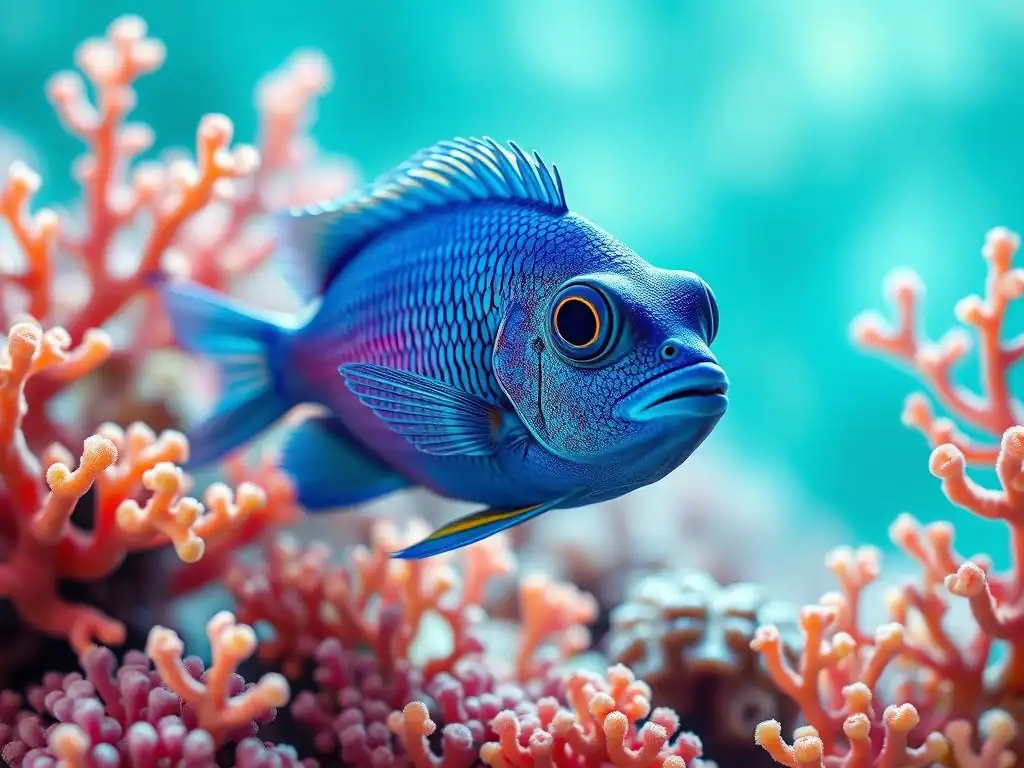
Tank Size and Aquascaping: Providing Adequate Space and Shelter
The foundation of a harmonious reef tank supporting both wrasses and soft corals lies in appropriate tank size and thoughtful aquascaping. For smaller wrasses like the Six Line or Flasher Wrasses, a 30-gallon (113-liter) tank might be the minimum, but for active species such as the Yellow Coris or Melanurus Wrasses, a tank of 75 gallons (284 liters) or more is highly recommended. Adequate volume provides ample swimming space, helps dilute waste, and minimizes territorial disputes among inhabitants, fostering better saltwater wrasse coral compatibility.
Aquascaping should focus on creating a diverse and structurally complex environment. Utilize live rock to build numerous caves, archways, and crevices that serve as hiding spots and territories for wrasses to feel secure. A deep sand bed, ideally 2-4 inches (5-10 cm) or more, is crucial for many wrasse species (e.g., Halichoeres spp.) that bury themselves at night or when startled. This natural behavior is vital for their well-being and reduces stress that could lead to undesirable behaviors towards corals.
Water Parameters and Stability: Maintaining Optimal Reef Conditions
Maintaining stable and optimal water parameters is non-negotiable for the health of both wrasses and soft corals. Key parameters include a consistent temperature of 74-78°F (23-26°C), salinity between 1.023-1.026 specific gravity, and a pH level of 8.1-8.4. While soft corals are less demanding than stony corals, ensuring stable alkalinity (8-12 dKH), calcium (400-450 ppm), and magnesium (1250-1350 ppm) supports their overall vitality and growth.
The emphasis should always be on stability rather than just hitting target numbers. Wild fluctuations in temperature, pH, or salinity can severely stress both wrasses and corals, making them more susceptible to disease or unusual behaviors like coral nipping. Regular water testing, consistent water changes (e.g., 10-20% monthly), and reliable equipment (heaters, pumps) are essential to prevent stress and ensure a thriving environment where saltwater wrasse coral compatibility can flourish.
Feeding Strategies to Minimize Coral Grazing by Wrasses
Effective feeding strategies are crucial for minimizing any potential coral grazing by wrasses, even those considered reef-safe. Wrasses are active fish with high metabolisms, requiring frequent nourishment. It is recommended to feed them small amounts of high-quality, varied frozen foods (such as mysis shrimp, enriched brine shrimp, copepods, krill, and finely chopped seafood) 2-3 times per day. This consistent feeding schedule ensures they are well-fed and less likely to explore corals out of hunger or curiosity.
Providing a diverse diet mimics their natural foraging behavior and ensures they receive all necessary nutrients, promoting overall health and vigor. A well-nourished wrasse is typically less stressed and less prone to exhibiting undesirable behaviors. While soft corals generally do not require target feeding, ensuring the general tank population receives adequate nutrition is paramount for successful saltwater wrasse coral compatibility. Observe their feeding response to ensure all wrasses are getting enough food.
Observation and Monitoring: Detecting Potential Compatibility Issues Early
Diligent observation and monitoring are vital for the long-term success of a mixed reef tank with wrasses and soft corals. Aquarists should make it a habit to inspect their tank daily, paying close attention to the behavior of their wrasses and the condition of their soft corals. Look for any signs of coral retraction, tissue damage, visible bite marks, or unusual discoloration on the corals. Note any changes in the wrasse's behavior, such as increased aggression towards corals or persistent hovering around them.
Early detection of potential compatibility issues allows for prompt intervention before significant damage occurs. If a wrasse is observed nipping at a coral, it's an immediate red flag. Keeping a log of new additions and their initial behaviors can be beneficial for tracking. Proactive monitoring helps confirm that your chosen wrasses are indeed maintaining excellent saltwater wrasse coral compatibility within your specific aquarium setup.
Acclimation and Introduction: Safely Adding Wrasses to Your Soft Coral Reef
Quarantine Procedures: Preventing Disease Introduction
Implementing a strict quarantine procedure for all new fish, including wrasses, is a non-negotiable step to protect your existing soft coral reef ecosystem. A dedicated quarantine tank (QT) of at least 10-20 gallons (38-75 liters) equipped with basic filtration (sponge filter or small hang-on-back filter), a heater, and plenty of PVC pipes or inert decor for hiding is essential. This separate system prevents the introduction of diseases and parasites into your established display tank.
New wrasses should be held in the QT for a minimum of 3-4 weeks. During this period, observe them closely for any signs of common marine diseases such as Ich (white spots), Velvet (dusting), Brooklynella (mucus coating), or internal parasites. Treat any identified ailments in the QT, following appropriate protocols, before considering transfer to the main display. This proactive measure safeguards the health of your existing fish and prevents disease outbreaks that could stress or harm your soft corals.
Gradual Acclimation to Tank Parameters
Once a wrasse has completed its quarantine period and appears healthy, gradual acclimation to the main display tank's parameters is crucial. Wrasses, like many marine fish, are sensitive to sudden changes in water chemistry, including temperature, salinity, and pH. The drip acclimation method is highly recommended for this process, as it slowly equalizes the water parameters between the transport bag (or QT) and the display tank over an extended period.
To perform drip acclimation, place the wrasse in a container with its original water. Use airline tubing to siphon water from the display tank into the container, tying a knot in the tubing or using a flow valve to create a slow drip (e.g., 1-2 drips per second). Allow this process to continue for 1-2 hours, gradually replacing the original water in the container. This slow, steady adjustment minimizes physiological shock, reduces stress, and promotes a smoother transition, contributing to better long-term saltwater wrasse coral compatibility.
Monitoring New Wrasses for Coral-Nipping Behavior
Immediately following their introduction into the main display tank, new wrasses require close and continuous monitoring, especially regarding their interactions with soft corals. For the first few days and weeks, observe their behavior frequently, particularly during feeding times and when they are actively exploring the aquascape. Pay attention to how they interact with live rock, sand, and especially your coral colonies.
Look for any direct nipping at coral polyps, unusual hovering over corals, or signs of irritation on the corals themselves (e.g., polyps retracting more than usual, tissue appearing stressed or damaged). While most reef-safe wrasses will ignore corals, it's important to confirm their individual temperament. This initial period of vigilance is critical for assessing their true saltwater wrasse coral compatibility within your unique tank environment and allows for early intervention if problematic behaviors emerge.
Troubleshooting Wrasse Coral Compatibility Issues
Identifying Signs of Coral Damage Caused by Wrasses
Identifying coral damage caused by wrasses requires careful observation and ruling out other potential causes. Specific signs to look for on soft corals include:
- Persistent Polyp Retraction: Corals that normally extend their polyps fully but remain closed or partially closed, especially during the day.
- Visible Bite Marks or Tears: Small, crescent-shaped nips or tears on the coral tissue, particularly on fleshy species like Leather corals or Mushrooms.
- Tissue Recession: Areas of the coral tissue that appear to be shrinking, dissolving, or pulling away from the base, often starting at the edges.
- Discoloration: Patches of lighter or darker tissue, indicating stress or damage.
- Excessive Mucus Production: Some soft corals may exude more mucus than usual as a defense mechanism when irritated.
While water quality issues, pests (like nudibranchs or certain flatworms), or insufficient flow/lighting can cause similar symptoms, observing the wrasse actively picking at the coral is the strongest indicator. Pay attention to which specific corals are being targeted, as some wrasses might only bother certain types.
Strategies for Reducing Wrasse Aggression Towards Corals
If a wrasse is identified as causing damage to soft corals, several strategies can be employed to mitigate the issue before resorting to rehoming:
- Increase Feeding Frequency and Quantity: This is often the most effective first step. A well-fed wrasse is less likely to forage on corals out of hunger. Ensure a varied diet of high-quality frozen foods offered 3-4 times a day.
- Enhance Aquascaping: Add more live rock to create additional hiding spots, territories, and visual barriers. This can reduce stress and territorial aggression in the wrasse, making it less prone to lashing out at corals.
- Consider Tank Mates (Cautiously): In some cases, adding another peaceful, active fish (if tank size allows) can help diffuse aggression or redirect the wrasse's attention. However, this must be done with extreme caution to avoid further compatibility issues.
- Spot Feed Corals: If specific corals are targeted, ensuring they receive adequate nutrition might make them more resilient, though this won't stop the nipping.
These strategies aim to reduce stress and redirect the wrasse's natural foraging instincts away from your valuable soft corals, thereby improving saltwater wrasse coral compatibility.
Rehoming Incompatible Wrasses: Finding a Suitable Environment
If all mitigation strategies fail and a wrasse continues to cause significant damage to soft corals, rehoming is the most responsible and often necessary action for the long-term health of both the fish and the reef. It is crucial never to release marine aquarium fish into local natural waters, as this can introduce invasive species and diseases that harm native ecosystems.
Several viable options exist for rehoming:
- Local Fish Stores: Many reputable local fish stores will accept healthy marine fish, sometimes offering store credit in exchange.
- Local Aquarium Clubs or Forums: Online communities and local clubs often have members looking for specific fish or willing to take in unwanted specimens. This can provide a direct pathway to an experienced aquarist with a suitable tank.
- Dedicated Rehoming Services: In some regions, there are specialized services or organizations that facilitate the rehoming of marine livestock.
When rehoming, ensure the new environment is appropriate for the wrasse's species-specific needs, including tank size, diet, and tank mate compatibility, guaranteeing its future well-being.
Choosing the Right Wrasse: A Summary of Soft Coral Reef Compatibility
Key Considerations for Selecting Reef-Safe Wrasses
When selecting a wrasse for a soft coral reef tank, several key considerations are paramount to ensure optimal saltwater wrasse coral compatibility. First and foremost, thorough research into the species-specific behavior and adult size of any potential wrasse is essential. Understand their natural diet: do they primarily consume small invertebrates from sand/rock, or do they have a history of preying on coral polyps or associated fauna? Prioritize species with a well-documented track record of being reef-safe with soft corals, such as the Yellow Coris, Six Line, and many Flasher/Fairy wrasses.
Secondly, always consider the individual temperament of the fish, as some variation can occur even within generally "safe" species. A healthy, well-fed wrasse in an appropriately sized tank with ample hiding spots is less likely to develop problematic behaviors. Finally, always have a contingency plan in mind. While careful selection minimizes risk, being prepared for the rare instance of incompatibility means you can act quickly to protect your corals and rehome the wrasse responsibly if necessary.
Balancing Wrasse Benefits with Potential Coral Risks
The decision to add a wrasse to a soft coral tank involves balancing the numerous benefits these vibrant fish offer against the potential, albeit often small, risks to your corals. Wrasses provide invaluable services such as natural pest control, keeping unwanted flatworms and snails at bay, which directly contributes to a healthier environment for soft corals. Their active swimming and striking colors also significantly enhance the visual appeal and dynamism of the aquarium.
However, the primary risk lies in selecting an incompatible species or an individual wrasse that deviates from typical behavior. Even minor nipping can stress soft corals, leading to retraction, tissue damage, and compromised health. The goal is to maximize the benefits of wrasses by choosing species with proven saltwater wrasse coral compatibility, while simultaneously minimizing risks through diligent research, appropriate environmental setup, consistent feeding, and vigilant observation. This balanced approach ensures a thriving and aesthetically pleasing reef.
Achieving a Thriving Reef Ecosystem with Compatible Wrasses and Soft Corals
Achieving a thriving reef ecosystem where wrasses and soft corals coexist harmoniously is not only possible but also incredibly rewarding. By meticulously researching wrasse species, understanding their specific needs and behaviors, and prioritizing those with a strong history of saltwater wrasse coral compatibility, aquarists can create a vibrant and balanced marine environment. The success hinges on proactive planning, from appropriate tank sizing and aquascaping to maintaining stable water parameters and implementing proper feeding strategies.
Ultimately, a well-planned and diligently maintained soft coral reef with compatible wrasses becomes a dynamic display of marine life. The active foraging of wrasses contributes to tank cleanliness, while the soft corals flourish undisturbed, unfurling their polyps and swaying gently in the current. This synergy results in a beautiful, stable, and engaging aquarium that provides endless enjoyment for the aquarist, showcasing the intricate beauty of a healthy reef ecosystem.
Frequently Asked Questions
What exactly does "Saltwater wrasse coral compatibility" mean in the context of a reef aquarium?
It refers to the ability of a saltwater wrasse species to coexist peacefully with corals in a reef tank, without damaging or preying on them. Some wrasse species are known to nip at corals, making them unsuitable reef inhabitants.
Which saltwater wrasse species are generally considered safe for soft coral reef tanks?
Many Halichoeres wrasses, like the Yellow Coris Wrasse, are often cited as reef-safe. However, individual behavior can vary, so careful observation is always recommended.
What are some signs that a wrasse is not coral compatible?
Signs include visible nipping at coral polyps, causing them to retract or appear damaged. You might also observe the wrasse picking at the base of the corals.
Are there any specific soft corals that are more vulnerable to wrasse predation than others?
Some softer corals, like Zoanthids and Leathers, may be more appealing to certain wrasse species. It's crucial to research the specific needs of your coral types and wrasse species.
Besides coral nipping, are there other compatibility issues to consider when keeping wrasses in a reef tank?
Yes, consider their temperament towards other fish, their adult size, and their dietary needs. Some wrasses can be aggressive or require specialized feeding.
Final Reflection: Harmony in the Reef
The delicate balance of a reef ecosystem, as explored in this article, is not merely a scientific curiosity, but a vibrant testament to the interconnectedness of life. Understanding saltwater wrasse coral compatibility is more than just a guide for aquarium enthusiasts; it's a microcosm reflecting the larger responsibility we have to protect and preserve the fragile beauty of our natural world. The choices we make, even within the confines of a home aquarium, ripple outwards, impacting the health and sustainability of coral reefs globally.
This exploration into the gentle interactions between wrasses and soft corals has profoundly shaped my understanding of the underwater world. It's a reminder that even seemingly small creatures play a crucial role in maintaining the delicate equilibrium of their environment. The careful consideration required to select compatible species mirrors the broader need for mindful stewardship of our planet. In nature, nothing exists alone.
- Rachel Carson. This quote perfectly encapsulates the essence of reef ecosystems, where every organism, from the smallest polyp to the most vibrant wrasse, contributes to the overall health and resilience of the whole.
Now, I invite you to consider your own role in this intricate web of life. Whether you're an experienced aquarist or simply an admirer of the ocean's wonders, take a moment to reflect on the choices you make and their potential impact. Let the lessons learned about saltwater wrasse coral compatibility inspire you to cultivate a deeper appreciation for the interconnectedness of all living things, and to actively contribute to a future where both the vibrant beauty of coral reefs and the delicate balance of nature can thrive.
Dive Deeper: Transform Your Reef Tank Now!
Thanks for exploring the fascinating world of soft coral compatibility! We hope you've gained valuable insights into choosing the right wrasse species for your reef aquarium. Now, let's turn that knowledge into action and create a thriving underwater ecosystem.
Here are some next steps you can take:
- Identify the perfect wrasse for your specific soft coral setup using the guidelines we've discussed. Remember to research their specific needs and behaviors to ensure a harmonious environment!
- Explore local aquarium communities and forums to share your experience and learn from other reef keepers' successes and challenges.
- Consider documenting your tank's progress through photos and videos, creating a living testament to the beauty of a well-balanced reef.
Ready to start planning your dream reef tank with a compatible wrasse species?