
Panda Clown Goby: A Strikingly Patterned Addition to Your Nano Fish Collection

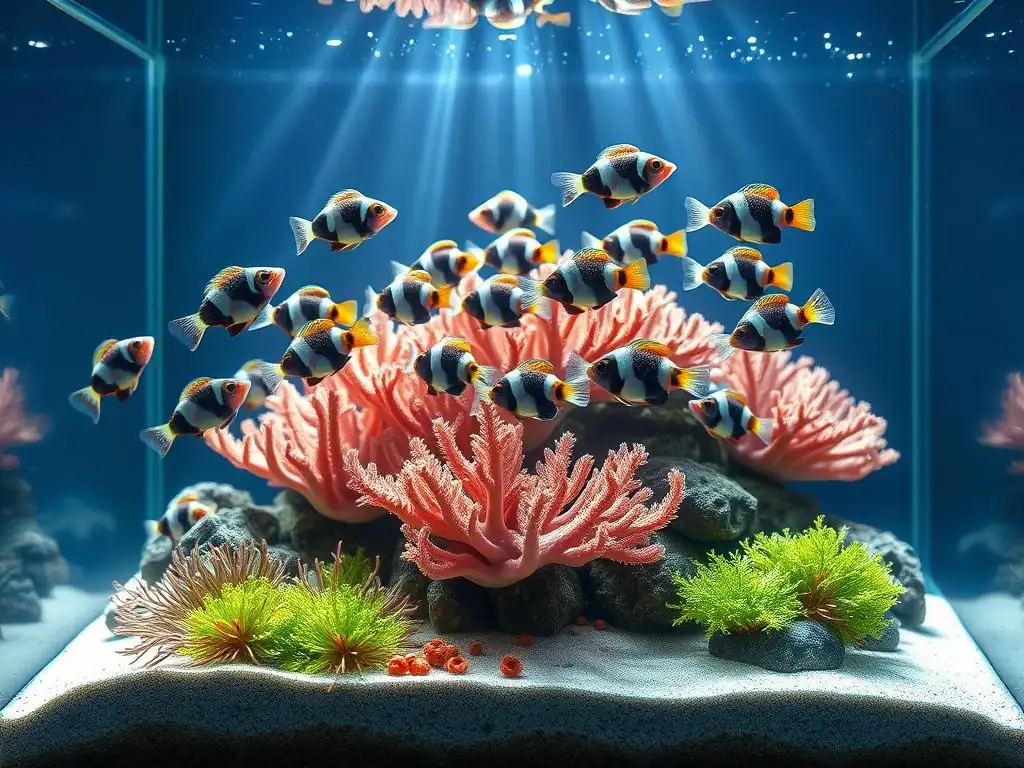
Welcome to Aquarium Mastery!
Ever been captivated by the charm of a tiny, strikingly patterned fish? Get ready to dive deep into the world of the Panda Clown Goby! This delightful nano fish is a favorite among aquarists, but understanding its specific needs is crucial. Curious about proper Panda Clown Goby care? Let's explore everything you need to know to keep these little charmers thriving in your saltwater aquarium...
- Introduction to the Panda Clown Goby: A Nano Reef Gem
- Panda Clown Goby Care: Essential Guidelines for a Healthy Fish
- Setting Up the Ideal Aquarium for Panda Clown Gobies
- Panda Clown Goby Compatibility: Choosing the Right Tank Mates
- Identifying and Treating Common Panda Clown Goby Diseases
- Breeding Panda Clown Gobies: A Potential Challenge
- Acquiring Your Panda Clown Goby: Selecting a Healthy Specimen
- Enhancing Your Aquarium with Panda Clown Goby Behaviour and Observation
- Conclusion: Enjoying the Beauty of Your Panda Clown Goby
- Frequently Asked Questions
- Final Reflection: Embracing the Delicate Balance
- Unleash the Panda Goby's Charm in Your Aquarium!
Introduction to the Panda Clown Goby: A Nano Reef Gem
What is a Panda Clown Goby? Overview of Paragobius lacunicolus
The Panda Clown Goby, scientifically known as Paragobius lacunicolus, is a captivating small marine fish renowned for its distinctive black and white banding, reminiscent of its namesake terrestrial mammal. Originating from the Indo-Pacific region, particularly around the Philippines and Indonesia, these gobies are typically found inhabiting shallow, protected reef areas, often perching on live rock or coral branches. They are relatively new to the aquarium trade compared to other goby species, making them a unique find for dedicated aquarists.
Measuring a diminutive 1 to 1.5 inches (approximately 2.5 to 3.8 cm) in length, the Panda Clown Goby is perfectly suited for nano reef aquariums. Their small size, combined with their striking coloration and peaceful demeanor, makes them an attractive focal point in smaller setups. With proper Panda clown goby care, these charming fish can live for an estimated 2 to 4 years, offering a rewarding experience for enthusiasts who appreciate their subtle beauty and interesting habits.
Why Choose a Panda Clown Goby for Your Saltwater Nano Aquarium?
Choosing a Panda Clown Goby for a saltwater nano aquarium offers several distinct advantages. Firstly, their compact size is a primary benefit, allowing them to thrive in tanks as small as 5 to 10 gallons without feeling cramped, a critical factor for aquarists with limited space. Their eye-catching black and white stripes provide a bold contrast against the vibrant colors of corals and live rock, creating a visually dynamic display that belies their small stature.
Beyond aesthetics, their calm and non-aggressive temperament makes them excellent inhabitants for peaceful community nano reefs. Unlike some larger, more boisterous species, Panda Clown Gobies are unlikely to harass or compete aggressively with other small, docile tank mates. They exhibit fascinating perching behavior, often resting on corals or rockwork, which adds an engaging element of observation to the aquarium. Their specific needs, particularly regarding diet and water stability, highlight the importance of diligent Panda clown goby care for their long-term health and vibrancy.
Panda Clown Goby Care: Essential Guidelines for a Healthy Fish
Optimal Tank Parameters for Panda Clown Gobies: Water Quality & Temperature
Maintaining stable and optimal water parameters is the cornerstone of successful Panda clown goby care. These gobies thrive in typical reef tank conditions, requiring a specific range to ensure their health and well-being. Ideal salinity levels should be maintained between 1.023 and 1.026 specific gravity, ideally with a high-quality refractometer for precise measurements. The water temperature should consistently range from 72°F to 78°F (22°C to 26°C), as significant fluctuations can stress the fish and compromise their immune system.
Furthermore, pristine water quality is non-negotiable. Ammonia and nitrite levels must remain at an undetectable 0 ppm, while nitrates should be kept below 10-20 ppm. A stable pH level between 8.1 and 8.4 is also crucial. Regular testing with reliable kits—at least weekly for ammonia, nitrite, and nitrate, and bi-weekly for pH and alkalinity—is essential to monitor these parameters. Consistent water stability, achieved through diligent monitoring and appropriate filtration, directly contributes to the longevity and vibrant health of your Panda Clown Goby.
Panda Clown Goby Diet and Feeding: What to Feed Your Goby
Panda Clown Gobies are micro-predators with a carnivorous diet, primarily feeding on small invertebrates in their natural habitat. In the home aquarium, a varied diet of small, meaty frozen foods is essential for their nutritional needs. Recommended foods include enriched brine shrimp, mysis shrimp, cyclop-eeze, and finely chopped frozen seafood. It is important to ensure the food particles are small enough for their tiny mouths, typically no larger than 1-2 mm.
Due to their small size and relatively slow feeding habits, they should be fed 2 to 3 times daily in small portions. This frequency ensures they receive adequate nutrition without overfeeding the tank, which can lead to water quality issues. Care should be taken to observe that the goby is actually consuming the food, especially if housed with faster-feeding tank mates. A consistent and varied feeding regimen is a vital component of comprehensive Panda clown goby care, supporting their immune system and overall vitality.
Maintaining a Healthy Environment: Water Changes and Substrate
Regular water changes are fundamental to maintaining a healthy environment for Panda Clown Gobies and are a critical aspect of their ongoing care. A weekly or bi-weekly water change of 10-20% is generally recommended, depending on the tank's bioload and filtration efficiency. This practice helps to replenish essential trace elements and remove accumulated nitrates and other undesirable compounds, preventing the buildup of toxins that can harm delicate marine life.
The choice of substrate is also significant for these gobies. A fine sand bed, such as aragonite sand with a grain size of 0.5-1.5 mm, at least 1-2 inches (2.5-5 cm) deep, is highly beneficial. Panda Clown Gobies often sift through the sand for microfauna or utilize it for occasional burrowing, especially if they feel threatened. Regular siphoning of the sand bed during water changes helps remove trapped detritus and maintains a clean, healthy substrate, further contributing to optimal Panda clown goby care.
Setting Up the Ideal Aquarium for Panda Clown Gobies
Tank Size Requirements: How Big Should Your Nano Tank Be?
When considering the ideal tank size for Panda Clown Gobies, their diminutive stature makes them perfect candidates for nano aquariums. A single Panda Clown Goby can comfortably thrive in a well-established 5-gallon (approximately 19-liter) aquarium, provided that water parameters are meticulously maintained. However, a 10-gallon (approximately 38-liter) tank is often recommended as a minimum for a single specimen, as it offers greater stability in water parameters and more space for aquascaping.
For those planning to keep a pair of Panda Clown Gobies or introduce a few other peaceful nano tank mates, a 15-gallon (approximately 57-liter) or larger aquarium would be more appropriate. Larger tanks, while still considered "nano" in the marine hobby, provide even greater stability and dilution of waste products, easing the burden of water quality management. Regardless of size, the emphasis in Panda clown goby care for tank setup remains on creating a stable, secure, and enriched environment.
Substrate and Aquascaping: Creating a Natural Habitat
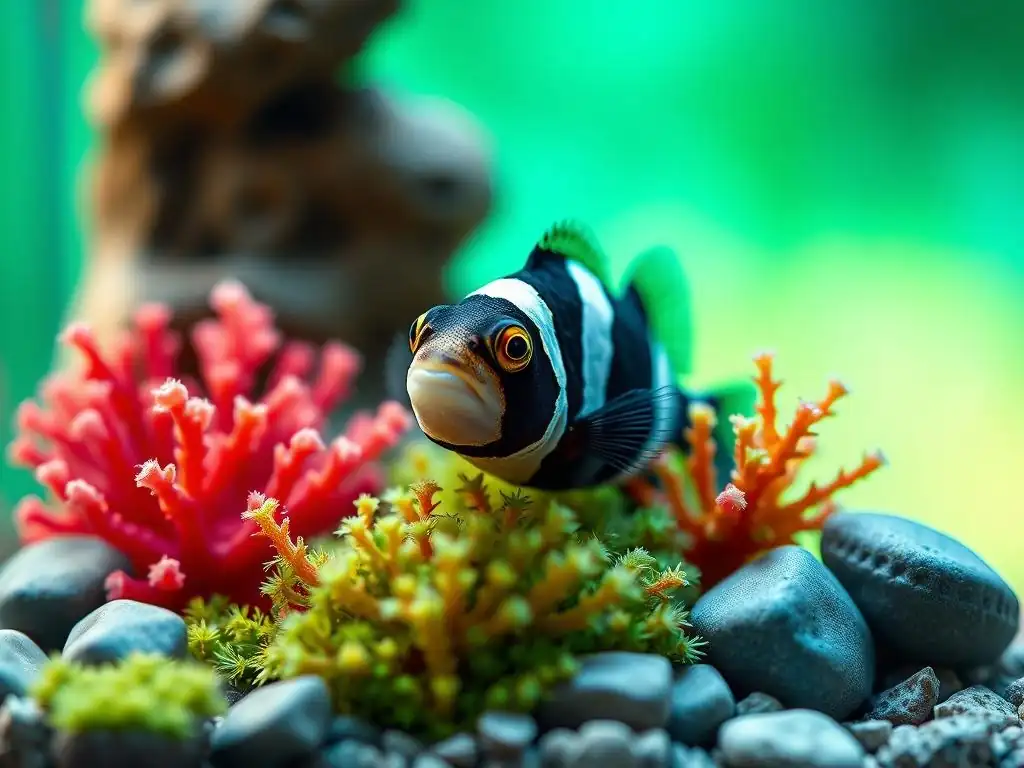
Creating a natural and functional habitat is paramount for the well-being of Panda Clown Gobies. As mentioned, a fine sand bed is crucial; a depth of at least 1-2 inches allows them to engage in natural sifting behaviors and offers potential spots for resting or temporary refuge. The choice of sand, such as live aragonite sand, also contributes to buffering water chemistry.
Beyond the substrate, thoughtful aquascaping with live rock is vital. Provide ample caves, crevices, and overhangs using stable rock formations. These features serve as essential hiding spots and perching points, reducing stress and allowing the goby to feel secure. Incorporating small, peaceful corals like zoanthids, soft corals, or even small LPS corals can enhance the natural feel of the tank, as Panda Clown Gobies are known to perch harmlessly on their branches, adding to the visual appeal of your nano reef.
Essential Equipment: Filtration, Lighting, and Water Flow for Gobies
The right equipment is fundamental to successful Panda clown goby care. For filtration, a robust biological filter, often provided by ample live rock (typically 1 to 1.5 pounds per gallon), is crucial for processing waste. Mechanical filtration, such as filter socks or sponges changed regularly, helps remove particulate matter. For tanks 10 gallons and larger, a small protein skimmer can significantly enhance water quality by removing organic waste before it breaks down. An auto top-off (ATO) system is highly recommended to maintain stable salinity in smaller volumes, which are prone to rapid evaporation.
Lighting requirements for Panda Clown Gobies themselves are not stringent; moderate lighting suitable for corals, if present, will suffice. They do not require intense light. Water flow should be gentle to moderate. Strong currents can easily stress such a small fish, making it difficult for them to swim and feed. A small powerhead positioned to create indirect, gentle flow throughout the tank is ideal, ensuring adequate circulation without creating turbulent areas that might overwhelm your goby.
Panda Clown Goby Compatibility: Choosing the Right Tank Mates
Peaceful Tank Mates: Avoiding Aggression in Your Nano Reef
Selecting appropriate tank mates is a critical aspect of Panda clown goby care, especially given their small size and peaceful nature. They thrive in community settings with other similarly small and non-aggressive species. Excellent companions include other nano gobies (such as small trimmas or even a single small watchman goby if the tank is sufficiently large, e.g., 20+ gallons), firefish, small blennies like the Tailspot Blenny, and small, peaceful clownfish (e.g., Ocellaris Clownfish).
It is paramount to avoid any fish known for aggression, territoriality, or fin-nipping tendencies. The key is to ensure that all tank inhabitants are docile and will not outcompete the slow-moving Panda Clown Goby for food. Always introduce the goby first or concurrently with other peaceful species to minimize territorial disputes, and closely observe initial interactions to ensure a harmonious environment.
Invertebrate Companions: Shrimp, Snails, and Coral Compatibility
Panda Clown Gobies are generally considered reef-safe and compatible with a wide array of invertebrates, making them ideal for mixed reef aquariums. Various types of cleaner shrimp (e.g., Skunk Cleaner Shrimp, Peppermint Shrimp) and ornamental shrimp (e.g., Sexy Shrimp) can coexist peacefully with these gobies, often adding to the tank's biodiversity. Snails, such as Turbo, Nassarius, and Astrea snails, are excellent choices for the cleanup crew and pose no threat to the goby.
In terms of coral compatibility, Panda Clown Gobies are typically safe with most soft corals, LPS (Large Polyp Stony) corals, and SPS (Small Polyp Stony) corals. They may occasionally perch on corals, but they do not nip at polyps or cause damage. This makes them versatile additions to diverse reef setups. However, predatory invertebrates like mantis shrimp or certain larger crabs should be strictly avoided, as they could easily prey upon such a small fish, undermining all efforts in Panda clown goby care.
Fish to Avoid: Aggressive Species and Fin-Nippers
To ensure the safety and well-being of your Panda Clown Goby, certain fish species must be strictly avoided as tank mates. Any highly aggressive or territorial fish, such as most damselfish, larger clownfish (especially Maroon or Clarkii clowns in smaller tanks), dottybacks, and larger wrasses, are unsuitable. These species can harass, stress, or even injure the tiny goby, leading to chronic stress or death.
Furthermore, fish known for their fin-nipping habits, such as certain triggers, puffers, and some angelfish, should also be excluded from a Panda Clown Goby's tank. Their small fins could easily become targets, leading to injury and infection. The primary goal of selecting tank mates for Panda Clown Goby care is to create a serene and non-threatening environment where this delicate species can thrive without constant fear or competition.
Identifying and Treating Common Panda Clown Goby Diseases
Recognizing Signs of Illness: Early Detection is Key
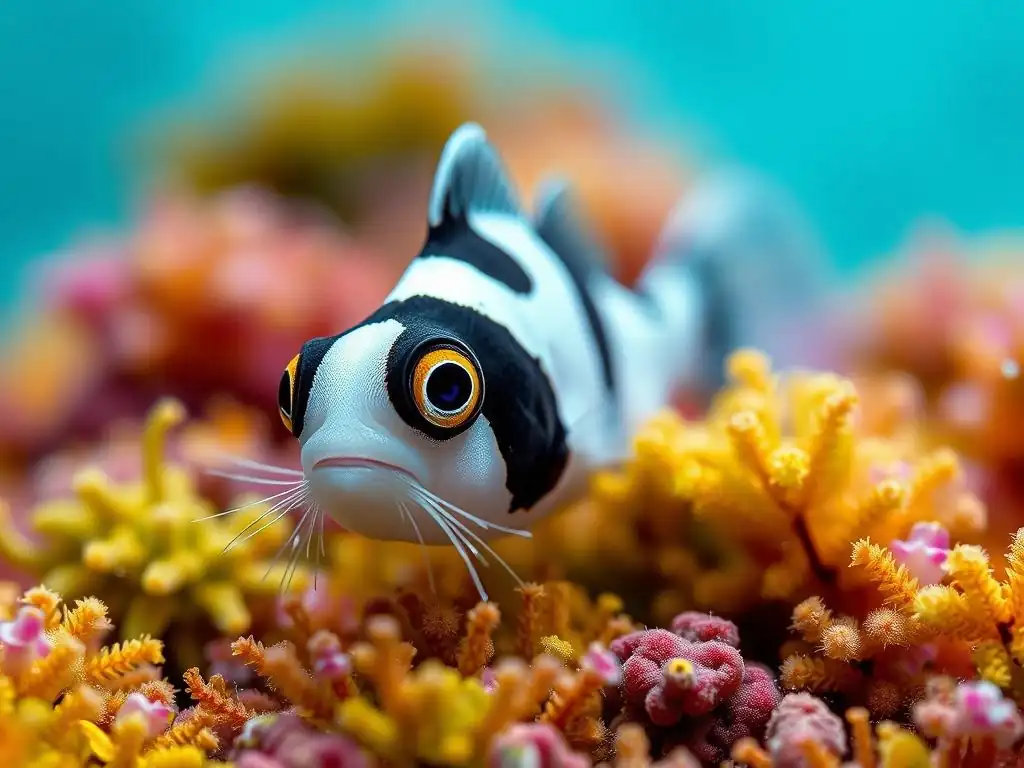
Early detection of illness is crucial for effective Panda clown goby care and significantly increases the chances of successful treatment. Aquarists should regularly observe their gobies for any changes in behavior or appearance. Key signs of illness include a loss of appetite or refusal to eat, lethargy or unusual inactivity, rapid or labored breathing, and clamped fins held close to the body.
Physical symptoms might include visible white spots (indicative of Ich or marine velvet), patchy discoloration, faded colors, torn or frayed fins, or any unusual growths or lesions on the body. Abnormal swimming patterns, such as darting, scratching against rocks, or difficulty maintaining buoyancy, are also strong indicators of a problem. Prompt recognition and action are vital, as small fish like Panda Clown Gobies can succumb to disease quickly.
Common Diseases Affecting Gobies: Prevention and Treatment
Panda Clown Gobies, like all marine fish, can be susceptible to common saltwater aquarium diseases, primarily exacerbated by stress or poor water quality. Ich ( Cryptocaryon irritans), or marine white spot disease, is a prevalent parasitic infection characterized by small, salt-like white spots on the body and fins. Prevention involves maintaining stable water parameters and quarantining new arrivals. Treatment can include copper-based medications (used with caution and in a separate quarantine tank, as copper is toxic to invertebrates) or hyposalinity for fish-only systems.
Marine Velvet Disease ( Amyloodinium ocellatum) is another highly contagious and often more virulent parasite, appearing as a dusty, yellowish film. It progresses rapidly and requires immediate treatment, often with copper or formalin-based medications. Bacterial infections, such as fin rot or body sores, can also occur, often secondary to stress or injury. These are typically treated with broad-spectrum antibiotics in a dedicated quarantine tank. Consistent high-quality Panda clown goby care, including proper nutrition and stable parameters, strengthens their natural resistance to these common ailments.
Quarantine Procedures: Protecting Your Existing Fish
Implementing a strict quarantine procedure for all new fish is perhaps the single most effective preventative measure in Panda clown goby care against disease introduction. A separate quarantine tank (QT) of 5-10 gallons, equipped with a heater, basic filtration (sponge filter), and a few PVC pipes for hiding, should be set up. New gobies should be acclimated to this QT and observed for a period of 2 to 4 weeks before being introduced to the main display tank.
During the quarantine period, observe the goby for any signs of illness. If no symptoms appear, some aquarists opt for preventative treatments, such as a freshwater dip or a short course of medication, especially if the source of the fish is unknown. This critical step prevents the spread of pathogens, like Ich or Velvet, to your established aquarium, safeguarding your existing inhabitants, including your delicate Panda Clown Goby.
Breeding Panda Clown Gobies: A Potential Challenge
Creating Breeding Conditions: Water Parameters and Diet
Breeding Panda Clown Gobies in a home aquarium is a rare but rewarding achievement, often presenting a significant challenge for even experienced aquarists. To encourage spawning, the first step is to provide optimal and highly stable water parameters, mirroring the pristine conditions required for general Panda clown goby care. This includes consistent salinity (1.025 SG), temperature (perhaps a slight increase to 78-79°F / 25.5-26°C), and perfect water quality (0 ppm ammonia/nitrite, <10 ppm nitrate).
A diet rich in high-quality, protein-dense foods, fed frequently throughout the day, can help condition the fish for breeding. Live foods such as enriched brine shrimp, copepods, and rotifers are particularly beneficial. Providing suitable spawning sites is also essential; small, dark caves, PVC pipes of appropriate diameter (e.g., 1-inch), or even empty snail shells can serve as ideal locations for egg deposition.
Identifying Male and Female Gobies: Sexual Dimorphism
Identifying the sex of Panda Clown Gobies can be subtle, as overt sexual dimorphism is not always pronounced. Males may sometimes appear slightly larger or more slender than females, and during spawning periods, their colors might intensify. Females, conversely, may become noticeably plumper or rounder in the abdomen when gravid with eggs.
Often, the most reliable way to identify a male and female pair is by observing their natural behavior. If two gobies consistently interact, share a specific territory or hiding spot, and engage in courtship rituals (such as fin displays or synchronized swimming), they are likely a bonded pair. Dedicated observation and a bit of patience are key to identifying a potential breeding pair for successful Panda clown goby care.
Raising Goby Fry: A Difficult but Rewarding Task
Once eggs are laid, typically in a sheltered spot, the male Panda Clown Goby often guards and aerates them until hatching. Raising the goby fry, however, is where the true difficulty lies. The fry are planktonic, incredibly small, and require microscopic live foods for their initial development. Rotifers are typically the first food source, followed by newly hatched brine shrimp as they grow.
Due to their minuscule size, susceptibility to water quality fluctuations, and demanding feeding requirements, the survival rate of Panda Clown Goby fry in a home aquarium is often very low. Successful rearing requires a dedicated larval rearing tank, meticulous water changes with aged saltwater, and a continuous supply of appropriate live planktonic foods. While challenging, raising goby fry is an immensely rewarding experience for the advanced aquarist committed to the intricacies of Panda clown goby care.
Acquiring Your Panda Clown Goby: Selecting a Healthy Specimen
Where to Buy Panda Clown Gobies: Reputable Sources
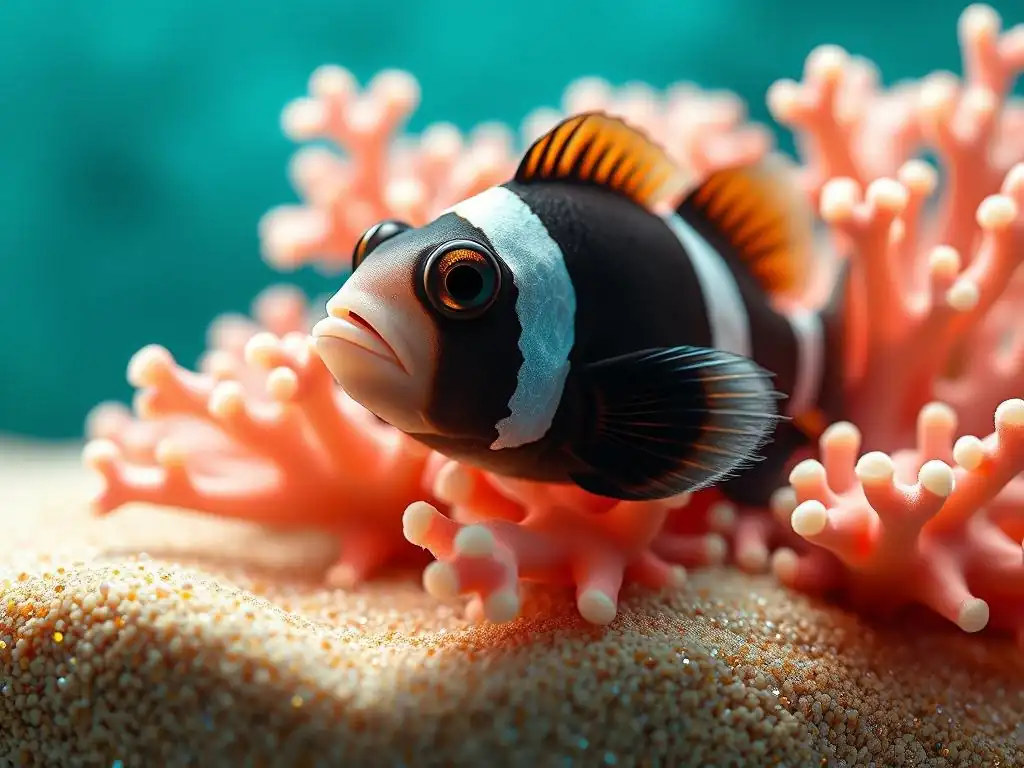
Acquiring a healthy Panda Clown Goby is the first step toward successful long-term Panda clown goby care. It is crucial to purchase from reputable sources to minimize the risk of bringing home a diseased or stressed fish. Local fish stores with a good reputation, clean tanks, and knowledgeable staff are often a reliable option. Inquire about their fish handling protocols and quarantine procedures.
Online retailers specializing in marine fish can also be excellent sources, especially for rarer species like the Panda Clown Goby. When buying online, always check customer reviews, look for strong "arrive alive" guarantees, and ensure they have robust shipping procedures. Avoid purchasing from sources with questionable practices or those that cannot provide details about the fish's origin or health history, as this significantly increases the risk of problems down the line.
What to Look for When Purchasing: Signs of a Healthy Goby
When selecting a Panda Clown Goby, whether in person or by scrutinizing online photos/videos, look for specific signs of health and vitality. A healthy goby should be active and alert, not listless or hiding excessively unless recently disturbed. Its eyes should be clear and bright, without cloudiness or haziness. The body should appear full and well-fed, with no sunken belly or visible skeletal structure, indicating proper nutrition.
Inspect the fins for any signs of tears, fraying, or white spots, which could indicate disease. The fish's breathing should be calm and regular, not rapid or labored. Its coloration should be vibrant and distinct, with clear black and white banding. Avoid any fish exhibiting visible lesions, external parasites, or abnormal swimming patterns. Choosing a robust specimen from the outset is a foundational element of effective Panda clown goby care.
Acclimation Process: Introducing Your Goby to Its New Home
Proper acclimation is a critical step when introducing a new Panda Clown Goby to its aquarium, minimizing stress and preventing osmotic shock. The drip acclimation method is highly recommended for sensitive marine fish. Begin by floating the bag in your aquarium for 15-20 minutes to equalize temperature. Then, open the bag, secure it to the side of a bucket, and slowly drip water from your display tank into the bucket using airline tubing and a knot or valve to control the flow.
Aim for a drip rate that slowly doubles the volume of water in the bucket over 30-60 minutes. Once acclimation is complete, gently net the goby from the bucket and transfer it to your display tank, discarding the water from the bucket. Never add water from the shipping bag directly into your display tank. Turning off the aquarium lights during acclimation and for a few hours afterward can also help reduce stress during this crucial transition period in Panda clown goby care.
Enhancing Your Aquarium with Panda Clown Goby Behaviour and Observation
Understanding Goby Behavior: Unique Characteristics
Observing the unique behaviors of your Panda Clown Goby can significantly enhance your appreciation for this fascinating species. One of their most characteristic traits is their perching habit; they are frequently seen resting on live rock structures, coral branches, or even directly on the sand bed, often in a somewhat upright posture. This allows them to survey their surroundings and quickly dart into cover if threatened.
Panda Clown Gobies also exhibit sifting behavior, particularly if a fine sand bed is present. They will take mouthfuls of sand, sift out any edible detritus or tiny organisms, and expel the clean sand through their gills. While generally peaceful, they may establish a small territory around their preferred perching or hiding spot, which they might subtly defend from other very small, non-aggressive tank mates. Initially shy, they tend to become more confident and visible once settled into a stable environment and accustomed to their surroundings.
Regularly observing the interactions between your Panda Clown Goby and its tank mates is a key component of proactive Panda clown goby care. Even in a peaceful nano reef, subtle bullying or competition for food can occur, especially if one fish is more assertive or a faster eater. Monitor feeding times closely to ensure your goby is getting enough to eat, as their slower pace can sometimes put them at a disadvantage.
If you keep a pair of Panda Clown Gobies, observe their social dynamics. They should ideally remain in close proximity, possibly sharing a favorite hiding spot. Any signs of aggression between them, such as chasing or nipping, could indicate that they are not a compatible pair or that the tank is too small. Understanding these social behaviors helps in maintaining a harmonious and stress-free environment, crucial for the long-term health and well-being of your goby.
Tips for successful Panda Clown Goby keeping
Successful Panda Clown Goby keeping hinges on a few key practices that ensure their health and vitality. Firstly, unwavering dedication to maintaining stable and pristine water parameters is paramount; consistency is more important than chasing "perfect" numbers. Secondly, provide a varied and high-quality diet of small, meaty foods, fed frequently throughout the day to meet their metabolic needs.
Thirdly, ensure the aquarium offers ample hiding spots and a fine sand bed for their natural behaviors. Fourthly, select tank mates with extreme care, opting only for other peaceful, small species to avoid stress and competition. Finally, implement a strict quarantine protocol for all new additions to prevent the introduction of diseases. Adhering to these tips will significantly improve your chances of enjoying a thriving and captivating Panda Clown Goby for years to come.
Conclusion: Enjoying the Beauty of Your Panda Clown Goby
The Rewards of Proper Panda Clown Goby Care
The dedication to proper Panda clown goby care truly pays dividends, culminating in the enjoyment of a vibrant, healthy, and engaging marine inhabitant. These strikingly patterned fish bring a unique aesthetic to any nano reef, their bold black and white stripes providing a captivating contrast against the live rock and corals. Their charming perching habits and subtle sifting behaviors add an intriguing dimension to the aquarium, offering endless opportunities for observation and appreciation.
Beyond their visual appeal, the satisfaction of providing an optimal environment where such a delicate species can thrive is immensely rewarding for any aquarist. A well-cared-for Panda Clown Goby will exhibit natural behaviors, maintain its brilliant coloration, and contribute to the ecological balance of a small reef ecosystem. Their relatively long lifespan, when provided with consistent and attentive care, ensures that they will be a cherished part of your aquatic family for several years.
Further Resources for Goby Enthusiasts
For those captivated by the unique charm of the Panda Clown Goby and other related species, the journey of learning in marine aquaristics is continuous. Delving deeper into the specifics of goby biology, habitat requirements, and advanced breeding techniques can further enhance your understanding and success. Explore comprehensive species profiles for other gobies, blennies, and dragonets to discover new potential additions to your nano reef.
Additionally, understanding the intricacies of marine water chemistry, advanced filtration methods, and coral husbandry will benefit not only your Panda Clown Goby but your entire reef ecosystem. Engaging with online forums and local aquarium clubs can also provide invaluable insights, peer support, and access to a wealth of collective experience, furthering your mastery of marine aquarium keeping.
Frequently Asked Questions
What are the essential requirements for Panda Clown Goby care?
Panda Clown Gobies require a small, established tank (minimum 10 gallons), stable water parameters, and a diet of small meaty foods. They are sensitive to fluctuations in water quality.
Are Panda Clown Gobies suitable for beginner aquarists?
Generally, Panda Clown Gobies are not recommended for beginners. Their sensitivity to water parameters and specific dietary needs makes them more suited to aquarists with some experience in maintaining a nano reef tank.
What type of environment do Panda Clown Gobies thrive in?
They thrive in a mature reef tank with plenty of live rock for grazing and hiding. They prefer low to moderate flow and benefit from a variety of hiding places.
What do Panda Clown Gobies eat?
Their diet should consist of small, meaty foods such as frozen mysis shrimp, brine shrimp, and copepods. They are primarily carnivores and may also graze on algae and microfauna in the tank.
Are Panda Clown Gobies peaceful fish?
Yes, Panda Clown Gobies are generally peaceful and can be kept with other peaceful nano fish species. However, they can be territorial with their own kind, so keeping multiple Panda Clown Gobies requires a larger tank with ample hiding spaces.
Final Reflection: Embracing the Delicate Balance
The journey of understanding and caring for the Panda Clown Goby, as we've explored, underscores a larger truth: even the smallest creatures demand our utmost respect and informed attention. The intricacies of their care, from water parameters to dietary needs, are not merely technical details, but rather a testament to the delicate balance within our aquariums and, by extension, within the natural world.
This tiny fish, with its striking pattern, serves as a microcosm of the broader challenges facing our planet's ecosystems. The dedication required to provide a thriving environment for a Panda Clown Goby mirrors the commitment we must make to protect the biodiversity around us. In the end, we will conserve only what we love; we will love only what we understand; and we will understand only what we are taught.
- Baba Dioum's words resonate deeply, reminding us that knowledge and understanding are the cornerstones of conservation.
As you consider adding a Panda Clown Goby to your nano aquarium, or perhaps simply reflect on the information shared, I invite you to consider the broader implications. Let this knowledge inspire you to become a more conscious and responsible aquarist, and more importantly, a more mindful steward of our planet. Embrace the challenge of understanding, and let that understanding fuel a passion for preservation, ensuring that future generations can marvel at the beauty and fragility of life, both within our tanks and beyond.
Unleash the Panda Goby's Charm in Your Aquarium!
Thanks for diving into the fascinating world of Panda Clown Gobies! We hope you found inspiration and valuable insights into caring for these captivating nano fish. Now, let's put that knowledge into action and bring some of their unique charm to your aquarium experience.
Here's how you can take the next step:
- Take the Plunge: Consider if a Panda Goby is the right fit for your nano aquarium. Reflect on their specific needs, the compatibility with your existing inhabitants, and the overall health of your tank before making your decision.
- Dive Deeper: Share your favorite Panda Goby fact with a fellow aquarium enthusiast! Spread the word about these amazing creatures and help others discover their beauty.
- Get Creative: Design a new aquascape layout specifically for Panda Gobies, focusing on their preferences for hiding places and perching spots. Share your design ideas in the comments!
Ready to transform your nano aquarium into a Panda Goby paradise?