
Schooling Cardinals: Adding Movement and Safety to Your Reef Tank

Welcome to Aquarium Mastery!
Ever wondered how to inject vibrant life and a sense of security into your reef tank? Dive in! This article unveils the secrets to successfully keeping schooling cardinals – a fascinating and beautiful addition to any saltwater setup. Discover how these captivating fish can enhance your reef's ecosystem while adding a mesmerizing visual dynamic. Ready to unlock the potential of Reef tank schooling cardinals? Let's explore!
- Schooling Fish: Adding Movement and Safety to Your Reef Tank
- Introduction to Reef Tank Schooling Fish
- Selecting the Right Schooling Fish Species for Your Reef
- Setting Up Your Reef Tank for Schooling Fish
- Introducing Your Schooling Fish to the Reef Tank
- Feeding Schooling Fish in a Reef Environment
- Maintaining a Healthy School of Fish
- Fish Tank Mates: Choosing Compatible Species for Your Reef
- Troubleshooting Common Schooling Fish Issues in Reef Tanks
- Conclusion: The Joy of Reef Tank Schooling Fish
-
Frequently Asked Questions
- What are the benefits of keeping schooling cardinals in a reef tank?
- Are schooling cardinals compatible with other reef tank inhabitants?
- How many schooling cardinals should I keep in my reef tank to see schooling behavior?
- What are the water parameter requirements for schooling cardinals in a reef tank?
- What do schooling cardinals eat, and how often should I feed them in my reef tank?
- Final Reflection: The Living Symphony of the Reef
- Ignite Your Reef: Transform Insights into Action!
Schooling Fish: Adding Movement and Safety to Your Reef Tank
Introduction to Reef Tank Schooling Fish
Why Choose Schooling Fish for Your Reef Aquarium?
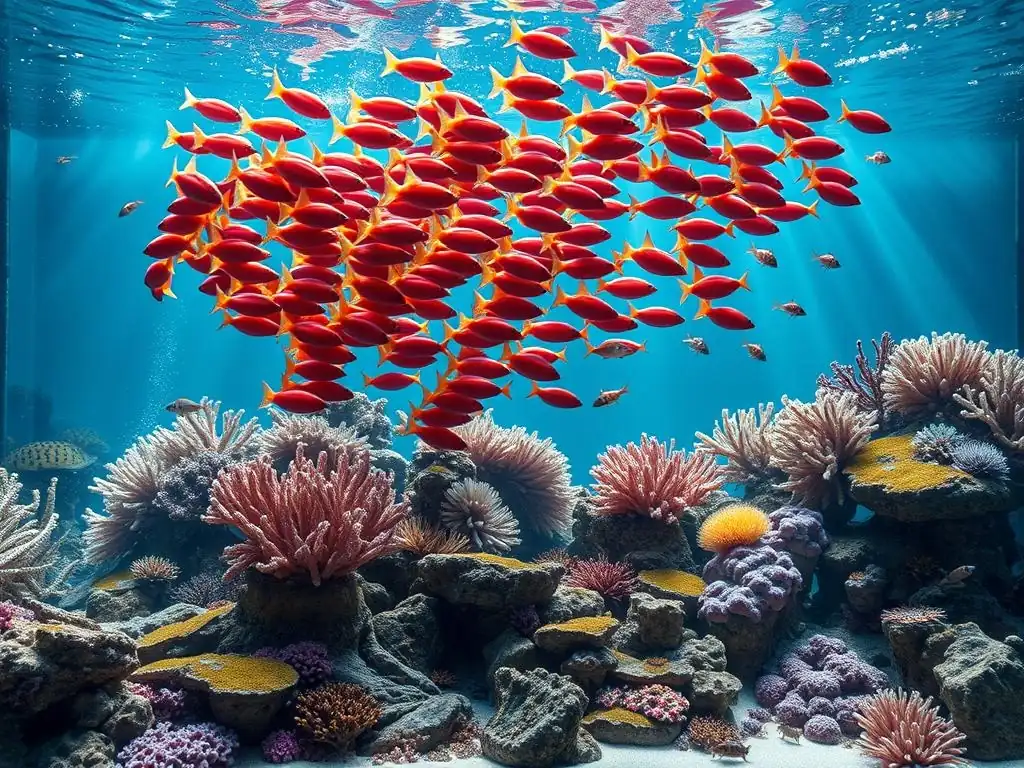
Choosing schooling fish for a reef aquarium offers a dynamic visual spectacle that enhances the aesthetic appeal of any marine setup. The synchronized movements of a group of fish create a living, breathing current within the tank, drawing the eye and adding a sense of natural vibrancy that individual fish often cannot replicate.
This movement not only makes the reef tank more engaging but also mimics natural oceanic behaviors, contributing to a more authentic and captivating underwater display. For instance, a tightly knit school of reef tank schooling cardinals, such as Banggai Cardinalfish, can transform a static aquascape into a bustling, energetic ecosystem.
Beyond their visual impact, schooling fish can contribute to the overall health and stability of the reef environment. Their presence can help distribute food more evenly throughout the water column, ensuring that less mobile invertebrates and corals also receive nutrients from detritus or uneaten particles.
Moreover, the constant swimming action of a school can aid in minor water circulation, preventing stagnant zones within the tank, particularly in areas with less direct flow from powerheads. This active contribution to the tank's micro-environment, coupled with their inherent beauty, makes schooling fish a highly desirable addition for aquarists looking to elevate their reef tank experience.
Benefits of a Fish School in Reef Environments
A well-established fish school in a reef tank provides numerous ecological and behavioral benefits that extend beyond mere aesthetics. From a behavioral standpoint, fish that naturally school often exhibit reduced stress levels when kept in appropriate groups, as their schooling instinct provides a sense of security and protection.
This communal behavior can mitigate aggression between individuals and reduce shy behavior, encouraging the fish to swim more openly and confidently throughout the aquarium. For example, Pajama Cardinalfish, known for their loose shoaling habits, often appear more vibrant and active when kept in groups of five or more in a reef tank.
Furthermore, a school of fish can serve as an indicator of water quality and overall tank health. If the school suddenly disperses, becomes lethargic, or exhibits unusual behavior, it often signals an underlying issue with water parameters, disease, or stress, prompting the aquarist to investigate. This early warning system can be invaluable in preventing more serious problems from developing. The collective presence of a school also helps to distribute feeding aggression, as food competition is spread across multiple individuals rather than focused on one or two dominant fish, ensuring that all members of the school receive adequate nutrition.
Understanding the intricate social dynamics and natural behaviors of schooling fish is crucial for their successful integration into a reef tank. Not all fish that appear to "school" truly do so in the strict sense; some are "shoalers," meaning they simply gather in groups for social interaction or foraging, but do not move in synchronized patterns.
True schooling involves highly coordinated, synchronized movements, often as a defense mechanism against predators in the wild. For reef tank schooling cardinals, such as the Banggai Cardinalfish ( Pterapogon kauderni), their schooling behavior is often observed more prominently when they are juveniles or in larger, more open systems, while adults may form looser shoals or pairs.
The social hierarchy within a school can also influence behavior. While schooling generally reduces aggression, a pecking order can still exist, particularly among species known for territorial tendencies. Providing ample space and complex aquascaping with numerous hiding spots can help mitigate potential conflicts and allow subordinate fish to retreat if necessary.
Observing these behaviors closely, from their feeding habits to their interactions with other tank inhabitants, allows aquarists to ensure the well-being of their fish and maintain a harmonious reef environment. Recognizing the subtle cues of social stress or comfort is key to fostering a thriving and dynamic fish school.
Selecting the Right Schooling Fish Species for Your Reef
Popular Reef-Safe Schooling Fish Species: A Comparison
When selecting schooling fish for a reef tank, compatibility with corals and other invertebrates is paramount. Many popular schooling species are excellent choices due to their peaceful nature and minimal impact on the delicate reef ecosystem. Among the most sought-after are reef tank schooling cardinals, particularly the Banggai Cardinalfish and Pajama Cardinalfish, both known for their striking appearance and relatively docile temperament. While Banggai Cardinals tend to form loose groups as adults, Pajama Cardinals are more consistent shoalers, adding a vibrant splash of color and movement.
Other highly recommended species include the Green Chromis ( Chromis viridis), revered for its peaceful disposition and shimmering green-blue hues, making it a staple in many reef setups. Similarly, Lyretail Anthias ( Pseudanthias squamipinnis) offer a dazzling display of color and active swimming, though they require multiple feedings per day to sustain their high metabolism.
Diamond Watchman Gobies ( Valenciennea puellaris), while not strictly schooling fish, are often kept in pairs and contribute to the tank's dynamic by sifting sand, adding movement and utility. Each species brings unique characteristics, and careful consideration of their specific needs and behaviors is essential for a successful schooling display.
Green Chromis (Chromis viridis): A Beginner-Friendly Choice
The Green Chromis is arguably one of the most popular and beginner-friendly schooling fish for reef aquariums. These small, iridescent blue-green damselfish are incredibly peaceful and rarely bother corals or other tank inhabitants, making them an ideal choice for a mixed reef. They are relatively hardy and adapt well to various tank conditions, thriving in groups of five or more. Their constant, shimmering movement throughout the water column provides a captivating display and adds a sense of natural activity to the reef.
Green Chromis are also easy to feed, readily accepting a variety of frozen, flake, and pellet foods. While generally peaceful, it's worth noting that a pecking order can establish itself within a school, particularly in smaller tanks, which might lead to the occasional disappearance of weaker individuals over time. However, in appropriately sized reef tanks (generally 50 gallons or larger for a decent school), they form cohesive and visually appealing groups that significantly enhance the overall aesthetic and dynamism of the aquarium.
Lyretail Anthias (Pseudanthias squamipinnis): Elegant and Peaceful
Lyretail Anthias are renowned for their vibrant colors and graceful swimming, making them a stunning addition to larger reef tanks. These fish are protogynous hermaphrodites, meaning all are born female and the dominant female in a group can change to male if the male is absent. They are best kept in harems, with one male and several females, or in larger groups where multiple males may coexist if the tank is spacious enough to diffuse aggression. Their active nature and schooling behavior add significant movement and elegance.
However, Lyretail Anthias have specific care requirements; they are planktivores in the wild and require multiple small feedings throughout the day (at least 2-3 times) to maintain their health and vibrant coloration. They are generally reef-safe, though very large or dominant males might occasionally nip at very delicate corals if underfed. Their beauty and constant activity make them a highly rewarding species for experienced aquarists looking to add a truly dynamic schooling element to their reef tank.
Diamond Watchman Goby (Valenciennea puellaris): Vibrant Color for Your Reef
The Diamond Watchman Goby, while not a traditional schooling fish, is often considered for its vibrant color and beneficial sand-sifting behavior, which adds a unique form of movement to the reef tank. These gobies are known for their distinctive diamond-shaped markings and their diligent work in keeping the substrate clean by sifting through it for detritus and small invertebrates. They form a strong pair bond if a male and female are introduced together, and their coordinated movements as they work the sand are captivating.
Unlike true schooling fish, Diamond Watchman Gobies are benthic (bottom-dwelling) and spend most of their time on or near the sandbed. They are peaceful and entirely reef-safe, making them excellent tank mates for a variety of corals and other fish, including reef tank schooling cardinals. While they don't school, their constant activity and unique feeding method contribute significantly to the overall dynamic and health of the reef aquarium, particularly in tanks with a deep sand bed.
Size and Compatibility Considerations for Schooling Fish in Reef Tanks
When planning to introduce schooling fish, particularly reef tank schooling cardinals, size and compatibility are paramount to ensure a peaceful and thriving environment. Consider the adult size of the chosen species; for instance, Banggai Cardinalfish can reach up to 3 inches, while Green Chromis typically stay under 2.5 inches. Overstocking, even with small schooling fish, can lead to increased aggression, poor water quality, and stunted growth. A general rule of thumb is to allow at least 5-10 gallons per small schooling fish, depending on the species and overall tank inhabitants, to provide ample swimming room and diffuse territorial disputes.
Compatibility with existing tank mates, including other fish, corals, and invertebrates, is equally crucial. Ensure that the chosen schooling species are not aggressive towards smaller, more docile fish, nor are they prone to nipping at corals or ornamental shrimp. For example, while most schooling fish like Chromis and Cardinals are excellent reef-safe choices, some species of damselfish that appear to school can become highly territorial as they mature. Researching the specific temperaments and dietary needs of each species is vital to create a balanced and harmonious reef ecosystem where all inhabitants can thrive.
Setting Up Your Reef Tank for Schooling Fish
Tank Size and Aquascaping for Fish Schools
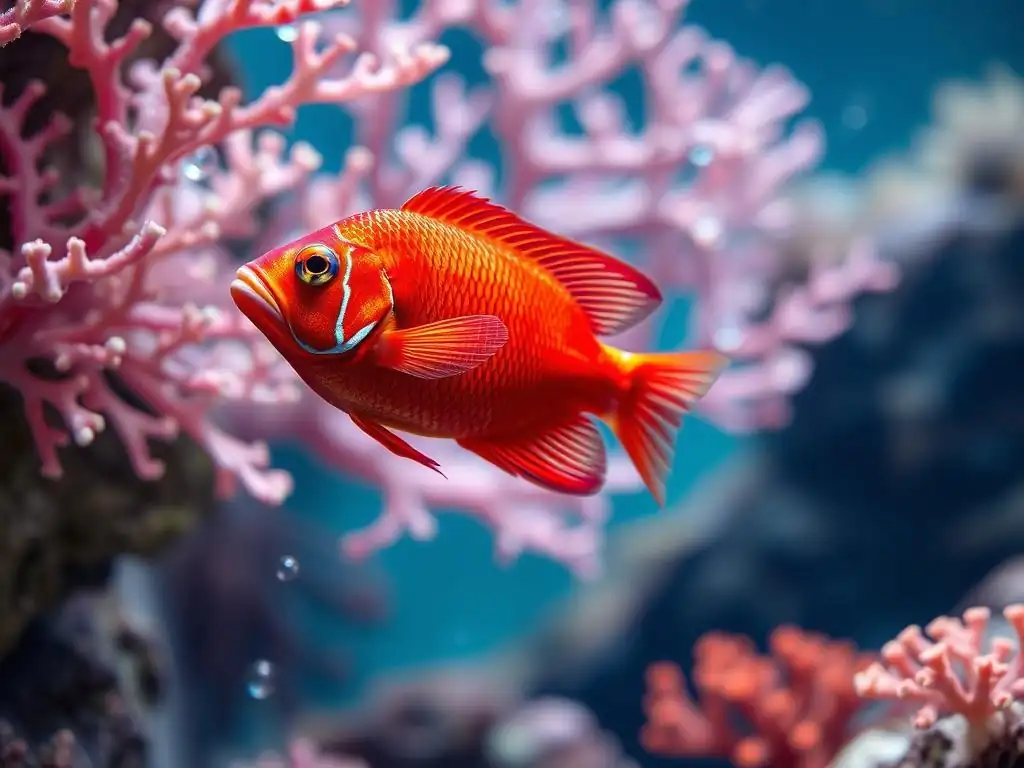
The success of a schooling fish display in a reef tank heavily relies on adequate tank size and thoughtful aquascaping. For most reef tank schooling cardinals or other small schooling fish, a minimum tank size of 50 gallons is recommended for a modest school of 5-7 individuals, with larger tanks (75 gallons and above) being ideal for more expansive schools or larger species.
Ample swimming space is crucial, as it allows the school to exhibit natural behaviors, reduce stress, and prevent territorial disputes. A longer tank rather than a taller one is often preferred, as it provides more horizontal swimming room.
Aquascaping should balance open swimming areas with plenty of hiding spots and visual breaks. While schooling fish enjoy open water, they also need secure retreats to rest or escape perceived threats. Creating caves, overhangs, and crevices with live rock offers these essential safe havens. The arrangement of live rock should also facilitate good water flow throughout the tank, preventing dead spots where detritus can accumulate, which is particularly important in tanks with active schooling fish that can contribute to bioload. A well-designed aquascape enhances both the aesthetic appeal and the functional habitat for your fish school.
Optimal Water Parameters for Fish Health in Reefs
Maintaining stable and optimal water parameters is non-negotiable for the health and longevity of any reef tank inhabitants, especially schooling fish. For reef tank schooling cardinals and other saltwater species, specific ranges must be consistently upheld. Salinity should be maintained between 1.023 and 1.026 specific gravity, ideally at 1.025. Temperature should be stable between 75-82°F (24-28°C), with minimal fluctuations. pH levels should consistently range from 8.0 to 8.4.
Beyond these basic parameters, the stability of alkalinity (8-12 dKH), calcium (400-450 ppm), and magnesium (1250-1350 ppm) is crucial, particularly in mixed reef tanks with corals. Nitrates should be kept below 10-20 ppm, and phosphates below 0.03 ppm, as elevated levels can stress fish and promote undesirable algae growth. Regular testing with reliable kits and prompt adjustments using high-quality salt mix and supplements are essential to provide a pristine environment where your schooling fish can thrive and exhibit their natural behaviors.
Essential Equipment for a Thriving Fish School
Equipping your reef tank properly is fundamental to supporting a healthy and active school of fish. A robust filtration system is paramount, consisting of mechanical filtration (filter socks, sponges) to remove particulate matter, biological filtration (live rock, bio-media) to convert ammonia and nitrite, and chemical filtration (activated carbon, GFO) to remove dissolved organics and phosphates. For tanks housing reef tank schooling cardinals and other fish, an appropriately sized protein skimmer is highly recommended to efficiently remove organic waste before it breaks down, significantly improving water quality.
Adequate water flow is another critical component. Powerheads or wavemakers should be strategically placed to create turbulent, random flow patterns that mimic natural ocean currents, which helps keep detritus in suspension for removal by the filtration system and provides exercise for the fish.
Lighting should be suitable for both the corals (if present) and the fish, providing a natural light cycle. Lastly, a reliable heater with a controller is necessary to maintain stable temperatures, and an auto top-off (ATO) system helps maintain consistent salinity by replacing evaporated water, all contributing to a stable and thriving environment for your fish school.
Introducing Your Schooling Fish to the Reef Tank
Acclimation Process: Ensuring a Stress-Free Introduction
Proper acclimation is a critical step to minimize stress and ensure the successful integration of new schooling fish into your reef tank. The drip acclimation method is highly recommended for its gradual approach, allowing fish to slowly adjust to the new water parameters (temperature, pH, salinity) over an extended period.
This process typically involves placing the fish in a small container or bucket, then slowly dripping water from the display tank into the container using airline tubing with a knot to control the flow rate. The goal is to double the volume of water in the container over 45-60 minutes.
During this process, it's vital to keep the lights dim in the room and on the tank to reduce stress on the new arrivals. Once acclimation is complete, gently net the fish and transfer them to the display tank, discarding the water from the container to avoid introducing any potentially harmful substances from the shipping water. This meticulous approach significantly reduces the shock of environmental change, increasing the chances of your reef tank schooling cardinals or other new fish thriving in their new home.
Quarantining New Fish: Preventing Disease Outbreaks
Quarantining all new fish, including schooling species, in a separate quarantine tank (QT) for at least 3-4 weeks is perhaps the most crucial step in preventing disease outbreaks in your established reef tank. A QT allows you to observe new fish for signs of illness, treat any detected diseases without exposing your main display tank's inhabitants (especially corals and invertebrates sensitive to medications), and ensure they are eating well before introduction. This proactive measure saves significant heartache and expense in the long run.
The quarantine tank should be simple, equipped with basic filtration (sponge filter, small powerhead), a heater, and PVC pipes or other inert materials for hiding spots. During the quarantine period, closely monitor the fish for symptoms of common marine diseases such as Ich (white spots), Marine Velvet (dusting), or bacterial infections. If any signs appear, treat them promptly and thoroughly in the QT, extending the quarantine period as needed. This diligent practice is the best defense against introducing pathogens that could devastate your entire reef ecosystem, protecting your existing investment in fish and corals.
Monitoring Fish Behavior After Introduction
Once your reef tank schooling cardinals or other schooling fish have been introduced to the main display tank, continuous monitoring of their behavior is essential for their long-term health and successful integration. For the first few days to a week, observe how they interact with existing tank mates, how they respond to feeding, and if they exhibit their natural schooling or shoaling behaviors. Look for signs of stress, such as hiding excessively, rapid breathing, clamped fins, or refusal to eat.
A healthy school should swim actively, explore the tank, and show enthusiasm at feeding time. If you notice any aggression from existing fish towards the new arrivals, or if the new fish appear overly timid or bullied, intervention may be necessary, such as rearranging aquascaping to create new territories or, in severe cases, temporarily removing the aggressor. Consistent observation allows for early detection of potential problems, enabling you to address issues promptly and ensure a harmonious environment for your entire reef community.
Feeding Schooling Fish in a Reef Environment
Dietary Needs of Schooling Fish: A Balanced Diet
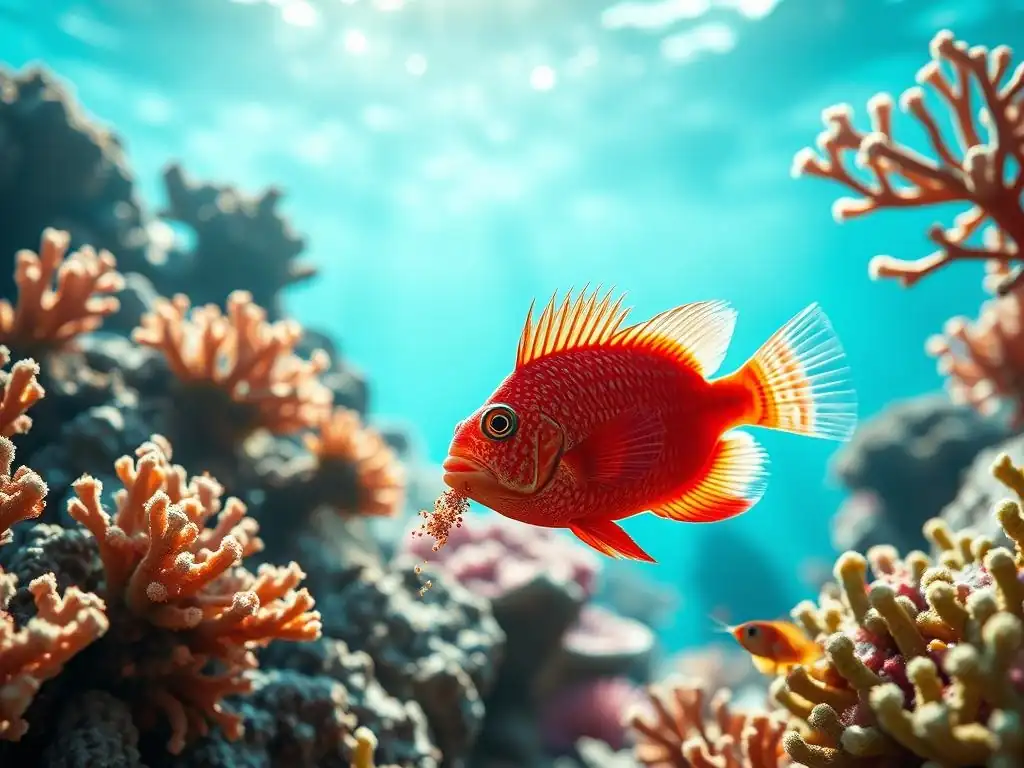
Providing a balanced and varied diet is fundamental to the health, vibrancy, and longevity of schooling fish in a reef environment. Most schooling fish, including reef tank schooling cardinals like Banggai Cardinals, are omnivores or carnivores that primarily consume zooplankton and small invertebrates in the wild. Therefore, their captive diet should reflect these natural preferences, offering a mix of high-quality protein and some vegetable matter. A diet rich in essential fatty acids and vitamins is critical for boosting their immune system and enhancing their natural coloration.
A comprehensive diet should include a variety of foods such as frozen mysis shrimp, brine shrimp (enriched), copepods, and finely chopped seafood. For species like Anthias that are constant feeders, small, frequent meals are more beneficial than one large daily feeding. Supplementing with vitamin-enriched flakes or pellets can ensure they receive a full spectrum of necessary nutrients. Understanding the specific dietary requirements of each schooling species will prevent nutritional deficiencies and support robust health within your fish school.
Best Food Options for Schooling Fish: Frozen, Live, and Flake Foods
A diverse array of food options is key to meeting the nutritional demands of schooling fish in a reef tank. Frozen foods are often considered the backbone of their diet due to their nutritional density and variety. Mysis shrimp, brine shrimp, and various marine blends provide essential proteins and fats. Thawing frozen foods in a small amount of tank water before feeding helps them disperse more naturally and reduces the risk of introducing unwanted phosphates.
Live foods, such as live brine shrimp or copepods, can be excellent for stimulating natural hunting instincts and providing a nutrient boost, especially for finicky eaters or newly introduced fish. While not a primary diet, they serve as a valuable supplement. High-quality flake and pellet foods, specifically formulated for marine fish, can serve as a convenient and nutritionally complete staple, particularly when enriched with vitamins and spirulina. Rotating between these different food types ensures a comprehensive diet and keeps the fish engaged and interested in feeding.
Feeding Frequency and Amounts for a Healthy Fish School
The frequency and amount of feeding for schooling fish in a reef tank depend on the species, their metabolism, and the overall bioload of the tank. For active, high-metabolism fish like Lyretail Anthias, multiple small feedings throughout the day (2-4 times) are ideal to sustain their energy levels and prevent malnourishment. For reef tank schooling cardinals and Green Chromis, 1-2 feedings per day are generally sufficient. The goal is to provide enough food that it is consumed within a few minutes, without excess decaying material polluting the water.
Overfeeding is a common mistake that can lead to poor water quality, algae blooms, and health issues for the fish. It's better to underfeed slightly than to overfeed significantly. Observe your fish during feeding: if food is left uneaten on the substrate or floating for extended periods, reduce the amount. A healthy feeding regimen contributes not only to the well-being of the fish but also to the stability of the entire reef ecosystem.
Maintaining a Healthy School of Fish
Water Quality Management: Regular Testing and Adjustments
Consistent and proactive water quality management is the cornerstone of maintaining a healthy school of fish in a reef tank. Regular testing of key parameters—salinity, temperature, pH, alkalinity, calcium, magnesium, nitrates, and phosphates—is essential. For reef tank schooling cardinals and other sensitive marine species, even minor fluctuations can cause stress and compromise their immune systems. Aim to test at least weekly for basic parameters and bi-weekly for reef-specific parameters.
Based on test results, prompt adjustments should be made. This includes performing regular partial water changes (typically 10-20% bi-weekly or monthly, depending on bioload) using high-quality synthetic salt mix and RO/DI water. Water changes replenish trace elements, dilute nitrates and phosphates, and remove accumulated toxins. Additionally, maintaining robust filtration, including protein skimming and chemical media, helps to keep parameters stable and water pristine, creating an optimal environment for the fish school to thrive.
Preventing and Treating Common Fish Diseases
Preventing disease is far more effective than treating it, especially in a reef tank where many medications can harm corals and invertebrates. The primary preventative measure is a strict quarantine protocol for all new fish, as discussed previously. Maintaining excellent water quality, providing a balanced diet, and ensuring minimal stress through proper tank size and compatible tank mates also significantly boost the fish's natural immunity. Overcrowding and poor nutrition are common precursors to disease outbreaks.
Despite best efforts, diseases can sometimes occur. Recognizing early signs of illness, such as lethargy, loss of appetite, abnormal spots, fin rot, or unusual swimming patterns, is crucial. For reef tank schooling cardinals and other schooling fish, if one individual shows symptoms, the entire school should be monitored closely. If a disease is suspected, a hospital tank should be set up immediately to isolate and treat the affected fish, preventing the spread of pathogens to the main display. Never medicate the main reef tank unless absolutely necessary and only with reef-safe treatments, which are limited.
Recognizing Signs of Stress or Illness in Your Fish School
Vigilant observation of your fish school's behavior is vital for early detection of stress or illness. Healthy schooling fish, including reef tank schooling cardinals, will exhibit active swimming, bright coloration, clear eyes, and a robust appetite. They should interact naturally within their school and with their environment. Any deviation from these normal behaviors could indicate a problem.
Signs of stress or illness include:
- Abnormal swimming patterns: Erratic swimming, darting, rubbing against objects (flashing), or staying motionless at the bottom or surface.
- Changes in appearance: Fading colors, clamped fins, cloudy eyes, visible spots (white, black, or velvet-like dusting), lesions, or ragged fins.
- Behavioral changes: Increased hiding, aggression towards tank mates, loss of appetite, rapid breathing (gilling), or isolation from the school.
- Physical symptoms: Bloating, sunken belly, or stringy white feces.
Promptly addressing these signs through water quality checks, dietary adjustments, or isolation for treatment can significantly improve the prognosis for affected fish and prevent the spread of illness throughout the entire school and tank.
Fish Tank Mates: Choosing Compatible Species for Your Reef
Safe Reef Inhabitants for a Schooling Fish Tank
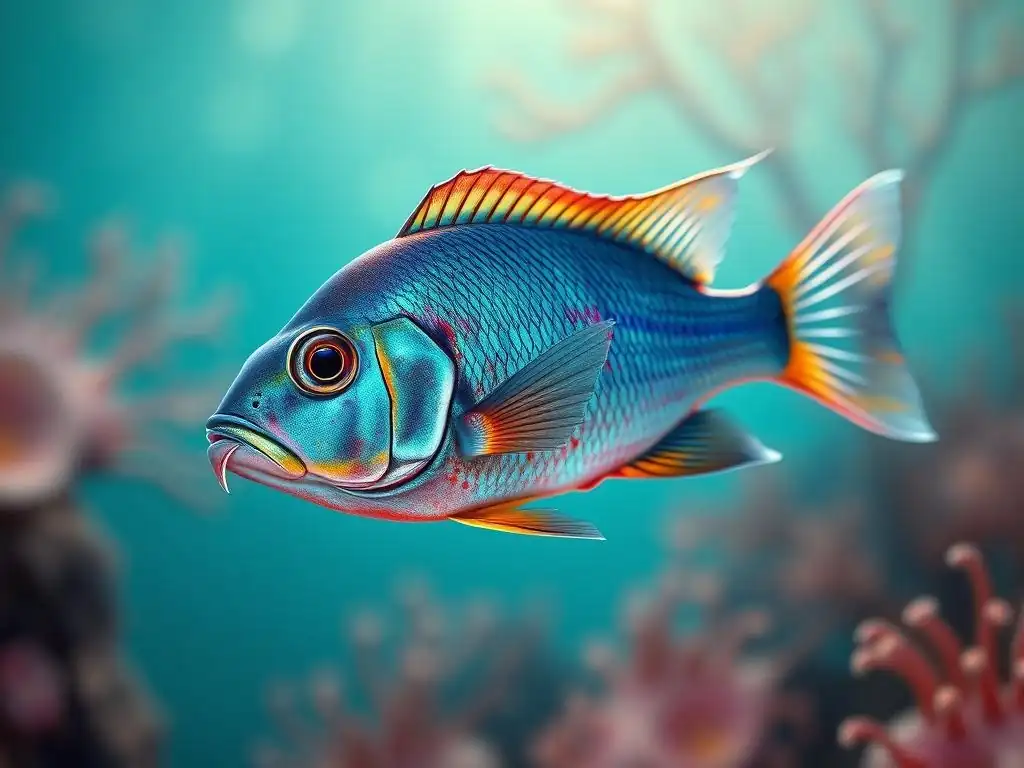
Choosing compatible tank mates is crucial for the peaceful coexistence and long-term health of your schooling fish in a reef environment. For reef tank schooling cardinals and other peaceful schooling species, focus on other docile, reef-safe fish and invertebrates that will not harass or outcompete them for food. Excellent choices include various species of gobies (like watchman gobies, pistol shrimp gobies), blennies (e.g., Lawnmower Blennies, Starry Blennies), and peaceful tangs (e.g., Yellow Tangs, Kole Tangs in larger tanks).
Invertebrates such as various species of cleaner shrimp (Peppermint Shrimp, Skunk Cleaner Shrimp), snails (Nassarius, Trochus), hermit crabs, and feather dusters are generally safe and beneficial additions. These invertebrates contribute to tank cleanliness and add diversity without posing a threat to your schooling fish. Always research the specific compatibility of any potential new addition to ensure it aligns with the temperament and needs of your existing fish school and coral inhabitants.
Fish and Invertebrates to Avoid with Schooling Fish
To maintain a harmonious reef tank with schooling fish, it's equally important to know which species to avoid. Highly aggressive or territorial fish can stress and injure schooling fish, disrupting their natural behavior and potentially leading to their demise. This includes many larger damselfish (excluding Chromis), certain aggressive angelfish, triggers, and puffers, which may nip at fins or even consume smaller schooling fish.
Similarly, some invertebrates can pose a threat. Large predatory crabs, certain mantis shrimp (unless housed alone), and some species of large anemones (if fish are small enough to be consumed) should be avoided. While most corals are safe, some stinging corals like certain types of Euphyllia or large anemones can be dangerous if schooling fish accidentally brush against them or decide to host within them (though rare for most schooling species). Always prioritize the safety and well-being of your reef tank schooling cardinals and other fish by avoiding known incompatible or predatory species.
Creating a Peaceful and Balanced Reef Ecosystem
Creating a peaceful and balanced reef ecosystem for schooling fish involves thoughtful planning and continuous management. Beyond selecting compatible tank mates, providing adequate space and a well-structured aquascape with ample hiding spots and visual barriers is essential to diffuse potential aggression and allow fish to establish territories without constant conflict. For reef tank schooling cardinals, which appreciate some sheltered areas, a mix of open swimming space and rockwork is ideal.
Introducing fish in a sensible order, generally starting with the least aggressive species, can also help. Schooling fish are often best introduced after the tank has matured and established its biological filtration, and after any highly territorial fish have already claimed their space (though it's often better to avoid highly territorial fish altogether with schooling species). Regular observation, appropriate feeding, and consistent water quality maintenance are ongoing efforts that contribute to a stress-free environment, allowing the natural beauty and dynamic behavior of your schooling fish to truly flourish.
Troubleshooting Common Schooling Fish Issues in Reef Tanks
Addressing Aggression Within the Fish School
Even within a species known for schooling, aggression can sometimes arise, especially in smaller tanks or if the school size is insufficient. This is often a display of dominance, with one or two individuals asserting their hierarchy, which can stress subordinate fish. For reef tank schooling cardinals, such as Banggai Cardinals, aggression can be more pronounced in smaller groups or if there isn't enough space.
To address aggression:
- Increase School Size: Adding more individuals (if tank size permits) can often dilute aggression, as it spreads out the dominant fish's attention. A larger school feels more secure and less prone to internal conflict.
- Rearrange Aquascaping: Moving live rock can disrupt established territories and create new hiding spots, giving subordinate fish a chance to escape or establish new, safer areas.
- Ensure Adequate Space: If aggression persists, the tank may simply be too small for the chosen school size, leading to chronic stress. Consider upgrading to a larger tank if feasible.
- Observe Feeding: Ensure all fish are getting enough food; food competition can exacerbate aggression. Provide multiple feeding spots or broadcast food widely.
Dealing with Fish Hiding Behavior
When schooling fish, including reef tank schooling cardinals, exhibit excessive hiding behavior, it's often a sign of stress, fear, or illness. Healthy schooling fish should be out and about, actively swimming and exploring their environment. Persistent hiding indicates that something is amiss in their environment or health.
Possible causes and solutions:
- New Introduction Stress: Newly introduced fish may hide for a few days as they acclimate. Keep lights dim and minimize disturbances.
- Aggressive Tank Mates: If an existing fish is bullying the school, the schooling fish will hide for safety. Identify the aggressor and consider isolating or rehoming it.
- Lack of Hiding Spots: Paradoxically, a lack of secure hiding spots can make fish feel exposed, leading them to hide more. Ensure your aquascape offers plenty of safe retreats.
- Water Quality Issues: Check all water parameters immediately. Poor water quality is a common stressor.
- Illness: Observe closely for any physical signs of disease. If suspected, move to a hospital tank for observation and treatment.
- Insufficient School Size: A small school may feel vulnerable. Increasing the school size (if tank allows) can boost their confidence.
Resolving Feeding Problems in Schooling Fish
Schooling fish that refuse to eat or show a lack of interest in food can be a serious concern, often indicating underlying stress, illness, or inappropriate diet. For reef tank schooling cardinals, which are generally good eaters, a sudden disinterest in food is a red flag.
Steps to resolve feeding problems:
- Check Water Quality: Poor water parameters are a leading cause of appetite loss. Perform thorough water tests and make necessary adjustments.
- Vary Diet: Offer a wider variety of foods, including frozen, live, and high-quality flakes/pellets. Some fish might prefer specific textures or sizes. Try enriching foods with vitamins.
- Observe Competition: Ensure dominant fish aren't monopolizing food. Distribute food widely or use multiple feeding spots.
- Address Stressors: Identify and eliminate any sources of stress, such as aggressive tank mates, inadequate hiding spots, or excessive lighting.
- Monitor for Illness: Look for any other signs of illness (e.g., lethargy, spots, rapid breathing). If illness is suspected, quarantine for treatment.
- Feeding Frequency: Some species, like Anthias, require multiple small feedings throughout the day. Ensure their metabolic needs are met.
- Soak Food: Soaking dry foods in garlic guard or vitamin supplements can sometimes entice picky eaters.
Conclusion: The Joy of Reef Tank Schooling Fish
The Beauty and Benefits of a Fish School in Your Reef
The addition of a vibrant fish school profoundly transforms a reef aquarium, bringing an unparalleled sense of movement, life, and natural beauty. The synchronized swimming of species like reef tank schooling cardinals, Green Chromis, or Lyretail Anthias creates a mesmerizing display that mimics the dynamic ecosystems of natural reefs.
Beyond the aesthetic appeal, a healthy school contributes to the overall well-being of the tank by promoting natural behaviors, reducing individual fish stress, and even aiding in the distribution of nutrients and minor water circulation. The collective energy and visual impact of a well-maintained fish school truly elevate the reef tank experience, making it a living piece of art.
Moreover, the presence of a cohesive fish school can be a constant source of fascination and a testament to the aquarist's dedication to providing an optimal environment. Observing their intricate social dynamics, feeding frenzies, and graceful movements offers endless enjoyment and a deeper connection to the marine world. It's a rewarding endeavor that culminates in a thriving, active, and aesthetically stunning reef ecosystem, showcasing the delicate balance and intricate beauty of aquatic life.
Resources for Further Learning About Fish Care
For aquarists looking to further their knowledge and ensure the best care for their reef tank schooling cardinals and other marine inhabitants, a wealth of resources is available. Reliable websites, comprehensive books on marine fish keeping, and reputable online forums provide invaluable information on species-specific care, water chemistry, disease prevention and treatment, and advanced reefkeeping techniques. Engaging with the wider aquarium community can offer practical advice and insights from experienced hobbyists.
Attending local aquarium club meetings or visiting specialized marine fish stores can also provide opportunities for hands-on learning and direct consultation with experts. Continuous learning is a hallmark of successful aquarists, as the marine hobby is always evolving with new research and best practices. By actively seeking out and utilizing these resources, aquarists can continually refine their skills and ensure the ongoing health and vibrancy of their cherished reef tank and its magnificent schooling fish.
Frequently Asked Questions
What are the benefits of keeping schooling cardinals in a reef tank?
Schooling cardinals add visual interest and natural movement to a reef tank. Their schooling behavior also provides them with a sense of security, reducing stress.
Are schooling cardinals compatible with other reef tank inhabitants?
Generally, yes. Schooling cardinals are peaceful fish and are usually compatible with most reef-safe invertebrates and fish species in a community reef environment.
How many schooling cardinals should I keep in my reef tank to see schooling behavior?
To observe true schooling behavior, it's recommended to keep at least 6 or more schooling cardinals. A larger group will enhance their natural social dynamics.
What are the water parameter requirements for schooling cardinals in a reef tank?
Schooling cardinals require stable reef-appropriate water parameters, including a salinity of 1.024-1.026, a temperature of 72-78°F, and proper filtration to maintain low nitrate and phosphate levels.
What do schooling cardinals eat, and how often should I feed them in my reef tank?
They are carnivorous and readily accept small meaty foods like mysis shrimp, brine shrimp, and high-quality flake food. Feed them 1-2 times daily in small portions.
Final Reflection: The Living Symphony of the Reef
The vibrant ecosystem of a reef tank, meticulously crafted and maintained, is more than just an aquarium; it's a microcosm of the ocean's beauty. Understanding the nuances of its inhabitants, like the schooling cardinals, and prioritizing their well-being through thoughtful additions and safety measures, is essential for creating a truly thriving and captivating underwater world. This isn't just about aesthetics; it's about fostering a healthy and natural environment for these delicate creatures.
The introduction of schooling cardinals to a reef tank is a testament to our desire to replicate the natural wonders of the ocean within our homes. This pursuit, however, carries a responsibility to ensure their safety and comfort, allowing them to exhibit their natural schooling behavior. In the end, we will conserve only what we love; we will love only what we understand; and we will understand only what we are taught.
- Baba Dioum. This quote underscores the importance of continuous learning and adaptation in reef keeping, ensuring we provide the best possible environment for our aquatic companions.
As you consider the addition of schooling cardinals to your reef tank, remember that your choices directly impact their lives. Let the knowledge shared here inspire you to create not just a visually stunning display, but a haven where these fish can thrive, contributing to the delicate balance and breathtaking beauty of your underwater world. Reflect on the potential impact of your actions and strive to cultivate a reef tank that is both captivating and compassionate.
Ignite Your Reef: Transform Insights into Action!
Thank you for exploring the captivating world of cardinalfish and reef tank dynamics! We hope you found valuable insights into creating a thriving and visually stunning aquarium. Now, let's translate that knowledge into real-world impact:
- Prioritize adding a small shoal of cardinalfish to your reef to enhance its beauty and natural balance.
- Research compatible tankmates for cardinalfish to ensure a peaceful community and prevent aggression.
- Share this article with fellow reef enthusiasts and ignite a conversation about the impact of schooling fish!
What's one small step you'll take this week to create a more dynamic and harmonious reef environment?