
Acclimating Your New Goby: StressFree Steps for Nano Success

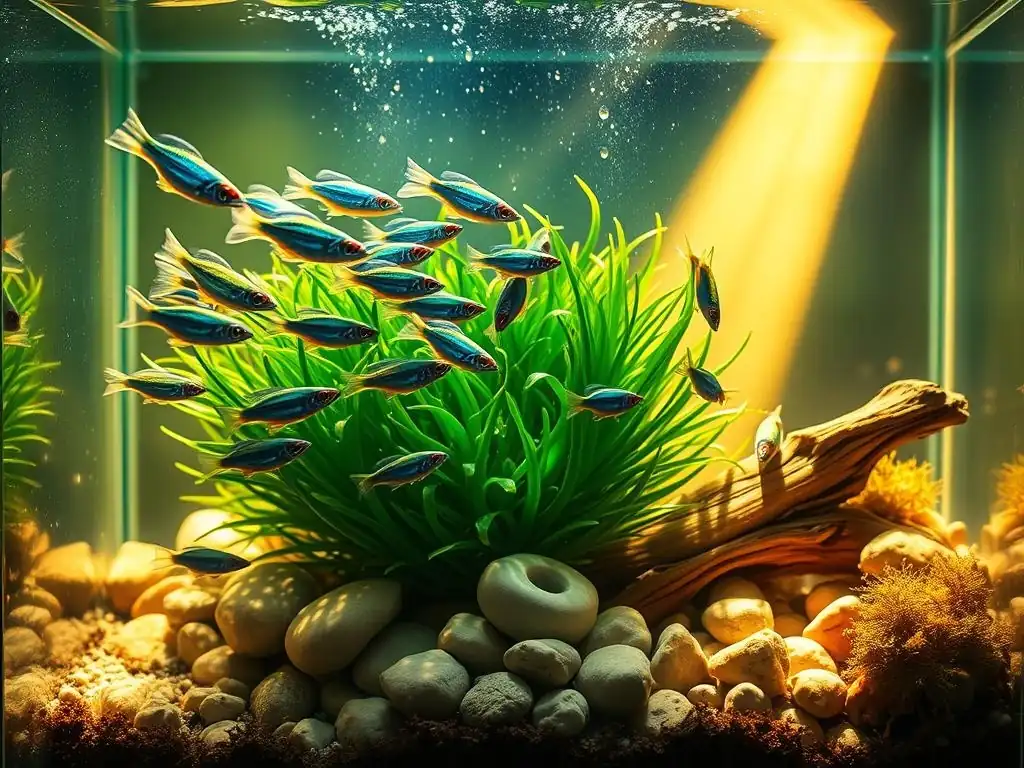
Welcome to Aquarium Mastery!
Ever wondered if there's a truly stress-free way to introduce your new goby to its nano aquarium haven? You're in the right place! Dive in to our "Stressfree goby acclimation guide" and discover proven techniques to ensure a smooth and successful transition for your finned friend. Ready to unlock the secrets to a happy, healthy goby? Let's get started!
- Introduction: Ensuring a Smooth Transition for Your New Goby in a Nano Reef
- Preparing for Your Goby's Arrival: Setting the Stage for Success
- Step-by-Step: The Stress-Free Goby Acclimation Process
- Goby Acclimation Troubleshooting: Common Issues and Solutions
- Long-Term Goby Care in a Nano Reef Environment
- Conclusion: A Happy, Healthy Goby in Your Nano Reef
-
Frequently Asked Questions
- How important is proper acclimation for a new goby?
- What's the difference between drip acclimation and floating acclimation?
- How long should the drip acclimation process take for a goby?
- What are some signs that a goby is stressed during acclimation?
- What should I do if my goby shows signs of stress despite proper acclimation?
- Final Reflection: Embracing Tranquility in the Nano Reef
- Embrace Goby Joy: Start Your Nano Reef Journey!
Introduction: Ensuring a Smooth Transition for Your New Goby in a Nano Reef
Why Proper Acclimation is Crucial for Goby Health in Nano Aquariums
Proper acclimation is the cornerstone of introducing any new marine inhabitant to your aquarium, and it's especially critical for delicate species like gobies, particularly when destined for a nano reef environment. The journey from a collection point to your home aquarium is inherently stressful for fish, involving significant shifts in temperature, salinity, pH, and water chemistry, not to mention physical confinement and jostling. For a small fish like a goby, whose metabolic processes are highly sensitive to these changes, a rushed acclimation can lead to severe physiological shock, weakening its immune system and making it highly susceptible to diseases.
Nano aquariums, typically defined as tanks under 30 gallons, present an even greater challenge due to their limited water volume. This small volume means that any slight imbalance or rapid change in parameters can have a magnified and immediate impact on fish health.
For example, a sudden pH drop of just 0.2 units or a salinity swing of 0.003 specific gravity points, which might be tolerated in a larger system, can be fatal in a nano tank. Gobies such as the Yellow Watchman Goby ( Cryptocentrus cinctus) or the tiny Clown Goby ( Gobiodon okinawae) are particularly sensitive to these fluctuations, making a meticulous and stressfree goby acclimation guide absolutely essential for their survival and long-term well-being.
Understanding Goby Stress and Its Impact on Nano Reef Ecosystems
When a goby experiences stress, its body undergoes a series of physiological responses designed for survival, often at the expense of long-term health. Common signs of stress include rapid gill movement (indicating difficulty breathing or oxygen deprivation), faded or dull coloration, erratic swimming patterns, clamped fins held close to the body, and excessive hiding or lethargy. Internally, stress leads to the release of cortisol, a hormone that suppresses the immune system, making the goby vulnerable to common marine pathogens such as Cryptocaryon irritans (marine Ich) or Amyloodinium ocellatum (velvet disease).
The impact of a stressed or sick goby extends beyond the individual fish, potentially jeopardizing the entire nano reef ecosystem. A diseased goby can quickly introduce and spread pathogens to other tank inhabitants, leading to an outbreak that can decimate a small, enclosed environment where disease transmission is rapid.
Furthermore, a non-feeding or dying fish can quickly degrade water quality, leading to ammonia spikes that further stress existing livestock and compromise the biological filtration. Therefore, understanding and mitigating stress through a comprehensive stressfree goby acclimation guide is not just about the goby's welfare, but about safeguarding the health and stability of your entire nano reef.
Preparing for Your Goby's Arrival: Setting the Stage for Success
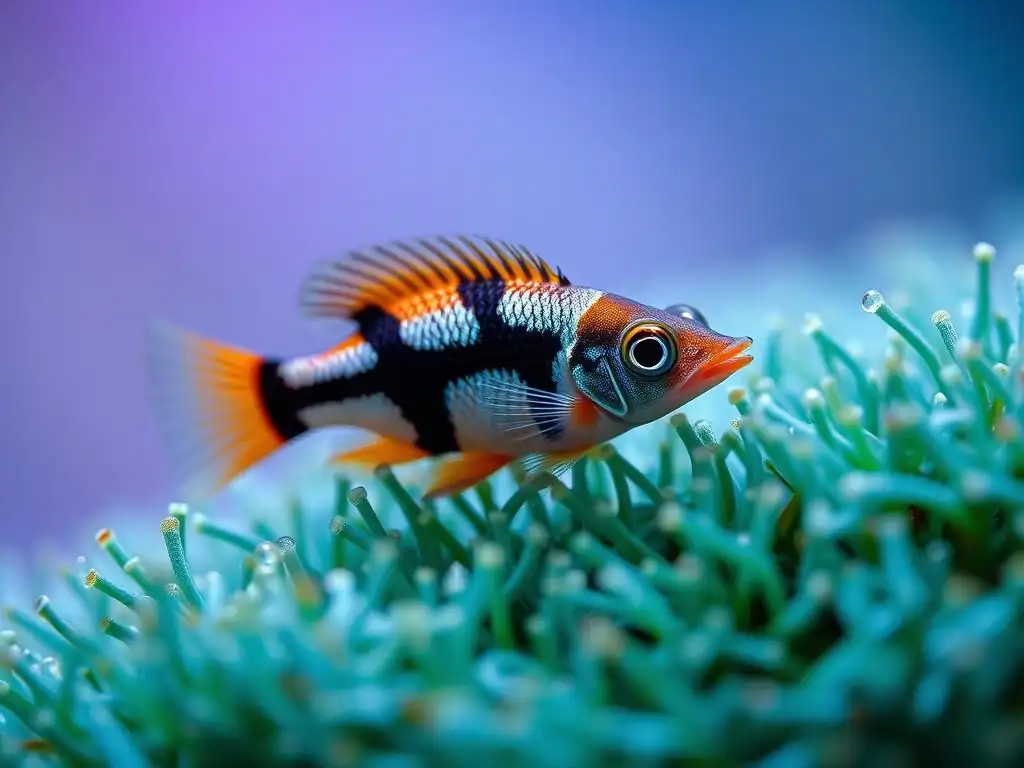
Essential Supplies for Goby Acclimation: A Checklist
Before your new goby even arrives, having the right tools ready is paramount for a smooth and stressfree goby acclimation guide. A well-prepared aquarist minimizes last-minute scrambling and ensures the process is as calm as possible for the delicate fish. The core items you'll need include a drip acclimation kit (typically consisting of airline tubing and an airline control valve or knot), a clean five-gallon bucket or dedicated acclimation container, a reliable aquarium thermometer, and accurate water testing equipment such as a refractometer or hydrometer for salinity, and a freshwater test kit for ammonia, nitrite, nitrate, and pH.
Beyond these basics, it's wise to have a small, soft fish net, a timer, and a supply of properly mixed and temperature-matched saltwater on hand for any emergency water changes. The drip kit ensures a slow, controlled introduction of your tank water to the bag water, preventing osmotic shock.
The thermometer allows you to verify temperature equalization, while the refractometer provides precise salinity readings, which is crucial for matching the new environment. Having all these readily accessible before the goby's arrival significantly reduces stress for both you and your new pet, embodying the principles of a stressfree goby acclimation guide.
Quarantine Tank Setup (Optional): Protecting Your Nano Reef from Disease
While labeled "optional," setting up a dedicated quarantine tank (QT) is highly recommended, especially for nano reef keepers. The small volume of a nano tank makes it exceptionally vulnerable to disease outbreaks, which can be devastating. A QT provides a safe, isolated environment for your new goby to recover from shipping stress, be observed for signs of disease, and receive treatment if necessary, all without exposing your main display tank inhabitants to potential pathogens like marine Ich or velvet.
A basic QT can be a 10-20 gallon aquarium equipped with a heater, a small power filter containing established biological media (e.g., a sponge from your main tank's sump), and some PVC pipes or inert decor for hiding spots. Substrate is generally avoided for easier cleaning and medication.
The typical duration for a quarantine period is 2-4 weeks, allowing sufficient time for common diseases to manifest and for the goby to begin eating consistently and robustly. During this period, you can monitor its behavior, ensure it's feeding well, and address any health concerns before introducing it to your established nano reef.
For instance, if a goby shows signs of Cryptocaryon irritans (Ich) within the first week, it can be treated with copper-based medications in the QT without harming your main tank's invertebrates or beneficial bacteria. This proactive step, though requiring extra time and effort, is arguably the most effective component of a truly stressfree goby acclimation guide for the entire reef system.
Step-by-Step: The Stress-Free Goby Acclimation Process
Step 1: Temperature Acclimation - Floating the Bag
The very first step in acclimating your new goby is to equalize the water temperature in its transport bag with your aquarium water. Upon receiving your goby, immediately turn off your display tank's lights. This helps reduce stress for the new arrival and minimizes the chances of existing tank inhabitants bothering it. Place the sealed bag containing the goby directly into your sump or float it in the display tank water. Allow it to float undisturbed for 15 to 20 minutes.
This period allows the water temperature inside the bag to slowly adjust to the temperature of your aquarium water, preventing temperature shock, which can be highly detrimental to fish, especially after the stress of transport. It's crucial not to open the bag during this temperature equalization phase. Opening the bag prematurely allows oxygen exchange, which can cause a rapid and dangerous shift in pH due to the release of accumulated carbon dioxide. Maintaining the seal ensures that pH remains stable until the drip acclimation begins, setting the stage for a truly stressfree goby acclimation guide.
Step 2: Drip Acclimation - Gradually Introducing Tank Water
After the temperature equalization, the next critical phase is drip acclimation, which gradually introduces your tank water to the goby's transport water. Carefully open the bag, roll down its edges to create a stable "collar," and secure it in a clean, dedicated acclimation bucket or container. Immediately remove about 50% of the bag water using a small cup or siphon, discarding it (do not add this water to your display tank as it contains waste products from shipping). Then, begin the drip acclimation process.
The goal of drip acclimation is to slowly equalize the salinity and pH between the bag water and your aquarium water. The ideal drip rate is very slow, typically 1 to 2 drops per second.
For a small goby in approximately 0.5 to 1 gallon of transport water, this process should take at least 45 to 60 minutes, or until the volume of water in the bucket has at least doubled. This gradual introduction allows the goby's osmoregulation system to gently adjust to the new water parameters, significantly minimizing osmotic shock and making this the most vital part of a stressfree goby acclimation guide.
Setting Up a Drip Acclimation System for Gobies
Setting up an effective drip acclimation system is straightforward and requires minimal equipment. Take a piece of airline tubing, typically 3-5 feet long. Submerge one end of the tubing into your display tank (or quarantine tank, if using one) and use a siphon technique to start water flowing through the tube.
Once water is flowing, quickly clamp the tubing with an airline control valve or tie a loose knot in the tubing to restrict the flow to the desired rate of 1-2 drops per second. Position the bucket containing the goby lower than your aquarium so gravity can maintain the siphon.
Ensure the end of the tubing is placed directly into the goby's acclimation bucket. Periodically check the drip rate to ensure it remains consistent throughout the process. For instance, at 1 drop per second, approximately 3.6 liters (just under 1 gallon) of water will be introduced per hour. This precise and controlled method ensures that the goby experiences only minute changes in water chemistry over an extended period, which is essential for successfully following a stressfree goby acclimation guide.
Monitoring Water Parameters During Drip Acclimation
Throughout the drip acclimation process, vigilant monitoring of water parameters in the acclimation bucket is crucial. Before you even start the drip, measure the salinity and pH of both the water in the goby's bag and your display tank water. Note the differences. As the drip acclimation proceeds, periodically test the water in the bucket using your refractometer and pH test kit. The aim is for the salinity and pH in the bucket to gradually approach, and ideally match, the parameters of your main display tank.
For example, if the goby arrived in water with a specific gravity of 1.018 and your tank is at 1.025, you would continue the drip until the bucket water reaches approximately 1.024-1.025. This ensures that the goby is not subjected to a sudden osmotic shock when it enters the main aquarium. Consistent monitoring ensures that the gradual change is effective and that the goby's internal systems can adapt smoothly, reinforcing the effectiveness of this stressfree goby acclimation guide.
Step 3: Releasing Your Goby into the Nano Aquarium
Once the water parameters in the acclimation bucket closely match those of your display tank (after 45-60 minutes or more of drip acclimation), it's time for the final step: releasing your goby. Gently net the goby from the acclimation bucket using a soft, fine-mesh net. It is critically important to never add the water from the acclimation bucket into your display tank. This water is likely high in ammonia, nitrates, and other waste products accumulated during shipping, and adding it can significantly compromise your tank's water quality and introduce pathogens.
Carefully transfer the netted goby directly into your display tank. To further minimize stress during this transition, consider turning off your tank's main pumps or powerheads for about 15-20 minutes after release. This allows the goby to explore its new surroundings and find a hiding spot without being buffeted by strong currents, giving it a calm start in its new home. Ensure there are plenty of appropriate hiding spots, especially if your goby is a burrowing species that needs sand or rock crevices.
Gentle Introduction Techniques to Minimize Stress
The moment of introduction can be stressful, so employing gentle techniques is vital. When netting the goby, try to guide it into the net rather than chasing it aggressively. Once netted, swiftly and gently transfer it into the designated area of your nano aquarium. For burrowing gobies like the Diamond Watchman Goby ( Valenciennea puellaris), direct it towards an area with a deep sand bed or an existing rock structure where it can immediately begin to burrow and feel secure.
If your goby appears particularly shy or stressed, consider introducing it after your tank lights have been off for a few hours, or just before your tank's nightly lights-out period. This allows the goby to explore its new environment in relative darkness, reducing visual stressors from bright lights or existing tank inhabitants. A calm and unhurried release is a hallmark of a successful stressfree goby acclimation guide, helping your new goby settle in quickly.
Observing Your Goby After Release: What to Watch For
After releasing your goby, resist the urge to constantly hover over the tank. Observe from a distance for the first few hours to a day. Look for positive signs: the goby should begin exploring its new surroundings, finding a suitable hiding spot, maintaining normal coloration, and exhibiting steady, unlabored breathing. It might be shy initially, but it should eventually show curiosity and start to settle in.
Conversely, be vigilant for signs of continued distress: rapid gill movement (gasping), clamped fins, staying motionless at the surface or clinging to a bottom corner, faded or patchy coloration, or erratic, jerky swimming. Refusal to hide or extreme reclusiveness for more than 24-48 hours can also be a red flag. If these negative signs persist, re-evaluate your water parameters and potential stressors in the tank. Early detection and intervention are key to resolving issues and ensuring the success of your stressfree goby acclimation guide.
Goby Acclimation Troubleshooting: Common Issues and Solutions
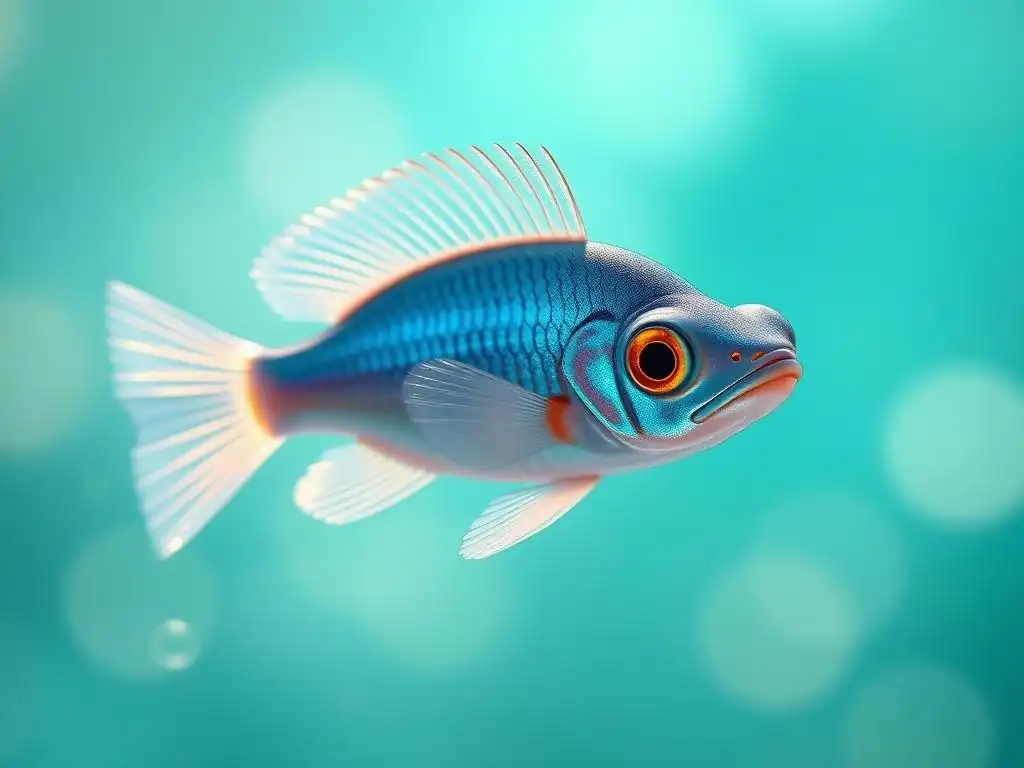
Identifying Signs of Stress in Newly Acclimated Gobies
Even with a meticulous acclimation process, some gobies may still exhibit signs of stress in their new environment. It's crucial to be able to identify these indicators promptly. Look for rapid gill respiration, often exceeding 100 breaths per minute for a small goby, which can suggest oxygen deprivation or gill irritation from water chemistry differences.
Faded or dull coloration, where a normally vibrant goby like a Randall's Goby ( Amblyeleotris randalli) loses its distinct markings or brightness, is a classic stress response. Other signs include prolonged hiding (more than 48 hours without emerging), refusal to eat, clamped fins, or erratic, darting movements rather than smooth swimming.
Understanding what these signs mean is the first step toward intervention. Rapid breathing indicates a physiological struggle, while fading color is the body's way of conserving energy or signaling distress. If a goby remains hidden and refuses food for more than 2-3 days, it's a serious concern, as prolonged starvation weakens them further. Addressing these issues quickly, often by re-evaluating water parameters or tank dynamics, is vital to prevent further decline and ensure the long-term success of your stressfree goby acclimation guide.
Dealing with Ammonia Spikes After Goby Introduction
Introducing a new fish, even a small goby, can sometimes trigger a mini-cycle in a nano aquarium, leading to ammonia spikes. This is particularly true if your biological filtration isn't fully mature or if the goby's bioload is unexpectedly high (e.g., a larger Diamond Watchman Goby can produce more waste than a tiny Clown Goby). Ammonia (NH3) is highly toxic to fish, even at concentrations as low as 0.1 ppm, causing gill damage and internal organ failure.
If you detect ammonia in your nano tank after introducing your goby, immediate action is required. Perform a small (10-15%) water change using properly mixed, temperature-matched saltwater. This dilutes the ammonia concentration. Consider using an ammonia detoxifier product (e.g., Seachem Prime), which temporarily neutralizes ammonia and nitrite, making them less toxic for up to 24 hours. Continue to test water parameters daily. Reduce or temporarily cease feeding to minimize further waste production. Ensuring your biological filter is robust before adding new inhabitants is a proactive measure that complements a stressfree goby acclimation guide.
Addressing Aggression from Existing Tank Inhabitants
While gobies are generally peaceful, aggression from existing tank inhabitants can be a significant source of stress in a confined nano reef environment. Some species, such as certain damselfish, dottybacks, or even overly territorial blennies, might harass a new, defenseless goby. Signs of aggression include chasing, nipping at fins, preventing the goby from accessing food or hiding spots, or cornering it in a specific area of the tank.
To mitigate aggression, try rearranging your tank's rockwork. This can disrupt established territories and create new hiding spots, giving the new goby a chance to establish its own safe zone. Adding more visual barriers can also help.
If aggression persists and the goby is clearly being stressed or harmed, consider temporarily isolating the aggressor using a breeding box or net breeder for a few days to break its territorial behavior. In severe cases, especially in small nano tanks where space is limited, rehoming the aggressive fish might be the only solution to ensure a stressfree goby acclimation guide translates into a peaceful long-term home for your goby.
Long-Term Goby Care in a Nano Reef Environment
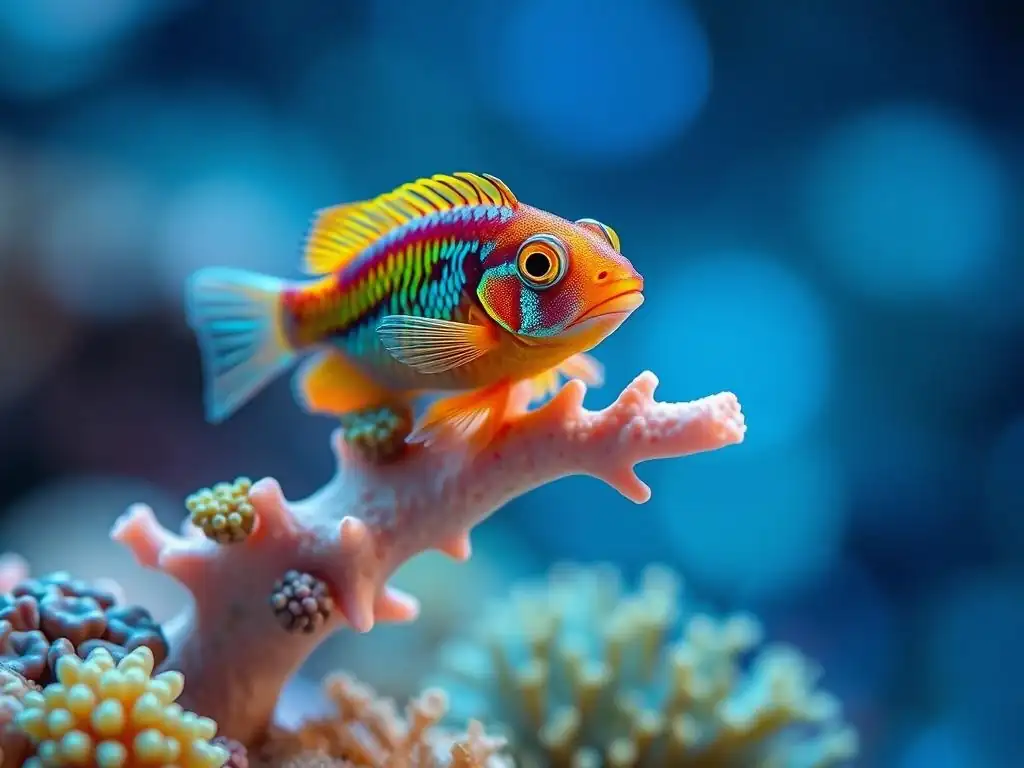
Maintaining Optimal Water Quality for Goby Health
Maintaining pristine and stable water quality is paramount for the long-term health and vibrancy of gobies in a nano reef environment. Gobies thrive in parameters consistent with natural reef conditions: salinity between 1.024 and 1.026 specific gravity, pH levels between 8.1 and 8.4, and undetectable levels of ammonia and nitrite (0 ppm). Nitrate levels should be kept below 10 ppm, ideally closer to 0 ppm.
Regular water changes are the most effective method for achieving this. Performing weekly or bi-weekly water changes of 10-20% (depending on bioload and tank size) helps replenish essential trace elements and remove accumulated nitrates and other pollutants.
Beyond water changes, robust filtration is critical for a healthy nano goby tank. Adequate live rock (typically 1 to 1.5 pounds per gallon) provides natural biological filtration and essential hiding spots. A small, appropriately sized protein skimmer can significantly aid in nutrient export, especially in tanks with higher bioloads.
Regular cleaning of mechanical filtration (like filter floss or sponges) is also vital to prevent trapped detritus from breaking down and polluting the water. Consistent monitoring with reliable test kits ensures these optimal conditions are maintained, providing a stable environment that supports the overall success of a stressfree goby acclimation guide.
Providing Appropriate Diet and Feeding Strategies
Gobies are primarily carnivorous micro-predators, and their diet in a nano reef should reflect this to ensure their health and vitality. A varied diet is key, consisting of small, meaty frozen foods such as enriched mysis shrimp, brine shrimp, finely chopped seafood (like clam or scallop), and high-quality marine pellets or flakes specifically designed for carnivorous fish.
For sand-sifting species like the Diamond Watchman Goby, ensuring a live sand bed with plenty of micro-organisms (copepods, amphipods) is beneficial, as they constantly sift through it for food. Many gobies, especially newly introduced or shy ones, greatly benefit from live copepod additions.
Feeding frequency should be 2-3 times daily in small amounts. Overfeeding is a common mistake in nano tanks and can rapidly degrade water quality, leading to nutrient spikes. For shy gobies, target feeding using a pipet or long tongs can ensure they receive adequate nutrition without food being lost to filters or other tank inhabitants.
For example, a newly introduced Clown Goby might initially only accept very tiny live foods, requiring a targeted approach to ensure it begins to feed. Providing a consistent and appropriate diet is a crucial aspect of long-term goby care, building upon the initial success of a stressfree goby acclimation guide.
Choosing Compatible Tank Mates for Your Goby
The success of keeping gobies in a nano reef hinges significantly on choosing compatible tank mates. Gobies are generally peaceful and shy, making them vulnerable to aggressive or overly boisterous fish. Ideal tank mates are other small, peaceful species that won't compete for food or territory. Good choices include small blennies (like the Tailspot Blenny or Starry Blenny), very peaceful clownfish (e.g., Ocellaris or Percula), or other small, non-aggressive gobies (provided the tank is large enough to support multiple territories, and they are not conspecifics that might fight).
For symbiotic gobies, such as the Watchman Gobies, a paired pistol shrimp is an excellent and natural tank mate, as they form a unique and fascinating relationship. Avoid aggressive species like certain damselfish, dottybacks, or larger angelfish, which can terrorize and stress a goby in a confined space. Always research the specific temperament and adult size of any potential tank mate before introduction. Ensuring a harmonious community greatly contributes to the goby's overall well-being, solidifying the principles established by a stressfree goby acclimation guide.
Conclusion: A Happy, Healthy Goby in Your Nano Reef
The Importance of Patience and Observation in Goby Care
The journey to a happy, healthy goby in your nano reef is paved with patience and diligent observation. Rushing any step of the acclimation process, particularly the critical drip acclimation, can undo all efforts and lead to irreparable stress or even the loss of your new fish. The initial hours and days after introduction are crucial for identifying how your goby is adapting to its new home. Observing its behavior, feeding patterns, coloration, and interactions with tank mates daily provides invaluable insights into its well-being.
Patience also extends to long-term care. Gobies, like all marine inhabitants, require a stable environment and consistent care. Small changes in a nano reef can have magnified impacts, so vigilance in maintaining optimal water parameters and addressing any issues promptly is key. A truly successful stressfree goby acclimation guide doesn't end when the goby enters the tank; it's a continuous commitment to providing a stable, enriching environment where your goby can thrive and become a vibrant personality in your miniature ecosystem.
Further Resources for Goby Keeping at AquariumMastery.com
For those seeking to deepen their knowledge and enhance their goby keeping skills, AquariumMastery.com offers a wealth of additional resources. Explore our detailed "Goby Species Profiles" for in-depth information on specific goby types, their unique care requirements, and natural behaviors. Our "Nano Reef Maintenance Guides" provide comprehensive advice on keeping small marine aquariums stable and healthy, which is crucial for sensitive inhabitants like gobies.
Furthermore, delve into our "Saltwater Fish Health" section to learn more about common diseases, prevention strategies, and treatment options, ensuring you're prepared for any challenges that may arise. AquariumMastery.com is committed to providing aquarists with the most accurate, up-to-date information and practical guidance, ensuring that every step of your goby keeping journey, from initial stressfree goby acclimation guide to long-term care, is successful and rewarding.
Frequently Asked Questions
How important is proper acclimation for a new goby?
Proper acclimation is crucial for a new goby's survival. It helps them adjust to your tank's water parameters, minimizing stress and preventing shock.
What's the difference between drip acclimation and floating acclimation?
Drip acclimation is a slower, more controlled method, ideal for sensitive species like gobies, while floating acclimation is simpler but less precise. Drip acclimation is preferrable.
How long should the drip acclimation process take for a goby?
Ideally, drip acclimation should take at least one hour, and even up to two hours for particularly sensitive species. This allows for a gradual and stress-free adjustment.
What are some signs that a goby is stressed during acclimation?
Signs of stress include rapid breathing, erratic swimming, loss of color, and hiding excessively. Monitor your goby carefully during the process.
What should I do if my goby shows signs of stress despite proper acclimation?
If your goby shows stress, dim the lights, ensure adequate hiding places, and consider adding a stress-reducing aquarium additive. Monitor closely and consult an expert if necessary.
Final Reflection: Embracing Tranquility in the Nano Reef
The journey of introducing a new goby to a nano reef can be fraught with anxiety, both for the fish and the aquarist. However, as we've explored in this stress-free goby acclimation guide, careful planning and patient execution can transform this potentially turbulent transition into a seamless integration. The principles outlined here, emphasizing gradual adjustment and meticulous observation, are not just about fishkeeping; they reflect a broader philosophy of mindful interaction with the delicate ecosystems we choose to cultivate.
This process, from drip acclimation to attentive monitoring, underscores the profound responsibility we undertake when bringing a living creature into our care. The success of a nano reef, and indeed, the well-being of its inhabitants, hinges on our ability to empathize and adapt to their needs. The greatness of a nation and its moral progress can be judged by the way its animals are treated.
- Mahatma Gandhi. This quote, while often applied to larger animals, resonates deeply within the microcosm of a nano reef, reminding us that even the smallest lives deserve our utmost respect and consideration.
Now, armed with this knowledge, I encourage you to approach your next goby acclimation with renewed confidence and a deeper understanding of the delicate balance you are striving to create. Remember, patience is paramount, observation is key, and a stress-free environment benefits both you and your new aquatic companion. Let this guide serve as a reminder that even small acts of care can have a profound impact on the lives we touch, both within and beyond the glass walls of our nano reefs.
Embrace Goby Joy: Start Your Nano Reef Journey!
Thank you for diving into the world of gobies and nano reefs! We hope you've gained valuable insights into ensuring a smooth transition for your new aquatic friend. Now, let's take that knowledge and turn it into action.
Here are a few steps to ensure your goby thrives:
- Prioritize slow acclimation: Drip acclimate your goby for at least two hours to minimize stress and ensure its long-term health.
- Explore compatible tank mates: Research and select peaceful invertebrates or fish that complement your goby's temperament and size to create a harmonious reef environment.
- Share your acclimation success: Post photos and tips on social media, tagging #AquariumMastery to inspire other reef keepers and build our vibrant community.
What innovative method will you use to minimize stress during your goby's first week in your nano reef?