
Managing Triggerfish Aggression: Strategies for a (Relatively) Peaceful Tank

Welcome to Aquarium Mastery!
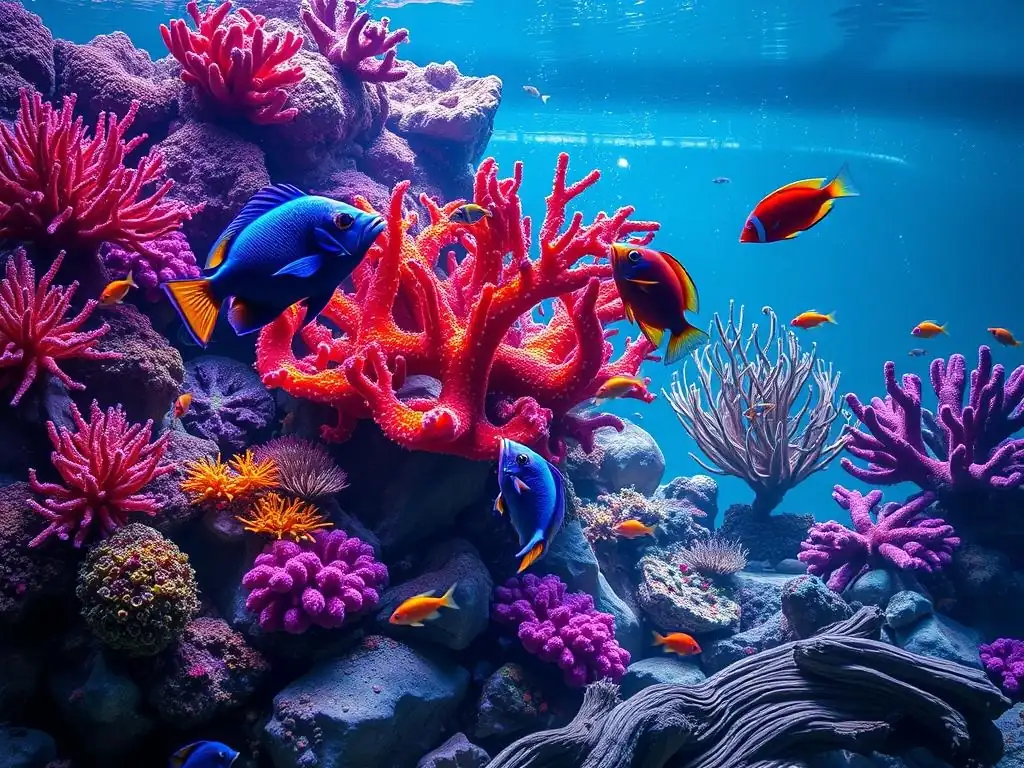
Ever wondered if it's really possible to keep a Triggerfish from terrorizing your entire saltwater aquarium? Dive into our in-depth guide on Triggerfish aggression tank management and uncover the secrets to creating a (relatively!) peaceful underwater community. Are you ready to learn how to navigate the unique challenges of these captivating but often feisty fish? Let's explore the strategies that can help you achieve a balanced and thriving saltwater environment!
- Understanding Triggerfish Aggression in Aquariums
- Assessing Your Tank Setup for Triggerfish Compatibility
- Selecting Compatible Tank Mates for Triggerfish
- Strategies for Reducing Triggerfish Aggression
- Specific Triggerfish Species and Their Aggression Levels
- Advanced Techniques for Triggerfish Aggression Management
- Maintaining a Peaceful Triggerfish Tank: Long-Term Strategies
- Conclusion: Achieving a Balanced Ecosystem with Triggerfish
-
Frequently Asked Questions
- How aggressive are Triggerfish in general?
- What size tank is recommended for a Triggerfish to minimize aggression?
- What types of fish are generally not compatible with Triggerfish?
- What are some strategies to reduce aggression during feeding time?
- How important is proper filtration and water quality in managing Triggerfish aggression?
- Final Reflection: Navigating the Waters of Aggression
- Transform Your Tank: Claim a Harmonious Reef!
Understanding Triggerfish Aggression in Aquariums
Why are Triggerfish Aggressive? Exploring the Root Causes
Triggerfish are renowned in the marine aquarium hobby for their vibrant colors, distinctive personalities, and unfortunately, their often-aggressive tendencies. This aggression is deeply rooted in their natural biology and ecological role. In the wild, triggerfish are formidable predators, equipped with powerful jaws and teeth designed for crushing the shells of crustaceans, mollusks, and sea urchins. Their territorial instincts are strong, as they fiercely defend their feeding grounds and nesting sites from perceived intruders, even those significantly larger than themselves. This inherent predatory nature and territoriality are primary drivers of their aggressive behavior.
Furthermore, these fish possess a unique dorsal fin trigger mechanism, which they use to wedge themselves into crevices, making them incredibly difficult for predators to dislodge. This physical defense mechanism contributes to their confident, often fearless demeanor, which can translate into bold and confrontational behavior in a captive environment. When confined to an aquarium, the natural behaviors of defending territory, competing for food, and asserting dominance are amplified due to limited space and the constant proximity of other fish, leading to heightened triggerfish aggression tank management challenges.
Identifying Aggressive Behavior in Your Triggerfish Tank
Recognizing the signs of aggression in your triggerfish is crucial for timely intervention and effective triggerfish aggression tank management. Overt displays include direct attacks such as fin nipping, chasing, ramming other fish, or even attempting to bite them. You might observe your triggerfish flaring its fins, especially the dorsal and anal fins, and rapidly changing color, often darkening or displaying more intense patterns, as a warning sign before a direct assault. These behaviors are generally easy to spot and indicate an immediate threat to the well-being of other tank inhabitants.
However, aggression can also manifest in more subtle ways that are equally detrimental over time. A triggerfish might constantly hover over a specific area, preventing other fish from accessing it, or exhibit rapid, jerky movements when another fish approaches. The victims of aggression may show signs of chronic stress, such as clamped fins, faded coloration, reluctance to eat, or constantly hiding. Physical injuries like torn fins, missing scales, or body wounds on other fish are clear indicators that your triggerfish is consistently acting aggressively, necessitating immediate action to prevent further harm.
Common Triggers for Aggression in Captive Triggerfish
Several factors commonly trigger aggressive outbursts in captive triggerfish, making them important considerations for triggerfish aggression tank management. The introduction of new tank mates is perhaps the most frequent catalyst. Triggerfish are highly territorial and perceive new additions as invaders to their established domain, often reacting with immediate hostility to assert dominance. Another significant trigger is feeding time; competition for food can escalate quickly, especially if there isn't enough food distributed widely or if one fish monopolizes the feeding area.
Environmental stressors also play a substantial role. Inadequate tank size, leading to cramped conditions, can heighten stress levels and amplify natural aggression due to a lack of personal space. Similarly, insufficient rockwork and hiding places mean that triggerfish cannot establish secure territories or retreat when feeling threatened or overstimulated, leading to constant low-level stress that can erupt into full-blown aggression. Poor water quality, characterized by fluctuating parameters or elevated nitrates, can also stress fish, making them more irritable and prone to aggressive displays.
Assessing Your Tank Setup for Triggerfish Compatibility
Tank Size and Space: Minimizing Territorial Disputes
The size of your aquarium is arguably the most critical factor in mitigating triggerfish aggression tank management challenges. Triggerfish, especially larger species, require significant space to thrive and exhibit natural behaviors without undue stress. For example, a common Picasso Triggerfish (Rhinecanthus aculeatus), which can reach 10 inches, generally requires a minimum of 75-100 gallons, while a Clown Triggerfish (Balistoides conspicillum), growing up to 20 inches, demands at least 180-300 gallons or more. Undulated Triggerfish (Balistapus undulatus), known for their extreme aggression, often need 200+ gallons even as juveniles.
A larger tank volume directly translates to more swimming space and, crucially, more room for establishing distinct territories. This dilution of space reduces the likelihood of constant confrontations, as fish have more opportunities to avoid each other and retreat when necessary. Furthermore, ample horizontal swimming space, rather than just vertical depth, is paramount for active swimmers like triggerfish. Providing sufficient room helps to diffuse potential territorial disputes by allowing each fish to carve out its own perceived safe zone, thereby reducing the stress that often fuels aggression.
Rockwork and Hiding Places: Creating a Secure Environment
Strategic placement of rockwork is essential for effective triggerfish aggression tank management. Live rock structures should be arranged to create numerous caves, overhangs, and swim-throughs. This serves multiple purposes: it provides secure hiding places for both the triggerfish and its tank mates, allowing them to retreat when feeling stressed or threatened. For the triggerfish itself, having a dedicated "home cave" or territory can reduce its need to assert dominance over the entire tank, as it has a defined personal space to defend.
Aim for a diverse aquascape that breaks up lines of sight. This means avoiding large, open expanses of water where the triggerfish can constantly see and potentially harass other inhabitants. Instead, create visual barriers with rock formations, enabling fish to escape direct observation and reducing constant visual stimulation that can trigger aggressive pursuits. While general guidelines suggest 1-2 pounds of live rock per gallon, for triggerfish, prioritizing complex structures with plenty of nooks and crannies is more important than simply meeting a weight quota. Ensure all rockwork is stable and cannot be toppled by a powerful triggerfish.
Water Quality and Aggression: The Link Between Poor Conditions and Increased Hostility
Maintaining pristine and stable water quality is a foundational element of successful triggerfish aggression tank management. Poor water conditions, such as elevated ammonia, nitrite, or nitrate levels, and fluctuating pH or salinity, are significant stressors for all marine fish, including triggerfish. When fish are physiologically stressed, their immune systems can be compromised, and their behavior often becomes erratic and aggressive. For instance, high nitrates (above 20-40 ppm) or chronic low pH (below 8.0) can lead to lethargy, reduced appetite, and increased irritability in triggerfish.
Optimal parameters for a saltwater tank housing triggerfish typically include: salinity between 1.023 and 1.026, temperature ranging from 75-82°F (24-28°C), pH between 8.1 and 8.4, and undetectable levels of ammonia and nitrite (0 ppm). Nitrates should be kept as low as possible, ideally below 10-20 ppm. Consistent adherence to these parameters through robust filtration, regular water changes, and diligent testing significantly reduces the physiological stress on your triggerfish. A healthy, unstressed fish is far less likely to exhibit unwarranted aggression, making water quality a silent but powerful tool in maintaining a peaceful aquarium.
Selecting Compatible Tank Mates for Triggerfish
Choosing Tank Mates That Can Withstand Triggerfish Aggression
Selecting appropriate tank mates is paramount for effective triggerfish aggression tank management. The ideal companions are fish that are similarly sized, robust, fast-moving, and possess their own means of defense or deterrence. Good candidates often include larger tangs (such as Naso, Sohal, or Achilles Tangs) that are active swimmers and can generally outmaneuver a triggerfish. Other suitable choices might be larger angelfish species (like Emperor, Queen, or Blueface Angels) known for their resilience and impressive size.
Certain puffers, particularly those with tough, leathery skin (e.g., Dogface Puffer, Porcupine Puffer), can often coexist due to their own defensive capabilities and generally placid demeanor, though caution is always advised. Large lionfish can also be considered, as their venomous spines deter aggression. Groupers, especially larger species, might also be compatible due to their bulk and ability to hold their own. The key is to choose species that are not easily intimidated, can withstand occasional nips, and are agile enough to escape direct confrontations. Introducing them when the triggerfish is still relatively small can sometimes aid in establishing coexistence.
Fish to Avoid: Incompatible Species for Triggerfish Tanks
When planning triggerfish aggression tank management, it's often more critical to know which species to avoid than which to include. Triggerfish are opportunistic predators with powerful jaws, making them a threat to almost any fish smaller than themselves or those that appear vulnerable. Small, slow-moving, or docile fish are definite no-gos; this includes most gobies, blennies, cardinalfish, and many smaller wrasses. Even seemingly robust fish with long, flowing fins, such as certain lionfish species or angelfish, can be targets for fin nipping.
Furthermore, triggerfish will almost invariably consume invertebrates. Shrimp, crabs, snails, and even many corals are considered food items, not tank mates. Therefore, a triggerfish tank is generally not a reef tank. Any fish that can fit into the triggerfish's mouth, or that exhibits a timid disposition, will likely become a target. Avoid species that occupy a similar niche and might compete directly for territory or food, unless the tank is exceptionally large and allows for multiple distinct territories. Introducing fish with similar coloration or body shapes to the triggerfish can also sometimes provoke aggression due to perceived competition.
Introducing New Fish to a Triggerfish Tank: A Gradual Approach
Introducing new fish into a tank with an established triggerfish requires a thoughtful and gradual approach to minimize triggerfish aggression tank management challenges. Rushing the process can lead to immediate and potentially fatal aggression. One effective method is to use an acclimation box or a clear, perforated container placed inside the main display tank. This allows the triggerfish to see the new inhabitant for several days without direct contact, gradually getting accustomed to its presence.
When the time comes for the actual introduction, turn off the tank lights for a few hours or even overnight. This reduces stress and visibility, making the initial encounter less confrontational. Introducing the new fish just before or during a feeding can also distract the triggerfish, diverting its attention from the newcomer to the food. Always have a backup plan, such as a quarantine tank or a separate holding tank, in case the aggression is immediate and severe. Observe the tank closely for the first few hours and days, being prepared to intervene if the triggerfish shows persistent hostility.
Strategies for Reducing Triggerfish Aggression
Feeding Strategies to Minimize Competition
Strategic feeding is a key component of effective triggerfish aggression tank management. One common trigger for aggression is competition over food. To mitigate this, consider feeding your triggerfish and its tank mates multiple small meals throughout the day instead of one large one. For example, feeding 2-3 times a day in smaller portions can reduce the intensity of competition at any single feeding event. When distributing food, scatter it widely across the tank rather than concentrating it in one spot. This encourages all fish to spread out and forage, preventing a single dominant triggerfish from monopolizing the food source.
Varying the diet can also help. Offer a mix of high-quality pellets, frozen foods like mysis shrimp, krill, and silversides. Some aquarists even use feeding tongs to target feed the triggerfish first, ensuring it gets its share before other foods are introduced for the rest of the tank. This can satisfy its predatory instincts and reduce its need to chase other fish for food. Ensuring a complete and balanced diet also contributes to overall fish health, which in turn can reduce stress-induced aggression.
Re-arranging Tank Decor to Disrupt Established Territories
Triggerfish are highly territorial, and once they establish a specific area as their domain, they will aggressively defend it. A highly effective, albeit temporarily disruptive, strategy for triggerfish aggression tank management is to periodically re-arrange the tank decor, particularly the live rock. By moving the rocks and creating new formations, you effectively "reset" the established territories. This forces the triggerfish to re-evaluate its surroundings and establish new boundaries, often leading to a temporary reduction in aggression as it adjusts.
This re-scaping should be done carefully to avoid stressing other tank inhabitants excessively. It's often best to do a significant rearrangement every few weeks or months if aggression is a persistent issue. The goal is to break up lines of sight and create new hiding spots and swim-throughs. While the initial few hours or days after a re-scape might see some confusion, it typically leads to a more balanced environment in the long run, as the triggerfish's perceived dominance over a specific area is disrupted.
Utilizing a "Timeout Box" for Aggressive Triggerfish
When a triggerfish exhibits persistent and dangerous aggression, a "timeout box" can be a valuable tool for triggerfish aggression tank management. This is typically a clear, perforated acrylic box that can be placed inside the main display tank. The aggressive triggerfish is temporarily confined within this box, allowing it to see its tank mates but preventing any physical interaction. This isolation period can last from 24 to 72 hours, depending on the severity and persistence of the aggression.
The purpose of the timeout box is to "reset" the triggerfish's dominance hierarchy. By removing it from direct interaction, the other fish get a reprieve from harassment, and the triggerfish itself may realize that its aggressive behavior leads to isolation. Upon re-release, the triggerfish may be less inclined to immediately re-establish its previous level of dominance. This method is a temporary solution and should be combined with other long-term strategies like tank re-arrangement or ensuring adequate space. If aggression immediately resumes after release, it indicates a deeper issue that may require permanent separation.
Consider a Larger Tank to Dilute Aggression
If recurrent triggerfish aggression tank management issues persist despite other interventions, the most effective long-term solution often lies in upgrading to a significantly larger tank. While a 75-gallon tank might be considered a minimum for some smaller triggerfish species, an aggressive individual, or one housed with multiple tank mates, will almost always benefit from more space. Moving from a 75-gallon to a 125-gallon or from a 180-gallon to a 300-gallon aquarium can make a dramatic difference.
More space allows for greater dilution of aggression. Each fish has more room to establish distinct territories, and the increased volume of water provides more avenues for escape and avoidance. This reduces the frequency of confrontational encounters and the overall stress levels for all inhabitants. A larger tank also typically offers more opportunities for complex aquascaping, providing additional hiding spots and visual barriers. While a significant investment, a larger tank often offers the most profound and lasting solution to chronic triggerfish aggression.
Specific Triggerfish Species and Their Aggression Levels
The Aggression Spectrum: Evaluating Species Temperament
Triggerfish species exhibit a wide range of temperaments, making species selection a critical aspect of triggerfish aggression tank management. On the lower end of the aggression spectrum are species like the Picasso Triggerfish (Rhinecanthus aculeatus), Bursa Triggerfish (Sufflamen bursa), and Pinktail Triggerfish (Melichthys vidua). These are generally considered more manageable and can often coexist with other robust, semi-aggressive fish in appropriately sized tanks. They may still be territorial but are less likely to relentlessly pursue and injure tank mates.
Moderately aggressive species include the Niger Triggerfish (Odonus niger) and, surprisingly to some, the Clown Triggerfish (Balistoides conspicillum). While the Niger is often peaceful when young, it can become quite assertive as it matures. The Clown Trigger, despite its popularity, is notorious for its unpredictability and can be highly aggressive, often ranking closer to the "highly aggressive" category for many aquarists.
At the extreme end of the spectrum are the Undulated Triggerfish (Balistapus undulatus) and the Queen Triggerfish (Balistes vetula), which are almost universally considered highly aggressive and are best kept in species-only tanks or with extremely large, formidable tank mates. The Crosshatch Triggerfish (Xanthichthys mento), while beautiful, is also known for its strong territorial nature.
Individual Triggerfish Temperament: Recognizing Personality Differences
While species-specific aggression levels provide a useful guideline for triggerfish aggression tank management, it is crucial to recognize that individual triggerfish, much like humans, possess unique personalities. Two triggerfish of the same species and size can exhibit vastly different temperaments. One Picasso Triggerfish might be a model citizen, while another could be a relentless bully, despite being given the same tank conditions. This individual variability means that general guidelines are not absolute guarantees.
Observing a specific triggerfish's behavior from the moment of acquisition, if possible, can provide valuable insight. A triggerfish that shows signs of aggression even in the dealer's tank or during initial quarantine is likely to be a more aggressive individual long-term. Conversely, one that appears more curious and less reactive might be a more suitable candidate for a community tank. Understanding that your specific triggerfish's temperament may deviate from the species norm is vital for proactive management and making informed decisions about its long-term housing arrangements.
Advanced Techniques for Triggerfish Aggression Management
The Role of Lighting in Reducing Aggression
While often overlooked, lighting conditions can subtly influence triggerfish aggression tank management. Erratic or overly bright lighting can be a source of stress for many marine fish, potentially contributing to heightened aggression. Maintaining a consistent lighting schedule, typically 10-12 hours of light followed by 12-14 hours of darkness, is fundamental. Avoid sudden changes in light intensity, which can startle fish and increase their stress levels.
Some aquarists report that slightly dimmer overall lighting, or the use of gradual dawn and dusk simulations, can contribute to a calmer environment. This mimics natural light cycles more closely and can reduce the perceived intensity of the environment, potentially making triggerfish less agitated. Providing adequate dark periods is also crucial for fish to rest and reduce overall stress. A moonlight setting, if available on your lighting system, can further enhance this calming effect during nocturnal hours, allowing fish to settle without complete darkness.
Enhanced Filtration Strategies for Water Quality and Stability
Beyond basic water quality, employing enhanced filtration strategies is a sophisticated aspect of triggerfish aggression tank management. Oversized protein skimmers are highly recommended, as they efficiently remove organic waste before it breaks down into nitrates, which can stress fish. Utilizing a large sump system with multiple compartments allows for greater water volume, which helps dilute waste products, and provides space for various filtration media.
Incorporating a refugium within the sump, typically with macroalgae like Chaetomorpha, can further aid in nutrient export by absorbing nitrates and phosphates. Robust mechanical filtration, such as filter socks or sponges, should be regularly cleaned or replaced to prevent detritus buildup. Finally, ensuring a mature and extensive biological filter, whether through ample live rock or dedicated bio-media, is paramount for stable ammonia and nitrite processing. These advanced filtration methods contribute to a consistently pristine and stable aquatic environment, significantly reducing physiological stress that can lead to aggression.
Last Resort: Separating Aggressive Triggerfish
When all other triggerfish aggression tank management strategies have been exhausted and the well-being of other tank inhabitants remains at severe risk, permanent separation of the aggressive triggerfish becomes the last resort. This means either establishing a dedicated species-only tank for the triggerfish, where it can live without threatening other fish, or rehoming the triggerfish to an aquarist with a suitable setup. This decision should not be taken lightly, as it involves significant effort and commitment.
Rehoming or setting up a new tank is often the most humane solution for both the triggerfish and its former tank mates. Continuing to house a persistently aggressive triggerfish in a community setting where it constantly injures or stresses other fish is detrimental to the health and longevity of all inhabitants. In some extreme cases, if rehoming is not possible and a dedicated tank is not feasible, euthanasia might be considered as a final, unfortunate option to prevent ongoing suffering, though this is exceedingly rare and always a last resort.
Maintaining a Peaceful Triggerfish Tank: Long-Term Strategies
Regular Observation and Early Intervention
Long-term success in triggerfish aggression tank management hinges on vigilant and regular observation. Daily checks of your aquarium inhabitants are essential. Look for any subtle signs of stress or aggression, such as torn fins on other fish, unusual hiding behavior, reluctance to feed, or increased activity from the triggerfish itself. Early detection of escalating aggression allows for timely intervention before serious injury or chronic stress impacts the other fish.
If you notice minor nips or chasing, consider it a warning sign. Don't wait for a fish to be severely injured before taking action. Early intervention might involve a minor tank re-arrangement, a temporary timeout for the triggerfish, or even just increasing feeding frequency. Proactive management based on consistent observation can prevent minor skirmishes from escalating into full-blown warfare within your aquarium.
Consistent Water Changes and Tank Maintenance
Consistent and diligent tank maintenance is a cornerstone of a healthy and peaceful aquarium, directly supporting triggerfish aggression tank management. Regular water changes, typically 10-20% of the tank volume weekly or bi-weekly, are crucial for diluting nitrates and replenishing essential trace elements. This helps maintain stable water parameters, which reduces the overall physiological stress on your fish.
Beyond water changes, routine cleaning of the substrate, protein skimmer, and other filtration components prevents the accumulation of organic waste. Detritus buildup can lead to deteriorating water quality, which in turn stresses fish and makes them more susceptible to disease and more prone to aggressive behavior. A clean, well-maintained environment contributes significantly to the overall well-being of all inhabitants, fostering a calmer atmosphere.
Utilizing Biological Filtration to Improve Water Quality
A robust and mature biological filtration system is the backbone of any successful saltwater aquarium and is particularly vital for triggerfish aggression tank management. Biological filtration, primarily carried out by beneficial bacteria housed in live rock, bio-media, and deep sand beds, converts toxic ammonia and nitrite into less harmful nitrate. An efficient biological filter ensures that these harmful compounds remain at undetectable levels, preventing acute poisoning and chronic stress.
A stable biological filter minimizes sudden swings in water parameters, which can be highly stressful for fish. When fish are not constantly battling poor water quality, their immune systems are stronger, and their natural behaviors are more likely to be observed, rather than stress-induced aggression. Investing in ample live rock (e.g., 1.5-2 lbs per gallon) and ensuring proper water flow through it will maximize the efficiency of your biological filtration, contributing significantly to a stable and peaceful triggerfish environment.
Conclusion: Achieving a Balanced Ecosystem with Triggerfish
Key Takeaways for Managing Triggerfish Aggression
Managing triggerfish aggression, or more accurately, engaging in effective triggerfish aggression tank management, is a multifaceted endeavor that demands careful planning and ongoing vigilance. The core principles revolve around understanding the inherent nature of these powerful predators and mitigating their aggressive tendencies through environmental control and careful species selection. Key takeaways include providing ample tank space, far beyond minimum recommendations, to dilute territorial disputes and allow for individual territories.
Equally important are meticulously selecting robust and compatible tank mates, avoiding small or delicate species entirely. Maintaining pristine and stable water quality through robust filtration and consistent maintenance is non-negotiable, as poor water conditions directly contribute to stress and aggression. Finally, employing strategic feeding, thoughtful aquascaping, and proactive observation are essential daily practices. While challenging, a well-managed triggerfish aquarium can be a captivating and rewarding display.
The Rewards of a Well-Managed Triggerfish Aquarium
Despite their reputation for aggression, triggerfish are among the most intelligent, personable, and visually stunning fish available to the dedicated aquarist. Their unique swimming style, inquisitive nature, and vibrant coloration make them truly captivating inhabitants. Successfully implementing triggerfish aggression tank management strategies allows aquarists to enjoy these remarkable creatures without compromising the well-being of other tank inhabitants.
A well-managed triggerfish aquarium is a testament to an aquarist's skill and dedication. It showcases a dynamic ecosystem where a powerful predator can coexist, relatively peacefully, with other robust marine life. The rewards extend beyond the visual appeal; it's the satisfaction of creating a balanced and healthy environment for complex marine species, offering endless hours of fascinating observation and a truly unique display that stands out in the world of marine aquaria.
Frequently Asked Questions
How aggressive are Triggerfish in general?
Triggerfish are known for being highly aggressive, especially towards tank mates and even towards the aquarist during feeding or maintenance. This aggression is a key factor in successful tank management.
What size tank is recommended for a Triggerfish to minimize aggression?
A large tank is crucial for minimizing Triggerfish aggression. A general rule of thumb is at least 180 gallons, but larger is always better to provide ample swimming space and territories.
What types of fish are generally not compatible with Triggerfish?
Smaller, docile fish are typically unsuitable tank mates. Avoid slow-moving fish with long fins, as Triggerfish may see them as easy targets. Invertebrates are also generally not recommended due to the Triggerfish's tendency to nip and eat them.
What are some strategies to reduce aggression during feeding time?
Feeding Triggerfish multiple smaller meals throughout the day can help reduce aggression associated with hunger. Using a feeding stick or target feeding can also help minimize hand-to-tank interactions.
How important is proper filtration and water quality in managing Triggerfish aggression?
Maintaining excellent water quality through proper filtration is essential. Poor water quality can stress fish, exacerbating aggression. Regular water changes and a robust filtration system are crucial.
The strategies discussed throughout this article, from careful species selection to meticulous tank design, underscore the vital importance of proactive Triggerfish aggression tank management. What began as a guide for aquarists quickly reveals itself as a broader lesson in understanding and mitigating aggression, not just in the confines of a saltwater aquarium, but in any environment where complex personalities interact. The success of a Triggerfish tank hinges on anticipating and addressing potential conflict, a principle that resonates far beyond the reef.
This exploration into Triggerfish behavior has profoundly influenced my perspective on the delicate balance within ecosystems, both natural and artificial. Understanding the nuances of aggression, its triggers, and its potential consequences, is crucial for fostering harmony and preventing destructive outcomes. Peace is not merely the absence of war, but the presence of justice.
- Albert Einstein. This quote resonates deeply, reminding us that true peace, in a tank or in the world, requires more than just suppressing conflict; it demands creating an environment where all inhabitants can thrive.
Now, I invite you to consider how these principles of careful planning, proactive intervention, and environmental enrichment can be applied to your own life. Whether it's managing interpersonal dynamics, fostering a more collaborative workplace, or simply creating a more peaceful home, remember the lessons learned from the Triggerfish tank. Cultivate understanding, anticipate potential conflicts, and build an environment where aggression is minimized, and harmony can flourish. Let the challenge of managing Triggerfish aggression inspire you to become a better architect of peace in all aspects of your life.
Transform Your Tank: Claim a Harmonious Reef!
Thanks for diving into the world of triggerfish and their sometimes… intense personalities! We hope you’ve found valuable insights to help navigate the challenges of keeping these captivating creatures. Now, let's translate that knowledge into action for a thriving aquarium.
Here’s what you can do next:
- Carefully assess your current tank setup and stocking plan. Ask yourself: Does my tank provide enough space, hiding spots, and diverse feeding options to minimize aggression? Consider making adjustments as needed.
- Join the Aquarium Mastery Community Forum to share your experiences, ask questions, and connect with fellow aquarists facing similar challenges. Your unique insights could be invaluable to others!
- Document your triggerfish's behavior with a short video, noting any specific triggers or patterns. Analyzing this footage could reveal subtle clues about their aggression and help you refine your management strategy.
What specific changes are you most excited to implement in your triggerfish tank to foster a more peaceful environment?