
Essential Equipment for a Thriving African Cichlid Tank

Welcome to Aquarium Mastery!
Curious about creating the perfect environment for your vibrant African cichlids? Dive in! Discover the essential African cichlid tank equipment you need to build a thriving underwater paradise and unlock the secrets to their health and happiness. Prepare to transform your aquarium into a captivating spectacle!
- Setting Up Your African Cichlid Aquarium: The Right Equipment Matters
- Understanding the Core African Cichlid Tank Equipment List
- Filtration Systems for Pristine African Cichlid Tanks
- Heating and Temperature Control for African Cichlids
- Lighting for Vibrant African Cichlids and Algae Control
- Substrate and Hardscape: Creating a Natural Cichlid Environment
- Water Chemistry Testing and Adjustment Equipment
- Water Circulation and Aeration: Ensuring Oxygen Levels
- Feeding Equipment and Food Considerations
- Essential Maintenance Tools for Cichlid Tank Upkeep
- Quarantine Tank Equipment: Preparing for New Arrivals and Treating Illness
- Conclusion: Investing in Quality African Cichlid Tank Equipment for a Healthy Aquarium
-
Frequently Asked Questions
- What is the most crucial piece of equipment for an African Cichlid tank?
- What type of substrate is recommended for an African Cichlid tank, and why?
- Besides a heater, what else is important for temperature control in an African Cichlid tank?
- What kind of lighting is best for an African Cichlid tank, considering their needs?
- Why is having extra filtration media important for an African Cichlid tank?
- Final Reflection: Cultivating Aquatic Ecosystems
- Ignite Your Cichlid Passion!
Setting Up Your African Cichlid Aquarium: The Right Equipment Matters
Setting up a successful African cichlid tank requires more than just a glass box and some water. These vibrant, active fish, primarily from the Great Rift Valley lakes of Africa (Malawi, Tanganyika, and Victoria), have specific environmental needs that differ significantly from many other freshwater species. Their natural habitats are characterized by hard, alkaline water, abundant rockwork, and often strong currents. Replicating these conditions in a home aquarium is paramount for their health, coloration, and natural behaviors.
Choosing the right African cichlid tank equipment from the outset is a foundational step. Subpar or inappropriate gear can lead to chronic water quality issues, stressed fish, increased aggression, and a higher susceptibility to diseases like Malawi bloat. An informed selection of filtration, heating, lighting, and decor elements ensures a stable, thriving ecosystem where your cichlids can flourish, displaying their stunning colors and fascinating social interactions.
Understanding the Core African Cichlid Tank Equipment List
Importance of Selecting the Right Gear for Cichlid Health
The health and longevity of your African cichlids are inextricably linked to the quality and suitability of their environment. Unlike many community fish, African cichlids are highly sensitive to fluctuations in water parameters and require very stable conditions. For instance, their ideal pH range typically falls between 7.8 and 8.6, with a high general hardness (GH) of 10-25 dH. Substandard African cichlid tank equipment, particularly in filtration or heating, can lead to unstable water chemistry, causing chronic stress, fin rot, or even fatal conditions like Malawi bloat, which is often triggered by poor water quality or inappropriate diet.
Investing in robust and reliable equipment minimizes the risk of these common ailments. A powerful filtration system, for example, prevents the buildup of toxic ammonia and nitrite, which are lethal even at low concentrations. Similarly, a dependable heater maintains the consistent temperature (typically 76-82°F or 24-28°C) that these tropical fish need to maintain a healthy metabolism and strong immune system. Choosing the correct African cichlid tank equipment directly contributes to a less stressful environment, promoting natural behaviors and vibrant coloration.
Initial Investment vs. Long-Term Success
While the initial outlay for quality African cichlid tank equipment might seem substantial, it represents a crucial investment in the long-term success and enjoyment of your aquarium. A typical 55-gallon African cichlid setup, excluding fish, can range from $300 to $800 or more, depending on the brands and specific components chosen. This figure often includes the tank, stand, filtration, heating, lighting, substrate, and rockwork. Cutting corners on essential items often leads to recurring problems, such as frequent fish deaths, persistent algae blooms, or equipment failures, which ultimately cost more in replacement parts, medications, and lost fish.
Consider the cost of replacing a cheap, unreliable heater that fails and causes a temperature crash, or a filter that can't keep up with the bioload, leading to disease outbreaks. The expenses incurred from treating sick fish, replacing dead ones, and constantly troubleshooting can quickly surpass the initial savings from purchasing lower-quality African cichlid tank equipment. A well-equipped, stable tank requires less intervention, less medication, and provides a far more rewarding experience, allowing you to enjoy the beauty of your cichlids without constant worry.
Filtration Systems for Pristine African Cichlid Tanks
Choosing the Right Filter for Your Cichlid Biotope
African cichlids are known for their high bioload; they produce a significant amount of waste relative to their size, especially when kept in densely stocked environments common in cichlid tanks designed to diffuse aggression. This necessitates a filtration system that is exceptionally robust in biological, mechanical, and often chemical filtration.
A common recommendation for African cichlid tank equipment is to select a filter with a flow rate rated for at least 2-3 times the actual tank volume per hour, or even more for heavily stocked setups. For a 75-gallon tank, for instance, a filter with a flow rate of 225-300 GPH (gallons per hour) would be a good starting point.
Inadequate filtration is a leading cause of poor water quality, which manifests as cloudy water, excessive algae, and, most critically, elevated levels of ammonia, nitrite, and nitrate. These pollutants are highly detrimental to African cichlid health, causing gill damage, stress, and increasing susceptibility to diseases. Therefore, prioritizing powerful and efficient filtration is non-negotiable for maintaining the pristine water conditions that African cichlids require to thrive.
Types of Aquarium Filters Suitable for African Cichlids
Canister Filters: Powerful Filtration for Cichlid Tanks
Canister filters are often considered the gold standard for African cichlid tanks, particularly for volumes of 55 gallons and larger. Their design allows for a large volume of filter media, supporting robust biological, mechanical, and chemical filtration in a single unit. Brands like Fluval FX series, Eheim Professional, or Oase BioMaster are popular choices, offering flow rates that can exceed 500 GPH for larger models. This capacity is crucial for handling the significant waste produced by African cichlids, ensuring excellent water clarity and stable parameters.
Beyond their capacity, canister filters offer versatility in media customization. Aquarists can pack them with high-surface-area biological media (e.g., ceramic rings, bio-balls) to host beneficial bacteria, dense mechanical media (e.g., filter floss, sponges) to trap particulate matter, and chemical media (e.g., activated carbon, Purigen) to remove dissolved organics and polish the water. Their sealed design also makes them exceptionally quiet and less prone to evaporation compared to other filter types, contributing to a stable and low-maintenance African cichlid tank environment.
Hang-On-Back (HOB) Filters: A Budget-Friendly Option
Hang-On-Back (HOB) filters, also known as power filters, are a popular and budget-friendly choice for smaller to medium-sized African cichlid tanks, generally up to 55-75 gallons. They are easy to install, hanging directly on the back of the aquarium, and offer decent mechanical and chemical filtration, often with some biological filtration via filter cartridges or bio-wheels.
Brands like AquaClear, Seachem Tidal, or Marineland Bio-Wheel are widely used, providing flow rates suitable for many beginner to intermediate setups. For example, an AquaClear 110 (rated for tanks up to 110 gallons) can provide sufficient filtration for a moderately stocked 55-gallon cichlid tank.
While HOB filters are more accessible and simpler to maintain than canisters, their media capacity is generally smaller. This means they might require more frequent maintenance, such as weekly rinsing of sponges or replacement of chemical media every 2-4 weeks, to keep up with the bioload of African cichlids. For larger or very heavily stocked tanks, multiple HOB filters can be used, or a single HOB can serve as supplementary filtration alongside a canister filter, contributing to the overall African cichlid tank equipment setup.
Sponge Filters: Ideal for Fry and Quarantine Tanks
Sponge filters are a simple, cost-effective, and highly effective piece of African cichlid tank equipment, particularly valued for specialized applications. They operate by using an air pump to draw water through a porous sponge, providing excellent mechanical filtration by trapping debris and, more importantly, vast surface area for beneficial bacteria to colonize, offering robust biological filtration. Their gentle flow makes them ideal for breeding tanks, fry tanks, or hospital/quarantine setups where strong currents might stress delicate fish or newborn fry.
While they may not be sufficient as the sole primary filter for a large, heavily stocked African cichlid display tank, sponge filters are invaluable as supplemental filtration. They can be pre-cycled in a main tank to provide instant biological filtration for a new quarantine tank, significantly reducing cycling time for new African cichlid tank equipment. Their low maintenance and minimal cost also make them a staple for any serious aquarist's toolkit.
Maintaining Optimal Water Quality: Filter Maintenance Tips
Regular and proper filter maintenance is critical for sustaining optimal water quality in an African cichlid tank. Over time, filter media can become clogged with detritus, uneaten food, and fish waste, which reduces flow and inhibits the filter's ability to process harmful nitrogenous compounds. For canister filters, a general guideline is to clean mechanical media (sponges, filter floss) every 1-3 months, and biological media (ceramic rings, bio-balls) every 3-6 months. HOB filter cartridges or sponges often require rinsing weekly or bi-weekly.
Crucially, when cleaning filter media, always use dechlorinated tap water or, preferably, old tank water from a water change. This preserves the beneficial bacterial colonies vital for the nitrogen cycle. Never clean all filter media simultaneously, as this can crash your biological filter and lead to ammonia or nitrite spikes. Chemical media, such as activated carbon, should be replaced according to manufacturer recommendations, typically every 2-4 weeks, as their adsorptive capacity is finite. Consistent filter maintenance is a cornerstone of effective African cichlid tank equipment management.
Heating and Temperature Control for African Cichlids
Selecting the Appropriate Aquarium Heater
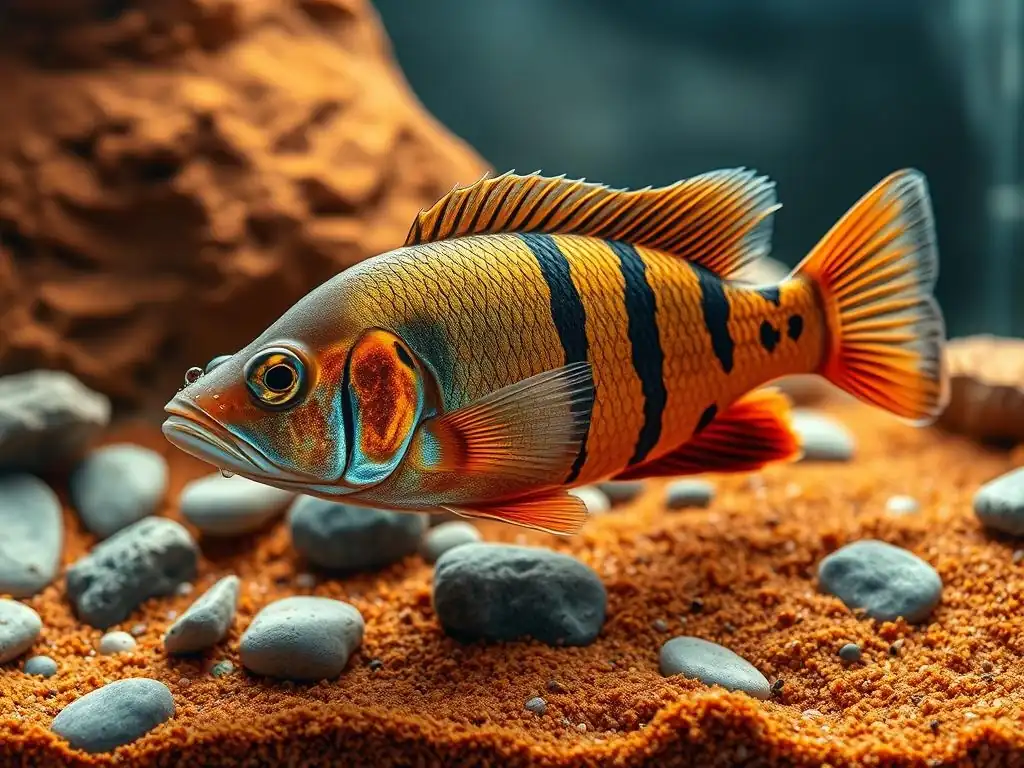
African cichlids thrive in stable tropical temperatures, typically ranging from 76°F to 82°F (24°C to 28°C). Selecting the correct wattage for your aquarium heater is crucial to maintain this consistency, especially in cooler environments. A general rule of thumb for African cichlid tank equipment is to allow 3 to 5 watts per gallon of water.
For instance, a 55-gallon tank would typically require a 150-250 watt heater, while a 125-gallon tank might need a 375-625 watt heater. It's often recommended to use two smaller heaters rather than one large one for tanks 75 gallons and above. This provides more even heat distribution and acts as a failsafe; if one heater malfunctions, the other can still provide some warmth, preventing a catastrophic temperature crash.
Reliable, fully submersible heaters are the preferred choice, as they ensure consistent heat transfer throughout the water column. Look for models with durable construction, often made of shatter-resistant glass or titanium, and a visible indicator light that shows when the heater is active. Brands like Eheim Jager, Aqueon Pro, or Hydor Theo are well-regarded for their precision and durability, contributing to the overall reliability of your African cichlid tank equipment.
Thermostat Considerations for Stable Temperatures
Most modern aquarium heaters come equipped with an integrated thermostat, allowing you to set the desired water temperature. The quality and accuracy of this built-in thermostat are paramount for the stability of your African cichlid tank. Fluctuating temperatures can severely stress fish, compromising their immune systems and making them highly susceptible to common illnesses like ich (white spot disease) or bacterial infections. A reliable thermostat ensures that the water temperature remains within a narrow, consistent range, mimicking the stable conditions of their natural lake environments.
For larger tanks or situations where absolute precision and redundancy are desired, external thermostat controllers are an excellent addition to your African cichlid tank equipment. These devices, such as Inkbird or Finnex controllers, plug into a wall outlet, and heaters plug into them. The controller's probe is placed in the tank, allowing for digital temperature setting and often featuring audible alarms if the temperature deviates outside a user-defined safe range. This provides an extra layer of safety and peace of mind, especially for valuable fish collections.
Monitoring Water Temperature: Thermometers and Controllers
Accurate temperature monitoring is essential to ensure your heaters are functioning correctly and maintaining the desired range for your African cichlids. A reliable thermometer is a basic, yet critical, piece of African cichlid tank equipment. Options include traditional glass floating thermometers, stick-on LCD thermometers, and digital thermometers with probes. Digital thermometers are often preferred for their precision and ease of reading, typically displaying temperatures within ±0.5°F.
For advanced setups, especially those utilizing an external thermostat controller, the controller itself often includes a temperature display. Some high-end controllers can even log temperature data over time, providing insights into stability. Placing the thermometer away from the heater, ideally on the opposite side of the tank, provides a more accurate reading of the overall water temperature rather than just the localized heat directly from the element. Regular checks, ideally daily, are recommended to catch any heater malfunctions before they impact fish health.
Lighting for Vibrant African Cichlids and Algae Control
LED Lighting Options for Cichlid Aquariums
LED lighting has become the preferred choice for African cichlid aquariums due to its energy efficiency, longevity, and versatility. Unlike traditional fluorescent bulbs, LEDs typically last for 50,000 hours or more, significantly reducing replacement costs and environmental impact. Modern LED fixtures offer a wide range of light spectrums and intensities, many of which can be customized via remote control or smartphone apps. This allows aquarists to highlight the vibrant blues, reds, and yellows characteristic of African cichlids, making their colors truly pop.
For tanks without live plants, which is common in African cichlid setups due to their digging habits and the high pH requirements, high PAR (Photosynthetically Active Radiation) values are not necessary. Instead, focus on fixtures that offer adjustable color channels, allowing you to fine-tune the aesthetics. Brands like Fluval Aquasky, Current USA Satellite, or Finnex Planted+ (even without plants, some models offer great color rendition) provide excellent options for enhancing the visual appeal of your African cichlid tank equipment.
The Role of Light Spectrum in Algae Growth
While some level of algae growth, particularly green spot algae, is natural and even beneficial as a food source for herbivorous Mbuna cichlids, excessive algae can be an unsightly nuisance and an indicator of imbalanced tank conditions. The light spectrum plays a significant role in promoting or inhibiting algae growth. Full-spectrum white light, particularly with strong red and green components, tends to fuel the growth of various types of algae, especially when combined with high nitrate or phosphate levels in the water.
For African cichlid tanks that typically lack live plants to compete for nutrients, favoring lighting with a stronger blue spectrum (e.g., 6500K to 10000K) can help reduce the proliferation of undesirable green algae while still enhancing the natural coloration of the fish. Some aquarists opt for fixtures with dedicated blue LEDs or specific "cichlid" spectrum settings that are designed to bring out the fish's colors without excessively promoting green algae. Balancing the light spectrum is a key aspect of managing your African cichlid tank equipment for aesthetics and maintenance.
Lighting Schedules: Balancing Aesthetics and Algae Prevention
Maintaining a consistent lighting schedule is crucial for the well-being of your African cichlids and for controlling algae growth. Most aquarists find that 8-10 hours of light per day is sufficient for viewing and maintaining a healthy environment. Longer photoperiods, such as 12-14 hours, rarely offer additional benefits to the fish and significantly increase the likelihood of aggressive algae blooms, as algae thrives on prolonged light exposure.
Using an automatic timer is highly recommended for African cichlid tank equipment. A timer ensures a consistent on/off cycle, which reduces stress on your fish and helps establish a stable diurnal rhythm. For persistent algae issues, some aquarists employ a "siesta" period, where the lights are turned off for 2-4 hours in the middle of the day. This short break can be effective at disrupting algae's photosynthetic cycle without negatively impacting fish behavior or aesthetics too much.
Substrate and Hardscape: Creating a Natural Cichlid Environment
Choosing the Right Substrate for African Cichlids: Aragonite vs. Sand
The substrate choice is a critical piece of African cichlid tank equipment, as it directly influences water chemistry and provides a natural environment. African cichlids, especially those from Lake Malawi and Tanganyika, require hard, alkaline water with a pH typically between 7.8 and 8.6 and a general hardness (GH) of 10-25 dH. Aragonite sand or crushed coral are ideal substrates because they are calcareous materials that slowly dissolve, naturally buffering the water and helping to maintain the high pH and hardness levels. A layer of 1-2 inches is usually sufficient.
In contrast, inert substrates like play sand, silica sand, or standard aquarium gravel do not contribute to water chemistry and may even require chemical buffers to be added regularly, which can lead to pH instability if not managed carefully. Many African cichlids, particularly Mbuna, are natural sifters and enjoy digging through fine sand, making it a more natural and enriching choice than gravel. The fine grain also prevents detritus from settling deep within the substrate, making cleaning easier.
Rockwork and Decor: Providing Shelter and Territory
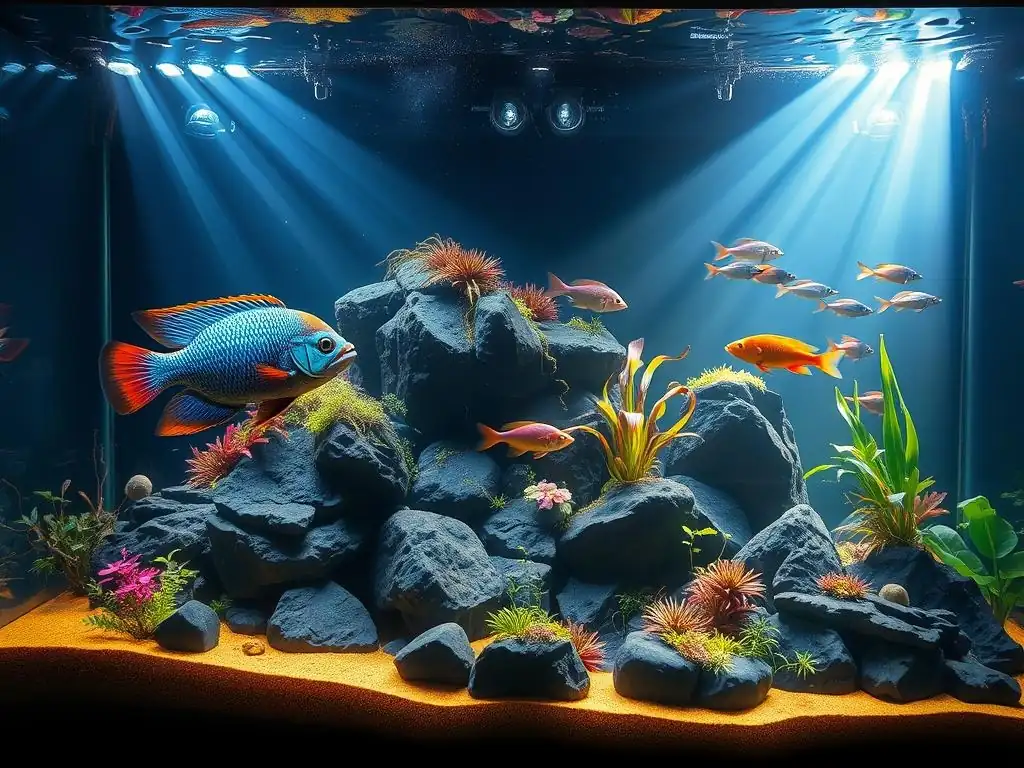
Rockwork is perhaps the most essential decorative element for an African cichlid tank, serving both aesthetic and functional purposes. African cichlids, particularly the aggressive Mbuna, are highly territorial and require an abundance of caves, crevices, and visual barriers to establish territories, reduce aggression, and provide crucial hiding spots for subordinate or stressed fish. The goal is to create a complex, multi-tiered structure that mimics the rocky shorelines of the Rift Lakes.
When selecting rock for your African cichlid tank equipment, consider porous, inert rock types that do not leach harmful substances. Texas Holey Rock, lava rock, limestone, and slate are popular choices. Aim to fill at least 50% of the tank volume with rockwork, creating numerous tunnels and bolt holes. This extensive hardscaping is vital for diffusing aggression and allowing the fish to establish their social hierarchy without constant conflict.
Considerations for Rock Placement and Tank Stability
Proper placement of rockwork is paramount for the safety and stability of your African cichlid tank. Due to the cichlids' natural digging habits, rocks should always be placed directly on the bottom glass of the aquarium, not on top of the substrate. This prevents the fish from undermining the rock structure, which could lead to collapses that can crack the tank, injure, or even kill fish. For larger or more complex rock structures, using aquarium-safe silicone to cement rocks together can add an extra layer of security.
When arranging the rockwork, ensure there is adequate swimming space, particularly for larger or more active species like Peacock cichlids. While providing plenty of hiding spots is crucial, avoid creating areas where water flow is completely stagnant, as this can lead to detritus buildup. Consider the overall aesthetic, aiming for a natural, rugged appearance that mirrors their native habitat.
Water Chemistry Testing and Adjustment Equipment
Essential Water Testing Kits for African Cichlid Tanks
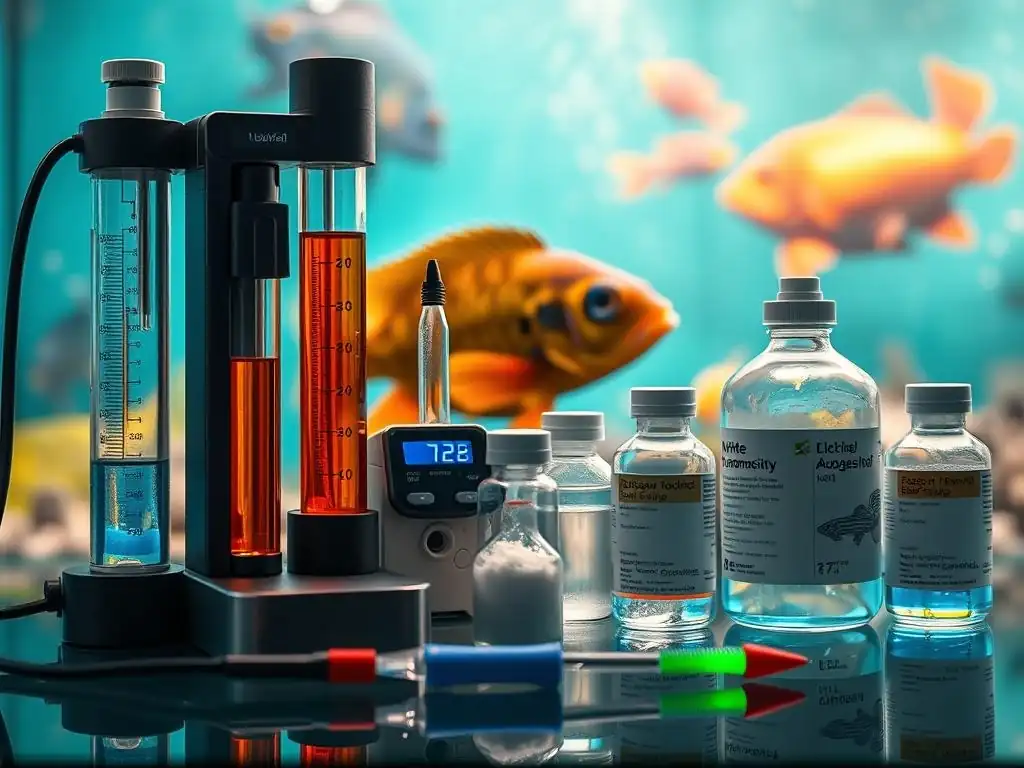
Regular water parameter testing is non-negotiable for the successful maintenance of an African cichlid tank. These fish are highly sensitive to changes in water chemistry, and even slight deviations can cause significant stress or illness. A liquid-based master test kit, such as the API Freshwater Master Test Kit, is an indispensable piece of African cichlid tank equipment. These kits provide accurate readings for pH, ammonia, nitrite, and nitrate, which are the four most critical parameters to monitor. Test strips, while convenient, are generally less accurate and reliable.
During the initial cycling of a new tank, daily testing is recommended to track the progress of the nitrogen cycle. Once the tank is established and fully cycled, weekly or bi-weekly testing is usually sufficient to ensure parameters remain stable and within acceptable ranges. Consistent monitoring allows you to identify and address potential issues before they become serious problems for your fish.
Understanding pH, Ammonia, Nitrite, and Nitrate Levels
For African cichlids, ideal water parameters are:
- pH: 7.8-8.6. Values outside this range can cause severe stress and health issues.
- Ammonia (NH3/NH4+): 0 ppm. Ammonia is highly toxic, produced by fish waste and uneaten food.
- Nitrite (NO2-): 0 ppm. Nitrite is also highly toxic, an intermediate product of the nitrogen cycle.
- Nitrate (NO3-): <20 ppm (ideally <10 ppm). While less toxic than ammonia or nitrite, high nitrate levels indicate accumulated waste and can suppress fish immune systems, leading to stress and disease.
Understanding these levels is fundamental. Ammonia and nitrite should always be zero in a cycled tank. Any detectable levels indicate an issue with filtration, overfeeding, or overstocking, and require immediate attention, typically a large water change. High nitrates signal the need for more frequent or larger water changes. Consistent monitoring with your African cichlid tank equipment helps you maintain these crucial levels.
Buffering the Water: Maintaining the Ideal pH for Cichlids
Maintaining the high pH and hardness required by African cichlids can be challenging, especially if your tap water is naturally soft or acidic. Beyond using an aragonite substrate, specific buffering agents are essential African cichlid tank equipment for long-term stability. Products like Seachem Cichlid Lake Salt, Seachem Malawi/Victoria Buffer, or Kent Marine African Cichlid Buffer are formulated to replicate the mineral composition of the Rift Lakes. These products contain carbonates, bicarbonates, and other minerals that raise and stabilize both pH and general hardness (GH) in the desired range.
These buffers are typically added during water changes to replenish minerals that are consumed by fish, plants (if any), or removed by filtration. Consistent buffering prevents "pH crashes" where the pH can suddenly drop, which is extremely detrimental to cichlid health. Always follow the manufacturer's instructions for dosage, and test your water regularly to ensure you are maintaining the target parameters without over-buffering.
Water Circulation and Aeration: Ensuring Oxygen Levels
Powerheads and Wave Makers: Improving Water Flow
African cichlids from the rocky shores of Lake Malawi and Tanganyika are accustomed to environments with significant water movement. Incorporating powerheads or wave makers into your African cichlid tank equipment can greatly enhance the overall health and vitality of your fish. These devices create turbulent flow, preventing the formation of "dead spots" in the tank where detritus can accumulate, leading to poor water quality. Brands like Hydor Koralia or Jebao/Jecod wavemakers are popular choices.
Improved water circulation offers several benefits: it aids in oxygen exchange at the water surface, distributes heat more evenly throughout the aquarium, and keeps waste particles suspended in the water column, allowing your filtration system to more effectively capture them. This contributes to clearer water, reduced detritus buildup, and a more dynamic environment that encourages natural behaviors in your cichlids. For a 75-gallon tank, a single powerhead with a flow rate of 1000-1500 GPH can provide excellent additional circulation.
Air Pumps and Air Stones: Increasing Oxygenation
While strong surface agitation from filters and powerheads contributes significantly to oxygen exchange, air pumps and air stones are invaluable pieces of African cichlid tank equipment for ensuring consistently high dissolved oxygen levels. This is particularly important in heavily stocked cichlid tanks, during periods of high temperature (as warmer water holds less oxygen), or when treating certain fish illnesses. An air stone connected to an air pump creates a stream of fine bubbles that rise to the surface, causing significant surface agitation where the primary gas exchange occurs.
The bubbles themselves do not directly add a large amount of oxygen, but their action on the surface facilitates the diffusion of oxygen from the air into the water. This also helps to off-gas excess carbon dioxide. Air pumps and air stones are relatively inexpensive to purchase and operate, providing a simple yet effective way to safeguard your fish against oxygen deprivation. For tanks 55 gallons and larger, a dual-outlet air pump can be beneficial, powering two air stones for more comprehensive oxygenation.
Feeding Equipment and Food Considerations
Choosing the Right Food for African Cichlids
Proper nutrition is fundamental to the health and vibrant coloration of African cichlids, and the choice of food is a crucial part of your African cichlid tank equipment considerations. It is imperative to select a diet appropriate for the specific species you keep, as diets vary significantly between Mbuna (primarily herbivorous) and Peacock/Haplochromine cichlids (omnivorous/carnivorous). For Mbuna, a high-quality spirulina-based flake or pellet is essential, with spirulina content often exceeding 30-40%. Brands like New Life Spectrum Cichlid Formula or Hikari Cichlid Excel are well-regarded.
Feeding high-protein, fatty foods such as bloodworms, beef heart, or general tropical flakes to herbivorous Mbuna can lead to severe digestive issues, most notably Malawi bloat, which is often fatal. For omnivorous Peacocks and Haps, a balanced diet of high-quality cichlid pellets or flakes, supplemented with occasional protein-rich foods like krill or mysis shrimp, is suitable. Always avoid overfeeding, as this contributes to poor water quality.
Automatic Feeders: Convenience and Consistency
Automatic feeders are a valuable piece of African cichlid tank equipment, offering both convenience and consistency in feeding. They are particularly useful for busy aquarists, during vacations, or for maintaining a strict feeding schedule to reduce aggression and improve fish health. Many models allow for multiple feeding times per day and adjustable portion sizes. Brands like Eheim Everyday Feeder or Fish Mate F14 are reliable options.
While convenient, it is crucial to calibrate automatic feeders carefully. Overfeeding is a common pitfall that can rapidly degrade water quality, leading to high nitrates and algae blooms. It's advisable to test the feeder for a few days while you are present to ensure it dispenses the correct amount of food. This preventative measure helps maintain the pristine water conditions essential for African cichlids.
Preventing Overfeeding: Maintaining Water Quality
Overfeeding is one of the most common causes of water quality issues in African cichlid tanks. Excess food breaks down, releasing ammonia and nitrite, and contributing to high nitrate levels and unsightly algae growth. To prevent this, feed your African cichlids small amounts 2-3 times per day that they can consume entirely within 1-2 minutes. This ensures all food is eaten, minimizing waste.
A common adage among experienced cichlid keepers is, "A hungry cichlid is a healthy cichlid." It's generally beneficial to include one or two "fasting" days per week where no food is offered. This aids in the fish's digestion and further reduces the amount of organic waste introduced into the tank, contributing significantly to maintaining excellent water quality and reducing the workload on your African cichlid tank equipment.
Essential Maintenance Tools for Cichlid Tank Upkeep
Gravel Vacuums: Removing Debris and Waste
A gravel vacuum, also known as a siphon, is an indispensable piece of African cichlid tank equipment for routine maintenance. Its primary function is to remove uneaten food, fish waste, and other detritus that accumulates on and within the substrate. This process is typically performed during weekly or bi-weekly water changes, simultaneously removing pollutants and refreshing the water.
Regular vacuuming directly contributes to lower nitrate levels and overall cleaner water, which is paramount for the health of African cichlids. For tanks with fine sand substrate, a wide-mouthed gravel vacuum can effectively clean the surface without sucking up too much sand. For tanks with heavier gravel, the vacuum can penetrate deeper to extract trapped waste. Consistent use of this tool is a cornerstone of effective African cichlid tank management.
Algae Scrapers: Keeping the Glass Clean
Algae growth on aquarium glass is a common occurrence, and an algae scraper is essential African cichlid tank equipment for maintaining clear viewing. Various types are available, including magnetic scrapers (two parts, one inside, one outside, held by magnets), blade scrapers (for stubborn spots), and pad scrapers. Magnetic scrapers are convenient as they allow cleaning without getting your hands wet.
Regular use of an algae scraper, perhaps every few days or weekly, prevents a heavy buildup that can obscure your view of the fish and potentially compete with beneficial bacteria for nutrients. When using blade scrapers, exercise caution, especially with acrylic tanks, as they can easily scratch the surface. For glass tanks, a metal blade scraper can efficiently remove even the toughest green spot algae.
Water Change Equipment: Buckets, Hoses, and Pumps
Regular, large water changes are the single most important maintenance activity for an African cichlid tank, given their high bioload and preference for pristine water. A typical regimen involves changing 25-50% of the tank water weekly. Essential African cichlid tank equipment for this task includes several clean, aquarium-specific buckets (e.g., 5-gallon buckets) and a sturdy siphon hose.
For larger tanks (75 gallons and above), investing in a Python-style no-spill water change system or a small submersible pump with a long hose can significantly reduce the physical effort and time involved. These systems connect directly to a faucet, allowing for easy draining and refilling without needing to carry heavy buckets. This makes regular, large water changes more manageable and therefore more likely to be performed consistently, which is vital for the long-term health of your African cichlids.
Quarantine Tank Equipment: Preparing for New Arrivals and Treating Illness
Setting Up a Quarantine Tank for African Cichlids
A dedicated quarantine tank is an often-overlooked but absolutely essential piece of African cichlid tank equipment for any serious aquarist. This separate, smaller aquarium (typically 10-20 gallons for most cichlids) serves as a temporary holding facility for new fish before they are introduced to the main display tank, for sick fish requiring treatment, or for aggressive individuals needing a "time-out." This proactive measure dramatically reduces the risk of introducing diseases or parasites into your established, healthy main tank.
The basic African cichlid tank equipment for a quarantine setup includes a small heater, a thermometer, an air pump with a sponge filter (ideally one that has been pre-cycled in the main tank for instant biological filtration), and a few PVC pipes or inert decor for hiding spots. Keeping this tank bare-bottomed simplifies cleaning and medication.
Essential Medications and Treatments
Having a basic "fish first-aid kit" on hand is a smart part of your African cichlid tank equipment. While the quarantine tank is primarily for observation, having key medications readily available can be critical for prompt treatment of common ailments. Essential medications often include a broad-spectrum antibiotic (e.g., Furan-2 or Seachem Kanaplex) for bacterial infections like fin rot or bloat, an anti-parasitic (e.g., Seachem PraziPro for internal parasites or Hikari Ich-X for Ich), and a general fungal treatment.
It is crucial to accurately diagnose any illness before administering medication, as misapplication can do more harm than good. Always follow manufacturer instructions precisely for dosage and duration. Remember that prevention through excellent water quality and proper quarantine procedures is always preferable to treatment.
Monitoring New Fish for Signs of Disease
The primary purpose of a quarantine tank is to observe new African cichlids for a minimum of 2-4 weeks before introducing them to your main display. During this period, diligently monitor them for any signs of illness, such as:
- Ich (White Spot Disease): Small white spots resembling salt grains on the body and fins.
- Fin Rot: Frayed, deteriorating fins, often with a white or reddish edge.
- Malawi Bloat: Swollen abdomen, loss of appetite, white stringy feces, often leading to lethargy and death.
- Lethargy or Hiding: Unusual inactivity or prolonged hiding.
- Clamped Fins: Fins held tight against the body.
- Rapid Gilling: Fast breathing, indicating respiratory distress.
Any observed symptoms should prompt immediate treatment in the quarantine tank, preventing the spread of potential pathogens to your entire African cichlid collection. This proactive approach with proper African cichlid tank equipment is a cornerstone of responsible fish keeping.
Conclusion: Investing in Quality African Cichlid Tank Equipment for a Healthy Aquarium
Establishing a thriving African cichlid tank is a rewarding endeavor that hinges on a foundational commitment to quality African cichlid tank equipment. From robust filtration systems that maintain pristine water parameters to precise heating for stable temperatures, and from specialized lighting that enhances their natural colors to strategically placed rockwork providing essential territory, each component plays a vital role. The initial investment in reliable gear like powerful canister filters, buffering substrates such as aragonite, and accurate water testing kits far outweighs the long-term costs and frustrations associated with inferior products.
Moreover, consistent maintenance facilitated by essential tools like gravel vacuums and an unwavering dedication to regular water changes are non-negotiable. The foresight to establish a dedicated quarantine tank further safeguards your entire aquatic community. By meticulously selecting and maintaining your African cichlid tank equipment, you create an optimal, stable environment where these magnificent fish can truly flourish, displaying their vibrant beauty and fascinating behaviors for years to come.
Frequently Asked Questions
What is the most crucial piece of equipment for an African Cichlid tank?
The most crucial piece of equipment is a high-quality filter. African Cichlids produce a lot of waste, so a robust filtration system is essential for maintaining water quality.
What type of substrate is recommended for an African Cichlid tank, and why?
A calcium-based substrate, like aragonite sand, is recommended. This helps to maintain a higher pH and alkalinity, which are crucial for African Cichlid health.
Besides a heater, what else is important for temperature control in an African Cichlid tank?
While a heater is essential, a reliable thermometer is also vital. Regularly monitoring the temperature ensures it stays within the ideal range for your cichlids.
What kind of lighting is best for an African Cichlid tank, considering their needs?
African Cichlids don't require intense lighting, so a standard aquarium light is sufficient. The main purpose is for viewing the fish and potentially supporting hardy plants.
Why is having extra filtration media important for an African Cichlid tank?
Having extra filtration media on hand is important for quick replacements. This allows you to maintain a healthy bacterial colony and avoid sudden spikes in ammonia or nitrite, which can be detrimental to your fish.
Final Reflection: Cultivating Aquatic Ecosystems
The journey of setting up an African cichlid tank, as we've explored, is more than just assembling essential equipment; it's about creating a thriving, miniature ecosystem. Understanding the specific needs of these vibrant fish and investing in the right tools is paramount not only for their survival but also for unlocking their full potential and beauty within the confines of our homes.
This endeavor extends beyond mere hobbyism; it's a commitment to responsible pet ownership and an appreciation for the delicate balance of nature. The vibrant colors and intricate social dynamics of African cichlids offer a constant source of fascination and learning, reminding us of the interconnectedness of life. In every walk with nature, one receives far more than he seeks.
- John Muir. This quote resonates deeply when observing the complex interactions within a well-maintained cichlid tank, a microcosm reflecting the wonders of the natural world.
Now, as you embark on or continue your journey with African cichlids, consider the profound impact your choices have on these creatures. Let the knowledge gained here inspire you to create not just a tank, but a vibrant, healthy, and enriching environment where these aquatic jewels can truly flourish. Your dedication to providing the best possible care will be rewarded with years of captivating beauty and a deeper understanding of the wonders of the aquatic realm.
Ignite Your Cichlid Passion!
Thanks for diving into the world of African Cichlids with us! We hope you're now equipped with the knowledge to create a stunning and healthy environment for these vibrant fish. Ready to take your aquarium to the next level?
Here’s how:
- Boldly acquire that protein skimmer you’ve been eyeing – it’s the key to truly pristine water and thriving colors!
- Explore local aquarium societies! Attend a meeting and learn firsthand secrets from seasoned Cichlid keepers. You may even find a unique new addition to your tank!
- Share your cichlid journey! Post photos and videos of your setup on social media using #AquariumMasteryCichlids and inspire others to join the fun.
What’s one small tweak you'll make this week to dramatically improve your cichlid tank's health or aesthetics?