
Understanding Variatus Platy Behavior: A Window into Their World


Welcome to Aquarium Mastery!
Ever wondered what your Variatus Platy is really trying to tell you? Dive in to uncover the secrets behind common Variatus Platy behavior problems and unlock a deeper understanding of these vibrant freshwater fish. From fin-nipping to hiding, we'll explore the reasons behind their actions and offer practical solutions to create a thriving and harmonious aquarium. Intrigued? Let's get started!
- Introduction to Variatus Platy Behavior and Common Issues
- Decoding Variatus Platy Social Dynamics
- Common Variatus Platy Behavior Problems and Solutions
- Variatus Platy Breeding Behavior: What to Expect
- Feeding Behavior and Nutritional Needs of Variatus Platies
- Variatus Platy and Tank Mates: Compatibility and Interactions
- Recognizing and Addressing Abnormal Variatus Platy Behavior
- Enhancing Your Understanding of Variatus Platy Behavior
-
Frequently Asked Questions
- How can I identify common Variatus Platy behavior problems in my aquarium?
- What are the primary causes of aggression among Variatus Platies?
- How does water quality affect Variatus Platy behavior?
- My Variatus Platy is constantly hiding. What could be the reasons?
- What steps can I take to prevent Variatus Platy behavior problems in my aquarium?
- Final Reflection: Decoding the Language of the Platy
- Dive Deeper: Unlock the Secrets of Your Platy!
Introduction to Variatus Platy Behavior and Common Issues
Understanding the nuanced behaviors of your Variatus Platies is paramount to their well-being and the harmony of your aquarium. These vibrant freshwater fish, known for their active nature and wide array of colors, often display subtle cues that indicate their health, comfort, or distress. Recognizing these signs early is crucial for preventing and addressing common Variatus Platy behavior problems, ensuring a thriving environment.
From their social interactions within a community tank to their specific breeding rituals and responses to their environment, every aspect of a Variatus Platy's behavior offers insight into their needs. Issues such as unexplained aggression, excessive hiding, or unusual swimming patterns are not merely quirks but often critical indicators of underlying problems, demanding prompt observation and intervention.
Understanding the Hierarchy in Variatus Platy Communities
Variatus Platies, like many livebearers, naturally establish a loose social hierarchy within their groups. This pecking order is typically more pronounced among males, who may engage in mild chasing and fin-flaring displays to assert dominance or attract females. While this hierarchy generally remains non-violent in adequately sized tanks, it can manifest as subtle bullying or restricted access to prime feeding spots for lower-ranking individuals.
Females also exhibit a form of social structure, though it is less overt than male-on-male interactions. A balanced male-to-female ratio, ideally one male to two or three females, is critical in mitigating stress on individual females from constant male attention. This ratio helps distribute the male's focus, reducing the likelihood of "Variatus Platy behavior problems" like exhaustion or chronic stress in females due to relentless courtship.
Recognizing Signs of Aggression or Dominance in Variatus Platies
Aggression in Variatus Platies, while typically mild compared to cichlids, can still be a significant "Variatus Platy behavior problem." Key indicators include persistent chasing, nipping at fins, body ramming, or flaring gills as a display of threat. Dominant platies might also display darker, more intense coloration when asserting their authority, particularly during territorial disputes or intense courtship.
These aggressive displays are often directed at weaker or smaller tank mates, or at females who are not receptive to mating. If observed frequently, for example, a male persistently chasing a specific female for more than 15-20 seconds at a time multiple times an hour, it suggests a problem. Unchecked aggression can lead to stress-related diseases, fin damage, and even death for the targeted fish, highlighting the need for intervention.
The Role of Tank Size and Population Density in Variatus Platy Behavior
Insufficient tank size is a leading cause of "Variatus Platy behavior problems," particularly aggression and stress. A minimum of 10 gallons is often cited for a small group of 3-5 platies, but a 20-gallon or larger tank is significantly better for a thriving community. Larger tanks provide more swimming space, more territories, and ample hiding spots, which are crucial for diffusing tension and allowing less dominant fish to retreat.
Population density directly correlates with stress levels. Overcrowding intensifies competition for food, space, and oxygen, leading to increased aggression and susceptibility to disease. While a common guideline is 1 inch of adult fish per gallon of water, this is a very rough estimate. For Variatus Platies, a group of five in a 20-gallon tank will generally exhibit far less stress and fewer "Variatus Platy behavior problems" than the same group crammed into a 10-gallon tank, even if the "inch per gallon" rule technically permits it.
Common Variatus Platy Behavior Problems and Solutions
Identifying Stress Indicators in Variatus Platies
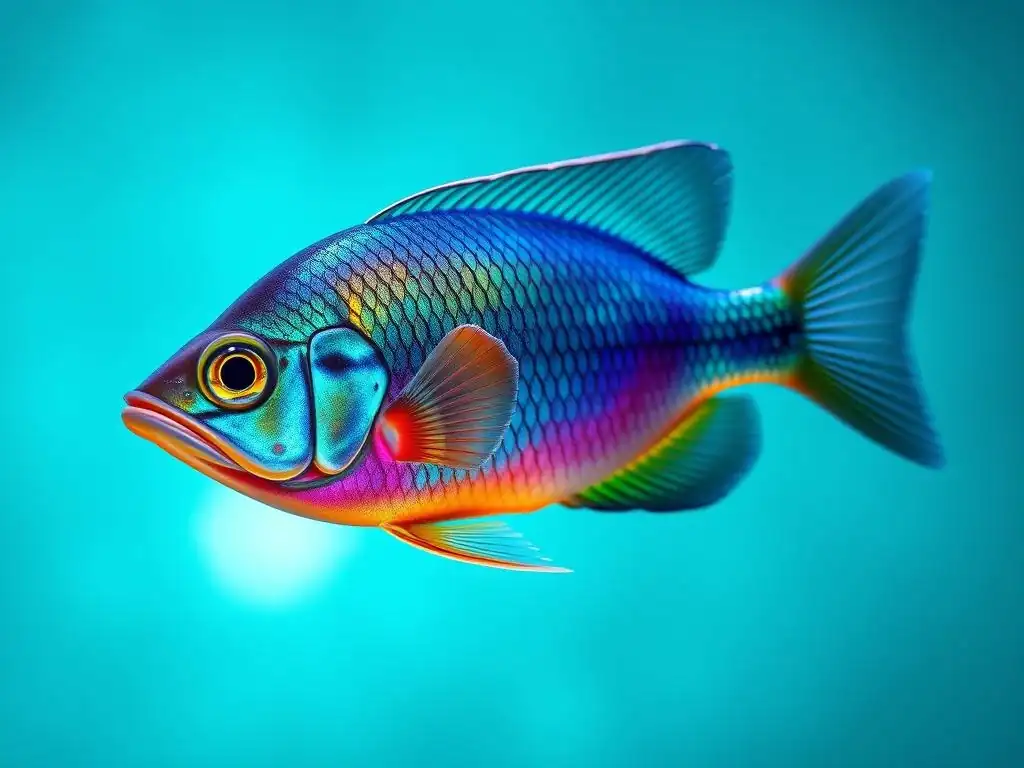
Stress in Variatus Platies manifests through several observable behaviors. Common signs include clamped fins (held tight against the body), rapid gilling (indicating difficulty breathing), faded or dull coloration, erratic and darting movements, refusal to eat, and excessive hiding. A platy that frequently rubs its body against tank decorations or substrate, known as "flashing," is often trying to relieve irritation caused by parasites or poor water quality.
These "Variatus Platy behavior problems" are usually a direct response to environmental stressors. Primary culprits include poor water quality (e.g., elevated ammonia, nitrite, or nitrate levels), incorrect water temperature or pH, bullying from more aggressive tank mates, or a lack of adequate hiding spots. Addressing the root cause of stress is vital, as prolonged stress weakens the fish's immune system, making it vulnerable to various diseases.
Addressing Fin Nipping and Bullying Among Platies
Fin nipping, where one platy repeatedly bites the fins of another, is a prevalent "Variatus Platy behavior problem" often linked to dominance disputes or overcrowding. It is particularly common when the male-to-female ratio is skewed, leading to a single female being constantly harassed, or when aggressive males target weaker individuals. It can also occur if platies are housed with very slow-moving or long-finned tank mates.
To mitigate fin nipping and bullying, several solutions can be implemented. Increasing the tank size to provide more territory and escape routes is often the most effective. Adding dense live plants, caves, or other decor offers crucial hiding spots for targeted fish. Adjusting the male-to-female ratio to 1:2 or 1:3 helps disperse male attention. In severe cases, where a single platy is persistently aggressive, temporary isolation or rehoming may be necessary to prevent further harm.
Variatus Platy Hiding: Reasons and Remediation
While Variatus Platies naturally seek shelter occasionally, persistent or excessive hiding is a significant "Variatus Platy behavior problem" that warrants investigation. Reasons for hiding can range from simple acclimation to a new environment, fear of dominant tank mates, or a lack of sufficient cover, to more serious issues like illness or extreme stress caused by unstable water parameters. A platy that hides for more than 24-48 hours consistently, especially if it refuses to come out for food, is likely experiencing distress.
Remediation involves first ensuring stable and optimal water parameters (ammonia 0, nitrite 0, nitrate <20 ppm, temperature 72-78°F, pH 7.0-8.0). Providing ample hiding spots through dense planting, driftwood, and caves can significantly reduce stress and encourage bolder behavior. If bullying is suspected, addressing the aggressor or reconfiguring the tank layout to break lines of sight can help. Observing the platy for other signs of illness (e.g., clamped fins, labored breathing) is also crucial for proper diagnosis.
Variatus Platy Breeding Behavior: What to Expect
Courtship Rituals and Mating Displays of Variatus Platies
Variatus Platies are prolific livebearers, and their breeding behavior is a fascinating aspect of their natural world. Male platies initiate courtship by persistently chasing females, often vibrating their bodies and flaring their fins to display their colors and vigor. The male will attempt to position his gonopodium (a modified anal fin) to fertilize the female internally. This pursuit can sometimes be mistaken for aggression if the female is not receptive or if there are too many males for the available females, leading to stressed platy behavior.
Receptive females may allow the male to approach, while unreceptive females will actively swim away or seek refuge in plants or decor. Successful mating is a quick process, often occurring multiple times a day in a healthy, balanced environment. Observing this natural interaction is key to understanding the dynamics within your platy community.
Post-Partum Behavior in Female Variatus Platies
After a gestation period of approximately 28-30 days, a female Variatus Platy will give birth to live fry. The number of fry can vary significantly, ranging from 10 to over 80, depending on the female's size, age, and overall health. Post-partum females may appear fatigued and will often have a noticeably deflated belly. It is common for females to attempt to eat their own fry immediately after birth, a natural instinct to consume weak or stillborn offspring, or simply due to hunger.
Providing a quiet, stress-free environment for the female after birth is beneficial for her recovery. Increasing the frequency of small, nutritious meals can help her regain energy. While some aquarists opt to move pregnant females to a separate breeding tank or use a "fry saver" box, this can also induce stress. A heavily planted tank with plenty of hiding spots offers the best natural protection for the fry while minimizing stress on the mother.
Optimizing Tank Conditions for Successful Breeding Behavior
Optimizing tank conditions is crucial for encouraging successful and healthy breeding behavior in Variatus Platies. Stable water parameters are paramount: a temperature range of 72-78°F (22-26°C), a pH of 7.0-8.0, and consistently low levels of ammonia, nitrite, and nitrate are ideal. A well-planted tank provides security for both adult fish and the vulnerable fry, offering hiding spots and reducing stress levels that could otherwise inhibit breeding.
A balanced male-to-female ratio, ideally 1 male to 2-3 females, significantly reduces stress on individual females from constant male attention, promoting a more natural and successful breeding cycle. Providing a varied, high-quality diet rich in both protein and vegetable matter also contributes to the overall health and reproductive vigor of the platies. These conditions minimize "Variatus Platy behavior problems" related to breeding stress.
Feeding Behavior and Nutritional Needs of Variatus Platies
Understanding Variatus Platy Feeding Habits
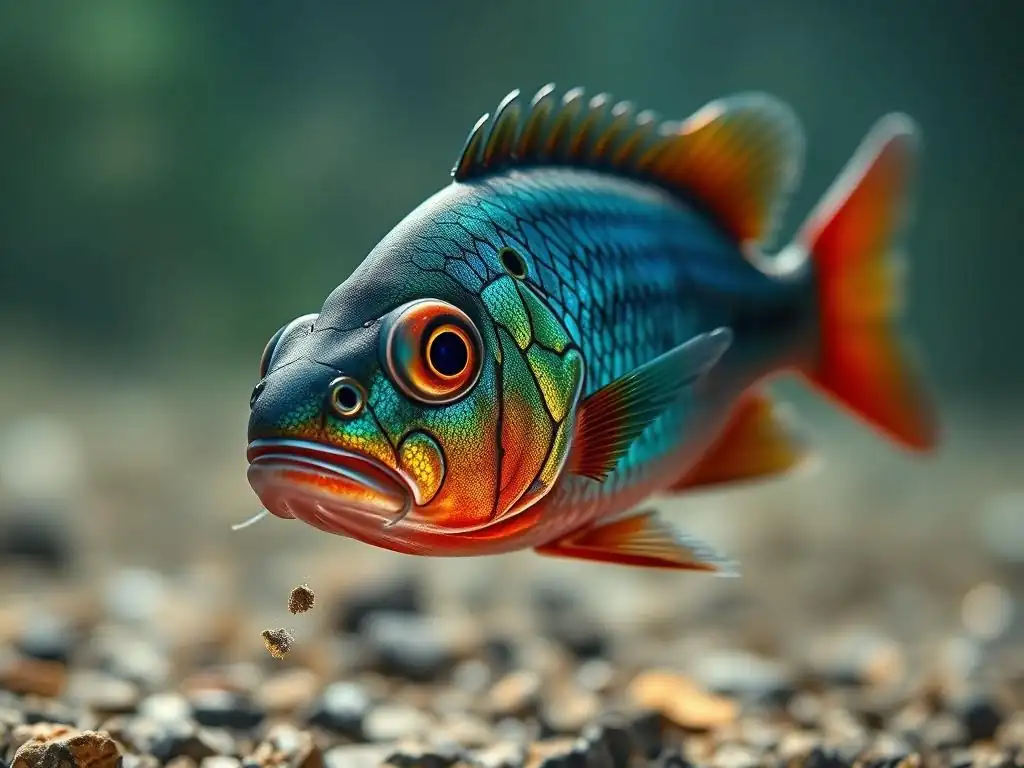
Variatus Platies are omnivores, exhibiting a diverse feeding habit that reflects their natural diet in the wild. While they readily accept high-quality flake foods, their diet should also include a significant amount of plant matter, as they naturally graze on algae and detritus. They are generally enthusiastic eaters, quickly darting to the surface when food is introduced and actively picking at surfaces for biofilm and algae throughout the day.
Beyond the surface, platies will also explore the middle and bottom layers of the tank, sifting through substrate for small invertebrates and decaying plant matter. This natural foraging behavior is important for their overall well-being. Observing their eagerness to eat and their consistent foraging activity is a good indicator of their health and comfort in the aquarium.
Recognizing Signs of Overfeeding or Underfeeding
Both overfeeding and underfeeding can lead to significant "Variatus Platy behavior problems" and health issues. Overfeeding is common and can be identified by uneaten food accumulating at the bottom of the tank, cloudy water, and platies with consistently bloated bellies. Chronic overfeeding can lead to digestive problems, swim bladder issues, and dangerously high levels of ammonia and nitrite in the water due to decaying food.
Conversely, underfeeding results in thin, lethargic fish with faded coloration. Underfed platies may also become more aggressive or competitive during feeding times, chasing away tank mates to secure scarce resources. A healthy platy should have a slightly rounded belly after eating, but it should not appear distended. Feeding small amounts 2-3 times a day, only what they can consume in 2-3 minutes, is generally recommended to avoid these issues.
The Impact of Diet on Variatus Platy Health and Behavior
A balanced and varied diet is fundamental to the overall health, vibrant coloration, and active behavior of Variatus Platies. A high-quality flake food should be supplemented with spirulina flakes, which provide essential plant matter, and occasional live or frozen foods such as brine shrimp, daphnia, or bloodworms, which offer crucial protein and micronutrients.
A diet lacking essential nutrients can manifest as various "Variatus Platy behavior problems." These include lethargy, faded colors, stunted growth, and an increased susceptibility to diseases due to a weakened immune system. For instance, platies on a consistently poor diet might become more prone to hiding or exhibit unusual swimming patterns as their health deteriorates. Providing a diverse nutritional intake is key to promoting natural, healthy behaviors.
Variatus Platy and Tank Mates: Compatibility and Interactions
Choosing Compatible Tank Mates for Variatus Platies
Selecting compatible tank mates is crucial for preventing "Variatus Platy behavior problems" in a community aquarium. Ideal companions are peaceful, similarly sized fish that thrive in similar water parameters (pH 7.0-8.0, temperature 72-78°F). Excellent choices include other peaceful livebearers like guppies and mollies (though be mindful of potential cross-breeding), various species of Corydoras catfish, peaceful tetras (e.g., Neon Tetras, Cardinal Tetras, Ember Tetras), and small rasboras.
It is vital to avoid aggressive or fin-nipping species such as Tiger Barbs, some larger Gouramis, or most cichlids, as they can stress or injure platies. Similarly, extremely timid or slow-moving fish might be stressed by the active nature of platies. The goal is a harmonious environment where all inhabitants can thrive without undue stress or conflict.
Observing Interactions Between Variatus Platies and Other Fish Species
Careful observation of interactions between Variatus Platies and their tank mates is essential, especially during the first few days and weeks after introducing new fish. Look for any signs of aggression from your platies towards the new inhabitants, such as persistent chasing, fin nipping, or body ramming. Conversely, observe if the platies are being bullied, showing signs of stress like hiding, clamped fins, or refusal to eat.
Peaceful interactions are characterized by fish coexisting without prolonged aggressive displays or apparent distress. For instance, a platy might briefly dart at another fish, but if it doesn't lead to sustained chasing or fin damage, it's generally acceptable. However, if a Variatus Platy consistently targets a specific tank mate, causing visible stress or injury, this indicates a significant "Variatus Platy behavior problem" that requires intervention, such as separating the fish or re-evaluating tank compatibility.
Minimizing Competition and Aggression in a Community Tank
To minimize competition and aggression, which are common "Variatus Platy behavior problems" in community tanks, several strategies can be employed. Providing ample space is paramount; a larger tank allows fish to establish territories and retreat from conflict. Incorporating plenty of hiding spots and visual barriers through dense live plants, driftwood, and rock formations can break lines of sight and reduce confrontations.
Distributing food widely during feeding times ensures that all fish get enough, reducing competition. Maintaining an appropriate population density and a balanced male-to-female ratio for livebearers also helps to diffuse potential aggression. Furthermore, consistent water changes and stable water parameters contribute to overall fish health and reduce stress, thereby lowering the likelihood of stress-induced "Variatus Platy behavior problems."
Recognizing and Addressing Abnormal Variatus Platy Behavior
Identifying Symptoms of Illness Through Behavioral Changes
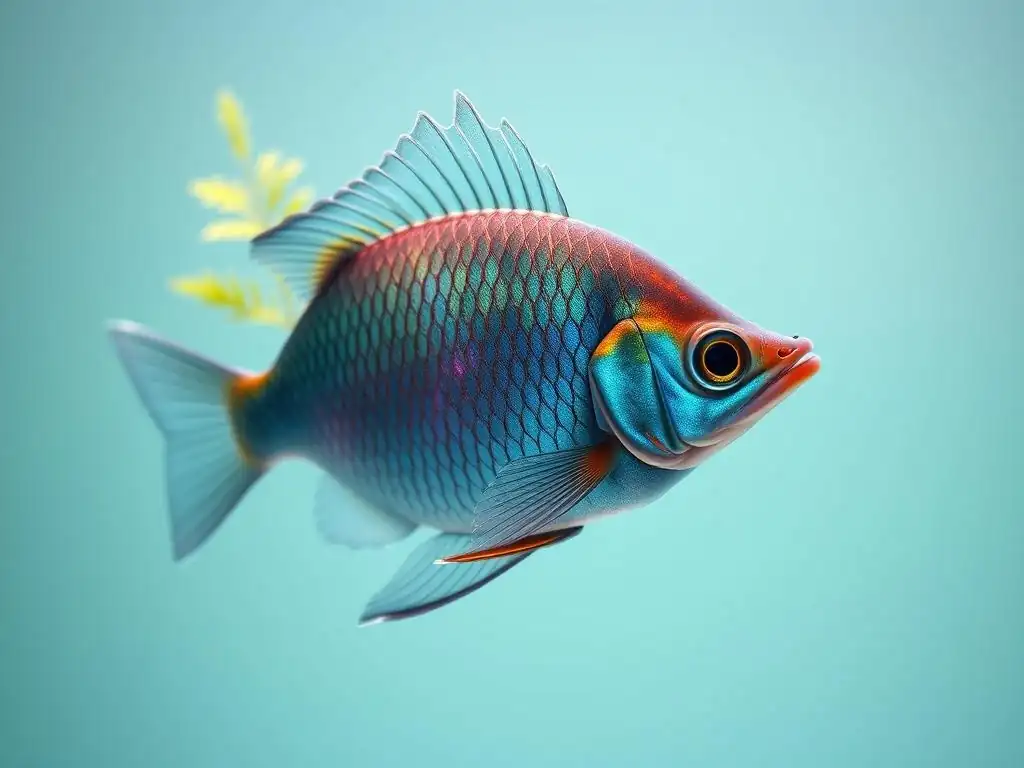
Behavioral changes are often the earliest and most critical indicators of illness in Variatus Platies. A healthy platy is active, curious, and responsive to its environment. Deviations from this norm, such as extreme lethargy, loss of appetite, isolating themselves from the group, rapid or labored breathing, and rubbing against tank surfaces ("flashing"), are all red flags. These are significant "Variatus Platy behavior problems" that demand immediate attention.
Specific behavioral symptoms can point to particular ailments. For example, a platy constantly staying at the water surface, gasping for air, might indicate low oxygen levels or severe gill issues. Conversely, a platy lying listlessly at the bottom of the tank could be suffering from internal parasites, bacterial infections, or severe environmental stress. Early identification through vigilant behavioral observation is key to successful diagnosis and treatment.
Variatus Platy Lethargy: Potential Causes and Treatments
Lethargy, characterized by a significant reduction in activity, listlessness, or spending prolonged periods motionless, is a common "Variatus Platy behavior problem" that can signal various underlying issues. Primary causes include poor water quality (high ammonia, nitrite, or nitrate levels), incorrect water temperature, severe stress, or the onset of a bacterial, parasitic, or fungal infection.
The first step in addressing lethargy is to immediately test all water parameters. If levels are out of range, a significant partial water change (e.g., 25-50%) should be performed. Ensure proper aeration and filtration are in place. If water parameters are optimal, observe for other physical symptoms of disease. A platy that remains lethargic for more than 24-48 hours without improvement, even after water parameter correction, likely requires specific medical treatment for a suspected illness.
Unusual Swimming Patterns and Their Significance
Unusual swimming patterns are clear "Variatus Platy behavior problems" that can indicate serious health issues. These include darting erratically, swimming upside down or sideways, spiraling, shimmying (rocking back and forth), or struggling to maintain buoyancy. Such behaviors can point to neurological damage, swim bladder disorders, severe parasitic infestations, or acute poisoning from poor water conditions.
For instance, a platy that constantly shimmies, even when not breeding, often indicates stress or an intolerance to water parameters, particularly temperature fluctuations or incorrect hardness. A platy struggling to swim upright or floating to the surface uncontrollably suggests a swim bladder issue, which can be caused by dietary problems (e.g., constipation), bacterial infections, or physical trauma. Prompt identification of these patterns is crucial for timely intervention and potential recovery.
Enhancing Your Understanding of Variatus Platy Behavior
Observing and Recording Variatus Platy Behavior Patterns
Developing a keen eye for Variatus Platy behavior patterns is the most effective way to prevent and address "Variatus Platy behavior problems." Dedicate at least 10-15 minutes daily to simply observing your fish. Pay attention to their typical swimming habits, how they interact with each other and tank mates, their feeding enthusiasm, and their preferred resting spots. Establishing a baseline of normal behavior makes it significantly easier to spot deviations.
Keeping a simple logbook or digital record can be incredibly valuable. Note down details such as feeding times, water change dates, and any unusual behaviors observed. Include the date, time, specific behavior (e.g., "male chasing female persistently," "platy hiding in corner"), and any potential contributing factors or interventions. This systematic approach helps in identifying recurring issues, understanding triggers, and tracking the effectiveness of your solutions.
Utilizing Water Parameters to Influence Variatus Platy Behavior
Stable and appropriate water parameters are the cornerstone of healthy Variatus Platy behavior. Fluctuations in temperature, pH, or the presence of ammonia and nitrite are significant stressors that directly lead to "Variatus Platy behavior problems" such as lethargy, clamped fins, and increased susceptibility to disease. Variatus Platies thrive in temperatures of 72-78°F (22-26°C), a pH of 7.0-8.0, and require ammonia and nitrite levels to be consistently at 0 ppm, with nitrates below 20 ppm.
Regular testing (e.g., weekly or bi-weekly) and prompt adjustments through partial water changes or specific water treatments (e.g., buffering agents to stabilize pH) are critical. For example, a sudden drop in pH can cause platies to become listless or display shimmying behavior, while a spike in ammonia might lead to gasping at the surface. Maintaining ideal water quality is the single most impactful factor in ensuring natural, healthy behaviors.
Creating an Enriching Environment for Variatus Platies to Minimize Behavior Problems
An enriching tank environment is fundamental to minimizing "Variatus Platy behavior problems" and promoting overall well-being. This involves more than just providing clean water; it means creating a dynamic and stimulating habitat that caters to their natural instincts. Key elements include ample hiding spots (dense live plants like Java Fern, Anacharis, or hornwort; driftwood; caves), open swimming areas, and a varied substrate.
Floating plants can provide additional cover and make shy platies feel more secure. A gentle water current from filtration can also stimulate natural swimming behaviors. By providing diverse structures and a rich environment, you reduce stress, offer mental stimulation, and allow fish to establish territories without constant conflict, thereby significantly reducing the incidence of behaviors like aggression, excessive hiding, or stress-related illnesses.
Frequently Asked Questions
How can I identify common Variatus Platy behavior problems in my aquarium?
Look for signs of aggression, such as chasing or nipping fins. Also, observe if they are isolating themselves from the group, which could indicate illness or stress.
What are the primary causes of aggression among Variatus Platies?
Overcrowding is a major factor, leading to increased competition for resources. Poor water quality can also contribute to stress and aggression, impacting overall platy behavior.
How does water quality affect Variatus Platy behavior?
Poor water parameters, like high ammonia or nitrite levels, cause significant stress, leading to lethargy, loss of appetite, and increased susceptibility to disease. This can also manifest as erratic swimming.
My Variatus Platy is constantly hiding. What could be the reasons?
Hiding often indicates stress or illness. Check water parameters and ensure there are enough hiding places available, like plants, to provide a sense of security.
What steps can I take to prevent Variatus Platy behavior problems in my aquarium?
Maintain consistent water quality through regular water changes. Provide ample space and hiding places to reduce stress. Observe them closely for early signs of distress or aggression.
Final Reflection: Decoding the Language of the Platy
The insights into Variatus Platy behavior, as explored in this article, are not merely academic observations; they are essential tools for responsible and enriching fishkeeping today. Understanding the nuances of their social interactions, recognizing signs of stress, and addressing potential "behavior problems" are crucial for creating thriving aquatic ecosystems and ensuring the well-being of these vibrant creatures in our care.
This deeper understanding of Platy behavior has profoundly influenced, and continues to influence, how we approach fishkeeping as a whole. It reminds us that these are not just decorative objects, but complex beings with needs and sensitivities. The greatness of a nation and its moral progress can be judged by the way its animals are treated.
- Mahatma Gandhi. This quote resonates deeply when we consider the responsibility we undertake when bringing any animal, including the humble Platy, into our lives.
Now, armed with this knowledge of Variatus Platy behavior, I invite you to reflect on your own practices. Are you truly seeing your fish, or simply looking at them? Take the time to observe, to learn, and to adapt your approach to create a harmonious environment where these fascinating creatures can flourish. Your dedication to understanding their world will not only enrich their lives, but will also deepen your own appreciation for the wonders of the natural world.
Dive Deeper: Unlock the Secrets of Your Platy!
Thank you for exploring the fascinating world of Variatus Platies with us! Now that you understand their behavior, it's time to put that knowledge into action and enhance their lives.
Here's how you can become a true Platy expert:
- Start observing! Dedicate just 15 minutes each day to closely watch your Platies' interactions. Note any unique behaviors you see – you might discover something new!
- Consider adding a new, well-researched plant species to your aquarium to provide enrichment and observe how your Platies interact with it. Perhaps some Java Moss or Anubias?
- Share your own Platy observations and tank setup tips in the comments below! Let's build a community of informed Platy keepers.
What surprising behavior have you observed in your Platies that you'd love to share?