
Minimalist Marvels: Designing a Stunning Shell Dweller Biotope

Welcome to Aquarium Mastery!
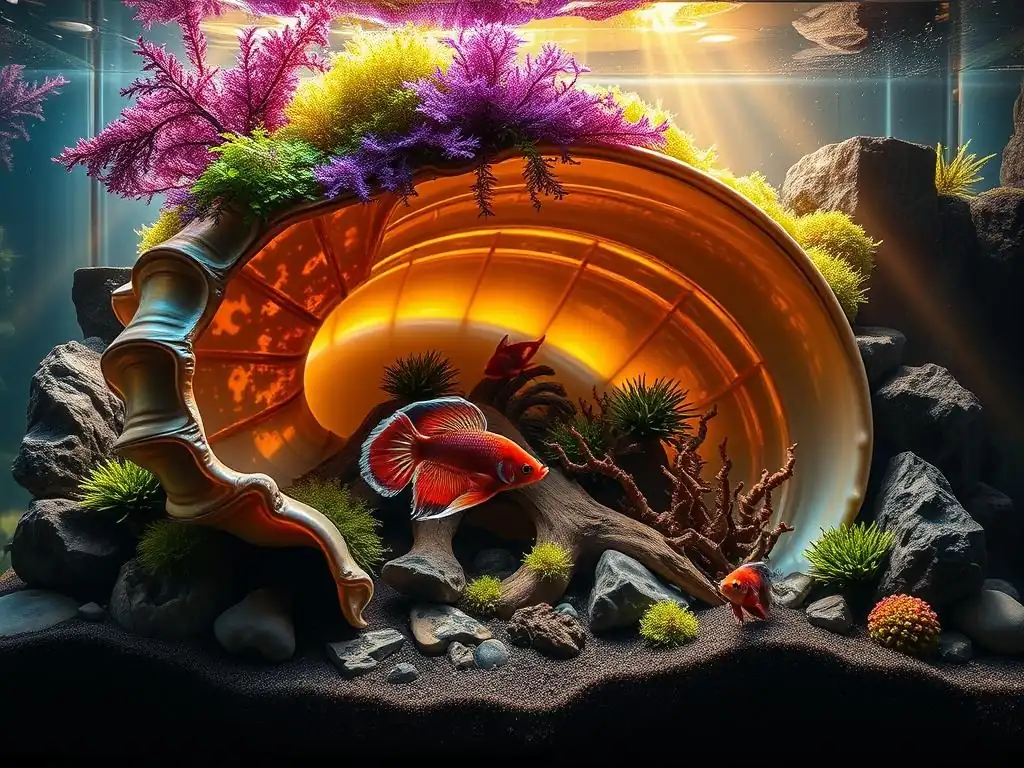
Ever been captivated by the intricate lives flourishing within the smallest spaces? Dive into the fascinating world of Shell Dwellers with us! Discover the secrets to creating a breathtaking Shell Dweller Biotope Design that mimics their natural habitat and brings the vibrant beauty of Lake Tanganyika right to your home aquarium. Ready to unlock the secrets of these tiny, territorial fish? Let's get started!
- Understanding the Allure of Shell Dweller Biotopes
- Planning Your Shell Dweller Biotope: Essential Elements
- Essential Equipment for a Thriving Shell Dweller Biotope
- Selecting Your Shell Dweller Species: Compatibility and Considerations
- Setting Up Your Shell Dweller Biotope: A Step-by-Step Guide
- Maintaining Your Shell Dweller Biotope: Long-Term Care
- Showcasing Your Shell Dweller Biotope: Tips for Photography and Enjoyment
- Advanced Shell Dweller Biotope Techniques
-
Frequently Asked Questions
- What exactly is a Shell Dweller Biotope Design?
- What are the key considerations when choosing shells for a Shell Dweller Biotope?
- What type of substrate is best for a Shell Dweller Biotope?
- How important is water chemistry in a Shell Dweller Biotope?
- What are some good tankmates to consider for a Shell Dweller Biotope?
- Final Reflection: Embracing Simplicity in Aquatic Design
- Unleash Your Inner Aquascaper!
Understanding the Allure of Shell Dweller Biotopes
What is a Shell Dweller Biotope Aquarium?
A Shell Dweller Biotope Aquarium is a specialized aquatic setup meticulously designed to replicate the natural habitat of shell-dwelling cichlids found in the sandy, shell-strewn areas of Lake Tanganyika in East Africa. This Shell Dweller Biotope Design focuses on minimalist aesthetics while prioritizing functionality for the fish, providing them with the specific environmental cues they need to thrive. The primary characteristic of such a biotope is the abundant presence of empty snail shells, which these cichlids use for shelter, breeding, and territorial demarcation.
Beyond just shells, a true Shell Dweller Biotope incorporates a fine sand substrate, mimicking the lakebed where these fish are naturally found. Minimal rockwork or driftwood may be included, but the emphasis remains on open sandy expanses and clusters of shells. The goal is to create an authentic representation of their native environment, allowing these fascinating cichlids to exhibit their unique digging, sifting, and social behaviors, which are central to their appeal.
Why Choose a Shell Dweller Biotope? Benefits and Considerations
Choosing a Shell Dweller Biotope offers a uniquely rewarding experience for aquarists due to the captivating behaviors of the fish. These cichlids are known for their intricate social structures, territorial disputes, and diligent parental care, all centered around their chosen shells. Observing a colony of Neolamprologus multifasciatus tirelessly moving sand to bury or unearth shells, or a Lamprologus ocellatus male fiercely guarding his shell, provides endless fascination. Furthermore, the minimalist Shell Dweller Biotope Design often translates to a relatively low-maintenance setup compared to heavily planted aquariums, requiring less pruning and specialized lighting.
However, there are considerations. While visually minimalist, the setup demands precise water chemistry to replicate Lake Tanganyika's hard, alkaline conditions, which are crucial for the long-term health and breeding success of these cichlids. Aggression can also be a factor, particularly in smaller tanks or with certain species, necessitating careful planning of stocking levels and shell placement. Despite these challenges, the ability to witness the natural behaviors of these charming fish in an environment tailored to their specific needs makes a Shell Dweller Biotope Aquarium a truly special project.
Planning Your Shell Dweller Biotope: Essential Elements
Selecting the Right Aquarium Tank Size for Shell Dwellers
The appropriate tank size for a Shell Dweller Biotope largely depends on the specific species you intend to keep and the number of fish. While some of the smallest shell dwellers, like Neolamprologus multifasciatus (Multis), can be housed in a 10-gallon (approximately 38 liters) aquarium for a small starter colony, a 20-gallon long (approximately 75 liters) tank is generally considered a more stable and accommodating minimum for a thriving colony. This tank type offers superior horizontal swimming and digging space, which is far more important for these bottom-dwelling fish than vertical depth.
For larger or more aggressive shell dweller species, such as Lamprologus ocellatus or Telmatochromis vittatus, a 20-gallon long is suitable for a single pair, while a 40-gallon breeder (approximately 150 liters) provides ample territory for multiple pairs or a larger colony, especially if you plan a multi-species Shell Dweller Biotope Design. The key is to provide enough sand real estate and shell options to minimize territorial disputes and allow natural behaviors to flourish.
Substrate Selection: Creating a Natural Shell Dweller Habitat
The substrate is arguably the most critical element in creating an authentic Shell Dweller Biotope. Fine, soft sand is absolutely essential, mimicking the vast sandy plains of Lake Tanganyika where these cichlids reside. A grain size of 0.5-1.0 mm, often found in play sand or pool filter sand, is ideal. This allows the shell dwellers to engage in their characteristic digging, sifting, and redecorating behaviors without damaging their delicate mouths or fins.
Avoid coarse gravel or large pebbles, as these can injure the fish and prevent their natural digging instincts. A minimum depth of 2-3 inches (5-7.5 cm) of sand is recommended to allow for adequate burrowing and shell manipulation. This deep sand bed also contributes to the biological filtration by providing surface area for beneficial bacteria, though care must be taken to prevent anaerobic pockets by regularly siphoning detritus from the surface during maintenance. The correct substrate is foundational to a successful Shell Dweller Biotope Design.
Choosing the Perfect Shells: Types, Sizes, and Placement for Shell Dwellers
The shells are the namesake and cornerstone of any Shell Dweller Biotope. They serve as homes, breeding sites, and territorial markers for these fascinating cichlids. The ideal shells are clean, free of sharp edges, and of an appropriate size for your chosen species. It's crucial to select shells that will not leach harmful chemicals into the water; natural, untreated shells are always best.
The quantity and arrangement of shells are vital for a successful Shell Dweller Biotope Design. Providing an abundance of shells, often 2-3 times the number of fish, helps reduce aggression by offering multiple housing options and escape routes. The strategic placement of these shells can define territories and encourage natural social interactions.
Snail Shell Varieties: Neothauma tanganicense, Lanistes nyassanus, and Marisa cornuarietis
In their natural habitat, many shell-dwelling cichlids utilize the empty shells of the endemic Tanganyikan snail Neothauma tanganicense. These shells are perfectly adapted for the fish, offering ideal dimensions and sturdy construction. However, Neothauma shells are rare and expensive outside of Africa. As a result, aquarists often seek suitable alternatives to create a functional Shell Dweller Biotope.
Common and effective substitutes include snail shells from species like Lanistes nyassanus (another African snail, though less common in the hobby than Neothauma) or even common culinary escargot shells, which are readily available and often resemble Neothauma shells in size and shape. For smaller species like Neolamprologus multifasciatus, larger ramshorn snail shells, such as those from Marisa cornuarietis (a South American species), can also be used.
Always ensure any shells are thoroughly cleaned and boiled for at least 15-20 minutes to sterilize them and remove any residual organic matter or contaminants before introducing them into your Shell Dweller Biotope Aquarium.
Shell Placement Strategies for Territory and Breeding
Strategic shell placement is fundamental to a well-executed Shell Dweller Biotope Design. For colonial species like Neolamprologus multifasciatus, shells should be clustered closely together, perhaps 5-10 shells per fish initially, to encourage the formation of a cohesive colony. These clusters can be arranged in various densities across the sandbed, allowing the colony to expand naturally. Some shells can be partially buried in the sand, while others remain exposed, mirroring the natural environment and offering diverse hiding spots.
For more solitary or pair-bonding species such as Lamprologus ocellatus or Lamprologus brevis, shells should be spaced further apart, typically several inches to a foot (15-30 cm) depending on tank size and species aggression. This provides distinct territories for each pair or individual, reducing direct conflict. Placing shells near the back or sides of the tank can also offer a sense of security. The goal is to create a functional landscape that minimizes stress and encourages natural behaviors like breeding and territorial defense within your Shell Dweller Biotope.
Essential Equipment for a Thriving Shell Dweller Biotope
Filtration for Shell Dweller Tanks: Maintaining Pristine Water Quality
Maintaining pristine water quality is paramount for a thriving Shell Dweller Biotope. While shell dwellers produce relatively little waste compared to larger cichlids, their preference for clean, stable water necessitates effective filtration. Gentle filtration is key; strong currents can stress these fish, which naturally inhabit calm, sandy areas of Lake Tanganyika. Sponge filters are an excellent choice, providing reliable biological filtration with minimal flow and aeration. A dual-sponge filter rated for the tank size (e.g., for a 20-gallon long) is often sufficient.
Hang-on-back (HOB) filters or small canister filters can also be used, provided their output flow is baffled or directed to prevent excessive water movement. Choosing a filter with an adjustable flow rate is beneficial. Aim for a turnover rate of 3-5 times the tank volume per hour. Regular cleaning of filter media (in old tank water during water changes) is essential to prevent the buildup of detritus and maintain the filter's efficiency, ensuring optimal water parameters in your Shell Dweller Biotope.
Heating and Lighting: Replicating the Tanganyikan Environment
Replicating the stable temperature of Lake Tanganyika is crucial for the health and activity of shell dwellers. A reliable submersible heater with an accurate thermostat should be used to maintain a consistent water temperature between 76-80°F (24-27°C). Fluctuations in temperature can cause stress and make fish susceptible to disease. For tanks larger than 20 gallons (75 liters), it's often advisable to use two smaller heaters rather than one large one to ensure more even heat distribution and provide a backup in case one fails.
Lighting for a Shell Dweller Biotope is generally straightforward. These fish do not require intense illumination; in fact, overly bright light can make them shy. A simple LED light fixture providing 8-10 hours of light per day is sufficient for viewing and to establish a natural day-night cycle. High-intensity lighting is unnecessary unless you plan to incorporate specific low-light, hard-water tolerant plants, which are uncommon in a true Shell Dweller Biotope Design due to the fish's digging habits.
Water Chemistry: Achieving Optimal Parameters for Shell Dwellers
Water chemistry is arguably the most critical aspect of caring for Tanganyikan cichlids, including shell dwellers. These fish originate from Lake Tanganyika, which is known for its exceptionally hard and alkaline water. Replicating these conditions is essential for their long-term health, coloration, and breeding success. Regular testing of your water parameters with a reliable liquid test kit is non-negotiable.
Understanding and maintaining the correct pH, General Hardness (GH), and Carbonate Hardness (KH) is key to a thriving Shell Dweller Biotope. Deviations from these parameters can lead to stress, weakened immune systems, and failure to breed. While some buffering can be achieved through substrate choices like crushed coral, consistent monitoring and appropriate water changes are the primary methods for stability.
Understanding pH, GH, and KH in Shell Dweller Aquariums
For a successful Shell Dweller Biotope, the target water parameters should closely mimic those of Lake Tanganyika. This means aiming for a pH range of 8.0-8.5, though some species can tolerate slightly lower pH values down to 7.8. The General Hardness (GH), which measures calcium and magnesium ions, should be between 12-16 dGH (degrees of General Hardness). The Carbonate Hardness (KH), or alkalinity, which acts as a buffer to stabilize pH, should ideally be in the range of 10-15 dKH.
Achieving these parameters typically involves using a buffering substrate like crushed coral or aragonite sand, which slowly dissolves to release carbonates and calcium. Some aquarists also use commercial cichlid salts or Tanganyika buffer mixes to achieve and maintain the desired hardness and alkalinity, especially if their tap water is naturally soft. It is far more important to maintain stable parameters than to constantly chase exact numbers, as fluctuations are more detrimental than slightly off but consistent readings.
Water Changes for Shell Dwellers: Frequency and Volume
Regular and consistent water changes are vital for the long-term health of your shell dwellers and the stability of your Shell Dweller Biotope. Even with efficient filtration, nitrates accumulate over time, and essential minerals are depleted. Weekly water changes of 20-30% of the tank volume are highly recommended. This routine helps to dilute nitrates, replenish beneficial trace elements, and maintain the hard, alkaline conditions preferred by these cichlids.
When performing water changes, ensure the new water is dechlorinated and, ideally, temperature-matched to the tank water to prevent thermal shock to the fish. While siphoning, gently clean the surface of the sand to remove detritus, being careful not to disturb the shells too much, as this can stress the inhabitants and disrupt their carefully constructed territories. Consistent adherence to this maintenance schedule will contribute significantly to the success and longevity of your Shell Dweller Biotope.
Selecting Your Shell Dweller Species: Compatibility and Considerations
Popular Shell Dweller Species Profiles: Neolamprologus multifasciatus, Lamprologus ocellatus, Telmatochromis vittatus
Choosing the right shell dweller species is crucial for a harmonious and captivating Shell Dweller Biotope. Each species has unique characteristics, social structures, and aggression levels. Understanding these differences will guide your Shell Dweller Biotope Design and stocking decisions.
- Neolamprologus multifasciatus (Multis): Arguably the most popular shell dweller, Multis are the smallest cichlid species, with males reaching about 1.5 inches (3.8 cm) and females being even smaller. They are highly colonial, forming large, intricate social structures centered around extensive shell beds. Their constant digging and redecorating of the sandbed are fascinating to observe. They are relatively peaceful for cichlids, with aggression mostly confined to their own species within the colony.
- Lamprologus ocellatus (Ocellatus): These slightly larger shell dwellers, with males reaching up to 2 inches (5 cm), are known for their striking ocellus (eyespots) on their dorsal fin. They are more solitary or pair-forming than Multis and are famous for their habit of completely burying themselves in the sand, leaving only their eyes exposed. They can be more aggressive towards conspecifics than Multis, making careful shell placement and territory definition essential.
- Telmatochromis vittatus: A larger and more robust shell dweller, T. vittatus males can grow up to 3.5 inches (9 cm). While they utilize shells, they also appreciate rock crevices and can be more territorial and aggressive. They are typically kept as a pair in a dedicated tank or in very large multi-species setups with carefully selected tank mates. Their unique body shape and patterns make them a visually appealing, albeit more challenging, choice for a Shell Dweller Biotope.
Stocking Levels: Avoiding Overcrowding in Your Shell Dweller Biotope
Appropriate stocking levels are critical for preventing aggression and maintaining water quality in a Shell Dweller Biotope. Overcrowding leads to increased stress, heightened aggression, stunted growth, and rapid deterioration of water parameters. While shell dwellers are territorial, providing sufficient space and shells can mitigate conflicts.
For Neolamprologus multifasciatus, a 20-gallon long tank can comfortably house a thriving colony of 15-20 individuals once established, provided there is an abundance of shells. For Lamprologus ocellatus, a 10-gallon tank is often sufficient for a single pair, while a 20-gallon long could potentially house 2-3 pairs if ample shells and visual breaks are provided.
For the larger Telmatochromis vittatus, a 20-gallon long is recommended for a single pair, with a 40-gallon breeder (150 liters) offering more room. Always err on the side of understocking, as it creates a more harmonious environment and ensures the long-term health of your fish within your Shell Dweller Biotope.
Shell Dweller Tank Mates: Compatible Species (If Any)
Generally, a Shell Dweller Biotope is best maintained as a species-only tank, particularly for smaller tanks or when dealing with highly colonial or territorial species. This allows the shell dwellers to exhibit their natural behaviors without external stress or competition. Their unique shell-dwelling lifestyle and specific water parameter requirements often make finding truly compatible tank mates challenging.
However, in larger tanks (40 gallons / 150 liters or more), it may be possible to introduce a few carefully selected Tanganyikan tank mates that occupy different water columns and are not directly competitive for shells. Examples include certain smaller, peaceful Julidochromis species (e.g., Julidochromis dickfeldi or Julidochromis transcriptus) that prefer rock crevices, or some small, non-aggressive Synodontis catfish species (e.g., Synodontis petricola or Synodontis multipunctatus) that inhabit the open water or bottom but do not interfere with shell territories.
Avoid any fast-swimming, overly aggressive, or fin-nipping fish. Thorough research into the specific compatibility of any potential tank mate is essential to maintain the delicate balance of your Shell Dweller Biotope.
Setting Up Your Shell Dweller Biotope: A Step-by-Step Guide
Preparing the Tank: Cleaning and Leak Testing
Before beginning your Shell Dweller Biotope Design, thorough preparation of the aquarium tank is essential. Start by cleaning the tank thoroughly with only water; avoid any soaps, detergents, or chemical cleaners, as residues can be highly toxic to fish. A solution of 1 part vinegar to 10 parts water can be used for stubborn water spots, followed by extensive rinsing.
Once clean, it's wise to perform a leak test, especially if you are using a used tank or one that has been in storage. Fill the tank completely with water and let it stand for at least 24-48 hours. Place it in an area where a leak would not cause damage, such as a garage or bathtub. Visually inspect all seams for any signs of weeping or dripping. Addressing any leaks at this stage will save significant trouble and potential damage later in your Shell Dweller Biotope journey.
Aquascaping: Arranging Substrate, Shells, and Rocks
With the tank prepared, the aquascaping phase of your Shell Dweller Biotope Design begins. First, add your chosen fine sand substrate. Pour it gently to avoid scratching the tank glass, and aim for a depth of at least 2-3 inches (5-7.5 cm) across the entire bottom to facilitate digging. If you plan to incorporate any rocks, place them directly on the bottom glass before adding sand. This prevents the fish from undermining the rockwork by digging, which could lead to collapses and injury.
Next, arrange the shells according to your species' needs. For colonial species, cluster shells closely together in several groups. For pair-forming species, spread shells out to define individual territories. Ensure there are plenty of shells, often 2-3 times the number of fish, to provide ample choices and reduce aggression. Some shells can be partially buried, while others are fully exposed. The goal is to create a natural, functional landscape that encourages the unique behaviors of your shell dwellers.
Cycling the Tank: Establishing a Healthy Biological Filter
After aquascaping, the most critical step before introducing fish is cycling the tank. This process establishes a healthy biological filter, a colony of beneficial bacteria that convert toxic ammonia (from fish waste and decaying food) into less harmful nitrates. Without a fully cycled tank, ammonia and nitrite will build up to lethal levels for your fish. The fishless cycling method is highly recommended as it avoids exposing fish to harmful toxins.
Fishless cycling typically takes 4-6 weeks, though it can vary. Begin by adding an ammonia source, such as pure ammonia solution (without surfactants) or a small amount of fish food. Aim for an ammonia concentration of 2-4 ppm. Monitor ammonia, nitrite, and nitrate levels daily using a liquid test kit. The cycle is complete when both ammonia and nitrite consistently read 0 ppm, and nitrates are present. This indicates that the beneficial bacteria are established and capable of processing waste, making your Shell Dweller Biotope safe for its inhabitants.
Introducing Your Shell Dwellers: Acclimation and Observation
Once your Shell Dweller Biotope is fully cycled and parameters are stable, it's time to introduce your fish. Proper acclimation is crucial to minimize stress and prevent shock from changes in water parameters. The drip acclimation method is highly recommended: place the fish in a container with their transport water, then slowly drip tank water into the container over 30-60 minutes until the water volume has doubled or tripled. This gradual process allows the fish to adjust to the new temperature, pH, and hardness.
After acclimation, gently net the fish and release them into the tank, discarding the transport water. Dim the tank lights for the first few hours to reduce stress. Observe your new shell dwellers closely for the first few days for any signs of stress, disease, or aggression. Avoid feeding them for the first 24 hours to allow them to settle into their new Shell Dweller Biotope. This initial period of observation is vital for ensuring a smooth transition for your fish.
Maintaining Your Shell Dweller Biotope: Long-Term Care
Feeding Your Shell Dwellers: Diet and Nutritional Needs
Shell dwellers are primarily carnivorous micro-predators in their natural habitat, feeding on small invertebrates and zooplankton. In a Shell Dweller Biotope, providing a varied and high-quality diet is essential for their health, vibrant coloration, and breeding success. A good staple diet consists of high-quality cichlid flakes or small pellets, specifically formulated for carnivorous or omnivorous cichlids.
Supplement this staple with frozen foods such such as brine shrimp, Mysis shrimp, daphnia, or small bloodworms 2-3 times a week. Live foods, if sourced safely, can also be offered as an occasional treat. Feed small amounts 1-2 times daily, only what your fish can consume within 2-3 minutes. Overfeeding can lead to poor water quality and health issues. A well-balanced diet contributes significantly to the thriving ecosystem of your Shell Dweller Biotope.
Regular Maintenance Tasks: Water Changes, Cleaning, and Monitoring
Consistent regular maintenance is the cornerstone of a healthy and stable Shell Dweller Biotope. Beyond the weekly 20-30% water changes already discussed, several other tasks are vital. Regularly siphon any visible detritus from the sand surface during water changes. While shell dwellers will shift sand, some waste will settle, and its removal prevents nitrate buildup and improves aesthetics. Be gentle around shells to avoid disturbing established territories.
Filter maintenance is also crucial. Clean filter media periodically, typically once a month or as needed, by rinsing it in old tank water removed during a water change. Never clean filter media under tap water, as chlorine can kill beneficial bacteria. Wipe down the tank glass to remove algae or mineral deposits, ensuring clear viewing. Finally, continue to monitor water parameters (pH, GH, KH, ammonia, nitrite, nitrate) weekly or bi-weekly to catch any issues early and ensure the continued stability of your Shell Dweller Biotope.
Troubleshooting Common Shell Dweller Biotope Issues
Even with meticulous planning and care, issues can arise in a Shell Dweller Biotope. Being prepared to troubleshoot common problems can save your fish and your setup. Quick identification and appropriate action are key to maintaining a healthy environment.
Addressing Algae Blooms in Shell Dweller Tanks
Algae blooms are a common issue in many aquariums, including Shell Dweller Biotopes. They are typically indicative of an imbalance in nutrients (high nitrates/phosphates) or excessive light. If you notice a sudden increase in algae, first check your nitrate levels; if high, increase the frequency and volume of water changes (e.g., 30-40% twice a week temporarily). Reduce the duration of your tank lighting to 6-8 hours per day, and ensure the tank is not receiving direct sunlight.
Overfeeding can also contribute to nutrient overload, so reassess your feeding regimen. While algae is rarely harmful to fish directly, it can be unsightly and indicate underlying water quality issues. Introducing a few hardy, hard-water tolerant snails like Nerite snails can also help control certain types of algae without impacting the Shell Dweller Biotope Design or fish.
Managing Aggression Among Shell Dwellers
Aggression among shell dwellers is primarily territorial, driven by competition for shells and breeding rights. If you observe excessive fighting, fin nipping, or a fish constantly hiding, it may be a sign of overcrowding or insufficient suitable territories. First, ensure you have provided more than enough shells – ideally, 2-3 times the number of fish – and that they are arranged to create distinct territories.
For colonial species, adding more shells can sometimes dilute aggression by allowing more fish to establish their own micro-territories. For pair-forming species, ensure there is ample space between individual shells or shell clusters. If aggression persists, especially in smaller tanks, it might be necessary to remove the most aggressive individual or reduce the total stocking level. Sometimes, simply rearranging the shells can reset territories and reduce conflict in your Shell Dweller Biotope.
Showcasing Your Shell Dweller Biotope: Tips for Photography and Enjoyment
Lighting Techniques for Capturing Stunning Photos
Capturing the subtle beauty and intricate behaviors of your shell dwellers in photos requires thoughtful lighting. Avoid using direct flash, which can create harsh reflections on the glass and wash out the fish's colors. Instead, utilize the tank's primary LED lighting. For best results, consider supplementary lighting from above or slightly in front of the tank, diffused to create even illumination and minimize shadows.
A simple LED light bar can often provide excellent results. Experiment with different light intensities and angles to highlight the fish's natural iridescence and the details of your Shell Dweller Biotope Design. Timing is also key; fish are often most active and vibrant during feeding times or shortly after the lights come on in the morning. Patience and multiple shots will help you capture the perfect image of your minimalist marvels.
One of the greatest joys of maintaining a Shell Dweller Biotope is the opportunity to observe their remarkably complex and fascinating social interactions. Spend time quietly watching your tank, and you'll uncover a world of intricate behaviors. Colonial species like Neolamprologus multifasciatus will constantly re-sculpt the sand, burying and unearthing shells to create their ideal living spaces and expanding their communal territory.
You'll witness courtship rituals, territorial displays where males flare their fins and bodies to intimidate rivals, and diligent parental care as females tend to eggs and fry hidden within their chosen shells. The interactions between individuals, the formation of hierarchies, and the subtle cues they give each other are endlessly engaging. Understanding these behaviors deepens your appreciation for the unique adaptations that make the Shell Dweller Biotope such a captivating aquatic display.
Advanced Shell Dweller Biotope Techniques
Breeding Shell Dwellers: Encouraging Spawning and Raising Fry
Breeding shell dwellers is one of the most rewarding aspects of a Shell Dweller Biotope, and for many species, it happens quite readily given stable, optimal conditions. Most shell dwellers are maternal mouthbrooders or substrate spawners where the female lays eggs inside a shell and the male fertilizes them. To encourage spawning, ensure your water parameters are stable and within the ideal range (pH 8.0-8.5, GH 12-16 dGH, KH 10-15 dKH), and provide a varied, high-quality diet.
Once eggs are laid, the female will typically guard the shell diligently. Fry usually emerge after 7-10 days, depending on temperature, and will often remain close to the shell for a few days before venturing out. Newly hatched brine shrimp are an excellent first food for the fry, followed by finely crushed flake food as they grow. A single Neolamprologus multifasciatus female can lay 10-20 eggs per spawn, and a well-established colony can produce hundreds of fry over time, making breeding a truly dynamic element of your Shell Dweller Biotope.
Creating a Multi-Species Shell Dweller Biotope
While often best as species-only setups, creating a multi-species Shell Dweller Biotope can be achieved in larger aquariums (typically 40 gallons / 150 liters or more) with careful planning. The key is to select species that occupy different niches or have overlapping but not directly competitive territorial needs. For instance, a colonial species like N. multifasciatus could potentially coexist with a pair of a more solitary species like Lamprologus brevis or Lamprologus similis.
Success hinges on providing ample space and distinct shell clusters or rockwork formations to delineate separate territories. Avoid mixing species with similar aggression levels or those that directly compete for the same type of shell. Thorough research into the specific behaviors and territorial requirements of each potential species is paramount. A well-designed multi-species Shell Dweller Biotope offers a more diverse and dynamic display, showcasing the rich variety of Lake Tanganyika's shell-dwelling cichlids.
Utilizing Live Plants in a Shell Dweller Aquarium
While a strict Shell Dweller Biotope Design typically features only sand and shells, some aquarists choose to incorporate live plants for aesthetic appeal or additional filtration. However, this comes with challenges, as most shell dwellers are avid diggers and will readily uproot plants. Therefore, plant selection must focus on hardy, resilient species that can tolerate hard, alkaline water and can be secured without being planted directly into the substrate.
Good choices include epiphytic plants like Anubias species ( Anubias barteri, Anubias nana), Java Fern ( Microsorum pteropus), or Bucephalandra, which can be attached to driftwood or rocks using fishing line or super glue. Floating plants like Red Root Floaters ( Phyllanthus fluitans) or Dwarf Water Lettuce ( Pistia stratiotes) can also be used, providing some shade and nutrient absorption without interfering with the substrate. Securely anchoring any plants is crucial to prevent them from being dug up and becoming a nuisance in your Shell Dweller Biotope.
Frequently Asked Questions
What exactly is a Shell Dweller Biotope Design?
It's an aquarium setup that attempts to replicate the natural habitat of shell-dwelling cichlids, small fish that live and breed inside empty snail shells. This design focuses on providing the correct water parameters and substrate using specific shell types.
What are the key considerations when choosing shells for a Shell Dweller Biotope?
Shell selection is vital. Choose shells that are the correct size and shape for your chosen species. Popular options include Neothauma shells, but research the specific needs of your fish to ensure shell compatibility.
What type of substrate is best for a Shell Dweller Biotope?
A fine, sandy substrate is crucial. This allows the Shell Dwellers to easily dig and move shells around to create their territories. Aragonite sand is a good choice as it helps buffer the water's pH.
How important is water chemistry in a Shell Dweller Biotope?
Extremely important! Shell Dwellers require hard, alkaline water with a pH typically above 7.5. Regularly test and adjust your water parameters to maintain a stable and suitable environment for them.
What are some good tankmates to consider for a Shell Dweller Biotope?
Choose carefully! Avoid aggressive tankmates that might harass the Shell Dwellers. Consider other small, peaceful Tanganyikan cichlids that occupy different areas of the tank, or small catfish that won't compete for shell space, but always research compatibility first.
Final Reflection: Embracing Simplicity in Aquatic Design
The journey into crafting a shell dweller biotope reveals more than just an aesthetically pleasing aquarium; it underscores the profound beauty and complexity that can emerge from minimalist design. In a world often obsessed with excess, the principles of biotope creation – focusing on authenticity, functionality, and the specific needs of the inhabitants – offer a refreshing and deeply satisfying alternative. The current surge in interest in ethical and sustainable aquascaping makes this approach more relevant than ever, demonstrating that less can truly be more.
This exploration has highlighted how meticulous planning and a deep understanding of the natural environment are crucial to success. It's not simply about placing shells in a tank; it's about recreating a miniature ecosystem where shell dwellers can thrive. The details are not the details. They make the design.
- Charles Eames. This quote perfectly encapsulates the essence of biotope design, reminding us that every element, from the substrate to the water parameters, plays a vital role in the overall health and harmony of the aquarium.
Now, consider how you can apply these principles of mindful design and ecological awareness to other areas of your life. Can you simplify your own environment to create more space for what truly matters? Can you embrace a more sustainable approach in your daily choices? Let the lessons learned from designing a shell dweller biotope inspire you to cultivate a more balanced, authentic, and ultimately, more fulfilling existence.
Unleash Your Inner Aquascaper!
Thank you for exploring the world of shell dweller biotopes with us! We hope you've discovered new inspiration and practical tips for creating your own miniature aquatic marvel. Now, let's turn that knowledge into action!
Here are a few ways to continue your journey:
- Begin designing your shell dweller biotope. Sketch out your tank layout, research suitable plants, and create a list of the necessary equipment.
- Share your biotope design ideas with fellow aquarists on forums or social media. Get feedback and refine your vision!
- Take a deep dive into the specific needs of your chosen shell dweller species. Understanding their unique behaviors will lead to a more enriching and authentic biotope experience.
What unique element will you incorporate into your shell dweller biotope to make it truly stand out?