
The Crayfish Molt: Understanding and Assisting This Crucial Growth Process

Welcome to Aquarium Mastery!
Ever wondered what happens when your quirky crayfish suddenly sheds its entire exoskeleton? Dive into the fascinating world of the crayfish molt process. This crucial event is more than just shedding skin; it's a pivotal moment for growth and survival. But what if things don't go as planned? Explore our guide to understanding and, when necessary, assisting with the crayfish molt – ensuring your shelled friend thrives in its aquatic home. Intrigued? Let's get started!
- Crayfish Molting: A Comprehensive Guide for Successful Shedding
- Understanding the Molt Cycle: Ensuring Healthy Growth
- The Molting Process: A Step-by-Step Explanation
- Assisting the Molting Process: Creating Optimal Conditions
- Troubleshooting Molting Issues: Identification and Solutions
- Post-Molt Care: Supporting Recovery and Shell Hardening
- Long-Term Prevention: Maintaining Optimal Health for Future Molts
- Managing the Exoskeleton: Removal or Retention?
- Frequently Asked Questions
- Final Reflection: Embracing the Cycle of Renewal
- Embrace the Growth: Aid Your Crayfish's Transformation!
Crayfish Molting: A Comprehensive Guide for Successful Shedding
Understanding the Molt Cycle: Ensuring Healthy Growth
What is Molting and Why is it Essential for Crayfish?
Molting, scientifically known as ecdysis, is the critical process by which a crayfish sheds its rigid outer exoskeleton. Unlike fish, crayfish cannot grow continuously; their hard shell acts like a suit of armor, providing protection but restricting expansion. To increase in size, regenerate lost limbs, or even prepare for reproduction, the crayfish must periodically shed this old, constricting shell. This process is fundamental to their survival and development, making understanding the crayfish molt process assistance crucial for aquarists.
This shedding allows for significant growth spurts. Immediately after molting, the crayfish's new, soft exoskeleton expands before hardening, enabling a notable increase in body mass and length. Without successful molts, a crayfish would be unable to grow, regenerate damaged appendages, or reach sexual maturity, often leading to stunted growth or even death. Therefore, a healthy molting cycle is a direct indicator of a crayfish's overall well-being and the suitability of its environment.
Molting's Impact on Growth, Development, and Reproduction
Molting directly dictates a crayfish's growth rate. Young, rapidly growing crayfish may molt every few weeks, increasing their size by approximately 10-15% with each successful shed. As they mature, the frequency decreases, with adult crayfish molting every few months to annually, depending on species, diet, and environmental conditions. This incremental growth through molting is the only way they can increase in physical dimensions.
Beyond mere growth, molting is vital for regeneration. If a crayfish loses a claw or leg due to injury or stress, a smaller, often functional replacement will begin to form under the old exoskeleton and fully regenerate over one to three subsequent molts. Furthermore, molting can influence reproductive cycles; in some species, a female must molt to become receptive to mating or to lay eggs, highlighting the profound impact of the molt on their entire life cycle.
Recognizing Premolt Signs: Identifying Key Behavioral and Physical Changes
Observing your crayfish for premolt signs is the first step in providing effective crayfish molt process assistance. Behaviorally, a crayfish approaching a molt often becomes reclusive, spending more time hidden in caves or under decor, and may exhibit reduced activity. Its appetite might decrease significantly, or it may stop eating entirely for several days leading up to the shed. Some crayfish might also engage in unusual digging or repositioning of substrate.
Physically, subtle changes can indicate an impending molt. The crayfish's colors may appear duller or faded. A more obvious sign is the development of a noticeable gap between the carapace (the main body shell) and the abdomen, particularly around the "neck" area. In some instances, the eyes may appear cloudy or milky. Recognizing these cues allows you to prepare the tank environment and minimize potential stressors during this vulnerable period.
The Molting Process: A Step-by-Step Explanation
Premolt Stage: Behavioral and Physiological Preparations
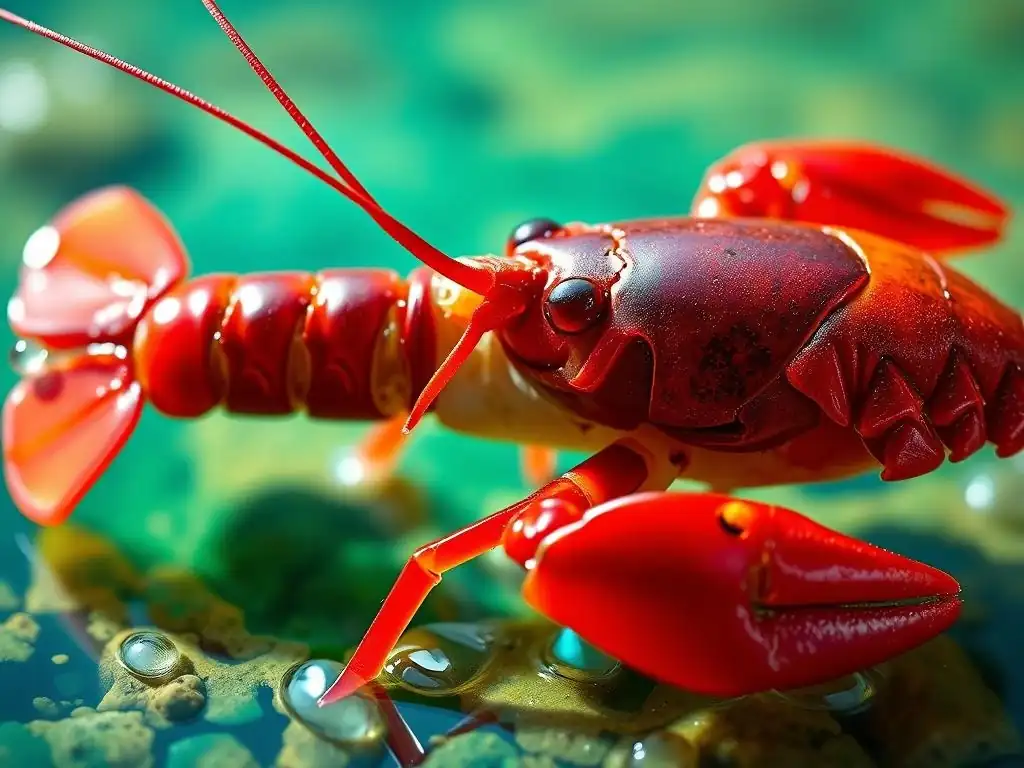
The premolt stage, or proecdysis, is a period of intense physiological preparation that can last from several days to over a week, depending on the crayfish's size and species. During this time, the crayfish actively reabsorbs calcium and other minerals from its old exoskeleton, storing them in specialized organs called gastroliths (calcium carbonate deposits found in the stomach wall). Simultaneously, a new, soft exoskeleton begins to form underneath the old one, providing the framework for the crayfish's larger future self.
Behaviorally, the crayfish often seeks out a secure, hidden location where it can remain undisturbed. It will become increasingly lethargic and may refuse food. This preparatory phase is crucial; any sudden disturbances or poor water conditions during this time can significantly complicate or even halt the molting process, underscoring the importance of proactive crayfish molt process assistance.
The Shedding Event: Duration and Key Observations
The actual shedding event is remarkably swift, typically lasting only a few minutes, though it can extend up to an hour if the crayfish is stressed or weakened. The crayfish will usually lie on its back or side, or sometimes stand upright, and begin to push and flex, working its way out of the old shell. The process usually starts with the tail and abdomen, followed by the legs, claws, and finally, the head and antennae. The discarded exoskeleton, known as the exuvia, should ideally remain largely intact, resembling a translucent, hollow version of the crayfish.
Observing a crayfish during this phase requires patience and minimal interference. It is a moment of extreme vulnerability, as the crayfish is essentially defenseless and exhausted. A successful shed will result in the crayfish emerging noticeably larger and a pale, soft version of its former self, leaving behind a complete exuvia. Any deviation from this smooth, rapid process, such as being stuck halfway out of the old shell, indicates a problem requiring immediate attention and potential crayfish molt process assistance.
Post-Molt: Shell Hardening and Increased Vulnerability
Immediately after shedding, the crayfish's new exoskeleton is incredibly soft and pliable, making it extremely vulnerable to predation, injury, and environmental stress. In this post-molt phase, or metecdysis, the crayfish rapidly absorbs water, which helps to expand its new, soft shell to a larger size. Following this expansion, the shell begins the hardening process, or sclerotization, as the crayfish re-deposits the stored calcium and draws additional minerals from the surrounding water.
This hardening process can take anywhere from a few hours for smaller, dwarf species to several days for larger crayfish. During this time, the crayfish will remain hidden and inactive, conserving energy for shell calcification. It is paramount that the tank environment is stable and secure during this period. Any aggressive tank mates could easily injure or even consume the soft-shelled crayfish, emphasizing the need for a well-planned environment to support successful crayfish molt process assistance.
Assisting the Molting Process: Creating Optimal Conditions
Maintaining Ideal Water Parameters for Successful Molts
The Role of Calcium and Magnesium in Shell Formation
Calcium is the primary building block for a crayfish's hard exoskeleton, predominantly in the form of calcium carbonate. Without sufficient calcium, the new shell will not harden properly, leading to "soft shell disease" or failed molts. Magnesium also plays a crucial role, not only as a component of the exoskeleton but also in facilitating the absorption and utilization of calcium and other metabolic processes vital for molting. For most freshwater crayfish, ideal calcium levels range from 70 to 150 parts per million (ppm), while magnesium should ideally be between 10 and 30 ppm.
Deficiencies in these essential minerals are a leading cause of molting complications. If water parameters show low calcium or magnesium, these can be supplemented through specific mineral additives designed for invertebrates or by adding calcium-rich foods. Ensuring these mineral levels are consistently within optimal ranges provides foundational crayfish molt process assistance, allowing the animal to build a robust new shell.
Water Hardness (GH) and its Influence on Molting
General Hardness (GH) is a measure of the concentration of dissolved divalent metal ions, primarily calcium and magnesium, in the water. Therefore, GH is a direct indicator of the availability of these crucial minerals for shell formation. For most freshwater crayfish species, a GH range of 8-15 dGH (degrees of General Hardness), equivalent to approximately 140-270 ppm, is considered ideal for promoting healthy molts.
Water that is too soft (low GH) will lack the necessary minerals, making it difficult for the crayfish to harden its new shell post-molt. Conversely, extremely hard water, while rich in minerals, can sometimes contribute to other issues if pH is also high. Regular testing of your aquarium's GH and making adjustments with products like crushed coral, cuttlebone, or specialized mineral supplements are key aspects of providing effective crayfish molt process assistance.
Creating a Safe and Stress-Free Molting Environment
Minimizing Aggression and Competition in the Tank
During and immediately after molting, a crayfish is incredibly vulnerable to attack from other tank inhabitants, including fish, snails, and even other crayfish. Cannibalism is a significant risk, especially if multiple crayfish are housed together or if aggressive fish species are present. It is crucial to ensure that the molting crayfish has a period of solitude and safety.
If you observe an impending molt, consider temporarily isolating the crayfish in a separate, established tank with appropriate hiding spots, or ensure your main tank is large enough with ample territories for all inhabitants. Reducing competition for food and space generally lowers stress levels, contributing to a smoother molting process and reducing the likelihood of a vulnerable, soft-shelled crayfish being attacked, which is a vital part of crayfish molt process assistance.
Providing Ample Hiding Places for Protection
Providing numerous and secure hiding places is paramount for a molting crayfish's survival. These shelters offer crucial refuge during the prolonged period of vulnerability when the new shell is soft. Options include ceramic caves, PVC pipes cut to appropriate sizes, driftwood with crevices, or dense thickets of live or artificial plants.
Ideally, there should be at least one designated hiding spot per crayfish, plus additional options to allow for choice and reduce territorial disputes. These shelters should be large enough for the crayfish to fully conceal itself and feel secure. A well-furnished tank with plenty of cover significantly reduces stress and the risk of predation, acting as a natural form of crayfish molt process assistance by allowing the crayfish to recuperate in peace.
Troubleshooting Molting Issues: Identification and Solutions
Common Molting Problems: Incomplete Sheds and Failed Molts
Molting issues can be distressing for both the crayfish and the aquarist. One common problem is an "incomplete shed," where the crayfish successfully emerges from most of its old exoskeleton, but parts, such as a leg, antenna, or even a portion of the tail fan, remain stuck. This can severely impair the crayfish's mobility and ability to feed, often leading to secondary infections.
A more severe and frequently fatal issue is a "failed molt," where the crayfish dies mid-shed, often appearing half-out of its old shell. This indicates a profound physiological stress or an inability to complete the strenuous process. Both scenarios highlight the critical need for understanding and implementing crayfish molt process assistance through environmental optimization.
Causes of Molting Difficulties: Diet, Environment, and Disease
Molting difficulties are rarely due to a single factor but rather a combination of stressors. Dietary deficiencies, particularly insufficient calcium, magnesium, or protein, weaken the crayfish and prevent proper shell formation. Environmental factors play a significant role: poor water quality (high ammonia, nitrite, or nitrate levels), inappropriate pH (too acidic can dissolve the shell), sudden temperature fluctuations, or a lack of suitable hiding places can all induce stress and hinder the molting process.
Underlying diseases, such as bacterial or fungal infections, or parasitic infestations, can also weaken a crayfish to the point where it lacks the energy reserves to successfully complete a molt. Identifying the root cause requires careful observation of water parameters, diet, and the crayfish's overall health history. Addressing these underlying issues is the most effective form of crayfish molt process assistance.
Safely Assisting with a Stuck Molt: Techniques and Precautions
Direct physical intervention with a stuck molt is generally not recommended and should be considered an absolute last resort, as it often causes more harm than good and can be fatal. The new shell is extremely delicate, and even gentle manipulation can cause irreparable damage or introduce infections. If a crayfish is struggling for an extended period (several hours) with a clearly visible part of the old shell still attached, the first and safest steps involve optimizing the environment.
Immediately ensure pristine water conditions by performing a small, careful water change with properly conditioned water. Verify that calcium and GH levels are adequate, and consider adding a reputable liquid calcium supplement designed for invertebrates. Only in extreme, prolonged cases, where the crayfish is clearly exhausted and dying, might one very carefully attempt to gently dislodge a visible, easily accessible stuck piece with a soft, blunt instrument, but this carries immense risk. The most effective crayfish molt process assistance is preventative, focusing on ideal conditions.
Post-Molt Care: Supporting Recovery and Shell Hardening
Nutritional Support: Providing Essential Minerals and Protein
After molting, a crayfish is in a critical recovery phase, requiring optimal nutrition to harden its new shell and regain strength. Providing a diet rich in calcium and other essential minerals is paramount. Calcium-fortified pellets, blanched leafy greens like spinach or kale, and even small pieces of cuttlebone (available from pet stores) can be offered. Some aquarists also place a small piece of unflavored calcium carbonate or a mineral block in the tank.
In addition to minerals, adequate protein is vital for tissue repair and overall recovery. High-quality sinking pellets, frozen bloodworms, or brine shrimp are excellent protein sources. Ensuring readily available, nutritious food during this period significantly accelerates the shell hardening process and supports the crayfish's overall health, serving as crucial crayfish molt process assistance.
Post-Molt Observation: Monitoring Recovery and Identifying Potential Issues
Close observation of your crayfish in the days following a molt is essential. Monitor for signs of full shell hardening; the new exoskeleton should gradually darken and become firm. The crayfish should slowly resume normal activity, including foraging and moving around the tank. Its appetite should return within 24-48 hours.
Watch for any signs of continued lethargy, unusual postures, or deformities in the new shell. An incomplete or improperly hardened shell can lead to ongoing vulnerability and potential infections. If the crayfish remains inactive or refuses food for more than 48 hours post-molt, or if the shell remains soft, it may indicate underlying issues that require further investigation into water parameters or diet, signifying a need for continued crayfish molt process assistance.
Protecting the New Shell: Preventing Injuries and Infections
The soft, new shell of a recently molted crayfish is highly susceptible to physical damage and opportunistic infections. Maintaining stable and pristine water quality is critical, as any spikes in ammonia, nitrite, or nitrate can quickly lead to bacterial or fungal infections in the compromised shell. Avoid sudden movements or disturbances near the tank that could startle the crayfish and cause it to injure its delicate new exoskeleton.
Ensure there are no sharp or abrasive decorations in the tank that could scratch or puncture the soft shell. If you house multiple crayfish or aggressive fish, it is advisable to provide ample secure hiding places or even consider temporarily separating the newly molted crayfish until its shell has fully hardened. Proactive protection of the new shell is a key component of successful crayfish molt process assistance.
Long-Term Prevention: Maintaining Optimal Health for Future Molts
Balanced Diet: Ensuring Adequate Calcium and Mineral Intake
A consistently balanced and nutritious diet is the cornerstone of long-term molting success. Crayfish require a diverse diet that includes high-quality sinking pellets, blanched vegetables (e.g., zucchini, spinach, peas), and occasional protein sources like frozen bloodworms or brine shrimp. Crucially, their diet must provide sufficient calcium and other essential minerals to support the continuous cycle of exoskeleton formation.
Supplementing their diet with calcium-rich foods or adding calcium-specific mineral blocks designed for invertebrates can help ensure adequate intake. Regular feeding of a varied diet prevents deficiencies that often lead to molting problems, thereby offering the most effective, preventative crayfish molt process assistance for their entire lifespan.
Water Quality: Regular Monitoring and Maintenance
Consistent and optimal water quality is paramount for preventing molting issues. Regular water changes (e.g., 20-30% weekly or bi-weekly depending on bioload) are essential to keep nitrate levels low and replenish essential minerals. Monitoring key water parameters such as pH (typically 7.0-8.0 for most freshwater crayfish), General Hardness (GH), and Carbonate Hardness (KH) is crucial.
Ammonia and nitrite must always be at zero. Sudden fluctuations in temperature or water chemistry can cause significant stress, triggering premature molts or making successful molts more difficult. Maintaining a stable, clean, and appropriately mineralized environment consistently reduces stress and supports the intricate physiological processes involved in molting, providing continuous crayfish molt process assistance.
Species-Specific Molting Frequency and Lifespan Considerations
Understanding the typical molting frequency and lifespan for your specific crayfish species is vital for proactive care. Young, rapidly growing crayfish (e.g., juvenile Procambarus clarkii) may molt every 2-4 weeks, while larger, mature individuals or slower-growing species might only molt every few months or even annually. Dwarf crayfish species (e.g., Cambarellus patzcuarensis) typically molt more frequently than larger ones.
Knowing these species-specific patterns allows you to anticipate molts and prepare the environment accordingly. For instance, a crayfish nearing the end of its typical lifespan may experience more frequent or difficult molts due to aging. Tailoring your crayfish molt process assistance based on species-specific needs and life stage contributes significantly to their long-term health and successful molting.
Managing the Exoskeleton: Removal or Retention?
Benefits of Leaving the Molted Shell in the Aquarium
After a successful molt, the discarded exoskeleton, or exuvia, often remains in the aquarium. Many aquarists choose to leave it in the tank, and for good reason. Crayfish frequently consume their old shells within a day or two of molting. This behavior is a natural and efficient way for them to reabsorb valuable calcium, chitin, and other minerals that were stored in the old shell. This direct recycling of nutrients aids significantly in the rapid hardening of their new, soft exoskeleton.
Beyond the molting crayfish itself, the discarded shell can also benefit other invertebrates in the tank, such as snails or other crustaceans, by slowly releasing calcium and other minerals into the water. As the shell decomposes, it contributes to the natural nutrient cycle within a well-established aquarium, making its retention a form of natural crayfish molt process assistance.
Safe Removal and Disposal Practices
While leaving the exuvia can be beneficial, there are circumstances where its removal is advisable. If the molted shell is not consumed by the crayfish within 24-48 hours, or if it begins to visibly break down and cloud the water, it should be safely removed. Decomposing organic matter can quickly degrade water quality, leading to spikes in ammonia or nitrite, which are detrimental to all aquarium inhabitants.
To remove the shell, use a clean aquarium net or tongs to gently scoop it out of the tank. Avoid crushing it or stirring up the substrate excessively during removal. Once removed, the exuvia can be disposed of in household waste. Removing uneaten shells helps maintain pristine water conditions, which is a continuous form of crayfish molt process assistance by preventing secondary water quality issues.
Frequently Asked Questions
What is molting in crayfish, and why is it important?
Molting is the process where a crayfish sheds its old exoskeleton to allow for growth. It is crucial for their development, as the rigid shell prevents them from getting bigger.
How often do crayfish typically molt?
The frequency of molting depends on the crayfish's age and growth rate. Younger crayfish molt more frequently, sometimes every few weeks, while older ones might molt only a few times a year.
What are some signs that my crayfish is preparing to molt?
Signs include decreased appetite, lethargy, and a whitening or dulling of their exoskeleton. They may also hide more often than usual.
What should I do to assist my crayfish during the molting process?
Maintain stable water parameters and ensure a calm environment. Do not disturb the crayfish and leave the old exoskeleton in the tank, as they will eat it to regain valuable minerals.
What if my crayfish is having trouble molting?
If the crayfish is struggling, avoid intervening unless absolutely necessary. Ensure proper water chemistry and that the crayfish has access to calcium-rich foods. Consider a vet visit for severe cases.
Final Reflection: Embracing the Cycle of Renewal
The intricacies of the crayfish molt, as we've explored, are not just a biological curiosity but a powerful reminder of the constant renewal inherent in life itself. Understanding the delicate balance of this process, and offering assistance when needed, highlights our responsibility as stewards of the natural world, even within the confines of our own aquariums. The crayfish's vulnerability during this period mirrors our own moments of transition and change, urging us to approach these phases with empathy and care.
The crayfish molt process, though seemingly small, resonates deeply with the broader themes of growth, adaptation, and resilience. Witnessing this transformation firsthand offers a unique opportunity to connect with the natural world and appreciate the delicate dance of life and death. As the renowned naturalist John Muir wisely stated, In every walk with nature one receives far more than he seeks.
This holds true even when observing the humble crayfish, reminding us that profound lessons can be found in the most unexpected places.
Now, as you reflect on the complexities of the crayfish molt process and the insights it provides, consider how you can apply these lessons to your own life. Embrace the challenges of growth, offer support to those in need, and remember that even in moments of vulnerability, there is immense potential for renewal. Let the crayfish's journey inspire you to navigate your own transformations with grace, resilience, and a deep appreciation for the cyclical nature of existence.
Embrace the Growth: Aid Your Crayfish's Transformation!
Thank you for diving into the fascinating world of crayfish molting! Now that you understand this vital process, it's time to take action and ensure your crustacean friend thrives.
Here's how you can help:
- Immediately after a molt, resist the urge to clean! The old exoskeleton provides vital nutrients that your crayfish will reabsorb.
- Supplement your crayfish's diet with calcium-rich foods like leafy greens and cuttlebone to support healthy shell development.
- Unconventionally, consider adding a small amount of powdered, unflavored gelatin to their food once a week to further boost their protein intake and ease the molting process.
What's one step you'll take this week to support your crayfish's next molt?