
Nassarius Snails: The Unseen Heroes of Your Reef Tank's Substrate

Welcome to Aquarium Mastery!
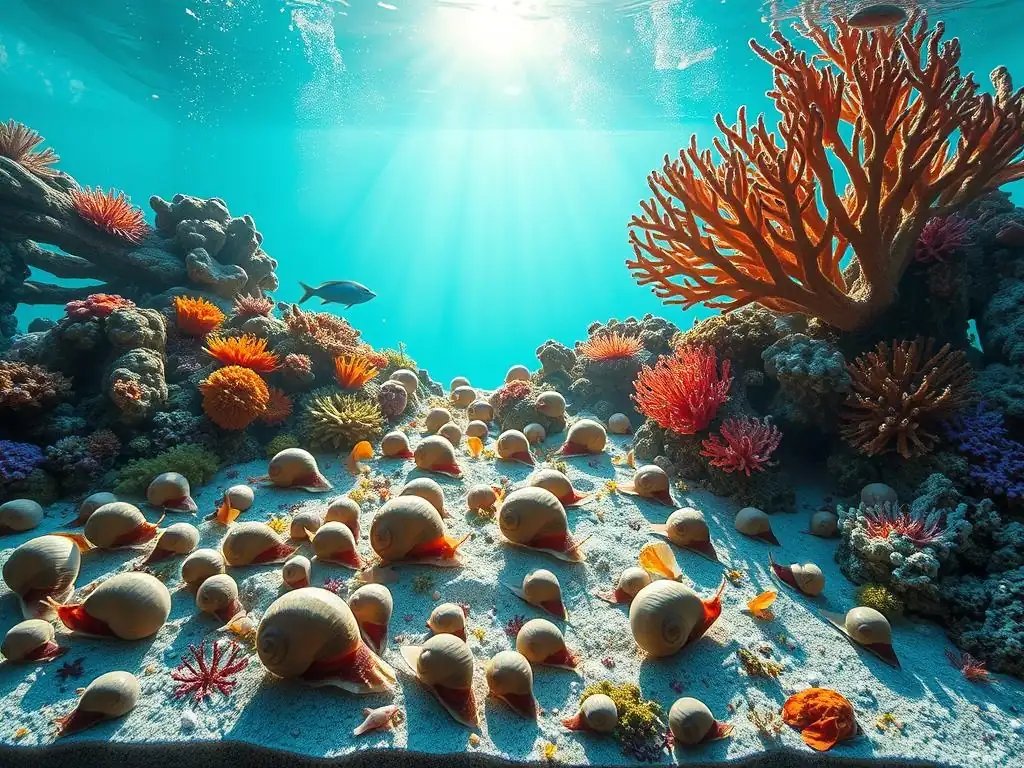
Ever wondered what's really going on beneath the surface of your reef tank's substrate? Dive in and discover the fascinating world of reef tank substrate snails, the tiny custodians working tirelessly to keep your ecosystem thriving. But are they all created equal? This article unveils everything you need to know about these unseen heroes, starting with the invaluable Nassarius snail. Get ready to learn their secrets and unlock a cleaner, healthier reef!
- Introduction to Nassarius Snails for Reef Aquariums
- Identifying Nassarius Snails: Species and Characteristics
- The Benefits of Nassarius Snails in Reef Tanks
- Caring for Nassarius Snails: Optimal Conditions and Diet
- Choosing the Right Number of Nassarius Snails for Your Reef Tank
- Potential Problems and Solutions with Nassarius Snails
- Breeding Nassarius Snails in Captivity: A Detailed Guide
- Where to Buy Nassarius Snails: Selecting Healthy Specimens
- Alternatives to Nassarius Snails for Substrate Cleaning
- Conclusion: Embracing Nassarius Snails for a Thriving Reef Tank Substrate
- Frequently Asked Questions
- Final Reflection: Appreciating the Silent Cleaners
- Unearth the Secrets to a Sparkling Reef!
Introduction to Nassarius Snails for Reef Aquariums
Why Nassarius Snails are Essential for a Healthy Reef Tank Substrate
Nassarius snails are often considered the unsung heroes of the reef aquarium, playing a crucial role in maintaining the health and cleanliness of the substrate. These small, industrious invertebrates are primarily scavengers, tirelessly sifting through the sand bed in search of decaying organic matter, uneaten food, and detritus. Their continuous activity prevents the accumulation of waste, which is vital in a closed system like a reef tank where nutrient export can be challenging. Without sufficient detritus consumption, organic waste can break down, releasing nitrates and phosphates that fuel nuisance algae growth and can be detrimental to sensitive corals.
The presence of a healthy population of these dedicated reef tank substrate snails significantly contributes to the overall stability and pristine condition of your aquarium. By effectively consuming decaying organic material before it fully decomposes, Nassarius snails mitigate the risk of nutrient spikes and the formation of anaerobic zones within the sand bed. This proactive approach to waste management supports a balanced ecosystem, reducing the workload on mechanical filtration and promoting a healthier environment for all inhabitants, from delicate SPS corals to various fish species.
Understanding the Role of Detritivores in Reef Ecosystems
Detritivores are organisms that feed on dead organic material, and they are fundamental to the health of any ecosystem, particularly in marine environments. In natural reef ecosystems, detritivores like Nassarius snails are part of a complex food web that recycles nutrients and prevents the build-up of decaying matter. They break down organic waste into simpler forms, making these nutrients available to other organisms or facilitating their removal from the system through processes like denitrification.
In a captive reef aquarium, the role of detritivores becomes even more critical due to the limited volume and constant input of organic material from feeding, fish waste, and coral shedding. Nassarius snails effectively mimic the natural processes of a wild reef, acting as nature's clean-up crew. Their efficient scavenging helps to close the nutrient loop, ensuring that valuable elements are recycled and harmful compounds are minimized, thereby fostering a more stable and resilient environment for your corals and fish.
Identifying Nassarius Snails: Species and Characteristics
Common Nassarius Snail Species for Reef Tanks: Nassarius vibex, Nassarius distortus, and Nassarius albus
Several species of Nassarius snails are commonly found in the aquarium trade, each possessing unique characteristics that make them excellent additions to a reef tank. Nassarius vibex, often referred to as the "Bumblebee Nassarius" or "Mini Nassarius," is typically one of the smallest and most popular. It features a conical shell, often with distinct bands of brown and cream, reaching sizes of about 0.5 to 1 inch. These snails are highly active, frequently seen extending their long siphons above the sand to detect food, and are known for their rapid response to feeding time.
Another commonly encountered species is Nassarius distortus, sometimes called the "Distorted Nassarius" or "Olive Nassarius." This species is generally larger than Nassarius vibex, growing up to 1.5 inches, with a smoother, more elongated shell that can range from light tan to dark brown. While also excellent burrowers, they may spend more time fully submerged in the sand compared to Nassarius vibex, emerging primarily when food is detected.
Nassarius albus, or the "White Nassarius," is similar in size and behavior to Nassarius vibex but often has a lighter, almost white shell, making it visually distinct. All these reef tank substrate snails share the characteristic long siphon and an insatiable appetite for detritus, making them invaluable for maintaining a clean sand bed.
Distinguishing Between Beneficial and Harmful Reef Tank Snails
Identifying Nassarius snails correctly is crucial to avoid introducing undesirable or harmful species into your reef tank. Nassarius snails are characterized by their distinct "snorkel-like" siphon, which they extend above the sand to smell out food, and their typical conical or olive-shaped shells. When at rest or burrowing, they often disappear completely into the sand, only to emerge quickly when food is introduced or when they sense decaying matter. Their movement on the sand is usually a deliberate glide, and when they emerge from the sand, they often do so with surprising speed.
Conversely, some pest snails can be mistaken for beneficial species. For instance, pyramid snails are tiny, parasitic snails that prey on clams and other mollusks; they are much smaller than Nassarius snails, typically less than 0.2 inches, and lack the prominent siphon.
Another example is the Sundial snail, which preys on zoanthids; these have a flattened, disc-like shell, completely different from the conical or olive shape of Nassarius snails. Always ensure you are purchasing genuine Nassarius species from reputable suppliers, inspecting them carefully for the characteristic siphon and burrowing behavior, which confirms their identity as beneficial reef tank substrate snails.
The Benefits of Nassarius Snails in Reef Tanks
Nassarius Snails as Detritus Cleaners: Maintaining a Pristine Substrate
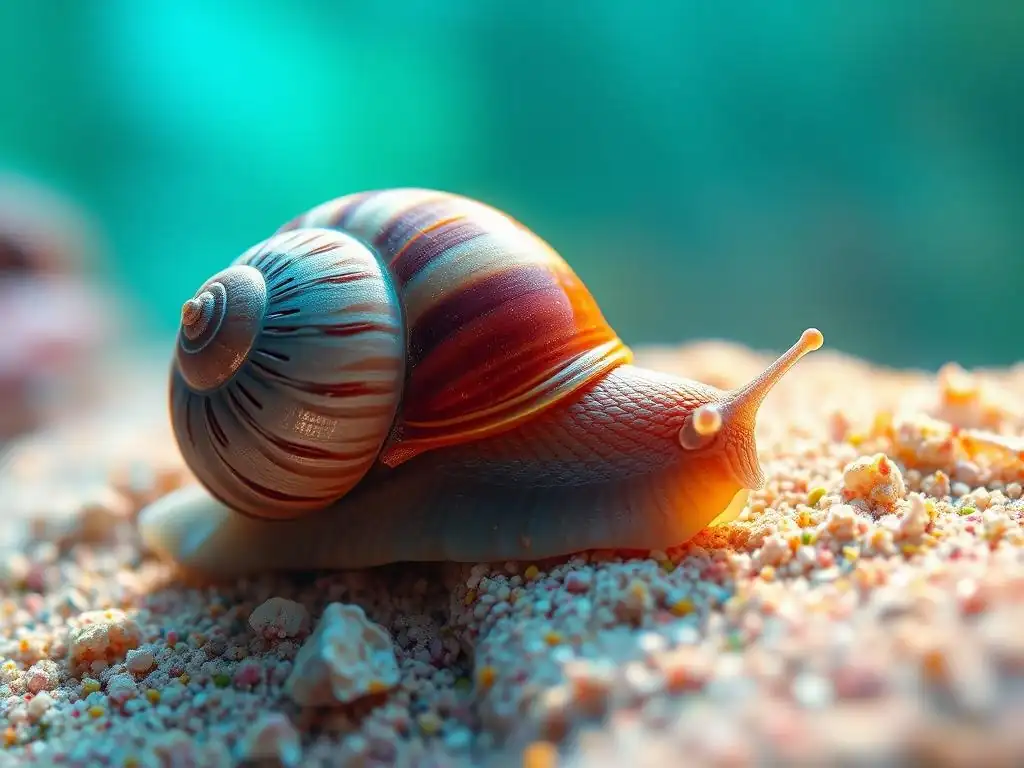
Nassarius snails are unparalleled in their ability to act as detritus cleaners, tirelessly scavenging the reef tank substrate for any form of decaying organic matter. Their primary diet consists of uneaten fish food, fish waste, dead organisms, and general organic debris that settles on or within the sand bed.
A typical population of 1 Nassarius snail per 1-2 gallons of tank volume can process a significant amount of detritus daily, effectively preventing the accumulation of nutrient-laden waste. For example, in a 50-gallon reef tank, a healthy colony of 25-50 Nassarius snails can continuously work to keep the sand bed spotless, reducing the need for manual siphoning and minimizing the overall nutrient load.
This constant consumption of detritus directly contributes to maintaining a pristine substrate, which is critical for the long-term health of a reef aquarium. Without these diligent reef tank substrate snails, organic material would decompose, leading to elevated levels of nitrates and phosphates. High nutrient levels can stress corals, inhibit their growth, and provide a fertile ground for nuisance algae and cyanobacteria outbreaks. By removing this food source, Nassarius snails actively prevent such issues, ensuring the sand bed remains clean and healthy, fostering a more stable and aesthetically pleasing environment.
Preventing Cyanobacteria Blooms with Nassarius Snails
Cyanobacteria, commonly known as red slime algae, are notorious for rapidly spreading across the sand bed and rockwork in reef tanks. These blooms are often fueled by excess nutrients, particularly phosphates and nitrates, which accumulate from decaying organic matter. While Nassarius snails do not directly consume cyanobacteria, their role in preventing its proliferation is indirect yet highly effective. By diligently consuming uneaten food and detritus, these snails significantly reduce the primary nutrient sources that cyanobacteria require to thrive.
A tank with an active population of Nassarius snails will naturally have lower levels of available nutrients in the sand bed, making it less hospitable for cyanobacteria to establish and spread. For instance, if a tank consistently experiences minor food overfeeding, the rapid response of Nassarius snails to consume this excess before it breaks down can dramatically cut down on the nutrient availability.
This preventative action, combined with good husbandry practices like regular water changes and appropriate feeding, makes Nassarius snails an essential component of any strategy to control and prevent unsightly and harmful cyanobacteria outbreaks in a reef aquarium.
Aerating the Reef Tank Substrate: Promoting Beneficial Bacteria
One of the most crucial, yet often overlooked, benefits of Nassarius snails is their continuous aeration of the reef tank substrate. These snails are constant burrowers, spending much of their time sifting through the sand bed in search of food. As they move, they effectively stir and turn over the sand grains, which introduces oxygen into deeper layers of the substrate. This process prevents the formation of anaerobic (oxygen-deprived) pockets within the sand bed.
Anaerobic zones are problematic because they can lead to the production of harmful gases like hydrogen sulfide, which has a distinct rotten egg smell and can be toxic to marine life. By keeping the sand bed oxygenated, Nassarius snails promote the growth of beneficial aerobic bacteria that are essential for the nitrification process – converting ammonia and nitrite into less harmful nitrates. This constant aeration by these diligent reef tank substrate snails ensures a healthy microbial community flourishes throughout the sand bed, contributing significantly to the overall biological filtration and stability of the aquarium environment.
Nassarius Snails and Nutrient Cycling in Reef Aquariums
Nassarius snails play a vital role in the intricate nutrient cycling processes within a reef aquarium. As detritivores, they consume organic waste and convert it into their own biomass, effectively locking up nutrients that would otherwise contribute to undesirable algae growth or elevate dissolved organic carbon (DOC) levels. This conversion of detritus into snail tissue represents a form of nutrient export, especially if the snails reproduce and their offspring consume more detritus, or if snails are occasionally removed from the system.
Furthermore, by breaking down complex organic compounds into simpler forms, Nassarius snails facilitate the subsequent steps of the nitrogen cycle. For example, by consuming uneaten food and fish waste, they reduce the amount of ammonia and nitrite sources in the water column and substrate, allowing nitrifying bacteria to more efficiently convert these into nitrates. While nitrates still need to be managed through water changes or denitrification, the snails' initial processing of organic matter helps to maintain a more manageable nutrient load, contributing to a more stable and balanced nutrient cycle within the reef aquarium.
Caring for Nassarius Snails: Optimal Conditions and Diet
Water Parameter Requirements for Nassarius Snail Health
Maintaining stable and appropriate water parameters is crucial for the health and longevity of Nassarius snails in a reef tank. These reef tank substrate snails thrive in conditions typical of a healthy saltwater aquarium. The ideal temperature range for Nassarius snails is generally between 72-78°F (22-26°C). Salinity should be maintained within the range of 1.023 to 1.026 specific gravity. A stable pH level of 8.1-8.4 is also important, as significant fluctuations can stress invertebrates.
Beyond these basic parameters, it's vital to ensure that alkalinity (8-12 dKH), calcium (400-450 ppm), and magnesium (1250-1350 ppm) levels are consistent, as these minerals are essential for shell growth and overall invertebrate health. Nassarius snails are particularly sensitive to copper-based medications, which are highly toxic to all invertebrates. Therefore, avoid using any copper treatments in a tank housing these snails. Regular water changes and a robust filtration system will help maintain these parameters, ensuring a thriving environment for your Nassarius clean-up crew.
Feeding Nassarius Snails: Supplementing Their Diet
While Nassarius snails are excellent scavengers and will primarily feed on detritus, uneaten food, and decaying organic matter in a well-established reef tank, it is often necessary to supplement their diet, especially in very clean tanks or those with a large population of snails. If the tank is exceptionally clean and there's minimal leftover food, the snails may not find enough to sustain themselves, leading to starvation and die-off. Signs of underfeeding include snails becoming less active or their siphons appearing less frequently.
To supplement their diet, you can offer small pieces of meaty foods. Examples include a pinch of high-quality marine pellets, a small amount of frozen mysis shrimp, brine shrimp, or finely chopped silversides. These should be offered sparingly, perhaps once or twice a week, and in amounts that can be consumed within a few hours to avoid introducing excess nutrients. Simply drop the food onto the sand bed, and you'll often see a rapid "feeding frenzy" as the Nassarius snails emerge from the sand to consume it, demonstrating their voracious appetite for protein-rich foods.
Acclimating Nassarius Snails to Your Reef Tank
Proper acclimation is critical for the survival and long-term health of Nassarius snails, as they are sensitive to sudden changes in water parameters such as temperature, salinity, and pH. The drip acclimation method is highly recommended for these reef tank substrate snails. Begin by floating the bag containing the snails in your sump or display tank for about 15-20 minutes to equalize the temperature.
After temperature equalization, open the bag and carefully pour the snails and their original water into a clean bucket or container. Using an airline tubing and a control valve, start a slow drip of water from your display tank into the container. Aim for a drip rate of about 1-2 drips per second.
Continue this process for at least 1 to 2 hours, or until the volume of water in the container has quadrupled. Once acclimated, gently net the snails and place them directly onto the sand bed in your aquarium. Avoid pouring the acclimation water into your main tank, as it may contain undesirable elements from the shipping process.
Choosing the Right Number of Nassarius Snails for Your Reef Tank
Calculating Nassarius Snail Density Based on Tank Size and Bio-load
Determining the optimal number of Nassarius snails for your reef tank is crucial for their effectiveness and the overall health of your system. A common guideline suggests approximately one Nassarius snail per 1-2 gallons of tank volume. However, this is a starting point and should be adjusted based on your tank's specific bio-load and the depth of your sand bed.
For example, a 75-gallon reef tank with a moderate fish population and a 3-4 inch sand bed might benefit from 35-50 Nassarius snails. If your tank has a very light bio-load or a shallow sand bed (less than 2 inches), you might lean towards the lower end of the recommendation, perhaps one snail per 2-3 gallons.
Conversely, a tank with a heavier bio-load, frequent feeding, or a deep sand bed (over 4 inches) could benefit from a higher density, potentially one snail per gallon. It's often better to start with a slightly lower number and observe their activity and the cleanliness of your sand bed. If you notice significant detritus accumulation or a lack of activity from your existing snail population, you can gradually add more. The goal is to have enough reef tank substrate snails to efficiently process detritus without overpopulating the system.
Avoiding Overpopulation and Competition in Your Reef Aquarium
While Nassarius snails are highly beneficial, overpopulating your reef aquarium with them can lead to several issues. The most significant problem is the depletion of food sources. If there are too many snails for the available detritus and uneaten food, they will eventually starve. This can lead to a mass die-off, which in turn can cause a sudden and significant spike in ammonia and nitrites, potentially crashing your tank and endangering fish and corals.
To avoid overpopulation, regularly monitor the activity and health of your Nassarius snails. If they consistently appear sluggish, or if you find numerous empty shells, it could indicate insufficient food. Additionally, observe your sand bed; if it appears overly clean or if the snails are constantly emerging from the sand and appearing agitated, they might be searching desperately for food. Should you find yourself with too many of these reef tank substrate snails, options include selling or trading them to other aquarists or, as a last resort, reducing their numbers by culling if starvation becomes a pervasive issue.
Potential Problems and Solutions with Nassarius Snails
Nassarius Snails Burrowing Too Much: Impact on Corals and Other Inhabitants
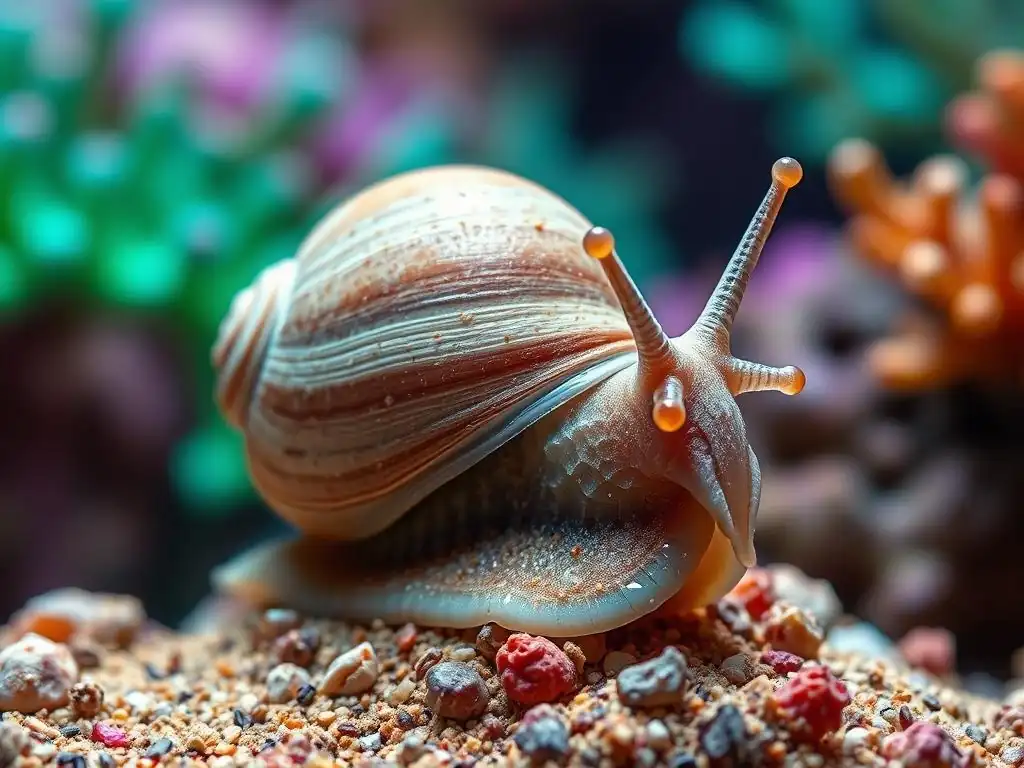
While their burrowing activity is largely beneficial for substrate aeration, there can be instances where Nassarius snails, particularly the larger species or in high densities, might cause minor disturbances. They can occasionally dislodge small frag plugs or stir up sand around corals, especially those placed directly on the sand bed, such as certain LPS corals like Trachyphyllia or Symphyllia. In extreme cases, repeated sand accumulation on a coral can irritate it or even lead to tissue recession if not addressed.
To mitigate this, ensure that corals are securely placed on frag plugs or directly on stable rockwork, rather than just resting on the sand. For corals that must be on the sand, consider creating a small, clear perimeter around them using larger rubble or even a small, shallow dish to prevent sand from being kicked onto their tissue. Additionally, ensuring proper water flow across the sand bed can help prevent sand from settling in undesirable areas after being stirred up by these industrious reef tank substrate snails.
Addressing Nassarius Snail Die-Off: Identifying and Resolving the Cause
A sudden die-off of Nassarius snails can be a cause for concern and an indicator of underlying issues in your reef tank. The immediate danger of a mass die-off is a rapid increase in ammonia and nitrite levels as the decaying bodies decompose, which can be highly toxic to fish and corals. Common causes for snail die-off include sudden shifts in water parameters (temperature, salinity, pH), the presence of copper-based medications (which are lethal to all invertebrates), starvation due to insufficient food, or predation by certain fish or crabs.
If you observe multiple snails dying, immediately remove any dead or dying individuals to prevent ammonia spikes. Then, test your water parameters thoroughly to identify any anomalies. If copper is detected, perform large water changes using carbon filtration to remove it. If starvation is suspected, begin supplementing their diet. If a predator is identified, consider relocating it. Addressing the root cause promptly is essential to prevent further losses and maintain the stability of your reef aquarium, ensuring the continued health of your remaining reef tank substrate snails.
Compatibility of Nassarius Snails with Other Reef Tank Invertebrates
Nassarius snails are generally considered highly compatible and peaceful additions to most reef aquariums, coexisting well with a wide range of invertebrates. They pose no threat to corals, other snails, hermit crabs, or shrimp. In fact, they often work symbiotically with other clean-up crew members, with Nassarius snails focusing on the sand bed while other snails like Astrea or Turbo snails graze on algae on rocks and glass.
However, caution is advised with certain predatory tank inhabitants. Larger, aggressive crabs, such as some species of Mithrax or Sally Lightfoot crabs, may occasionally prey on snails, especially if they are hungry or if the snails are already weakened. Certain wrasse species, like the Melanurus Wrasse or Six-line Wrasse, while generally reef-safe, may occasionally nip at or consume smaller snails, particularly if they are not well-fed or if the snails are perceived as a food source.
Triggerfish and Puffers are almost guaranteed to consume snails and are not compatible. Always research the compatibility of any new addition with your existing clean-up crew, including these valuable reef tank substrate snails.
Breeding Nassarius Snails in Captivity: A Detailed Guide
Creating Optimal Conditions for Nassarius Snail Reproduction
Breeding Nassarius snails in captivity is certainly possible, though raising the offspring to maturity can be challenging due to their planktonic larval stage. To encourage reproduction, the first step is to establish optimal and stable conditions within your reef tank. This includes consistent water parameters (temperature, salinity, pH, alkalinity, calcium, magnesium) and a mature, well-fed system.
Nassarius snails are gonochoristic, meaning they have separate sexes, but it's virtually impossible to distinguish males from females visually. Therefore, the best approach is to maintain a healthy group of at least 10-20 snails to increase the likelihood of having both sexes present and ready to spawn.
Providing a consistent and ample food source, including both detritus and supplemental meaty foods, is crucial, as well-nourished snails are more likely to reproduce. Some aquarists have reported increased spawning activity after a significant water change or a slight increase in feeding. While specific triggers are not fully understood, a thriving and stable environment, combined with a robust population of these reef tank substrate snails, significantly enhances the chances of successful reproduction.
Identifying Nassarius Snail Eggs and Larvae
Once conditions are favorable, Nassarius snails will typically lay their eggs in clear, gelatinous capsules, often appearing as small, transparent sacs attached to the aquarium glass, live rock, or even on the shells of other snails. These egg capsules are usually quite small, perhaps 1-2 mm in diameter, and can contain multiple tiny eggs. The eggs will develop over several days, and you may be able to see the developing larvae inside the capsules.
After a period, which can vary by species but is often around 7-14 days, the eggs will hatch, releasing microscopic, free-swimming veliger larvae into the water column. These larvae are planktonic, meaning they drift with the current and are highly vulnerable to filtration systems, predation, and starvation. They are typically less than 1 mm in size and possess a ciliated "velum" that they use for both swimming and filter-feeding.
Identifying these tiny larvae often requires a magnifying glass or microscope, as they are barely visible to the naked eye. This planktonic stage is the most critical and challenging part of raising Nassarius snails.
Raising Nassarius Snail Fry: Rotifer and Microalgae Feeding Strategies
Raising Nassarius snail veliger larvae to their benthic (bottom-dwelling) stage is a specialized endeavor that typically requires a dedicated larval rearing tank. The primary challenge lies in providing appropriate food for these microscopic larvae. Veligers are filter feeders and require live phytoplankton (microalgae) and sometimes rotifers as their first food source. A common strategy involves culturing specific strains of phytoplankton, such as Nannochloropsis oculata or Isochrysis galbana, and feeding it to the larval tank at a controlled density.
In addition to phytoplankton, some species of Nassarius larvae may also benefit from or require small rotifers, such as Brachionus plicatilis, especially as they grow larger. Maintaining excellent water quality in the larval tank is paramount, requiring frequent small water changes with aged, perfectly matched saltwater.
Once the larvae complete their planktonic stage, which can take several weeks, they will undergo metamorphosis and settle onto the substrate as tiny, recognizable snails. At this point, they can be fed finely crushed dry foods like marine flakes or spirulina powder until they are large enough to be introduced into the main display tank alongside their adult counterparts, becoming new members of your reef tank substrate snails.
Where to Buy Nassarius Snails: Selecting Healthy Specimens
Choosing Reputable Suppliers of Reef Tank Invertebrates
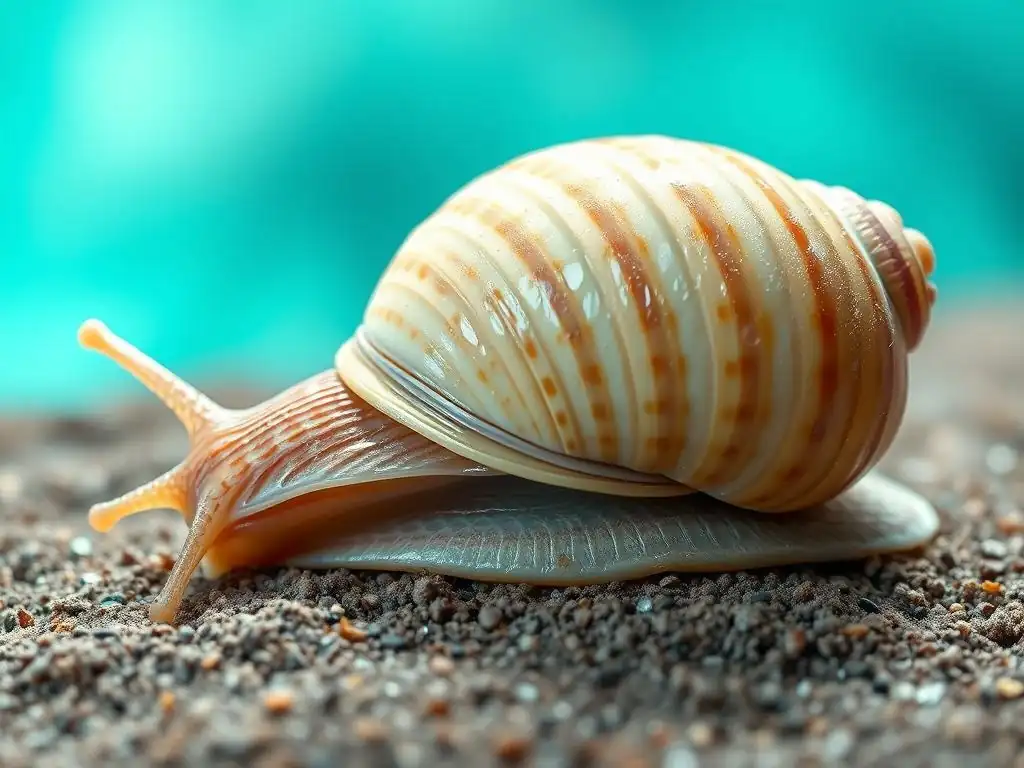
When purchasing Nassarius snails for your reef tank, selecting a reputable supplier is paramount to ensure you receive healthy, disease-free specimens. Look for local fish stores or online retailers that specialize in marine invertebrates and have a strong track record of positive customer reviews and ethical sourcing practices. A good supplier will typically quarantine new arrivals, ensuring they are free from parasites or diseases before selling them. They should also provide clear information on the species of Nassarius snail they are selling and its specific care requirements.
Avoid purchasing snails from sources where the animals appear lethargic, are in dirty tanks, or where there are numerous dead invertebrates. Reputable suppliers will also pack their livestock carefully for shipping, minimizing stress during transit. While it might be tempting to opt for the cheapest option, investing a little more in snails from a trusted source can save you significant headaches and potential losses down the line, ensuring you introduce robust and active reef tank substrate snails into your aquarium.
Inspecting Nassarius Snails for Signs of Health and Disease
Upon receiving your Nassarius snails, a thorough visual inspection is crucial before beginning the acclimation process. Healthy Nassarius snails should be active and responsive. When placed in water, they should typically extend their long siphon and begin to explore or burrow within a few minutes. Look for snails that are actively moving their siphons, indicating they are alert and searching for food. Their shells should be intact, without any significant cracks, chips, or signs of erosion, which can indicate poor water quality or nutrient deficiencies in their previous environment.
Avoid any snails that appear withdrawn into their shells, do not respond to gentle prodding, or have a foul odor, as this is a strong indicator of a dead or dying specimen. Similarly, check for any unusual growths, discoloration, or small parasites on their shells or bodies. While Nassarius snails are generally hardy, a quick inspection can prevent the introduction of unhealthy individuals that could potentially perish shortly after introduction, impacting your reef tank's water quality and the overall success of your clean-up crew.
Alternatives to Nassarius Snails for Substrate Cleaning
Other Reef-Safe Snail Species for Detritus Removal
While Nassarius snails are exceptional at detritus removal and sand bed aeration, several other reef-safe snail species can also contribute to substrate cleaning, often complementing the work of Nassarius snails rather than fully replacing them. Cerith snails ( Cerithium spp.) are another popular choice. They are excellent detritivores and algae eaters, often seen grazing on the sand surface and occasionally burrowing. They are particularly good at getting into tight spaces due to their elongated, conical shells. However, they typically do not burrow as extensively as Nassarius snails, making them less effective for deep sand bed aeration.
Another option is the various species of Conchs ( Strombus spp. ), such as the Tiger Sand Conch or Fighting Conch. These larger snails are powerful sand sifters, capable of sifting through several inches of sand to consume detritus and microalgae.
They are very efficient at keeping large areas of the sand bed clean, but their size means they are better suited for larger tanks (50+ gallons) and may occasionally knock over small frags due to their movement. While these alternatives contribute to a clean sand bed, the unique combination of active burrowing and rapid detritus consumption by Nassarius makes them distinctly valuable reef tank substrate snails.
Using Sea Cucumbers as Complementary Cleaners
Sea cucumbers can serve as excellent complementary cleaners for reef tank substrates, especially in larger, mature aquariums with deep sand beds. Species like the Tiger Tail Sea Cucumber ( Holothuria hilla) or the Leopard Sea Cucumber ( Bohadschia graeffei) are highly efficient detritivores that continuously sift through the sand, ingesting detritus and expelling clean sand. They are incredibly thorough and can process large volumes of substrate, reaching areas that snails might miss.
However, sea cucumbers come with significant caveats. They are extremely sensitive to sudden changes in water parameters, and if stressed or dying, many species can release toxins (holothurin) that can wipe out an entire tank. They also require a very stable environment and a consistent, abundant food source (detritus), making them unsuitable for newly set up tanks or those with very light bio-loads. While they are powerful substrate cleaners, their fragility and potential risk mean they are generally recommended for experienced aquarists and as an addition to, rather than a replacement for, the more robust and forgiving Nassarius snails.
Conclusion: Embracing Nassarius Snails for a Thriving Reef Tank Substrate
The Long-Term Benefits of Integrating Nassarius Snails into Your Reef Ecosystem
Integrating Nassarius snails into your reef tank is one of the most effective and natural ways to maintain a healthy and pristine substrate. Their tireless work as detritivores ensures that uneaten food, fish waste, and other decaying organic matter are quickly consumed, preventing the accumulation of nutrients that can fuel nuisance algae and stress corals. By actively sifting through the sand, these industrious snails also provide crucial aeration to the substrate, preventing the formation of harmful anaerobic pockets and promoting the growth of beneficial aerobic bacteria essential for the nitrogen cycle.
Over the long term, a robust population of Nassarius snails contributes significantly to the overall stability and resilience of your reef ecosystem. They reduce the burden on your filtration system, minimize the need for manual sand siphoning, and help maintain crystal-clear water parameters. Their continuous activity supports a balanced environment, allowing corals to thrive and fish to flourish. For any aquarist serious about the health and aesthetics of their marine display, the presence of these dedicated reef tank substrate snails is not just beneficial but truly indispensable for sustained success.
Further Resources for Reef Tank Substrate Management
Maintaining an optimal reef tank substrate is a cornerstone of successful reef keeping, and while Nassarius snails are invaluable, comprehensive substrate management involves several other considerations. To deepen your understanding, explore detailed guides on establishing and maintaining various types of sand beds, from shallow sand beds (less than 2 inches) to deep sand beds (4 inches or more), each with its own benefits and challenges regarding nutrient processing and biological filtration.
Further research into the various clean-up crew members beyond Nassarius snails, such as different species of hermit crabs, other beneficial snails (e.g., Cerith, Trochus, Turbo), and even micro-organisms, can provide insights into creating a diverse and effective clean-up crew tailored to your specific tank's needs. Understanding the principles of nutrient export, including the role of protein skimming, refugiums, and regular water changes, in conjunction with the natural cleaning power of these essential reef tank substrate snails, will empower you to cultivate a thriving and stable reef environment for years to come.
Frequently Asked Questions
What role do Nassarius snails play in a reef tank?
Nassarius snails are primarily detritivores and scavengers. They help keep your reef tank clean by consuming leftover food and organic waste in the substrate.
How many Nassarius snails should I add to my reef tank?
The number of Nassarius snails depends on the size of your tank and the amount of detritus produced. A general rule of thumb is 1 snail per 2-4 gallons of substrate volume.
Are Nassarius snails reef safe?
Yes, Nassarius snails are generally considered reef safe. They do not typically bother corals or other invertebrates and focus on consuming detritus and uneaten food.
What do Nassarius snails eat in a reef tank?
Nassarius snails primarily feed on detritus, uneaten fish food, and other decaying organic matter found in the substrate. They are excellent scavengers.
How can I tell if my Nassarius snails are healthy?
Healthy Nassarius snails are active and emerge from the substrate when food is introduced. Signs of poor health include inactivity, a foul odor, or a detached shell.
Final Reflection: Appreciating the Silent Cleaners
The journey through the world of Nassarius snails reveals their crucial role in maintaining a healthy reef tank ecosystem, a role often overlooked. These unassuming creatures are, in fact, vital components of a thriving reef, tirelessly working to keep the substrate clean and balanced. Their impact extends beyond mere aesthetics; they are essential for nutrient cycling and preventing the build-up of harmful detritus, ensuring the overall well-being of the entire reef community.
The subtle, yet profound influence of Nassarius snails underscores the importance of understanding the interconnectedness within our reef tanks. Recognizing their value has profoundly shifted my perspective on reef keeping, highlighting the significance of even the smallest inhabitants. In nature, nothing exists alone.
- Rachel Carson. This quote perfectly encapsulates the essence of a reef tank, where every organism, including these diligent snails, plays a critical part in the delicate balance of life.
As you observe your own reef tank, consider the unseen heroes working tirelessly beneath the surface. Take a moment to appreciate the Nassarius snails and the vital role they play in creating a vibrant and healthy environment. By understanding and valuing these silent cleaners, you contribute to a more sustainable and thriving reef ecosystem, both within your tank and in the broader context of marine conservation. Let's all strive to cultivate a deeper appreciation for the intricate web of life that makes our reef tanks so captivating.
Unearth the Secrets to a Sparkling Reef!
Thanks for diving deep into the world of Nassarius snails! We hope you've gained a newfound appreciation for these tiny custodians and the vital role they play in a healthy reef ecosystem. Now, it's time to put that knowledge into action!
Here's how you can transform your reef tank today:
- Introduce Nassarius snails to your reef tank and witness the magic of a clean, healthy substrate. This is the single best thing you can do right now!
- Explore the fascinating world of microfauna by researching other beneficial critters that can contribute to your reef tank's health.
- Share this article with fellow reef enthusiasts and start a discussion about the most effective methods for maintaining a thriving substrate.
Ready to watch your reef flourish like never before?