
The Truth About "AllInOne" Aquarium Plant Fertilizers: Do They Work?

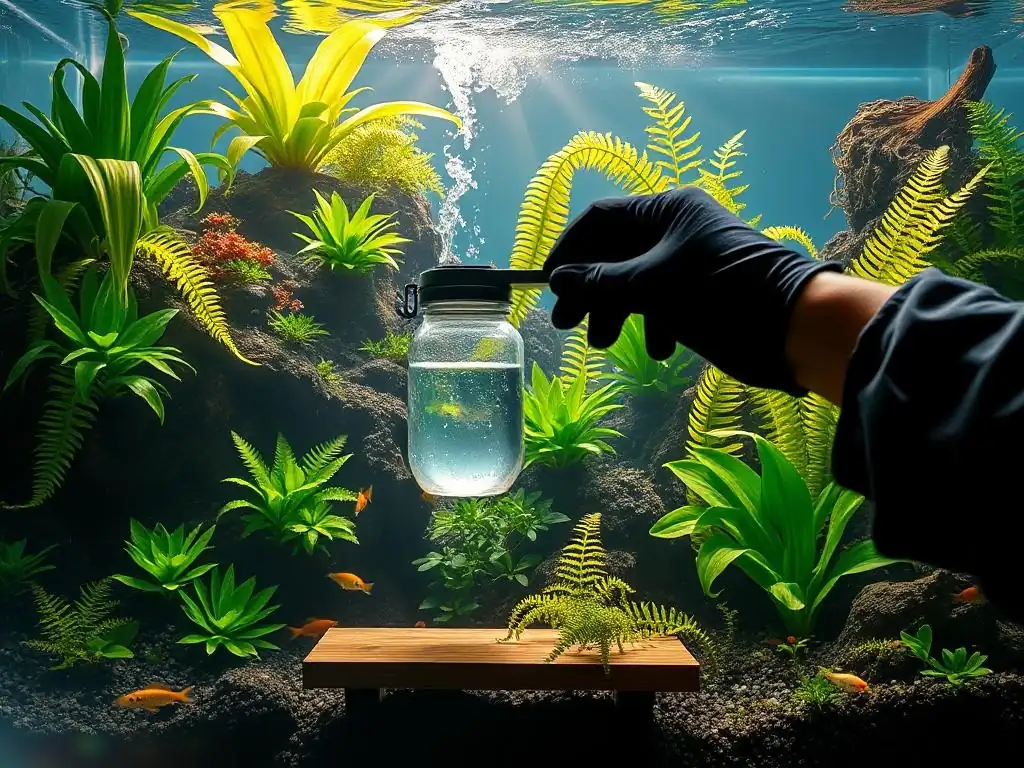
Welcome to Aquarium Mastery!
Ever wondered if that 'all-in-one' aquarium plant fertilizer is really all you need for a thriving aquatic garden? We're diving deep into the truth about these convenient solutions, especially when it comes to creating your own DIY aquarium plant fertilizer. Get ready to unlock the secrets to lush, vibrant plants and discover if you can truly master the art of fertilization at home. Let's explore!
- Understanding All-In-One Aquarium Plant Fertilizers
- The Appeal of All-In-One Fertilizers for Planted Tanks
- The Limitations of All-In-One Aquarium Plant Fertilizers
- When All-In-One Fertilizers Might Fall Short
- DIY Aquarium Plant Fertilizer: A Viable Alternative?
- Components of a DIY Aquarium Plant Fertilizer
- Creating Your DIY Aquarium Plant Fertilizer: A Step-by-Step Guide
- Comparing All-In-One vs. DIY Aquarium Plant Fertilizer: A Detailed Analysis
- Optimizing Plant Growth: Beyond Fertilization
- Conclusion: Are All-In-One Fertilizers Right for Your Planted Tank?
-
Frequently Asked Questions
- How effective are "All-In-One" aquarium plant fertilizers compared to DIY options?
- What are the main benefits of creating my own DIY aquarium plant fertilizer?
- What are the risks associated with using DIY aquarium plant fertilizer?
- What are the key ingredients typically found in DIY aquarium plant fertilizers?
- Where can I find reliable recipes and instructions for making DIY aquarium plant fertilizer?
- Final Reflection: Cultivating Growth, Rooted in Knowledge
- Ignite Your Aquarium: Unleash the Thriving Plant Life You've Dreamed Of!
Understanding All-In-One Aquarium Plant Fertilizers
What Are All-In-One Plant Fertilizers for Aquariums?
All-in-one aquarium plant fertilizers are liquid supplements designed to provide a comprehensive range of nutrients essential for aquatic plant growth in a single, convenient bottle. These products aim to simplify the fertilization process for aquarists by combining macro and micro-nutrients, theoretically eliminating the need for multiple separate supplements. The underlying premise is to offer a balanced nutrient profile that supports the general needs of most freshwater aquarium plants, from common stem plants like Rotala species to foreground plants such as Dwarf Hairgrass.
Typically, these fertilizers are formulated to be dosed directly into the aquarium water at regular intervals, often daily or weekly, depending on the product's concentration and the tank's specific demands. They are marketed as a user-friendly solution, particularly appealing to beginners or those seeking a less complex approach to planted tank maintenance. The goal is to ensure that plants receive all necessary elements for photosynthesis and healthy development without the complexity of managing individual nutrient bottles.
The Promise of Simplicity: A Single Solution for Plant Nutrition
The primary allure of all-in-one aquarium plant fertilizers lies in their promise of simplicity. Aquarists are often presented with a complex array of individual nutrient supplements—potassium, phosphate, nitrate, iron, and various trace elements—each requiring separate dosing calculations and schedules. An all-in-one product consolidates these into one bottle, dramatically reducing the perceived complexity of maintaining a thriving planted tank. This convenience is a significant factor for many hobbyists, especially those new to the intricacies of aquatic plant care.
This simplified approach can indeed reduce the initial barrier to entry for many, encouraging more individuals to venture into the rewarding world of planted aquariums. Instead of needing to purchase five or more different bottles and manage their individual applications, a single product streamlines the routine, making plant care feel less daunting. For a modestly planted 50-gallon tank, a typical all-in-one might require a daily dose of 5ml, a far simpler regimen than calculating separate doses for 10 ppm of nitrate, 1 ppm of phosphate, and 0.1 ppm of iron daily.
Key Nutrients Included in All-In-One Fertilizers: NPK and Trace Elements
All-in-one aquarium plant fertilizers are formulated to deliver both macro and micro-nutrients critical for plant health. The primary macronutrients, often referred to as NPK, include Nitrogen (N), Phosphorus (P), and Potassium (K). Nitrogen is vital for leaf growth and protein synthesis, typically provided as nitrate (NO3). Phosphorus is crucial for energy transfer and root development, usually supplied as phosphate (PO4). Potassium supports overall plant vigor, enzyme activation, and nutrient transport within the plant. A common NPK ratio in these fertilizers might be approximately 1-0.1-1.5 (N:P:K) relative to their concentration, though this varies widely by brand.
Beyond NPK, these fertilizers also contain essential micronutrients, or trace elements, which plants require in smaller quantities but are equally vital. These include Iron (Fe), often in chelated forms like DTPA or EDTA to remain bioavailable in water, which is critical for chlorophyll production and preventing chlorosis (yellowing leaves). Other trace elements like Manganese (Mn), Boron (B), Zinc (Zn), Copper (Cu), and Molybdenum (Mo) are also typically included. For instance, a common all-in-one might aim to provide 0.05-0.1 mg/L of iron per dose, alongside trace amounts of the other essential elements, ensuring a broad spectrum of nutritional support.
The Appeal of All-In-One Fertilizers for Planted Tanks
Convenience and Ease of Use: The Primary Advantage
The most compelling advantage of all-in-one aquarium plant fertilizers is their unparalleled convenience and ease of use. For many aquarists, particularly those with busy schedules or new to the hobby, managing a complex dosing regimen with multiple individual supplements can be overwhelming. All-in-one solutions simplify this process significantly, often requiring just a single measurement and addition to the tank daily or weekly. This streamlined approach saves time and reduces the mental load associated with maintaining a thriving planted aquarium.
Consider a hobbyist with a 30-gallon tank who works long hours. Instead of needing to measure out separate solutions of potassium nitrate, monopotassium phosphate, potassium sulfate, and a comprehensive trace mix, they can simply add, for example, 3-5 ml of an all-in-one product. This drastic reduction in steps makes consistent fertilization much more achievable, leading to more stable nutrient levels and, consequently, healthier plant growth without requiring a deep dive into complex chemistry.
Simplifying Dosing Regimes for Beginners
For beginners entering the world of planted aquariums, the sheer volume of information regarding plant nutrition can be daunting. Concepts like the Estimative Index (EI) or the Perpetual Preservation System (PPS-Pro) involve understanding specific chemical compounds, calculating precise dosages based on tank volume and plant mass, and often require purchasing raw chemicals. All-in-one fertilizers bypass this steep learning curve by providing pre-mixed, balanced solutions with straightforward instructions. This allows new aquarists to focus on other foundational aspects of tank setup, such as lighting, CO2, and filtration, without being immediately bogged down by intricate fertilization schedules.
Many all-in-one products provide clear dosing charts based on tank size, such as "add 1 pump per 10 gallons daily" or "5ml per 20 gallons three times a week." This simplicity removes much of the guesswork and fear of making mistakes with nutrient ratios, which can be a common concern for novices. It empowers them to achieve respectable plant growth and maintain a visually appealing aquascape without needing to become an expert in aquatic plant chemistry overnight.
Reduced Risk of Nutrient Imbalances - Theoretically
One of the theoretical benefits of all-in-one fertilizers is the promise of reduced risk for nutrient imbalances. By providing a fixed ratio of macro and micro-nutrients, these products aim to ensure that plants receive all essential elements in a balanced proportion, preventing deficiencies or excesses of any single nutrient. This "balanced" approach is designed to foster healthy plant growth and potentially minimize the conditions that lead to common aquarium nuisances like algae blooms, which often thrive on nutrient imbalances, particularly high nitrates or phosphates in the absence of other limiting factors.
While not always perfectly tailored to every unique tank, the pre-determined ratios in all-in-one formulas can help prevent severe deficiencies that might occur if an aquarist were dosing individual components without a full understanding of their tank's specific needs. For example, consistently adding only a potassium supplement without adequate nitrogen or phosphorus could lead to stunted growth or pale leaves, whereas an all-in-one aims to provide a baseline for all critical elements, offering a safety net against common single-nutrient deficiencies.
The Limitations of All-In-One Aquarium Plant Fertilizers
Fixed Nutrient Ratios: A One-Size-Fits-All Approach?
Despite their convenience, a significant limitation of all-in-one aquarium plant fertilizers is their fixed nutrient ratios. These products are designed with a "one-size-fits-all" mentality, attempting to cater to a broad spectrum of planted tanks. However, every aquarium is unique: it has different plant species with varying nutrient demands, different fish stocking levels impacting nitrogen and phosphorus, diverse lighting conditions influencing nutrient uptake rates, and varying CO2 injection levels.
A fixed ratio cannot optimally address these individual differences. For instance, a tank heavily stocked with fast-growing stem plants like Rotala macrandra, which are high consumers of iron and nitrates, might quickly deplete these elements from an all-in-one solution, even if other nutrients remain abundant.
Conversely, a low-tech tank with slow-growing plants like Anubias and Java Fern might accumulate certain nutrients from an all-in-one if the provided ratio exceeds their uptake, potentially leading to imbalances or fostering algae growth. For example, if a product provides ample phosphate but the tank's plant mass is low, phosphate levels could rise, contributing to conditions favorable for green spot algae. This lack of customization means that while all-in-ones provide a baseline, they rarely provide the optimal nutrient profile for specific, highly tailored aquascapes.
Addressing Specific Plant Needs and Deficiencies
Another major drawback of all-in-one fertilizers is their inability to precisely address specific plant nutrient deficiencies or excesses. When a plant exhibits symptoms like yellowing leaves (potential iron or nitrogen deficiency), stunted growth (potential phosphorus or potassium deficiency), or holes in leaves (potassium deficiency), an all-in-one product offers no direct means to target and correct that single deficiency. Increasing the overall dose of the all-in-one will raise all nutrient levels proportionally, potentially leading to an overabundance of nutrients that are already sufficient, which can encourage algae growth or stress fish.
For example, if a tank's Monte Carlo carpet is showing signs of iron deficiency, simply doubling the all-in-one dose might provide enough iron, but it would also double the nitrates, phosphates, and other trace elements, which could push the tank out of balance. In such scenarios, a targeted approach using individual nutrient supplements is far more effective. Aquarists using all-in-ones often find themselves in a reactive cycle, where they might try to increase the overall dose when deficiencies appear, rather than proactively and precisely correcting the specific missing nutrient.
The Importance of Individual Nutrient Control
For advanced aquarists or those striving for peak plant health and growth, individual nutrient control is paramount. This level of control allows the aquarist to fine-tune the nutrient profile to precisely match the demands of their specific plant species, bioload, and equipment setup. By using separate macro and micro-nutrient solutions, one can adjust the dosage of, say, potassium nitrate (KNO3) to increase nitrogen levels without simultaneously increasing phosphates or trace elements, or add more chelated iron when fast-growing red plants require it.
This precise control is crucial for managing nutrient ratios, which are often more important than absolute concentrations. For example, maintaining a specific Redfield Ratio (though debated in planted tanks) or ensuring sufficient nitrogen relative to phosphorus can suppress certain types of algae. Without the ability to individually adjust nutrient levels, aquarists are limited in their capacity to respond to changing plant needs or to troubleshoot specific issues, such as a localized Staurogyne repens melting due to insufficient potassium, which would require a targeted boost rather than a general increase.
The Impact of Different Plant Species on Nutrient Requirements
The diverse range of aquatic plant species available for planted tanks means a wide spectrum of nutrient requirements. Some plants, like Anubias species and Java Ferns, are relatively low-demand and can thrive with minimal fertilization, often relying on nutrients from fish waste or occasional light dosing. Others, such as Rotala macrandra, Alternanthera reineckii, or demanding carpet plants like Hemianthus callitrichoides 'Cuba' (HC Cuba), are high-demand species that require consistent and ample levels of all macro and micro-nutrients, especially iron and nitrates, to display their vibrant colors and dense growth.
An all-in-one fertilizer, by its nature, cannot perfectly cater to both ends of this spectrum simultaneously. If dosed sufficiently for high-demand plants, it might lead to nutrient buildup and potential algae issues in tanks with only low-demand plants. Conversely, if dosed for a general or low-tech tank, it will likely leave high-demand plants starved of essential elements, resulting in stunted growth, pale coloration, or even melting. This fundamental mismatch highlights why a single, fixed formulation struggles to optimize growth across the full array of popular aquarium plant species.
When All-In-One Fertilizers Might Fall Short
High-Tech Planted Tanks with Demanding Plants
High-tech planted tanks, characterized by intense lighting (e.g., 50-80 PAR at the substrate), pressurized CO2 injection, and often populated with demanding plant species like Bucephalandra variants, Eriocaulon species, or vibrant red stem plants, represent a scenario where all-in-one fertilizers frequently fall short. These setups drive incredibly rapid plant growth and nutrient uptake, meaning plants consume available nutrients at an accelerated rate.
An all-in-one's fixed, often conservative, nutrient ratio simply cannot keep pace with this demand. For instance, a tank with a dense carpet of Hemianthus callitrichoides 'Cuba' and fast-growing Rotala 'Colorata' might deplete iron and nitrates within hours, leading to pale new growth or stunted internodes, even with daily dosing of an all-in-one.
In such environments, the precise and often higher dosing of individual nutrients is critical to prevent deficiencies, maintain vibrant coloration, and ensure robust growth. High-tech aquarists often aim for specific target ranges, such as 15-25 ppm of nitrates, 1-3 ppm of phosphates, and 0.1-0.2 ppm of iron, which are difficult to consistently achieve and maintain with a generalized all-in-one product without risking an oversupply of other elements.
Tanks with Significant Algae Issues: Nutrient Imbalance Concerns
While some all-in-one fertilizers claim to prevent algae by providing balanced nutrients, they can sometimes exacerbate or fail to resolve existing algae issues, particularly in tanks already struggling with nutrient imbalances. Algae often thrive when there is a disproportionate availability of certain nutrients relative to others, or when plants are unable to utilize available nutrients effectively due to other limiting factors (e.g., insufficient CO2 or light).
If an all-in-one provides, for example, a higher ratio of phosphorus than the plants can absorb, or if it leads to a buildup of nitrates without corresponding uptake of other elements, it can inadvertently fuel algae blooms.
Consider a tank struggling with green spot algae, often associated with low phosphates or CO2, or green dust algae, linked to unstable nutrient levels. Simply adding more of an all-in-one fertilizer will increase all nutrients, potentially worsening the problem if the underlying issue is not a general lack of nutrients but rather an imbalance or a CO2 deficiency. In these cases, targeted adjustments, such as increasing phosphate levels specifically or optimizing CO2, are far more effective than a blanket increase of all nutrients via an all-in-one.
Situations Requiring Targeted Nutrient Adjustments
There are numerous specific scenarios where an all-in-one fertilizer proves inadequate due to the need for targeted nutrient adjustments. For example, if an aquarist aims to enhance red coloration in plants like Ludwigia repens 'Rubin' or Alternanthera reineckii 'Mini', increasing iron levels is often crucial.
An all-in-one will raise all nutrients, but a specific iron supplement would allow for precise control without over-dosing other elements. Similarly, if a tank has very soft water and plants are showing signs of potassium deficiency (e.g., pinholes in leaves), adding a specific potassium supplement like potassium sulfate (K2SO4) would be the most direct and efficient solution.
Another common situation is dealing with high fish loads, which naturally produce significant amounts of nitrogen and phosphorus (from fish waste and food). In such tanks, adding an all-in-one that also contains high levels of NPK might lead to excessive nutrient concentrations, promoting algae. In these cases, a DIY aquarium plant fertilizer approach or using individual trace element mixes, while omitting or reducing NPK additions, allows for precise adaptation to the tank's unique nutrient input from livestock.
DIY Aquarium Plant Fertilizer: A Viable Alternative?
Understanding the Benefits of Creating Your Own Fertilizer Mix
Creating your own DIY aquarium plant fertilizer mix offers a multitude of benefits that extend beyond the capabilities of pre-bottled all-in-one solutions. The primary advantage lies in the complete control it provides over the exact nutrient profile supplied to your aquarium.
This allows aquarists to tailor the fertilizer to the specific demands of their planted tank, whether it's a high-tech system with demanding plants or a low-tech setup with minimal nutrient consumption. Understanding the individual components and their roles empowers the aquarist to become a more informed and capable plant keeper, moving beyond generic solutions to a more scientific approach.
Moreover, the process of creating a DIY aquarium plant fertilizer solution fosters a deeper understanding of plant nutrition and water chemistry. Aquarists learn about the different forms of nitrogen (nitrate, ammonium), the importance of chelated iron, and the specific roles of various trace elements. This knowledge is invaluable for troubleshooting plant deficiencies, optimizing growth, and effectively combating algae, transforming the hobbyist from a user of products into a true master of their aquatic environment.
Precise Control Over Nutrient Levels and Ratios
The most compelling reason to opt for a DIY aquarium plant fertilizer is the unparalleled precise control it offers over nutrient levels and ratios. Unlike all-in-one products with their fixed formulations, a DIY approach allows aquarists to adjust the concentration of each macro and micro-nutrient independently. For example, if a tank's plants show signs of iron deficiency despite adequate overall fertilization, the aquarist can simply increase the dose of their iron-containing trace mix without affecting nitrate or phosphate levels. This targeted approach is crucial for addressing specific plant needs and deficiencies effectively.
This level of control is particularly beneficial for managing nutrient ratios, which are critical for optimal plant growth and algae prevention. For instance, some aquarists prefer a specific ratio of nitrogen to phosphorus, or they might need to reduce potassium if their tap water already contains high levels. With a DIY aquarium plant fertilizer, one can easily adjust the amount of potassium sulfate (K2SO4) or monopotassium phosphate (KH2PO4) added to achieve the desired balance, ensuring that plants receive exactly what they need without excess or deficiency.
Cost-Effectiveness of DIY Aquarium Plant Fertilizer Solutions
One of the most significant and often underestimated benefits of a DIY aquarium plant fertilizer is its remarkable cost-effectiveness in the long run. While the initial outlay for raw chemicals might seem comparable to or slightly more than a single bottle of an all-in-one product, the sheer quantity of fertilizer that can be produced from these raw ingredients is astronomically higher.
For example, a 1lb bag of potassium nitrate (KNO3) might cost around $10-15 and can last for several years for a typical 50-gallon planted tank, providing nitrogen and potassium. Similarly, a 1lb container of a high-quality trace element mix like CSM+B (Chelated Trace Mix + Boron) might cost $20-30 and last for five years or more.
In contrast, a 500ml bottle of a commercial all-in-one fertilizer typically costs $15-25 and might last only 1-3 months for a 50-gallon tank with moderate planting. Over a year, the cost of all-in-one products can easily exceed $100-$300, whereas the raw chemicals for a DIY aquarium plant fertilizer might incur an initial cost of $50-$70 and then virtually zero for many years thereafter. This substantial long-term savings makes DIY fertilization an incredibly attractive option for budget-conscious aquarists.
Tailoring Fertilizer to Specific Plant Needs and Tank Conditions
The ability to tailor a DIY aquarium plant fertilizer to specific plant needs and tank conditions is a cornerstone of advanced planted tank husbandry. Every aquarium is a unique ecosystem, influenced by factors such as tap water chemistry (hard vs. soft water), fish stocking levels, substrate type (inert vs. nutrient-rich), lighting intensity, and the specific species and density of plants. For instance, a tank with very soft water might benefit from higher doses of potassium, magnesium, and calcium, which can be easily incorporated into a DIY mix.
If a tank hosts a high bioload of fish, the natural production of nitrates and phosphates from fish waste might mean that the aquarist only needs to supplement trace elements and potassium, significantly reducing or even eliminating the need for added nitrogen and phosphorus. This level of customization is impossible with a fixed all-in-one solution. A DIY aquarium plant fertilizer allows aquarists to precisely adjust their nutrient input, ensuring optimal growth for specific plant types, like demanding red plants that crave higher iron levels, or delicate carpeting plants that need a steady, consistent supply of all nutrients without spikes.
Components of a DIY Aquarium Plant Fertilizer
Macro Nutrients: Nitrate (NO3), Phosphate (PO4), Potassium (K)
The foundational elements of any DIY aquarium plant fertilizer are the macronutrients: Nitrogen (N), Phosphorus (P), and Potassium (K). These are required in the largest quantities by plants for robust growth.
- Nitrogen (NO3): Most commonly supplied as Potassium Nitrate (KNO3). It's crucial for leaf development, stem growth, and overall plant biomass. A typical target for nitrates in a planted tank is 10-20 ppm.
- Phosphorus (PO4): Primarily provided by Monopotassium Phosphate (KH2PO4). Essential for energy transfer, root development, and flowering. A common target for phosphates is 1-2 ppm.
- Potassium (K): Can be supplied by Potassium Nitrate (KNO3) and Monopotassium Phosphate (KH2PO4), but often needs additional supplementation via Potassium Sulfate (K2SO4), especially in tanks with low fish loads or soft water. Potassium aids in nutrient transport, enzyme activation, and overall plant vigor. Targets typically range from 10-20 ppm.
These chemicals are readily available from online suppliers specializing in aquarium or horticultural chemicals, and are usually sold in powdered form, making them easy to dissolve into concentrated stock solutions.
Micro Nutrients: Trace Elements and Their Importance
Micronutrients, or trace elements, are essential for plant health despite being required in much smaller quantities than macronutrients. They play critical roles in various metabolic processes, enzyme functions, and chlorophyll production.
- Iron (Fe): Arguably the most important trace element for planted tanks, especially for red plants. It's vital for chlorophyll synthesis. Usually supplied in a chelated form (e.g., Fe-DTPA, Fe-EDTA) to prevent precipitation in the water column. Target levels are often 0.05-0.1 ppm.
- Manganese (Mn), Boron (B), Zinc (Zn), Copper (Cu), Molybdenum (Mo): These elements are typically purchased as a pre-mixed trace element blend, such as CSM+B (Chelated Trace Mix + Boron). Manganese is involved in photosynthesis, Boron in cell wall formation, Zinc in enzyme activity, Copper in photosynthesis and respiration, and Molybdenum in nitrogen metabolism.
Using a comprehensive trace mix ensures that plants receive all necessary micronutrients in balanced proportions. While individual trace elements can be sourced, a pre-mixed blend like CSM+B simplifies the DIY aquarium plant fertilizer process for micronutrients considerably, ensuring no essential element is overlooked.
Sourcing Ingredients for Your DIY Fertilizer
Sourcing ingredients for your DIY aquarium plant fertilizer is relatively straightforward. The most common and reliable sources are online suppliers specializing in laboratory chemicals, agricultural supplies, or aquarium plant raw chemicals. These suppliers typically offer high-purity, bulk quantities of compounds like Potassium Nitrate (KNO3), Monopotassium Phosphate (KH2PO4), Potassium Sulfate (K2SO4), and comprehensive trace element mixes such as CSM+B. Websites catering to hydroponics or specialized aquarium forums often list reputable vendors.
When purchasing, ensure the chemicals are of sufficient purity, often labeled "technical grade" or "reagent grade," which are suitable for aquarium use. Avoid industrial-grade chemicals that might contain impurities harmful to aquatic life. For example, a 1-pound bag of KNO3 might cost around $10-15, while 1 pound of CSM+B could be $20-30. These quantities are substantial and will last a typical 50-gallon tank for several years, making DIY aquarium plant fertilizer an extremely economical choice in the long run compared to commercial liquid fertilizers.
Creating Your DIY Aquarium Plant Fertilizer: A Step-by-Step Guide
Calculating Dosing Requirements Based on Tank Size and Plant Load
The first step in creating your DIY aquarium plant fertilizer is to calculate your tank's dosing requirements. This involves determining the target concentrations of macro and micro-nutrients in your water, typically expressed in parts per million (ppm), and then calculating how much of each chemical is needed to achieve those targets for your specific tank volume.
A common starting point is the Estimative Index (EI) method, which aims for consistent nutrient excess to ensure plants never run out. For a 50-gallon tank, an EI target might be adding enough fertilizer to achieve 15-20 ppm NO3, 1-2 ppm PO4, 10-20 ppm K, and 0.05-0.1 ppm Fe weekly, split into daily or every-other-day doses.
Several online calculators (e.g., from websites like plantedtank.net or specific fertilizer vendor sites) are available to simplify these calculations. You input your tank volume, desired target ppm, and the chemical compound you're using (e.g., KNO3 for Nitrate), and the calculator will tell you how many grams of the chemical to add to your stock solution or directly to the tank. It's crucial to account for the purity of your raw chemicals, though for most common aquarium-grade powders, assuming 100% purity is often sufficient for practical purposes.
Mixing the Solution: Precautions and Best Practices
Once you've calculated your dosing requirements, the next step is to mix your DIY aquarium plant fertilizer stock solutions. It's generally recommended to create separate stock solutions for macronutrients and micronutrients to prevent them from reacting and precipitating out of solution, especially iron with phosphates.
- Materials: You'll need distilled or RO water (to avoid introducing additional minerals), accurate scales (digital jewelry scales are excellent for small amounts), measuring spoons, and clearly labeled bottles for storage (e.g., 500ml or 1-liter bottles).
- Procedure: For a typical 500ml stock solution, weigh out the calculated amount of each chemical (e.g., 25g KNO3 for a macro solution, 5g CSM+B for a micro solution). Add the chemical to the bottle, then fill with distilled water, shaking well until fully dissolved. Some chemicals, like KH2PO4, dissolve quickly, while others, like K2SO4, may require more vigorous shaking or slightly warm water.
- Precautions: Always handle chemicals with care. Wear gloves and eye protection. Store solutions in a cool, dark place, away from direct sunlight, and out of reach of children and pets. Label bottles clearly with contents and mixing date.
Starting Slow: Monitoring Plant Health and Adjusting Doses
After preparing your DIY aquarium plant fertilizer solutions, the crucial final step is to start dosing slowly and meticulously monitor your plants and tank conditions. Do not immediately jump to the calculated "full" dose, especially if you're transitioning from an all-in-one or have never used a comprehensive fertilization regimen. Begin with 50% of the calculated dose for the first week or two. This allows your plants to adapt and gives you time to observe their response.
Key indicators to watch for include:
- New growth: Is it healthy, green, and robust? Or is it pale, stunted, or distorted?
- Old leaves: Are older leaves showing signs of deficiency (yellowing, holes, melting)?
- Algae: Is there any increase in existing algae or appearance of new types?
- Fish behavior: Are fish behaving normally? (Though rare, extreme nutrient imbalances can stress fish.)
If plants show signs of deficiency, gradually increase the dose of the specific nutrient. If algae increase, consider reducing the overall dose or focusing on improving CO2 and lighting. Regular water changes (e.g., 50% weekly) are essential when using a DIY aquarium plant fertilizer based on the EI method, as they reset nutrient levels and prevent excessive buildup.
Comparing All-In-One vs. DIY Aquarium Plant Fertilizer: A Detailed Analysis
Cost Comparison: All-In-One vs. DIY
When evaluating the cost-effectiveness, the DIY aquarium plant fertilizer option significantly outperforms all-in-one solutions in the long run. An initial investment in raw chemicals for DIY fertilization, such as a 1lb bag of KNO3 ($10-15), 1lb of KH2PO4 ($10-15), 1lb of K2SO4 ($10-15), and 1lb of CSM+B ($20-30), might total around $50-$70. These bulk chemicals, when mixed into concentrated stock solutions, can easily last for several years, even for a moderately planted 50-gallon tank. For example, 1lb of KNO3 can make over 100 gallons of concentrated stock solution, providing nitrogen for hundreds of weekly doses.
In stark contrast, a 500ml bottle of a popular all-in-one liquid fertilizer typically costs $15-$25 and, depending on the tank size and plant density, might only last 1 to 3 months. Over a single year, the cost for all-in-one products could range from $60 to $300, far exceeding the multi-year cost of DIY aquarium plant fertilizer ingredients. This substantial difference in expenditure makes DIY fertilization the clear winner for budget-conscious aquarists seeking a sustainable long-term solution.
Control and Flexibility: Which Offers More?
In terms of control and flexibility, DIY aquarium plant fertilizer solutions offer vastly superior advantages over all-in-one products. All-in-one fertilizers provide a fixed, pre-determined ratio of nutrients, meaning that if your plants are deficient in, say, iron, you must increase the dose of the entire mix, thereby raising all other nutrient levels proportionally. This can lead to an oversupply of already sufficient nutrients, potentially triggering algae blooms or nutrient imbalances.
DIY aquarium plant fertilizer, on the other hand, allows for precise, independent control over each macro and micro-nutrient. If your red plants are fading, you can increase the iron dose specifically. If your tap water is high in potassium, you can reduce or omit potassium sulfate from your mix. This granular control allows aquarists to fine-tune the nutrient profile to perfectly match their tank's unique plant load, water parameters, and bioload, providing unparalleled flexibility in addressing specific plant needs, deficiencies, or managing nutrient ratios for optimal growth and algae prevention.
Ease of Use: All-In-One's Clear Advantage?
When it comes to sheer ease of use, all-in-one aquarium plant fertilizers undeniably hold a clear advantage, particularly for beginners. They require minimal effort: simply measure a specified amount (often a few milliliters or pumps) and add it to the tank according to the product's instructions. There's no need to research individual chemical compounds, perform complex calculations, weigh out powders, or mix stock solutions. This "pour and go" simplicity significantly lowers the barrier to entry for new aquarists, allowing them to achieve decent plant growth without diving deep into the complexities of aquatic plant nutrition.
However, the perceived ease of DIY aquarium plant fertilizer increases significantly once the initial setup is complete. While the initial process of sourcing chemicals, calculating doses, and mixing stock solutions requires some effort and learning, once the stock solutions are prepared, daily or weekly dosing becomes just as simple as with an all-in-one. Aquarists simply measure their pre-mixed solutions (e.g., 10ml of macro solution, 5ml of micro solution) and add them, often on alternating days. So, while the setup has a learning curve, the ongoing maintenance can be equally straightforward.
Addressing Specific Plant Deficiencies: DIY's Targeted Approach
One of the most critical differentiators between the two approaches is their ability to address specific plant deficiencies. All-in-one fertilizers, by their very nature, offer a broad-spectrum, generalized solution. If a plant exhibits a specific deficiency, such as yellowing between veins (often indicative of iron deficiency) or pinholes in leaves (suggesting potassium deficiency), an all-in-one cannot target that single missing element. Increasing the overall dose of the all-in-one would elevate all nutrient levels, potentially creating new imbalances or fueling algae, rather than efficiently resolving the specific problem.
In contrast, DIY aquarium plant fertilizer solutions excel in this area. Since each nutrient is dosed independently, an aquarist can precisely identify a deficiency symptom and then increase only the specific nutrient needed to correct it. For example, if Anubias leaves show signs of potassium deficiency, a specific dose of potassium sulfate (K2SO4) can be added without increasing nitrates or phosphates. This targeted approach is invaluable for troubleshooting, optimizing plant health, and maintaining a truly thriving, deficiency-free planted aquarium.
Optimizing Plant Growth: Beyond Fertilization
Importance of Proper Lighting for Planted Aquariums
Beyond nutrient supplementation, proper lighting is arguably the single most critical factor for optimizing plant growth in a planted aquarium. Light provides the energy for photosynthesis, the process by which plants convert light energy into chemical energy, using CO2 and nutrients. Insufficient light will lead to stunted growth, pale coloration, and eventual plant melt, even if all other parameters (CO2, nutrients) are perfectly met. Conversely, too much light without adequate CO2 and nutrients can lead to rampant algae growth, as the excess energy is used by algae instead of plants.
The quality, intensity, and duration of lighting are all important. PAR (Photosynthetically Active Radiation) is a key metric, indicating the amount of light available for photosynthesis. For a low-tech tank, 15-30 PAR at the substrate might suffice, while high-tech tanks often require 50-80+ PAR. A typical lighting schedule ranges from 6-10 hours per day, often with a siesta period to combat algae. Investing in a high-quality LED light designed for planted tanks, with adjustable intensity and spectrum, is a foundational step for any thriving aquascape.
CO2 Injection: Enhancing Plant Growth and Nutrient Uptake
For high-tech planted aquariums, CO2 injection is nearly as vital as lighting for achieving vigorous plant growth. Carbon dioxide is a primary building block for plants, and in an aquatic environment, its availability is often the most limiting factor for photosynthesis. While some CO2 is naturally present from fish respiration and atmospheric exchange, it is usually insufficient for demanding plant species under strong lighting. Pressurized CO2 systems introduce CO2 gas into the water, significantly increasing its concentration and making it readily available for plants.
When CO2 levels are optimized (typically 25-35 ppm, monitored with a drop checker), plants can photosynthesize much more efficiently, leading to dramatically faster growth rates, denser foliage, and more vibrant colors. This enhanced metabolism also allows plants to utilize available nutrients more effectively, reducing the likelihood of nutrient imbalances and outcompeting algae for resources. For example, a tank with 30 PAR lighting and 25 ppm CO2 will typically see much better plant growth and nutrient uptake than a tank with 50 PAR lighting but no supplemental CO2.
Substrate Choices and Their Impact on Nutrient Availability
The choice of substrate plays a significant role in nutrient availability for rooted aquatic plants. While liquid fertilizers (whether all-in-one or DIY aquarium plant fertilizer) provide nutrients to the water column, many plants, especially heavy root feeders like Swords (Echinodorus species), Cryptocorynes, and Dwarf Sagittaria, absorb a substantial portion of their nutrients directly through their root systems.
- Inert Substrates (e.g., sand, gravel): These provide little to no nutrients themselves. Plants in such substrates rely heavily on water column fertilization and root tabs.
- Nutrient-Rich Substrates (e.g., aqua soils like ADA Aqua Soil Amazonia, Fluval Stratum): These substrates are specifically designed to be rich in macro and micro-nutrients, slowly releasing them over time. They buffer pH, provide cation exchange capacity (CEC) to hold nutrients, and create an ideal environment for beneficial bacteria.
Combining a nutrient-rich substrate with water column fertilization (using either an all-in-one or DIY aquarium plant fertilizer) provides a comprehensive feeding strategy for all plant types, ensuring both root and water column feeders have access to the nutrients they need for optimal growth.
Regular Water Changes and Tank Maintenance
Regular water changes and consistent tank maintenance are fundamental practices that complement any fertilization strategy, whether using an all-in-one or DIY aquarium plant fertilizer. Water changes serve several critical purposes in a planted tank:
- Nutrient Reset: Especially important for methods like the Estimative Index (EI) where nutrients are dosed in excess, water changes remove accumulated nutrients and waste products, preventing imbalances and potential algae issues. A typical 50% weekly water change is common.
- Replenishing Trace Elements: Even with fertilization, some trace elements can become depleted or unavailable over time. Water changes introduce fresh minerals and elements from the tap water.
- Removing Organic Waste: Fish waste, decaying plant matter, and uneaten food contribute to organic pollution, which can stress plants and fuel algae. Water changes dilute and remove these harmful substances.
Beyond water changes, regular maintenance includes cleaning filters, trimming plants, and removing any decaying foliage. These practices ensure a clean, stable environment where plants can thrive, making the most of the nutrients provided by your chosen fertilizer.
Conclusion: Are All-In-One Fertilizers Right for Your Planted Tank?
Weighing the Pros and Cons Based on Your Aquarium's Needs
Deciding whether all-in-one aquarium plant fertilizers are right for your planted tank ultimately depends on your specific needs, experience level, and the complexity of your aquascape. All-in-one products excel in convenience and ease of use, making them an ideal choice for beginners or those with busy schedules who prioritize simplicity. They offer a straightforward way to provide a baseline of essential nutrients, often leading to decent plant growth in low-to-moderate tech setups. The "pour and go" nature minimizes the learning curve and reduces the initial complexity associated with comprehensive plant nutrition.
However, their fixed nutrient ratios are a significant limitation. For high-tech tanks with demanding plants, or situations requiring precise nutrient adjustments (e.g., correcting specific deficiencies or combating stubborn algae), all-in-one fertilizers often fall short. They lack the flexibility to fine-tune individual nutrient levels, potentially leading to suboptimal growth or nutrient imbalances. Aquarists seeking peak plant health, vibrant coloration, and the ability to troubleshoot specific issues might find them restrictive.
DIY Fertilizers as a Powerful Tool for Experienced Aquarists
For experienced aquarists, or those willing to invest a little time in learning, DIY aquarium plant fertilizer solutions emerge as an incredibly powerful and superior tool. The initial effort of sourcing raw chemicals, understanding their roles, and mixing stock solutions is quickly offset by the unparalleled control and flexibility they provide. This allows for precise nutrient management, enabling aquarists to custom-tailor their fertilization regimen to the exact demands of their unique tank, plant species, and water parameters. This level of customization is crucial for achieving truly professional-grade aquascapes and vibrant plant growth.
Furthermore, the long-term cost-effectiveness of DIY aquarium plant fertilizer is a compelling factor. While the upfront cost of raw chemicals might seem like an investment, the quantity of fertilizer produced will last for years, resulting in substantial savings compared to continually purchasing commercial liquid fertilizers. This combination of superior control and significant cost savings makes DIY fertilization the preferred choice for dedicated hobbyists seeking to master their planted tanks.
Achieving a Thriving Planted Aquarium: A Holistic Approach
Ultimately, achieving a truly thriving planted aquarium goes beyond just the choice of fertilizer. Whether you opt for the simplicity of an all-in-one or the precision of a DIY aquarium plant fertilizer, it's crucial to adopt a holistic approach to plant care. Fertilization is one pillar, but it must be supported by equally important factors:
- Optimal Lighting: Providing the correct intensity and duration of light for your plant species.
- Adequate CO2: Ensuring sufficient carbon dioxide, especially for high-tech setups, to fuel photosynthesis.
- Appropriate Substrate: Choosing a substrate that supports root growth and nutrient availability.
- Regular Maintenance: Consistent water changes, filter cleaning, and plant trimming to maintain a healthy and stable environment.
By balancing all these elements, aquarists can create a dynamic and beautiful underwater garden where plants flourish, exhibiting vibrant colors and robust growth, regardless of their chosen fertilization method. The key is understanding your tank's specific needs and adjusting your approach accordingly.
Frequently Asked Questions
How effective are "All-In-One" aquarium plant fertilizers compared to DIY options?
"All-In-One" fertilizers can be convenient, but their effectiveness depends on your tank's specific needs. DIY aquarium plant fertilizer allows for greater control over nutrient ratios and concentration, potentially leading to better results if formulated correctly. However, DIY requires more research and effort.
What are the main benefits of creating my own DIY aquarium plant fertilizer?
The primary benefits include cost savings, the ability to customize nutrient ratios to match your plants' needs, and a deeper understanding of your aquarium's chemistry. This allows for precise control over plant growth.
What are the risks associated with using DIY aquarium plant fertilizer?
Improper formulation can lead to nutrient imbalances, which can harm your fish and trigger algae blooms. It's crucial to research and accurately measure the ingredients to avoid overdosing. Algae blooms are a common risk.
What are the key ingredients typically found in DIY aquarium plant fertilizers?
Common ingredients include macronutrients like nitrogen (N), phosphorus (P), and potassium (K), as well as micronutrients like iron, manganese, and zinc. Balancing these is crucial for plant health.
Where can I find reliable recipes and instructions for making DIY aquarium plant fertilizer?
AquariumMastery.com offers detailed guidance on DIY fertilizer recipes and instructions. Look for resources that provide clear explanations and emphasize the importance of accurate measurements and understanding your tank's specific needs.
Okay, here's a final reflection designed to close your article "The Truth About 'AllInOne' Aquarium Plant Fertilizers: Do They Work?" and connect with readers, while also considering your SEO goal of ranking for "DIY aquarium plant fertilizer":
Final Reflection: Cultivating Growth, Rooted in Knowledge
The journey through the world of aquarium plant fertilizers, particularly the allure and potential pitfalls of "AllInOne" solutions, reveals a crucial truth: informed choices yield the most vibrant results. While convenience is tempting, understanding the specific needs of your aquatic ecosystem, and the precise nutrients it requires, is paramount to achieving true, flourishing growth. This knowledge empowers you to move beyond reliance on pre-packaged promises and embrace a more tailored, effective approach.
The pursuit of a thriving planted aquarium is more than just a hobby; it's a testament to our ability to nurture and understand a delicate ecosystem. This understanding, fostered by exploring the nuances of DIY fertilization, allows us to connect more deeply with the natural world and appreciate the intricate balance required for aquatic life to flourish. The best fertilizer is the gardener's shadow.
This proverb reminds us that attentive observation and personalized care, rather than a one-size-fits-all solution, are the keys to unlocking true potential.
Now, armed with the knowledge gained from this exploration, I invite you to reflect on your own aquarium journey. Are you ready to take control, to move beyond the convenience of "AllInOne" and embrace the rewarding challenge of crafting your own DIY aquarium plant fertilizer? The power to cultivate a truly thriving underwater world lies within your grasp. Experiment, observe, and learn – your plants, and your aquarium's overall health, will thank you for it.
Ignite Your Aquarium: Unleash the Thriving Plant Life You've Dreamed Of!
Thank you for exploring the world of aquarium plant fertilizers with us! We hope you found valuable insights to help you cultivate a vibrant and flourishing underwater garden. Now, let's put that knowledge into action.
Here are some steps you can take right now:
- Commit to a 30-day experiment. Choose one of the recommended fertilization strategies and meticulously track your plants' growth and health. Document your observations to see real improvements.
- Share your newfound knowledge! Post a picture of your aquarium on your favorite aquarium forum with your fertilization routine.
- Dive deeper into specific plant needs. Research the particular requirements of the plants you currently own, or want to own, to tailor your fertilization approach.
What's the first small change you're going to make to your aquarium fertilization routine to bring your plants to life?