
The Hidden Role of Thyroid Hormones in Saltwater Fish Metamorphosis

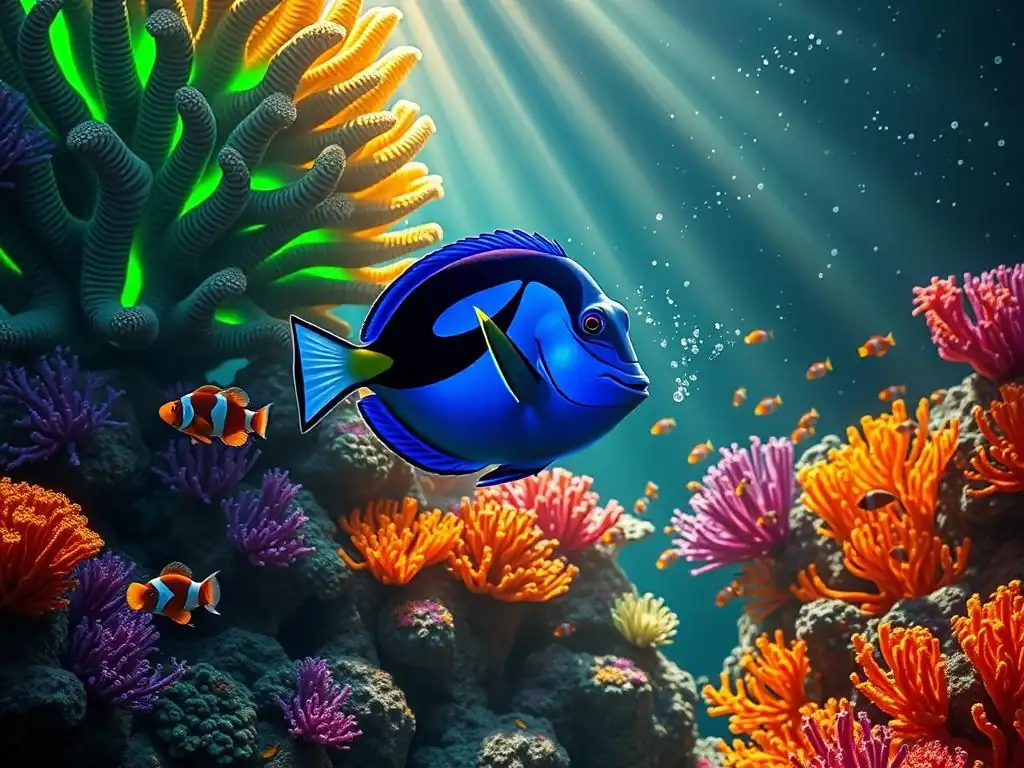
Welcome to Aquarium Mastery!
Ever wondered about the secret ingredient behind the stunning transformations of saltwater fish? Dive deep with us as we uncover the fascinating role of thyroid hormones in their metamorphosis. Prepare to be amazed by the intricate dance of nature, and discover how this crucial process impacts the health and well-being of your finned friends! Intrigued? Let's explore the science behind the sparkle...
- Understanding Metamorphosis in Saltwater Fish
- The Endocrine System and Saltwater Fish Development
- Thyroid Hormones and Saltwater Fish Metamorphosis: A Closer Look
- Factors Affecting Thyroid Hormone Levels During Saltwater Fish Metamorphosis
- Identifying and Addressing Thyroid-Related Issues in Saltwater Fish Metamorphosis
- Optimizing Saltwater Fish Metamorphosis Through Thyroid Hormone Management
- The Future of Thyroid Hormone Research in Saltwater Fish Aquaculture
- Conclusion: The Indispensable Role of Thyroid Hormones in Saltwater Fish Metamorphosis
-
Frequently Asked Questions
- What is metamorphosis in the context of saltwater fish?
- Why are thyroid hormones important for saltwater fish metamorphosis?
- How does the Aquarium Mastery website help me understand this process?
- What are some common issues related to thyroid hormone imbalances during metamorphosis in a saltwater aquarium?
- Where can I find more information about specific saltwater fish and their metamorphic processes on AquariumMastery.com?
- Final Reflection: Unveiling the Power Within
- Unlock the Secrets of Fish Transformation!
Understanding Metamorphosis in Saltwater Fish
What is Metamorphosis in Marine Fish?
Metamorphosis in marine fish refers to a profound and often dramatic biological process during which a larval fish undergoes significant morphological, physiological, and behavioral transformations to transition into its juvenile form. Unlike simple growth, this process involves a complex series of coordinated changes, including the remodeling of tissues and organs, adaptation to new habitats, and shifts in diet and locomotion. This critical life stage is essential for the survival and successful recruitment of many marine species, enabling them to occupy different ecological niches from their larval counterparts.
A classic example illustrating this dramatic change is seen in flatfish, such as flounders or soles. Their larvae are symmetrical and pelagic, swimming upright in the water column with eyes on either side of their head. During metamorphosis, one eye migrates across the top of the head to join the other on one side, and the fish's body flattens, adapting it for a benthic, bottom-dwelling lifestyle. This intricate transformation highlights the complexity and necessity of metamorphosis for species-specific adaptations and long-term survival in diverse marine environments.
Stages of Saltwater Fish Metamorphosis: From Larva to Juvenile
The journey of a saltwater fish from a free-swimming larva to a recognizable juvenile typically unfolds through several distinct stages, each marked by specific developmental milestones. Initially, the larval stage begins with the yolk-sac larva, relying on its yolk reserves, followed by pre-flexion, flexion, and post-flexion stages characterized by the development and ossification of the notochord and fin rays. The metamorphic climax, often the most vulnerable period, involves rapid and extensive remodeling.
During the metamorphic climax, significant changes occur: fins develop or remodel, the digestive system matures to handle a new diet, pigmentation patterns shift for camouflage in a new habitat, and crucial organs like the swim bladder may undergo final inflation. For instance, clownfish larvae typically undergo metamorphosis around 9-12 days post-hatch, transitioning from transparent, pelagic larvae to brightly colored juveniles seeking anemone hosts. This period is highly energy-intensive and susceptible to environmental stressors, making it a critical bottleneck in marine fish aquaculture.
Importance of Successful Metamorphosis for Saltwater Fish Breeding
Successful saltwater fish metamorphosis thyroid regulation is paramount for the viability and productivity of marine aquaculture and conservation breeding programs. The metamorphic period is frequently associated with extremely high mortality rates in hatchery settings, often exceeding 80-90% in some commercially valuable species like groupers or snappers if environmental and nutritional conditions are not precisely managed. This high attrition significantly impacts the number of juveniles available for grow-out.
Overcoming the challenges of metamorphosis is a key hurdle in closing the life cycle of many marine species in captivity. A synchronized and robust metamorphic transition directly translates into higher survival rates, healthier juveniles, and ultimately, a more efficient and profitable aquaculture operation. For endangered species, understanding and facilitating successful metamorphosis is crucial for reintroduction programs, ensuring that hatchery-reared fish are well-equipped to survive in their natural habitats.
The Endocrine System and Saltwater Fish Development
Introduction to Thyroid Hormones in Fish Physiology
The endocrine system, a network of glands that produce and secrete hormones, plays a fundamental role in regulating virtually all physiological processes in fish, from growth and reproduction to stress responses and osmoregulation. Among these hormones, thyroid hormones stand out as crucial orchestrators of development, metabolism, and growth, particularly during early life stages. Unlike mammals, where the thyroid gland is a compact organ, in most teleost fish, thyroid tissue consists of diffuse follicles scattered around the ventral aorta and kidney.
These hormones exert their effects by binding to specific receptors within target cells, influencing gene expression and cellular activity. For instance, thyroid hormones can influence metabolic rates by up to 30% in some fish species, directly affecting energy utilization and growth efficiency. Their widespread influence makes them indispensable for the complex developmental programs that characterize fish life cycles, especially the dramatic transformation observed in saltwater fish metamorphosis thyroid pathways.
Key Thyroid Hormones Involved in Saltwater Fish Development: T3 and T4
The two primary thyroid hormones involved in fish development are thyroxine (T4) and triiodothyronine (T3). T4 is the predominant hormone secreted by the thyroid follicles, circulating in the bloodstream in higher concentrations. However, T3 is generally considered the more biologically active form, often binding to thyroid hormone receptors with significantly higher affinity. The conversion of T4 to T3, primarily occurring in peripheral tissues through deiodinase enzymes, is a critical step in regulating thyroid hormone action.
This conversion mechanism allows for fine-tuning of hormonal activity at the tissue level, ensuring that the appropriate amount of active hormone is available for specific developmental processes. In many fish, T3 is typically 5-10 times more potent than T4 at the cellular receptor level, highlighting the importance of this enzymatic conversion for the precise timing and execution of developmental events, including the intricate processes of saltwater fish metamorphosis thyroid regulation.
Thyroid Hormone Regulation in Saltwater Environments
The regulation of thyroid hormone levels in fish is governed by a complex neuroendocrine axis known as the hypothalamic-pituitary-thyroid (HPT) axis, which is highly responsive to both internal physiological states and external environmental cues. The hypothalamus secretes thyrotropin-releasing hormone (TRH), which stimulates the pituitary to release thyroid-stimulating hormone (TSH), in turn prompting the thyroid follicles to produce T3 and T4. This axis is subject to feedback inhibition by circulating thyroid hormones.
Environmental factors profoundly influence this regulatory axis. For example, temperature can directly affect the rate of hormone synthesis, release, and metabolism, with warmer temperatures generally accelerating these processes within optimal ranges. Salinity changes, particularly during migratory phases like smoltification in salmon, can also significantly alter circulating T3 and T4 levels, often leading to an initial surge in T4 as fish adapt to new osmotic challenges. This dynamic regulation ensures that thyroid hormone levels are precisely adjusted to meet the demands of development and adaptation in diverse saltwater environments.
Thyroid Hormones and Saltwater Fish Metamorphosis: A Closer Look
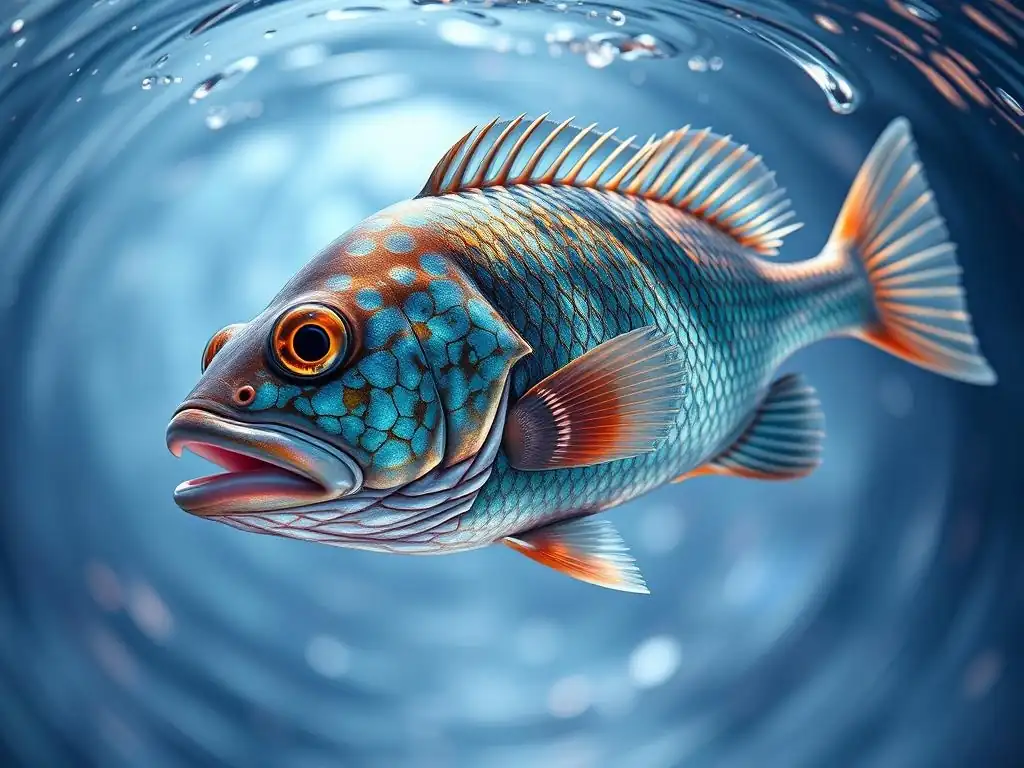
The Crucial Role of Thyroid Hormones in Saltwater Fish Larval Development
Thyroid hormones are indispensable for initiating and orchestrating the complex sequence of events that constitute saltwater fish metamorphosis thyroid activity. Their role is so critical that a surge in circulating thyroid hormone levels, particularly T3, is often observed immediately preceding or during the metamorphic climax in many marine fish species. This hormonal surge acts as a master switch, triggering a cascade of gene expression changes that drive the dramatic morphological and physiological transformations.
Without adequate thyroid hormone signaling, metamorphosis can be delayed, incomplete, or entirely arrested, leading to developmental deformities and high mortality rates. For instance, in the Japanese flounder ( Paralichthys olivaceus), plasma T3 and T4 levels can increase by 10-fold or more during the peak metamorphic period, correlating directly with the onset of eye migration and fin development. This strong correlation underscores their role as the primary endocrine drivers of this critical developmental transition.
Specific Physiological Changes Triggered by Thyroid Hormones During Metamorphosis
The influence of thyroid hormones during metamorphosis is pervasive, affecting nearly every organ system and tissue. These hormones are responsible for triggering a wide array of specific physiological changes, including crucial skeletal remodeling, such as the dramatic eye migration seen in flatfish. They also drive the maturation of the digestive system, enabling larvae to transition from a diet of live zooplankton to more complex feeds, a vital step for aquaculture.
Furthermore, thyroid hormones are essential for the development of the swim bladder, ensuring proper buoyancy control, and for the intricate changes in pigmentation that provide camouflage in the juvenile's new habitat. In European sea bass ( Dicentrarchus labrax), thyroid hormones are critical for the development of the definitive digestive tract, including the acquisition of specific digestive enzyme activities, which is essential for transitioning from live prey to formulated feeds. Their widespread effects underscore their central role in preparing the fish for its juvenile life.
Case Studies: Thyroid Hormone Influence on Flounder Metamorphosis
Flounder species provide some of the most compelling case studies demonstrating the profound influence of thyroid hormones on saltwater fish metamorphosis thyroid processes. The remarkable transformation of a symmetrical, pelagic flounder larva into an asymmetrical, benthic juvenile, complete with eye migration, is unequivocally dependent on thyroid hormone signaling. Research has shown that manipulating thyroid hormone levels can directly control the timing and success of this metamorphosis.
For example, administering exogenous T3 (e.g., at concentrations of 10^-8 M) to pre-metamorphic Japanese flounder larvae can induce complete metamorphosis several days earlier than control groups, demonstrating a direct causal link. Conversely, the application of antithyroid drugs, such as thiourea (at concentrations around 10^-4 M), can completely block metamorphosis, resulting in permanently larval-like fish. These controlled experiments unequivocally prove the indispensable role of thyroid hormones in guiding the complex developmental program of flounder metamorphosis.
Factors Affecting Thyroid Hormone Levels During Saltwater Fish Metamorphosis
Environmental Factors: Temperature, Salinity, and Light
The delicate balance of thyroid hormone levels during saltwater fish metamorphosis thyroid processes is significantly influenced by key environmental parameters, including temperature, salinity, and light. Water temperature directly impacts metabolic rates and enzyme activity, influencing the synthesis, release, and degradation of thyroid hormones. Optimal temperatures typically accelerate the metamorphic process by supporting robust thyroid function, while deviations can delay or hinder it. For instance, for clownfish larvae, optimal water temperatures between 26-28°C generally support robust thyroid function and successful metamorphosis.
Salinity also plays a crucial role, as the process of osmoregulation is energetically demanding and can interact with the endocrine system. Changes in salinity can induce stress responses that indirectly affect thyroid hormone secretion. Light, particularly photoperiod, can influence circadian rhythms and the neuroendocrine axis, thereby modulating thyroid hormone levels. Sustained temperatures below 24°C, for example, can delay metamorphosis in clownfish, highlighting the critical need for precise environmental control in larval rearing.
Nutritional Impacts on Thyroid Hormone Production in Saltwater Fish Larvae
Adequate nutrition is paramount for the proper functioning of the thyroid axis and successful saltwater fish metamorphosis thyroid processes. Larval fish are highly dependent on their diet for essential nutrients required for hormone synthesis and overall development. Deficiencies in critical components, such as iodine, specific amino acids, and highly unsaturated fatty acids (HUFA), can severely impair thyroid hormone production and action.
Live feeds, such as rotifers and artemia, are staples in marine larval rearing, but their nutritional value must be carefully managed through enrichment. Live feeds, when enriched with HUFA and specific vitamins, significantly improve larval survival rates, partly by supporting proper endocrine function, including thyroid hormone synthesis. Larvae fed unenriched diets can show signs of thyroid dysfunction, leading to delayed or abnormal metamorphosis and increased mortality. Therefore, a nutritionally complete diet is a cornerstone for healthy larval development.
The Role of Iodine in Thyroid Hormone Synthesis for Marine Fish
Iodine is an absolutely essential trace element for the synthesis of thyroid hormones, as it is a fundamental component of both T3 and T4 molecules. Without sufficient iodine, the thyroid gland cannot produce these vital hormones, leading to impaired thyroid function and developmental abnormalities. Marine fish typically obtain iodine from both their diet and the surrounding seawater.
While marine waters generally contain sufficient iodine (approximately 50-60 micrograms per liter), which can be absorbed directly through the gills, iodine deficiency can still occur in closed aquaculture systems. In such recirculating systems, iodine can become depleted over time due to filtration processes and uptake by organisms. In these cases, dietary supplementation or direct water treatment with iodine may be necessary to maintain optimal levels for thyroid health, ensuring that the saltwater fish metamorphosis thyroid pathway functions correctly and prevents conditions like goiter or arrested development.
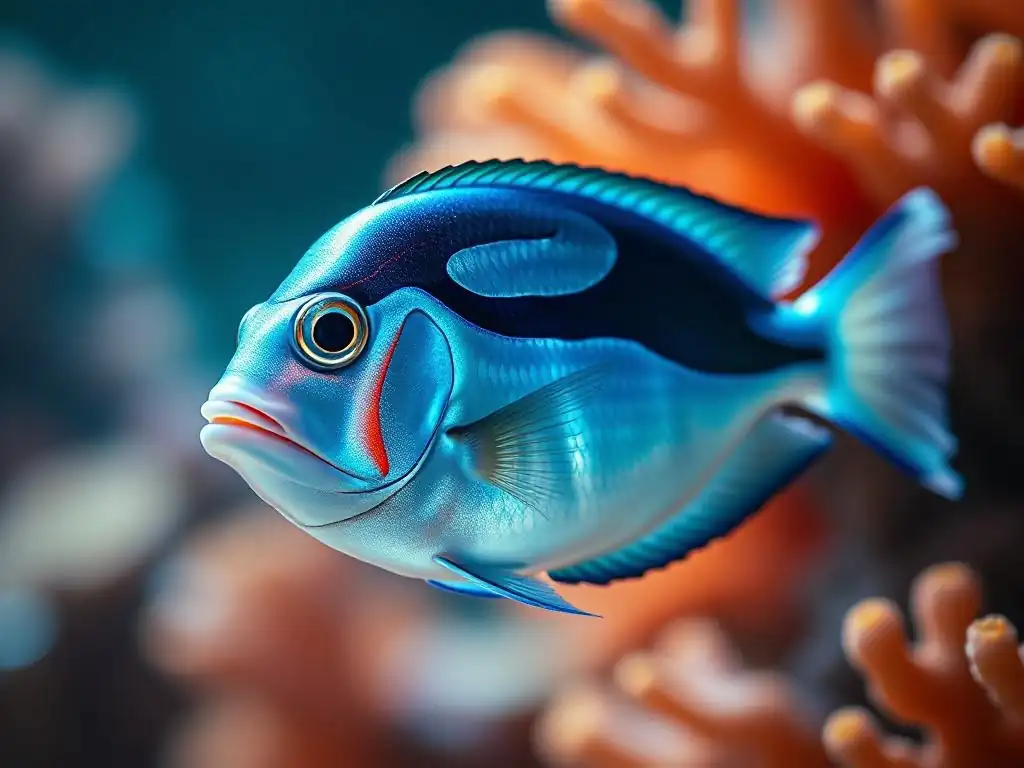
Symptoms of Thyroid Hormone Deficiency During Saltwater Fish Development
Recognizing the signs of thyroid hormone deficiency is crucial for timely intervention in saltwater fish metamorphosis thyroid challenges. The most prominent symptom is often delayed or arrested metamorphosis, where larvae fail to progress through their developmental milestones at the expected rate. Other observable signs include abnormal development, such as incomplete eye migration in flatfish, malformed fins, or skeletal deformities.
Larvae suffering from thyroid insufficiency may also exhibit reduced growth rates compared to their healthy counterparts, appearing stunted. Abnormal pigmentation patterns or a persistent larval appearance can also indicate issues. For example, larval yellowtail kingfish ( Seriola lalandi) exhibiting thyroid hormone deficiency might show a 30-40% reduction in growth rate compared to healthy counterparts, coupled with a significantly prolonged larval stage beyond their typical 25-day metamorphosis period. Ultimately, these deficiencies often lead to significantly increased mortality rates during the critical metamorphic period.
Diagnosis and Treatment Options for Thyroid Imbalances in Marine Fish Larvae
Diagnosing thyroid imbalances in marine fish larvae can be challenging due to their small size and the diffuse nature of their thyroid tissue. Traditional methods include histological examination of thyroid follicles for signs of hyperplasia (goiter) or reduced activity. More advanced techniques involve hormone assays, such as radioimmunoassay (RIA) or enzyme-linked immunosorbent assay (ELISA), though these often require pooling samples from numerous larvae to obtain sufficient material. Observation of the characteristic symptoms, combined with environmental analysis, usually provides the initial indication.
Treatment options for confirmed thyroid deficiencies primarily involve supplementing the missing hormones or their precursors. Exogenous thyroid hormone application, typically through immersion baths with T3 or T4, can effectively induce or accelerate metamorphosis. For instance, immersion baths with T3 at concentrations as low as 10^-9 M for 24-48 hours have been successfully used to rescue delayed metamorphosis in several marine species, including sole and seabass. Alternatively, ensuring adequate iodine supplementation in the diet or rearing water can address deficiencies in hormone synthesis. Optimizing environmental conditions (temperature, salinity, light) also supports the endogenous thyroid system.
Proactive prevention is the most effective strategy for mitigating thyroid-related issues during saltwater fish metamorphosis thyroid in breeding programs. A cornerstone of prevention is ensuring that both broodstock and larvae receive a nutritionally complete diet, with particular attention to adequate iodine levels. Broodstock conditioning with iodine-rich feeds can improve egg quality and larval vitality.
Maintaining optimal and stable environmental parameters throughout the larval rearing period is also critical. This includes precise control over temperature, salinity, and light cycles, as these factors directly influence the HPT axis. Furthermore, providing high-quality, nutritionally enriched live feeds (rotifers, artemia) is essential, as these are the primary source of nutrients for many larval stages.
Implementing a robust live feed enrichment protocol, ensuring rotifers and artemia are fed a diet rich in iodine and HUFAs, has been shown to reduce larval deformities and improve survival rates by 15-20% in some commercial marine fish hatcheries. Regular monitoring of larval development and swift adjustments to rearing conditions can help prevent widespread problems.
Optimizing Saltwater Fish Metamorphosis Through Thyroid Hormone Management
Strategies to Enhance Thyroid Hormone Activity in Saltwater Fish Larvae
Optimizing saltwater fish metamorphosis thyroid activity in larval rearing involves a multi-faceted approach, primarily focusing on creating ideal conditions that naturally support the endogenous thyroid system. The most effective strategy is to maintain consistent and species-appropriate environmental parameters, including stable water temperature, optimal salinity, and a suitable photoperiod.
These factors directly influence the efficiency of the hypothalamic-pituitary-thyroid axis, promoting robust hormone synthesis and release. For instance, maintaining consistent water temperatures within a species' optimal range (e.g., 27°C for clownfish) can significantly enhance the efficiency of their thyroid axis, leading to a more synchronized and successful metamorphic process across the larval batch.
Beyond environmental control, providing superior nutrition is paramount. This includes ensuring that live feeds (rotifers, artemia) are highly enriched with essential nutrients, particularly iodine, highly unsaturated fatty acids (HUFA), and specific vitamins, which are all precursors or cofactors for thyroid hormone synthesis and action. Minimizing stress through gentle handling, appropriate stocking densities, and excellent water quality management also contributes to a healthier endocrine system, allowing larvae to allocate energy towards development rather than stress responses.
The Use of Thyroid Hormone Supplements in Saltwater Fish Culture: Benefits and Risks
The direct application of exogenous thyroid hormones, typically T3 or T4, can be a powerful tool for managing saltwater fish metamorphosis thyroid in aquaculture, offering both significant benefits and potential risks. Benefits include the ability to accelerate metamorphosis, synchronize development across a larval batch, and potentially improve survival rates by shortening the vulnerable larval period. For some species, this can reduce the grow-out period by up to 25%.
However, the risks associated with hormone supplementation are considerable. Overdosing can lead to severe deformities, premature metamorphosis resulting in stunted or non-viable juveniles, and general physiological stress. For example, while T3 supplementation can reduce the metamorphic period in some species by up to 25%, excessive dosages (e.g., above 10^-7 M) can lead to skeletal deformities or premature metamorphosis, resulting in stunted or non-viable juveniles.
There are also ethical considerations and potential regulatory hurdles, particularly for fish intended for human consumption, which may restrict or prohibit the use of such supplements. Careful titration and monitoring are essential to harness benefits while mitigating risks.
Monitoring Thyroid Hormone Levels in Saltwater Fish Larval Rearing Systems
Effective management of saltwater fish metamorphosis thyroid processes requires some form of monitoring, although directly measuring thyroid hormone levels in individual marine fish larvae presents significant challenges due to their minute size and the very low concentrations of hormones. Specialized techniques like radioimmunoassay (RIA) or enzyme-linked immunosorbent assay (ELISA) can be employed, but these often necessitate pooling samples from numerous larvae (e.g., 50-100 larvae per sample) to obtain detectable levels, typically in the picomolar range.
Given these analytical difficulties, aquaculturists often rely on indirect monitoring methods. These include meticulously tracking developmental milestones (e.g., timing of eye migration, fin development, swim bladder inflation), observing growth rates, and assessing the overall health and uniformity of the larval population. Any significant deviation from expected developmental trajectories can serve as an indicator of potential thyroid imbalance, prompting a review of environmental conditions and nutritional protocols. Advancements in non-invasive or micro-sampling techniques are continuously being sought to improve the precision of larval endocrine monitoring.
The Future of Thyroid Hormone Research in Saltwater Fish Aquaculture
Emerging Research on Thyroid Hormone Signaling Pathways in Marine Fish
The field of saltwater fish metamorphosis thyroid research is rapidly evolving, with significant advancements being made in understanding the intricate signaling pathways governed by thyroid hormones in marine fish. Emerging research utilizes advanced molecular techniques, such as RNA sequencing (RNA-seq) and quantitative polymerase chain reaction (qPCR), to identify the specific genes whose expression is regulated by thyroid hormones during metamorphosis. This transcriptomic approach allows researchers to map the complex genetic networks that underpin developmental transformations.
Studies are also delving into the diversity and function of thyroid hormone receptors in different tissues and at various developmental stages, revealing how subtle changes in receptor expression can fine-tune the hormonal response. Furthermore, epigenetic regulation, which involves changes in gene expression without altering the DNA sequence, is an area of growing interest, exploring how environmental factors might influence thyroid hormone action through epigenetic modifications. Recent transcriptomic studies in Atlantic cod larvae, for example, have identified over 50 genes whose expression levels are significantly altered by thyroid hormone treatment, including genes related to skeletal development, vision, and digestive function.
Potential Applications of Thyroid Hormone Manipulation in Saltwater Fish Breeding
The deepening understanding of saltwater fish metamorphosis thyroid mechanisms holds immense potential for future applications in aquaculture. Precision control over metamorphosis timing and synchronization could lead to significant improvements in hatchery efficiency, increasing the yield of viable juveniles and reducing production costs. The ability to induce a more uniform metamorphic transition could also simplify rearing protocols and minimize labor.
Beyond simply optimizing existing practices, future applications might include the development of "designer fish" with enhanced traits. By subtly manipulating thyroid hormone signaling during early life stages, it may be possible to influence traits such as faster growth rates, improved disease resistance, or better feed conversion efficiency in the juvenile and adult stages.
For conservation breeding, precise thyroid hormone manipulation could be crucial for improving the success rates of rearing endangered marine species, ensuring robust juveniles are available for reintroduction programs. The ability to precisely time metamorphosis could reduce the grow-out period for some aquaculture species by 5-10%, leading to significant economic benefits by shortening production cycles and optimizing tank space utilization.
Ethical Considerations for Thyroid Hormone Use in Aquaculture
As research into saltwater fish metamorphosis thyroid manipulation advances, it inevitably brings forth important ethical considerations that must be carefully addressed. The welfare implications of directly administering hormones or altering their natural regulation are a primary concern. Potential risks include inducing physiological stress, causing developmental deformities if dosages are not precisely controlled, or altering the natural behaviors and long-term health of the fish.
Consumer perception and market acceptance are also significant factors. Public sentiment regarding the use of hormones in food animals can be sensitive, and transparency about aquaculture practices is crucial for maintaining consumer trust. While a specific percentage is hard to quantify, surveys indicate that a significant portion of consumers (potentially 60-70% in some markets) express concerns about hormone use in aquaculture products, influencing market demand and regulatory scrutiny.
Furthermore, robust regulatory frameworks are necessary to govern the responsible and safe use of thyroid hormones in aquaculture, ensuring environmental sustainability and preventing unintended ecological impacts from treated fish entering natural ecosystems. These ethical considerations will shape the practical implementation of future thyroid hormone applications.
Conclusion: The Indispensable Role of Thyroid Hormones in Saltwater Fish Metamorphosis
Frequently Asked Questions
What is metamorphosis in the context of saltwater fish?
Metamorphosis is a biological process where a saltwater fish undergoes significant physical and physiological changes after hatching. This transformation prepares them for their adult life in the ocean.
Why are thyroid hormones important for saltwater fish metamorphosis?
Thyroid hormones, specifically T3 and T4, are crucial regulators of metamorphosis. They influence gene expression and cellular differentiation, driving the development of adult characteristics.
How does the Aquarium Mastery website help me understand this process?
Aquarium Mastery provides resources on understanding the specific needs of different saltwater fish species. This includes knowing the expected developmental stages and potential issues during metamorphosis.
Imbalances can lead to developmental abnormalities, such as incomplete fin formation or stunted growth. Poor water quality can exacerbate these issues, making careful monitoring essential.
Where can I find more information about specific saltwater fish and their metamorphic processes on AquariumMastery.com?
You can find detailed information in the species profiles section, which often includes specific details about their larval stages and metamorphic changes. The troubleshooting guides also offer solutions to common developmental problems.
Final Reflection: Unveiling the Power Within
The intricate dance of saltwater fish metamorphosis, orchestrated in no small part by thyroid hormones, is far more than just an academic curiosity; it's a window into the fundamental processes of life and adaptation. Understanding these hormonal signals, as we've explored, is crucial not only for advancing our knowledge of marine biology but also for addressing the challenges facing our oceans and the creatures that inhabit them. The delicate balance of these systems underscores the interconnectedness of life and the potential consequences of environmental disruption.
This exploration into the hidden role of thyroid hormones has profoundly shaped my understanding of the ocean's fragility. Witnessing how these tiny molecules wield such immense power over the development of entire organisms highlights the importance of preserving the delicate ecosystems that support them. In every walk with nature one receives far more than he seeks.
- John Muir. This quote resonates deeply, reminding us that the more we understand the natural world, the more we appreciate its complexity and the more compelled we are to protect it.
Now, consider the implications of this knowledge. How can you contribute to a future where the wonders of saltwater fish metamorphosis continue to unfold, undisturbed by human impact? Let us all strive to be mindful stewards of our oceans, advocating for responsible practices and supporting research that deepens our understanding of these vital ecosystems. The future of these incredible creatures, and indeed the health of our planet, depends on our collective action.
Unlock the Secrets of Fish Transformation!
Thank you for diving deep into the fascinating world of thyroid hormones and fish metamorphosis! Now that you understand this crucial process, it’s time to take action and expand your aquarium knowledge.
Here are some steps you can take to further explore this topic:
- Commit to researching the specific metamorphosis process of a saltwater fish species you find interesting. Document your findings and share them with fellow aquarium enthusiasts.
- Delve into academic papers on fish endocrinology to broaden your understanding of hormonal influences.
- Share this article with your aquarium community to spark discussion and learn from others' experiences.
What specific saltwater fish species are you most curious about now, and what questions do you hope to answer through further research?