
Dwarf Sagittaria: The Perfect LowMaintenance Rosette Carpet?

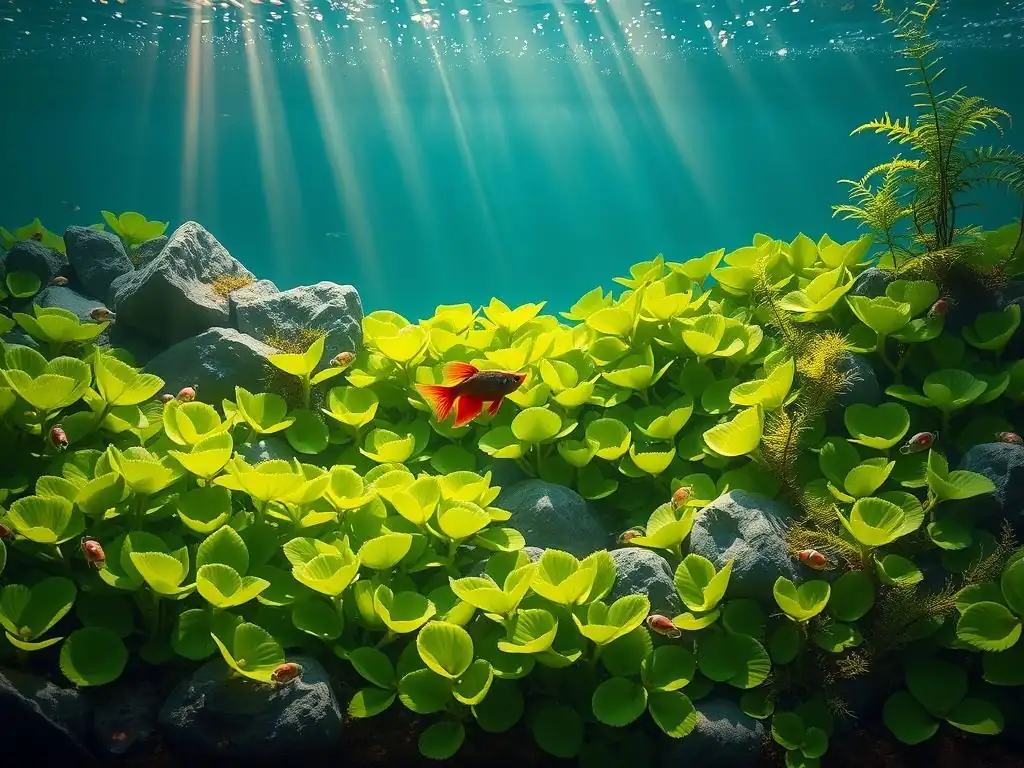
Welcome to Aquarium Mastery, where we unlock the secrets to thriving underwater worlds! Ever dreamed of a lush, vibrant carpet in your aquarium without endless fuss? In this article, we'll dive deep into the world of Lowmaintenance dwarf sagittaria care, revealing how this adaptable plant can transform your tank. Intrigued? Keep reading to discover if this is the perfect rosette carpet solution for your aquarium!
- Sagittaria Subulata: A Beginner-Friendly Carpeting Plant for Aquariums
- Introduction to Sagittaria Subulata
- The Benefits of Using Sagittaria Subulata in Your Freshwater Aquarium
- Planting and Establishing Sagittaria Subulata in Your Aquarium
- Sagittaria Subulata Care Guide: Achieving a Thriving Aquarium Carpet
- Propagating Sagittaria Subulata: Expanding Your Aquarium Carpet
- Common Issues and Troubleshooting Sagittaria Subulata Problems
- Sagittaria Subulata vs. Other Carpeting Plants: A Comparison
- Sagittaria Subulata and Aquarium Inhabitants: Compatibility and Considerations
- Maintaining a Healthy and Vibrant Sagittaria Subulata Carpet: Long-Term Care Tips
- Conclusion: Embracing the Beauty and Simplicity of Sagittaria Subulata
- Frequently Asked Questions
- Final Reflection: Cultivating Simplicity in Aquascaping
- Unveil Your Dream Aquarium Today!
Sagittaria Subulata: A Beginner-Friendly Carpeting Plant for Aquariums
Introduction to Sagittaria Subulata
What is Sagittaria Subulata and Why Choose It?
Sagittaria subulata, commonly known as Dwarf Sagittaria or Dwarf Sag, is a popular aquatic plant highly valued by aquarists for its versatility and ease of care. Native to North and South America, this plant belongs to the Alismataceae family and is known for its grass-like, linear leaves that typically grow upright but can also spread horizontally to form a dense carpet under optimal conditions. Its natural growth pattern involves sending out runners, allowing it to colonize the substrate effectively, making it an excellent choice for creating a lush, green foreground or midground in freshwater aquariums.
Choosing Sagittaria subulata is particularly appealing for those seeking a low-maintenance dwarf sagittaria care solution for their planted tank. Unlike many other carpeting plants that demand high light, CO2 injection, and precise nutrient dosing, Dwarf Sagittaria is remarkably adaptable to a wide range of aquarium conditions. This resilience makes it an ideal candidate for beginners venturing into planted aquariums, as it forgives minor fluctuations in water parameters and still thrives, providing an attractive and natural aesthetic with minimal effort.
Quick Stats: Understanding Sagittaria Subulata's Key Characteristics
Sagittaria subulata exhibits a set of characteristics that contribute to its popularity and ease of maintenance in an aquarium setting. It typically grows to a height of about 2 to 6 inches (5 to 15 cm), though some varieties or conditions can lead to taller growth, occasionally reaching up to 12 inches (30 cm) if not trimmed. Its leaves are narrow, linear, and bright to dark green, providing a fine-textured appearance that contrasts well with broader-leaved plants.
The plant's growth rate is moderate to fast, especially when provided with good lighting and a nutrient-rich substrate, allowing it to quickly establish a carpet. It thrives in a wide temperature range, ideally between 68-82°F (20-28°C), and can tolerate a pH range of 6.0-8.0, demonstrating its robust nature. While it can adapt to low to medium lighting, brighter conditions encourage denser, more compact growth, which is desirable for carpeting. Understanding these quick stats is fundamental for successful low-maintenance dwarf sagittaria care.
The Benefits of Using Sagittaria Subulata in Your Freshwater Aquarium
Creating a Lush Aquarium Carpet with Sagittaria Subulata
Sagittaria subulata excels at forming a vibrant, green carpet across the aquarium substrate, mimicking natural aquatic landscapes. Its ability to propagate rapidly through runners means that a few initial plants can quickly spread to cover a significant area, transforming a bare tank bottom into a dense, visually appealing foreground. This carpeting effect not only enhances the aesthetic appeal of the aquarium but also provides a more natural environment for fish and invertebrates.
The dense growth of a Sagittaria subulata carpet offers numerous benefits beyond aesthetics. It provides excellent hiding spots and foraging grounds for small fish, fry, and bottom-dwelling invertebrates like shrimp, significantly reducing stress and encouraging natural behaviors. For instance, a school of pygmy corydoras might feel more secure foraging among the dense blades, and cherry shrimp will find ample surface area for grazing biofilm, demonstrating the plant's practical value in creating a thriving ecosystem.
Sagittaria Subulata's Role in Aquarium Ecosystem Health: Oxygenation and Nutrient Absorption
Beyond its ornamental value, Sagittaria subulata plays a crucial role in maintaining a healthy and balanced aquarium ecosystem. Like all aquatic plants, it performs photosynthesis, absorbing carbon dioxide (CO2) from the water and releasing oxygen (O2) as a byproduct. This oxygenation is vital for the respiration of fish and beneficial bacteria, contributing to a more stable and oxygen-rich environment, especially important in heavily stocked tanks or those with limited surface agitation.
Furthermore, Sagittaria subulata is an effective nutrient absorber, drawing excess nitrates, phosphates, and other dissolved organic compounds from the water column and substrate. This active nutrient uptake helps to prevent algae outbreaks, which often thrive on the same excess nutrients. For example, a well-established carpet of Dwarf Sagittaria can significantly reduce nitrate levels, making water changes less frequent and contributing to overall water quality stability, which is a cornerstone of effective low-maintenance dwarf sagittaria care.
Low-Maintenance Appeal: Why Sagittaria Subulata is Perfect for Busy Aquarists
The primary reason many aquarists, especially those with demanding schedules, choose Sagittaria subulata is its remarkably low-maintenance nature. Unlike high-tech carpeting plants such as Hemianthus callitrichoides 'Cuba' (HC Cuba) or Glossostigma elatinoides, Dwarf Sagittaria does not strictly require high-intensity lighting, CO2 injection, or a complex fertilization regimen to thrive. It can adapt and grow well under moderate lighting and without supplemental CO2, although these additions will certainly accelerate its growth and density.
This adaptability translates into less time spent on trimming, dosing, and troubleshooting common plant issues, making low-maintenance dwarf sagittaria care a reality. For instance, an aquarist with a 20-gallon long tank dedicated to a Betta and a few Otocinclus catfish can achieve a beautiful green carpet with Dwarf Sagittaria using just a standard LED light and occasional liquid fertilizer, without the need for an expensive CO2 system.
This simplicity allows busy individuals to enjoy the beauty and benefits of a planted tank without the overwhelming commitment, making it an ideal choice for both novices and seasoned aquarists seeking an easy-care solution.
Planting and Establishing Sagittaria Subulata in Your Aquarium
Choosing the Right Substrate for Optimal Sagittaria Subulata Growth
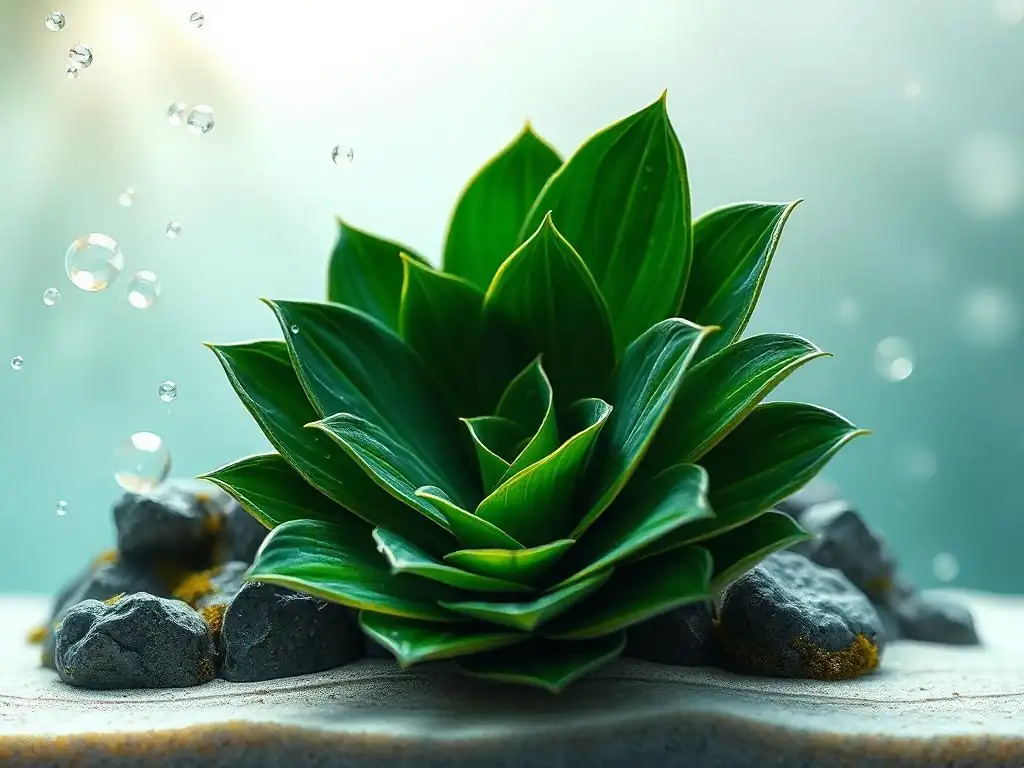
The substrate choice is paramount for the successful establishment and long-term health of Sagittaria subulata. As a root-feeding plant, it benefits significantly from a nutrient-rich substrate that provides a steady supply of essential minerals directly to its root system. Inert substrates like standard aquarium gravel can work, but they will require regular supplementation with root tabs to ensure the plant receives adequate nutrition. A substrate depth of at least 2-3 inches (5-7.5 cm) is recommended to allow the roots to anchor firmly and spread.
For optimal growth, an active substrate such as aquasoil (e.g., ADA Aqua Soil, Fluval Stratum) is highly recommended. These substrates are specifically designed for planted aquariums, providing a rich source of nutrients and excellent cation exchange capacity, which helps regulate pH and nutrient availability. For instance, in a 10-gallon planted tank, using 10-15 pounds of aquasoil can provide a fantastic foundation for a thriving Sagittaria subulata carpet, promoting vigorous root development and robust plant growth from the outset.
Planting Techniques: Individual Plants vs. Bunch Planting
When planting Sagittaria subulata, aquarists have two primary techniques: planting individual plantlets or planting small bunches. For creating a dense carpet, planting individual plantlets is generally more effective, though it requires more time and patience initially. Each plantlet, typically separated from a larger clump or runner, should be planted about 1-2 inches (2.5-5 cm) apart. This spacing allows each plant sufficient room to establish its root system and send out new runners without immediate overcrowding.
Alternatively, planting small bunches of 2-3 plantlets together can speed up the initial visual impact, but it may lead to slower carpet formation as the plants compete more for light and nutrients. When planting, use long tweezers to gently push the roots into the substrate, ensuring the crown (where the leaves meet the roots) remains just above the substrate surface to prevent rot. For a 20-gallon tank aiming for a full carpet, roughly 30-50 individual plantlets might be needed to achieve a dense effect within a few months, demonstrating the commitment to initial setup for rapid carpeting.
Initial Care: Ensuring Successful Establishment of Your Sagittaria Subulata Carpet
After planting Sagittaria subulata, consistent initial care is crucial for successful establishment and the development of a healthy carpet. During the first few weeks, maintaining stable water parameters and providing consistent, moderate lighting are key. Avoid drastic changes in water chemistry or temperature, which can stress newly planted specimens. A photoperiod of 6-8 hours daily is usually sufficient to encourage growth without promoting excessive algae.
It's also beneficial to introduce a mild liquid fertilizer that includes micronutrients, even if using a nutrient-rich substrate, to provide immediate accessible nutrients while the root systems develop. For instance, a weekly dose of an all-in-one liquid fertilizer at half the recommended strength can significantly aid in the plant's initial adaptation. Regular, small water changes (e.g., 20-25% weekly) will also help maintain water quality and replenish any depleted trace elements, contributing to robust growth and ensuring the foundation for excellent low-maintenance dwarf sagittaria care.
Sagittaria Subulata Care Guide: Achieving a Thriving Aquarium Carpet
Lighting Requirements for Healthy Sagittaria Subulata Growth
Lighting is a critical factor for cultivating a thriving Sagittaria subulata carpet. While Dwarf Sagittaria is remarkably adaptable and can survive in low light conditions (around 10-15 PAR), it will exhibit slower growth and a less dense, more upright habit. To encourage the characteristic low, spreading carpet growth, moderate lighting is ideal, typically in the range of 20-40 PAR at the substrate level. Higher light levels (above 40 PAR) can accelerate growth and density significantly, but also increase the demand for CO2 and nutrients, potentially leading to algae issues if not balanced.
For example, a common LED light fixture designed for a 20-gallon tank, offering around 20-30 PAR, can yield a beautiful, albeit slower, carpet. If aiming for a very dense, fast-growing carpet in a 40-gallon breeder tank, a more powerful LED fixture capable of delivering 30-50 PAR might be chosen, often coupled with a longer photoperiod of 8-10 hours. Understanding and adjusting lighting based on your desired growth rate and the plant's response is a key aspect of effective low-maintenance dwarf sagittaria care.
Water Parameters: Maintaining Ideal Conditions for Sagittaria Subulata
Sagittaria subulata is known for its wide tolerance of various water parameters, making it a forgiving plant for beginners. It thrives in a temperature range of 68-82°F (20-28°C), which comfortably overlaps with the ideal temperature range for most common tropical fish. A stable temperature within this range is more important than hitting a precise number, as sudden fluctuations can stress the plant.
Regarding pH and hardness, Dwarf Sagittaria prefers slightly acidic to neutral water, with a pH range of 6.0-8.0. It can tolerate a range of water hardness, from soft to moderately hard (GH 3-15 dGH, KH 3-10 dKH). For instance, in an aquarium with a pH of 7.2 and a GH of 8, Sagittaria subulata will typically thrive, demonstrating its adaptability. Regular water changes (e.g., 25% weekly) are crucial for maintaining stable parameters and replenishing essential trace elements, contributing significantly to successful low-maintenance dwarf sagittaria care.
Fertilization: Providing Essential Nutrients for Optimal Growth and Color
While Sagittaria subulata is not a demanding plant, providing adequate nutrients will significantly enhance its growth, color, and carpeting ability. As a root feeder, it primarily benefits from nutrients in the substrate. Therefore, a nutrient-rich substrate or the periodic addition of root tabs is highly recommended. Root tabs, inserted near the plant's base every 3-6 months, provide a slow release of essential macronutrients (nitrogen, phosphorus, potassium) and micronutrients (iron, manganese, zinc).
In addition to root fertilization, supplementing with a comprehensive liquid fertilizer containing trace elements can be beneficial, especially in tanks with inert substrates or those experiencing rapid growth. For example, a weekly dose of an all-in-one liquid fertilizer at the manufacturer's recommended dosage for a 30-gallon tank can ensure the plant has access to all necessary nutrients, preventing deficiencies. Common signs of nutrient deficiency include yellowing leaves (iron deficiency) or stunted growth, which can be easily remedied with proper fertilization practices, solidifying aspects of low-maintenance dwarf sagittaria care.
CO2 Injection: Is it Necessary for Sagittaria Subulata?
CO2 injection is not strictly necessary for Sagittaria subulata to survive and grow. It can thrive and even carpet successfully in low-tech setups without any supplemental CO2, relying solely on the CO2 naturally produced by fish respiration and bacterial activity. This characteristic is a major reason why it's considered a beginner-friendly and low-maintenance plant. For instance, a 15-gallon tank with moderate lighting and no CO2 can still develop a respectable Dwarf Sagittaria carpet over several months.
However, introducing CO2 injection will significantly boost its growth rate, encourage denser carpeting, and result in a more vibrant, lush appearance. With CO2, the plant can photosynthesize more efficiently, leading to faster runner production and more compact growth. In a high-tech 50-gallon setup with intense lighting and CO2 injection, a Sagittaria subulata carpet can fill out within weeks rather than months. While not a requirement for successful low-maintenance dwarf sagittaria care, CO2 can certainly elevate the plant's performance for those seeking rapid and robust growth.
Propagating Sagittaria Subulata: Expanding Your Aquarium Carpet
Understanding Sagittaria Subulata Reproduction
Sagittaria subulata primarily reproduces asexually through runners, which are horizontal stems that grow along or just beneath the substrate surface. These runners develop small plantlets at their nodes, which eventually grow roots and leaves, becoming new, independent plants. This natural propagation method is highly efficient and is the main reason why Dwarf Sagittaria is so effective at forming a dense carpet in an aquarium.
The rate at which runners are produced is directly influenced by environmental conditions, particularly light intensity, nutrient availability, and CO2 levels. Under optimal conditions, a single Sagittaria subulata plant can send out multiple runners in various directions, each producing several new plantlets. For example, a healthy mother plant in a 10-gallon tank with moderate lighting and aquasoil can produce 3-5 new plantlets per month, showcasing its prolific reproductive capabilities.
Separating and Replanting Runners: A Step-by-Step Guide
Propagating Sagittaria subulata by separating and replanting its runners is a straightforward process that allows aquarists to expand their carpet or start new sections of plants.
- Identify Healthy Runners: Look for runners extending from the mother plant with new plantlets developing along their length. These plantlets should have at least a few leaves and developing roots.
- Gently Uproot: Carefully dig around the new plantlet, ensuring you extract its roots along with a small section of the runner still attached to the mother plant. Using tweezers or small aquascaping scissors can help.
- Sever the Runner: Use sharp aquascaping scissors to cut the runner, separating the new plantlet from the mother plant. Ensure the cut is clean to minimize damage.
- Replant: Take the newly separated plantlet and gently plant its roots into the substrate in the desired location. Ensure the crown is not buried.
- Repeat: Continue this process until you have enough new plantlets for your expansion goals.
This method allows for controlled expansion and ensures that new areas of the tank can be quickly carpeted. For instance, if you have a dense patch in the center of a 29-gallon tank, you can propagate 10-15 plantlets from its runners and replant them along the front glass to extend the carpet, making effective use of your existing plants.
Creating New Plantlets: Propagating from Existing Plants
Beyond simply separating runners, you can encourage the production of new plantlets by optimizing the conditions for your existing Sagittaria subulata plants. Healthy, well-fed mother plants are more likely to send out numerous runners. Ensuring consistent moderate lighting, a nutrient-rich substrate (with root tabs refreshed every few months), and stable water parameters will maximize propagation success.
Sometimes, if a plant is growing too tall, trimming the taller leaves can encourage it to put more energy into runner production rather than vertical growth. For example, in a 5-gallon nano tank where a few Sagittaria subulata have grown to 8 inches, trimming them back to 4 inches can stimulate new basal growth and runner development, helping to maintain a low carpet. This proactive approach to care can lead to a self-sustaining population of Dwarf Sagittaria, providing an endless supply of plants for your aquascaping needs and underscoring the ease of low-maintenance dwarf sagittaria care.
Common Issues and Troubleshooting Sagittaria Subulata Problems
Identifying and Addressing Nutrient Deficiencies in Sagittaria Subulata
Even with its robust nature, Sagittaria subulata can exhibit signs of nutrient deficiencies if conditions are not optimal. One of the most common signs is yellowing or pale leaves, particularly in older growth, which often indicates an iron deficiency. If the new growth is pale or yellow, it might suggest a nitrogen deficiency. Stunted growth or very slow spreading can point to a general lack of macronutrients.
To address these issues, first ensure your substrate is nutrient-rich. If using inert gravel, regularly insert root tabs near the plant's base (e.g., every 3-4 months for a 20-gallon tank). If symptoms persist, consider adding a comprehensive liquid fertilizer that contains a full spectrum of macro and micronutrients. For example, if your Dwarf Sagittaria in a 10-gallon tank shows persistent yellowing, a weekly dose of an iron supplement or an all-in-one liquid fertilizer can often reverse the symptoms within 1-2 weeks, demonstrating the importance of proactive low-maintenance dwarf sagittaria care.
Dealing with Algae Growth on Sagittaria Subulata Leaves
Algae growth on Sagittaria subulata leaves is a common issue and usually indicates an imbalance in the aquarium, often related to excessive light, too many nutrients, or insufficient CO2. Green spot algae (small, dark green spots) typically points to low phosphates or high light. Hair algae or thread algae suggests excess nutrients (nitrates/phosphates) and/or too much light. Brown diatom algae often appears in new tanks and usually resolves itself as the tank matures.
To combat algae, first, assess your lighting schedule: a photoperiod of 6-8 hours is generally sufficient. Reduce light intensity if possible. Second, perform regular water changes (e.g., 25-30% weekly for a 30-gallon tank) to remove excess nutrients. Third, consider adding fast-growing stem plants that outcompete algae for nutrients. Finally, introduce algae-eating invertebrates like Amano shrimp (e.g., 3-5 in a 20-gallon tank) or Nerite snails, which are excellent at grazing algae from plant leaves without damaging the Sagittaria subulata itself, making them valuable allies in low-maintenance dwarf sagittaria care.
Preventing and Treating Sagittaria Subulata Melting
"Melting" in Sagittaria subulata refers to the sudden deterioration and decay of plant leaves, turning them translucent, brown, or mushy. This often occurs when the plant is introduced to a new environment (aquarium melt), due to drastic changes in water parameters, or severe nutrient deficiencies. When Dwarf Sagittaria is grown emersed (out of water) at a nursery and then submerged in an aquarium, it can experience a period of melting as it adapts to its new aquatic form.
To prevent melting, try to source plants that have already been grown submerged. When introducing new plants, ensure your aquarium parameters are stable and within the plant's preferred range. If melting occurs, don't panic. Remove any severely melted leaves to prevent them from fouling the water.
Continue with regular water changes and ensure adequate lighting and nutrients. Often, the plant will recover and send out new, adapted growth from its rhizome or runners. For example, if a batch of newly planted Dwarf Sagittaria in a 55-gallon tank experiences initial melt, maintaining stable conditions and patience will usually see new, healthy growth emerge within 2-3 weeks, showcasing the plant's resilience.
Sagittaria Subulata vs. Other Carpeting Plants: A Comparison
Sagittaria Subulata vs. Lilaeopsis Brasiliensis: Pros and Cons
Lilaeopsis brasiliensis, commonly known as Micro Sword, is another popular grass-like carpeting plant often compared to Sagittaria subulata.
- Pros of Sagittaria subulata:
- Easier Care: More forgiving of suboptimal conditions, making low-maintenance dwarf sagittaria care simpler.
- Faster Spreading: Generally propagates runners more quickly, forming a carpet faster.
- Wider Parameter Tolerance: Adapts to a broader range of lighting, CO2, and water hardness.
- Cons of Sagittaria subulata:
- Taller Growth: Can grow taller (up to 6-12 inches) than Micro Sword, requiring more frequent trimming to maintain a true "carpet."
- Pros of Lilaeopsis brasiliensis:
- Shorter Growth: Tends to stay shorter (2-4 inches), creating a more compact, lawn-like appearance without as much trimming.
- Fine Texture: Offers a finer, more delicate texture.
- Cons of Lilaeopsis brasiliensis:
- More Demanding: Prefers higher light, CO2, and nutrient-rich substrate to thrive and carpet effectively.
- Slower Spreading: Carpets at a slower rate, requiring more patience.
For a beginner with a 20-gallon low-tech tank, Sagittaria subulata would be the more reliable choice for achieving a carpet with minimal effort, whereas Lilaeopsis brasiliensis would be better suited for an aquarist willing to invest in higher light and CO2 for a finely manicured, shorter lawn in a 55-gallon Dutch-style tank.
Sagittaria Subulata vs. Echinodorus tenellus: Pros and Cons
Echinodorus tenellus, also known as Pygmy Chain Sword or Dwarf Sword, is another excellent choice for foreground carpeting, sharing some similarities with Sagittaria subulata.
- Pros of Sagittaria subulata:
- Hardier: Generally more robust and less prone to melting upon introduction.
- Faster Carpet Formation: Can spread more rapidly under good conditions.
- Broader Leaf Shape: Leaves are typically broader than E. tenellus, offering a slightly different texture.
- Cons of Sagittaria subulata:
- Potentially Taller: Can sometimes grow taller than E. tenellus if light is not intense enough or if left untrimmed.
- Pros of Echinodorus tenellus:
- Compact Growth: Tends to stay very short (1-3 inches), creating a very low, dense carpet, especially with good lighting.
- Reddish Hues: Can develop attractive reddish or bronze tips under strong lighting and iron supplementation, adding color variation.
- True Rosette: While it spreads via runners, individual plants are more distinctly rosette-shaped.
- Cons of Echinodorus tenellus:
- Can Be Fussy: More sensitive to nutrient deficiencies (especially iron) and can melt if conditions are not stable.
- Slower Spreading: May take longer to form a dense carpet compared to Dwarf Sagittaria.
An aquarist aiming for a very compact, short carpet with a hint of color in a 10-gallon high-tech tank might opt for Echinodorus tenellus. However, for a reliable, easy-to-grow green carpet in a 40-gallon community tank with moderate lighting, Sagittaria subulata is often the more dependable choice, aligning perfectly with low-maintenance dwarf sagittaria care.
Choosing the Right Carpeting Plant for Your Aquarium Needs
The choice between Sagittaria subulata and other carpeting plants ultimately depends on your aquarium's specific conditions, your experience level, and your aesthetic goals.
- For Beginners and Low-Tech Setups: Sagittaria subulata is overwhelmingly the best choice. Its adaptability to lower light, no CO2, and a wider range of water parameters makes it incredibly forgiving. It provides a beautiful, natural-looking carpet with minimal effort, embodying the essence of low-maintenance dwarf sagittaria care.
- For Mid-Tech Setups (Moderate Light, Optional CO2/Fertilization): Sagittaria subulata will thrive and carpet even faster, becoming a very dense, lush foreground. Lilaeopsis brasiliensis and Echinodorus tenellus can also do well here, but might still spread slower than Dwarf Sagittaria.
- For High-Tech Setups (High Light, CO2, Full Fertilization): While Sagittaria subulata will flourish, plants like Hemianthus callitrichoides 'Cuba' (HC Cuba) or Glossostigma elatinoides might be preferred for their ultra-short, dense growth, creating a "golf course" lawn effect. However, these plants are significantly more demanding in terms of care.
Consider your time commitment, budget for equipment (lights, CO2), and desired final look. If you prioritize ease of care and reliability over the absolute shortest carpet, Sagittaria subulata is almost always an excellent decision, proving that effective low-maintenance dwarf sagittaria care is achievable for almost any aquarist.
Sagittaria Subulata and Aquarium Inhabitants: Compatibility and Considerations
Suitable Tank Mates for Sagittaria Subulata
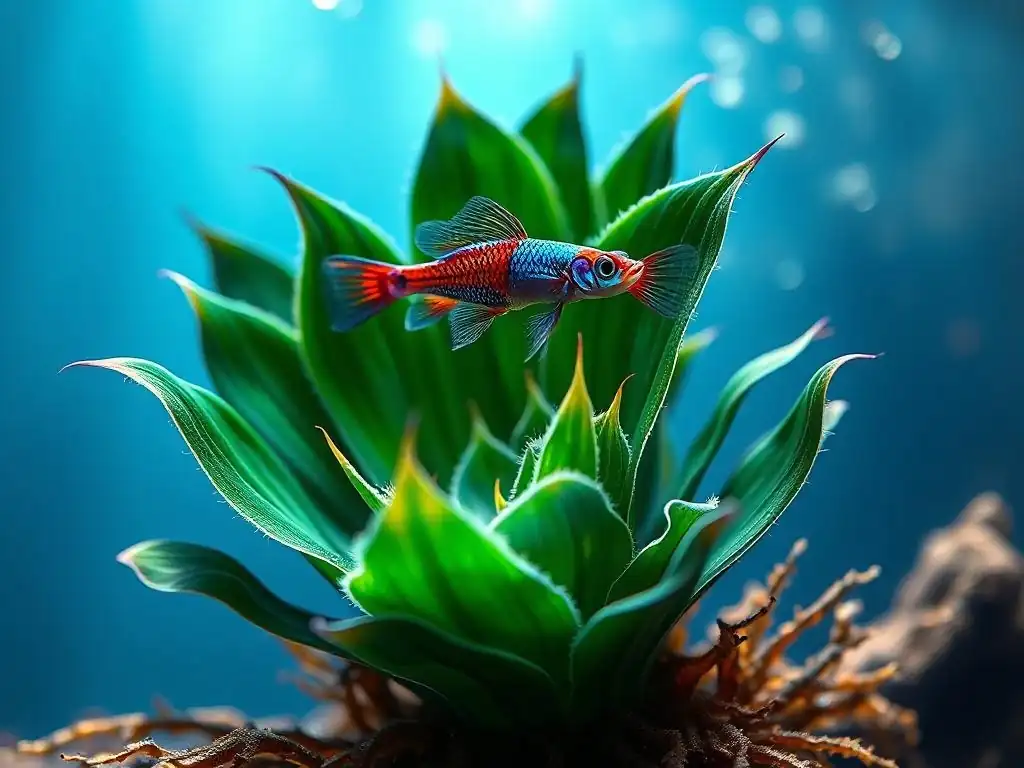
Sagittaria subulata is highly compatible with a vast majority of freshwater aquarium inhabitants due to its robust nature and non-toxic properties. Small to medium-sized peaceful fish are ideal tank mates, as they typically do not disturb the plant or its root system. This includes popular species such as:
- Tetras: Neon Tetras, Cardinal Tetras, Ember Tetras, Rummy Nose Tetras (e.g., a school of 15 Neon Tetras in a 20-gallon tank will coexist perfectly).
- Rasboras: Harlequin Rasboras, Chili Rasboras.
- Livebearers: Guppies, Mollies, Platies (though some mollies might nip at plants if not well-fed).
- Corydoras Catfish: Pygmy Corydoras, Panda Corydoras, Bronze Corydoras (e.g., a group of 6 Panda Corydoras will enjoy sifting through the carpet without uprooting it).
- Otocinclus Catfish: Excellent algae eaters that are gentle on plants.
- Shrimp: Cherry Shrimp, Amano Shrimp, Ghost Shrimp (e.g., a colony of 20 Cherry Shrimp in a 10-gallon tank will thrive among the Dwarf Sagittaria).
- Snails: Nerite Snails, Ramshorn Snails (beneficial for algae control and detritus consumption).
These tank mates generally contribute to a balanced ecosystem without posing a threat to the Sagittaria subulata carpet, making low-maintenance dwarf sagittaria care straightforward in a community setting.
Protecting Sagittaria Subulata from Plant-Eating Fish and Snails
While Sagittaria subulata is generally hardy, some aquarium inhabitants are known for their propensity to consume or uproot live plants. It's crucial to avoid keeping known plant-eaters if a lush carpet is desired. Species to be cautious of include:
- Large Cichlids: Many Mbuna Cichlids, Oscar Cichlids, and other large, aggressive cichlids are notorious for uprooting plants or outright consuming them. For example, a single Oscar in a 75-gallon tank would likely decimate a Dwarf Sagittaria carpet within days.
- Goldfish: While often kept in planted tanks, goldfish are omnivores that will readily graze on soft-leaved plants like Sagittaria subulata, especially if not adequately fed.
- Silver Dollars: These fish are herbivorous and will devour most aquatic plants.
- Apple Snails (Mystery Snails): While generally safe, some larger or hungrier Mystery Snails can occasionally nibble on softer plant leaves, though Sagittaria subulata is usually less affected than delicate stem plants.
If you must keep these species, consider providing alternative food sources (e.g., blanched vegetables for goldfish) or choosing tougher, less palatable plants. However, for guaranteed success with a Sagittaria subulata carpet, avoiding these known plant destroyers is the most effective strategy, ensuring your efforts in low-maintenance dwarf sagittaria care are not undermined.
Maintaining a Healthy and Vibrant Sagittaria Subulata Carpet: Long-Term Care Tips
Regular Pruning and Trimming for a Neat Appearance
Even though Sagittaria subulata is considered low-maintenance, regular pruning and trimming are essential for maintaining a neat, compact carpet and preventing it from overgrowing. If left untrimmed, especially under moderate to high lighting, Dwarf Sagittaria can grow quite tall (up to 12 inches or more), losing its carpeting effect and shading out plants behind it.
To prune, use sharp aquascaping scissors to trim the taller leaves individually, cutting them near the substrate. Avoid cutting leaves in half, as the cut ends can rot. For a denser carpet, you can trim the entire carpet to a uniform height of 2-3 inches (5-7.5 cm) every few weeks or months, depending on growth rate.
For example, in a 20-gallon tank with strong lighting, you might need to trim the carpet every 3-4 weeks to maintain its low profile, while in a low-light 10-gallon tank, trimming might only be needed every 2-3 months. This consistent trimming encourages the plant to send out more runners and grow denser, which is crucial for long-term low-maintenance dwarf sagittaria care.
Substrate Maintenance: Ensuring Optimal Root Health
Optimal root health is paramount for a thriving Sagittaria subulata carpet, as it is primarily a root feeder. Over time, organic debris (fish waste, uneaten food, decaying plant matter) can accumulate in the substrate, potentially leading to anaerobic pockets and nutrient imbalances that can harm the roots. Regular, gentle substrate maintenance is therefore important.
During water changes, lightly siphon the surface of the carpet to remove detritus, being careful not to disturb the plants too much. For tanks with inert gravel, refreshing root tabs every 3-6 months is crucial to replenish depleted nutrients.
For aquasoil, its nutrient-releasing properties typically last for 1-2 years, after which liquid fertilization and occasional root tabs might become necessary. For instance, in a 55-gallon tank with a 4-inch deep aquasoil substrate, a light vacuuming every other week and root tab replacement every 5 months will help ensure the Dwarf Sagittaria roots remain healthy and well-nourished, contributing significantly to long-term low-maintenance dwarf sagittaria care.
Monitoring Water Parameters for Continuous Healthy Growth
Consistent monitoring of water parameters is a fundamental aspect of maintaining a healthy and vibrant Sagittaria subulata carpet in the long term. While the plant is adaptable, stable conditions are always preferred. Regular testing for pH, GH, KH, nitrates, and phosphates (if dosing) can help identify potential issues before they severely impact the plants.
Aim to keep parameters within the recommended ranges: pH 6.0-8.0, temperature 68-82°F (20-28°C), and moderate hardness. Consistent weekly water changes (e.g., 25-30% for a 30-gallon tank) are the most effective way to maintain stable water chemistry, remove accumulated pollutants, and replenish trace elements.
For example, if you notice your Dwarf Sagittaria in a 10-gallon tank developing small, pale leaves, testing your water might reveal very low nitrate levels, indicating a need for either increased fish load, less frequent water changes, or a nitrate-containing fertilizer. Proactive monitoring ensures that your Sagittaria subulata continues to flourish, epitomizing excellent low-maintenance dwarf sagittaria care.
Conclusion: Embracing the Beauty and Simplicity of Sagittaria Subulata
Is Sagittaria Subulata Right for Your Aquarium?
Sagittaria subulata is an exceptional choice for a vast majority of freshwater aquariums, particularly for those seeking a beautiful, natural-looking foreground or midground plant with minimal demands. Its adaptability to a wide range of lighting conditions and water parameters, coupled with its vigorous propagation through runners, makes it an ideal candidate for both novice and experienced aquarists. Whether you're setting up your very first planted tank or looking to add a lush, green carpet to an existing low-tech community aquarium, Dwarf Sagittaria offers a reliable and aesthetically pleasing solution.
If your goal is to achieve a dense, vibrant green carpet without the need for expensive CO2 injection systems, high-intensity lighting, or complex fertilization regimens, then Sagittaria subulata is undoubtedly the plant for you. It provides a natural habitat for fish and invertebrates, contributes positively to water quality through oxygenation and nutrient absorption, and offers a rewarding experience for anyone interested in aquascaping with ease. The ease of low-maintenance dwarf sagittaria care truly sets it apart from many other carpeting options.
Achieving Aquarium Mastery with Low-Maintenance Plants like Sagittaria Subulata.
Achieving "Aquarium Mastery" doesn't always mean tackling the most challenging aquascapes or cultivating the most demanding plants. Often, it involves understanding how to create a thriving, balanced ecosystem with sustainable and manageable elements. Low-maintenance plants like Sagittaria subulata are perfect examples of how simplicity can lead to profound beauty and ecological stability within your aquatic environment. By choosing plants that align with your available resources and time, you set yourself up for long-term success and enjoyment.
Embracing plants like Dwarf Sagittaria allows aquarists to focus more on the overall health of their tank, the well-being of their fish, and the joy of observing a miniature ecosystem flourish. The consistent success derived from cultivating easy-care species builds confidence and provides a strong foundation for exploring more complex aspects of the hobby if desired. Ultimately, mastering the art of the aquarium begins with smart choices, and for a beautiful, hassle-free carpet, the principles of low-maintenance dwarf sagittaria care are an excellent starting point for any aquarist journey.
Frequently Asked Questions
How easy is Dwarf Sagittaria to care for?
Dwarf Sagittaria is generally considered low-maintenance, making it a great choice for beginners. It is a hardy plant that can adapt to a wide range of water parameters and doesn't require CO2 injection.
What lighting conditions are best for Dwarf Sagittaria?
While it can tolerate low light, Dwarf Sagittaria thrives best in moderate to high lighting. Sufficient light encourages faster growth and carpet formation.
What type of substrate is recommended for Dwarf Sagittaria?
Dwarf Sagittaria prefers a nutrient-rich substrate that will provide the necessary nutrients for growth. Using root tabs can also help supplement their nutrient intake.
How do I propagate Dwarf Sagittaria?
Dwarf Sagittaria propagates through runners, which are horizontal stems that produce new plantlets. Simply separate the new plantlets from the mother plant once they develop roots.
What are some common problems associated with Dwarf Sagittaria?
Common issues include nutrient deficiencies, which can lead to stunted growth or yellowing leaves. Ensure adequate fertilization and address any water parameter imbalances.
Final Reflection: Cultivating Simplicity in Aquascaping
The journey into low-maintenance dwarf sagittaria care reveals more than just a guide to a beautiful aquarium carpet; it highlights a growing desire for sustainable and simplified approaches in all aspects of our lives. In a world often demanding constant attention and complex solutions, the ease with which dwarf sagittaria thrives offers a refreshing reminder that beauty and fulfillment can be found in simplicity.
This seemingly humble plant has profoundly influenced the aquascaping community, demonstrating that stunning visual effects don't necessarily require extensive effort. My own experience with dwarf sagittaria has underscored the importance of patience and observation, allowing nature to guide the process rather than forcing a particular outcome. Nature does not hurry, yet everything is accomplished.
- Lao Tzu. This sentiment perfectly encapsulates the essence of low-maintenance aquascaping and the broader philosophy of embracing natural rhythms.
Now, as you consider the potential of dwarf sagittaria in your own aquarium, I invite you to reflect on the broader implications of this approach. How can you cultivate simplicity in other areas of your life? Embrace the beauty of low-maintenance solutions, observe the natural world around you, and discover the profound satisfaction that comes from allowing things to thrive with minimal intervention. Let the lessons learned from nurturing dwarf sagittaria inspire you to create a more balanced and fulfilling existence.
Unveil Your Dream Aquarium Today!
Thank you for diving into the world of Dwarf Sagittaria with us! We hope this article has empowered you with the knowledge to create a stunning, low-maintenance carpet in your aquarium. Now, let's bring that vision to life!
Here are a few ways to get started:
- Boldly plant your first Dwarf Sagittaria and watch your aquarium transform into a lush underwater paradise!
- Share your experience with Dwarf Sagittaria in the comments below or on your favorite aquarium forum.
- Experiment with different lighting conditions to discover the optimal growth for your tank.
What unique aquascaping ideas are you planning to try with your Dwarf Sagittaria?