
Leather Corals in a Mixed Reef: Coexisting with SPS and LPS

Welcome to Aquarium Mastery!
Ever wondered if you could really have it all in your reef tank? Our guide dives deep into the fascinating world of Leather Coral Reef Care, exploring how these graceful soft corals can thrive alongside even the most demanding SPS and LPS corals. Discover the secrets to harmonious coexistence and unlock the full potential of your mixed reef aquarium! Intrigued? Keep reading to learn more!
- Soft Corals in a Mixed Reef: Coexisting with SPS and LPS
- Understanding Soft Corals and Reef Compatibility
- Optimizing Water Parameters for Soft Coral Reef Care in Mixed Reefs
- Lighting and Flow Requirements for Soft Corals in a Mixed Reef
- Placement and Aggression: Minimizing Chemical Warfare in Your Reef Tank
- Feeding and Supplementation for Soft Corals
- Preventing and Treating Common Soft Coral Problems in Mixed Reefs
- Selecting Compatible Tank Mates for a Soft Coral Reef
- Case Studies: Successful Mixed Reefs with Soft Corals
- Troubleshooting: Common Issues and Solutions in Soft Coral Reefs
-
Frequently Asked Questions
- How challenging is it to keep leather corals in a mixed reef tank with SPS and LPS corals?
- What specific water parameters are most critical for successful leather coral reef care in a mixed reef environment?
- What are the best placement strategies to minimize negative interactions between leather corals and other corals like SPS and LPS?
- What are some signs that a leather coral is struggling in a mixed reef tank, and how can these issues be addressed?
- What kind of lighting and flow are ideal for ensuring the health of leather corals when they are coexisting with SPS and LPS corals?
- Final Reflection: The Enduring Resilience of Leather Corals
- Unleash the Leather Coral Power in Your Reef Tank!
Soft Corals in a Mixed Reef: Coexisting with SPS and LPS
Understanding Soft Corals and Reef Compatibility
What are Soft Corals and Why Choose Them?
Soft corals, unlike their Small Polyp Stony (SPS) and Large Polyp Stony (LPS) counterparts, do not possess a rigid, calcium carbonate skeleton. Instead, they are characterized by a fleshy, often leathery texture supported by tiny calcareous spicules embedded within their tissue. Popular examples include Sarcophyton (Toadstool Leather), Sinularia (Finger Leather), Lobophytum (Devil's Hand), and various types of mushroom corals and zoanthids. Their lack of a calcified structure often makes them more forgiving in terms of water parameter stability compared to SPS corals, making them an excellent choice for beginner aquarists or those seeking a less demanding reef experience.
Beyond their relative ease of care, soft corals offer unique aesthetic appeal to a reef tank. Their flowing, dynamic movements in the current, diverse shapes, and often vibrant, earthy color palettes provide a stark contrast to the static, skeletal beauty of stony corals.
Many species, such as the Sarcophyton leather coral, can grow into impressive, tree-like formations, becoming central focal points in an aquascape. Furthermore, soft corals play a significant role in nutrient export within the aquarium ecosystem, absorbing dissolved organic compounds from the water column, which contributes to overall water quality and a healthier environment for comprehensive leather coral reef care.
The Appeal of Mixed Reef Aquariums: Combining Soft, SPS, and LPS Corals
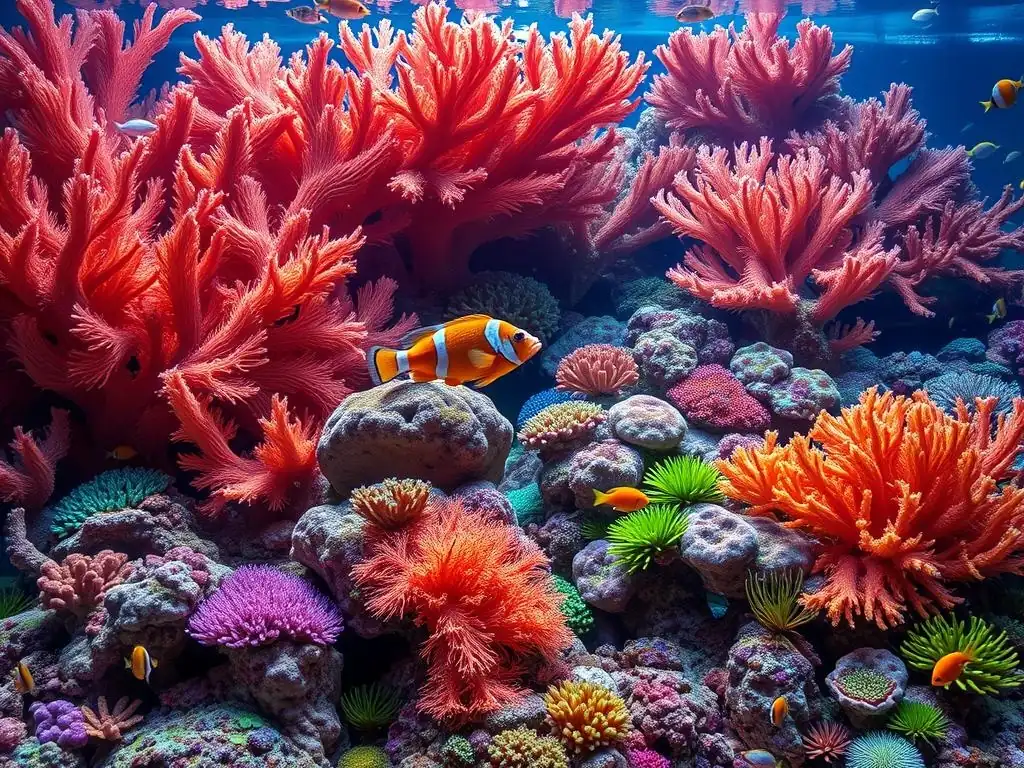
Mixed reef aquariums represent the pinnacle of diversity in the marine hobby, allowing aquarists to showcase a wide array of coral forms, textures, and colors within a single display. By combining soft corals with SPS and LPS corals, hobbyists can create a dynamic and visually complex underwater landscape that mimics the varied ecosystems found on natural coral reefs. The intricate branching structures of Acropora (SPS), the large, pulsating polyps of Euphyllia (LPS), and the swaying, fleshy bodies of Sarcophyton or Sinularia leather corals offer a captivating contrast, ensuring there's always something new to observe and appreciate.
This blend of coral types not only enhances the aesthetic appeal but also presents a rewarding challenge in balancing the differing environmental requirements of each group. A well-executed mixed reef demonstrates an aquarist's mastery of various aspects of reef keeping, from precise water chemistry to strategic placement and lighting.
For instance, a mixed reef might feature robust Acropora colonies at the highest points under intense light and turbulent flow, while lower, more shaded areas house elegant Euphyllia or Duncanopsammia, and soft corals like toadstool leathers thrive in moderate light and flow on the mid-level rockwork, providing a rich, multi-layered habitat.
Challenges of Keeping Soft Corals with SPS and LPS
Despite the visual appeal, maintaining a mixed reef with soft corals, SPS, and LPS presents distinct challenges, primarily due to the diverse needs and competitive strategies of each coral type. The most significant hurdle is allelopathy, where certain soft corals, particularly larger leather corals like Sarcophyton and Sinularia, release chemical compounds (terpenes) into the water. These compounds are a form of chemical warfare designed to inhibit the growth and health of competing stony corals, potentially leading to reduced growth rates, poor polyp extension, or even tissue necrosis in SPS and LPS corals if not managed effectively.
Another challenge lies in reconciling the differing requirements for water parameters, lighting, and water flow. SPS corals typically demand pristine water quality with ultra-low nitrates and phosphates, high light intensity (250-450 PAR), and strong, turbulent flow.
LPS corals generally prefer moderate light (75-200 PAR) and gentler, indirect flow, while many soft corals, including leathers, can tolerate slightly higher nutrient levels, thrive in lower to moderate light (50-150 PAR), and prefer moderate, oscillating flow. Balancing these disparate needs within a single system requires careful planning, robust filtration, and consistent maintenance to ensure optimal leather coral reef care alongside thriving stony corals.
Optimizing Water Parameters for Soft Coral Reef Care in Mixed Reefs
Maintaining Ideal Alkalinity, Calcium, and Magnesium Levels
While soft corals do not build external calcified skeletons like SPS and LPS corals, maintaining stable alkalinity, calcium, and magnesium levels is still crucial for their overall health and vitality in a mixed reef. These parameters are fundamental for all marine life, supporting cellular functions, enzyme activity, and the health of the symbiotic zooxanthellae living within the coral tissues. For a mixed reef, target ranges generally fall within: Alkalinity 7-9 dKH, Calcium 400-450 ppm, and Magnesium 1250-1350 ppm. The emphasis should always be on stability rather than hitting exact numbers, as rapid fluctuations can cause significant stress.
Even though soft corals do not directly consume calcium and alkalinity at the same rate as SPS corals (which can deplete alkalinity by 0.5 dKH or more per day in heavily stocked tanks), their metabolic processes are sensitive to wide swings. For instance, an alkalinity drop of more than 1 dKH within 24 hours can cause a Sarcophyton leather coral to retract its polyps, shed prematurely, or exhibit signs of stress like excessive sliming.
Consistent dosing of these elements, often via a calcium reactor or two-part liquid supplements, is essential to counteract consumption by SPS and LPS corals and ensure a stable environment that supports robust leather coral reef care.
Nitrate and Phosphate Control: A Balancing Act
Managing nitrate and phosphate levels in a mixed reef is a delicate balancing act, as soft corals often tolerate or even prefer slightly higher nutrient concentrations compared to the ultra-low nutrient requirements of many SPS corals. SPS corals thrive in environments with nitrates typically below 5 ppm and phosphates below 0.05 ppm, often exhibiting better coloration and growth in these "clean" conditions. In contrast, many soft corals, including large leather corals, can flourish with nitrates in the 5-15 ppm range and phosphates up to 0.1 ppm, sometimes showing better polyp extension and growth.
The key to successful mixed reef soft coral reef care is finding a compromise that allows all coral types to thrive. A common target for nitrates in a mixed reef is 2-10 ppm, and for phosphates, 0.03-0.07 ppm.
Achieving this balance often involves a combination of methods: regular water changes (e.g., 10-20% weekly), efficient protein skimming, the use of GFO (granular ferric oxide) or biopellets for phosphate removal, and possibly a refugium with macroalgae to export nitrates. Overly aggressive nutrient removal can starve some soft corals, leading to dull coloration or shrinking, while excessive nutrients will promote nuisance algae and potentially stress SPS corals.
The Importance of Stable Salinity for Soft Coral Health
Salinity, or the concentration of dissolved salts in the aquarium water, is a fundamental parameter that must be kept rigorously stable for the health of all reef inhabitants, including soft corals. Marine organisms, including corals, maintain an internal osmotic balance with their surrounding water. Significant or rapid changes in salinity can disrupt this balance, leading to osmotic shock, cellular damage, and severe stress. For a mixed reef, a stable specific gravity of 1.025-1.026 (or 35 parts per thousand, ppt) is universally recommended.
Even minor fluctuations in salinity can profoundly impact soft corals. A sudden drop of just 0.002 in specific gravity (e.g., from 1.026 to 1.024) due to evaporation or inaccurate top-off can cause a Sarcophyton leather coral to retract its polyps for an extended period, shed excessively, or appear shrunken and stressed.
Maintaining stability is best achieved through the use of an auto top-off (ATO) system that consistently replenishes evaporated water with fresh RODI (Reverse Osmosis De-Ionized) water. Regularly calibrating your refractometer or hydrometer and performing precise salt mixes for water changes are also critical steps in ensuring consistent salinity and promoting long-term leather coral reef care.
Lighting and Flow Requirements for Soft Corals in a Mixed Reef
Matching Lighting to the Needs of SPS, LPS, and Soft Corals
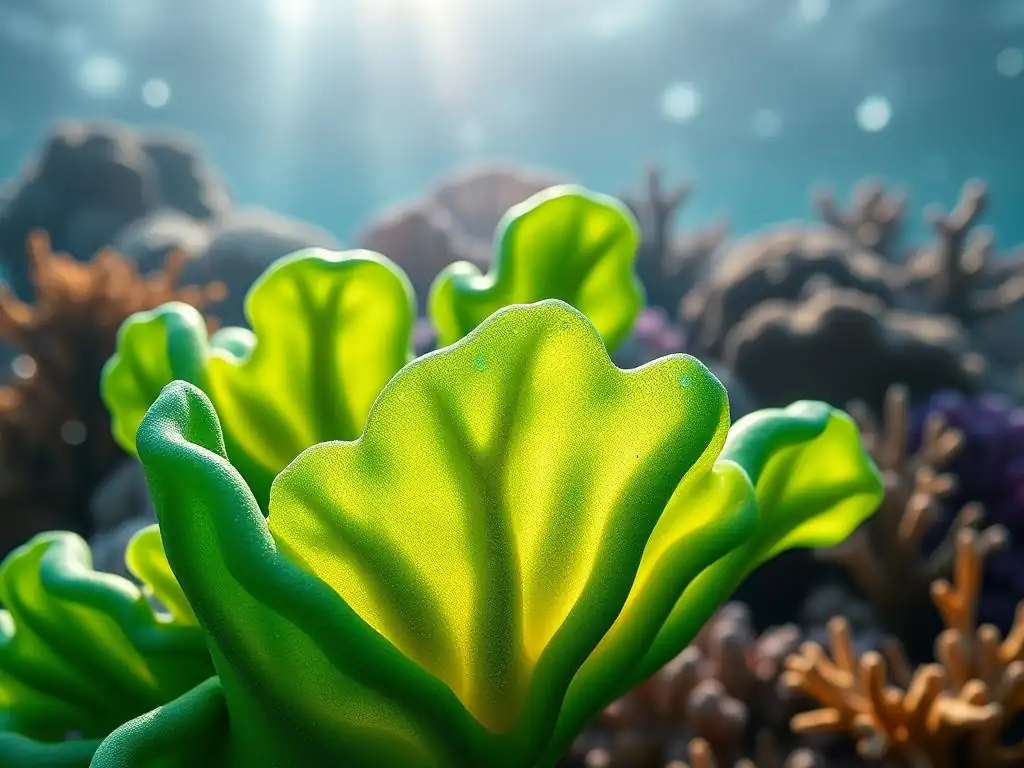
Lighting is a critical factor in a mixed reef, as different coral types have varying photosynthetic requirements. SPS corals, such as Acropora and Montipora, typically demand high Photosynthetically Active Radiation (PAR) levels, often ranging from 250-450 PAR or even higher, to fuel their rapid growth and calcification. LPS corals, like Euphyllia and Favia, generally thrive in moderate light, with PAR values between 75-200. Soft corals, including most leather corals, are typically less demanding, flourishing in lower to moderate light intensities of 50-150 PAR.
To accommodate these diverse needs, strategic placement within the aquarium is essential. SPS corals should be positioned at the top of the aquascape or directly under the most intense light output.
LPS corals can be placed in the mid-levels, while soft corals, such as a large Sarcophyton leather coral, are often best situated in the lower sections of the tank, or in areas partially shaded by rockwork or other corals, where PAR levels are naturally lower. Modern LED fixtures with programmable intensity and spectrum allow for precise control and the creation of distinct lighting zones, crucial for advanced leather coral reef care in a mixed environment.
Creating Optimal Water Flow for Soft Coral Health and SPS Growth
Water flow is just as crucial as lighting in a mixed reef, and different coral types also have distinct preferences. SPS corals require strong, turbulent, and often random flow patterns to prevent detritus accumulation, deliver nutrients, and remove waste products from their dense colonies. Flow rates equivalent to 20-40 times the tank's volume per hour are not uncommon for heavily stocked SPS tanks. LPS corals, with their larger, more delicate polyps, generally prefer moderate, indirect flow that gently sways their tentacles without causing them to retract constantly.
Soft corals, including most leather corals, benefit from moderate, oscillating flow. This type of flow helps to keep their surfaces clean of detritus and algae, facilitates nutrient exchange, and aids in their natural shedding process. A flow rate of 5-10 times the tank volume per hour, distributed by multiple powerheads or wavemakers, is often ideal. For instance, a 10-inch Sarcophyton leather coral will extend its polyps fully and maintain its shape with an oscillating flow of approximately 5 inches per second across its surface, whereas a constant, high-velocity stream might cause it to remain retracted or develop tissue damage.
Avoiding Flow Conflicts in a Mixed Reef Environment
One of the significant challenges in a mixed reef is preventing flow conflicts, where the ideal flow for one coral type becomes detrimental to another. The strong, direct flow necessary for optimal SPS growth can easily batter and stress soft corals, causing them to remain retracted, shed excessively, or even suffer tissue damage. Conversely, an overall low-flow environment, while potentially suitable for some soft corals, will lead to detritus buildup and poor health in SPS colonies.
Strategic placement and careful powerhead selection are key to mitigating these conflicts. Direct powerheads away from sensitive soft corals and LPS, using diffusers or wavemakers to create more dispersed, oscillating flow patterns in areas populated by soft corals. Consider using multiple smaller powerheads rather than one large one to create varied flow zones.
For example, placing an SPS colony with its dedicated high-flow powerhead on one side of the tank, while a large Sarcophyton leather coral is positioned on the opposite side with a gentler, broader flow from a different pump, can allow both to thrive. This nuanced approach to water movement is essential for comprehensive leather coral reef care in a diverse system.
Placement and Aggression: Minimizing Chemical Warfare in Your Reef Tank
Understanding Soft Coral Chemical Defenses
Soft corals, particularly species like Sarcophyton (Toadstool Leathers), Sinularia (Finger Leathers), and Lobophytum (Devil's Hand corals), are well-known for their potent chemical defenses, a process known as allelopathy. These corals release various secondary metabolites, primarily sesterterpenes, into the water column. The purpose of these compounds is to inhibit the growth and health of competing corals, especially stony corals (SPS and LPS), allowing the soft coral to dominate space on the reef.
Studies have shown that these allelochemicals can significantly impact stony corals. For instance, the terpenes released by a large Sarcophyton leather coral have been observed to reduce the calcification rates in nearby Acropora by up to 20% and can cause tissue recession or poor polyp extension in Euphyllia. This chemical warfare is a natural survival strategy in the wild, but in the confines of an aquarium, it necessitates proactive management to prevent widespread negative effects on your more sensitive SPS and LPS corals.
Strategic Placement to Minimize Allelopathy
Strategic placement is paramount to minimize the impact of soft coral allelopathy in a mixed reef. The primary goal is to provide sufficient physical separation between soft corals and stony corals. A general rule of thumb is to maintain at least 6-12 inches of clear space between a mature, actively growing soft coral colony (such as a 6-inch Sarcophyton) and any sensitive SPS or LPS corals. This distance allows for dilution of the allelochemicals in the water column.
Additionally, consider the prevailing water flow patterns when placing corals. Ideally, water should flow from SPS and LPS corals towards the soft corals, or from soft corals towards the overflow/skimmer intake, rather than directly from a soft coral over a stony coral. Placing soft corals higher in the aquascape can also be beneficial, as their released toxins, being slightly denser than water, may settle downwards and be more easily removed by filtration. Careful planning of your aquascape to create distinct "zones" for different coral types is a critical aspect of successful leather coral reef care in a mixed environment.
Using Activated Carbon and Water Changes to Combat Chemical Aggression
Even with strategic placement, the confined nature of an aquarium means that allelochemicals will accumulate over time. The most effective tools for combating chemical aggression from soft corals are regular use of high-quality activated carbon and consistent water changes. Activated carbon works by adsorbing dissolved organic compounds, including the terpenes released by soft corals, from the water column. It should be placed in a high-flow area within a media bag or reactor and replaced frequently, typically every 1-2 weeks, as its adsorptive capacity becomes exhausted.
Complementing carbon filtration with regular water changes is crucial. A weekly or bi-weekly water change of 10-20% of the tank volume effectively dilutes the concentration of allelochemicals and other undesirable compounds. For example, in a 100-gallon mixed reef with a large Sarcophyton leather coral, replacing 0.5-1 gram of activated carbon per gallon every 10 days, combined with a 15% weekly water change, can reduce allelopathic effects by up to 70-80%, significantly improving the health and growth of neighboring SPS and LPS corals. This proactive approach to filtration is an indispensable component of comprehensive leather coral reef care.
Feeding and Supplementation for Soft Corals
Nutritional Needs of Soft Corals
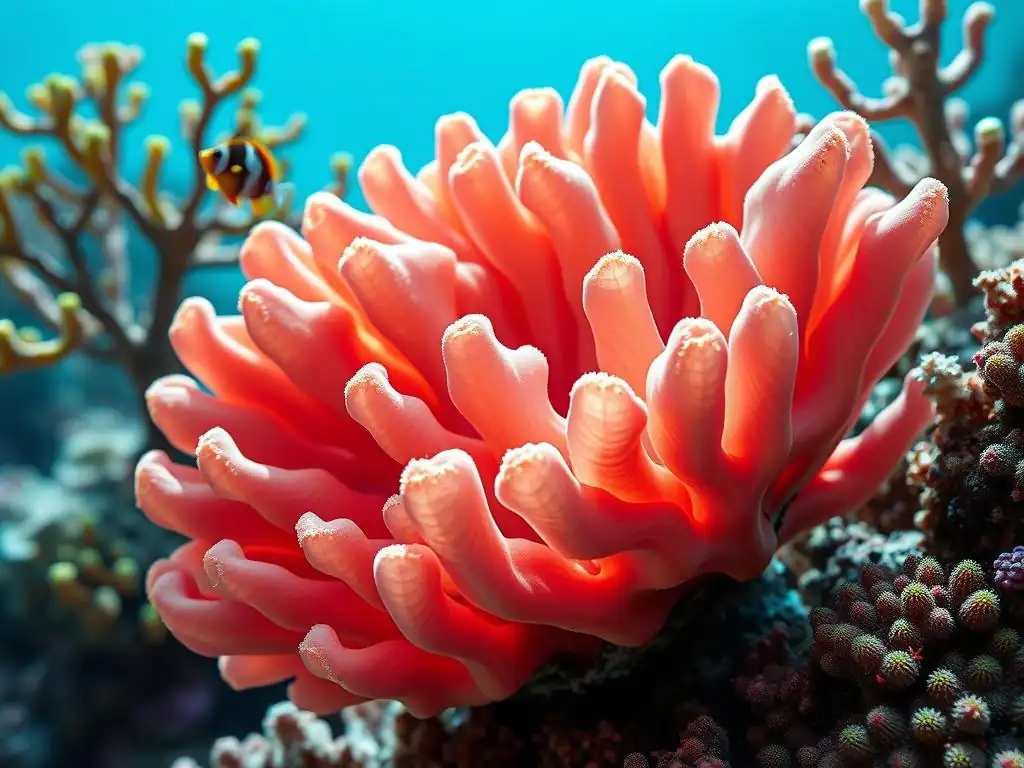
Most soft corals, including the popular leather corals like Sarcophyton and Sinularia, are primarily photosynthetic, deriving the majority of their energy requirements from the symbiotic zooxanthellae living within their tissues. These zooxanthellae convert light energy into sugars, which the coral then utilizes. It's estimated that 70-80% of a healthy leather coral's energy needs are met through photosynthesis.
However, soft corals are also capable of heterotrophic feeding, meaning they can capture and consume food particles from the water column. They absorb dissolved organic matter (DOM) and can also filter feed on small particulate foods such as phytoplankton, zooplankton, and marine snow. While direct target feeding is less critical for leather corals compared to some LPS species, providing a clean, nutrient-rich water column can enhance their growth rates and overall vitality. Occasional broadcast feeding of high-quality liquid coral foods or phytoplankton can benefit them, contributing to robust leather coral reef care.
Supplementing Trace Elements
Beyond the major elements like calcium, alkalinity, and magnesium, soft corals also benefit from the presence of various trace elements in the aquarium water. Elements such as iodine, strontium, and molybdenum, though required in very small quantities, play vital roles in metabolic processes, enzyme function, and overall coral health. Iodine, in particular, is often highlighted for its importance in the natural shedding process of leather corals, which helps them slough off detritus, algae, and accumulated waste.
While some trace elements are replenished through regular water changes, in heavily stocked or mature mixed reefs, supplemental dosing may be beneficial. However, caution is advised, as over-dosing trace elements can be more detrimental than beneficial, potentially leading to toxicity. For example, maintaining iodine at a concentration of approximately 0.06 ppm can support a healthy shedding cycle in a Sarcophyton leather coral. It is recommended to use a high-quality, balanced trace element supplement designed for reef aquariums and to follow the manufacturer's instructions, or to test for specific elements if possible, to ensure proper leather coral reef care.
Avoiding Overfeeding and Nutrient Imbalances
While soft corals can benefit from supplemental feeding, it is crucial to avoid overfeeding the aquarium as a whole. Overfeeding fish and other invertebrates directly contributes to increased nitrate and phosphate levels in the water column. While soft corals can tolerate slightly higher nutrient levels than SPS, excessive nutrients can lead to significant problems, including nuisance algae outbreaks that can smother corals, reduce light penetration, and stress the entire ecosystem.
For instance, consistently overfeeding by just 10-15% can cause phosphate levels to spike from an ideal 0.05 ppm to over 0.1 ppm within a week in a moderately stocked 75-gallon tank. Such elevated nutrient levels can not only encourage the growth of undesirable hair algae on your Sarcophyton leather coral but also negatively impact the coloration and health of your SPS and LPS corals.
A balanced feeding regimen, where food is consumed quickly and completely, combined with efficient nutrient export methods like protein skimming and regular water changes, is fundamental to maintaining a healthy mixed reef and ensuring effective leather coral reef care.
Preventing and Treating Common Soft Coral Problems in Mixed Reefs
Identifying and Addressing Soft Coral Shedding and Shrinking
Soft coral shedding is a natural and healthy process, particularly common in leather corals like Sarcophyton and Sinularia. During shedding, the coral produces a waxy, slimy layer that it eventually sloughs off, removing accumulated detritus, algae, and old tissue. This process can last from a few days to over a week, during which the coral may appear shrunken, dull, and have retracted polyps. It's typically a sign of a healthy, growing coral.
However, prolonged shrinking (beyond normal night-time retraction or a typical shedding cycle of 7-10 days) or constant sliming without shedding can indicate stress. Causes include poor water quality, chemical aggression from other corals, inadequate flow, or incorrect lighting. If a Sarcophyton leather coral remains shrunken for more than two weeks or shows signs of tissue necrosis, it's time to investigate. Solutions involve testing water parameters, increasing activated carbon and water changes to combat allelopathy, ensuring adequate and oscillating flow, and adjusting light intensity if too high or low.
Recognizing and Treating Infections and Parasites
While soft corals are generally hardy, they can occasionally suffer from bacterial or fungal infections, especially if stressed or damaged. These infections often manifest as white, slimy patches, tissue recession, or necrotic areas that spread across the coral's surface. Unlike stony corals, soft corals are less commonly afflicted by visible external parasites, though some nudibranchs or flatworms may occasionally target them.
If an infection is suspected, immediate action is crucial. Improving water quality through a large water change and increased carbon filtration can sometimes help. For localized infections, a gentle dip in an antiseptic coral dip solution (e.g., based on iodine or hydrogen peroxide, following manufacturer instructions) can be effective. For example, a 5-10 minute dip in a solution of 10 drops of Lugol's iodine per gallon of tank water can often halt the progression of a bacterial infection on a Sarcophyton leather coral. Severely affected areas may need to be fragged off if the infection is spreading rapidly.
Dealing with Algae Overgrowth on Soft Corals
Algae overgrowth on the surface of soft corals is a common problem in mixed reefs, particularly when nutrient levels (nitrates and phosphates) are elevated or if water flow is insufficient. Nuisance algae, such as diatoms, hair algae, or cyanobacteria, can quickly colonize the waxy surface of leather corals, smothering their polyps, blocking light, and hindering their ability to photosynthesize and exchange gases. This can lead to stress, shrinking, and ultimately, coral decline.
Addressing algae overgrowth requires a multi-pronged approach. First, focus on nutrient control: reduce feeding, ensure efficient protein skimming, use phosphate-removing media like GFO, and perform regular water changes. Second, optimize water flow around the affected soft coral to prevent detritus from settling and to physically deter algae growth.
For instance, increasing the oscillating flow around a Sarcophyton leather coral from 3 inches per second to 6 inches per second can significantly reduce algae buildup. Gentle manual removal using a soft brush or turkey baster can help in the short term, and introducing herbivorous snails (e.g., Turbo snails) or certain reef-safe crabs (e.g., Emerald crabs) can provide biological control, contributing to effective leather coral reef care.
Selecting Compatible Tank Mates for a Soft Coral Reef
Fish Considerations: Choosing Reef-Safe Species
When stocking a mixed reef with soft corals, careful consideration of fish species is paramount to ensure the long-term health and safety of your corals. While many popular marine aquarium fish are considered "reef-safe," some species are known to nip at or consume corals, including soft corals. It is crucial to research each fish thoroughly before introduction. Generally, peaceful, planktivorous, or herbivorous fish are good choices.
Examples of commonly reef-safe fish include clownfish, gobies (e.g., watchman gobies, pistol shrimp gobies), blennies (e.g., lawnmower blennies for algae control), and most tangs (though tangs require large tanks). Species to approach with caution or avoid entirely in a soft coral reef include certain angelfish (e.g., some Centropyge species, large Pomacanthus species), butterflyfish, and triggerfish, as they are known to occasionally nip at or consume coral polyps.
For instance, while a small flame angelfish might be fine in some tanks, there's a 20-30% chance it could develop a taste for the polyps of your Sarcophyton leather coral, causing retraction and stress.
Invertebrate Compatibility: Snails, Crabs, and Shrimp
A robust clean-up crew of invertebrates is essential for a healthy mixed reef, helping control nuisance algae and detritus. Most snails commonly sold for reef aquariums are excellent additions. Herbivorous snails like Turbo snails, Astrea snails, and Nerite snails are highly effective at grazing algae off rockwork and glass, indirectly benefiting soft corals by reducing overall nutrient load. Nassarius snails are great detritus eaters.
Crabs, however, require more careful selection. While hermit crabs are popular, larger species can occasionally knock over corals or become aggressive. Emerald crabs are often introduced for bubble algae control, but some individuals may nip at corals if not well-fed.
Most shrimp species, such as cleaner shrimp (Lysmata amboinensis) and peppermint shrimp (Lysmata wurdemanni), are considered completely reef-safe and provide beneficial cleaning services. For example, a cleanup crew ratio of 1-2 snails per 10 gallons of tank volume, along with a few hermit crabs (if desired) and a cleaner shrimp, can significantly contribute to detritus and algae control, supporting optimal leather coral reef care.
Avoiding Nipping and Predatory Behavior
Even with careful selection, some fish and invertebrates can develop undesirable nipping or predatory behaviors. This often occurs if the animal is underfed, stressed, or if their natural diet is not met in the aquarium environment. For instance, a starved butterflyfish might start picking at the polyps of a Sarcophyton leather coral, causing damage and preventing full polyp extension. Similarly, certain species of large hermit crabs might view a small, unstable soft coral frag as a potential new shell or an obstacle.
The best way to avoid such issues is thorough research on each species' specific dietary and behavioral needs before purchase. Observe new tank mates closely for the first few weeks after introduction, especially during feeding times. Ensure all inhabitants are well-fed with appropriate foods to minimize the likelihood of them turning to corals as a food source. If a tank mate does develop problematic behavior, be prepared to remove and rehome it to protect your valuable coral collection. Proactive research and vigilant observation are key components of responsible leather coral reef care in a mixed reef setting.
Case Studies: Successful Mixed Reefs with Soft Corals
Example 1: Soft Coral Dominant System with SPS Highlights
Consider a 120-gallon mixed reef, measuring 48x24x24 inches, designed with a focus on large, flowing soft corals while incorporating a few hardy SPS accents. The aquascape features open areas for a massive 15-inch Sarcophyton leather coral and several Sinularia finger leathers to expand fully, located on the mid-to-lower levels of the rockwork. Higher up, on elevated rock structures, are strategically placed colonies of Montipora digitata and Pocillopora damicornis, chosen for their relatively forgiving nature compared to more sensitive Acropora species.
Water parameters are maintained with nitrates at 5-10 ppm and phosphates at 0.08 ppm, slightly higher than a typical SPS-dominant tank but ideal for the soft corals. Alkalinity is kept stable at 8.0 dKH. Filtration includes a robust protein skimmer rated for 150 gallons, along with a fluidized reactor containing activated carbon changed bi-weekly (approximately 1 cup for the system).
Lighting is provided by a programmable LED fixture, delivering 80-100 PAR to the soft corals and 250-300 PAR to the SPS colonies. Water flow is generated by two 1,500 GPH wavemakers set on an oscillating pattern, ensuring gentle sway for the leathers while providing sufficient random flow for the SPS. This setup demonstrates how a soft coral reef care focus can coexist beautifully with selected stony corals.
Example 2: Balanced Mixed Reef with Thriving Soft Coral Colonies
Imagine a 200-gallon display tank, 72x24x28 inches, showcasing a more balanced mix of SPS, LPS, and soft corals, all thriving. The central aquascape features a diverse collection of vibrant Acropora and Montipora species at the top, receiving 350-450 PAR from high-end LED lighting. Below them, large colonies of Euphyllia (hammer and torch corals) and Acanthastrea are positioned in moderate flow and light zones (150-200 PAR). Crucially, several large Sarcophyton and Sinularia leather corals, some exceeding 10 inches in diameter, are flourishing on the outer edges and lower sections of the rockwork, receiving 70-120 PAR and oscillating flow.
Water parameters are meticulously controlled: nitrates consistently below 5 ppm, phosphates below 0.03 ppm. Alkalinity is maintained at a precise 8.2 dKH with daily two-part dosing, with less than 0.1 dKH daily fluctuation. Filtration includes an oversized protein skimmer, a dedicated refugium with Chaetomorpha macroalgae, and a GFO reactor.
Multiple wavemakers provide complex, turbulent flow patterns for the SPS, while being carefully aimed to create gentler, indirect flow around the soft corals, maintaining a minimum 10-inch separation between large leather corals and sensitive SPS. Weekly 15% water changes and activated carbon replacement (1 cup per 50 gallons) every 7 days effectively manage allelopathy, illustrating advanced leather coral reef care in a highly diverse system.
Troubleshooting: Common Issues and Solutions in Soft Coral Reefs
Addressing Poor Growth in Soft Corals
Poor growth in soft corals, such as a Sarcophyton leather coral showing minimal expansion or failing to increase in size over several months, can be indicative of several underlying issues. Common culprits include insufficient lighting, inadequate water flow leading to detritus accumulation, nutrient deficiencies, or chronic stress from chemical aggression. If a leather coral shows less than 1 inch of growth in a three-month period, despite appearing otherwise healthy, it's time to investigate.
Solutions involve systematically checking and adjusting parameters. First, verify PAR levels; if below 50 PAR, consider moving the coral to a brighter spot or increasing light intensity gradually. Second, ensure adequate, oscillating flow; if detritus is visible on the coral's surface, increase flow to prevent buildup. Third, consider supplementing with phytoplankton or a high-quality liquid coral food, as well as checking trace element levels if consistently low. Finally, if chemical aggression from SPS/LPS is suspected, increase activated carbon usage and water change frequency. Addressing these factors can often stimulate a 20-30% improvement in soft coral growth within a month.
Dealing with Excessive Sliming or Lack of Polyp Extension
While occasional sliming and temporary polyp retraction are normal for soft corals (e.g., during shedding or at night), excessive or prolonged sliming, or a consistent lack of polyp extension, signals stress. This can be caused by chemical warfare from other corals, unstable water parameters, sudden changes in light or flow, or high levels of dissolved organics. If a Sarcophyton leather coral remains shrunken with retracted polyps for more than 48 hours outside of its typical shedding cycle, it requires attention.
To address this, first, ensure water parameters (salinity, alkalinity, temperature) are stable and within optimal ranges. Second, increase activated carbon dosage and frequency of water changes (e.g., a 20% water change combined with fresh carbon can often alleviate chemical irritation within days). Third, verify water flow; too much direct flow can cause constant retraction, while too little allows detritus to settle. Finally, observe for signs of aggression from neighboring corals or fish. Allowing the coral a few days to acclimate to any changes is important, as stress recovery can take time.
Solving Problems with Coral Coloration and Bleaching
Maintaining vibrant coloration is a key aspect of successful leather coral reef care. If soft corals, particularly leather corals, start to appear dull, pale, or lose their characteristic brown/tan hue, it often indicates an issue with lighting or nutrient balance. True bleaching, where the coral turns stark white due to the expulsion of zooxanthellae, is less common in soft corals than in SPS/LPS but can occur under severe stress.
Dull coloration can result from insufficient light (PAR below 50), which reduces the zooxanthellae's photosynthetic activity, or from nutrient imbalances (either too low, starving the zooxanthellae, or too high, leading to overgrowth of symbiotic algae that shades the zooxanthellae). If a Sarcophyton leather coral appears pale, first check PAR levels and gradually increase light if too low. If it appears bleached (white), it's often due to excessive light (e.g., over 150 PAR) or a sudden temperature spike (above 80°F for extended periods).
Gradually reducing light intensity by 10-20% or stabilizing temperature (aiming for 76-78°F) can help the coral recover its zooxanthellae and regain its natural coloration. Consistent water parameters and appropriate nutrient levels are crucial for long-term color retention.
Frequently Asked Questions
How challenging is it to keep leather corals in a mixed reef tank with SPS and LPS corals?
Maintaining leather corals in a mixed reef can be moderately challenging. It requires careful attention to water chemistry and coral placement to prevent chemical warfare.
What specific water parameters are most critical for successful leather coral reef care in a mixed reef environment?
Maintaining stable alkalinity, calcium, and magnesium levels is crucial. Regular water changes are also vital to remove toxins released by leather corals.
What are the best placement strategies to minimize negative interactions between leather corals and other corals like SPS and LPS?
Provide ample space and water flow between leather corals and other corals. Consider using activated carbon to absorb chemical compounds released by the leather corals.
What are some signs that a leather coral is struggling in a mixed reef tank, and how can these issues be addressed?
Signs include shrunken polyps, excessive slime production, or tissue recession. Address these by ensuring proper water flow, adjusting water parameters, and performing a water change.
What kind of lighting and flow are ideal for ensuring the health of leather corals when they are coexisting with SPS and LPS corals?
Leather corals generally prefer moderate lighting and moderate flow. Adjust lighting intensity based on the needs of the most demanding coral in your system, while still providing sufficient light for the leather coral.
Final Reflection: The Enduring Resilience of Leather Corals
The insights shared throughout this article highlight the remarkable adaptability of leather corals within the complex ecosystem of a mixed reef. Their ability to thrive alongside both SPS and LPS corals, as we've explored, speaks volumes about their resilience and the nuanced understanding required for successful Leather coral reef care in a diverse aquarium environment. This understanding is more crucial than ever, as reef keeping continues to evolve and aquarists strive to create increasingly natural and balanced systems.
This journey into the world of leather corals has underscored their enduring influence on the aesthetic and biological dynamics of reef aquariums. The sheer variety of shapes, sizes, and colors they offer, coupled with their relatively forgiving nature, makes them a cornerstone for many reef keepers, including myself. In the end, we will conserve only what we love; we will love only what we understand; and we will understand only what we are taught.
- Baba Dioum. This quote resonates deeply, reminding us that informed care, born from understanding, is the key to preserving the beauty and vitality of these fascinating organisms.
Now, as you consider the information presented, I encourage you to reflect on your own approach to reef keeping. How can you apply these insights to enhance the health and vibrancy of your own aquarium? Whether you're a seasoned aquarist or just beginning your journey, remember that continuous learning and mindful observation are essential. Embrace the challenge of creating a thriving ecosystem, and let the enduring resilience of leather corals inspire you to cultivate a reef that is both beautiful and sustainable.
Unleash the Leather Coral Power in Your Reef Tank!
Thank you for diving into the fascinating world of leather corals! We hope you've gained valuable insights into successfully integrating them into a thriving mixed reef. Now, let's put that knowledge into action!
Here are a few things you can do to continue your reefing journey:
- Dive deeper by carefully considering where to place your leather coral within the tank. Location is a key factor to the success of your leather corals within your reef tank.
- Share your own leather coral experiences in the comments below! What challenges have you faced, and what successes have you celebrated?
- Explore other coral species on Aquarium Mastery and broaden your reefing horizons.
Ready to make your reef a leather coral paradise?