
Common Anthias Diseases: Proactive Health Management for Your Precious School

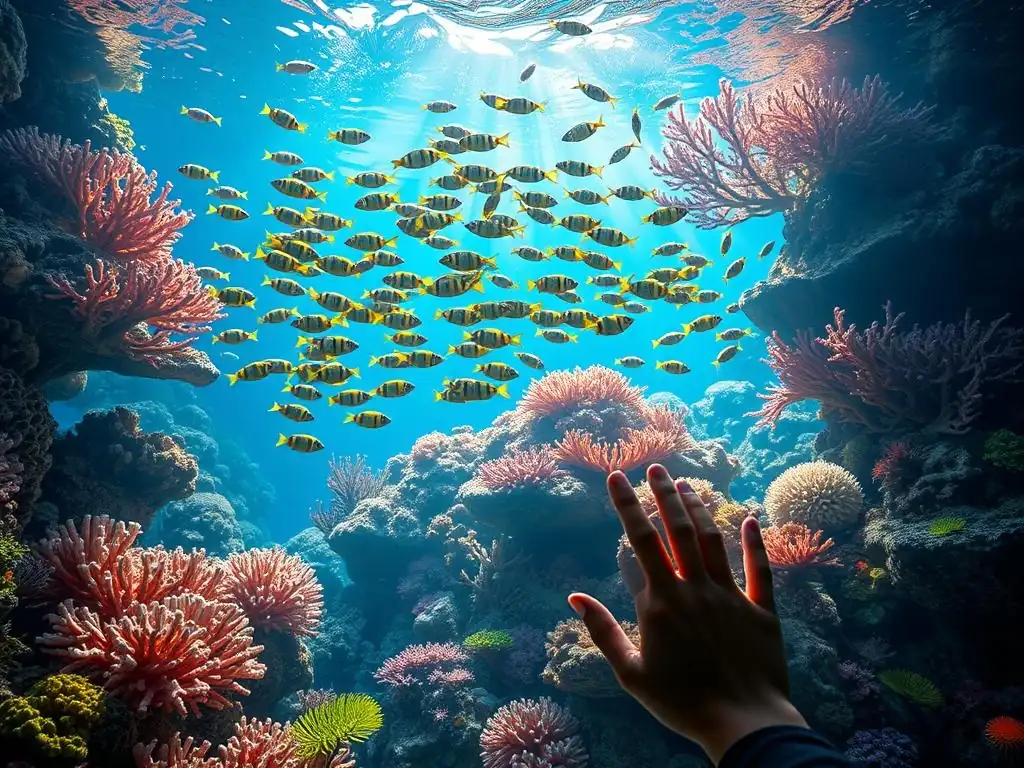
Welcome to Aquarium Mastery, where we help you unlock the secrets to thriving aquatic ecosystems!
Ever wonder how to keep your vibrant Anthias school healthy and shimmering? Dive into our comprehensive guide on Anthias disease treatment options, and discover proactive strategies to protect these delicate beauties. Prepare to gain the knowledge you need to prevent and combat common ailments, ensuring your Anthias thrive in a pristine environment. Let's explore the secrets to a happy and healthy Anthias school!
- Understanding Anthias Health: A Guide to Proactive Care
-
Identifying Common Anthias Diseases: Symptoms and Diagnosis
- Anthias Fin Rot: Recognizing and Treating Bacterial Infections
- Marine Ich (White Spot Disease) in Anthias: Identification and Control
- Uronema marinum: A Deadly Parasite Affecting Anthias
- Brooklynella hostilis: Recognizing and Addressing Clownfish Disease in Anthias
- Internal Parasites in Anthias: Symptoms and Treatment
- Anthias Disease Treatment Options: A Comprehensive Overview
- Preventing Anthias Diseases: Best Practices for a Healthy School
- Advanced Anthias Health Management: Long-Term Strategies
- Conclusion: Ensuring a Thriving Anthias School Through Knowledge and Care
-
Frequently Asked Questions
- What are the most common diseases that affect Anthias fish?
- How can I proactively prevent diseases in my Anthias school?
- What are the initial signs of disease I should look for in my Anthias?
- What are some Anthias disease treatment options for ich?
- What should I do if one of my Anthias fish shows signs of disease?
- Final Reflection: Safeguarding the Vibrant Anthias School
- Ignite a Thriving Anthias School: Your Journey Starts Now!
Understanding Anthias Health: A Guide to Proactive Care
Why Anthias are Susceptible to Disease in Reef Aquariums
Anthias, with their vibrant colors and graceful schooling behaviors, are a prized addition to many reef aquariums. However, their natural habitat on deep reef slopes, characterized by stable water parameters and abundant food, contrasts sharply with the often more confined and variable conditions of a home aquarium.
This transition, coupled with the inherent stress of capture, shipping, and acclimatization, significantly compromises their immune systems, making them particularly vulnerable to a range of common Anthias diseases. Their schooling nature, while visually appealing, also means that if one fish contracts an illness, it can rapidly spread throughout the entire group, leading to widespread issues.
Furthermore, the delicate balance of a reef aquarium can be easily disrupted, and Anthias are highly sensitive to fluctuations. Factors such as inconsistent feeding schedules, aggressive tank mates, or even minor shifts in water chemistry can induce stress. When a fish is stressed, its immune response is weakened, allowing opportunistic pathogens that might otherwise be harmless to take hold. This heightened susceptibility necessitates vigilant observation and proactive measures to prevent outbreaks of Anthias diseases within the aquarium environment.
Key Factors Influencing Anthias Health and Disease Resistance
Maintaining pristine water quality is paramount for the health and disease resistance of Anthias. These fish thrive in stable conditions, typically requiring a salinity of 1.023-1.026 specific gravity, a temperature range of 74-78°F (23-26°C), and a pH between 8.1 and 8.4. Consistent monitoring and regular adjustments of alkalinity, calcium, and magnesium levels, along with keeping ammonia and nitrite at undetectable levels and nitrates below 10-20 ppm, are critical. Any deviation from these optimal ranges can induce stress, which is a leading precursor to the onset of Anthias diseases.
Beyond water parameters, a varied and nutritious diet plays a crucial role in bolstering their immune system. Anthias are planktivores, requiring frequent, small feedings of high-quality frozen foods like mysis shrimp, enriched brine shrimp, and copepods. Providing adequate tank size and appropriate tank mates also minimizes stress from overcrowding or aggression, allowing Anthias to exhibit natural behaviors and maintain their vigor. A robust filtration system, including mechanical, biological, and chemical filtration, coupled with effective protein skimming, ensures that the aquatic environment remains clean and conducive to long-term health, significantly reducing the likelihood of Anthias disease outbreaks.
Identifying Common Anthias Diseases: Symptoms and Diagnosis
Anthias Fin Rot: Recognizing and Treating Bacterial Infections
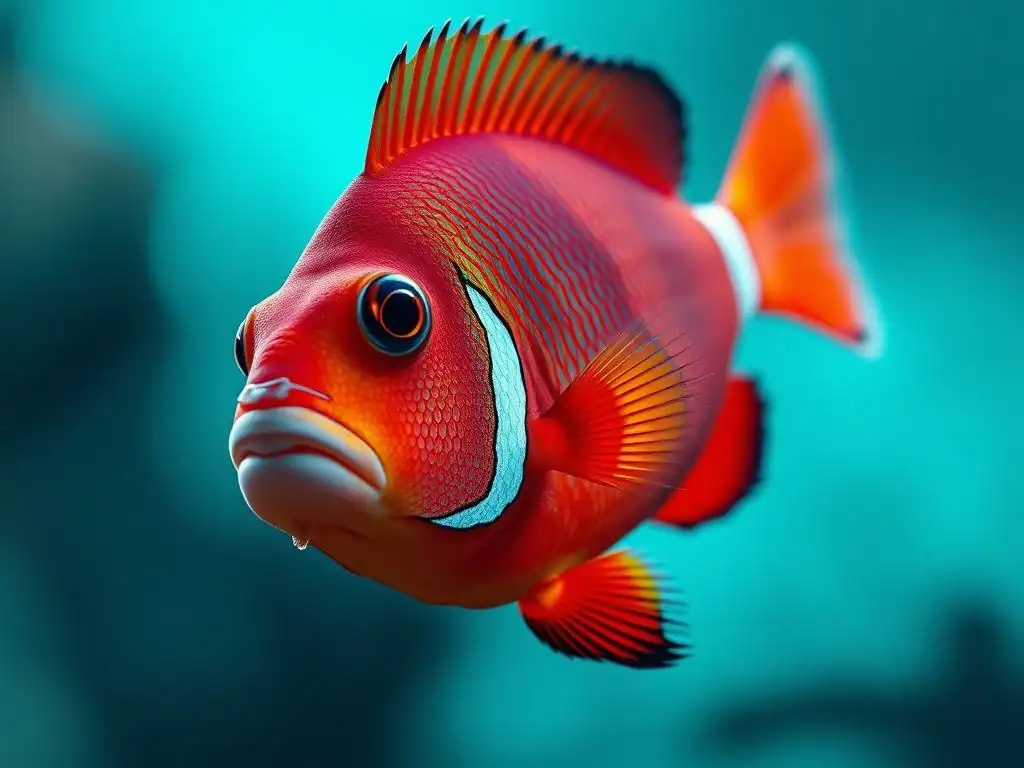
Anthias fin rot is a common bacterial infection characterized by the deterioration of the fins, which may appear frayed, ragged, or have white or red edges. In advanced cases, the fins can completely erode, exposing the skeletal rays. Affected fish might also exhibit cloudy eyes, lethargy, and a general loss of appetite. This condition is often a secondary infection, meaning it typically arises when a fish is already stressed due to poor water quality, overcrowding, physical injury, or other underlying health issues that weaken its immune system.
Diagnosis of fin rot is primarily visual, observing the characteristic damage to the fins. Early detection is crucial for successful Anthias disease treatment options. Treatment usually involves isolating the affected fish in a hospital tank, performing significant water changes to improve water quality, and administering broad-spectrum antibiotics, either through the water or via medicated food. Common antibiotics used include Furan-2 or Maracyn 2. Addressing the root cause, such as improving filtration or reducing aggression, is equally important to prevent recurrence and ensure the long-term health of the Anthias.
Marine Ich (White Spot Disease) in Anthias: Identification and Control
Marine Ich, caused by the protozoan parasite Cryptocaryon irritans, is one of the most prevalent and feared Anthias diseases in saltwater aquariums. Infected Anthias will display small, white spots resembling grains of salt scattered across their body and fins. Other symptoms include rapid breathing (gasping at the surface or near powerheads), flashing or rubbing against tank decorations, cloudy eyes, and a noticeable loss of appetite. The parasite has a complex life cycle, with free-swimming stages (theronts) that infect fish, and encysted stages (tomonts) that fall off the fish and reproduce on the substrate.
Diagnosis is typically made by visual confirmation of the white spots. Control and Anthias disease treatment options for Marine Ich involve transferring affected fish to a dedicated hospital tank, as most medications are harmful to invertebrates and corals in the main display. Common treatments include copper-based medications (maintaining a precise concentration of 0.15-0.25 ppm) or hyposalinity (gradually reducing salinity to 1.009-1.010 specific gravity). The treatment duration usually spans several weeks to ensure all life stages of the parasite are eradicated, preventing reinfection.
Uronema marinum: A Deadly Parasite Affecting Anthias
Uronema marinum is a highly virulent ciliate parasite that can rapidly devastate a school of Anthias. Unlike Ich, which presents as distinct white spots, Uronema often causes rapid tissue erosion, appearing as red lesions, sloughing skin, or a heavy, opaque slime coat. Infected fish become lethargic, lose their vibrant coloration, and may die within a short period, sometimes within 24-48 hours of symptoms appearing. This parasite frequently targets stressed or immunocompromised fish, often emerging after new introductions or significant environmental disturbances.
Diagnosis requires microscopic examination of skin or gill scrapes, as the parasite is too small to be seen with the naked eye. Given its aggressive nature, immediate action is paramount for any chance of successful Anthias disease treatment options. Formalin dips or baths, followed by transfer to a clean hospital tank, are often employed, sometimes in combination with medications like malachite green. However, even with prompt intervention, the mortality rate for Uronema marinum infections in Anthias can be exceptionally high, underscoring the importance of prevention through strict quarantine protocols.
Brooklynella hostilis: Recognizing and Addressing Clownfish Disease in Anthias
Brooklynella hostilis, commonly known as Clownfish Disease, is another highly contagious ciliate parasite that can severely affect Anthias, despite its common name. Symptoms include an excessive, thick slime coat that may appear as peeling or sloughing skin, often giving the fish a "velvety" appearance. Infected Anthias will exhibit rapid breathing, listlessness, loss of appetite, and may become dark in coloration. The disease progresses very quickly, and without immediate intervention, it can lead to rapid death within days.
Diagnosis is confirmed through microscopic examination of skin or gill mucus, revealing the characteristic oval-shaped Brooklynella ciliates. Due to its rapid progression, swift and aggressive Anthias disease treatment options are necessary. The most effective treatment involves immediate formalin dips or baths, often at a concentration of 1 ml of 37% formalin per gallon of water for 30-60 minutes, followed by transfer to a hospital tank.
Multiple treatments over several days may be required. Some aquarists also use a combination of formalin and malachite green. As with other highly contagious parasites, treating all exposed fish is crucial to prevent further spread and ensure comprehensive recovery.
Internal Parasites in Anthias: Symptoms and Treatment
Internal parasites, such as nematodes (roundworms), cestodes (tapeworms), and trematodes (flukes), can silently debilitate Anthias, often without obvious external signs until the infection is advanced. Common symptoms include severe emaciation or "wasting away" despite the fish eating regularly, stringy white feces, lethargy, loss of vibrant coloration, and in some cases, a swollen or bloated abdomen. Infected fish may also exhibit difficulty swimming or unusual swimming patterns. These parasites interfere with nutrient absorption, leading to chronic malnutrition and a weakened immune system, making the fish susceptible to other Anthias diseases.
Diagnosis can be challenging and often relies on observing the combination of symptoms, particularly the presence of stringy or abnormal feces. In some cases, a microscopic examination of a fresh fecal sample can confirm the presence of parasite eggs or segments. The most effective Anthias disease treatment options for internal parasites involve medicated foods that contain anthelmintics like praziquantel or metronidazole. These medications are typically ingested by the fish, targeting the parasites within their digestive tract. Administering medicated food over several days or weeks, as directed by the product, is crucial to ensure complete eradication and prevent reinfection.
Anthias Disease Treatment Options: A Comprehensive Overview
Quarantine Procedures for Sick Anthias: Setting Up a Hospital Tank
When an Anthias shows signs of illness, the first and most critical step in applying Anthias disease treatment options is to immediately isolate the affected fish in a dedicated hospital tank. This isolation serves multiple vital purposes: it prevents the potential spread of contagious diseases to other inhabitants in the main display tank, it allows for the precise administration of medications without harming sensitive invertebrates or corals, and it provides a controlled environment for observation and recovery.
A hospital tank can be as simple as a 10- to 20-gallon aquarium equipped with a heater to maintain stable temperature, an air stone for oxygenation, and a small, established sponge filter for biological filtration.
Setting up the hospital tank properly involves using water from the main display tank to minimize stress from parameter changes, ensuring the water parameters (salinity, temperature, pH) are matched precisely. It is essential to avoid using substrate or porous decorations that can absorb medications, rendering them ineffective or requiring higher, potentially dangerous, dosages. Continuous monitoring of water quality in the hospital tank is crucial, as the smaller volume can lead to rapid fluctuations. This controlled environment is indispensable for the successful implementation of any Anthias disease treatment options, allowing for targeted care and minimizing stress on the sick fish.
Medication Options for Anthias Diseases: A Detailed Guide
Copper-Based Treatments for Anthias: Use with Caution
Copper-based medications are highly effective Anthias disease treatment options for external parasites such as Marine Ich ( Cryptocaryon irritans) and Marine Velvet ( Amyloodinium ocellatum). These treatments work by interfering with the parasites' metabolic processes. There are generally two types of copper treatments available: ionic copper (e.g., copper sulfate, copper citrate) and chelated copper. Ionic copper is more potent and acts faster but requires extremely careful monitoring due to its narrow therapeutic window, while chelated copper is more stable but can be less effective against severe infestations.
When using copper, precise dosing is absolutely critical. For Ich, a common target concentration is 0.15-0.25 ppm. It is imperative to use a reliable copper test kit daily to monitor levels and adjust dosing accordingly, as both under-dosing (ineffective) and over-dosing (toxic to fish) can be detrimental. Copper is highly toxic to invertebrates and corals, making a separate hospital tank mandatory. Prolonged exposure can also stress fish, so observation for signs of distress is essential. While powerful Anthias disease treatment options, copper requires diligent management.
Antibiotics for Anthias: Addressing Bacterial Infections
Antibiotics are specific Anthias disease treatment options used to combat bacterial infections like fin rot, bacterial septicemia, or open sores. These medications work by inhibiting the growth of or killing pathogenic bacteria. Common antibiotics used in the aquarium hobby include Furan-2 (nitrofurazone), Maracyn 2 (minocycline), and sometimes erythromycin. They can be administered either directly into the water of a hospital tank or, preferably, incorporated into medicated foods, which targets systemic infections more effectively and reduces the impact on beneficial bacteria in the water column.
It is crucial to use antibiotics only when a bacterial infection is strongly suspected or confirmed, as their indiscriminate use can lead to antibiotic resistance and harm the fish's beneficial gut flora. Always follow the manufacturer's dosage instructions precisely, and complete the full course of treatment even if symptoms improve, to ensure complete eradication of the infection. After antibiotic treatment, the use of probiotics can help restore beneficial gut bacteria, aiding in the fish's recovery and strengthening its immune system against future Anthias diseases.
Praziquantel for Anthias: Treating Parasitic Infestations
Praziquantel is a highly effective anthelmintic medication primarily used as an Anthias disease treatment option for internal and external worm infestations, specifically flukes (trematodes) and tapeworms (cestodes). It works by disrupting the nervous system of the parasites, leading to paralysis and eventual death. Unlike some other medications, praziquantel is generally considered safe for most invertebrates and corals, making it a preferred choice for treating flukes in a reef display tank if direct treatment is necessary, though a hospital tank is still recommended for sick fish.
Praziquantel can be administered as a bath treatment in the water column or, more effectively for internal parasites, mixed into medicated foods. For external flukes, a prolonged bath (e.g., 24-48 hours) or multiple shorter dips may be recommended. For internal tapeworms, medicated food fed over several days or weeks is crucial to ensure the medication reaches the gut and acts on the entire life cycle of the parasite. This versatile medication is a key component in a comprehensive approach to managing parasitic Anthias diseases.
Natural Anthias Disease Treatment Options: Exploring Alternatives
Garlic as a Natural Remedy for Anthias Health
Garlic ( Allium sativum) has gained popularity among aquarists as a natural supplement believed to enhance fish health and appetite, though it is not a direct cure for specific Anthias diseases. It contains allicin, a compound thought to have antimicrobial and immune-boosting properties. While it won't eradicate parasites or bacterial infections on its own, soaking frozen or dry foods in a commercial garlic extract (specifically formulated for aquariums) can make the food more palatable, encouraging sick or finicky Anthias to eat.
This increased food intake helps to strengthen the fish's immune system, providing vital nutrients that support recovery from illness. Some aquarists also believe it can deter external parasites. While its direct medicinal effect against pathogens is debated, its role in improving appetite and overall vitality makes it a valuable supportive measure within the broader spectrum of Anthias disease treatment options, especially during recovery periods or for preventative health.
Probiotic Use in Anthias: Enhancing Gut Health and Immunity
Probiotics are beneficial microorganisms that, when administered to fish, can improve gut health, enhance digestion, and boost the immune system. For Anthias, which can be sensitive to stress and prone to internal issues, probiotics can be a valuable preventative and supportive measure. They work by colonizing the gut with beneficial bacteria, which outcompete harmful pathogens, improve nutrient absorption, and produce vitamins. This strengthens the fish's natural defenses against various common Anthias diseases.
Probiotics can be added to the aquarium water, but they are most effective when soaked into the fish's food. This ensures direct ingestion and colonization of the digestive tract. They are particularly beneficial after a course of antibiotics, which can deplete beneficial gut flora, helping to restore a healthy microbial balance. Regular probiotic supplementation can contribute significantly to the long-term health and resilience of Anthias, reducing their susceptibility to illness and improving their ability to recover.
Preventing Anthias Diseases: Best Practices for a Healthy School
Maintaining Optimal Water Quality: Crucial for Anthias Health
Regular Water Changes and Testing
Maintaining consistently high water quality is the single most important preventative measure against Anthias diseases. Regular water changes are fundamental to this. Performing weekly or bi-weekly water changes of 10-20% of the tank volume effectively removes accumulated nitrates, phosphates, and other dissolved organic compounds that can degrade water quality and stress fish. It also replenishes essential trace elements that are consumed by corals and fish. Always use a high-quality salt mix and ensure the new water matches the existing tank water's salinity and temperature precisely to avoid shocking the fish.
Consistent water testing is equally crucial. Parameters such as salinity (1.024-1.026 SG), temperature (74-78°F), pH (8.1-8.4), ammonia (0 ppm), nitrite (0 ppm), and nitrate (<10-20 ppm) should be monitored regularly. Additionally, alkalinity (7-12 dKH), calcium (400-450 ppm), and magnesium (1250-1350 ppm) are vital for a stable reef environment. Any significant fluctuations or persistent undesirable levels can weaken Anthias, making them more susceptible to various Anthias diseases. Proactive adjustments based on test results prevent stress-induced illnesses.
Choosing the Right Filtration System
A robust and well-maintained filtration system is indispensable for preventing Anthias diseases by ensuring a clean and stable aquatic environment. This typically involves a combination of mechanical, biological, and chemical filtration. Mechanical filtration, such as filter socks or sponges, physically removes particulate matter, preventing the buildup of detritus. Biological filtration, primarily provided by live rock and dedicated bio-media (like ceramic rings or bio-balls), converts toxic ammonia and nitrite into less harmful nitrate through the nitrogen cycle.
Chemical filtration, often in the form of activated carbon or GFO (granular ferric oxide), removes dissolved organic pollutants, odors, and phosphates. A high-quality protein skimmer is also highly recommended for saltwater aquariums as it efficiently removes dissolved organic waste before it breaks down and contributes to nitrate and phosphate levels. Adequate water flow, typically 20-40 times the tank volume per hour, ensures proper oxygenation and prevents dead spots where detritus can accumulate, further enhancing water quality and reducing the risk of Anthias disease.
Proper Nutrition for Anthias: Strengthening Their Immune System
Selecting High-Quality Anthias Food
Optimal nutrition is a cornerstone of a strong immune system, making Anthias more resilient to diseases. As planktivores, Anthias require frequent, small feedings throughout the day, ideally 2-3 times, and sometimes more for younger or newly introduced fish. The diet should be varied and consist of high-quality frozen foods such as mysis shrimp, enriched brine shrimp, finely chopped krill, and copepods. These provide essential proteins, fats, and fatty acids.
Supplementing with high-quality marine pellet or flake foods specifically designed for small, planktivorous fish can also ensure a balanced diet. It's crucial to select food items that are appropriately sized for the Anthias' mouths to ensure proper ingestion and digestion. A diverse and consistent feeding regimen prevents nutritional deficiencies, which can significantly weaken a fish's immune response and increase its susceptibility to common Anthias diseases.
Supplementing with Vitamins and Minerals
Beyond a varied diet, supplementing with essential vitamins and minerals further fortifies the Anthias' immune system and overall health. Vitamin C, in particular, is vital for immune function, wound healing, and stress reduction in fish. Liquid vitamin supplements, such as Selcon, can be soaked into frozen foods before feeding, allowing the fish to absorb these critical nutrients directly. This method ensures that even finicky eaters receive the necessary boost.
Trace element supplements added directly to the aquarium water can also support various metabolic processes, skeletal development, and general vitality. While not a direct cure for existing Anthias diseases, consistent vitamin and mineral supplementation helps build a robust physiological defense, making fish less prone to infections and better equipped to recover from any health challenges they might face.
Minimizing Stress in Anthias: Creating a Stable Environment
Tank Mates and Compatibility
Choosing appropriate tank mates is crucial for minimizing stress in Anthias and, consequently, reducing their susceptibility to disease. Anthias are generally peaceful schooling fish, but they can be easily intimidated or harassed by overly aggressive, territorial, or much larger species. Avoid housing them with known fin-nippers or highly predatory fish that could view them as food. Ideal tank mates include other peaceful reef-safe species such as gobies, blennies, and certain types of peaceful wrasses.
Introducing new fish slowly and carefully, preferably after a proper quarantine period, helps prevent territorial disputes and the introduction of pathogens. A harmonious community reduces chronic stress, which is a major factor in compromising a fish's immune system. When Anthias are comfortable and not constantly on edge, their natural resilience against Anthias diseases is significantly enhanced, leading to a healthier and more active school.
Adequate Hiding Places and Swimming Space
Anthias, despite their active schooling behavior, require ample hiding places and sufficient swimming space to feel secure and reduce stress. Providing a well-structured aquascape with numerous caves, crevices, and overhangs using live rock mimics their natural reef habitat, offering safe retreats when they feel threatened or for overnight resting. This sense of security is vital for their well-being.
While hiding spots are essential, Anthias also need open water for schooling and active swimming. An overcrowded tank restricts movement, increases competition for resources, and elevates stress levels, making the fish more prone to aggression and the rapid spread of Anthias diseases. A general guideline is to provide a tank size that allows for adequate space for the entire school to move freely, ensuring both security and room for their natural behaviors.
Advanced Anthias Health Management: Long-Term Strategies
Proactive Observation: Early Detection of Anthias Disease
Proactive observation is an invaluable long-term strategy for managing Anthias health and significantly improving the success rate of any Anthias disease treatment options. Daily, dedicated observation of your Anthias' behavior, appearance, and feeding habits can reveal subtle changes that signal the onset of illness long before obvious symptoms appear. Look for deviations from normal behavior, such as lethargy, hiding excessively, rapid breathing, flashing against decor, or unusual swimming patterns.
Pay close attention to their physical appearance: check for changes in color (dulling or darkening), the presence of any spots, lesions, frayed fins, or excessive slime coat. Monitor their appetite; a sudden refusal to eat is often one of the first indicators of a problem. Keeping a detailed logbook of water parameters, feeding schedules, and any unusual observations can help identify trends and provide crucial information for early diagnosis, allowing for timely intervention and preventing a minor issue from escalating into a widespread Anthias disease outbreak.
Importance of Regular Health Checks and Preventative Measures
Implementing regular health checks and rigorous preventative measures is paramount for the long-term vitality of an Anthias school. This includes a strict quarantine protocol for all new fish, regardless of their apparent health. A minimum quarantine period of 3-4 weeks in a separate tank allows for observation and treatment of potential pathogens before they are introduced to the main display, preventing the spread of common Anthias diseases. During quarantine, new fish can be proactively treated for common parasites like Ich and flukes.
Consistent adherence to excellent husbandry practices, such as routine water changes, thorough equipment cleaning, and ensuring all tank inhabitants are well-fed and unstressed, builds a robust and resilient ecosystem. Regularly inspecting filtration components, checking for proper flow, and promptly addressing any equipment malfunctions also contribute significantly to a stable environment. Prevention, through these diligent practices, is always superior and less stressful than reacting to an outbreak of Anthias diseases with aggressive treatment options.
Consulting with a Marine Veterinarian: When and Why
While many common Anthias diseases can be managed by experienced aquarists, there are instances when consulting with a qualified marine veterinarian becomes essential. This is particularly true for complex or persistent health issues that do not respond to standard Anthias disease treatment options, or when the diagnosis remains uncertain. A marine veterinarian possesses specialized knowledge of aquatic animal physiology and pathology, offering a professional perspective that goes beyond typical hobbyist resources.
They can perform advanced diagnostic tests, such as skin biopsies, gill clips, or fecal examinations, to accurately identify specific pathogens that are not visible to the naked eye or easily identifiable by the average aquarist. Based on these precise diagnoses, they can prescribe targeted medications, including antibiotics or antiparasitics, that may not be readily available to the public. Consulting a marine veterinarian is a crucial step for advanced Anthias health management, providing expert guidance on complex cases and ensuring the best possible outcome for your precious school.
Conclusion: Ensuring a Thriving Anthias School Through Knowledge and Care
Frequently Asked Questions
What are the most common diseases that affect Anthias fish?
Anthias are susceptible to several diseases, including ich (white spot disease), velvet disease (Oodinium), and bacterial infections. These are often triggered by stress or poor water quality.
How can I proactively prevent diseases in my Anthias school?
Prevention is key! Focus on maintaining pristine water quality through regular water changes, providing a stress-free environment with appropriate tank mates, and offering a balanced and nutritious diet.
What are the initial signs of disease I should look for in my Anthias?
Watch for changes in behavior, such as lethargy, loss of appetite, or flashing against objects. Visible signs might include white spots, cloudy eyes, or labored breathing.
What are some Anthias disease treatment options for ich?
For ich, common treatments include copper-based medications, hyposalinity (lowering the salinity of the water), and tank transfer methods. Always follow instructions carefully and monitor your fish closely.
What should I do if one of my Anthias fish shows signs of disease?
Immediately quarantine the affected fish in a separate tank to prevent the spread of disease. Then, identify the disease and begin appropriate treatment, consulting a reliable aquarium resource or veterinarian.
Okay, here's a final reflection designed for your article "Common Anthias Diseases: Proactive Health Management for Your Precious School," optimized for the keyword "Anthias disease treatment options" and following the structure you provided:
Final Reflection: Safeguarding the Vibrant Anthias School
The insights shared in this article underscore the critical need for proactive health management in Anthias keeping, especially given the delicate nature of these schooling fish. Understanding Anthias disease treatment options is no longer a luxury, but a necessity for responsible reef aquarium hobbyists committed to the well-being of their vibrant Anthias schools.
This journey into the world of Anthias health has undoubtedly highlighted the interconnectedness of our actions and the health of these beautiful creatures. My hope is that this information empowers aquarists to become more observant and responsive to the subtle signs of illness, fostering a deeper connection with their Anthias. The best cure is prevention,
as the saying goes, and in the case of Anthias, this rings especially true. A well-maintained environment and diligent observation are your strongest allies.
Now, armed with knowledge of Anthias disease treatment options and preventative measures, I invite you to reflect on your own practices. Are you providing the optimal environment for your Anthias to thrive? Are you vigilant in observing their behavior and appearance? Let this article be a catalyst for positive change, inspiring you to create a healthier, more vibrant life for your precious Anthias school.
Ignite a Thriving Anthias School: Your Journey Starts Now!
Thank you for diving into the world of Anthias health! We hope this article equipped you with the knowledge to keep your vibrant school flourishing. Now, let's put that knowledge into action and create the healthiest possible environment for your Anthias.
Here are a few immediate steps you can take:
- Schedule a dedicated observation period this week to closely monitor your Anthias for any early signs of disease. This proactive approach can make all the difference.
- Explore implementing a quarantine protocol for any new additions to your aquarium to prevent the introduction of pathogens.
- Share this article with fellow reef keepers and discuss preventative measures you can all implement to ensure the health of your Anthias!
What small change will you implement today to boost the health and resilience of your Anthias school?