
Male vs. Female Wrasses: Does Gender Impact Behavior and Tank Dynamics?

Welcome to Aquarium Mastery!
Dive into the fascinating world of wrasse behavior! Ever wondered if male and female wrasses act differently in your saltwater aquarium? This article explores the intriguing nuances of wrasse gender tank behavior, revealing how it impacts your aquarium's delicate ecosystem. Prepare to uncover the secrets and ensure harmonious tank dynamics – keep reading to learn more!
- Wrasse Gender Tank Behavior: Male vs. Female Leopard Wrasses in Reef Aquariums
- Male Wrasse Behavior: Dominance, Territory, and Reproduction in Macropharyngodon bipartitus
- Female Wrasse Behavior: Social Interactions and Egg Production in Macropharyngodon bipartitus
- Wrasse Gender and Tank Dynamics: Impacts on Social Structure
- Choosing Wrasses: Gender Considerations for Different Aquarium Setups
- Wrasse Gender and Reef Compatibility: Protecting Corals and Invertebrates
- Conclusion: Optimizing Wrasse Tank Dynamics Through Gender Awareness
-
Frequently Asked Questions
- How does the gender of a wrasse typically impact its general behavior in an aquarium?
- Are there noticeable physical differences between male and female wrasses that aquarists can use for identification?
- Does the presence of a male wrasse significantly affect the tank dynamics in a community aquarium?
- How does the gender of a wrasse influence its interaction with other fish species in the aquarium?
- Does the gender of a wrasse affect its role in maintaining a healthy aquarium environment, such as pest control?
- Final Reflection: Understanding Wrasse Gender Dynamics
- Unveil Your Wrasse-Keeping Potential!
Wrasse Gender Tank Behavior: Male vs. Female Leopard Wrasses in Reef Aquariums
Understanding the gender of your wrasses, particularly species like the Leopard Wrasse ( Macropharyngodon bipartitus), is paramount for successful aquarium keeping. Many wrasse species are protogynous hermaphrodites, meaning they are born female and can change sex to male under certain social or environmental conditions.
This ability profoundly impacts their social dynamics and the potential for aggression within a confined reef tank environment. For instance, introducing multiple adult males of the same species into a tank smaller than 150 gallons can lead to severe territorial disputes, often resulting in injury or death for the subordinate individual, significantly affecting overall wrasse gender tank behavior.
Beyond aggression, gender influences feeding habits, sleeping patterns, and even coloration, all of which contribute to the overall health and stability of the aquarium ecosystem. A male wrasse might spend more time patrolling a specific territory, while a female might focus more on foraging. Recognizing these subtle differences in wrasse gender tank behavior allows aquarists to create a more harmonious environment, preventing stress-related diseases and ensuring all inhabitants thrive. Ignoring gender dynamics can lead to chronic stress, fin nipping, and even starvation if dominant individuals prevent others from accessing food or safe spaces.
Exploring Sexual Dimorphism in Leopard Wrasses: Visual and Behavioral Cues
Sexual dimorphism in Leopard Wrasses is quite pronounced, offering clear visual cues to distinguish males from females. Adult males typically exhibit more vibrant and intricate coloration, often displaying a richer blue or green on their faces and fins, with more pronounced red or orange spots compared to females. They also tend to be larger, sometimes reaching up to 6 inches in length, whereas females generally remain around 4-5 inches. Beyond color and size, the dorsal and anal fins of males can be more elongated or pointed, contributing to their distinctive appearance.
Behavioral cues also serve as indicators of wrasse gender tank behavior. Male Leopard Wrasses often exhibit more assertive and exploratory behaviors, actively patrolling their chosen territory within the sand bed and rockwork. During spawning periods, males will engage in elaborate courtship displays, involving rapid swimming, fin flaring, and changes in coloration to attract females. Females, while also active, tend to be less overtly territorial and more focused on foraging for small invertebrates in the substrate. Observing these visual and behavioral differences is crucial for aquarists aiming to maintain a balanced and healthy wrasse population.
Male Wrasse Behavior: Dominance, Territory, and Reproduction in Macropharyngodon bipartitus
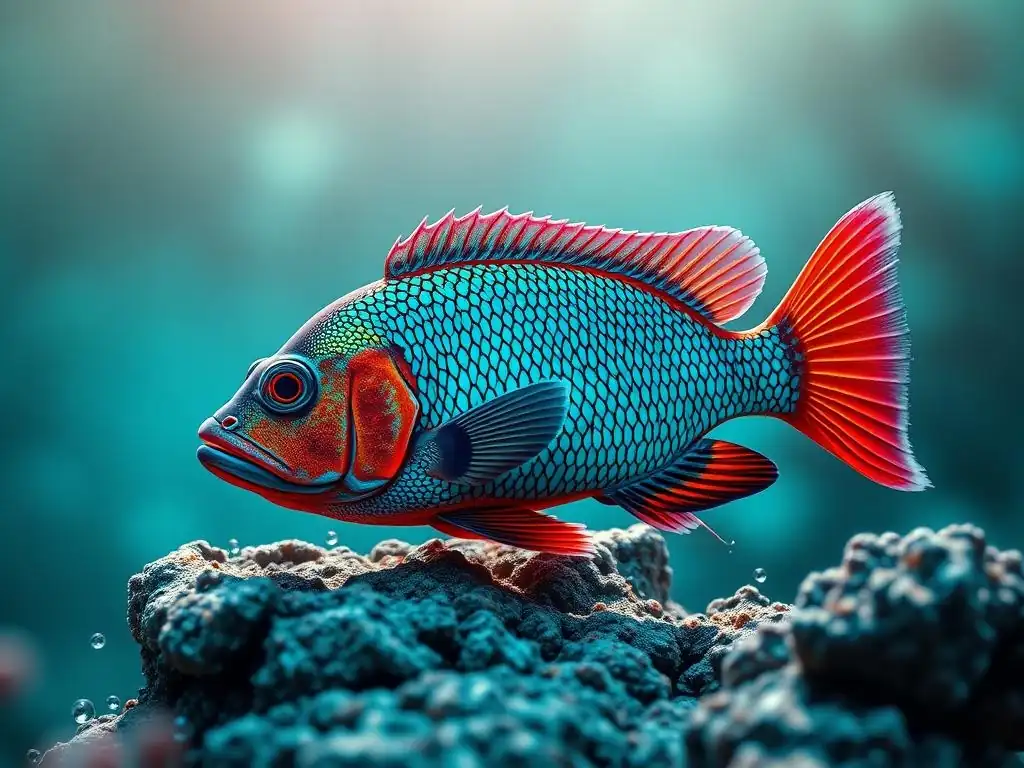
Male Wrasse Territoriality: Impacts on Tank Mates and Sand Bed Inhabitants
Male Leopard Wrasses are known for their distinct territoriality, which significantly shapes their wrasse gender tank behavior. They typically establish a specific area within the aquarium, often centered around a preferred sleeping spot in the sand bed or a prominent piece of rockwork.
This territory is vigorously defended against perceived rivals, especially other males of the same or very similar species. In tanks under 75 gallons, the presence of even two male Leopard Wrasses can lead to constant skirmishes, with the dominant male relentlessly pursuing the subordinate, causing immense stress and often leading to the latter's demise due to lack of feeding or constant harassment.
Their territorial nature also impacts sand bed inhabitants. As they constantly sift through the sand in search of food and to maintain their sleeping burrow, they can disturb less robust burrowing invertebrates like certain types of worms or small crustaceans that share their substrate. While this sifting activity is beneficial for aeration and detritus removal, it can be detrimental to delicate burrowing organisms. Aquarists must ensure a deep, fine sand bed (at least 3-4 inches) to accommodate their natural burrowing instincts and provide ample space to reduce territorial disputes among conspecifics, thus mitigating negative wrasse gender tank behavior.
Male Wrasse Aggression: Identifying and Managing Aggressive Behaviors Towards Similar Species
Aggression in male Leopard Wrasses, while primarily directed at conspecific males, can sometimes extend to other wrasse species, particularly those with similar body shapes or coloration. This wrasse gender tank behavior is driven by perceived competition for resources, territory, or mates. Signs of aggression include rapid chasing, fin nipping, head-to-head confrontations, and displaying intensified coloration.
If aggression is severe, the target fish may hide constantly, refuse to eat, or develop torn fins and stress-induced diseases. For example, a male Leopard Wrasse might harass a similarly sized male Six-Line Wrasse if tank space is limited or if they perceive each other as direct competitors.
Managing this aggression requires proactive measures. Firstly, ensure adequate tank size; a minimum of 100 gallons is recommended for a single male Leopard Wrasse, with larger tanks (180+ gallons) needed for potential harems or mixed wrasse species. Providing ample rockwork with numerous caves and hiding spots can break line of sight and offer refuge for subordinate individuals.
Introducing the male last, after other less aggressive tank mates are established, can also help. If aggression becomes problematic, temporary removal of the aggressor for a few days can sometimes reset the dynamic, but often, permanent separation is the only solution if the tank environment cannot support the dominant wrasse gender tank behavior.
Spawning Behavior in Male Leopard Wrasses: Courtship Displays and Reproduction Strategies
The spawning behavior of male Leopard Wrasses is a fascinating aspect of their wrasse gender tank behavior, occurring primarily during the late afternoon hours, typically 1-2 hours before the lights go out. Males initiate courtship with elaborate displays to attract females. This often involves a "dance" where the male rapidly swims above the sand bed, circling and flaring his fins, showcasing his vibrant coloration. He may also perform a series of quick, jerky movements or "shivers" directly in front of the female, attempting to entice her to join him in an upward spawning ascent.
Once a female accepts, the pair will rapidly ascend towards the water surface, releasing eggs and sperm simultaneously at the apex of their climb. The eggs are pelagic, meaning they are buoyant and float freely in the water column, drifting with the currents.
This strategy ensures wide dispersal of the offspring, reducing predation pressure on a single concentrated batch of eggs. While successful spawning in home aquariums is rare due to specific environmental triggers and the sheer volume of water required for egg dispersal and larval survival, observing these courtship rituals provides valuable insight into the reproductive wrasse gender tank behavior and overall health of your Leopard Wrasses.
Female Leopard Wrasses exhibit a distinct set of social dynamics, often forming loose hierarchies within a harem structure when kept with a single male. In a properly sized aquarium (e.g., 120 gallons or larger for a trio), a male can comfortably cohabit with two to three females. Within this group, a subtle pecking order may exist, with one female potentially being slightly more dominant, though overt aggression between females is rare, especially when compared to male wrasse gender tank behavior. They tend to school loosely or forage together, demonstrating a cohesive group behavior rather than strict territoriality.
Their social interactions are generally peaceful and cooperative, revolving around foraging and seeking safety. Females often follow each other, exploring the rockwork and sand bed for small invertebrates. If a female is stressed or feels threatened, she will quickly dive into the sand for protection, a behavior common to both genders but perhaps more frequently observed in females due to their less dominant nature. Maintaining a healthy male-to-female ratio is crucial for observing these natural social dynamics and ensuring the well-being of the female wrasse gender tank behavior within the system.
Egg Production and Spawning Roles of Female Leopard Wrasses
The primary reproductive role of female Leopard Wrasses is egg production. In a healthy, mature aquarium environment with stable parameters and a suitable diet, females can produce eggs regularly, often on a daily or every-other-day cycle during peak breeding seasons. These eggs are small, spherical, and contain a tiny oil droplet, which aids in their buoyancy. The number of eggs produced can vary depending on the female's size, age, and nutritional status, but a mature female can release hundreds, if not thousands, of eggs during a single spawning event.
During the spawning ascent with a male, the female's role is to release these eggs into the water column for external fertilization. She will typically follow the male's lead, rising quickly towards the surface. Post-spawning, the female will usually return to foraging or seeking refuge, showing no parental care for the pelagic eggs. Their contribution to wrasse gender tank behavior in terms of reproduction is solely focused on gamete production and release, relying on the male for fertilization and the ocean currents for dispersal in the wild.
Identifying Signs of Healthy Female Leopard Wrasses in Your Aquarium
Identifying signs of healthy female Leopard Wrasses is essential for proactive aquarium management and understanding their wrasse gender tank behavior. A healthy female will exhibit vibrant, consistent coloration appropriate for her species, without any faded patches or unusual markings. Her body should be full and rounded, indicating proper nutrition, with no signs of emaciation or sunken bellies. She should be actively foraging throughout the day, sifting through the sand, and picking at live rock, demonstrating a keen appetite for small invertebrates.
Furthermore, healthy females will display alert and responsive behavior, quickly reacting to external stimuli or changes in the tank. They should exhibit regular diurnal activity, burying themselves in the sand at night or when startled, and emerging promptly in the morning. Consistent breathing rate, clear eyes, and intact fins are also crucial indicators. Any deviation from these behaviors, such as lethargy, refusal to eat, clamped fins, or labored breathing, suggests potential health issues that require immediate attention, highlighting the importance of observing their normal wrasse gender tank behavior.
How Male to Female Ratio Affects Leopard Wrasse Tank Behavior
The male to female ratio is a critical factor dictating Leopard Wrasse tank behavior and overall social harmony. Introducing multiple adult males into a typical home aquarium (under 180 gallons) is almost always ill-advised. Male Leopard Wrasses are highly territorial and will relentlessly fight for dominance, often leading to the death of the weaker male. The ideal scenario for most aquarists is a single male with multiple females (a harem). A ratio of one male to two or three females in a tank of 120 gallons or more allows for natural social dynamics to unfold without excessive aggression.
In the absence of a male, a dominant female may eventually undergo a sex change to become male, especially if there are other females present. This phenomenon, known as protogynous hermaphroditism, is a natural part of their wrasse gender tank behavior. However, if multiple females are kept without a male, they generally coexist peacefully.
For example, a group of three female Leopard Wrasses in a 75-gallon tank would likely display minimal aggression, focusing on foraging and coexisting. Conversely, introducing a second male to an established male in a 150-gallon tank could immediately trigger severe aggression, showcasing the profound impact of this ratio.
Managing Aggression and Promoting Harmony in Leopard Wrasse Tanks
Managing aggression in Leopard Wrasse tanks, particularly concerning male wrasse gender tank behavior, requires strategic planning. Foremost is tank size; a larger tank (120+ gallons) provides more space for territories and reduces the likelihood of constant encounters. Providing ample hiding spots and line-of-sight breaks using live rock aquascaping is crucial. Complex rock structures with numerous caves and crevices allow subordinate fish to escape and de-stress, minimizing the impact of dominant behaviors.
Introducing new wrasses carefully can also mitigate aggression. Acclimation boxes, where new fish can be observed and become familiar with the tank's inhabitants without direct interaction, can reduce initial stress. Adding all wrasses simultaneously, or introducing less aggressive females before a dominant male, can help establish a more balanced social order. If a male is consistently harassing another fish, temporary removal of the aggressor for a few days can sometimes disrupt the established dominance hierarchy, allowing the bullied fish to recover. However, if aggression persists, permanent separation might be necessary to maintain overall wrasse gender tank behavior harmony.
Understanding wrasse social compatibility, particularly between Leopard Wrasses ( Macropharyngodon bipartitus) and Fairy Wrasses ( Cirrhilabrus spp. ), is crucial for a peaceful community tank. While both are generally peaceful reef inhabitants, their wrasse gender tank behavior can differ significantly. Leopard Wrasses are sand-sifting specialists, spending much of their time foraging in the substrate, whereas Fairy Wrasses are more open-water swimmers, often darting among rockwork. This difference in primary habitat utilization generally reduces direct competition for space.
However, issues can arise if tank size is insufficient or if male Fairy Wrasses exhibit strong territorial displays that overlap with a male Leopard Wrasse's perceived territory. For instance, a dominant male Cirrhilabrus exquisitus in a 75-gallon tank might occasionally chase a smaller male Leopard Wrasse if they both attempt to occupy the same prominent rock.
Generally, a tank of 120 gallons or more with varied rockwork and ample sand bed can comfortably house both species without significant conflict. Observing individual personalities and ensuring sufficient resources are key to fostering positive wrasse gender tank behavior between these diverse wrasse types.
Choosing Wrasses: Gender Considerations for Different Aquarium Setups
Best Leopard Wrasse Gender Combinations for Reef Tanks: Harems and Solitary Specimens
When choosing Leopard Wrasses for a reef tank, the best gender combination largely depends on tank size and your aquascaping. For tanks under 100 gallons, a solitary Leopard Wrasse, regardless of gender, is often the most successful choice. A single male will generally be peaceful towards other non-wrasse tank mates and will not have conspecifics to exhibit aggression towards. A single female is equally suitable and often less prone to exhibiting strong territorial wrasse gender tank behavior.
For larger tanks, typically 120 gallons and above, establishing a harem is an excellent option. This involves introducing one male with two to three females. This setup allows for natural social interactions and reduces the male's focus on any single female, distributing his attention.
For example, in a 180-gallon tank, a male Macropharyngodon bipartitus with three females would likely thrive, exhibiting natural foraging and occasional courtship displays. Attempting to keep multiple males, even in very large tanks, is highly risky due to their aggressive wrasse gender tank behavior towards rivals, and is generally not recommended unless the tank is exceptionally large (300+ gallons) with extensive rockwork to create multiple distinct territories.
Avoiding Common Mistakes When Introducing Male and Female Leopard Wrasses
One of the most common mistakes when introducing male and female Leopard Wrasses is adding multiple males to an inadequately sized tank. Even if initially peaceful, as they mature, the dominant male will almost certainly harass and potentially kill the subordinate. A second mistake is introducing a new male into an established tank where an existing male has already claimed territory without sufficient space or hiding spots; this often results in immediate and severe aggression, highlighting problematic wrasse gender tank behavior.
Another error is introducing a new wrasse, especially a male, without a proper quarantine period. This can introduce diseases to your main display tank, compromising the health of all inhabitants. Additionally, introducing a new wrasse that is significantly smaller than the existing male can lead to bullying.
Always try to introduce fish of similar sizes, or ensure the new addition is large enough to hold its own. Finally, ensure your tank has a deep, fine sand bed (at least 3-4 inches) before introduction, as this is critical for their natural burying behavior and reduces stress, contributing positively to their wrasse gender tank behavior.
The relationship between wrasse gender and tank size is critical for optimizing social harmony, particularly for Leopard Wrasses. For a single Macropharyngodon bipartitus, a minimum tank size of 75 gallons is generally recommended. This provides sufficient space for foraging, swimming, and establishing a small territory without impinging on other tank mates. The deeper the tank, the better, as it allows for more vertical swimming space and a more significant sand bed for burrowing.
When considering a harem of one male and two to three females, a tank size of 120 gallons or larger becomes essential. This increased volume provides adequate territory for the male and multiple distinct areas for the females to forage and seek refuge.
In tanks smaller than this, even a harem can lead to undue stress on the females from constant male attention, or increased aggression if the male feels confined. Providing a diverse aquascape with numerous caves, overhangs, and open sand patches within these larger tanks further promotes natural wrasse gender tank behavior and reduces stress, allowing the wrasses to thrive.
Wrasse Gender and Reef Compatibility: Protecting Corals and Invertebrates
Impacts of Male Leopard Wrasse Behavior on Sensitive Reef Inhabitants
Male Leopard Wrasse behavior, while generally considered reef-safe, can have specific impacts on sensitive reef inhabitants due to their inherent wrasse gender tank behavior. Their primary impact stems from their constant sand-sifting activities.
As they forage for small invertebrates in the substrate, they continuously sift mouthfuls of sand, which can settle on corals, particularly low-lying or slow-growing species like Acropora or certain LPS (Large Polyp Stony) corals. While most healthy corals can shed a light dusting of sand, persistent covering can lead to stress, tissue recession, or even death if the coral expends too much energy trying to clear itself.
Additionally, their territorial patrols might occasionally involve nipping at the base of corals or nudging small, sessile invertebrates if they perceive them as encroaching on their space or as potential food items. While not typically coral-eaters, a curious male might sample a soft coral or a feather duster.
Aquarists should ensure that particularly sensitive or slow-growing corals are placed higher up on the rockwork, away from the sand bed, to minimize sand accumulation. Providing a deep, fine sand bed (3-4 inches) also helps mitigate the impact of their digging, allowing them to fulfill their natural wrasse gender tank behavior without excessively disturbing the reef.
Female Leopard Wrasse behavior is very similar to that of males regarding reef compatibility, primarily focusing on their sand-sifting and foraging activities. Like males, females actively sift through the sand bed in search of small crustaceans, worms, and other micro-invertebrates. This constant sifting can lead to fine sand particles settling on nearby corals, especially those situated on the bottom or lower parts of the rock structure. While generally harmless in moderation, excessive or prolonged sand covering can irritate sensitive coral polyps and potentially lead to tissue necrosis if not addressed.
However, female Leopard Wrasses are typically less territorial and exhibit less aggressive wrasse gender tank behavior than their male counterparts. This means they are less likely to engage in "patrolling" behaviors that might inadvertently disturb small, sessile invertebrates or nip at corals out of territoriality. Their focus remains strongly on foraging and seeking shelter within the sand. To protect sensitive reef inhabitants, it's advisable to place delicate corals higher up in the aquascape and ensure a robust filtration system to help remove suspended sand particles, thus maintaining a clean environment for both wrasses and corals.
Selecting Reef-Safe Wrasses Regardless of Gender: Leopard Wrasses and Similar Species
Selecting truly reef-safe wrasses, irrespective of their gender, is crucial for maintaining a thriving coral ecosystem. Leopard Wrasses ( Macropharyngodon bipartitus) are generally considered reef-safe, meaning they typically do not consume corals or desirable invertebrates like snails, crabs, or shrimp. Their diet primarily consists of tiny invertebrates found within the sand bed and on live rock. However, their sand-sifting habit, as discussed, is the main consideration, rather than direct predation on corals.
When choosing similar species, look for wrasses from genera like Cirrhilabrus (Fairy Wrasses) and Paracheilinus (Flashing Wrasses). These are almost universally reef-safe, rarely bothering corals or invertebrates. Avoid wrasses known for nipping at corals, such as some species of Halichoeres (e.g., Checkerboard Wrasse, though many Halichoeres are also reef-safe, research is key) or larger species that might inadvertently knock over corals. Always research the specific species thoroughly, looking for information on their natural diet and observed wrasse gender tank behavior in captive environments, to ensure they align with your reef tank's inhabitants.
Conclusion: Optimizing Wrasse Tank Dynamics Through Gender Awareness
Key Takeaways for Maintaining a Healthy and Balanced Leopard Wrasse Aquarium
Maintaining a healthy and balanced Leopard Wrasse aquarium hinges significantly on understanding wrasse gender tank behavior. Key takeaways include prioritizing tank size, with a minimum of 75 gallons for a single specimen and 120+ gallons for a harem (one male, multiple females). Never house multiple male Leopard Wrasses in typical home aquarium settings, as their aggressive territoriality almost always leads to conflict and loss. Providing a deep, fine sand bed (3-4 inches) is non-negotiable, as it is vital for their natural foraging, sleeping, and stress reduction behaviors.
Furthermore, observe your wrasses closely for signs of stress or aggression, which can manifest as faded coloration, clamped fins, or hiding. Proper nutrition with a varied diet of small, meaty foods is essential for their vibrant health and active wrasse gender tank behavior. By acknowledging the distinct behavioral patterns between male and female Leopard Wrasses, aquarists can proactively create an environment that minimizes stress, promotes natural behaviors, and ensures the long-term well-being of these captivating reef inhabitants.
Further Research and Resources for Understanding Leopard Wrasse Behavior
For aquarists keen on deepening their understanding of Leopard Wrasse behavior and optimizing their wrasse gender tank behavior, further research is highly recommended. Explore scientific journals and reputable online forums dedicated to marine aquaria, where experienced hobbyists and researchers share observations on wrasse social structures, breeding attempts, and unusual behaviors. Specific studies on Macropharyngodon bipartitus or other protogynous wrasse species can offer valuable insights into their complex life cycles and environmental triggers for sex change.
Consulting comprehensive fish profile databases and specialized wrasse care guides can provide detailed information on diet, water parameters, and compatibility with various tank mates. Participating in local aquarium club meetings or online communities allows for direct interaction with other wrasse enthusiasts, offering opportunities to learn from real-world experiences and share your own observations. Continuous learning about their specific needs and wrasse gender tank behavior patterns will enhance your ability to provide an optimal and thriving environment for these beautiful and dynamic fish.
Frequently Asked Questions
How does the gender of a wrasse typically impact its general behavior in an aquarium?
Generally, male wrasses tend to be more territorial and display more aggressive behavior than females, especially towards other males or similarly shaped fish. Female wrasses are often more peaceful and social.
Are there noticeable physical differences between male and female wrasses that aquarists can use for identification?
Yes, in many wrasse species, males exhibit brighter and more vibrant colors compared to females. They may also develop longer fins or other distinguishing features, making gender identification easier.
Does the presence of a male wrasse significantly affect the tank dynamics in a community aquarium?
Yes, a dominant male wrasse can establish a hierarchy within the tank, impacting the behavior of other fish. This can lead to stress and aggression if the tank is not properly sized or stocked.
How does the gender of a wrasse influence its interaction with other fish species in the aquarium?
Male wrasses are more likely to exhibit aggression towards similarly shaped or colored fish, regardless of species. Female wrasses generally interact more peacefully with a wider range of tank mates.
Does the gender of a wrasse affect its role in maintaining a healthy aquarium environment, such as pest control?
While both genders can contribute, certain wrasse species are known for their pest-control abilities. Male wrasses are sometimes more active in this role due to their higher energy levels and foraging behavior.
Final Reflection: Understanding Wrasse Gender Dynamics
The exploration of wrasse gender and its impact on tank behavior, as detailed in this article, is not just an academic exercise; it's a crucial step towards responsible and ethical aquarium keeping. Understanding the nuances of male and female wrasse interactions, and their respective roles within the tank ecosystem, directly translates to healthier, more vibrant, and less stressful environments for these fascinating creatures. Ignoring these gender-specific behaviors can lead to aggression, disease, and ultimately, the premature death of these beautiful fish.
This journey into the world of wrasse gender has profoundly influenced my perspective on aquarium management. It underscores the importance of moving beyond simply admiring the aesthetic beauty of these fish and instead, striving to understand their complex social structures and needs. As the famous marine biologist Sylvia Earle once said, No water, no life. No blue, no green.
This quote reminds us that our responsibility extends beyond the confines of our tanks; it's about preserving the delicate balance of marine ecosystems, starting with how we care for the creatures within our own homes.
Now, I invite you to reflect on the insights shared in this article. Consider how you can apply this knowledge to your own aquarium practices. Are you providing adequate space and resources for your wrasses? Are you aware of the potential for aggression between males, or the specific needs of females? By embracing a more informed and compassionate approach to wrasse keeping, you can contribute to a more sustainable and ethical future for the aquarium hobby, ensuring that these magnificent fish thrive for generations to come.
Unveil Your Wrasse-Keeping Potential!
Thank you for diving into the fascinating world of wrasse gender differences! Now that you've gained insights into how male and female wrasses influence tank dynamics, let's put that knowledge into action.
- Carefully evaluate your current or future wrasse tank to ensure compatibility based on the behavioral traits discussed. Consider the potential for aggression or competition before introducing new fish.
- Share this article with fellow aquarium enthusiasts to spread awareness about the nuances of wrasse behavior and responsible fishkeeping practices.
- Delve deeper: research the specific species of wrasse you're interested in and their unique gender-specific behaviors for a truly informed approach.
What specific adaptations will you make to your wrasse tank setup after what you've learned, and how will you measure the success of those changes?