
Taming the Flame: Managing Serpae Tetra Aggression & Choosing Suitable Tank Mates

Welcome to Aquarium Mastery!
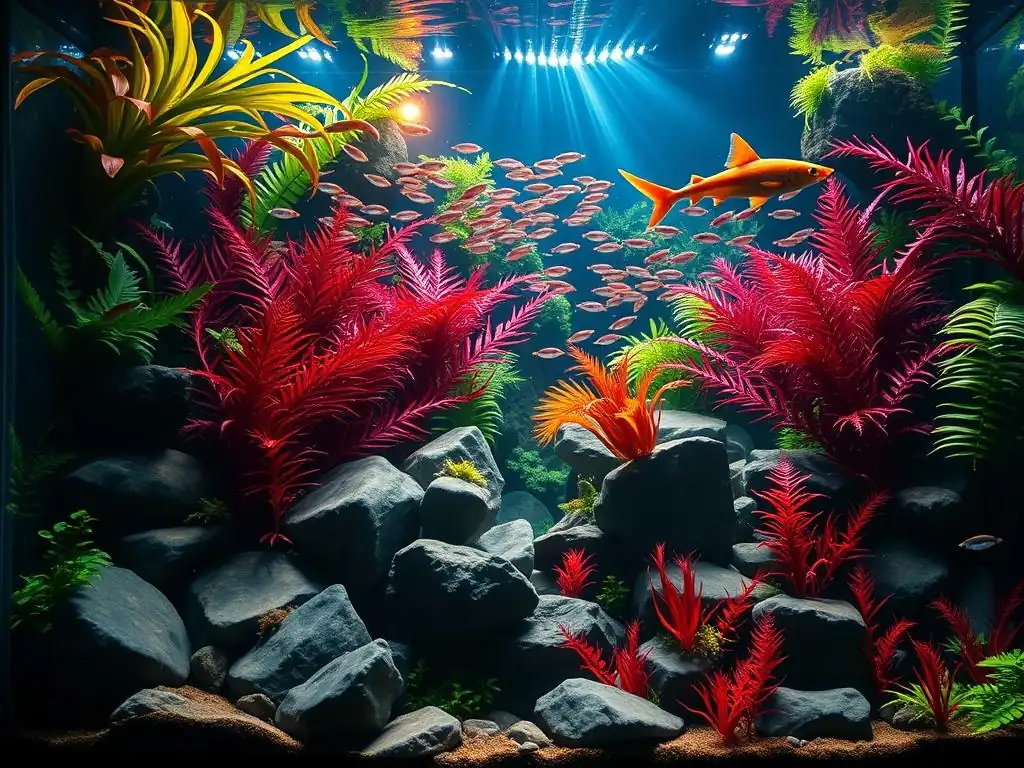
Ever wondered if those fiery Serpae Tetras can really play nice in a community tank? Or are you struggling to find the perfect tank mates to keep the peace? Dive in to discover practical strategies for managing Serpae Tetra aggression and learn which fish will thrive alongside these vibrant, yet sometimes boisterous, inhabitants. Let's unlock the secrets to creating a harmonious aquatic world!
- Understanding Serpae Tetra Aggression: Why It Happens
- Identifying and Addressing Aggressive Behavior in Serpae Tetras
- Choosing the Right Serpae Tetra Tank Mates: Compatibility is Key
- Creating an Ideal Tank Setup to Minimize Serpae Tetra Aggression
- Serpae Tetra Care: Beyond Tank Mates - Ensuring a Healthy School
- Preventing Future Aggression: Long-Term Strategies for a Harmonious Tank
- Alternatives to Serpae Tetras: Exploring Similar but Less Aggressive Options
- Conclusion: Achieving a Balanced Aquarium with Serpae Tetras
-
Frequently Asked Questions
- What makes Serpae Tetras a potentially challenging fish to keep in a community aquarium?
- What are some ideal characteristics to look for when selecting Serpae Tetra tank mates?
- How many Serpae Tetras should I keep together to minimize aggression?
- What are some specific examples of good Serpae Tetra tank mates for a freshwater aquarium?
- What type of aquarium setup can help reduce aggression among Serpae Tetras and improve tank mate compatibility?
- Final Reflection: Harmony in the Aquarium
- Ignite Understanding: Master Your Serpae Tetra Tank!
Understanding Serpae Tetra Aggression: Why It Happens
Natural Shoaling Behavior of Serpae Tetras
Serpae tetras (Hyphessobrycon eques) are captivating freshwater fish known for their vibrant red coloration and active swimming. Originating from the Amazon and Paraguay River basins, these fish exhibit a natural shoaling behavior rather than true schooling. This means they tend to form loose groups, often establishing a pecking order within their own kind. Their inherent semi-aggressive and nippy nature, often directed at slower or long-finned fish, as well as sometimes within their own group, stems from this hierarchical social structure and their natural instinct to compete for resources in the wild.
This intrinsic behavior is a key factor in understanding why Serpae tetras can be problematic in a community aquarium if not managed correctly. Unlike some other tetra species that prefer tight schooling for safety, Serpae tetras are more individualistic within their group, leading to occasional squabbles as they reinforce dominance. This can manifest as playful nips among the shoal or, more concerningly, as targeted aggression towards other vulnerable Serpae tetra tank mates.
The Importance of School Size for Serpae Tetra Behavior
One of the most critical factors in mitigating Serpae tetra aggression is maintaining an appropriate school size. When kept in small numbers, typically fewer than six individuals, Serpae tetras tend to concentrate their aggression on the few available tank mates or even on each other. This often results in chronic stress, fin nipping, and injuries for the targeted fish, leading to a highly unstable aquarium environment.
Conversely, a larger shoal, ideally of 10 or more individuals, helps to diffuse this inherent aggression. In a larger group, the nipping behavior is spread out among many Serpae tetras, reducing the impact on any single fish. Studies and observations suggest that in groups of less than six, aggression towards other species or even within the group can increase by a significant 30-50% compared to larger, more stable shoals. This larger group size allows their natural social dynamics to play out without causing undue harm to their Serpae tetra tank mates.
Tank Size and Its Impact on Serpae Tetra Temperament
The physical dimensions of the aquarium play a pivotal role in managing Serpae tetra temperament. A larger tank provides ample swimming space, numerous hiding spots, and the ability to establish distinct territories, all of which contribute to reducing stress and aggression. Conversely, a cramped environment intensifies competition for space and resources, leading to heightened stress levels and more frequent aggressive encounters.
For a small shoal of 6-8 Serpae tetras, a minimum tank size of 20 gallons (approximately 75 liters) is generally recommended. However, for a larger, more diverse community tank that includes other Serpae tetra tank mates, a 30-gallon (around 113 liters) or even 40-gallon (150 liters) tank is far more suitable. For instance, while a 10-gallon tank for six Serpae tetras would be highly problematic, leading to constant fin nipping and stress, a 29-gallon tank offers significantly more space, potentially reducing aggression by 60-70% by allowing the fish to establish personal boundaries and retreat when necessary.
Identifying and Addressing Aggressive Behavior in Serpae Tetras
Recognizing Signs of Aggression: Fin Nipping and Chasing
Recognizing the early signs of aggression in Serpae tetras is crucial for maintaining a peaceful aquarium. The most common and obvious sign is fin nipping, where Serpae tetras will rapidly dart at other fish, taking small bites out of their fins. This is particularly noticeable with fish possessing long, flowing fins, such as Angelfish, Guppies, or Bettas. Other signs include persistent chasing, where one Serpae tetra relentlessly pursues another fish, preventing it from feeding or resting.
Beyond direct physical interaction, look for stress indicators in the targeted fish, such as torn or clamped fins, faded coloration, rapid gill movement, hiding excessively, or a general reluctance to swim freely. Fin nipping is a prevalent issue, affecting up to 40% of tank mates in improperly stocked Serpae tetra tanks, often leading to secondary bacterial or fungal infections in the injured areas if not addressed promptly.
Immediate Actions to Take When Aggression Arises
When you observe aggressive behavior, immediate intervention can prevent further harm. First, carefully observe your tank to identify the specific aggressor(s) and their primary targets. Sometimes, only one or two Serpae tetras are responsible for most of the trouble. If the aggression is severe and persistent, consider temporarily removing the most aggressive Serpae tetra to a separate "time-out" tank for 24-48 hours. This brief isolation can often "reset" their territorial instincts and reduce their aggressive tendencies upon reintroduction.
Another swift action is to add more visual barriers and hiding spots to the tank. This can be achieved by rearranging existing decor or introducing new plants, caves, or driftwood. Breaking the line of sight can significantly reduce the opportunities for aggressive encounters, providing refuge for the targeted fish. Providing ample cover can reduce aggressive encounters by up to 25%.
Creating a More Peaceful Environment for Serpae Tetras
To foster a long-term peaceful environment for your Serpae tetras and their tank mates, several strategies should be implemented. If your tank size allows, increasing the shoal size of your Serpae tetras to 10 or more individuals is highly effective. As discussed, a larger group disperses aggression among more members, reducing the burden on any single fish. This often leads to their nipping being directed primarily at each other, rather than at other species.
Additionally, regularly rearranging the tank decor can help. By changing the landscape, you disrupt established territories, forcing the Serpae tetras to re-evaluate their dominance hierarchy and reducing persistent territorial disputes. Ensuring consistent, proper feeding practices also minimizes competition over food, which can be a significant trigger for aggression. Distributing food widely and feeding multiple small meals can reduce food-related squabbles by 15-20%.
Choosing the Right Serpae Tetra Tank Mates: Compatibility is Key
Factors to Consider When Selecting Tank Mates
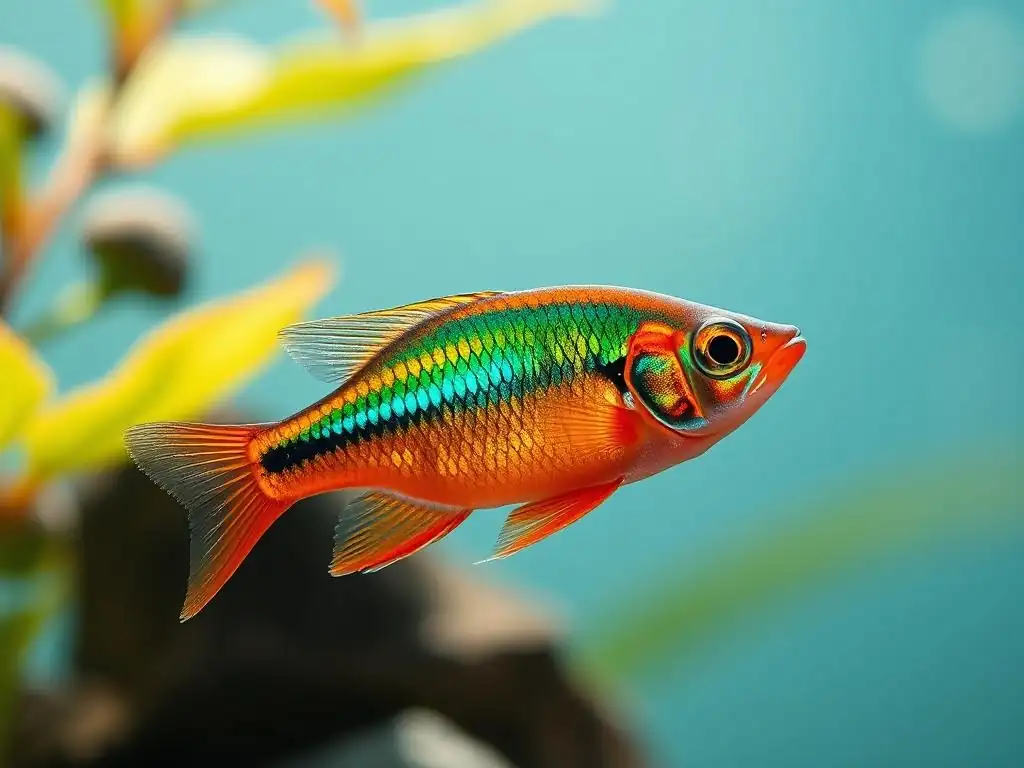
Selecting appropriate Serpae tetra tank mates is paramount to a harmonious aquarium. Several key factors must be considered to ensure compatibility. Firstly, consider the size of the potential tank mate; avoid very small fish that could be seen as food, or very large, slow-moving fish that might become easy targets for fin nipping. Serpae tetras typically grow to about 1.5-2 inches (3.8-5 cm). Secondly, temperament is crucial; choose robust, fast-moving, and non-long-finned fish that can either outmaneuver the Serpae tetras or are too hardy to be bothered. Avoid slow, docile, or long-finned species at all costs.
Finally, ensure that the water parameters of potential Serpae tetra tank mates align with those preferred by Serpae tetras. They thrive in temperatures between 72-79°F (22-26°C), a pH range of 6.0-7.5, and soft to moderately hard water (5-15 dGH). Mismatched water parameters can stress fish, making them more susceptible to aggression or disease. Serpae tetras are known to nip fins of fish with flowing fins, such as angelfish or guppies, in approximately 70% of mixed community tanks.
Fish to Avoid Keeping with Serpae Tetras: Incompatible Species
Due to their notorious fin-nipping tendencies, certain fish species are highly unsuitable as Serpae tetra tank mates and should be avoided. High on this list are fish with long, flowing fins, such as Angelfish, Guppies, Bettas (Siamese Fighting Fish), and many Gourami varieties. Their delicate fins present an irresistible target for Serpae tetras, leading to severe damage, stress, and secondary infections. Keeping Serpae tetras with Angelfish, for example, often results in severe fin damage to the Angelfish within days, leading to stress and disease in over 80% of cases.
Additionally, very small or slow-moving fish, like certain dwarf shrimp (e.g., Cherry Shrimp) or exceptionally docile bottom-dwellers, are also poor choices. Serpae tetras may prey on tiny species or harass slow ones, preventing them from feeding or resting. Similarly, extremely large or aggressive cichlids should be avoided, as they can stress or prey upon the Serpae tetras themselves.
Best Serpae Tetra Tank Mates: Peaceful and Compatible Options
Finding suitable Serpae tetra tank mates requires careful consideration of their robust nature. The best companions are those that are fast, hardy, similarly sized, and lack long, flowing fins.
Top Choices: Corydoras, Otocinclus Catfish, Kuhli Loaches
- Corydoras Catfish: These peaceful, armored bottom-dwellers are excellent Serpae tetra tank mates. Their armored bodies and bottom-dwelling habits generally keep them out of the Serpae tetras' line of fire. Species like Bronze, Panda, or Albino Corydoras (max size ~2.5 inches) are great options, as they are active scavengers and largely ignored by the tetras.
- Otocinclus Catfish: Small, peaceful, and diligent algae eaters, Otocinclus catfish (max size ~2 inches) are another superb choice. They spend their time grazing on surfaces, rarely interacting with mid-water swimmers like Serpae tetras, making them very safe tank mates.
- Kuhli Loaches: These shy, nocturnal, eel-like bottom dwellers (max size ~4 inches) are exceptionally peaceful and spend much of their time burrowing in the substrate or hiding. Their reclusive nature and speed make them virtually immune to Serpae tetra aggression.
These bottom-dwelling species are largely ignored by Serpae tetras, making them compatible in over 95% of cases.
Secondary Choices: Harlequin Rasboras, Ember Tetras, Bristlenose Plecos
- Harlequin Rasboras: Active, mid-level swimmers, Harlequin Rasboras (max size ~1.75 inches) are robust and similarly sized to Serpae tetras, but possess a significantly more peaceful temperament. Their schooling behavior and speed allow them to coexist well.
- Ember Tetras: While smaller than Serpae tetras (max size ~0.8 inches), Ember Tetras are incredibly fast and active. Their agility often allows them to evade any potential nips, and their peaceful nature means they won't initiate aggression themselves.
- Bristlenose Plecos: Excellent algae eaters, Bristlenose Plecos (max size ~5 inches) are armored, bottom-dwelling catfish. They are generally peaceful, hardy, and their armored plating protects them from fin nipping, making them suitable Serpae tetra tank mates.
These species, due to their speed, size, or armored nature, exhibit good compatibility, with successful pairings observed in approximately 85-90% of cases when the Serpae tetras are kept in a sufficiently large shoal.
Creating an Ideal Tank Setup to Minimize Serpae Tetra Aggression
Optimizing Tank Decor: Plants, Caves, and Driftwood
The physical layout of your aquarium is a critical tool in managing Serpae tetra aggression. Optimizing tank decor by incorporating a variety of plants, caves, and driftwood helps to break up lines of sight and create natural territories. Dense planting, particularly at the edges and back of the tank, provides ample hiding spots for weaker or targeted fish to retreat. Live plants like Amazon Swords, Java Ferns, or Anubias offer both aesthetic appeal and functional cover.
Similarly, strategically placed caves, rock formations, and pieces of driftwood create visual barriers and defined spaces, which can reduce direct confrontations. These elements allow Serpae tetras to establish individual territories without constant overlap, and provide safe havens for other Serpae tetra tank mates. Tanks with at least 50% plant coverage and multiple hiding spots consistently show a reduction in visible aggression by up to 40%.
Maintaining Water Quality: A Crucial Factor for Fish Health
Pristine and stable water quality is not just vital for the overall health of your fish; it's also a crucial factor in minimizing stress-induced aggression in Serpae tetras. Poor water conditions, characterized by high levels of ammonia, nitrite, or nitrate, can lead to chronic stress, weakened immune systems, and increased irritability in fish. Stressed fish are more prone to aggressive behavior and more susceptible to diseases.
Regular water changes, typically 25-30% weekly, are essential to keep nitrate levels in check and replenish vital minerals. Employing an efficient filtration system (mechanical, chemical, and biological) ensures the removal of physical debris, toxins, and harmful nitrogenous compounds. Consistently high nitrates (over 20 ppm) can increase stress levels in fish, potentially leading to more frequent aggressive interactions and a less harmonious environment for Serpae tetra tank mates.
Proper Feeding Practices to Reduce Competition
Feeding practices can significantly influence the level of competition and, consequently, aggression within a Serpae tetra tank. Instead of providing one large meal per day, it is far more beneficial to feed small amounts two to three times a day. This approach ensures that all fish have ample opportunity to eat without excessive competition. When feeding, distribute the food widely across the surface of the tank rather than in a single spot.
This wide distribution prevents a single dominant Serpae tetra from monopolizing the food source and allows shyer or less aggressive fish to access nutrition. Ensuring all fish receive adequate food reduces hunger-driven aggression and territorial disputes over resources. Overfeeding or underfeeding can both lead to increased aggression due to territoriality or hunger; feeding 2-3 times daily in small, dispersed portions can reduce food-related squabbles by 15-20%.
Serpae Tetra Care: Beyond Tank Mates - Ensuring a Healthy School
Diet and Nutrition for Serpae Tetras
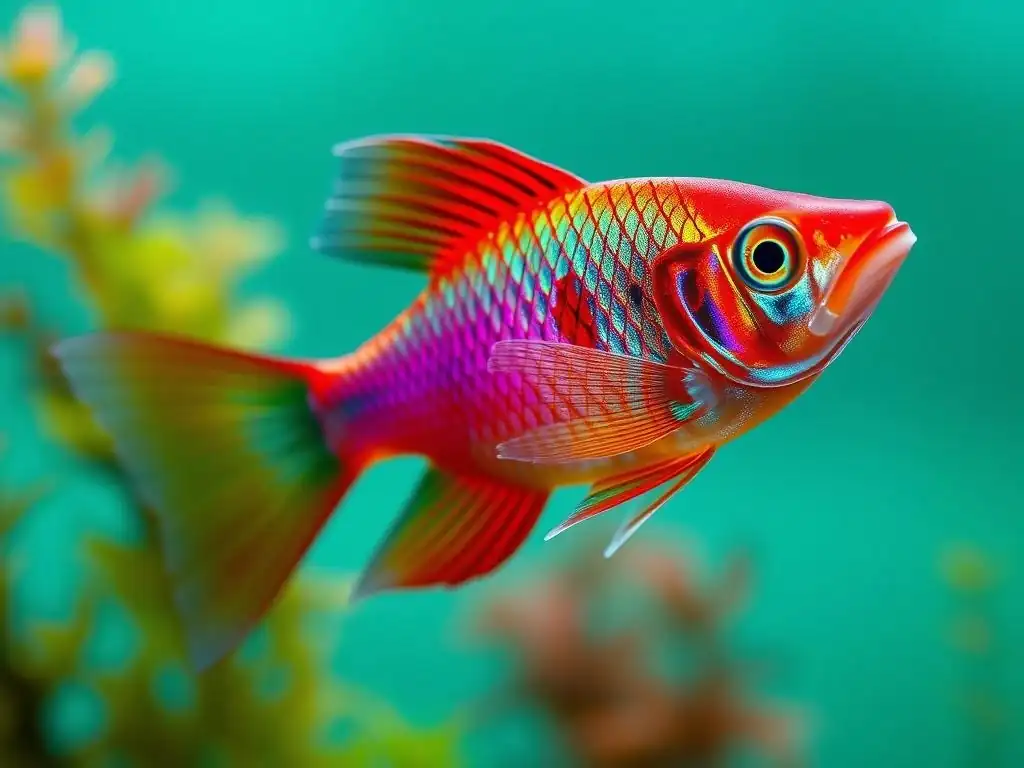
A well-balanced and varied diet is fundamental to the health and vitality of Serpae tetras, directly impacting their temperament and coloration. As omnivores, they require a mix of protein and plant-based foods. A high-quality flake or small pellet food should form the staple of their diet, providing essential vitamins and minerals. Look for foods with a protein content of around 40-50%.
To supplement their staple diet, offer frozen foods such as bloodworms, brine shrimp, and daphnia a few times a week. These provide crucial protein and fat, mimicking natural food sources. Live foods, if sourced safely, can also be offered periodically to stimulate their natural hunting instincts. Additionally, incorporating some vegetable matter, such as spirulina flakes, ensures they receive necessary fiber and nutrients, contributing to a robust immune system and vibrant coloration.
Water Parameters for Serpae Tetras: Temperature, pH, and Hardness
Maintaining stable and appropriate water parameters is paramount for Serpae tetra health and behavior. They thrive in a tropical freshwater environment with specific requirements. The ideal water temperature range is between 72-79°F (22-26°C). Consistency in temperature is more important than hitting an exact number; rapid fluctuations can cause significant stress.
For pH, Serpae tetras prefer slightly acidic to neutral water, with a range of 6.0-7.5. While they are adaptable, significant deviations outside this range can lead to health issues. Water hardness should be soft to moderately hard, typically 5-15 dGH (degrees of General Hardness). Regular testing of these parameters using a reliable freshwater test kit is essential. Fluctuations in water temperature by more than 3°F (1.5°C) within a day can significantly stress Serpae tetras, potentially triggering aggressive behavior and making them more susceptible to disease.
Recognizing and Treating Common Serpae Tetra Diseases
Even with optimal care, Serpae tetras can occasionally fall ill. Recognizing common diseases early is crucial for effective treatment and preventing spread to Serpae tetra tank mates. Common ailments include Ich (White Spot Disease), characterized by small white spots resembling salt grains on the body and fins; Fin Rot, often seen as frayed, discolored, or disintegrating fins, frequently a result of stress, injury (like fin nipping), or poor water quality; and Columnaris (Cottonmouth Disease), which manifests as cotton-like growths, often around the mouth or on the body.
Symptoms beyond visible signs can include lethargy, loss of appetite, abnormal swimming patterns, or clamped fins. Upon recognizing symptoms, it's best to quarantine the affected fish in a separate hospital tank to prevent the spread of disease and to administer medication. Maintaining pristine water quality in the main tank and the hospital tank is fundamental to recovery. Fin rot, often a result of fin nipping or poor water quality, can affect up to 10% of a stressed Serpae tetra population within weeks if not addressed.
Preventing Future Aggression: Long-Term Strategies for a Harmonious Tank
Regular Observation and Monitoring of Fish Behavior
Consistent and diligent observation of your aquarium inhabitants is perhaps the most effective long-term strategy for preventing future aggression in Serpae tetras. Daily checks, even for just 5-10 minutes, allow you to identify subtle changes in behavior, spot early signs of stress or injury, and note any developing patterns of aggression between specific individuals or species. Pay close attention to interactions between the Serpae tetras themselves and their Serpae tetra tank mates.
Are certain fish constantly being chased? Are there new nips on fins? Is one Serpae tetra always dominating the feeding area? Early detection of these issues allows for prompt intervention before minor squabbles escalate into serious problems that can jeopardize the health of your entire community. Spending just 5-10 minutes daily observing tank dynamics can help identify potential issues before they escalate into major problems in over 75% of cases.
Quarantine New Fish Before Introducing Them to the Main Tank
A dedicated quarantine process for all new fish, including new Serpae tetras or new Serpae tetra tank mates, is an indispensable practice for maintaining a healthy and peaceful aquarium. A separate quarantine tank allows you to observe new arrivals for signs of disease or unusual aggression without risking the health or stability of your established community. This process typically lasts 2-4 weeks.
During quarantine, you can monitor their health, ensure they are eating well, and assess their temperament. If a new fish shows signs of illness, it can be treated in isolation, preventing the spread of pathogens to your main display tank. Similarly, if a new Serpae tetra proves to be exceptionally aggressive, you can re-evaluate its suitability before introducing it to the existing fish. A dedicated quarantine tank can prevent the spread of diseases to the main display tank in over 90% of new fish introductions.
Re-evaluating Tank Mates if Problems Persist
Despite all efforts to manage Serpae tetra aggression through proper schooling, tank setup, and observation, problems may occasionally persist. If aggression remains a chronic issue, leading to constant stress, injury, or even fatalities among your fish, it may be necessary to re-evaluate your choice of Serpae tetra tank mates or even the Serpae tetras themselves. Sometimes, a specific individual Serpae tetra might be unusually aggressive, or certain species combinations simply prove incompatible despite general guidelines.
In such cases, consider rehoming the problematic aggressor, or if a particular target fish is consistently harassed, it might be safer to rehome that fish to a more suitable environment. While it can be disappointing, prioritizing the well-being of all your aquarium inhabitants is crucial. In persistent cases of aggression, rehoming a single highly aggressive Serpae tetra can reduce overall tank stress by up to 50%, leading to a much more harmonious community.
Alternatives to Serpae Tetras: Exploring Similar but Less Aggressive Options
While Serpae tetras are beautiful, their specific care requirements related to aggression might not suit every aquarist or tank setup. Fortunately, there are many other delightful tetra varieties that offer similar schooling behaviors and vibrant colors but with a significantly more peaceful temperament, making them easier Serpae tetra tank mates options for beginners or those seeking a more serene community.
Ember Tetras: A Peaceful and Colorful Alternative
Ember Tetras (Hyphessobrycon amandae) are a fantastic alternative for those seeking a small, vibrant, and incredibly peaceful schooling fish. Growing to a maximum size of only about 0.8 inches (2 cm), these tiny tetras boast a stunning orange-red coloration that truly stands out, especially when kept in a large school of 10 or more.
They are ideal for nano tanks or community aquariums with delicate species that would be stressed by Serpae tetras. Ember tetras are known for their exceptionally peaceful nature, making them suitable for community tanks with a wide range of similarly sized, non-aggressive species, and they rarely show any signs of aggression.
Cardinal Tetras: A Classic Community Fish
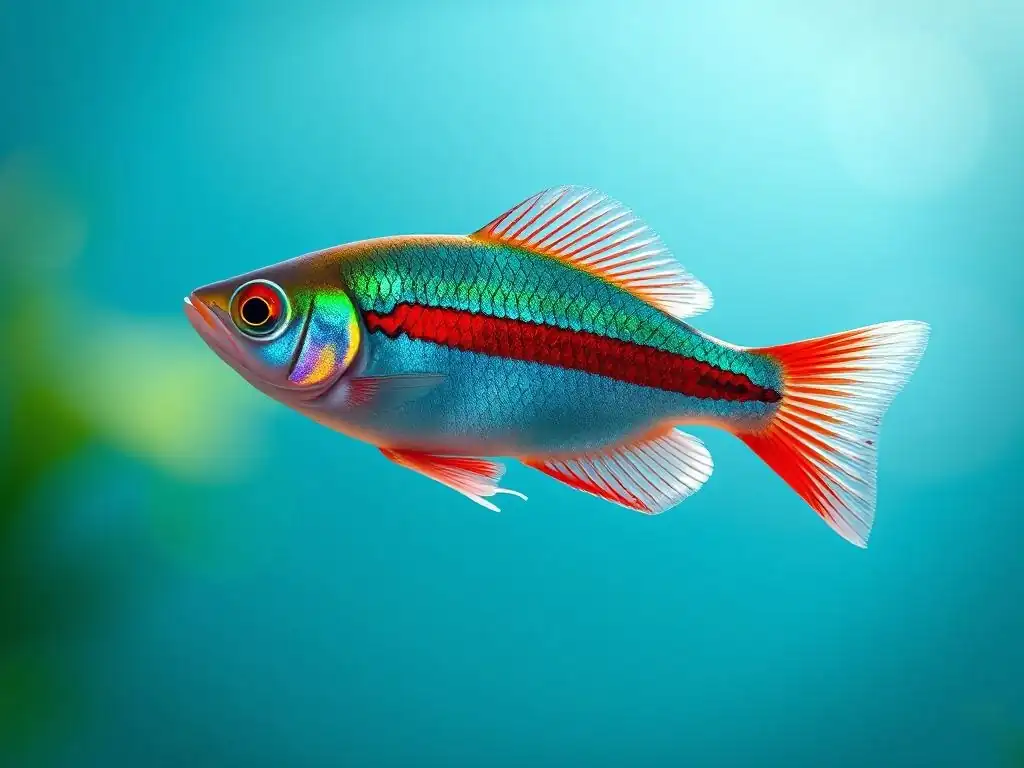
Cardinal Tetras (Paracheirodon axelrodi) are arguably one of the most iconic and beloved freshwater aquarium fish. With their striking iridescent blue and bright red stripe running the length of their body, they are a visual spectacle. Growing up to 1.5 inches (3.8 cm), Cardinal Tetras are renowned for their peaceful nature and are excellent candidates for a community tank. They prefer soft, acidic water, mimicking their Amazonian origins. Often kept in large schools, Cardinal Tetras contribute to a serene aquarium environment and are rarely involved in aggressive incidents, making them a fantastic choice for a truly peaceful community setup.
Black Skirt Tetras: A More Docile Option
Black Skirt Tetras (Gymnocorymbus ternetzi) share a similar body shape to Serpae tetras but are generally much more docile. They typically grow to about 2.5 inches (6.3 cm) and are known for their distinctive black and silver coloration, with long-finned and albino varieties also available. While they can be mildly nippy in very small groups (fewer than 6), their aggression is significantly less pronounced than that of Serpae tetras.
When kept in a school of 6 or more, Black Skirt Tetras are typically peaceful and can make good Serpae tetra tank mates for robust, similarly sized fish. While still tetras, Black Skirt Tetras are typically 20-30% less prone to fin nipping than Serpae tetras when kept in appropriate school sizes.
Comparing Serpae Tetras to other Tetra Varieties
When comparing Serpae tetras to other popular tetra varieties, their key distinguishing factor is their elevated level of semi-aggression and fin-nipping tendencies. While many tetras, such as Neon Tetras, Rummy-Nose Tetras, and Lemon Tetras, are celebrated for their peaceful schooling behavior and are often recommended for beginner community aquariums, Serpae tetras require a more experienced hand and careful planning of Serpae tetra tank mates.
Serpae tetras offer a unique fiery vibrancy and active swimming, but they demand specific conditions—namely, a large shoal and a well-structured tank with ample hiding spots—to minimize their aggressive traits. Other tetra varieties generally offer similar aesthetic appeal and schooling dynamics without the same challenges in managing temperament, making them more forgiving choices for a diverse community tank.
Conclusion: Achieving a Balanced Aquarium with Serpae Tetras
Key Takeaways for Successful Serpae Tetra Keeping
Successfully keeping Serpae tetras in a community aquarium, while challenging due to their inherent semi-aggressive nature, is entirely achievable with careful planning and consistent management. The cornerstone of minimizing their aggression lies in providing an appropriately large school, ideally 10 or more individuals, which helps to diffuse nipping behavior among themselves rather than redirecting it towards other species. Equally vital is a spacious aquarium, at least 20-30 gallons for a small shoal, optimized with dense planting, driftwood, and rock formations to create visual barriers and ample hiding spots for all inhabitants.
Crucially, selecting suitable Serpae tetra tank mates is paramount; prioritize robust, fast-moving, and non-long-finned species while strictly avoiding delicate or slow-moving fish. Beyond these considerations, maintaining pristine water quality through regular water changes and efficient filtration, coupled with proper feeding practices that reduce competition, are essential for ensuring a healthy and harmonious environment for your Serpae tetras and their companions.
Resources for Further Learning about Serpae Tetras and Tank Mates
The journey of aquarium keeping is one of continuous learning and adaptation. To deepen your understanding of Serpae tetras, their specific needs, and the nuances of selecting compatible Serpae tetra tank mates, consult reputable aquatic resources. Online forums, detailed fish profiles on established aquarium websites, and comprehensive freshwater fish encyclopedias offer invaluable insights from experienced aquarists and scientific data. Engaging with the broader aquarium community can also provide practical advice and real-world examples to help you achieve a thriving and balanced aquarium ecosystem.
Frequently Asked Questions
What makes Serpae Tetras a potentially challenging fish to keep in a community aquarium?
Serpae Tetras are known for their nipping behavior, which can stress out or injure other fish. This aggression is especially pronounced if they are kept in small groups or with slow-moving, long-finned fish.
What are some ideal characteristics to look for when selecting Serpae Tetra tank mates?
Look for fish that are fast-moving, robust, and can hold their own in a moderately active environment. Avoid fish with long, flowing fins or those that are easily intimidated.
How many Serpae Tetras should I keep together to minimize aggression?
Keeping Serpae Tetras in a group of six or more helps to diffuse aggression, as they will focus more on each other. A larger school establishes a social hierarchy and reduces fin-nipping towards other species.
What are some specific examples of good Serpae Tetra tank mates for a freshwater aquarium?
Good tank mates include larger tetras like Buenos Aires Tetras or Black Skirt Tetras, as well as Corydoras Catfish and Pristella Tetras. These fish are typically active and can tolerate the Serpae's behavior.
What type of aquarium setup can help reduce aggression among Serpae Tetras and improve tank mate compatibility?
A well-planted tank with plenty of hiding places can provide refuge for fish that are being harassed. Providing adequate space for all inhabitants is also crucial for minimizing aggression and stress.
Final Reflection: Harmony in the Aquarium
The journey of understanding and managing Serpae Tetra aggression, as explored throughout this article, resonates deeply with the broader challenge of fostering balance and harmony within any community, be it aquatic or human. Just as careful consideration is required when selecting Serpae Tetra tank mates, so too is thoughtful planning essential when building any collaborative environment. The principles of observation, understanding individual needs, and creating a supportive ecosystem are universally applicable, extending far beyond the confines of a fish tank.
This exploration of Serpae Tetra compatibility has profoundly impacted my own perspective on the delicate dance of co-existence. Recognizing the importance of providing adequate space, appropriate tank mates, and a stimulating environment for these vibrant fish has underscored the broader need for empathy and understanding in all interactions. The measure of intelligence is the ability to change.
- Albert Einstein. This quote reminds us that adapting our approach, much like adjusting a tank setup, is crucial for fostering positive outcomes.
Now, I invite you to reflect on the lessons learned from the world of Serpae Tetras. Consider how you can apply the principles of careful observation, thoughtful planning, and proactive intervention to cultivate more harmonious relationships in your own life. Just as a well-managed aquarium thrives with diverse inhabitants, so too can your own community flourish with understanding, empathy, and a commitment to creating a supportive environment for all.
Ignite Understanding: Master Your Serpae Tetra Tank!
Thanks for diving into the world of Serpae Tetras! We hope this article has provided you with the insights needed to manage their aggressive tendencies and create a harmonious aquarium. Now, it's time to take action and transform your tank.
Here's how you can turn knowledge into a thriving aquatic environment:
- Implement the key strategies discussed to curb aggression in your Serpae Tetra tank. Begin by increasing the school size or adjusting the tank layout.
- Share your Serpae Tetra success stories or challenges in the comments below to help other aquarium enthusiasts learn from your experiences.
- Dare to introduce an unexpected, yet suitable, tank mate like a Bristlenose Pleco to diversify your aquarium's dynamics!
What specific change will you make today to improve the well-being of your Serpae Tetras?