
Strawberry Peacock Cichlid: Sweet Hues for Your Aulonocara Tank

Welcome to Aquarium Mastery!
Ever dreamt of a splash of vibrant color in your freshwater aquarium? Dive into the captivating world of the Strawberry Peacock Cichlid and discover how to bring these stunning fish into your home. Learn essential care tips and unlock the secrets to keeping these dazzling Aulonocara thriving in your tank. Curious about their ideal environment, diet, and compatible tank mates? Let's get started!
- Strawberry Peacock Cichlid: Vibrant Colors for Your African Cichlid Tank
- Understanding the Allure of the Strawberry Peacock Cichlid
- Essential Strawberry Peacock Cichlid Care Tips for a Thriving Tank
- Strawberry Peacock Cichlid Tank Mates and Compatibility
- Strawberry Peacock Cichlid Breeding: A Comprehensive Guide
- Common Health Issues and Prevention
- Enhancing Coloration
- Troubleshooting Common Problems
- Conclusion: Mastering Care
-
Frequently Asked Questions
- What are the ideal water parameters for Strawberry Peacock Cichlids?
- What size tank do Strawberry Peacock Cichlids need?
- What should I feed my Strawberry Peacock Cichlid?
- Are Strawberry Peacock Cichlids aggressive?
- What are some common health issues to watch out for with Strawberry Peacock Cichlids?
- Final Reflection: Embracing the Vibrant Legacy of the Strawberry Peacock
- Dive Deeper into the Aulonocara World!
Strawberry Peacock Cichlid: Vibrant Colors for Your African Cichlid Tank
Understanding the Allure of the Strawberry Peacock Cichlid
Why Choose a Strawberry Peacock Cichlid for Your Aquarium?
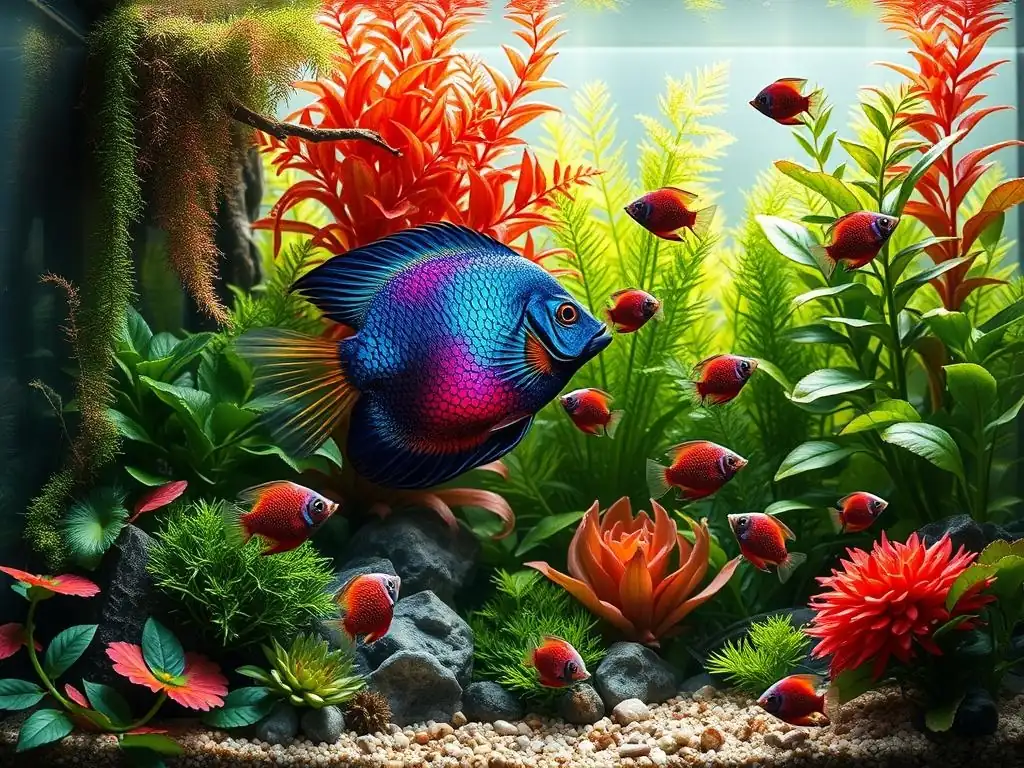
The Strawberry Peacock Cichlid, a captivating variant of the Aulonocara genus, stands out in any African cichlid aquarium due to its exceptionally vibrant coloration. Males typically display intense strawberry red or pink hues, often accentuated with iridescent blue or purple on their faces, fins, and body scales. This striking appearance makes them a focal point and a highly sought-after species for aquarists looking to add a splash of unique color to their setup, making them a cornerstone of many Aulonocara collections.
Beyond their stunning aesthetics, Strawberry Peacock Cichlids are known for their relatively peaceful temperament compared to many other African cichlids, particularly the more aggressive Mbuna species. This characteristic makes them excellent candidates for a mixed Peacock cichlid tank, allowing for a diverse and visually appealing community. Their manageable adult size, typically ranging from 4 to 6 inches for males, also means they can thrive in more commonly available aquarium sizes, such as 55 gallons and larger, without requiring the massive setups needed for some larger predatory cichlids.
Exploring the Vibrant Colors of the Strawberry Aulonocara
The defining feature of the Strawberry Aulonocara is undoubtedly its brilliant coloration. Mature males exhibit a deep, almost neon, strawberry red or pink that covers most of their body, often contrasting with electric blue or purple highlights on their head, dorsal fin, and caudal fin.
This specific color intensity is a result of selective breeding over many generations, as this particular coloration is not found in wild Aulonocara species from Lake Malawi. Females, while not as spectacularly colored, still possess a subtle beauty, typically displaying a muted brownish-grey or silver base with hints of the male's coloration, especially when in breeding condition.
The genetic heritage of the Strawberry Peacock Cichlid is believed to derive from various Aulonocara species, such as Aulonocara stuartgranti or Aulonocara jacobfreibergi, which were selectively bred for their unique red and orange pigments. Aquarists who provide optimal Strawberry Peacock Cichlid care tips, including a high-quality diet rich in color-enhancing ingredients, can significantly boost the intensity and vibrancy of these already stunning hues. Environmental factors like water quality, tank lighting, and substrate color also play a crucial role in allowing these fish to display their full chromatic potential.
Essential Strawberry Peacock Cichlid Care Tips for a Thriving Tank
Setting Up the Ideal Strawberry Peacock Cichlid Habitat
Tank Size Considerations for Strawberry Peacock Cichlids
For a thriving group of Strawberry Peacock Cichlids, a minimum tank size of 55 gallons is recommended. This provides adequate swimming space and helps to diffuse aggression, especially if keeping a single male with multiple females (a "harem" setup). A 55-gallon tank, typically measuring around 48 inches in length, allows for sufficient territory establishment and reduces stress among tank inhabitants.
For aquarists planning to keep multiple male Strawberry Peacock Cichlids or a more diverse community of Peacock cichlids, a 75-gallon aquarium or larger is highly advisable. Larger tanks, such as 125 gallons or more, offer even greater stability in water parameters and provide ample room for multiple territories, which is crucial for minimizing inter-male aggression and ensuring the well-being of all fish. The length and width of the tank are more important than height, as these fish prefer horizontal swimming space.
Substrate and Decor for Aulonocara Tanks
The ideal substrate for an Aulonocara tank is fine sand, such as play sand or specialized aquarium sand. Strawberry Peacock Cichlids are natural sifting feeders, often sifting through the substrate to search for small invertebrates, and coarse gravel can damage their delicate mouths. A darker sand substrate can also help to bring out the vibrant colors of the fish by providing a contrasting background, making them appear more striking.
Decor should primarily consist of ample rockwork to create caves, crevices, and visual barriers. This mimics their natural rocky habitat in Lake Malawi and provides essential hiding spots and territorial boundaries. Inert rocks like lava rock, Texas holey rock, slate, or artificial rock formations are suitable. Ensure all rock structures are stable and securely placed to prevent collapses. While providing numerous hiding spots, it's also important to leave open swimming areas in the front of the tank for the fish to display their beauty.
Water Parameters: Maintaining Optimal Conditions
Maintaining precise and stable water parameters is one of the most critical Strawberry Peacock Cichlid care tips for their long-term health and vibrant coloration. These fish originate from Lake Malawi, which has very specific water chemistry. The ideal temperature range is between 76-82°F (24-28°C). A stable temperature is vital, so a reliable heater is a must.
The pH level should be alkaline, ranging from 7.8 to 8.6, and the water should be hard, with a general hardness (GH) of 10-20 dGH and carbonate hardness (KH) of 10-15 dKH. These parameters can often be achieved by using crushed coral, aragonite sand, or specialized African cichlid salts as part of the substrate or water treatment. Regular testing of pH, GH, KH, ammonia, nitrite, and nitrate levels with a quality test kit is essential to ensure these conditions are consistently met.
Strawberry Peacock Cichlid Diet and Feeding Guide
What to Feed: A Balanced Diet for Color and Health
Strawberry Peacock Cichlids are primarily carnivores, feeding on small invertebrates in their natural habitat. In the aquarium, their diet should consist of high-quality cichlid pellets or flakes specifically formulated for African cichlids. Look for foods that list ingredients like spirulina, krill, and astaxanthin, as these naturally enhance their red and pink coloration.
Supplementing their staple diet with frozen or freeze-dried foods is highly beneficial. Excellent choices include Mysis shrimp, brine shrimp, and bloodworms. These provide essential proteins and fats. While they are primarily carnivorous, a small amount of vegetable matter, such as blanched spinach or spirulina flakes, can be offered occasionally. It is crucial to avoid feeding them high-protein animal meats like beef heart, as their digestive systems are not equipped to process these, which can lead to severe health issues like Malawi Bloat.
Feeding Schedule for Optimal Growth and Coloration
To promote optimal growth, vibrant coloration, and overall health, Strawberry Peacock Cichlids should be fed small amounts 1-2 times daily. The key is to provide only what they can consume within 1-2 minutes. This ensures all food is eaten, preventing it from decaying and fouling the water. Consistent feeding times can also help establish a routine and reduce stress.
Overfeeding is a common mistake that can lead to significant water quality issues and health problems. While it might be tempting to offer more food, uneaten portions will quickly decompose, leading to elevated ammonia and nitrite levels. It is also beneficial to include one "fasting day" per week, allowing their digestive systems to clear and reducing the risk of internal issues.
Avoiding Overfeeding: Maintaining Water Quality
Overfeeding is one of the quickest ways to degrade water quality in any aquarium, particularly in a cichlid tank with a higher bioload. Excess food not only contributes to unsightly detritus on the substrate but also breaks down into ammonia, leading to dangerous spikes in toxic compounds. This directly compromises the effectiveness of your "Strawberry Peacock Cichlid care tips" and can lead to fish stress and disease.
To prevent overfeeding, observe your fish closely during feeding. If food remains after two minutes, reduce the quantity offered in subsequent feedings. Utilizing a feeding ring can help contain floating foods, ensuring they are consumed rather than dispersing throughout the tank. Regularly siphoning the substrate during water changes will also help remove any uneaten food or waste that accumulates, maintaining a clean and healthy environment.
Maintaining a Healthy Environment
Regular Water Changes: A Key to Health
Regular water changes are paramount for maintaining a healthy environment for Strawberry Peacock Cichlids. A weekly water change of 20-30% of the tank volume is highly recommended. For instance, in a 55-gallon tank, this means replacing approximately 11 to 16.5 gallons of water each week. This practice effectively removes accumulated nitrates, replenishes essential trace elements, and helps stabilize crucial water parameters like pH and hardness.
When performing water changes, it is essential to use a gravel vacuum to siphon out detritus and uneaten food from the substrate. Always treat new water with a high-quality dechlorinator or water conditioner to neutralize chlorine and chloramines, which are harmful to fish. Ensuring the temperature of the new water matches the tank water closely will prevent temperature shock to your fish.
Filtration Needs for Aulonocara Cichlids
Given their moderate bioload, Strawberry Peacock Cichlids require robust and efficient filtration. A combination of mechanical, biological, and chemical filtration is ideal. Canister filters are often preferred for larger cichlid tanks due to their high capacity for filter media and superior water flow. Large hang-on-back (HOB) filters can also be effective for smaller to medium-sized setups.
The filter system should be capable of turning over the tank's entire volume at least 5-10 times per hour. For example, a 55-gallon tank would benefit from a filter rated for 275-550 gallons per hour. Ensure your filter media includes sponges or filter floss for mechanical filtration (removing particulate matter), ceramic rings or bio-balls for biological filtration (converting ammonia and nitrite), and activated carbon for chemical filtration (removing odors, discoloration, and certain toxins).
Monitoring Water Chemistry: Ammonia, Nitrite, and Nitrate Levels
Consistent monitoring of water chemistry is a non-negotiable aspect of successful "Strawberry Peacock Cichlid care tips." Ammonia and nitrite are highly toxic to fish and should always be at 0 parts per million (ppm). Any detectable levels indicate an imbalance in the nitrogen cycle or insufficient filtration/maintenance. Nitrates, while less toxic, should be kept below 20 ppm, ideally closer to 10 ppm, through regular water changes.
Regular testing with a reliable liquid-based test kit (not test strips, which can be less accurate) is crucial. Understanding the nitrogen cycle—where fish waste produces ammonia, which is then converted by beneficial bacteria to nitrite, and finally to less harmful nitrate—is fundamental. Elevated nitrate levels signal the need for more frequent or larger water changes. Proactive monitoring helps identify potential issues before they become life-threatening problems for your fish.
Strawberry Peacock Cichlid Tank Mates and Compatibility
Choosing the Right Tank Mates
Compatible Species for a Peaceful Community
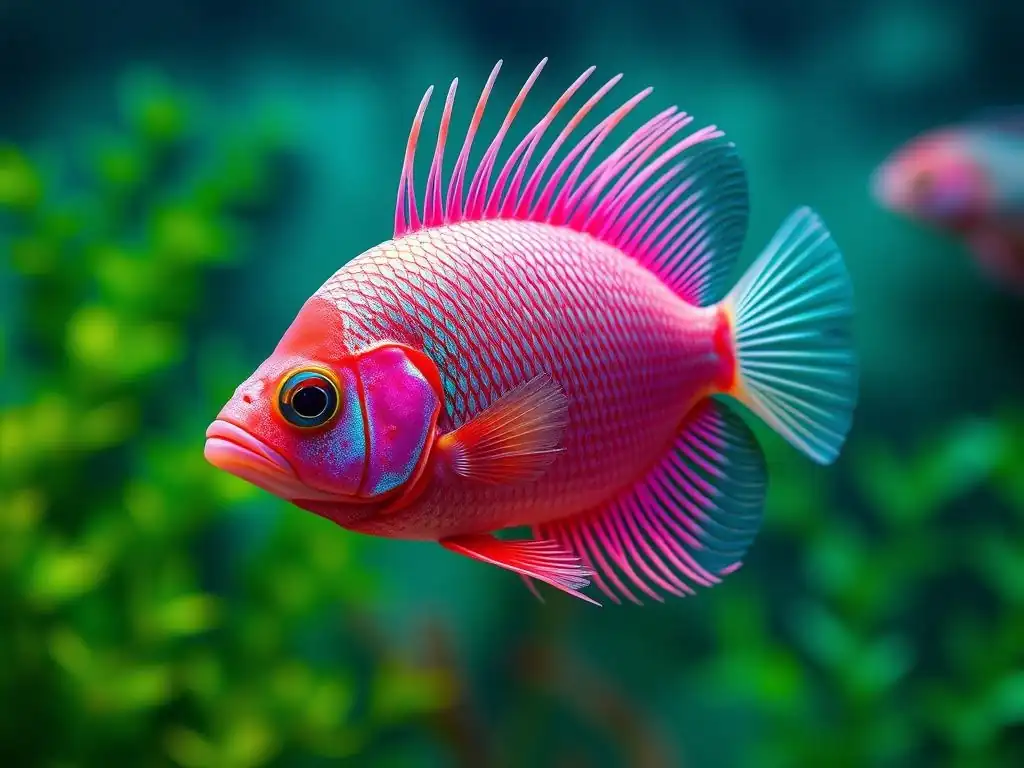
Strawberry Peacock Cichlids are generally considered semi-aggressive and are best housed with other similarly tempered African cichlids. The most compatible tank mates are other Aulonocara species (Peacock Cichlids) and certain less aggressive Haplochromis species. These fish share similar water parameter requirements and temperaments, which helps to minimize stress and aggression within the aquarium.
It is crucial to avoid mixing Strawberry Peacock Cichlids with the more aggressive Mbuna cichlids, such as Melanochromis auratus or Pseudotropheus demasoni. Mbunas are typically more territorial and boisterous, and their herbivorous diets also differ, which can lead to dietary deficiencies or competition. Good choices for tank mates include other Peacock Cichlids like the Blue Orchid Peacock, Sunshine Peacock, or Ruby Red Peacock, as well as less aggressive Haplochromis species such as Sciaenochromis fryeri (Electric Blue Hap) or Copadichromis borleyi (Kadango Red Fin).
Avoiding Aggressive Tank Mates
To ensure the well-being of your Strawberry Peacock Cichlids, it is imperative to steer clear of highly aggressive or overly dominant tank mates. As mentioned, Mbuna cichlids are generally unsuitable due to their territorial nature and tendency to harass and outcompete the more docile Peacocks. Even within the Peacock cichlid group, certain species or individual fish can be more aggressive, so careful observation is always necessary.
Additionally, avoid housing Strawberry Peacock Cichlids with very small or overly peaceful community fish, as they may be intimidated, stressed, or even preyed upon. Tank mates should be roughly similar in size to prevent bullying and ensure that all fish have an equal opportunity to access food and territory. Proper research into the temperament and adult size of any potential tank mate is a vital part of "Strawberry Peacock Cichlid care tips" for a harmonious community.
Recommended Tank Mates: Haps and Other Peacocks
The "Peacock-Hap" community is the most recommended setup for Strawberry Peacock Cichlids. This includes various Aulonocara species, Copadichromis, Protomelas, and specific less aggressive Haplochromis species. The goal is to create a vibrant and diverse display while minimizing inter-species aggression. A common strategy is to keep one male Strawberry Peacock Cichlid with three or more females of the same species to diffuse his breeding aggression.
If introducing multiple male Peacock cichlids of different species, ensure the tank is sufficiently large (75 gallons or more) and provides ample rockwork and visual barriers to break up lines of sight. This allows each male to establish a territory without constant confrontation. Examples of excellent companions include the Lemon Jake Peacock ( Aulonocara stuartgranti "Mdoka"), Eureka Red Peacock ( Aulonocara jacobfreibergi), and Taiwan Reef Cichlid ( Protomelas taiwanensis), all of which share similar temperament and water requirements.
Understanding Aggression
Recognizing Signs of Aggression
Even in a well-planned cichlid tank, aggression can manifest. Recognizing the signs early is crucial for maintaining a healthy environment. Common signs of aggression in Strawberry Peacock Cichlids include fin nipping, constant chasing, flaring gills, rapid color changes (often darkening as a display of dominance), and lip-locking (a direct challenge between two males). Subordinate fish may exhibit stress behaviors such as hiding constantly, losing their vibrant coloration, or showing physical signs of damage like torn fins or scales.
Aggression in cichlids is often territorial, especially among males establishing dominance or preparing for breeding. It can also stem from competition for food, perceived threats, or an imbalance in the male-to-female ratio. A male constantly harassing a single female, for example, indicates a need for more females to spread out the aggression.
Strategies for Minimizing Aggression
Several strategies can be employed to minimize aggression in a Strawberry Peacock Cichlid tank. One common approach is "overstocking" (within reason) to diffuse aggression among more fish, preventing any single fish from becoming a constant target. However, this method requires significantly more robust filtration and more frequent water changes to maintain water quality. Providing ample hiding spots and visual breaks with rockwork and caves is essential, allowing weaker or subordinate fish to retreat and escape harassment.
Maintaining a proper male-to-female ratio, ideally one male to three or more females, is vital for species that, like Peacocks, practice mouthbrooding. This distributes the male's breeding energy and aggression among multiple females, reducing stress on any single individual. Periodically rearranging the tank decor can disrupt established territories, forcing fish to re-establish boundaries and sometimes leading to a temporary reduction in aggression. In extreme cases, removing a highly aggressive individual may be necessary to restore peace to the aquarium.
Strawberry Peacock Cichlid Breeding: A Comprehensive Guide
Creating Breeding Conditions
Setting Up a Breeding Tank
For aquarists interested in breeding Strawberry Peacock Cichlids, setting up a dedicated breeding tank is highly recommended. A 20-30 gallon tank is usually sufficient for a single male and 2-3 females. This separate environment allows for better control over breeding conditions, reduces stress on the female during mouthbrooding, and significantly increases the survival rate of the fry. The breeding tank should have a fine sand substrate and a few flat rocks or terracotta pots, which males will often use as spawning sites.
Filtration in the breeding tank should be gentle, such as a sponge filter, to avoid strong currents that could stress the fish or suck up newly hatched fry. Maintaining consistent water parameters identical to the main display tank is crucial to avoid shocking the fish when they are moved. Adequate heating to keep the temperature stable within the optimal breeding range is also necessary.
Water Parameters for Successful Breeding
Consistent and optimal water parameters are key to stimulating successful breeding in Strawberry Peacock Cichlids. The water temperature should be maintained at the higher end of their preferred range, ideally around 78-80°F (25.5-26.5°C), as this often encourages spawning behavior. The pH should remain stable within the alkaline range of 7.8-8.6, and the water should be hard, mimicking their natural Lake Malawi environment.
Excellent water quality, characterized by 0 ppm ammonia, 0 ppm nitrite, and very low nitrates (below 10 ppm), is paramount for the health of the breeding pair and the viability of the eggs and fry. Regular, small water changes (10-15% daily or every other day) in the breeding tank will help maintain these pristine conditions, which are essential for robust egg development and fry growth.
The Breeding Process
Courtship and Spawning Behavior
The courtship ritual of Strawberry Peacock Cichlids is a fascinating display. The male, adorned in his most vibrant colors, will aggressively pursue a female, flaring his fins and quivering his body in an attempt to entice her. He will lead her to a chosen spawning site, which is typically a flat rock or a depression he has dug in the sand. This territory is fiercely defended by the male during the breeding process.
Once the female accepts his advances, she will lay a small batch of eggs, usually 5-10 at a time, which the male immediately fertilizes. She then quickly scoops these fertilized eggs into her mouth. This process is repeated multiple times until all eggs, typically between 20-40 depending on the female's size and age, have been laid and collected into her buccal cavity. This mouthbrooding behavior is a defining characteristic of Aulonocara species.
Female Holding and Fry Care
After spawning, the female will hold the eggs in her mouth for approximately 21-28 days, depending on the water temperature. During this period, she will not eat and may appear withdrawn or hide frequently. Her throat will be noticeably distended due to the eggs. It is crucial not to disturb her excessively during this sensitive time, as stress can cause her to prematurely spit out or even swallow the eggs.
If the female is in a community tank, it is often best to carefully transfer her to a separate "holding tank" (10-20 gallons) once she is clearly holding. This protects her from harassment by other tank mates, ensures she doesn't swallow the eggs due to stress, and provides a safe environment for the fry once they are released. This dedicated space is a key "Strawberry Peacock Cichlid care tip" for maximizing fry survival.
Raising Fry
Feeding Fry: What to Feed Young Aulonocara
Once the female releases the fry, they are typically free-swimming and large enough to immediately accept finely crushed flake food. For optimal growth and health, newly hatched brine shrimp or microworms are highly recommended as a primary food source for the first few weeks. These live foods are rich in nutrients and stimulate the fry's natural feeding instincts.
Fry should be fed small amounts multiple times a day, typically 3-5 times, to ensure they have constant access to food. Their rapid metabolism requires frequent nourishment for proper development. As they grow, their diet can gradually transition to finely crushed cichlid pellets and eventually small pellets.
Maintaining Water Quality for Fry Growth
Fry are exceptionally sensitive to water quality fluctuations and pollutants. Maintaining pristine water conditions in the grow-out tank is paramount for their survival and healthy development. Daily or every-other-day small water changes (10-15% of the tank volume) are highly recommended to keep nitrate levels low and prevent any build-up of ammonia or nitrite.
Gentle filtration, such as a sponge filter, is essential in a fry tank. Powerful filters can easily suck up tiny fry or create currents that are too strong for them. Regularly siphoning any uneaten food or waste from the bottom of the tank will also help prevent the accumulation of harmful substances.
Grow-out Tank Setup for Optimal Development
As the Strawberry Peacock Cichlid fry grow, they will quickly outgrow a small breeding or holding tank. A larger grow-out tank, such as a 20-gallon long or even a 40-gallon breeder, will be necessary to accommodate their rapid growth and prevent overcrowding. Overcrowding can stunt growth, increase stress, and lead to aggression even among juvenile fish.
The grow-out tank should have simple decor, such as a few small rocks or PVC pipes, to provide hiding spots. Continue to maintain stable water parameters, similar to the adult tank, to ensure smooth transitions as they mature. It is advisable to separate larger fry from smaller ones if there is a significant size disparity, as larger fry can outcompete or even bully their smaller siblings for food and space, ensuring all fry get a fair chance to develop fully.
Common Health Issues and Prevention
Identifying Common Diseases
Recognizing Symptoms of Ich, Malawi Bloat, and Other Ailments
Strawberry Peacock Cichlids, like all aquarium fish, are susceptible to various diseases, especially if water quality is poor or stress levels are high. One common ailment is Ich (Ichthyophthirius multifiliis), characterized by small white spots resembling grains of salt scattered across the fish's body and fins. Infected fish may also rub against tank decor due to irritation.
Another serious and often fatal condition prevalent in African cichlids is Malawi Bloat. Symptoms include a severely swollen abdomen, loss of appetite, white and stringy feces, and labored breathing. This disease is often linked to an improper diet (too much protein or indigestible fats) or poor water quality. Other potential issues include bacterial infections (e.g., fin rot, cloudy eyes, body sores) and parasitic infections (e.g., internal worms, gill flukes), which can manifest as lethargy, clamped fins, or respiratory distress.
Preventing Diseases
Quarantine New Fish
The most effective way to prevent the introduction and spread of diseases in your Strawberry Peacock Cichlid tank is to rigorously quarantine all new fish. A separate quarantine tank, ideally 10-20 gallons, should be set up and run for a minimum of 2-4 weeks. During this period, observe the new fish closely for any signs of illness or stress.
The quarantine process allows you to treat any potential diseases in isolation without exposing your main tank inhabitants. It also gives the new fish time to acclimate to your water parameters and recover from the stress of transport. Even if a fish appears healthy, it can be a carrier of pathogens, making quarantine an indispensable "Strawberry Peacock Cichlid care tip."
Maintaining Excellent Water Quality
Consistently excellent water quality is the cornerstone of disease prevention for Strawberry Peacock Cichlids. Stable water parameters—temperature, pH, and hardness—within their optimal ranges significantly reduce stress on the fish, thereby bolstering their immune systems. Fluctuating parameters, especially sudden changes, can shock fish and make them highly susceptible to opportunistic infections.
Regular and sufficient water changes, coupled with robust filtration, are fundamental to keeping ammonia, nitrite (both should be 0 ppm), and nitrate levels low (below 20 ppm). A clean, well-maintained environment minimizes the presence of pathogens and ensures that your fish are healthy and resilient, less likely to succumb to common ailments.
Treating Sick Fish
Common Medications and Treatment Options
When a Strawberry Peacock Cichlid falls ill, prompt and appropriate treatment is crucial. For Ich, the primary treatment involves gradually raising the tank temperature to 86°F (30°C) over 24-48 hours (if no sensitive tank mates are present and aeration is excellent) and using an Ich-specific medication containing malachite green or formaldehyde. Always remove activated carbon from the filter during medication.
Malawi Bloat is a more challenging disease. Treatment often involves immediately ceasing feeding and administering medications like Metronidazole (often found in fish-specific anti-parasitic treatments). Epsom salts can be added to the water to help reduce swelling. For bacterial infections such as fin rot or cloudy eyes, broad-spectrum antibiotics or antibacterial treatments are typically used. Always follow the manufacturer's instructions for dosage and duration precisely, as incorrect usage can be harmful to your fish or beneficial bacteria.
Enhancing Coloration
Factors Affecting Color
Diet and Nutrition
The diet of your Strawberry Peacock Cichlid plays a paramount role in the intensity and vibrancy of its coloration. Foods rich in natural pigments, specifically carotenoids and astaxanthin, are essential for bringing out the deep reds and pinks that define this species. These pigments are absorbed through the digestive system and deposited in the fish's chromatophores, the cells responsible for color.
A lack of proper nutrients, even if the fish is otherwise healthy, will result in duller, less impressive coloration. If your fish is not showing its full potential, a review of its feeding regimen is often the first step in troubleshooting. High-quality cichlid pellets or flakes that explicitly state "color-enhancing" properties are formulated to provide these crucial pigments.
Water Quality
Pristine and stable water quality is another critical factor directly impacting a Strawberry Peacock Cichlid's coloration. Fish that are stressed due to poor water conditions—such as elevated ammonia, nitrite, or nitrate levels, or fluctuating pH and temperature—will often appear washed out, dull, or dark. This is a natural stress response, as their bodies divert energy away from non-essential functions like color display.
Optimal pH, hardness, and consistent temperature, combined with a clean environment maintained through regular water changes and robust filtration, contribute significantly to the overall health and vibrancy of the fish. When a Strawberry Peacock Cichlid is healthy and unstressed, it is much more likely to display its most brilliant and intense colors, a clear indicator of successful "Strawberry Peacock Cichlid care tips."
Genetics and Strain Variations
While diet and water quality are crucial, the genetic lineage of your Strawberry Peacock Cichlid fundamentally determines its maximum color potential. Some strains are selectively bred for exceptionally intense and broad coloration, while others may inherently possess a more subdued hue. This genetic predisposition means that even with perfect care, a fish from a less vibrant genetic line may never achieve the same intensity as one from a superior lineage.
When acquiring Strawberry Peacock Cichlids, if possible, observe the parent fish to gauge the potential coloration of the offspring. Purchasing from reputable breeders or suppliers who prioritize strong coloration in their breeding programs can increase your chances of obtaining fish with excellent genetic potential for vibrant hues. This foundational genetic factor sets the stage for how much color enhancement can be achieved through environmental factors.
Tips for Maximizing Color Intensity
Using Color-Enhancing Foods
To truly maximize the color intensity of your Strawberry Peacock Cichlids, consistently incorporate high-quality color-enhancing foods into their diet. Look for cichlid pellets or flakes that are specifically marketed for enhancing red, orange, or pink pigments. These products often contain concentrated levels of natural carotenoids, such as astaxanthin and spirulina, which are readily absorbed by the fish.
Supplementing their diet with frozen foods naturally rich in these pigments, such as krill and Mysis shrimp, can also yield significant results. Feeding these regularly, perhaps a few times a week, in addition to their staple pellets, will provide a potent boost to their coloration. Remember to feed small amounts that can be consumed quickly to prevent water quality issues.
Providing Optimal Lighting
While lighting doesn't directly "create" color, it plays a vital role in how colors are perceived and can significantly enhance the visual impact of your Strawberry Peacock Cichlid's hues. Full-spectrum LED aquarium lighting, particularly those with a higher Kelvin rating (e.g., 6500K-10000K), can make reds, blues, and purples pop, bringing out the full vibrancy of your fish.
Some aquarists also find that specific light spectrums or even RGB tunable lights can be adjusted to further accentuate red and blue tones. Additionally, providing a dark or contrasting substrate, such as black or dark brown sand, can offer a backdrop that makes the fish's colors appear even more intense and striking. These aesthetic "Strawberry Peacock Cichlid care tips" contribute greatly to the visual appeal of your aquarium.
Troubleshooting Common Problems
Addressing Lack of Color
If your Strawberry Peacock Cichlid's vibrant colors appear dull or faded, the first step in troubleshooting is to thoroughly check your water parameters. Poor water quality, including elevated ammonia, nitrite, or nitrate levels, or unstable pH and temperature, is a primary stressor that can cause fish to lose their brilliant coloration. Conduct immediate water tests and address any imbalances with water changes and filter maintenance.
Next, evaluate their diet. Are they receiving high-quality, color-enhancing foods rich in carotenoids and astaxanthin? A diet lacking these essential pigments will prevent them from displaying their full potential. Consider increasing the frequency of feeding color-boosting supplements like krill or spirulina flakes. Finally, assess the tank environment for stressors such as aggressive tank mates or insufficient hiding spots, which can also lead to chronic stress and dulled colors.
Dealing with Aggression
Aggression, particularly among males, is a common challenge in African cichlid tanks. If you observe excessive chasing, fin nipping, or lip-locking, first ensure your tank size is adequate (at least 55 gallons for a small group, larger for more fish) and that you're not overcrowded. Overcrowding can sometimes diffuse aggression by spreading it, but it also necessitates robust filtration and maintenance.
Review your male-to-female ratio; for Strawberry Peacock Cichlids, a ratio of one male to three or more females is ideal to diffuse male breeding aggression. Ensure there are plenty of rock structures, caves, and visual barriers to allow subordinate fish to escape and establish territories. Periodically rearranging the tank decor can disrupt established territories and temporarily reduce aggression. If a single fish is persistently aggressive, removal to a separate tank may be the only solution.
Solving Water Quality Issues
Water quality issues, such as detectable ammonia or nitrite, or high nitrates, are critical problems that require immediate attention. If ammonia or nitrite are present, perform an immediate large water change (50% or more) to dilute the toxins. Check your filtration system to ensure it's functioning correctly, the filter media isn't clogged, and there's sufficient biological media. Reduce feeding temporarily to minimize waste production.
High nitrate levels (above 20 ppm) typically indicate insufficient or infrequent water changes. Increase the frequency and/or volume of your weekly water changes. For instance, instead of a 20% weekly change, consider two 20% changes per week or one larger 30-40% change. Regular testing with a reliable liquid test kit is key to proactively identifying and addressing water quality problems before they harm your Strawberry Peacock Cichlids. Consistent adherence to these "Strawberry Peacock Cichlid care tips" related to water quality is non-negotiable.
Conclusion: Mastering Care
Enjoying the Beauty of Your Aulonocara
With dedicated attention to the essential Strawberry Peacock Cichlid care tips, including optimal water parameters, a balanced diet, suitable tank mates, and a well-structured habitat, these stunning fish will undoubtedly become the vibrant centerpiece of your African cichlid aquarium. Their iridescent reds and blues, combined with their engaging behaviors, offer a truly rewarding experience for any aquarist. The effort invested in providing an ideal environment pays off immensely as you witness these beautiful Aulonocara thrive and display their full, sweet hues.
The satisfaction of maintaining a healthy and visually appealing display of these unique cichlids is immense. From observing their intricate courtship rituals to marveling at their intense coloration under optimal lighting, Strawberry Peacock Cichlids bring a dynamic and colorful dimension to the freshwater aquarium hobby. They are a testament to the beauty that can be achieved with proper knowledge and consistent care.
Continuing Your Education on African Cichlid Care
Mastering the care of Strawberry Peacock Cichlids is a significant step in your journey as an aquarist, but the world of African cichlids is vast and endlessly fascinating. Each species within Lake Malawi's diverse ecosystem presents unique challenges and rewards. Continuing your education on African cichlid care will deepen your understanding of their complex behaviors, specific dietary needs, and intricate social structures.
Embrace the ongoing learning process by researching other Aulonocara species, exploring different Haplochromis and Mbuna types, and understanding the nuances of their respective requirements. Successful fishkeeping is an evolving practice, driven by observation, adaptation, and a continuous quest for knowledge. By staying informed and engaged, you can ensure your aquarium remains a thriving and captivating underwater world for years to come.
Frequently Asked Questions
What are the ideal water parameters for Strawberry Peacock Cichlids?
Strawberry Peacock Cichlids thrive in alkaline water with a pH between 7.8 and 8.6. The temperature should be maintained between 78°F and 82°F. Consistent water changes are vital for their health.
What size tank do Strawberry Peacock Cichlids need?
A minimum of a 55-gallon tank is recommended for a single Strawberry Peacock Cichlid. For a group, a 75-gallon or larger tank is preferable. This allows for ample swimming space and helps minimize aggression.
What should I feed my Strawberry Peacock Cichlid?
They require a diet rich in high-quality protein. Offer a mix of cichlid pellets, flakes, and occasional frozen foods like bloodworms or brine shrimp. Avoid overfeeding to prevent water quality issues.
Are Strawberry Peacock Cichlids aggressive?
They are generally considered moderately aggressive, especially males. Providing plenty of hiding places and keeping them with other similar-sized, peaceful cichlids can help minimize aggression.
What are some common health issues to watch out for with Strawberry Peacock Cichlids?
Common issues include Ich (white spot disease) and Malawi bloat. Maintaining excellent water quality and observing your fish regularly for signs of illness is crucial for prevention and early treatment.
Final Reflection: Embracing the Vibrant Legacy of the Strawberry Peacock
The allure of the Strawberry Peacock Cichlid, as we've explored through these care tips, extends far beyond its captivating coloration; it represents a commitment to responsible aquascaping and the preservation of biodiversity within our own homes. Understanding and implementing these care guidelines is not merely about keeping a fish alive, but about actively participating in a sustainable ecosystem, however small.
The vibrant hues of the Strawberry Peacock have undeniably influenced the aquascaping community, inspiring countless enthusiasts to create stunning, biotope-accurate displays. This journey into understanding their needs has deepened my own appreciation for the delicate balance of nature and the responsibility we bear as custodians of these magnificent creatures. In the end, we will conserve only what we love; we will love only what we understand; and we will understand only what we are taught.
- Baba Dioum. This quote perfectly encapsulates the importance of sharing knowledge and fostering a deeper connection with the natural world.
Now, armed with these insights into Strawberry Peacock Cichlid care, I invite you to reflect on your own role in the aquarium hobby. Consider how you can further contribute to the well-being of these fish, and indeed, all aquatic life. Let the vibrant legacy of the Strawberry Peacock inspire you to cultivate not just beautiful tanks, but also a deeper understanding and respect for the delicate ecosystems they represent.
Dive Deeper into the Aulonocara World!
Thank you for exploring the captivating world of Strawberry Peacock Cichlids with us. We hope you've gained valuable insights into keeping these stunning fish thriving in your aquarium. Now, let's translate that knowledge into action!
- Embark on your Aulonocara Adventure: Start planning your tank setup today! Research compatible tank mates and carefully select your Strawberry Peacock Cichlids from a reputable source.
- Share your newfound passion: Spread the word! Help other fishkeepers discover the beauty of Strawberry Peacock Cichlids by sharing this article on your favorite aquarium forums.
- Become a Tank Detective: Keep a detailed log for your first 3 months. Record feeding habits, behaviors, and water parameters. This will help you fine-tune your care regimen!
Ready to create a vibrant Aulonocara paradise? What's the first step you'll take to bring these sweet hues into your aquarium?