
Dither Fish for Dwarf Cichlids: Encouraging Boldness & Security

Welcome to Aquarium Mastery!
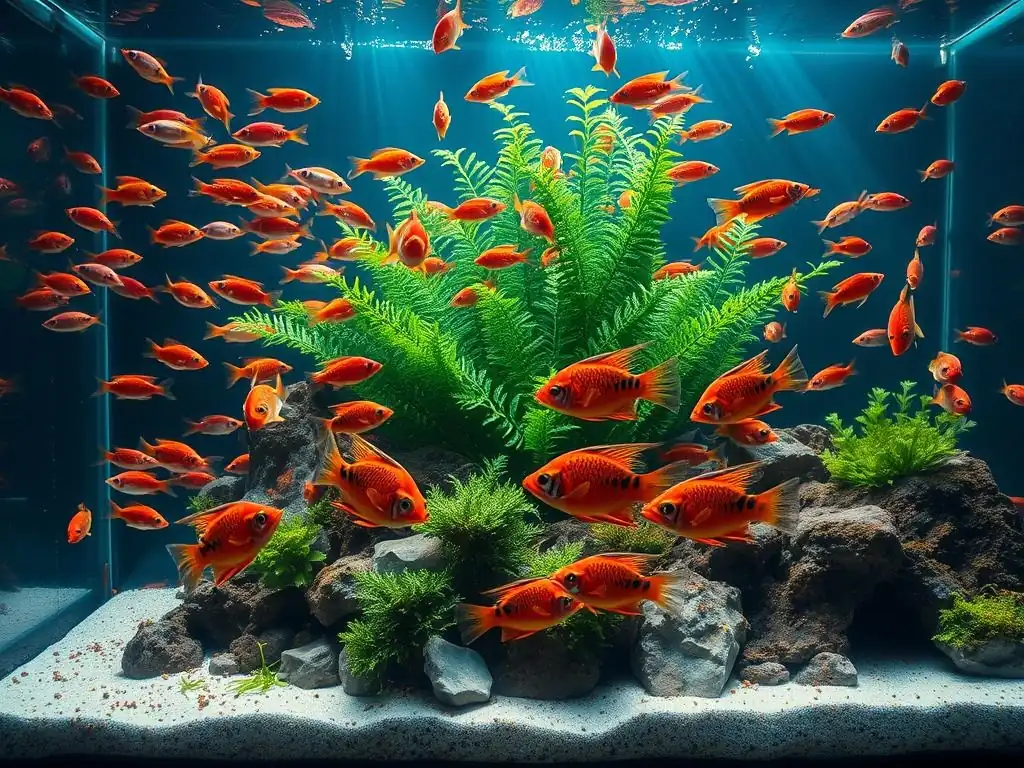
Ever wondered how to bring out the bravest and most vibrant side of your Dwarf Cichlids? You're in the right place! Dive into our guide on Dwarf Cichlid Dither Fish and discover how the right companions can unlock a whole new level of activity and color in your freshwater aquarium. Curious to learn which species create the perfect harmony? Let's explore!
- Understanding the Role of Dither Fish in a Dwarf Cichlid Tank
- Selecting the Best Dither Fish for Your Dwarf Cichlid Aquarium
- Setting Up the Aquarium for Dwarf Cichlids and Dither Fish
- Introducing Dither Fish to Your Dwarf Cichlid Tank: A Step-by-Step Guide
- Troubleshooting Common Issues When Keeping Dither Fish with Dwarf Cichlids
- Benefits Beyond Boldness: Other Advantages of Using Dither Fish
- Choosing the Right Number of Dither Fish
- Conclusion: Achieving Harmony in Your Dwarf Cichlid Community Tank
-
Frequently Asked Questions
- What exactly are dither fish, and why are they important for dwarf cichlids?
- What are some good examples of dither fish that are compatible with dwarf cichlids?
- How many dither fish should I keep with my dwarf cichlids?
- Are there any dither fish that shouldn't be kept with dwarf cichlids?
- How do dither fish affect the overall aquarium ecosystem when kept with dwarf cichlids?
- Final Reflection: Cultivating Confidence in Miniature Worlds
- Ignite Confidence: Give Your Cichlids a Thriving Community!
Understanding the Role of Dither Fish in a Dwarf Cichlid Tank
What are Dither Fish and Why are They Important for Dwarf Cichlids?
Dither fish are typically small, active, and non-aggressive fish species that are introduced into an aquarium to provide a sense of security and confidence for shyer, often larger, or more territorial fish. For dwarf cichlids, such as Mikrogeophagus ramirezi (Ram cichlids) or Apistogramma species, which can be naturally timid or reclusive, the presence of dither fish is invaluable. These active swimmers signal to the cichlids that the environment is safe and free from immediate threats, encouraging them to spend more time in open water rather than constantly hiding.
The importance of dither fish for dwarf cichlid dither fish setups lies in their ability to reduce stress. Many dwarf cichlids, especially wild-caught specimens, are prone to shyness in a new or open tank. Without the visual reassurance provided by dither fish, they might remain hidden, refuse to feed openly, or fail to display their full vibrant colors.
For instance, a study on fish behavior, while not specific to cichlids, often indicates that shy species may increase their time spent in open water by up to 80% when dither fish are present, compared to environments where they are absent. This behavioral shift is crucial for the cichlids' overall health and well-being.
How Dither Fish Impact Dwarf Cichlid Behavior and Confidence
Dither fish impact dwarf cichlid behavior primarily through visual cues and consistent activity. By constantly swimming in the mid to upper water column, dither fish signal that no predators are lurking, effectively reducing the cichlids' innate fear response. This sustained reassurance allows the dwarf cichlids to lower their guard, become more inquisitive, and explore their habitat beyond their immediate hiding spots. The result is a noticeable increase in activity levels, with cichlids more frequently venturing into open areas of the tank.
This newfound confidence directly translates into healthier, more natural behaviors. For example, a previously reclusive Bolivian Ram ( Mikrogeophagus altispinosus) might begin to confidently forage across the substrate or swim openly in the tank's mid-section, exhibiting its full range of colors. They are also more likely to engage in courtship rituals and breeding behaviors when they feel secure. This positive behavioral shift is a clear indication that the dither fish are successfully fulfilling their role in creating a less stressful and more natural environment for the dwarf cichlids.
Creating a Stress-Free Environment with Suitable Tank Mates
Creating a truly stress-free environment for dwarf cichlid dither fish extends beyond just adding dither fish; it encompasses the entire tank setup and the selection of all tank mates. While dither fish are a cornerstone, their effectiveness hinges on their compatibility with the dwarf cichlids and the overall tank conditions. It's essential to choose dither species that are not aggressive, do not exhibit fin-nipping tendencies, and do not directly compete for food or territory with the cichlids.
For instance, robust, fin-nipping barb species would be entirely unsuitable, as they would add more stress rather than alleviate it. In contrast, docile schooling fish like various tetra or rasbora species are excellent choices because they occupy different ecological niches and maintain a peaceful demeanor. A thoughtfully selected group of dwarf cichlid dither fish, combined with ample hiding spots, appropriate lighting, and stable water parameters, collectively transforms a potentially timid setup into a vibrant, active display where dwarf cichlids can truly thrive.
Selecting the Best Dither Fish for Your Dwarf Cichlid Aquarium
Top Dither Fish Choices for Ram Cichlids ( Mikrogeophagus ramirezi)
Ram cichlids, including the popular German Blue and Gold Rams, are generally peaceful but can be quite shy, especially when first introduced to a new environment. They prefer warm, soft, and slightly acidic water conditions (pH 5.5-7.0, temperature 73-80°F or 23-27°C). Therefore, the best dither fish for them are those that tolerate similar water parameters and exhibit a calm, non-aggressive temperament, ensuring they don't add to the Rams' stress.
When selecting dwarf cichlid dither fish for Rams, focus on species that are not overly boisterous or large enough to intimidate them. The goal is to provide a constant, gentle presence that signals safety without becoming a source of competition or aggression. The following categories highlight excellent choices that blend seamlessly into a Ram cichlid setup, promoting their natural confidence and activity.
Schooling Fish Options for Ram Cichlids: Cardinal Tetras, Ember Tetras
Cardinal Tetras ( Paracheirodon axelrodi) are perhaps one of the most iconic choices for Ram cichlid tanks. Their striking iridescent blue and red stripe, combined with their peaceful nature and tight schooling behavior, makes them ideal. They thrive in similar water parameters (pH 5.5-7.0, temperature 73-80°F or 23-27°C) and typically occupy the mid-water column, providing constant visual reassurance. A school of 6-10 Cardinal Tetras in a 20-gallon or larger tank can significantly encourage shy Rams to venture out more.
Ember Tetras ( Hyphessobrycon amandae) are another superb option, especially for smaller Ram setups or if you prefer a less dominant dither fish presence. These tiny (under 1 inch), vibrant orange-red fish are exceedingly peaceful and prefer planted tanks. They actively swim in the mid-water, offering continuous movement without adding substantial bioload. A group of 8-12 Ember Tetras in a 15-gallon tank with a pair of Rams creates a harmonious and active display, with the Ember Tetras' constant presence helping to alleviate the Rams' shyness.
Peaceful Community Fish Suitable for Ram Cichlids: Corydoras Catfish, Otocinclus Catfish
Corydoras Catfish ( Corydoras spp.) are excellent bottom-dwelling dwarf cichlid dither fish that provide ground-level activity without bothering Ram cichlids. Species like Panda Corydoras or Pygmy Corydoras are peaceful scavengers that help keep the substrate clean while signaling safety. They are best kept in groups of 6 or more, and their calm, constant foraging behavior reassures the Rams that the lower levels of the tank are secure. They typically thrive in similar temperature ranges (72-78°F or 22-26°C) and are hardy additions.
Otocinclus Catfish ( Otocinclus vittatus) are small, herbivorous algae eaters that are exceptionally peaceful and non-threatening. They spend their time grazing on aquarium surfaces, including plants and glass, and do not interact directly with the mid-water dwelling Rams. A group of 3-5 Otos not only contributes to algae control but also adds gentle, continuous movement, which can further enhance the feeling of security for the Rams. They prefer similar water parameters and are highly recommended for their docile nature.
Ideal Dither Fish Companions for Apistogramma Species
Apistogramma species are a diverse group of dwarf cichlids, known for their vibrant colors and intricate behaviors. While some, like Apistogramma cacatuoides, are relatively peaceful, others, such as Apistogramma agassizii, can be more territorial, especially during breeding. Most Apistogrammas prefer soft, acidic water (pH 4.5-6.8, temperature 72-79°F or 22-26°C). The ideal dither fish for them must be able to tolerate these specific water parameters and exhibit a temperament that complements, rather than clashes with, the Apistogrammas' often shy yet occasionally territorial nature.
The key is to select dither fish that are active but not overly boisterous, occupying different levels of the water column to minimize direct competition or stress. They should be robust enough not to be easily intimidated by the Apistogrammas, yet peaceful enough not to provoke aggression. The following selections provide excellent options that enhance the Apistogrammas' confidence while maintaining harmony in the aquarium.
Exploring Dither Fish for Apistogramma: Pencilfish, Hatchetfish
Pencilfish ( Nannostomus spp.), such as the Dwarf Pencilfish or Coral Red Pencilfish, are slender, peaceful fish that are excellent mid-water dwellers. They are known for their calm demeanor and often form loose schools, providing gentle, continuous movement without being overly disruptive. They thrive in similar soft, acidic water conditions (pH 5.0-6.8, temperature 72-79°F or 22-26°C) and are ideal for Apistogramma species, as they tend to stay out of the cichlids' immediate territory. Their subtle presence can significantly reduce shyness in Apistogrammas.
Hatchetfish ( Gasteropelecus spp.), while surface dwellers, offer a unique advantage as dwarf cichlid dither fish. Their constant schooling and activity at the water's surface provide a strong "no threat" signal from above, a common area of concern for many fish. Common Hatchetfish are peaceful and occupy a water column entirely separate from most Apistogrammas, minimizing direct interaction. It's crucial to note they are jumpers and require a tightly fitting lid. Their presence can be particularly effective in calming shy Apistogrammas, making them feel secure from aerial threats.
Ensuring Compatibility: Water Parameters and Temperament
When selecting dwarf cichlid dither fish for Apistogramma species, ensuring precise compatibility in water parameters is paramount. Many Apistogrammas are highly sensitive to water quality fluctuations and specific pH/GH ranges. For instance, while Apistogramma cacatuoides can tolerate a pH of 6.0-7.0, some wild-caught Apistogramma agassizii prefer more extreme conditions, with pH values as low as 4.5-5.5. Therefore, dither fish must be able to thrive in these exact conditions without stress.
Temperament matching is equally critical. Avoid any dither fish that are known for fin-nipping (e.g., certain barb species) or are excessively boisterous, as this can easily stress Apistogrammas, particularly when they are breeding. The ideal dither fish will be calm and unobtrusive, providing a constant reassuring presence without provoking any defensive or aggressive behaviors from the Apistogrammas. This careful selection ensures that the dither fish truly contribute to a peaceful and thriving environment.
Dither Fish Recommendations for Kribensis Cichlids ( Pelvicachromis pulcher)
Kribensis cichlids ( Pelvicachromis pulcher) are among the hardier dwarf cichlids, tolerating a wider range of water parameters (pH 6.0-8.0, temperature 75-80°F or 24-27°C) than Rams or Apistogrammas. While generally peaceful, they can become quite territorial and assertive, especially during breeding cycles. Therefore, suitable dwarf cichlid dither fish for Kribensis need to be robust, active, and able to hold their own without being overly aggressive or intimidating the Kribensis.
The key is to select dither fish that are fast enough to escape potential aggression and occupy different sections of the tank, minimizing direct territorial disputes. Their hardiness ensures they can withstand the Kribensis' occasional assertiveness, while their active schooling provides the necessary reassurance. These choices help create a dynamic community tank where Kribensis can display their natural behaviors without causing undue stress to their tank mates.
Hardy and Active Dither Fish for Kribensis: Congo Tetras, Buenos Aires Tetras
Congo Tetras ( Phenacogrammus interruptus) are excellent dwarf cichlid dither fish for Kribensis tanks due to their robust nature and active schooling behavior. Growing up to 3 inches, they are large enough not to be intimidated by Kribensis and prefer to swim in the mid-to-upper water column, providing a strong visual presence. They are generally peaceful and their shimmering scales add significant aesthetic appeal. A school of 6 or more Congo Tetras in a 40-gallon tank or larger can effectively dither for a pair of Kribensis, offering a dynamic and secure environment.
Buenos Aires Tetras ( Hyphessobrycon anisitsi) are another hardy and active option, though they come with a caveat: they can sometimes be prone to nipping fins. However, in a sufficiently large tank (50+ gallons) with ample space for both the Kribensis and a large school of 10-15+ Buenos Aires Tetras, their activity can be beneficial. They prefer slightly cooler water (68-78°F or 20-26°C) but can adapt to Kribensis temperatures. Continuous monitoring is crucial to ensure they do not overly stress the Kribensis or other tank mates.
Considerations for Kribensis Breeding Tanks
During breeding periods, Kribensis cichlids become highly territorial and aggressive, vigorously defending their chosen spawning site (often a cave or pot) and fry. In such scenarios, many dither fish that are suitable for a general community tank might be severely harassed, injured, or even killed. The increased aggression is a natural instinct to protect their offspring.
For dedicated Kribensis breeding setups, it is often advisable to either remove dither fish entirely or select only the most robust, fast-moving species that can easily evade aggression, such as larger schooling rasboras or very fast-swimming tetras that primarily occupy the upper water column. However, the most successful and stress-free approach for Kribensis breeding is frequently a species-only tank or one with minimal, carefully chosen tank mates that pose no threat and can withstand the cichlids' territoriality.
Setting Up the Aquarium for Dwarf Cichlids and Dither Fish
Tank Size and Dimensions: Providing Ample Space
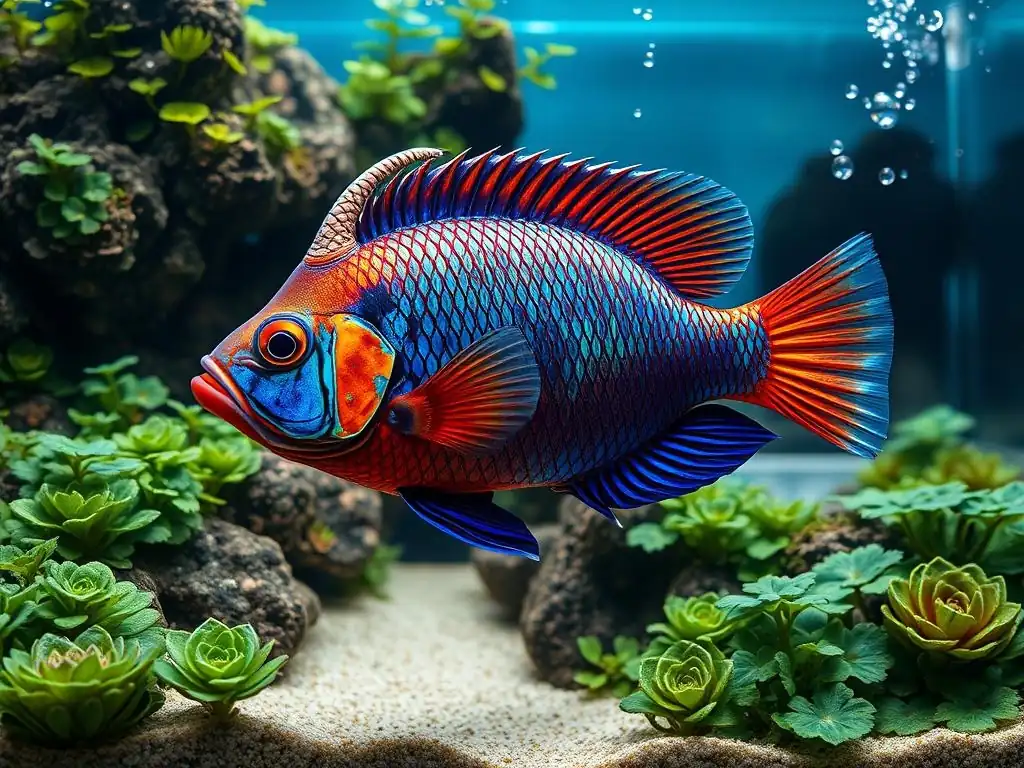
The success of a dwarf cichlid dither fish community hinges significantly on providing ample tank space. While a single pair of dwarf cichlids like Rams or Apistogrammas might technically survive in a 15-20 gallon tank, this volume is often insufficient when adding a school of dither fish. The minimum size for a thriving community should be a 29-gallon or 30-gallon long tank, which typically measures 30-36 inches in length.
A longer footprint is crucial as it provides more horizontal swimming space for active dither fish and allows the dwarf cichlids to establish distinct territories without constant encroachment. For instance, a 29-gallon tank can comfortably house a pair of Mikrogeophagus ramirezi and a school of 8-10 Cardinal Tetras, offering enough room for both species to exhibit natural behaviors without undue stress. For more active or larger dwarf cichlids like Kribensis, a 40-gallon tank or larger is often recommended when including dither fish to ensure adequate territory and swimming lanes.
Water Parameters: Maintaining Optimal Conditions for All Species
Maintaining optimal and stable water parameters is paramount for the health and well-being of both dwarf cichlids and their dither fish companions. While dither fish can often be more adaptable, it is the specific, often softer and more acidic, water requirements of many dwarf cichlids that dictate the tank's chemistry. For example, most Apistogramma species thrive in very soft water (GH 0-5 dGH) and acidic conditions (pH 4.5-6.5), which is also ideal for many common dither fish like Neon Tetras.
Regular water testing is non-negotiable. Weekly checks for pH, ammonia, nitrite, and nitrate are crucial. Aim for ammonia and nitrite levels at 0 ppm, and nitrates consistently below 20 ppm. Performing weekly water changes of 25-30% using dechlorinated water that closely matches the tank's temperature and chemistry helps dilute pollutants and maintain stability. This diligence ensures a healthy environment, preventing stress-related diseases and promoting the vibrant health of all inhabitants in your dwarf cichlid dither fish setup.
Aquarium Decor: Creating Hiding Places and Open Swimming Areas
A well-designed aquarium for dwarf cichlid dither fish must strike a balance between open swimming spaces and numerous hiding spots. Dwarf cichlids, by nature, require places to retreat when feeling stressed, to establish breeding territories, or simply to rest. Dither fish, conversely, thrive in open water where they can school freely and provide their reassuring presence.
Therefore, the layout should incorporate elements like driftwood, rock formations, and ceramic caves (e.g., coconut shells, terracotta pots) that offer secure retreats for the cichlids. The central and upper parts of the tank should remain relatively open to allow the dither fish ample space for schooling. This strategic placement ensures that while the dither fish actively swim, the cichlids have the option to be visible or to quickly disappear into cover, significantly reducing their stress levels.
The Importance of Plants and Substrates
Live plants are incredibly beneficial for a dwarf cichlid dither fish aquarium. Dense planting, particularly with species like Amazon Swords, Java Fern, Anubias, and various stem plants, provides extensive cover and visual barriers. These natural elements help absorb nitrates, contribute to oxygenation, and create a more natural, aesthetically pleasing environment. For instance, a heavily planted 20-gallon long tank can make a pair of Apistogramma cacatuoides feel secure enough to confidently explore the foreground, knowing dense foliage is always nearby for refuge.
Substrate choice also plays a role in the well-being of dwarf cichlids. A fine sand substrate is often ideal, as many species enjoy sifting through it for food particles or digging small pits for spawning. Darker substrates can further enhance the colors of both the cichlids and their dither fish, while also reducing reflections that might otherwise stress the fish. Combining these elements creates a holistic environment that supports the natural behaviors and health of all tank inhabitants.
Introducing Dither Fish to Your Dwarf Cichlid Tank: A Step-by-Step Guide
Acclimation Process: Minimizing Stress for New Fish
Proper acclimation is a critical step when introducing any new fish, especially dwarf cichlid dither fish, to minimize stress and prevent shock. The drip acclimation method is highly recommended, particularly for sensitive species. This involves slowly adding tank water to the bag containing the new fish over a period of 30-60 minutes, allowing them to gradually adjust to the tank's temperature, pH, and other water parameters. This slow transition significantly reduces the risk of osmotic shock or pH shock.
Before beginning acclimation, it's beneficial to turn off the main aquarium lights and keep them off for a few hours after introduction. This reduces visual stress on both the newly introduced dither fish and the existing dwarf cichlids, allowing the new inhabitants to explore their surroundings more calmly. If possible, introduce the dither fish to the tank before the dwarf cichlids, so they can establish themselves first. If the cichlids are already present, introduce the dither fish as a group to help them feel more secure and less likely to be individually targeted.
Monitoring Behavior: Observing Interactions Between Cichlids and Dither Fish
After introducing your dwarf cichlid dither fish, continuous and close observation is essential, especially during the first few hours and days. Pay close attention to the interactions between the cichlids and their new tank mates. Look for any signs of aggression, such as chasing, fin nipping, or constant hiding by either group. Observe if the dither fish are schooling tightly and confidently, or if they appear stressed with clamped fins or rapid breathing.
While some initial curiosity or brief chasing from the dwarf cichlids is normal as they establish territories, persistent bullying or signs of severe stress indicate a problem. For example, if a Kribensis repeatedly corners or harasses a school of Congo Tetras for prolonged periods, it might suggest the tank is too small, or the Kribensis is an unusually aggressive individual. Be prepared to intervene by adding more hiding spots, rearranging decor, or, in severe cases, separating the fish to prevent injury or chronic stress.
Feeding Strategies: Ensuring All Fish Receive Adequate Nutrition
One common challenge when keeping dwarf cichlid dither fish with cichlids is ensuring that the often shyer cichlids receive adequate nutrition, as dither fish are typically faster and more aggressive eaters. Malnourishment can lead to weakened immune systems and poor health for the dwarf cichlids.
To address this, employ strategic feeding methods. Consider feeding small amounts multiple times a day instead of one large meal. You can first offer a small portion of floating flakes or pellets to the dither fish at the surface, then immediately follow up with sinking pellets, wafers, or frozen foods (like bloodworms or brine shrimp) dropped closer to the cichlids' hiding spots.
This allows the cichlids to access food without direct competition. Varying the diet with high-quality flakes, small pellets, and live or frozen foods like daphnia or mosquito larvae will also cater to the nutritional needs of both species and encourage even the most timid Apistogramma to feed confidently.
Troubleshooting Common Issues When Keeping Dither Fish with Dwarf Cichlids
Aggression and Bullying: Identifying and Addressing Problems
Despite careful planning, aggression and bullying can sometimes occur in a dwarf cichlid dither fish tank. If you observe persistent chasing, fin nipping, or one fish constantly hiding, it's crucial to identify the root cause. First, re-evaluate your tank setup: Is the tank size adequate for all inhabitants? Are there enough hiding places and visual barriers to break lines of sight? For instance, a 20-gallon tank might be too small for a breeding pair of Kribensis and a robust school of 10 tetras, leading to territorial disputes.
Solutions often involve modifying the environment. Adding more dense planting, driftwood, or rock caves can create additional territories and escape routes. Rearranging existing decor can also disrupt established territories and create new ones. If aggression persists, especially from a particularly dominant cichlid, consider separating the aggressive individual or rehoming either the cichlid or the dither fish if the situation cannot be resolved. Sometimes, a specific dwarf cichlid may simply not be suited for a community setup.
Disease Prevention: Maintaining a Healthy Aquarium Ecosystem
Stress is a primary factor in weakening fish immune systems, making them highly susceptible to various diseases. The very purpose of using dwarf cichlid dither fish is to reduce stress, thereby acting as a crucial component of disease prevention. A healthy, stress-free environment is the best defense against common ailments like Ich or bacterial infections.
Proactive prevention measures are essential. Always quarantine all new fish, including dither fish, in a separate tank for 2-4 weeks before introducing them to the main aquarium. This allows you to observe them for any signs of illness and treat them if necessary, preventing the introduction of pathogens to your established community. Furthermore, maintaining excellent water quality through consistent weekly water changes and regular filter maintenance is paramount. Stable parameters, such as a consistent temperature of 76°F (24.5°C) for Rams, significantly reduce physiological stress on all fish, bolstering their natural immunity.
Water Quality Management: Regular Testing and Maintenance
Consistent and pristine water quality is arguably the most critical factor for the long-term health and vibrancy of both dwarf cichlids and their dwarf cichlid dither fish. Fluctuations in pH, rapid temperature swings, or elevated levels of ammonia, nitrite, and nitrate are major stressors that can quickly lead to illness and even death. Dwarf cichlids, in particular, are often sensitive to poor water conditions.
Implement a strict weekly maintenance schedule. This should include testing key water parameters (ammonia, nitrite, nitrate, pH, GH, and KH) to monitor stability. Perform regular 25-30% water changes using dechlorinated water that is temperature-matched to your aquarium. Additionally, clean filter media regularly by rinsing it in old tank water (never tap water, to preserve beneficial bacteria). For example, a 30-gallon tank housing a pair of Apistogramma borellii and 8 Ember Tetras will typically require weekly water changes of 7-9 gallons to keep nitrates consistently below 15 ppm, ensuring a clean and stable environment.
Benefits Beyond Boldness: Other Advantages of Using Dither Fish
Improved Feeding Response in Dwarf Cichlids
One significant advantage of incorporating dwarf cichlid dither fish is the marked improvement in the feeding response of the cichlids. Shy or newly introduced dwarf cichlids often remain hidden during feeding times, leading to inadequate nutrition and potential health issues. The active and confident feeding behavior of dither fish serves as a powerful visual cue.
When dwarf cichlids observe their dither fish companions eagerly consuming food without hesitation, it signals to them that the environment is safe and food is readily available. This can significantly encourage even the most timid cichlids to emerge from their hiding spots and participate in feeding. This benefit is particularly noticeable with wild-caught or very reclusive species, where the presence of dither fish can dramatically improve their feeding consistency, ensuring they receive the necessary nutrients for optimal health and growth.
Enhanced Coloration and Breeding Behavior
The reduction of stress directly translates into more vibrant and intense coloration in dwarf cichlids. When these fish feel secure and confident in their environment, they display their full, natural spectrum of colors, which are often subdued or dull under stressful conditions. A thriving dwarf cichlid dither fish community allows the cichlids to truly "color up," showcasing their stunning patterns and hues.
Furthermore, a stress-free environment significantly encourages natural breeding behaviors. A pair of Ram cichlids or Apistogrammas that feel secure due to the constant reassurance from their dither fish companions are far more likely to establish a breeding territory, engage in courtship rituals, and successfully spawn and raise fry. The dither fish act as a continuous "all clear" signal, allowing the cichlids to focus on their reproductive instincts rather than constantly being on high alert for perceived threats.
A More Dynamic and Engaging Aquarium Display
Beyond the direct benefits to the dwarf cichlids, the inclusion of dwarf cichlid dither fish profoundly enhances the overall aesthetic and dynamism of the aquarium display. A tank with only dwarf cichlids, especially shy species, can sometimes appear static and empty as the cichlids spend much of their time hidden.
The addition of active, schooling dither fish transforms the tank into a lively, constantly moving spectacle. The synchronized swimming of a school of Cardinal Tetras or Ember Tetras adds immense visual interest and a sense of natural vitality to the mid and upper water columns. This creates a more complete and engaging ecosystem, beautifully showcasing the interactions between different species and providing a more immersive and aesthetically pleasing viewing experience for the aquarist, truly making the tank feel like a vibrant slice of an aquatic habitat.
Choosing the Right Number of Dither Fish
Schooling Behavior and Minimum Group Sizes
To truly benefit from their presence, dwarf cichlid dither fish must be kept in appropriate group sizes that allow them to exhibit natural schooling behavior. Most schooling species, such as tetras, rasboras, and danios, require a minimum group size of 6-8 individuals to feel secure and display their characteristic schooling patterns.
Keeping fewer can lead to stress, shyness, and even increased aggression among the dither fish themselves, making them less effective as confidence boosters for your cichlids. For example, a school of fewer than 6 Neon Tetras might become stressed, prone to disease, or even start nipping fins due to insecurity.
Ideally, larger schools of 10-15 or more individuals are even better. A bigger school provides a stronger visual signal to the dwarf cichlids, creating a more pronounced sense of safety. Moreover, larger schools are often more impressive visually, contributing significantly to the aesthetic appeal of the aquarium. However, it is crucial to balance the desire for a large school with the tank's capacity to handle the increased bioload.
Balancing Dither Fish Population with Tank Size and Cichlid Needs
While the "one inch of fish per gallon" rule is a very rough guideline, it's often insufficient and misleading when planning a dwarf cichlid dither fish community. A more nuanced approach is required, considering the adult size of both the dwarf cichlids and their dither fish, their activity levels, waste production, and territorial needs. For instance, a 29-gallon tank might comfortably house a pair of Mikrogeophagus ramirezi and a school of 8 Cardinal Tetras, but adding another school of 8 Ember Tetras would likely overstock the tank.
Overcrowding leads to increased bioload, resulting in poor water quality, higher stress levels, and increased aggression among all inhabitants. These issues directly negate the benefits of using dither fish. Always research the specific needs of each species and err on the side of caution with tank capacity. The goal is to create a harmonious balance where all fish have adequate space to thrive without compromising water quality or increasing stress.
Conclusion: Achieving Harmony in Your Dwarf Cichlid Community Tank
Integrating dwarf cichlid dither fish into your aquarium can profoundly transform the health, behavior, and aesthetic appeal of your dwarf cichlid setup. The benefits are multifaceted: reduced stress, increased boldness, improved feeding responses, enhanced coloration, and more natural breeding behaviors in your cichlids. Dither fish act as living indicators of safety, allowing your shy dwarf cichlids to emerge from hiding and truly flourish.
Achieving this harmony, however, requires careful planning and consistent dedication. It necessitates the meticulous selection of dither fish that are compatible in terms of water parameters and temperament, ensuring they complement rather than compete with your dwarf cichlids. Furthermore, proper tank setup, including ample space, appropriate decor with hiding spots, and consistent pristine water quality through regular testing and maintenance, are non-negotiable. When these elements are thoughtfully combined, incorporating dwarf cichlid dither fish creates a thriving, dynamic, and visually stunning community aquarium, allowing these fascinating fish to display their full potential and bring immense joy to any aquarist.
Frequently Asked Questions
What exactly are dither fish, and why are they important for dwarf cichlids?
Dither fish are small, active fish that swim in the upper levels of the aquarium. Their presence helps dwarf cichlids feel more secure and less threatened, encouraging them to be bolder and more visible.
What are some good examples of dither fish that are compatible with dwarf cichlids?
Good choices include small tetras, such as Ember Tetras or Neon Tetras, and Rasboras, like Harlequin Rasboras. Ensure they are peaceful and won't outcompete the cichlids for food.
How many dither fish should I keep with my dwarf cichlids?
A group of at least six dither fish is generally recommended. This provides a sufficient "schooling" effect, creating a constant presence in the upper water column.
Are there any dither fish that shouldn't be kept with dwarf cichlids?
Avoid fin-nipping species or aggressive fish that could stress the cichlids. Also, avoid fish that grow too large for your tank or compete for the same resources.
How do dither fish affect the overall aquarium ecosystem when kept with dwarf cichlids?
Dither fish help distribute the cichlids' aggression, making the tank more peaceful. They also act as an early warning system for the cichlids, signaling potential dangers.
Final Reflection: Cultivating Confidence in Miniature Worlds
The insights shared throughout this article highlight the profound impact of creating a balanced and supportive ecosystem within the aquarium. The careful selection of dither fish for dwarf cichlids isn't merely about aesthetics; it's about fostering an environment where these often-shy fish can thrive, display their natural behaviors, and ultimately, live healthier, more fulfilling lives. This principle extends beyond the glass walls of our tanks, reminding us of the power of community and security in nurturing confidence and well-being in any setting.
The delicate dance between predator and prey, carefully orchestrated in the aquarium, mirrors the complexities of our own social landscapes. Understanding the needs of these small creatures, and actively working to meet them, has deepened my appreciation for the interconnectedness of all living things. The greatness of a nation and its moral progress can be judged by the way its animals are treated.
- Mahatma Gandhi. This quote, though often applied to larger animals, resonates deeply here, reminding us that even the smallest creatures deserve our respect and consideration, and that their well-being reflects our own.
Now, I invite you to consider the lessons learned from the world of dwarf cichlids and dither fish. How can you apply the principles of creating a supportive environment, of fostering confidence through security, to your own life and the lives of those around you? Let us all strive to be the dither fish in someone else's aquarium, offering a sense of safety and encouragement that allows them to truly shine.
Ignite Confidence: Give Your Cichlids a Thriving Community!
Thank you for diving into the world of dither fish and their impact on dwarf cichlid behavior! We hope you've gained valuable insights into creating a more enriching environment for your finned friends. Now, let's turn that knowledge into action!
Here's how you can further enhance your cichlids' lives:
- Immediately assess your tank and identify potential dither fish candidates. Consider species that are peaceful, active, and occupy the upper levels of the tank.
- Explore local aquarium clubs or online forums to gather firsthand experiences and recommendations for successful dither fish pairings with your specific cichlid species.
- Unexpected action! Document the changes in your cichlids' behavior after introducing dither fish – create a video log or photo series to share your observations with the community!
What unique dither fish combination are you most excited to experiment with in your aquarium?