
Dwarf Cichlids & pH Shock: How to Avoid a Deadly Mistake

Welcome to Aquarium Mastery!
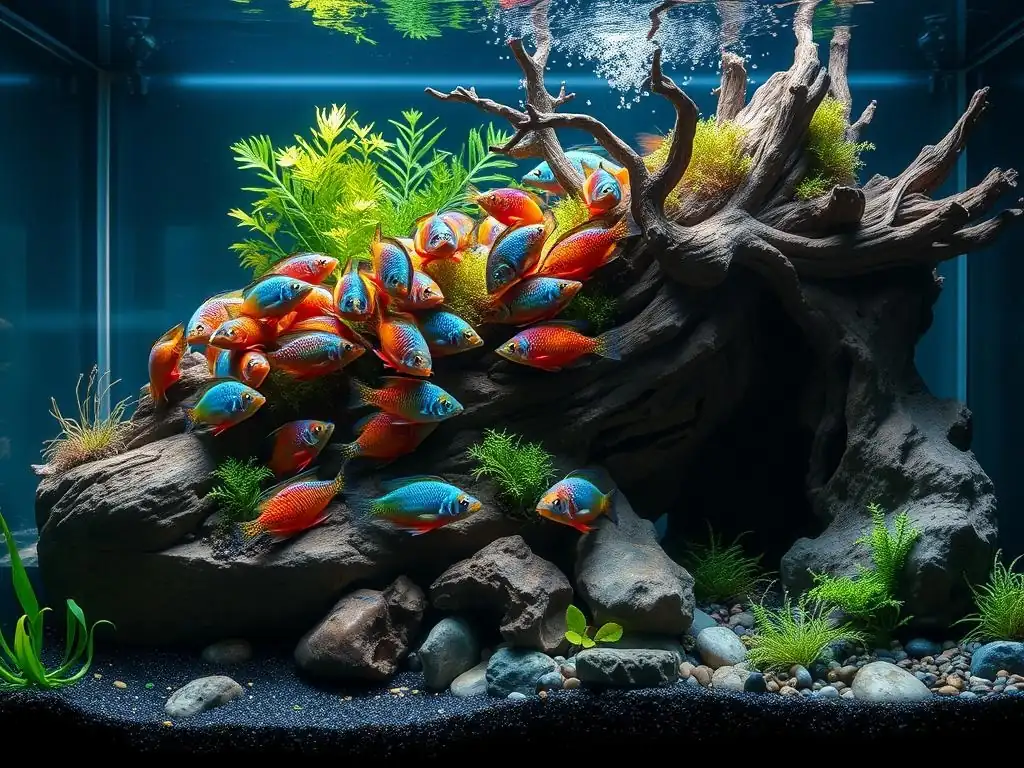
Ever wondered if that sudden change in your freshwater tank could be a silent killer for your beloved dwarf cichlids? Many aquarists unknowingly create conditions for pH shock, a potentially devastating issue. Dive in to learn how to avoid this deadly mistake and keep your vibrant dwarf cichlids thriving! Let's unravel the mystery of dwarf cichlid pH shock and ensure a healthy, happy aquarium for your finned friends.
- Understanding pH Shock in Dwarf Cichlids: A Critical Guide for Aquarium Keepers
- Identifying the Causes of pH Shock in Your Dwarf Cichlid Tank
- Recognizing the Symptoms of pH Shock in Your Dwarf Cichlids
- Preventing pH Shock: Proactive Strategies for a Healthy Aquarium
- Treating pH Shock in Dwarf Cichlids: Emergency Measures and Long-Term Care
- Best Practices for Maintaining Optimal pH for Dwarf Cichlids
- Choosing the Right Tank Mates to Avoid pH Conflicts
- Advanced Techniques for pH Control in Dwarf Cichlid Aquariums
- Case Studies: Learning from Real-World pH Shock Scenarios with Dwarf Cichlids
- Conclusion: Ensuring the Long-Term Health and Well-being of Your Dwarf Cichlids Through pH Management
-
Frequently Asked Questions
- What is pH shock in the context of dwarf cichlids?
- Why are dwarf cichlids particularly susceptible to pH shock?
- How can I prevent pH shock when introducing new dwarf cichlids to my aquarium?
- What are the signs that my dwarf cichlid is experiencing pH shock?
- What should I do if I suspect my dwarf cichlid is suffering from pH shock?
- Final Reflection: Navigating the Delicate Balance of Aquatic Life
- Dive Deeper: Nurture Your Cichlids' Haven!
Understanding pH Shock in Dwarf Cichlids: A Critical Guide for Aquarium Keepers
What is pH Shock and Why is it Deadly to Dwarf Cichlids?
pH shock, also known as osmotic shock or pH crash, occurs when aquatic organisms are exposed to a rapid and significant change in the water's pH level. This sudden shift disrupts the delicate balance of their internal physiological processes, particularly osmoregulation – the regulation of water and salt concentrations within their bodies. For dwarf cichlids, a change exceeding 0.5 pH units within a few hours can trigger severe stress, leading to cellular damage, organ failure, and ultimately, death. This rapid environmental alteration overwhelms their biological systems, which are adapted to stable conditions.
The lethality of pH shock stems from its direct impact on cellular function. Enzymes, which are vital proteins facilitating almost all biochemical reactions in a fish's body, are highly sensitive to pH. A sudden pH shift can denature these enzymes, rendering them non-functional. This disruption affects everything from digestion and respiration to waste excretion, leading to a systemic shutdown. Furthermore, the gills, crucial for oxygen uptake and waste elimination, are particularly vulnerable, suffering damage that impairs their ability to function, leading to respiratory distress and suffocation even in oxygen-rich water.
Why Dwarf Cichlids are Particularly Sensitive to pH Fluctuations
Dwarf cichlids, such as Apistogramma species, German Blue Rams ( Mikrogeophagus ramirezi ), and Kribensis ( Pelvicachromis pulcher ), predominantly originate from soft, acidic, and remarkably stable water environments like the Amazon and Orinoco river basins. These natural habitats typically exhibit very low dissolved mineral content and consistent pH levels, often ranging from 4.5 to 6.5, with minimal daily or seasonal variation. Over generations, these fish have evolved specific physiological adaptations that allow them to thrive in such precise conditions, making them exquisitely sensitive to any deviation.
Their delicate gill structures and specialized osmoregulatory systems are finely tuned to their native soft, acidic waters. When suddenly exposed to water with a significantly different pH, their bodies struggle to adapt. For instance, moving a Ram from a pH 6.0 tank to a pH 7.5 tank without proper acclimation can cause immediate and severe stress, as their kidneys and gills work overtime to compensate, often to no avail. This inherent sensitivity means that even seemingly minor pH swings that might be tolerated by hardier species can result in fatal dwarf cichlid pH shock for these delicate fish.
Identifying the Causes of pH Shock in Your Dwarf Cichlid Tank
Rapid Water Changes and Their Impact on pH Stability
One of the most common culprits behind dwarf cichlid pH shock is performing large, infrequent water changes with water that has a significantly different pH from the aquarium water. For example, if your tank's pH is a stable 6.2 and you replace 50% of the water with tap water that has a pH of 7.8, the entire tank's pH can shift dramatically within minutes. This sudden environmental alteration is a direct assault on the fish's osmoregulation system, as their bodies cannot instantaneously adjust to such a drastic change in acidity or alkalinity.
This issue is compounded if the tap water is also at a different temperature or contains high levels of chlorine/chloramines that haven't been properly neutralized. Many municipalities use chloramine, which is more stable and harder to remove than chlorine, requiring more robust water conditioners. A 30-50% water change with unconditioned or improperly conditioned tap water, especially in a smaller aquarium (e.g., a 20-gallon tank), can rapidly alter the pH by 1.0 unit or more, creating an almost instantaneous dwarf cichlid pH shock scenario from which recovery is unlikely.
The materials you choose for your aquarium's substrate and decor can significantly impact water chemistry, sometimes leading to subtle or even rapid pH shifts that contribute to dwarf cichlid pH shock. Substrates like crushed coral, aragonite sand, or limestone-based gravels are known to dissolve slowly over time, releasing calcium carbonate and other minerals that continuously raise the pH and increase alkalinity (KH) and general hardness (GH). While beneficial for African cichlids, these are detrimental to soft, acidic water dwellers like Apistogramma.
Conversely, certain types of substrates or decor can also lower pH. Active buffering substrates, often marketed for planted tanks, are designed to absorb minerals and release acids, driving pH down over time. While useful for creating a low pH environment, if not properly maintained or if used with water that has very low buffering capacity, they can lead to unpredictable or excessively low pH.
Similarly, large quantities of unboiled driftwood can initially leach tannins and acids, causing a pH drop, especially in new setups. It's crucial to understand the chemical properties of all materials introduced into the dwarf cichlid aquarium.
The Role of Buffers and KH in Preventing pH Swings
Carbonate hardness (KH), also known as alkalinity, is a critical parameter that directly influences the stability of your aquarium's pH. KH acts as a natural buffer, neutralizing acids and bases produced by biological processes (like nitrification) or introduced during water changes, thereby preventing drastic pH fluctuations. When KH levels are sufficient, they absorb these chemical changes, allowing the pH to remain relatively stable. For most dwarf cichlids, a KH level between 2-5 dKH (degrees of carbonate hardness) is often ideal, providing enough buffering capacity without making the water too hard.
Without adequate KH, the pH of your aquarium water can crash rapidly, leading to severe dwarf cichlid pH shock. In very soft water, even the respiration of fish and plants, or the natural nitrogen cycle, can produce enough carbonic acid to quickly deplete any minimal buffering capacity, causing the pH to plummet. Conversely, if KH is too high and you attempt to lower pH, the buffering capacity will resist the change, making it difficult to achieve the desired acidic conditions for dwarf cichlids. Understanding and maintaining appropriate KH levels is therefore as vital as monitoring pH itself.
Recognizing the Symptoms of pH Shock in Your Dwarf Cichlids
Behavioral Changes: Signs of Stress in Cichlids
Recognizing the early behavioral signs of stress in your dwarf cichlids is crucial for preventing fatal dwarf cichlid pH shock. Within minutes to a few hours of a significant pH shift, affected fish will exhibit noticeable distress. Common indicators include rapid gilling or labored breathing, even if the water is well-oxygenated, as their gills struggle to function under altered osmotic pressure. They may also display erratic swimming patterns, darting frantically around the tank, or conversely, becoming extremely lethargic, sitting on the bottom with clamped fins, often hiding more than usual.
Loss of appetite is another strong indicator; stressed fish will refuse food, even their favorite treats. You might also observe flashing, where the fish rubs its body against substrate, decor, or tank walls in an attempt to alleviate irritation. These behaviors are direct responses to the internal discomfort and physiological imbalance caused by the sudden change in water chemistry. If multiple fish in the tank exhibit these symptoms simultaneously, it strongly points towards an environmental issue like dwarf cichlid pH shock rather than an isolated illness.
Physical Symptoms: Identifying the Visible Effects of pH Shock
Beyond behavioral changes, pH shock can manifest in several visible physical symptoms on your dwarf cichlids. One of the most common signs is faded or dull coloration; vibrant hues that characterize healthy cichlids will become muted as the fish's body diverts energy away from non-essential functions. Cloudy eyes, often appearing hazy or opaque, can also develop, indicating internal stress and potential damage to ocular tissues.
Another telling sign is an excessive production of slime coat, which appears as a whitish, cloudy film over the fish's body. This is a protective response, but an overproduction signifies severe irritation and stress. In more severe cases of dwarf cichlid pH shock, you might observe skin lesions, red streaks, or frayed fins, which can be direct damage from the pH imbalance or secondary infections taking advantage of a weakened immune system. Difficulty maintaining buoyancy, leading to awkward swimming or floating near the surface, also indicates severe physiological distress.
Differentiating pH Shock from Other Common Dwarf Cichlid Diseases
While many symptoms of pH shock can overlap with various fish diseases, understanding the context and presentation helps differentiate them. Unlike bacterial or parasitic infections (e.g., Ich, fin rot, velvet), dwarf cichlid pH shock typically affects multiple fish simultaneously, often within a short period after a significant water change or a known environmental shift. Diseases, conversely, usually start with one or two individuals and spread over days or weeks. For instance, Ich presents with distinct white spots, while pH shock involves more generalized distress.
Furthermore, pH shock symptoms are directly tied to water parameters. If you observe behavioral and physical distress, the immediate first step should be to test your water's pH, KH, and temperature. If these parameters are found to be drastically different from their stable levels, then pH shock is the most probable cause. Diseases, while sometimes triggered by poor water quality, do not directly correspond to sudden pH fluctuations in the same immediate, widespread manner. A comprehensive understanding of your dwarf cichlid's normal behavior and water parameters is key to accurate diagnosis.
Preventing pH Shock: Proactive Strategies for a Healthy Aquarium
Gradual Acclimation: The Key to Introducing New Dwarf Cichlids
The process of acclimating new dwarf cichlids to your aquarium is paramount in preventing dwarf cichlid pH shock. Never simply float the bag and dump the fish in, as the water parameters (especially pH and temperature) in the transport bag are almost certainly different from your tank. The gold standard for sensitive species like dwarf cichlids is drip acclimation. This method involves slowly adding water from your main aquarium into the fish's transport container over an extended period, typically 1 to 2 hours, or even longer for extremely sensitive species or large parameter differences.
To perform drip acclimation, place the fish and its original bag water into a clean bucket or container. Use airline tubing to siphon water from your main tank into the bucket, tying a knot or using a control valve to regulate the drip rate to about 1-3 drops per second. This gradual introduction allows the fish's internal systems to slowly adjust to the new water chemistry, including pH, temperature, and hardness.
Aim for the pH difference between the original water and the tank water to be less than 0.2 pH units per hour. Once the volume of water in the bucket has quadrupled, net the fish and transfer it to the tank, discarding the old water.
Monitoring and Maintaining Stable pH Levels: Essential Tools and Techniques
Consistent monitoring of your aquarium's pH is non-negotiable for preventing dwarf cichlid pH shock. Investing in a reliable liquid reagent test kit is highly recommended over imprecise test strips, as they offer greater accuracy. Test your pH regularly, at least weekly, and more frequently if you notice any changes in fish behavior or after significant tank maintenance. Beyond pH, also monitor your carbonate hardness (KH), as it directly impacts pH stability.
To maintain stability, consider using reverse osmosis (RO) or deionized (DI) water if your tap water is inconsistent or unsuitable for dwarf cichlids. RO/DI water is stripped of minerals and pollutants, providing a blank slate that you can then remineralize to your desired pH and hardness levels using specialized additives like Seachem Equilibrium or specific buffer salts. This method offers unparalleled control over water parameters. Additionally, ensure consistent water temperature, as temperature fluctuations can indirectly affect pH stability and stress fish, making them more susceptible to pH shock.
Selecting the Right Substrate and Decor to Avoid pH Imbalances
The choice of substrate and decor plays a significant, albeit often overlooked, role in maintaining stable pH for dwarf cichlids. To prevent unintended pH alterations, opt for inert substrates that will not leach minerals into the water. Fine-grain sands like silica sand, CaribSea Super Naturals, or specialized aquarium sands are excellent choices, providing a natural environment without affecting water chemistry. Avoid calcareous substrates such as crushed coral, aragonite, or limestone-based gravels, which will continually raise pH and hardness, creating an environment unsuitable for acidic-loving dwarf cichlids.
For decor, natural driftwood (e.g., Malaysian, Mopani, Cholla wood) is highly beneficial. As it leaches tannins, it gently lowers pH and provides a natural buffering capacity, mimicking the blackwater conditions many dwarf cichlids prefer. Ensure any rocks introduced are inert; a simple test involves placing a few drops of vinegar or muriatic acid on the rock – if it fizzes, it contains calcium carbonate and will raise pH.
Examples of safe, inert rocks include slate, lava rock, and petrified wood. Thoughtful selection of these elements is crucial to prevent gradual pH creep or sudden shifts that could induce dwarf cichlid pH shock.
The Importance of Consistent Water Changes: A Balanced Approach
While large, infrequent water changes can cause dwarf cichlid pH shock, consistent, smaller water changes are vital for long-term aquarium health and pH stability. Instead of a single 50% change once a month, aim for 10-15% weekly water changes. This approach minimizes the sudden shift in water parameters, including pH, temperature, and dissolved mineral content. Regular water changes also help to remove accumulated nitrates and other organic pollutants that can contribute to pH instability over time by consuming buffering capacity.
When performing water changes, always use temperature-matched water that has been properly dechlorinated. If your tap water pH is significantly different from your tank's target pH, consider preparing the new water beforehand by adjusting its pH and allowing it to sit for a few hours to stabilize.
For instance, if your tap water is pH 7.5 and your tank is pH 6.0, you might need to use RO water or a very small amount of pH-lowering solution in the new water before adding it. This balanced, consistent approach to water changes is a cornerstone of preventing dwarf cichlid pH shock and maintaining a thriving dwarf cichlid environment.
Treating pH Shock in Dwarf Cichlids: Emergency Measures and Long-Term Care
Immediate Actions: Responding to Signs of pH Shock
If you observe your dwarf cichlids displaying symptoms of pH shock, immediate action is crucial to maximize their chances of survival. The first and most critical step is to accurately test your aquarium's pH, KH, and temperature to confirm the extent of the problem. Do not make assumptions. Once you've identified the current pH, focus on making a very small, gradual correction towards the ideal range. Avoid large, sudden adjustments, as this can induce a second, potentially fatal, dwarf cichlid pH shock.
Prepare a small amount of water (5-10% of your tank volume) that is closer to your target pH but not drastically different from the current tank pH. For instance, if your tank is at pH 5.0 and you want to reach pH 6.0, prepare water at pH 5.5. Slowly add this adjusted water to the tank over 30-60 minutes.
Increase aeration significantly using an air stone, as stressed fish often have impaired oxygen uptake. Reduce lighting and minimize any other stressors, allowing the fish to remain calm. Do not feed the fish for at least 24-48 hours, as digestion can add further stress.
Adjusting pH Levels Safely: A Gradual Correction is Crucial
The key to treating pH shock is gradual correction. Rapidly changing the pH back to the desired level is as dangerous as the initial shock. Aim to adjust the pH by no more than 0.2 units every 6-12 hours.
If your pH is too low, you can cautiously add a very small amount of baking soda (sodium bicarbonate) dissolved in tank water – for example, 1/8 to 1/4 teaspoon per 10 gallons, added very slowly over several hours, retesting frequently. If the pH is too high, small, frequent water changes (5-10% every few hours) with carefully pH-adjusted water (e.g., RO water or water treated with a very mild pH-lowering buffer like dilute Seachem Acid Buffer) are recommended.
For severe dwarf cichlid pH shock, consider isolating the most affected fish in a separate, small hospital tank with perfectly stable water parameters matching their ideal range, if possible. This allows for more precise control over their environment without risking the entire main tank. Continue to monitor pH and KH levels diligently throughout the recovery process. Patience is paramount; pushing for a quick fix will likely result in further harm or death. The goal is to slowly bring the water parameters back into a safe range, allowing the fish's system to re-equilibrate naturally.
Supportive Care: Helping Your Cichlids Recover
Beyond pH adjustment, supportive care is vital for helping dwarf cichlids recover from pH shock. Maintain excellent water quality by ensuring ammonia and nitrite levels are at zero and nitrates are low (below 20 ppm). Good filtration and increased surface agitation for oxygenation are essential. As mentioned, keep lighting subdued and minimize disturbances to reduce stress. If fish are showing signs of secondary infections (e.g., fin rot, fungal growth) due to their weakened immune system, be prepared to treat these specifically once the pH has stabilized.
Consider adding a small amount of aquarium salt (non-iodized, pure sodium chloride) at a concentration of 1 teaspoon per 5-10 gallons, dissolved first, to help with osmoregulation. This can reduce the osmotic stress on the fish's gills. However, be cautious as some dwarf cichlid species, particularly Apistogramma, are sensitive to salt. For these species, Indian almond leaves (catappa leaves) can be a better alternative, releasing beneficial tannins that have mild antiseptic properties and reduce stress. Once fish begin to show signs of recovery (e.g., increased activity, improved coloration), offer very small amounts of easily digestible food.
Best Practices for Maintaining Optimal pH for Dwarf Cichlids
Ideal pH Range for Popular Dwarf Cichlid Species (Apistogramma, Rams, Kribensis)
Maintaining the correct and, more importantly, stable pH range is crucial for the long-term health and well-being of dwarf cichlids, preventing dwarf cichlid pH shock. While specific tolerances vary slightly, most popular dwarf cichlid species thrive in soft, acidic to neutral water. For many Apistogramma species, the ideal pH range is typically between 4.5 and 6.5, with very low general hardness (GH) of 1-5 dGH. For example, Apistogramma cacatuoides can tolerate up to pH 7.0, but Apistogramma borellii prefers closer to pH 5.5-6.0.
German Blue Rams ( Mikrogeophagus ramirezi) are notoriously sensitive and prefer a pH between 5.0 and 6.5, coupled with extremely soft water (GH 1-4 dGH). They are particularly prone to dwarf cichlid pH shock if parameters fluctuate. Kribensis cichlids ( Pelvicachromis pulcher) are more adaptable, comfortable in a broader pH range of 6.0 to 7.5, and can tolerate slightly harder water up to 10 dGH. Regardless of the specific species, the emphasis should always be on providing a stable environment within their preferred range rather than chasing an exact number, as consistency prevents stress and strengthens their resilience.
Using Buffers and Water Chemistry to Create a Stable Environment
To achieve and maintain the optimal pH for dwarf cichlids, understanding and utilizing water chemistry tools are essential. If your tap water is naturally hard and alkaline, using reverse osmosis (RO) or deionized (DI) water is often the most effective method, as it allows you to build your water parameters from scratch. You can then remineralize this pure water with products like Seachem Acid Buffer or specific "blackwater" additives that lower pH and provide necessary minerals for dwarf cichlid health. Always add these products to your new water before it enters the tank, allowing it to stabilize.
Natural methods can also contribute to pH stability. Adding peat moss (in a filter bag or as a substrate additive) or Indian almond leaves (catappa leaves) to the tank will slowly release tannins and humic acids, gently lowering the pH and providing a natural buffering effect. These also replicate the blackwater conditions many dwarf cichlids experience in their native habitats. When using chemical buffers, always follow dosage instructions precisely and test frequently to avoid overshooting your target pH, which could itself cause dwarf cichlid pH shock.
Regular Testing and Adjustment: A Proactive Approach to Water Quality
A proactive approach to water quality management, centered around consistent testing and minor adjustments, is the cornerstone of preventing dwarf cichlid pH shock. Establish a routine of testing your aquarium's pH, KH, and GH at least once a week, or more frequently if you observe any unusual fish behavior or after significant tank maintenance. Maintaining a log of your readings can help you identify trends and catch potential issues before they escalate.
If your tests show a slight drift in pH (e.g., a drop from 6.5 to 6.2 over a week), you can make small, calculated adjustments through your regular water changes. For instance, if pH is dropping, ensure your new water has adequate KH or consider adding a small amount of a pH-raising buffer to the new water. Conversely, if pH is creeping up, ensure your new water is slightly more acidic.
The goal is to make very small, incremental changes rather than large, reactive ones. This consistent vigilance and minor intervention prevent the conditions that lead to sudden dwarf cichlid pH shock, ensuring a continuously healthy and stable environment for your fish.
Choosing the Right Tank Mates to Avoid pH Conflicts
Fish Compatibility and pH Requirements: Planning Your Community Tank
When planning a community tank for dwarf cichlids, selecting tank mates with similar pH and water chemistry requirements is paramount to avoid creating conflicting needs that could lead to dwarf cichlid pH shock for one or more species. Dwarf cichlids generally thrive in soft, acidic water, so ideal tank mates would be other fish that prefer these conditions. Excellent choices include small, peaceful schooling fish like Neon Tetras ( Paracheirodon innesi), Cardinal Tetras ( Paracheirodon axelrodi), Ember Tetras ( Hyphessobrycon amandae), or Rummy-Nose Tetras ( Hemigrammus rhodostomus), all of which originate from similar blackwater or clearwater environments.
Bottom dwellers such as Corydoras catfish ( Corydoras spp.) and Otocinclus catfish ( Otocinclus vittatus) are also highly compatible, as they appreciate soft, acidic water and will not compete with or stress the dwarf cichlids. Conversely, avoid fish that prefer hard, alkaline water, such as most African cichlids, livebearers (Guppies, Mollies, Platies), or Rainbowfish, as their ideal pH range often conflicts significantly with that of dwarf cichlids. Attempting to house species with vastly different pH needs forces you to compromise on water parameters, inevitably stressing one or both groups and increasing the risk of dwarf cichlid pH shock.
Plants and pH: Selecting Species that Thrive in Dwarf Cichlid Environments
Aquarium plants can greatly enhance a dwarf cichlid tank, providing cover, absorbing nitrates, and contributing to overall water quality. Fortunately, many popular and beautiful aquarium plants thrive in the slightly acidic to neutral water conditions favored by dwarf cichlids. Excellent choices include various species of Anubias (e.g., Anubias barteri, Anubias nana), Java Fern ( Microsorum pteropus), and Cryptocoryne species (e.g., Cryptocoryne wendtii, Cryptocoryne undulata). These plants are hardy, relatively low-maintenance, and appreciate the softer water parameters.
Other suitable plants include Amazon Swords ( Echinodorus spp.), which can grow quite large and provide excellent cover, and Bucephalandra species, which are similar to Anubias in their care requirements. While not directly altering pH significantly, healthy plants contribute to a stable ecosystem by consuming nitrates and providing natural buffering through their metabolic processes. It's important to note that if you choose to use CO2 injection for advanced plant growth, this can lower pH, requiring careful monitoring to ensure the pH does not drop too rapidly or too low, potentially causing dwarf cichlid pH shock.
Advanced Techniques for pH Control in Dwarf Cichlid Aquariums
Using CO2 Injection and Its Impact on pH
For planted dwarf cichlid aquariums, CO2 injection is a common method to boost plant growth. However, it directly impacts pH, and if managed improperly, can be a significant cause of dwarf cichlid pH shock. When CO2 dissolves in water, it forms carbonic acid, which lowers the pH. A stable CO2 system, typically involving a pressurized CO2 tank with a regulator and solenoid valve, ensures a consistent injection rate during daylight hours. The challenge arises when CO2 is turned off at night, as plants no longer photosynthesize and consume CO2, leading to a natural rise in pH.
This daily pH swing (down during the day, up at night) can be stressful for dwarf cichlids, especially if the magnitude of the swing is greater than 0.3-0.5 pH units. To mitigate this, some aquarists opt for 24/7 CO2 injection at a very low, consistent rate, or use a pH controller that automatically adjusts CO2 delivery to maintain a set pH point. Regular monitoring with a drop checker is essential to ensure CO2 levels are safe for fish (typically 20-30 ppm) and not causing excessive pH fluctuations that could induce dwarf cichlid pH shock.
Understanding the Nitrogen Cycle and Its Influence on pH
The nitrogen cycle, a fundamental biological process in every aquarium, has a direct and often overlooked influence on pH stability, particularly in relation to dwarf cichlid pH shock. During the nitrification phase of the cycle, beneficial bacteria convert ammonia (NH3) to nitrite (NO2-) and then nitrite to nitrate (NO3-). This conversion process consumes alkalinity (KH, or carbonate hardness) from the water. Over time, in a well-established tank, this continuous consumption of alkalinity can lead to a gradual but significant drop in KH.
As KH depletes, the water's buffering capacity diminishes, making the pH increasingly unstable and susceptible to sudden crashes. This is why regular water changes are so crucial: they not only remove nitrates but also replenish the consumed KH, helping to maintain pH stability. Without adequate buffering, even minor biological activity or the addition of small amounts of acidic substances can cause a rapid pH plummet, leading to dwarf cichlid pH shock. Monitoring both nitrate and KH levels in conjunction with pH provides a comprehensive understanding of your tank's chemical stability.
Substrate and Decor: Selecting Driftwood, Rocks, and Substrates to Maintain pH Stability
Beyond avoiding pH-altering materials, specific choices in substrate and decor can actively help maintain the desired pH stability for dwarf cichlids. Natural driftwood, such as Malaysian, Mopani, or Cholla wood, is highly beneficial. As it slowly leaches tannins and humic acids into the water, it gently lowers the pH and provides a natural buffering capacity, mimicking the blackwater conditions many dwarf cichlids inhabit in the wild. This also adds natural aesthetic appeal and provides hiding spots.
For substrates, inert options like fine silica sand or specialized buffering substrates designed for soft, acidic water are ideal. Products like ADA Aqua Soil or Fluval Stratum are designed to slowly release acids and absorb minerals, helping to maintain a lower pH. However, they can have a significant initial impact and require careful monitoring.
Conversely, avoid any rocks that might be calcareous, such as limestone, lace rock, or marble, as these will continuously leach calcium carbonate and raise both pH and hardness. Always test new rocks with a few drops of vinegar; if they fizz, they are not inert and should be avoided for dwarf cichlid tanks to prevent pH instability and dwarf cichlid pH shock.
Case Studies: Learning from Real-World pH Shock Scenarios with Dwarf Cichlids
Case Study 1: Sudden pH Drop After a Large Water Change
A hobbyist, new to keeping German Blue Rams, performed a routine 50% water change on their 20-gallon tank. The tank's established pH was a stable 6.0, but the tap water, unconditioned and directly from the faucet, had a pH of 7.5. Unaware of the potential for dwarf cichlid pH shock, the hobbyist added the new water quickly. Within an hour, the tank's pH had shifted to approximately 6.8. Shortly thereafter, the Rams began exhibiting rapid gilling, erratic darting, and then settled at the bottom of the tank with clamped fins, showing clear signs of severe stress.
Despite immediate attempts to raise the pH very slowly using a small amount of baking soda, two of the three Rams succumbed within 12 hours due to the acute pH shock. The surviving Ram took several days to recover, remaining lethargic and refusing food.
This case highlights the extreme sensitivity of German Blue Rams to sudden pH shifts and underscores the danger of large water changes with unacclimated water. The lesson learned was the critical importance of performing smaller, more frequent water changes (e.g., 10-15% weekly) and ensuring new water is temperature-matched and pH-adjusted as closely as possible to tank parameters before introduction.
Case Study 2: Gradual pH Creep Due to Substrate Issues
An experienced aquarist decided to set up a new 30-gallon tank for a pair of Apistogramma cacatuoides. They carefully selected a fine sand substrate but unknowingly included several decorative rocks that, while attractive, contained trace amounts of limestone. Initially, the tank's pH was a perfect 6.5, maintained through regular small water changes with RO water remineralized to target parameters. However, after about two months, the Apistogramma began to appear less vibrant, were less active, and breeding attempts failed. They didn't show acute dwarf cichlid pH shock, but rather chronic stress.
Upon retesting the water, the aquarist discovered the pH had gradually crept up to 7.8, and the KH had risen from 3 dKH to 8 dKH. The limestone in the rocks had been slowly dissolving, buffering the water upwards. The subtle, continuous change, though not causing immediate fatality, significantly impacted the fish's long-term health and breeding success.
The solution involved removing the offending rocks and performing several small, targeted water changes with pure RO water to slowly bring the parameters back down. This case emphasizes the need to thoroughly test all tank decor for inertness and to regularly monitor pH and KH to detect and correct gradual shifts before they cause chronic stress or eventual dwarf cichlid pH shock.
Conclusion: Ensuring the Long-Term Health and Well-being of Your Dwarf Cichlids Through pH Management
The health and longevity of your dwarf cichlids are intrinsically linked to the stability of their aquatic environment, with pH management standing as a critical pillar. Understanding and actively controlling pH is not merely about hitting a specific number, but about maintaining consistent parameters that prevent the debilitating and often fatal effects of dwarf cichlid pH shock. From gradual acclimation of new fish to diligent monitoring of water chemistry and the careful selection of tank components, every step contributes to a stable and thriving habitat.
By embracing best practices such as small, consistent water changes with pre-adjusted water, choosing inert or beneficial substrates and decor, and understanding the role of buffers like KH, aquarists can proactively mitigate the risks of pH fluctuations. Recognizing the subtle and overt signs of stress in your dwarf cichlids allows for timely intervention, while learning from real-world scenarios reinforces the importance of meticulous care. Ultimately, mastering pH management provides a stable foundation upon which your dwarf cichlids can flourish, rewarding you with their vibrant colors, fascinating behaviors, and successful breeding for years to come.
Frequently Asked Questions
What is pH shock in the context of dwarf cichlids?
pH shock refers to the sudden and drastic change in water pH that can be fatal to dwarf cichlids. These fish are sensitive to pH fluctuations.
Why are dwarf cichlids particularly susceptible to pH shock?
Dwarf cichlids, especially those from soft water environments, have adapted to very stable pH levels. A rapid change can disrupt their internal biological processes.
How can I prevent pH shock when introducing new dwarf cichlids to my aquarium?
Acclimation is crucial. Use the drip acclimation method over several hours to gradually adjust the fish to your tank's water parameters, especially the pH level.
What are the signs that my dwarf cichlid is experiencing pH shock?
Symptoms can include erratic swimming, loss of color, labored breathing, and lying motionless at the bottom of the tank.
What should I do if I suspect my dwarf cichlid is suffering from pH shock?
Perform a small water change (10-15%) using water with a pH as close as possible to the tank's current pH. Avoid making large, quick adjustments.
The intricacies of maintaining a thriving aquarium ecosystem, as highlighted in this article, are more relevant than ever in a world increasingly disconnected from the natural world. Understanding the specific needs of delicate creatures like dwarf cichlids and the dangers of pH shock is not just about keeping fish alive; it's about fostering a deeper appreciation for the interconnectedness of life and the responsibility we bear as custodians of these miniature aquatic worlds.
This exploration into the vulnerability of dwarf cichlids to pH fluctuations underscores the fragility of life and the importance of informed care. My own experiences with these captivating fish have instilled in me a profound respect for the delicate balance they require, a balance that mirrors the delicate ecosystems we must strive to protect on a larger scale. The care of one life is the care of all life.
This quote, though simple, encapsulates the essence of responsible aquascaping and the broader environmental consciousness it can inspire.
As you consider the information presented here, I encourage you to reflect on your own relationship with the natural world. Whether you're a seasoned aquarist or simply curious about the wonders of aquatic life, remember that knowledge is power. Let this understanding of dwarf cichlid pH shock serve as a reminder to approach all living things with care, respect, and a commitment to creating environments where they can thrive. Embrace the challenge of responsible stewardship, and together, we can ensure a brighter future for these captivating creatures and the ecosystems they represent.
Dive Deeper: Nurture Your Cichlids' Haven!
Thanks for exploring the delicate world of dwarf cichlids and pH levels. We hope this article has equipped you with the knowledge to create a thriving aquarium. Now, let's put that knowledge into action and ensure a vibrant life for your aquatic friends!
Here are a few ways to continue their well-being:
- Test your aquarium's pH levels weekly and record them in a logbook. This crucial step will help you to identify fluctuations early on, giving you the upper hand.
- Share your newfound expertise! Help other aquarists and share this article with fellow fish-keeping enthusiasts.
- Embrace the journey! Start cultivating a small, live food culture (like daphnia) to provide your cichlids with a more natural and nutritious diet.
What immediate step will you take to ensure your dwarf cichlids' habitat remains stable and stress-free?