
Creating Caves & Hiding Spots: Essential for Your Catfish's Security

Welcome to Aquarium Mastery!
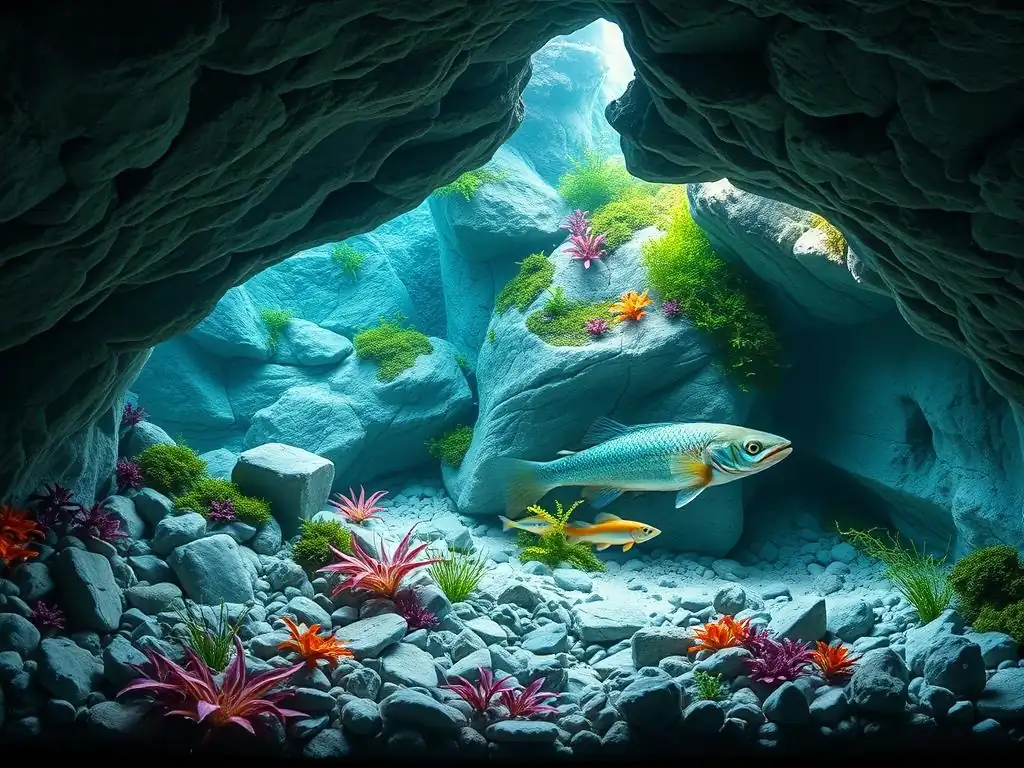
Ever wondered why your catfish seems a little too shy? Uncover the secrets to creating the perfect catfish cave hiding spots that will not only make your finned friend feel secure but also enhance the overall beauty of your freshwater aquarium. Dive in to discover how to design the ideal underwater haven!
- Why Catfish Need Caves and Hiding Places in Your Aquarium
- Types of Catfish Caves and Hiding Spots for Aquariums
- How to Choose the Right Catfish Cave Size and Placement
- Building Your Own Catfish Cave: A Step-by-Step Guide
- Maintaining Catfish Caves and Hiding Spots
- Catfish Species and Their Preferred Hiding Spots
- Troubleshooting Common Issues with Catfish Caves
- Enhancing Catfish Security: Beyond Caves and Hiding Spots
- Frequently Asked Questions
- Final Reflection: The Sanctuary Within
- Unleash Your Catfish's Hidden Paradise!
Why Catfish Need Caves and Hiding Places in Your Aquarium
Reducing Stress and Promoting Natural Behaviors in Catfish
The absence of suitable catfish cave hiding spots is a leading cause of stress in aquarium catfish, manifesting as clamped fins, rapid darting movements, dull coloration, and a reluctance to feed. In their natural habitats, catfish constantly seek refuge from predators and intense light by retreating into crevices, under submerged logs, or amidst dense vegetation. Providing these essential hiding places allows them to feel secure, significantly lowering their stress levels and improving their overall health.
When catfish are provided with appropriate catfish cave hiding spots, they are empowered to exhibit their natural behaviors, which is a strong indicator of well-being. For instance, Bristlenose Plecos (Ancistrus spp.) will actively graze on surfaces, rest comfortably in shaded areas, and confidently establish their territories. Corydoras catfish, on the other hand, will school more readily and sift through the substrate with greater confidence, knowing they have nearby cover. These behaviors not only reflect a healthy, less anxious fish but also contribute to a longer lifespan and more vibrant presence in the aquarium.
Providing Shelter for Catfish: A Sense of Security
Many catfish species are naturally nocturnal or crepuscular, meaning they are most active during twilight hours. During the brighter daytime, they instinctively seek dark, enclosed spaces to rest and feel safe from perceived threats, which can include bright aquarium lights, larger or more boisterous tank mates, and even human movement outside the tank. A well-designed and strategically placed catfish cave hiding spot perfectly mimics the roots, rock crevices, or submerged wood they would inhabit in the wild, offering them a vital sense of security.
This enhanced security directly impacts the catfish's physiological health. When catfish feel secure in their environment, their immune systems are more robust, making them less susceptible to common aquarium ailments such as Ich or fin rot. For example, a stressed Otocinclus catfish, lacking adequate cover, might become emaciated due to chronic stress affecting its appetite, whereas one with ample catfish cave hiding spots will thrive, actively graze on algae, and maintain a healthy weight.
The Importance of Hiding Spots for Breeding Catfish
For many catfish species, particularly those within the Loricariidae family like Bristlenose Plecos, appropriate catfish cave hiding spots are absolutely critical for successful breeding. These species are known as "cave spawners," where the male catfish will meticulously clean and then vigorously defend a specific cave or tube to attract a female to lay her eggs within. Without a suitable, secure cave, breeding attempts are often unsuccessful, or any eggs laid are left exposed, making them highly vulnerable to predation or fungal infections.
Real-world examples highlight this necessity. Male Bristlenose Plecos are renowned for their dedication, guarding clutches of eggs for several weeks inside the confines of a narrow cave opening, ensuring their protection until hatching. While Corydoras catfish are not strict cave spawners, dense plant cover and shaded areas function as crucial catfish cave hiding spots for egg deposition and provide essential security for the entire breeding group. The presence of such secure, secluded spaces dramatically increases breeding success rates and significantly improves fry survival.
Types of Catfish Caves and Hiding Spots for Aquariums
Natural Rock Caves for Catfish: Slate, Lava Rock, and River Rock
Natural rocks offer an excellent and aesthetically pleasing option for creating catfish cave hiding spots. Slate, with its flat, stackable nature, allows for custom cave designs, from simple lean-tos to multi-chambered structures. Lava rock, being highly porous, provides an ideal surface area for beneficial nitrifying bacteria and its irregular shapes naturally form intricate crevices. Smooth river rocks are not only beautiful but can be arranged to create stable, natural-looking shelters. It is paramount to ensure all rocks are aquarium-safe (non-calcareous, no sharp edges) and thoroughly cleaned before introduction to the tank.
In practical application, stacking three pieces of aquarium-safe slate to form a triangular or rectangular cave is a widely adopted and highly effective method for Bristlenose Plecos. Lava rock can be strategically arranged to form dark tunnels and pockets, appealing to various bottom dwellers. These natural catfish cave hiding spots not only serve a functional purpose but also contribute significantly to the bioload capacity and the overall naturalistic aesthetic of a well-designed aquarium setup.
DIY Catfish Caves: Creating Safe and Affordable Hiding Places
Creating DIY catfish cave hiding spots is a popular choice for aquarists, offering both cost-effectiveness and the flexibility to customize shelters to specific tank dimensions or the unique needs of individual catfish species. Common and safe materials include PVC pipes, thoroughly cleaned coconut shells, or new, unglazed terracotta pots. The key to successful DIY projects lies in using inert, non-toxic materials and preparing them meticulously to ensure they pose no risk to your aquarium inhabitants.
A simple yet effective DIY catfish cave hiding spot can be fashioned from a small terracotta pot, turned on its side and partially buried in the substrate to provide stability. For PVC, use schedule 40 pipes, cut to lengths typically between 4-8 inches depending on the adult size of your catfish, and meticulously sand down all cut edges to prevent any potential injuries. These DIY solutions can be further enhanced by camouflaging them with aquarium-safe silicone and adhering fine gravel or sand to their exterior for a more natural look.
Commercially Available Catfish Caves: A Comparison
Ceramic Catfish Caves: Durability and Design
Ceramic catfish cave hiding spots are widely available in the aquarium market, offering a vast array of shapes, including realistic log replicas, traditional cave designs, and specific breeding tubes. They are renowned for their exceptional durability and inert nature, meaning they will not leach harmful substances into the water. These caves often feature smooth interior surfaces, making them both easy to clean and safe for the delicate fins and barbels of catfish. Many ceramic options are specifically engineered as breeding caves for popular species like Bristlenose Plecos.
The benefits of ceramic caves extend beyond their safety and durability. Reputable brands like "Zoo Med" or "Fluval" offer ceramic catfish cave hiding spots that are not only highly functional but also designed to be aesthetically pleasing, seamlessly integrating into various aquarium themes. Their substantial weight prevents them from floating or being easily dislodged, and their non-porous surface tends to accumulate less algae compared to some natural materials, making them a reliable and low-maintenance choice for long-term use.
Resin Catfish Caves: Aesthetics and Safety Considerations
Resin catfish cave hiding spots are highly popular due to their ability to mimic natural elements such as driftwood, rocks, or even ancient ruins with remarkable realism. They are typically lightweight and often feature intricate detailing, adding significant visual interest to an aquarium. However, when choosing resin decorations, it is absolutely crucial to select products from reputable manufacturers to ensure the resin is truly aquarium-safe and will not leach any harmful chemicals or toxins into your tank water over time.
While many resin catfish cave hiding spots are perfectly safe, some lower-quality or unbranded alternatives might possess sharp edges or have paint that can flake off, potentially posing a risk to your fish. Always thoroughly inspect any resin decoration before adding it to your tank, checking for smooth surfaces and secure finishes. A good quality resin cave, such as those from "Penn-Plax" or "Marina," can offer excellent aesthetic integration and provide effective hiding spots without compromising the health or safety of your catfish.
Plant-Based Hiding Spots: Using Aquarium Plants for Catfish Security
While not traditional "caves," dense thickets of live aquarium plants provide exceptional catfish cave hiding spots and a crucial sense of security, particularly for smaller species like Otocinclus and Corydoras catfish. Plants such as Java Fern, Anubias, Amazon Swords, and various stem plants create natural, shaded cover that mimics the dense vegetation found in catfish's native environments. This living cover offers both physical refuge and a sense of concealment from perceived threats.
Specific plant choices can greatly enhance security. A robust clump of Cryptocoryne or a large, established Amazon Sword plant can offer extensive shaded areas beneath their broad leaves, ideal for resting catfish. Floating plants like Frogbit or Dwarf Water Lettuce effectively reduce the intensity of overhead light, further mimicking natural conditions and significantly enhancing the sense of security for light-sensitive catfish. This natural approach not only provides vital hiding spots but also contributes to improved water quality and a more stable aquarium ecosystem.
How to Choose the Right Catfish Cave Size and Placement
Determining the Ideal Cave Size Based on Catfish Species
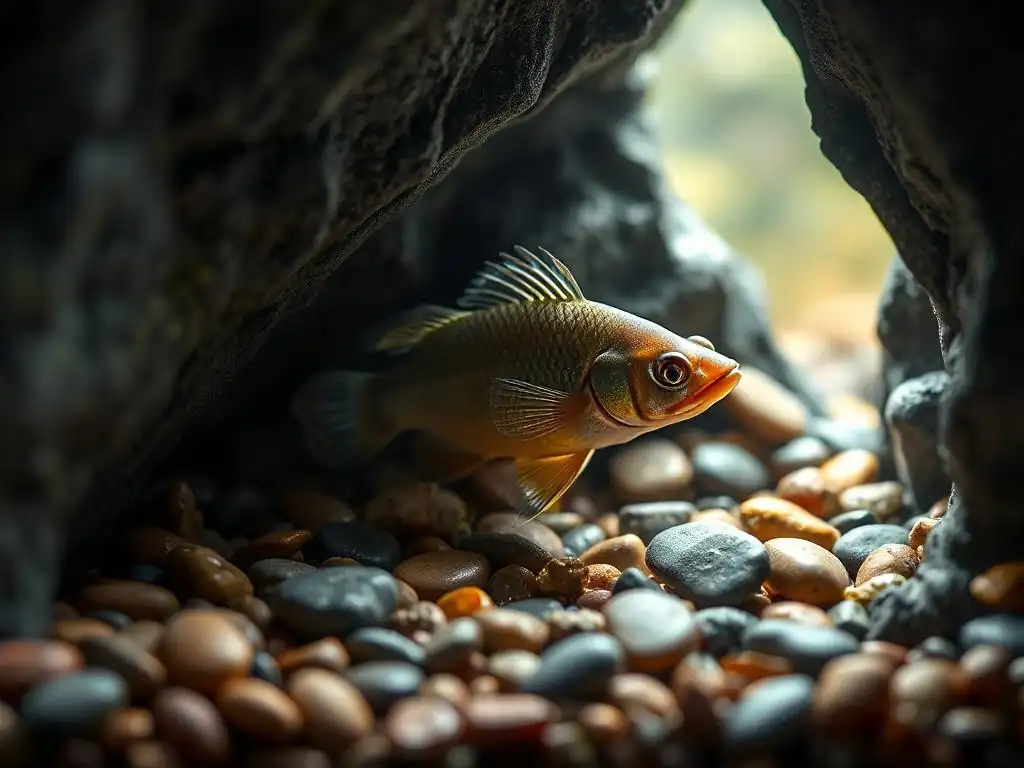
The ideal size of a catfish cave hiding spot is highly dependent on the specific species and its adult size. For instance, a Bristlenose Pleco requires a cave that is just slightly larger than its body, providing a snug fit that makes it feel secure while still allowing it to turn around comfortably.
A cave that is too spacious will not offer the same sense of security, while one that is too small will simply be ignored. For an adult Bristlenose, a cave opening of approximately 1.5-2 inches in diameter and a length of 6-8 inches is often considered ideal.
It is essential to conduct thorough research on the adult size and natural behaviors of your specific catfish species to determine the most appropriate cave dimensions. Corydoras catfish, for example, generally prefer open spaces under driftwood or within dense plant cover rather than tight, enclosed caves. Otocinclus catfish, being much smaller, will typically gravitate towards the undersides of broad-leafed plants or the shaded areas beneath larger decorations. Tailoring the catfish cave hiding spots to the species' needs is paramount for their well-being.
Placement Strategies: Creating a Natural Habitat for Catfish
Strategic placement of catfish cave hiding spots is crucial for creating a natural and effective habitat. Caves should ideally be positioned in quiet, low-traffic areas of the tank, away from direct filter outflow or zones of high activity from other tank inhabitants. Placing them against the back glass, tucked into driftwood formations, or nestled among dense plants effectively mimics the hidden, protected spots catfish seek in their natural environments. In tanks with multiple catfish, providing several hiding spots across different areas can reduce competition and provide choice.
Consider the overall layout and biotope of your aquarium when placing caves. For a breeding pair of plecos, dedicating a specific breeding cave in a secluded, dimly lit corner of the tank can significantly increase breeding success. In community tanks housing multiple catfish, scattering various catfish cave hiding spots throughout the aquarium prevents a single dominant fish from monopolizing all the prime locations, ensuring that all fish have equitable access to secure retreats and feel safe within their environment.
Ensuring Water Flow and Accessibility around Catfish Caves
While catfish deeply appreciate the security offered by caves, it is equally important to ensure adequate water flow around and within these structures. Stagnant water inside or immediately surrounding a catfish cave hiding spot can lead to localized oxygen depletion and the accumulation of detritus, both of which can negatively impact water quality and fish health. Sufficient water circulation helps prevent "dead spots" and ensures the distribution of oxygen and nutrients throughout the tank.
Accessibility is another key consideration. The entrance to any catfish cave hiding spot should be clear and unobstructed, allowing the catfish easy ingress and egress. Avoid placing caves in areas where they might become buried by shifting substrate or blocked by other decorations. For species that graze on the cave's surface, such as many plecos, ensuring easy access allows them to continue their natural feeding behaviors without hindrance, contributing to their overall health and activity.
Building Your Own Catfish Cave: A Step-by-Step Guide
Materials Needed for a DIY Catfish Cave
To construct your own catfish cave hiding spot, selecting the right materials is crucial for safety and durability. Excellent choices include new, unglazed terracotta pots (rinse thoroughly), food-grade or schedule 40 PVC pipes, and thoroughly cleaned coconut shells. For slate caves, you will need aquarium-safe slate pieces and high-quality aquarium-safe silicone sealant. It is imperative to avoid any materials that could potentially leach harmful chemicals into the water, such as painted ceramics, treated wood, or untested plastics.
Proper preparation of your chosen materials is just as important as their selection. Terracotta pots typically only require a thorough rinse with dechlorinated water. PVC pipes should be cut with a fine-toothed saw, and all cut edges must be meticulously sanded smooth to prevent injury to your fish. Coconut shells demand extensive cleaning, including boiling multiple times to remove tannins and scraping out all remaining flesh. These preparatory steps ensure your DIY catfish cave hiding spot is safe and ready for the aquarium environment.
Constructing a Safe and Stable Catfish Hiding Spot
When constructing your DIY catfish cave hiding spot, stability and safety are paramount. For slate caves, use aquarium-safe silicone to bond the pieces together, forming a sturdy and robust structure. Allow at least 24-48 hours for the silicone to cure completely in a well-ventilated area before even considering submersion. For PVC pipes, you might consider lightly roughing up the exterior with sandpaper; this provides a textured surface that allows beneficial bacteria to colonize more readily or helps adhere substrate for better camouflage.
Always prioritize stability to prevent accidents. A cave that shifts or collapses can severely injure or even trap your fish. Ensure your DIY catfish cave hiding spot is firmly seated and stable on the aquarium substrate. If using multiple pieces, consider how they interlock or how they will be secured against the tank bottom. Heavy decorations should always be placed directly on the glass bottom of the tank, not on top of the substrate, to prevent them from sinking and potentially crushing burrowing fish.
Curing and Preparing Your DIY Cave for the Aquarium
After constructing your DIY catfish cave hiding spot, especially if using silicone, a crucial "curing" process is required before introducing it to your aquarium. This involves thoroughly rinsing the newly constructed cave and then soaking it in a bucket of clean, dechlorinated water for several days, changing the water daily. This prolonged soaking helps to leach out any residual chemicals or odors from the materials, particularly the silicone, ensuring it is completely safe for your aquatic inhabitants.
Before placing your new DIY catfish cave hiding spot into the main tank, perform a final, meticulous inspection. Carefully run your fingers over all surfaces, both inside and out, to check for any sharp edges, rough spots, or loose pieces that could potentially injure your fish. A quick "sniff test" can sometimes indicate if a material is still off-gassing; if any strong chemical odor persists, extend the soaking period. When in doubt, an extra day or two of soaking will always err on the side of caution.
Maintaining Catfish Caves and Hiding Spots
Regular Cleaning to Prevent Algae Buildup and Detritus
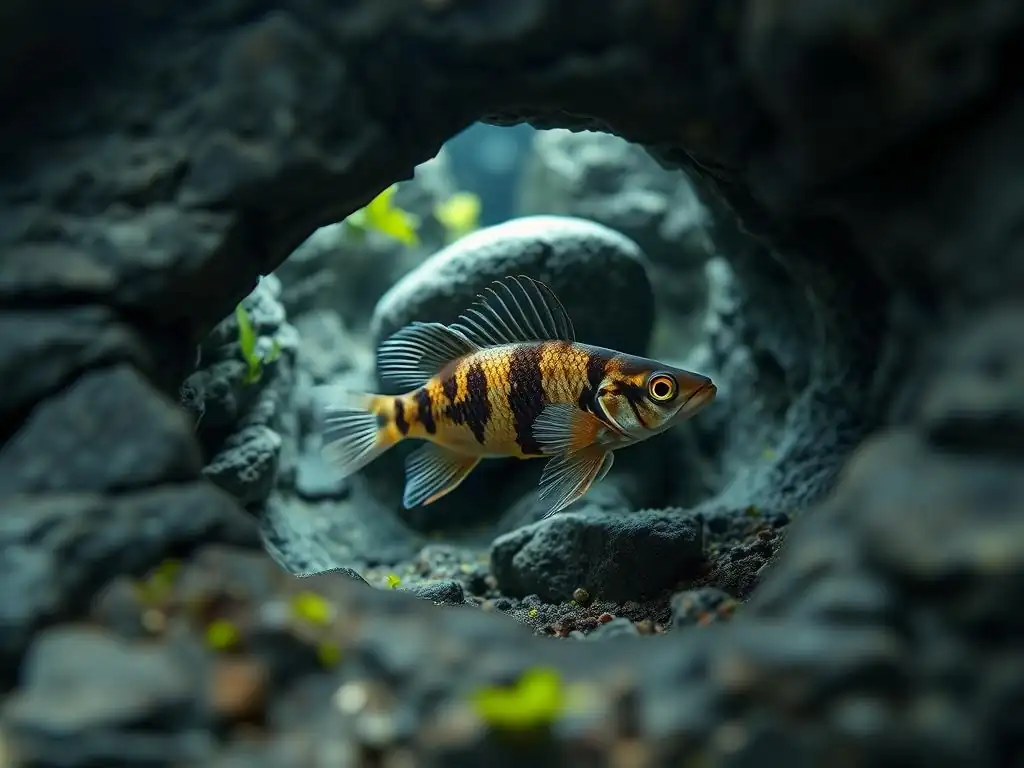
Even inert catfish cave hiding spots can accumulate algae and detritus over time, particularly in areas with lower water flow. This buildup can not only be unsightly but also contribute to degraded water quality and harbor undesirable bacteria. During routine tank maintenance, it is advisable to gently remove the cave and scrub its surfaces with an aquarium-safe brush or sponge to remove any accumulated organic matter and algae.
The frequency of cleaning depends on the tank's bioload and lighting conditions. For most aquariums, a light scrub every 2-4 weeks during regular water changes is generally sufficient. In heavily planted tanks or those with a higher fish density, more frequent checks might be necessary. Always avoid using soaps, detergents, or chemical cleaners; plain water and mechanical scrubbing are typically enough. For stubborn algae, a dilute bleach solution can be used (followed by thorough rinsing and dechlorination), but this should be considered an extreme measure.
Inspecting Caves for Sharp Edges or Potential Hazards
Over time, aquarium decorations, including catfish cave hiding spots, can shift, or fish may rub against surfaces, potentially creating new sharp points or rough patches. It is crucial to regularly inspect all hiding spots by carefully running your fingers over their surfaces. This proactive check helps detect any newly formed rough spots or sharp edges that could potentially injure the delicate fins, barbels, or skin of your catfish, which could then lead to bacterial infections.
Material degradation is another factor to consider. Some materials, particularly certain types of resin, can become brittle or degrade over many years, leading to the formation of sharp fragments. Natural rocks, while durable, might also develop sharp points if fish continually rub against a specific area. A diligent and proactive inspection routine is essential to prevent injuries, ensuring that your catfish cave hiding spot remains a safe haven rather than a potential hazard for your beloved fish.
Replacing or Repairing Damaged Catfish Caves
If a catfish cave hiding spot becomes significantly damaged, develops large cracks, or has irreparable sharp edges that cannot be smoothed down, it is always safer to replace it entirely. Minor cracks in ceramic or resin caves can sometimes be repaired using aquarium-safe silicone sealant, but it is vital to ensure that the repair is strong, completely smooth, and fully cured before returning the cave to the aquarium. A compromised cave offers less security and can pose a risk.
Consider replacing a cave if it is consistently ignored by your catfish, even after attempts to reposition it, as this might indicate it no longer feels secure to them. Similarly, if a cave becomes exceptionally difficult to clean due to extensive algae buildup or detritus within its crevices, replacing it with a new, more manageable option might be beneficial. A well-maintained and appropriate catfish cave hiding spot contributes significantly to the long-term health, happiness, and breeding potential of your catfish.
Catfish Species and Their Preferred Hiding Spots
Plecos and Their Need for Secure Caves
Most species of Plecostomus, particularly those belonging to the Loricariidae family such as Bristlenose, Common, and Clown Plecos, are highly dependent on secure catfish cave hiding spots. These nocturnal or crepuscular fish utilize caves extensively for resting during the bright daytime hours, for a sense of security from perceived threats, and, most importantly for many species, for breeding purposes. Male plecos, especially Bristlenoses, are well-known for meticulously guarding clutches of eggs within these enclosed spaces.
Specifics regarding pleco cave preferences are important for optimal care. For Bristlenose Plecos (Ancistrus spp. ), a narrow, dark, and tubular cave is considered ideal, often with dimensions of approximately 1.5-2 inches in diameter and 6-8 inches in length, providing a snug fit. Clown Plecos (Panaque maccus) often show a strong preference for driftwood, using it both as a hiding spot and a crucial food source. The precise size and shape of the catfish cave hiding spot should always align with the adult size and natural behavior of the specific pleco species you are keeping.
Corydoras and Their Preference for Dense Plant Cover
Unlike many pleco species, Corydoras catfish are not typically cave dwellers in the traditional sense. These highly social and schooling bottom dwellers prefer open, soft substrate areas for foraging but seek security and rest within dense plant cover, under the broad leaves of aquatic plants, or within the intricate root structures of driftwood. They appreciate multiple small catfish cave hiding spots provided by naturalistic elements rather than enclosed tubes.
A thicket of Java Fern, a large, well-established Anubias plant, or a dense bed of stem plants like Rotala can serve as perfect and natural hiding spots for a school of Corydoras. These plants offer both visual barriers and physical cover, making the Corydoras feel secure enough to rest and regroup before venturing out to sift through the substrate for food. The availability of such plant-based cover contributes significantly to their overall well-being and reduces stress, allowing them to exhibit their natural schooling behaviors more confidently.
Identifying the Ideal Cave Characteristics for Different Catfish Species: Bristlenose Plecos, Corydoras, and Otocinclus
To summarize the diverse needs, Bristlenose Plecos thrive with snug, dark, tubular catfish cave hiding spots that are essential for both resting and breeding. Corydoras catfish, in contrast, prefer open, heavily planted areas or intricate driftwood crevices where they can school and find occasional retreats. Otocinclus catfish, being very small and primarily algae eaters, rely predominantly on dense plant foliage and the undersides of broad leaves for their sense of security and concealment.
For an aquarium housing a combination of these different catfish species, a diverse and multi-faceted setup is key. This should include dedicated pleco caves, expansive areas of dense planting for both Corydoras and Otocinclus, and potentially some driftwood that offers both grazing surfaces and shaded retreats. This comprehensive approach ensures that all catfish species have access to adequate security and appropriate catfish cave hiding spots, allowing them to thrive and exhibit their natural behaviors within the shared environment.
Troubleshooting Common Issues with Catfish Caves
Catfish Ignoring Caves: Reasons and Solutions
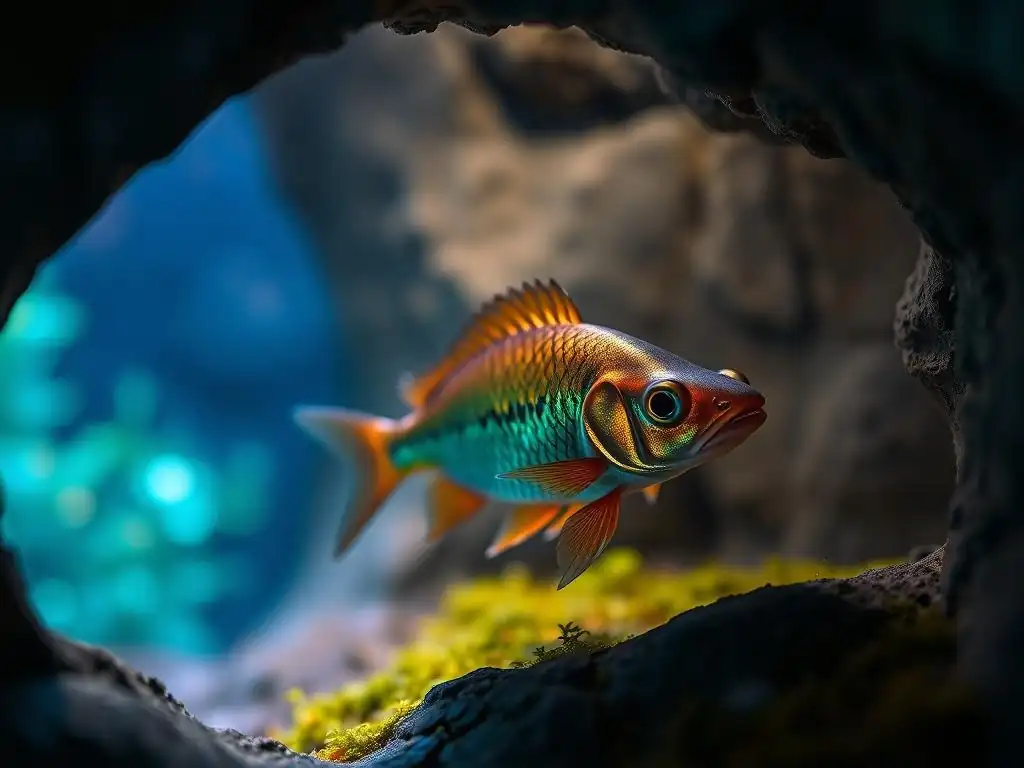
If your catfish consistently ignores its provided catfish cave hiding spot, several factors could be at play. The cave might be too small, too large, not dark enough, or positioned in a high-traffic or brightly lit area of the tank. Excessive water flow directly near the cave's entrance can also deter them. In some cases, the material or perceived safety of the cave itself might be off-putting to the fish, making them reluctant to enter.
To remedy this, try relocating the cave to a quieter, more secluded corner of the aquarium. Enhance the sense of security by adding more cover around the cave entrance with dense plants or carefully placed driftwood. If the size seems incorrect, try offering a different dimension; for example, a Bristlenose might ignore a 3-inch wide cave but readily use a 1.5-inch wide one. Providing multiple types and locations of catfish cave hiding spots can also offer more choice and increase the likelihood of acceptance.
Aggression Around Caves: Managing Territory Disputes
In aquariums housing multiple catfish, particularly with certain territorial species like male plecos, a dominant fish might claim the most desirable catfish cave hiding spot, leading to aggression towards other tank inhabitants. This behavior is common, especially if there are insufficient suitable caves to accommodate all individuals. Signs of such territorial disputes include chasing, fin nipping, or constant guarding of the cave entrance, preventing others from entering.
The primary solution to aggression around caves is to provide more hiding spots than you have dominant catfish, ideally ensuring there is at least one more suitable cave than the number of plecos, to offer ample choices and reduce competition. Vary the types, sizes, and locations of the catfish cave hiding spots to spread out perceived territories. Breaking up direct sight lines with tall plants, large driftwood, or other decorations can also effectively reduce direct confrontations and help distribute aggression throughout the tank.
Algae Growth on Caves: Prevention and Removal
While some level of algae growth is natural in an aquarium, excessive accumulation on catfish cave hiding spots can be unsightly and, in extreme cases, indicate underlying nutrient imbalances in the water. Common causes of prolific algae growth include excessively high light duration or intensity, elevated levels of nitrates and phosphates, and an insufficient population of algae-eating tank mates. This buildup can also make the caves less appealing to the catfish.
To prevent and manage algae growth, reduce the duration of your aquarium lighting (e.g., to 8-10 hours daily). Perform regular and consistent water changes to help manage nutrient levels. Consider introducing more algae-eating fish, such as Otocinclus catfish or various snail species, if appropriate for your tank's bioload and inhabitants. For removal, physically scrub the cave during routine maintenance. If the cave is porous, like lava rock, it might be more prone to persistent algae, requiring more frequent manual cleaning.
Enhancing Catfish Security: Beyond Caves and Hiding Spots
Dimming Aquarium Lights to Reduce Stress
Many catfish species are naturally nocturnal or crepuscular and are acutely sensitive to bright, direct aquarium lighting. Intense illumination can make them feel exposed and highly stressed, even if they have access to plentiful catfish cave hiding spots. Dimming the aquarium lights or utilizing a lighting system with adjustable intensity can significantly reduce their anxiety and encourage more natural behavior during the day.
For practical application, consider investing in a dimmer switch for your aquarium light or incorporating floating plants like Frogbit or Dwarf Water Lettuce, which naturally diffuse and scatter light entering the tank. A common practice is to maintain the main aquarium lights for 8-10 hours daily, but also consider a "moonlight" setting for the darker hours. This allows nocturnal catfish to be observed while still providing them with the lower light conditions they prefer, enhancing their overall comfort.
Providing Adequate Substrate for Burrowing Catfish
For certain catfish species, particularly Corydoras catfish, providing a soft, fine substrate is as crucial as catfish cave hiding spots. These bottom-dwelling fish naturally sift through the substrate with their delicate barbels to locate food particles. A rough, coarse, or sharp substrate can cause damage to their sensitive barbels, leading to painful infections and chronic stress, even if other hiding options are available.
Aim for a substrate depth of at least 2-3 inches to allow for natural burrowing, sifting, and foraging behaviors. Fine sand or very fine, smooth gravel (less than 2mm in diameter) are ideal choices for these species. This adequate substrate depth also provides an additional surface area for beneficial bacteria to colonize, contributing to the overall biological filtration and health of the aquarium. A clean, fine substrate significantly enhances the well-being and natural activity of your bottom-dwelling catfish.
Choosing Compatible Tank Mates for a Peaceful Environment
The presence of aggressive, overly active, or territorial tank mates can completely negate the benefits of even the best catfish cave hiding spots. Fast-moving, fin-nipping, or highly territorial fish can induce constant stress in catfish, leading them to hide persistently or exhibit chronic signs of anxiety, such as poor appetite and dull coloration. A harmonious community is essential for catfish to feel truly secure.
When selecting tank mates, always opt for peaceful, community-oriented fish species such as small tetras, rasboras, or other docile bottom dwellers that will not compete aggressively for food or territory. Avoid large, predatory cichlids, known fin-nippers, or very boisterous fish that might harass your catfish. Thoroughly research the temperament, adult size, and specific needs of all potential tank mates to ensure a calm and peaceful environment where your catfish feel safe enough to explore, forage, and thrive, even outside their immediate hiding spots.
Frequently Asked Questions
How important are caves and hiding spots for catfish in an aquarium?
Caves and hiding spots are crucial for catfish well-being. They provide a sense of security and reduce stress, which is vital for their health and natural behavior.
What materials are safe to use when creating catfish caves?
Safe materials include aquarium-safe rocks, driftwood, and commercially available ceramic caves. Avoid anything that could leach harmful chemicals into the water, such as unsealed terracotta or painted decorations.
Where should I place the caves within my aquarium?
Place caves in areas with lower light levels and calmer water flow. Consider the catfish species' natural habitat; some prefer caves near the substrate, while others prefer elevated locations.
How many caves should I provide for my catfish?
The number depends on the number of catfish and their species. A good rule of thumb is to provide at least one cave per catfish, plus a few extras to prevent territorial disputes. More is always better.
How can I encourage my catfish to use the caves I've created?
Ensure the caves are appropriately sized for your catfish. You can also try placing food near the cave entrance to encourage exploration and associate it with positive experiences.
Final Reflection: The Sanctuary Within
The journey into understanding the needs of our catfish, specifically their need for secure catfish cave hiding spots, highlights a fundamental truth about animal care: providing the right environment is paramount to their well-being. This isn't just about aesthetics; it's about replicating the conditions that allow them to thrive, reducing stress, and ultimately, enriching their lives within our aquariums.
The impact of understanding and providing these essential hiding places extends beyond the individual fish. It speaks to a broader responsibility we have as caretakers to consider the psychological and emotional needs of the animals in our care. This awareness fosters a deeper connection and appreciation for the intricate lives of these often-overlooked creatures. The greatness of a nation and its moral progress can be judged by the way its animals are treated.
- Mahatma Gandhi. This quote resonates deeply when we consider the simple act of providing a cave, an act that speaks volumes about our commitment to their comfort and security.
Now, consider your own role in creating a haven for your catfish. What small changes can you implement to enhance their environment and provide them with the security they crave? Reflect on the power of observation and the joy of witnessing your catfish thrive in their carefully crafted sanctuary. Let's continue to learn, adapt, and create environments where our aquatic companions can truly flourish, one cave at a time.
Thanks for diving into the world of catfish enrichment! We hope you’ve found some fin-tastic ideas to create a secure and stimulating environment for your whiskered friends. Now, let's turn those ideas into reality and give your catfish the happy, healthy home they deserve.
- Craft your catfish's dream cave: Design and install at least one new cave or hiding spot in your aquarium this weekend. Experiment with different materials like slate, driftwood, or even cleverly repurposed terracotta pots!
- Observe and adapt: Take time to watch how your catfish interacts with their new surroundings. Do they prefer a darker, more secluded spot? Or a cave with multiple entrances? Adjust your setup based on their preferences to create the perfect haven.
- Share your sanctuary! Post a picture of your catfish's new hiding place on social media with the hashtag #AquariumMasteryCatfish and inspire other aquarists.
What unique material will you use to build your catfish's ultimate retreat?