
Ideal Tank Mates for Denison Barbs: Companions for Your Active Roseline Sharks

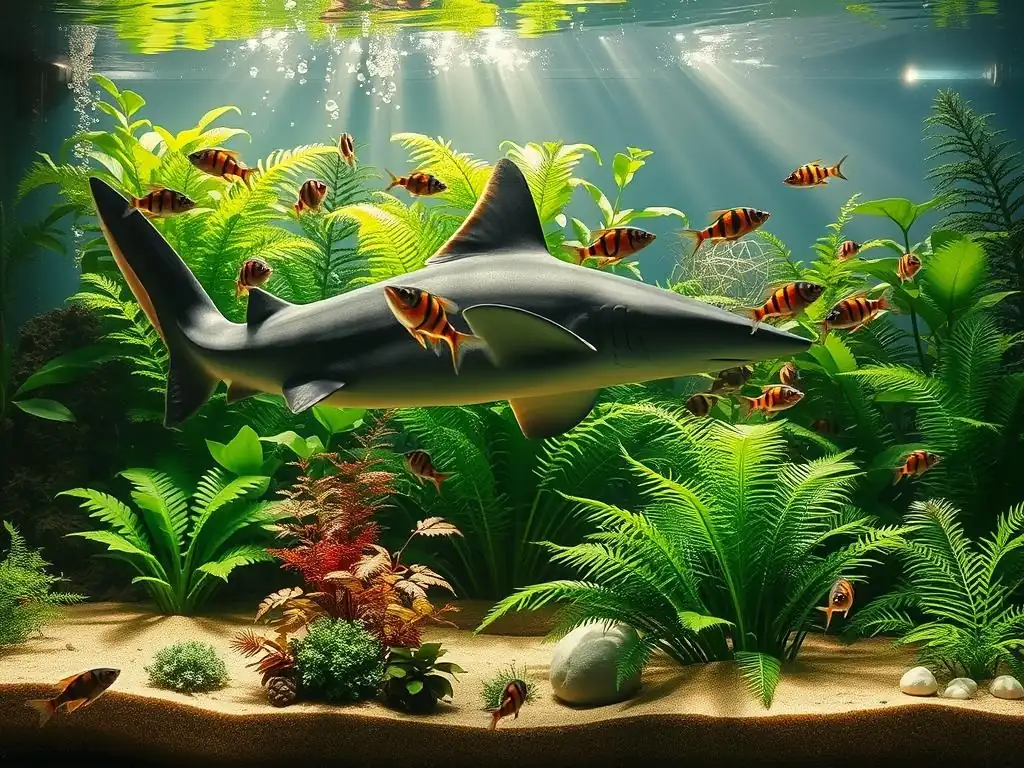
Welcome to Aquarium Mastery! Ever wondered how to create the perfect community tank for your vibrant Denison Barbs? Unlocking the secrets to harmonious coexistence begins here. Discover the ideal tank mates for Denison Barbs and transform your aquarium into a thriving ecosystem. Ready to build the ultimate aquatic paradise? Let's dive in!
- Ideal Tank Mates for Denison Barbs: Companions for Your Active Fish
- Understanding Denison Barb Temperament and Tank Requirements
- Best Denison Barbs Compatible Tank Mates: A Comprehensive Guide
- Fish to Avoid as Tank Mates for Denison Barbs
- Maintaining a Harmonious Community Tank with Denison Barbs
- Troubleshooting Compatibility Issues in Your Denison Barb Tank
- Conclusion: Creating a Thriving Aquarium with Denison Barbs and Their Ideal Companions
-
Frequently Asked Questions
- What makes a good tank mate for Denison barbs?
- Are there any fish that are not compatible with Denison barbs?
- Can I keep Denison barbs with invertebrates like shrimp or snails?
- What water parameters are important to consider when choosing tank mates?
- How many Denison barbs should I keep together, and how does that affect tank mate choices?
- Final Reflection: Cultivating Harmony in the Aquarium
- Ignite Your Aquarium: Welcome New Friends!
Ideal Tank Mates for Denison Barbs: Companions for Your Active Fish
Understanding Denison Barb Temperament and Tank Requirements
Denison Barb Overview: A Profile of the Active Cyprinid
Denison Barbs, scientifically known as Sahyadria denisonii (formerly Puntius denisonii), are highly sought-after freshwater fish renowned for their striking appearance and active nature. Native to the fast-flowing rivers and streams of the Western Ghats in Kerala and Karnataka, India, these torpedo-shaped fish boast a distinctive red stripe running along their lateral line, complemented by a prominent black stripe. They typically grow to an adult size of 4-6 inches (10-15 cm) in a well-maintained aquarium, with a lifespan that can range from 5 to 8 years, making them a long-term commitment for aquarists.
Their natural habitat dictates their needs in a home aquarium; they thrive in well-oxygenated water with significant current, mimicking the rapids of their native rivers. Denison Barbs are obligate schooling fish, meaning they absolutely require the company of their own kind to feel secure and display their natural behaviors. A minimum school of 6-8 individuals is crucial; keeping fewer can lead to increased stress, shyness, or even aggression towards other tank inhabitants, as their schooling instinct is suppressed.
Key Tank Parameters for Healthy Denison Barbs: Water Quality and Temperature
Maintaining precise water parameters is paramount for the health and vibrancy of Denison Barbs. The ideal temperature range for these active cyprinids is between 65-79°F (18-26°C), with an optimal sweet spot often cited at 72-76°F (22-24°C). They prefer slightly acidic to neutral water, with a pH range of 6.8-7.8, and a moderate water hardness (GH) of 5-15 dGH. Stability in these parameters is often more critical than hitting exact numbers, as sudden fluctuations can induce significant stress.
Given their active metabolism and preference for strong currents, excellent filtration and consistent water quality are non-negotiable. A powerful canister filter or multiple hang-on-back filters that provide high turnover rates and aeration are highly recommended. For a school of 6-8 Denison Barbs, a minimum tank size of 55 gallons (approximately 208 liters) is advised, though a 75-gallon (284 liters) or larger aquarium is significantly better to accommodate their adult size and provide ample swimming space. Regular partial water changes, typically 25-30% weekly, are essential to keep nitrate levels low and maintain pristine conditions.
Temperament Considerations: Why Choosing the Right Tank Mates Matters
Denison Barbs are generally peaceful fish, but their high energy levels and constant movement can be a significant factor in tank mate selection. They are primarily mid-to-top dwelling fish, constantly zipping around the aquarium, which can be overwhelming for slow-moving or timid species. While not inherently aggressive towards other fish, a lone or small school of Denison Barbs might exhibit fin-nipping behavior due to stress or boredom. Their schooling instinct, when fulfilled, usually directs their boisterous energy towards their own kind, minimizing inter-species conflict.
The dynamic nature of Denison Barbs necessitates tank mates that can either keep up with their activity or occupy different tank levels without being stressed by the constant motion. Fish with long, flowing fins are particularly vulnerable to accidental nips, even from generally peaceful Denison Barbs, simply due to their curiosity and speed. Therefore, selecting Denison barbs compatible tank mates involves finding species that share similar water parameter requirements, are robust enough to handle strong water flow, and are not easily intimidated by their energetic companions, ensuring a harmonious and thriving community aquarium.
Best Denison Barbs Compatible Tank Mates: A Comprehensive Guide
Peaceful Community Fish That Thrive with Denison Barbs
Corydoras Catfish: Bottom-Dwelling Companions for Waste Management
Corydoras catfish, such as the popular Panda Corydoras ( Corydoras panda) or Bronze Corydoras ( Corydoras aeneus), are excellent bottom-dwelling companions for Denison Barbs. These peaceful, armored catfish typically grow to 1-3 inches (2.5-7.5 cm) and are constantly sifting through the substrate for leftover food, acting as natural tank cleaners. Their primary benefit lies in occupying a different niche within the aquarium, staying out of the Denison Barbs' main swimming lanes and thus avoiding direct conflict.
Their compatibility extends to shared water parameters and temperament. Corydoras prefer neutral to slightly acidic water (pH 6.0-7.5) and temperatures ranging from 72-78°F (22-26°C), which align well with Denison Barb requirements. They are schooling fish themselves, thriving in groups of 6 or more, and are robust enough not to be bothered by the active nature of the barbs. Their presence can also contribute to a healthier substrate by preventing the buildup of detritus, indirectly benefiting overall water quality for all inhabitants.
Harlequin Rasboras: Mid-Level Swimmers with Similar Water Parameter Needs
Harlequin Rasboras ( Trigonostigma heteromorpha) are another superb choice for Denison barbs compatible tank mates, particularly for the mid-level of the aquarium. These small, schooling fish grow to about 2 inches (5 cm) and are known for their striking coppery-orange coloration and distinctive black triangular patch. They are generally calm and peaceful, providing a gentle contrast to the Denison Barbs' high energy without being overwhelmed.
One of the key reasons for their compatibility is their shared preference for water parameters. Harlequin Rasboras thrive in soft to moderately hard water with a pH between 6.0-7.5 and temperatures from 72-78°F (22-26°C), perfectly overlapping with the ideal conditions for Denison Barbs. Their schooling behavior and graceful swimming make them visually appealing, and a group of 8-10 Harlequin Rasboras can add depth and balance to a community tank, coexisting peacefully with their more boisterous companions.
Loaches (Kuhli Loaches, Yoyo Loaches): Active Bottom Dwellers
Several species of loaches can make excellent additions to a Denison Barb tank, particularly Kuhli Loaches ( Pangio kuhlii) and Yoyo Loaches ( Botia almorhae). Kuhli Loaches are slender, eel-like fish that are primarily nocturnal and shy, growing up to 4 inches (10 cm). They spend most of their time burrowing in the substrate or hiding among decor, making them largely unaffected by the active barbs. Yoyo Loaches, on the other hand, are more active and charismatic, reaching about 6 inches (15 cm), known for their playful "yoyo" swimming pattern and potential for pest snail control.
Both loach types share suitable water parameter ranges with Denison Barbs. Kuhli Loaches prefer temperatures from 73-86°F (23-30°C) and a pH of 6.0-7.5, while Yoyo Loaches thrive in 75-82°F (24-28°C) and a pH of 6.0-7.5. Their different activity patterns and preferred tank levels (bottom for Kuhlis, bottom to mid for Yoyos) minimize direct interaction with the Denison Barbs. Ensuring plenty of fine substrate for burrowing and numerous hiding spots (caves, driftwood) will help these loaches thrive and contribute to the tank's biodiversity.
Active and Playful Tank Mates for Denison Barbs
Giant Danios: Comparable Energy Levels and Size
Giant Danios ( Devario aequipinnatus) are among the most suitable Denison barbs compatible tank mates due to their remarkably similar energy levels and robust nature. These fast-swimming, schooling fish can reach up to 4 inches (10 cm) in length, making them comparable in size to adult Denison Barbs. They primarily inhabit the upper and mid-levels of the aquarium, mirroring the Denison Barbs' preferred swimming space and providing a dynamic and complementary display.
Their environmental needs also align perfectly. Giant Danios thrive in temperatures ranging from 70-78°F (21-26°C) and are highly adaptable to a wide pH range of 6.0-8.0, making them very forgiving in a community setup. Like Denison Barbs, they appreciate strong water flow and open swimming areas. Keeping a school of 6-8 Giant Danios alongside your Denison Barbs can create a truly energetic and captivating aquatic environment, where both species actively explore and interact without conflict.
Other Barb Species (Cherry Barbs, Gold Barbs): Ensuring Compatibility
While caution is advised, some other barb species can be compatible with Denison Barbs, provided the tank is sufficiently large and well-managed. Cherry Barbs ( Puntius titteya) are smaller (up to 2 inches) and generally more peaceful, occupying the mid-to-bottom levels. Gold Barbs ( Puntius semifasciolatus) are slightly larger (up to 3 inches) and quite active, making them a more direct match in temperament. Both are schooling fish that benefit from being kept in groups of 6 or more.
When considering these pairings, tank size is paramount; a 75-gallon or larger aquarium is recommended for a mixed barb school to prevent territorial disputes. Cherry Barbs prefer slightly softer, more acidic water (pH 6.0-7.0) and temperatures (72-79°F), while Gold Barbs are highly adaptable (pH 6.0-8.0, 64-75°F). Though generally peaceful, it's crucial to monitor for any signs of fin-nipping, especially if the Denison Barbs are not in a large enough school of their own, which can sometimes lead to them redirecting their energy towards other species.
Boesemani Rainbowfish: Brightly Colored and Active Companions
Boesemani Rainbowfish ( Melanotaenia boesemani) are a fantastic choice for Denison barbs compatible tank mates, offering vibrant coloration and an active, yet peaceful, disposition. These stunning fish can grow to 4-5 inches (10-12 cm) and are celebrated for their striking two-toned bodies, typically displaying a bright blue or purple front half transitioning to a brilliant orange or yellow rear. They are schooling fish that primarily inhabit the mid-to-upper water column, complementing the Denison Barbs' swimming patterns.
Their robust nature and preference for similar environmental conditions make them highly suitable. Boesemani Rainbowfish thrive in temperatures between 74-82°F (23-28°C) and a pH range of 7.0-8.0, with a need for strong filtration and well-oxygenated water. Their active swimming and social behavior mean they won't be intimidated by the Denison Barbs, and their larger size ensures they are not seen as potential prey. A school of 6-8 Boesemani Rainbowfish will add incredible visual appeal and dynamic movement to the aquarium.
Fish to Avoid as Tank Mates for Denison Barbs
Aggressive or Fin-Nipping Fish: Preventing Stress and Injury
Cichlids (Aggressive Varieties): Avoiding Territorial Disputes
Aggressive cichlid species are unequivocally unsuitable tank mates for Denison Barbs. Larger, highly territorial cichlids such as Oscars ( Astronotus ocellatus), Jack Dempseys ( Rocio octofasciata), or many African Cichlids (e.g., Mbuna species) will inevitably cause severe stress, injury, or even death to the active but non-aggressive Denison Barbs. These cichlids often establish rigid territories and will relentlessly chase or attack any fish that infringes upon their space, leading to constant harassment.
Furthermore, aggressive cichlids frequently have vastly different water parameter requirements compared to Denison Barbs, making cohabitation challenging from a water chemistry perspective. For instance, many African cichlids prefer very hard, alkaline water (pH 7.8-8.5), which is outside the comfortable range for Denison Barbs. An Oscar, which can grow up to 12 inches (30 cm), would easily view a 6-inch Denison Barb as a food item, making any attempt at cohabitation dangerous and inhumane for the barbs.
Tiger Barbs: Potential for Fin-Nipping Behavior
Despite being fellow barb species, Tiger Barbs ( Puntigrus tetrazona) are generally not recommended as Denison barbs compatible tank mates due to their notorious fin-nipping tendencies. Tiger Barbs are highly active and schooling fish, but they are known for their aggressive behavior towards fish with long, flowing fins or those that are slower-moving. While Denison Barbs are fast, their fins can still become targets, leading to stress and potential fin damage.
Even when kept in large schools (10+ individuals) to diffuse their aggression, the risk of fin-nipping remains significant, especially in tanks under 100 gallons. Constant harassment can lead to chronic stress for the Denison Barbs, weakening their immune system and making them susceptible to bacterial infections like fin rot. Although some aquarists report success in exceptionally large, species-rich tanks, the high probability of conflict and injury makes this pairing inadvisable for most setups.
Slow-Moving or Long-Finned Fish: Minimizing Competition and Bullying
Bettas: Incompatible Temperaments and Water Flow Preferences
Bettas ( Betta splendens), particularly the long-finned fancy varieties, are highly incompatible with Denison Barbs. The fundamental conflict arises from their vastly different environmental needs and temperaments. Denison Barbs are fast, energetic swimmers that require strong water flow and open swimming space, whereas Bettas are slow-moving, prefer calm, still water, and are easily stressed by constant motion and strong currents.
The long, delicate fins of a Betta are also an irresistible target for the curious and active Denison Barbs, almost guaranteeing fin-nipping and severe injury. Moreover, Bettas thrive in warmer, slightly more acidic water (78-82°F or 25.5-27.8°C) than the cooler range preferred by Denison Barbs. The combination of differing water flow requirements, susceptibility to fin damage, and the overall stress induced by the Denison Barbs' activity makes this pairing highly detrimental to the Betta's well-being.
Fancy Guppies: Vulnerable to Fin-Nipping
Fancy Guppies ( Poecilia reticulata) are another group of fish that should be avoided as Denison barbs compatible tank mates, despite their generally peaceful nature. While Guppies are small and colorful, the elaborate, flowing caudal and dorsal fins of fancy varieties make them extremely vulnerable targets for fin-nipping by the active Denison Barbs. Even if the Denison Barbs are well-fed and in a large school, their natural curiosity and speed can lead to damaged fins.
A male Fancy Guppy's tail can extend up to 2-3 times its body length, presenting an easy target. Repeated fin damage can lead to stress, bacterial infections, and ultimately, a decline in the Guppy's health. Furthermore, Guppies generally prefer slightly harder and warmer water conditions than Denison Barbs, adding another layer of incompatibility. The combination of vulnerability to fin-nipping and differing environmental preferences makes Fancy Guppies a poor choice for a Denison Barb community tank.
Maintaining a Harmonious Community Tank with Denison Barbs
Tank Size and Aquascaping: Providing Ample Space and Hiding Places
The cornerstone of a harmonious Denison Barb community tank is appropriate tank size and thoughtful aquascaping. As previously noted, a minimum of 55 gallons is necessary for a small school of 6-8 Denison Barbs, but a 75-gallon or larger aquarium is highly recommended, especially when integrating other active tank mates. Ample space is crucial for these fast-swimming fish to express their natural behaviors, reduce stress, and minimize aggression by allowing all inhabitants to establish their own territories or swimming lanes.
Aquascaping should prioritize open swimming areas in the mid-to-upper water column, which is where Denison Barbs spend most of their time. However, it is equally important to incorporate plenty of hiding spots and visual breaks using driftwood, rocks, and robust live plants (e.g., Anubias, Java Fern, or Vallisneria attached to decor). These elements provide refuge for more timid tank mates and help to break up lines of sight, which can diffuse potential conflicts among active fish. Ensure all decorations are securely placed to withstand the barbs' energetic movements.
Feeding Strategies: Ensuring All Fish Receive Adequate Nutrition
Denison Barbs are omnivores with a high metabolism, requiring a varied and nutritious diet to thrive. A high-quality flake or pellet food should form the staple, supplemented regularly with live or frozen foods such as bloodworms, brine shrimp, daphnia, and spirulina flakes. Feeding small amounts multiple times a day is generally more beneficial than one large meal, catering to their active nature and preventing overfeeding.
In a community tank, ensuring all Denison barbs compatible tank mates receive adequate nutrition can be a challenge, as the fast-moving barbs can quickly outcompete slower eaters. To address this, employ strategic feeding techniques: distribute food widely across the water surface to allow all mid-to-top dwellers access. For bottom-dwelling fish like Corydoras or loaches, use sinking pellets or wafers after the main feeding, ensuring they get their share without being outcompeted. Observing feeding behavior is key to adjusting your strategy and preventing malnutrition in any tank inhabitant.
Monitoring Water Quality: Preventing Stress and Disease
Consistent and rigorous water quality monitoring is paramount for the health and longevity of Denison Barbs and their tank mates. Regular testing for ammonia and nitrite (which should always be at zero), nitrate (ideally below 20 ppm), pH, and temperature is essential. Denison Barbs are particularly sensitive to fluctuations and poor water conditions, which can quickly lead to stress, weakened immune systems, and susceptibility to diseases.
To maintain pristine water quality, perform weekly or bi-weekly partial water changes, typically 25-30% of the tank volume, to dilute nitrates and replenish essential minerals. A robust filtration system, such as a powerful canister filter or multiple external filters, is critical to handle the bioload of an active community tank and provide the strong current that Denison Barbs prefer. A well-maintained, stable aquatic environment is the most effective preventative measure against stress-related illnesses and ensures all fish can thrive.
Troubleshooting Compatibility Issues in Your Denison Barb Tank
Identifying Signs of Stress or Aggression
Even with careful planning, compatibility issues can arise in a community aquarium. It's crucial to be vigilant and recognize the signs of stress or aggression early. Common indicators include clamped fins, faded coloration, excessive hiding, rapid breathing, refusal to eat, or constant chasing and nipping among tank mates. Observing the fish closely during feeding times and throughout the day will provide valuable insights into their interactions.
Specific examples might include a Denison Barb consistently harassing a particular tank mate, chasing it repeatedly for more than a few seconds, or a target fish showing visible fin damage or stress stripes. If a typically active fish, like a Boesemani Rainbowfish, is constantly darting away from the Denison Barbs, or if a bottom dweller like a Corydoras is staying hidden more than usual and not actively foraging, these are clear signals that the current tank dynamics are causing distress and require intervention.
Quarantine and Reintroduction Techniques
If a fish is showing persistent signs of stress, aggression, or illness, immediate action is necessary. The first step is to move the affected fish to a separate, established quarantine tank (e.g., a 10-20 gallon tank with its own filter and heater). This isolation serves multiple purposes: it prevents the potential spread of disease to the main display tank, allows the stressed or injured fish to recover in a calm environment, and removes the problematic individual from the main tank's dynamics.
After a period of recovery, typically 1-2 weeks for stress or longer for illness, re-evaluate the situation in the main tank. Sometimes, simply rearranging the aquascaping, adding more hiding spots, or increasing the school size of the Denison Barbs (if they were the aggressors) can help. When reintroducing the fish, do so cautiously and monitor interactions closely. If the issue persists upon reintroduction, it may be necessary to consider permanently rehoming the incompatible fish to ensure the well-being of all inhabitants.
Adjusting Tank Dynamics for a Balanced Ecosystem
To create a truly balanced ecosystem, proactive adjustments to tank dynamics can often resolve compatibility issues. If Denison Barbs are showing signs of aggression towards other species, it often indicates they are not in a large enough school of their own. Increasing their school size (e.g., from 6 to 10-12 individuals) can significantly diffuse aggression, as they tend to focus their energy and social interactions on their own kind rather than other tank mates.
Further solutions include increasing the density of plants and decor to create more hiding spots and visual barriers, which can reduce direct interactions and provide safe zones for more timid fish. Ensuring adequate and varied feeding can also reduce competition and stress. If all other interventions fail, and a specific fish continues to be a source or target of chronic stress, the most responsible action is to rehome that individual. For example, if adding more Denison Barbs doesn't stop them from nipping a specific species, it might be necessary to rehome the target species to a more suitable environment.
Conclusion: Creating a Thriving Aquarium with Denison Barbs and Their Ideal Companions
Frequently Asked Questions
What makes a good tank mate for Denison barbs?
A good tank mate for Denison barbs needs to be peaceful, similarly sized, and thrive in the same water parameters. They should also be active enough to not be intimidated by the Denison barb's energy.
Are there any fish that are not compatible with Denison barbs?
Yes, avoid aggressive or overly territorial fish, as well as species that are significantly smaller and could be seen as food. Fin-nipping fish should also be avoided to prevent stress.
Can I keep Denison barbs with invertebrates like shrimp or snails?
Generally, it's risky to keep Denison barbs with small invertebrates like dwarf shrimp. They might be compatible with larger snails that are too big to be eaten.
What water parameters are important to consider when choosing tank mates?
The most important water parameters are temperature, pH, and water hardness. Ensure the tank mates share the same ideal range as Denison barbs, which is generally slightly acidic to neutral pH and moderate hardness.
How many Denison barbs should I keep together, and how does that affect tank mate choices?
Denison barbs are shoaling fish and should be kept in groups of at least five or six. A larger group of Denison barbs requires a larger tank, which impacts the size and number of tank mates you can comfortably accommodate.
Final Reflection: Cultivating Harmony in the Aquarium
The exploration of Denison barb compatible tank mates isn't merely about filling an aquarium; it's about creating a thriving ecosystem where each species contributes to the overall health and beauty. Understanding the nuances of temperament, water parameters, and social dynamics is crucial, not just for the well-being of the Denison barbs, but for all inhabitants of the aquatic world we choose to curate.
This journey into compatible tank mates has profoundly influenced my understanding of responsible fishkeeping. It's a constant reminder that our choices have a direct impact on the lives of these creatures. The greatness of a nation and its moral progress can be judged by the way its animals are treated.
- Mahatma Gandhi. This quote resonates deeply, urging us to approach aquarium keeping with empathy and a commitment to providing the best possible environment.
Now, I invite you to reflect on your own role in the aquatic ecosystem. Consider how you can apply these principles of compatibility and responsible care to your own aquarium, or even to your broader interactions with the natural world. Let's strive to be mindful stewards, creating environments where beauty and well-being coexist in harmonious balance.
Ignite Your Aquarium: Welcome New Friends!
Thanks for diving into the world of Denison Barbs and their perfect companions! We hope you’ve discovered some fin-tastic ideas for building a harmonious and vibrant aquarium. Now, let’s make those ideas a reality!
- Plan Your Tank: Begin by assessing your current tank setup or envisioning a new one, then sketch out your ideal community aquarium, focusing on compatible species and creating a balanced environment.
- Explore further: Delve into the unique behaviors of the fish you're considering, making sure they truly align with the Denison Barbs' active lifestyle. Consider a visit to a local aquarium to see different species interactions firsthand.
- Share Your Vision: Post your planned tank setup in the comments below.
What exciting new addition are you most eager to introduce to your Denison Barb community, and how will you ensure their seamless integration?