
Comparing Top Saltwater Snail Species: Which is Right for You?

Welcome to Aquarium Mastery!
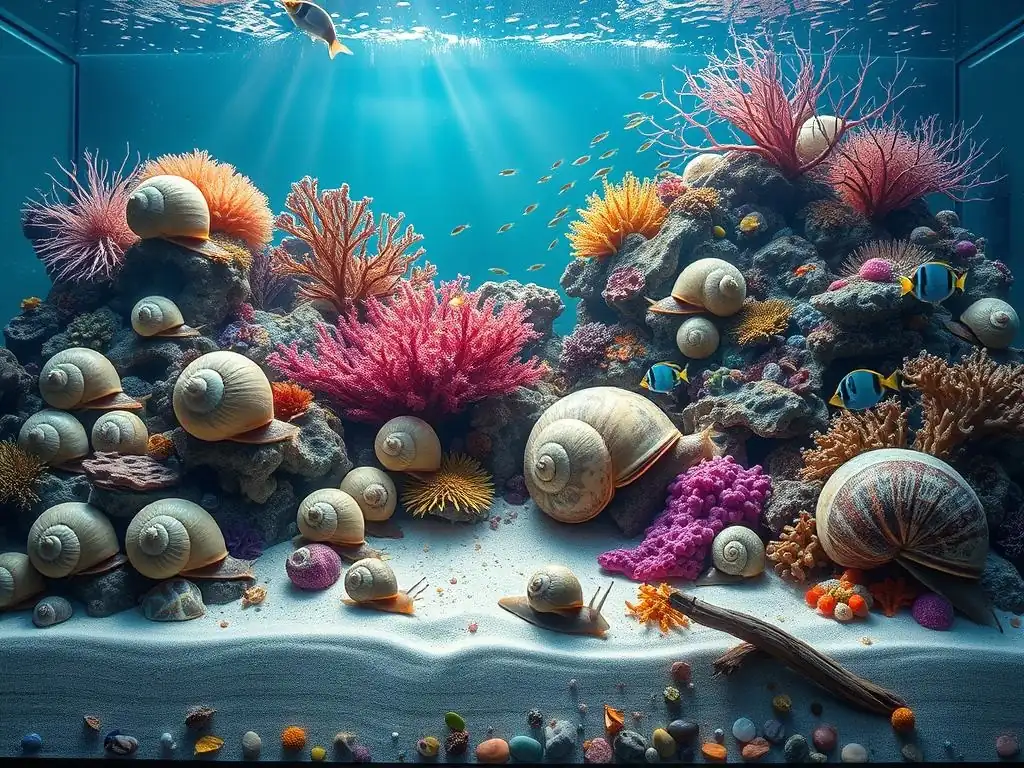
Ever wondered if that vibrant snail you've been eyeing is the perfect addition to your saltwater aquarium? Dive into our comprehensive guide on Saltwater Snail Tank Compatibility and uncover the secrets to a thriving and harmonious reef ecosystem. Discover the ideal species for your tank and avoid costly compatibility mistakes. Intrigued? Let's explore the fascinating world of saltwater snails together!
- Top Saltwater Snail Species for Reef Tank Maintenance
- Introduction to Saltwater Snails as Reef Tank Clean-Up Crews
- Nerite Snails: Effective Algae Grazers for Reef Aquariums
- Turbo Snails: Large Algae Consumers for Larger Tanks
- Cerith Snails: Detritus Eaters for Substrate Maintenance
- Nassarius Snails: Sand Bed Cleaners and Detritivores
- Stomatella Snails: Nocturnal Algae and Film Algae Eaters
- Comparing Saltwater Snail Species: A Detailed Analysis
- Choosing the Best Saltwater Snails for Your Reef Aquarium
- Tips for Introducing and Maintaining Saltwater Snails
- Conclusion: Optimizing Reef Tank Health with Saltwater Snails
-
Frequently Asked Questions
- How do I determine if a specific saltwater snail species is compatible with my existing fish and invertebrates?
- What types of snails are generally considered reef-safe and good for algae control in a saltwater aquarium?
- Are there any saltwater snails that are known to be aggressive or predatory towards other invertebrates in a reef tank?
- How important is it to consider the size of my aquarium when selecting saltwater snails for algae control?
- What water parameters are critical to maintain for the health and well-being of saltwater snails in my aquarium?
- Final Reflection: The Silent Guardians of Our Reefs
- Ignite Your Reef Tank's Potential!
Top Saltwater Snail Species for Reef Tank Maintenance
Introduction to Saltwater Snails as Reef Tank Clean-Up Crews
The Role of Saltwater Snails in a Balanced Reef Aquarium Ecosystem
Saltwater snails are indispensable members of the reef aquarium clean-up crew, playing a pivotal role in maintaining a healthy and balanced ecosystem. Their primary function is to graze on nuisance algae and consume decaying organic matter, which are constant challenges in closed systems. By doing so, they help prevent unsightly algae blooms, reduce nutrient buildup, and contribute significantly to overall water quality, lessening the burden on mechanical and biological filtration.
These diligent invertebrates target a wide array of problematic substances, from common diatoms and film algae that coat tank surfaces to cyanobacteria and uneaten food particles that settle on the substrate. Their continuous foraging activity helps to break down waste products, making them accessible to beneficial bacteria and preventing the accumulation of detritus. This proactive approach to waste management is crucial for ensuring optimal saltwater snail tank compatibility with sensitive corals and fish, fostering a pristine environment.
Understanding Snail Compatibility and Selecting Appropriate Species
Selecting the right saltwater snail species is paramount for the success of your reef tank's clean-up crew. Compatibility extends beyond just avoiding predators; it involves choosing snails whose dietary preferences, adult size, activity levels, and environmental tolerances align with your aquarium's specific needs and existing inhabitants. For instance, a small pico tank will require different snail species than a large, established reef system.
When considering saltwater snail tank compatibility, it's essential to research each species' maximum size and potential impact on your aquascape. Some larger snails, while excellent grazers, might inadvertently dislodge frag plugs or small coral colonies. Furthermore, understanding their specific dietary requirements ensures they will thrive and effectively contribute to algae and detritus control, rather than starving or becoming a nuisance themselves. A well-planned, diverse clean-up crew is often the most effective strategy.
Nerite Snails: Effective Algae Grazers for Reef Aquariums
Nerite Snail Algae Consumption and Preferences
Nerite snails, such as Neritina natalensis or Neritina pulligera, are renowned for their exceptional ability to graze on various types of nuisance algae. They are particularly effective at consuming film algae, diatoms (brown algae), and green spot algae that adhere tightly to aquarium glass, rockwork, and equipment. Their radula, a specialized scraping mouthpart, allows them to meticulously clean surfaces, leaving them remarkably clear.
These small, yet highly efficient grazers typically reach an adult size of 0.5 to 1 inch, making them suitable for tanks of nearly any size. While they are not particularly adept at consuming tougher hair algae or bryopsis, their consistent grazing on film algae helps keep surfaces pristine. A general guideline suggests one Nerite snail per 5-10 gallons for effective glass maintenance, significantly contributing to the aesthetic appeal and overall saltwater snail tank compatibility with other tank inhabitants.
Nerite Snail Care: Water Quality, Lighting, and Tank Mates
Maintaining stable water parameters is crucial for the long-term health of Nerite snails. They thrive in typical reef tank conditions with salinity levels between 1.023 and 1.026, temperatures ranging from 72-78°F (22-26°C), and a pH of 8.1-8.4. While generally hardy once acclimated, they are sensitive to rapid fluctuations in salinity and should be drip-acclimated slowly over 1-2 hours when introduced to a new system.
Nerite snails are peaceful and pose no threat to corals, fish, or other invertebrates, making their saltwater snail tank compatibility extremely high. They prefer well-lit tanks that encourage algae growth, ensuring a continuous food supply. However, they can sometimes climb out of tanks if there are uncovered openings, so a tight-fitting lid is recommended to prevent escapes.
Nerite Snail Advantages and Disadvantages for Reef Environments
One of the primary advantages of Nerite snails is their remarkable efficiency in controlling film and diatom algae without overpopulating the tank. Unlike some freshwater snail species, Nerites require brackish or saltwater conditions for their larvae to develop, meaning they will not reproduce in a typical home reef aquarium, preventing nuisance population explosions. Their small size also allows them to access tight crevices.
However, Nerite snails do have some limitations. They are not effective against all types of algae, particularly more fibrous forms like hair algae. Their shells can sometimes become dislodged from live rock if they lose their grip, requiring manual righting. Furthermore, like all invertebrates, they are highly sensitive to copper-based medications, which are lethal even in trace amounts.
Turbo Snails: Large Algae Consumers for Larger Tanks
Turbo Snail Grazing Habits and Tank Size Recommendations
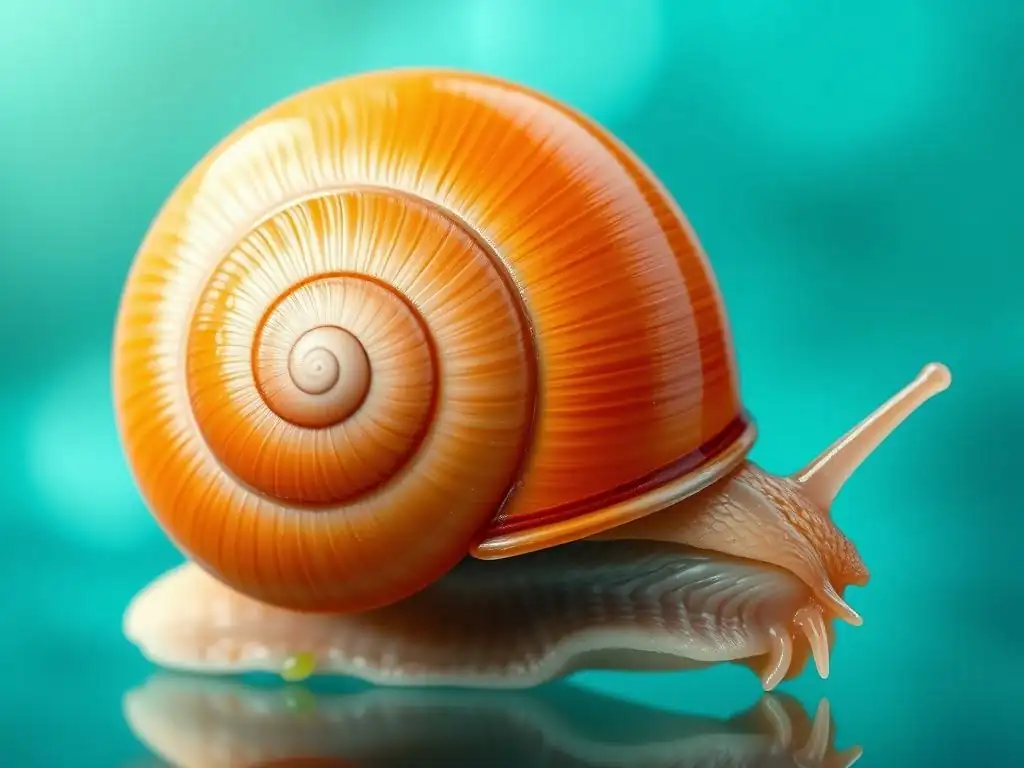
Turbo snails, encompassing various species like the Mexican Turbo Snail ( Turbo fluctuosa) or Trochus histrio, are recognized as powerful and voracious algae grazers. Their large size, often reaching up to 3 inches in diameter for Mexican Turbos, enables them to tackle significant algae growth, including stubborn green hair algae, diatoms, and thick film algae that smaller snails might struggle with. They are particularly effective at clearing large surfaces of rock and glass.
Due to their substantial grazing capacity, Turbo snails are best suited for larger reef tanks where algae accumulation can be more pronounced. A general guideline suggests one large Mexican Turbo snail for every 30-40 gallons of tank volume, or several smaller Trochus species for tanks around 10-20 gallons. Their efficiency in consuming substantial amounts of algae makes them an invaluable asset for maintaining saltwater snail tank compatibility in established systems.
Turbo Snail Nutritional Needs and Supplementation
The primary diet of Turbo snails consists of live algae within the aquarium. In tanks with abundant algae growth, they will typically find sufficient food. However, in very clean or mature reef systems where nuisance algae is minimal, Turbo snails can quickly deplete their food source and may starve. This starvation can lead to them becoming lethargic, falling off rockwork, and eventually perishing.
To prevent starvation in low-algae environments, it is often necessary to supplement their diet with dried seaweed (nori) or high-quality algae wafers. These supplements can be clipped to the tank glass or placed on rocks to ensure the snails have access to adequate nutrition. Ensuring a consistent food supply is critical for their long-term health and for them to continue contributing effectively to the tank's cleanliness, maintaining optimal saltwater snail tank compatibility.
Turbo Snail Compatibility with Reef Inhabitants and Fish
Turbo snails are generally peaceful and non-aggressive towards other reef inhabitants. They do not prey on corals, fish, or other invertebrates. However, their larger size and powerful movement can sometimes be a concern in delicate aquascapes. They may inadvertently dislodge unsecured frag plugs, small coral colonies, or decorative items as they navigate the rockwork.
Care should be taken when considering their tank mates. While largely compatible with most reef-safe fish, certain predatory fish such as triggerfish, puffers, or some species of wrasses are known to prey on snails, including Turbos. Large hermit crabs, especially species like the Halloween Hermit Crab, can also pose a threat. Therefore, assessing the existing fish and invertebrate population is crucial for ensuring optimal saltwater snail tank compatibility.
Cerith Snails: Detritus Eaters for Substrate Maintenance
Cerith Snail Role in Aerating Substrate and Reducing Nitrates
Cerith snails ( Cerithium species) are highly valued members of the reef clean-up crew for their essential role in maintaining a healthy sand bed. These active invertebrates constantly burrow and sift through the substrate, consuming detritus and decaying organic matter. This continuous movement helps to aerate the sand, preventing the formation of anaerobic pockets, which can release harmful gases like hydrogen sulfide.
By actively turning over the sand, Cerith snails contribute significantly to the breakdown of organic waste. This process aids in reducing the accumulation of nitrates and phosphates within the substrate, which are common culprits behind nuisance algae outbreaks. For a typical 50-gallon reef tank with a sand bed, a population of 10-20 Cerith snails can provide effective substrate maintenance, enhancing the overall health and saltwater snail tank compatibility of the benthic zone.
Cerith Snail Feeding Behavior and Detritus Removal
Cerith snails are opportunistic feeders, primarily consuming detritus, uneaten food, and some forms of film algae found on the sand surface and within the top layers of the substrate. Their conical shells and pointed heads allow them to easily navigate through the sand, constantly foraging for decaying organic matter. They are particularly effective at cleaning areas where food might settle after feeding.
Their diligent sifting activity not only cleans the sand but also helps integrate beneficial bacteria throughout the substrate, further enhancing nutrient cycling. By breaking down and consuming organic debris, Cerith snails prevent the buildup of sludge that can otherwise lead to poor water quality and the proliferation of undesirable organisms. This makes them a vital component for maintaining a pristine and balanced reef environment.
Cerith Snail Benefits for Nutrient Cycling in Reef Tanks
The continuous activity of Cerith snails in the sand bed directly supports the natural nutrient cycling processes within a reef tank. By consuming and processing organic waste, they help convert potentially harmful compounds into less toxic forms, contributing to the efficiency of the nitrogen cycle. Their presence encourages a robust population of nitrifying and denitrifying bacteria within the substrate.
Furthermore, by preventing detritus accumulation, Cerith snails can significantly reduce the likelihood of problematic cyanobacteria outbreaks, which often thrive in nutrient-rich, stagnant sand beds. Their contribution to a cleaner, aerated substrate translates into lower overall nutrient levels in the water column, benefiting sensitive corals and fish. This active contribution to the ecosystem's health underscores their high saltwater snail tank compatibility and value.
Nassarius Snails: Sand Bed Cleaners and Detritivores
Nassarius Snail Diet: Scavenging Uneaten Food and Organic Matter
Nassarius snails ( Nassarius species, such as Nassarius vibex or Nassarius obsoletus) are highly specialized scavengers and detritivores, making them indispensable members of any reef tank clean-up crew. They possess an exceptional sense of smell, allowing them to detect uneaten food and decaying organic matter from a considerable distance. When food is introduced into the tank, they quickly emerge from the sand bed, often in a dramatic fashion, to converge on the source.
Their diet primarily consists of uneaten fish food, decaying plant material, and other organic debris that settles on the sand surface or within the substrate. By rapidly consuming these waste products, Nassarius snails prevent them from breaking down and releasing excess nutrients into the water column, which could fuel nuisance algae growth. This makes them crucial for maintaining water quality and ensuring optimal saltwater snail tank compatibility in a nutrient-export strategy.
Nassarius Snail Behavior and Sand Sifting Activity
Nassarius snails exhibit fascinating behavior, spending most of their time buried just beneath the sand surface, with only their siphon extended to detect food. When they sense food, they quickly "come alive," emerging from the sand and actively crawling across the substrate to locate the meal. This burrowing and surfacing behavior contributes to the aeration of the sand bed, similar to Cerith snails, but their primary focus is scavenging rather than continuous sifting.
These snails are relatively small, typically ranging from 0.5 to 1 inch, allowing them to navigate all areas of the sand bed. Their constant movement, whether buried or on the surface, helps prevent the formation of stagnant zones and ensures that organic matter is processed efficiently. They are particularly valuable for tanks with fish that tend to leave uneaten food behind.
Nassarius Snail Considerations for Delicate Invertebrates
Nassarius snails are generally peaceful and non-aggressive, posing no threat to corals, fish, or most other invertebrates. They are strictly detritivores and scavengers, focusing solely on decaying organic matter. Therefore, their saltwater snail tank compatibility with even the most delicate reef inhabitants, such as clams or small crustaceans, is very high.
However, like all clean-up crew members, it's important to ensure they have an adequate food supply. In ultra-clean tanks with minimal leftover food, Nassarius snails can starve. While they do consume some detritus, their primary drive is for larger food particles. Monitoring their activity levels and ensuring occasional supplemental feeding if needed will help them thrive and continue their valuable scavenging work.
Stomatella Snails: Nocturnal Algae and Film Algae Eaters
Stomatella Snail Temperature Requirements and Algae Consumption
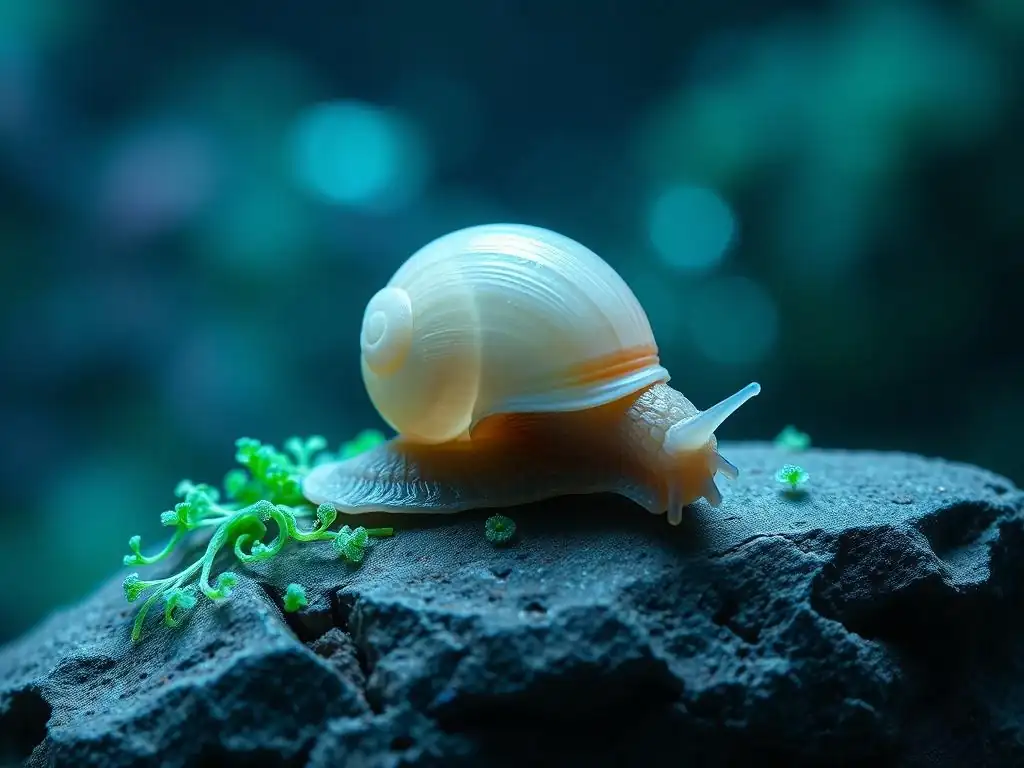
Stomatella snails ( Stomatella varia) are often considered the unsung heroes of the reef tank clean-up crew. These small, fast-moving, and somewhat cryptic snails are excellent nocturnal grazers of film algae, diatoms, and even some types of cyanobacteria that colonize live rock and tank surfaces. They are particularly adept at reaching tight crevices and areas that larger snails might miss.
Stomatella snails thrive in typical reef tank temperatures, generally ranging from 72-80°F (22-27°C). Their efficiency in consuming film algae is remarkable; a single snail can clear a noticeable patch of film algae in a matter of minutes. Given their small size, typically 0.5 to 1 inch, they exert minimal impact on the aquascape while providing continuous, round-the-clock grazing, significantly contributing to the overall cleanliness and saltwater snail tank compatibility of the system.
Stomatella Snail Sensitivity to Copper-Based Medications
A critical consideration when keeping Stomatella snails, and indeed most invertebrates, is their extreme sensitivity to copper-based medications. Even trace amounts of copper, often used to treat parasitic fish diseases like Ich, can be lethal to Stomatella snails and other invertebrates. This sensitivity means that any tank containing Stomatellas should strictly avoid copper treatments.
If a fish requires copper medication, it should be treated in a separate quarantine tank. Introducing any equipment, rock, or sand that has been exposed to copper into a reef tank with Stomatella snails can also be detrimental. This high sensitivity underscores the importance of careful medication protocols and highlights a crucial aspect of their saltwater snail tank compatibility with a reef environment.
Stomatella Snail Suitability for Reef Tanks with Live Rock
Stomatella snails are particularly well-suited for reef tanks with ample live rock. They spend their days hidden within the rockwork, emerging primarily at night to graze on the surfaces. Their camouflaged appearance and ability to quickly retract into their shells make them difficult to spot, adding to their cryptic nature.
One of the most significant advantages of Stomatella snails is their ability to reproduce asexually through fragmentation. This means that if a snail is damaged or divides, it can regenerate into two or more new snails, leading to a self-sustaining population that provides continuous algae control without human intervention. This natural proliferation enhances their saltwater snail tank compatibility and contributes to long-term ecosystem stability.
Comparing Saltwater Snail Species: A Detailed Analysis
Algae Consumption Comparison: Nerite vs. Turbo vs. Stomatella
When selecting snails for algae control, understanding their specific grazing preferences is key to optimizing your clean-up crew. Nerite snails are unparalleled for meticulous cleaning of glass and smooth surfaces, excelling at film algae and diatoms. They are like precision cleaners, maintaining a polished look.
Turbo snails, conversely, are the heavy-duty workhorses, best suited for tackling tougher, thicker algae, particularly green hair algae and large patches of diatoms on live rock in larger systems. They are powerful grazers that can clear significant areas. Stomatella snails, while smaller and often overlooked, are highly efficient nocturnal grazers of film algae and some cyanobacteria, especially on live rock and in tight crevices, often reproducing to maintain a continuous presence. This diverse grazing profile ensures comprehensive algae control and enhances overall saltwater snail tank compatibility across different tank zones.
Snail Compatibility Chart: Choosing a Diverse Clean-Up Crew
A truly effective clean-up crew leverages the unique strengths of various snail species to address different ecological niches within the aquarium. Instead of relying on a single type, a diverse assortment ensures comprehensive coverage of algae and detritus.
| Snail Species | Primary Role | Key Algae Types | Habitat Preference | Compatibility (General) |
|---|---|---|---|---|
| Nerite | Glass & Surface Grazing | Film, Diatoms, Green Spot | Glass, Rock, Equipment | High (no reproduction) |
| Turbo | Heavy Algae Grazing | Hair, Diatoms, Film | Rock, Glass | High (watch for dislodging corals) |
| Cerith | Sand Bed Sifting, Detritus | Detritus, Film Algae | Sand Bed | High (aerates substrate) |
| Nassarius | Sand Bed Scavenging | Uneaten Food, Detritus | Sand Bed | High (active scavenger) |
| Stomatella | Live Rock Film Algae | Film, Diatoms, Cyano | Live Rock, Glass | High (reproduces, cryptic) |
This diverse approach ensures that all areas of the tank, from the glass to the deep sand bed, are actively managed, leading to a healthier and more stable reef environment and maximizing saltwater snail tank compatibility.
Water Parameter Sensitivity: Which Snails are More Tolerant?
All saltwater snails require stable water parameters to thrive, including consistent salinity (1.023-1.026), temperature (72-80°F), pH (8.1-8.4), and adequate levels of calcium (400-450 ppm) and alkalinity (8-12 dKH) for healthy shell growth. However, some species exhibit slightly different tolerances to fluctuations or specific conditions.
Nerite and Stomatella snails, while generally hardy, can be particularly sensitive to rapid shifts in salinity or severe swings in pH. Turbo snails are robust once acclimated but are highly susceptible to starvation in tanks with insufficient algae. Nassarius and Cerith snails are generally quite resilient to typical reef tank conditions. It is crucial to remember that all invertebrates are extremely sensitive to copper-based medications. Slow, drip acclimation is universally recommended for all species to minimize stress and ensure optimal saltwater snail tank compatibility with their new environment.
Snail Reproduction in Reef Tanks: Factors Influencing Population Growth
The reproductive strategies of saltwater snails vary significantly and influence their long-term presence in a reef aquarium. Nerite and most Turbo snails do not reproduce in typical home aquariums because their larval stages require specific pelagic (open ocean) conditions that cannot be replicated in a closed system. This means their populations will not explode, but they will need to be replenished periodically.
In contrast, Stomatella snails reproduce readily, often through asexual fragmentation (where a part of the snail breaks off and regenerates into a new individual) or sexually. This prolific reproduction can lead to a self-sustaining population, providing continuous algae control. Cerith and Nassarius snails can also reproduce sexually, but successful larval development and survival to adulthood in a home reef tank are less common without specific breeding setups. Understanding these reproductive differences helps manage long-term saltwater snail tank compatibility and stocking decisions.
Choosing the Best Saltwater Snails for Your Reef Aquarium
Assessing Algae Types and Detritus Levels in Your Tank
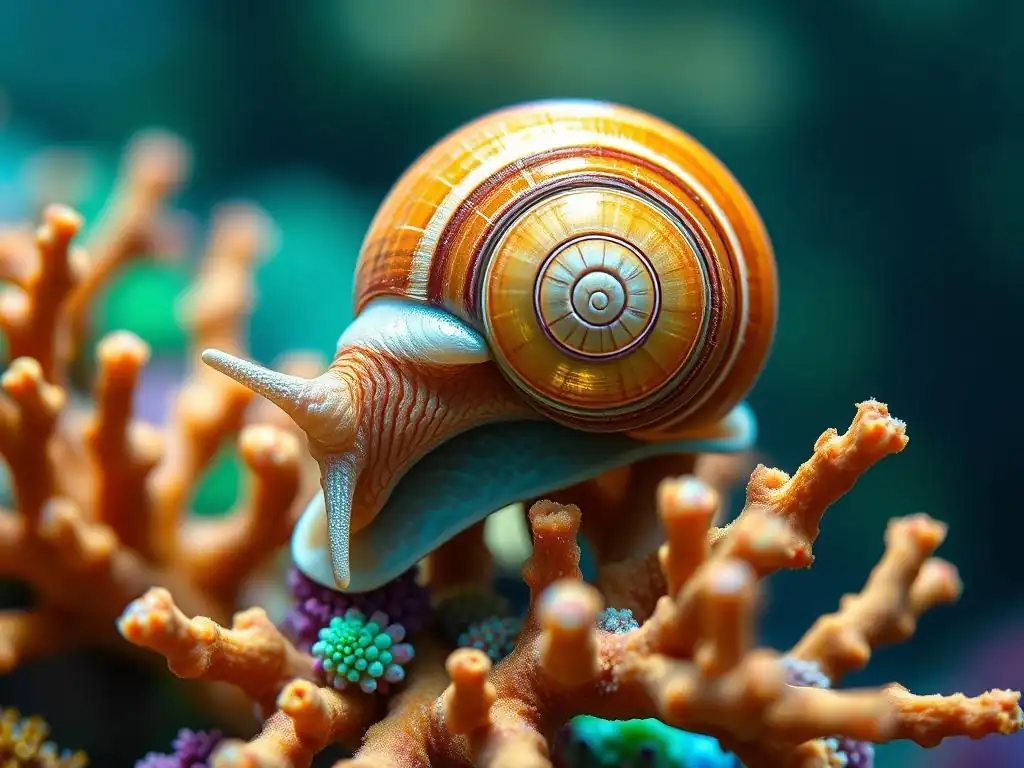
The first step in selecting the ideal saltwater snails for your reef aquarium is to accurately assess the specific types of nuisance algae and levels of detritus present. Observe your tank for several days: Is the glass coated in a green film? Are there patches of brown diatoms on the sand? Is green hair algae sprouting from your live rock? Identifying the predominant issues will guide your snail selection.
For example, if you primarily battle film algae on glass, Nerite and Stomatella snails are excellent choices. If robust green hair algae is your nemesis on live rock, Turbo snails are highly effective. For detritus accumulation in the sand bed, Cerith and Nassarius snails are indispensable. A targeted approach based on your tank's specific challenges ensures that the chosen snails provide the most effective and beneficial saltwater snail tank compatibility.
Considering Tank Size, Substrate, and Live Rock Structure
The physical characteristics of your reef tank significantly influence which snail species will thrive and be most effective. For smaller tanks (under 30 gallons), smaller species like Nerites, Ceriths, and Nassarius snails are generally more appropriate, as larger Turbos might be too cumbersome.
The type and depth of your substrate are also crucial. Tanks with deep sand beds (3+ inches) will greatly benefit from a higher density of sand-sifting snails like Ceriths and Nassarius, which actively aerate and clean the substrate. Aquariums with extensive live rock structures will benefit from agile grazers like Stomatellas and smaller Nerites that can navigate intricate crevices. These considerations are vital for ensuring optimal saltwater snail tank compatibility within the physical layout of your aquarium.
Evaluating Existing Inhabitants and Snail Compatibility
Before introducing new snails, it is imperative to evaluate your existing tank inhabitants for potential threats. Certain fish species, such as some wrasses (e.g., Six-Line Wrasse, though often reef-safe, can occasionally nip at snails), puffers, and triggerfish, are known snail predators and should be avoided or carefully monitored. Similarly, large, aggressive hermit crabs, like the Halloween Hermit Crab, may prey on snails for their shells.
Additionally, consider the security of your corals and frag plugs. While snails are generally peaceful, larger species like Turbo snails can accidentally dislodge unsecured corals as they graze. Ensuring your aquascape is stable and your fish and invertebrates are truly "reef-safe" is a critical step in establishing successful saltwater snail tank compatibility for a harmonious reef environment.
Tips for Introducing and Maintaining Saltwater Snails
Acclimation Protocols for New Snail Arrivals
Proper acclimation is the single most important step for ensuring the survival and long-term health of new snail arrivals. Snails are highly sensitive to sudden changes in salinity, temperature, and pH. Rapid shifts can cause osmotic shock, leading to stress, shell retraction, and ultimately death.
A slow drip acclimation method is highly recommended. This involves slowly dripping tank water into the container holding the new snails over a period of 1 to 2 hours, gradually equalizing the water parameters. Avoid simply floating the bag and dumping them in. Once acclimated, gently place the snails directly on the sand bed or a stable piece of live rock, ensuring they are right-side up. This careful approach significantly improves their chances of thriving and establishing strong saltwater snail tank compatibility.
Maintaining Stable Water Chemistry for Snail Health
Consistent and stable water chemistry is paramount for the health and longevity of all saltwater snails. Regular testing of key parameters such as salinity, temperature, pH, alkalinity, and calcium is essential. Salinity should be maintained between 1.023 and 1.026, and temperature within 72-80°F (22-27°C).
Adequate levels of calcium (400-450 ppm) and alkalinity (8-12 dKH) are particularly important for snails, as these elements are crucial for healthy shell growth and repair. Sudden, drastic changes in any parameter should be avoided, as they can cause significant stress. Performing regular, smaller water changes and addressing any parameter imbalances promptly will contribute significantly to the overall well-being and saltwater snail tank compatibility within your reef system.
Recognizing and Treating Common Snail Issues [e.g., Pyramid Snails]
Despite their hardiness, snails can face several issues in a reef tank. Starvation is common in ultra-clean tanks with insufficient algae or detritus; affected snails may become lethargic, fall off surfaces, or retract into their shells. Shell deterioration, characterized by pitting or erosion, can indicate unstable water chemistry or a lack of calcium/alkalinity. Predation by certain fish or large hermit crabs is also a risk.
One specific parasitic threat is the Pyramid snail ( Pyramidellidae family), a tiny, cone-shaped snail that preys on clams and other snails. They are often seen attached to clam shells, feeding on their bodily fluids. If identified, manual removal of Pyramid snails is necessary. For affected clams, a freshwater dip (using RODI water matched to tank temperature and pH) for 5-10 minutes can cause the parasites to detach. Regular inspection of new additions, especially clams, is crucial to prevent their introduction and maintain saltwater snail tank compatibility within the clean-up crew.
Conclusion: Optimizing Reef Tank Health with Saltwater Snails
Maximizing the Benefits of Snails for a Thriving Reef Ecosystem
Integrating a well-chosen and diverse clean-up crew of saltwater snails is one of the most effective and natural ways to maintain a thriving reef aquarium. These diligent invertebrates continuously graze on nuisance algae and consume decaying organic matter, significantly reducing the need for manual cleaning and lessening the burden on mechanical filtration. By actively managing waste and preventing nutrient buildup, snails contribute to superior water quality and a more stable, balanced ecosystem.
The strategic selection of species, ensuring optimal saltwater snail tank compatibility based on your tank's specific needs—whether it's tackling hair algae, sifting sand, or maintaining pristine glass—transforms your aquarium into a self-sustaining, healthier environment. Their tireless work allows corals to flourish and fish to thrive, creating an aesthetically pleasing and biologically robust reef.
Further Resources for Reef Invertebrate Care.
Maintaining a thriving reef aquarium is an ongoing journey of learning and adaptation. While this article has provided a comprehensive overview of top saltwater snail species and their roles, the world of reef invertebrate care is vast and fascinating.
For more in-depth information on specific invertebrate profiles, detailed water chemistry parameters, advanced troubleshooting guides for common tank issues, and strategies for nutrient management, we encourage you to explore other valuable resources available on AquariumMastery.com. Continuous education and adherence to best practices are key to unlocking the full potential of your reef ecosystem.
Frequently Asked Questions
How do I determine if a specific saltwater snail species is compatible with my existing fish and invertebrates?
Before introducing any snail, research its known behaviors and requirements. Consider factors like its diet, potential aggression, and sensitivity to water parameters compared to your other tank inhabitants.
What types of snails are generally considered reef-safe and good for algae control in a saltwater aquarium?
Many snails are reef-safe and beneficial algae eaters. Some popular choices include Turbo snails, Nassarius snails, and Cerith snails, all known for their peaceful nature and effective algae consumption.
Are there any saltwater snails that are known to be aggressive or predatory towards other invertebrates in a reef tank?
Yes, some snails can be problematic. Whelk snails, for example, are often predatory and can prey on other small invertebrates, including other snails and worms.
How important is it to consider the size of my aquarium when selecting saltwater snails for algae control?
The size of your tank is crucial. Overstocking with snails can lead to starvation and competition. Consider the snail's adult size and the amount of algae your tank produces to determine the appropriate number.
What water parameters are critical to maintain for the health and well-being of saltwater snails in my aquarium?
Maintaining stable water parameters is essential. Critical factors include salinity, pH, alkalinity, and temperature. Snails are sensitive to fluctuations, so regular testing and adjustments are vital for their survival.
Final Reflection: The Silent Guardians of Our Reefs
The insights shared in this article regarding saltwater snail tank compatibility are more than just tips for a thriving aquarium; they are a testament to the delicate balance within our miniature reef ecosystems. Understanding the specific needs and behaviors of these often-overlooked creatures is crucial for responsible reef keeping and the long-term health of our aquatic environments. Ignoring these nuances can lead to imbalances, algae blooms, and ultimately, a less vibrant and sustainable reef.
This exploration into the world of saltwater snails has profoundly influenced my own perspective on aquarium keeping, highlighting the interconnectedness of every organism within the tank. It's a constant reminder that success lies not just in aesthetics, but in fostering a harmonious environment where each species can thrive. In nature, nothing exists alone.
- Rachel Carson. This quote perfectly encapsulates the essence of reef keeping, urging us to consider the broader implications of our choices and strive for a holistic approach.
As you consider adding these diligent algae eaters to your own saltwater aquarium, I encourage you to reflect on the responsibility that comes with creating and maintaining a miniature ecosystem. Let the knowledge gained here guide you in making informed decisions, ensuring the well-being of your snails and the overall health of your reef. Embrace the opportunity to become a steward of these silent guardians, and witness the beauty and resilience that a balanced ecosystem can bring.
Ignite Your Reef Tank's Potential!
Thank you for diving deep into the world of saltwater snails with Aquarium Mastery! We hope this guide has shed light on the perfect algae-eating companion for your reef. Now, let's put that knowledge into action!
Here are a few ways to take the next step:
- Commit to introducing a new snail species to your tank this month. Observe its impact on algae levels and overall tank health!
- Share your snail success stories (or challenges!) with fellow reef keepers on the Aquarium Mastery forums. Help build our community of experts.
- Research a lesser-known algae eater and see how it compares to the options we discussed. You might just discover a hidden gem!
What crucial factor will determine which snail joins your aquarium ecosystem first?