
Choosing Tank Mates for Mbuna Cichlids: Beyond an AllMbuna Setup

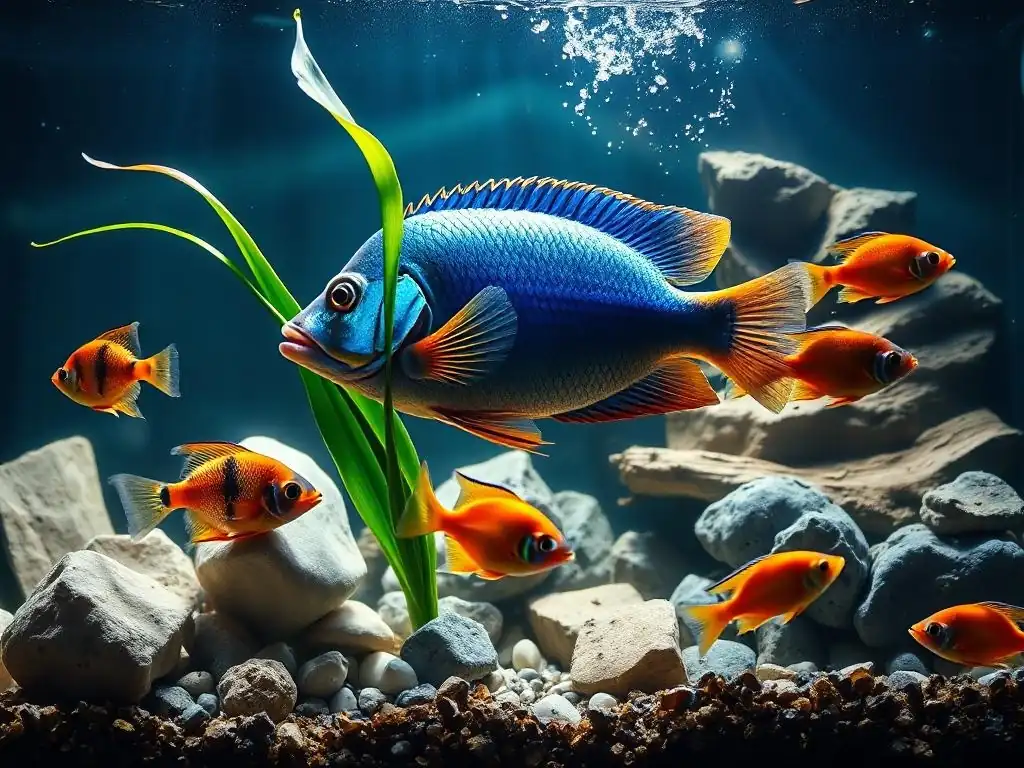
Welcome to Aquarium Mastery!
Ever wondered if your vibrant Mbuna cichlids could share their aquatic kingdom with other fascinating species? Choosing tank mates for Mbuna cichlids can be tricky, but the rewards of a diverse and thriving aquarium are well worth the effort. Dive in to explore the possibilities beyond an all-Mbuna setup and discover how to create a harmonious and captivating freshwater world! What awaits you might just surprise you.
- Understanding Mbuna Cichlid Temperament and Compatibility
- Exploring Non-Mbuna Tank Mate Options for Your Aquarium
- Incompatible Tank Mates to Avoid with Mbuna Cichlids
- Creating a Balanced Aquarium Environment for Mbuna and Tank Mates
- Stocking Strategies for a Diverse Mbuna Aquarium
- Specific Tank Mate Recommendations: Mbuna-Friendly Fish Profiles
- Troubleshooting Common Issues in a Mixed Mbuna Tank
- Conclusion: Building a Thriving Mbuna Cichlid Community Aquarium
-
Frequently Asked Questions
- How challenging is it to keep Mbuna cichlids with other types of fish?
- What are some general guidelines for selecting compatible tank mates for Mbuna cichlids?
- Can I keep Mbuna cichlids with peaceful community fish like neon tetras?
- What are some examples of non-Mbuna fish that might be suitable tank mates?
- What are the most common mistakes people make when choosing tank mates for Mbuna cichlids?
- Final Reflection: Harmony in the Aquarium
- Unlock the Mbuna Community: Start Thriving!
Understanding Mbuna Cichlid Temperament and Compatibility
Mbuna Aggression: A Key Factor in Selecting Tank Mates
Mbuna cichlids, originating from the rocky shores of Lake Malawi, are renowned for their vibrant colors and active personalities, but also for their inherent territorial and aggressive nature. This aggression is deeply rooted in their natural habitat, where prime rock real estate and breeding sites are fiercely defended. In an aquarium setting, these instincts translate into a need for careful planning when considering any "Mbuna cichlid compatible tank mates". Without proper management, dominant Mbuna can relentlessly harass, injure, or even kill less aggressive or unsuitable tank mates.
Their mouthbrooding reproductive strategy further intensifies aggression, as males establish and protect spawning territories, and females seek secure, secluded spots to hold their eggs and fry. Understanding this baseline aggression is paramount for any aquarist hoping to move beyond an all-Mbuna setup. The success of a mixed community tank hinges on selecting fish that can withstand this assertive behavior, making the choice of "Mbuna cichlid compatible tank mates" a critical decision for tank stability and fish well-being.
Assessing the Aggression Levels of Different Mbuna Species
While all Mbuna exhibit some level of aggression, there's a significant spectrum among species. For instance, species like Melanochromis auratus and Pseudotropheus johannii are notoriously aggressive, often dominating tanks and making them challenging to house with anything but robust, similarly assertive Mbuna. In contrast, Labidochromis caeruleus (Yellow Labs) and Iodotropheus sprengerae (Rusties) are generally considered among the more peaceful Mbuna, making them more adaptable when seeking "Mbuna cichlid compatible tank mates".
Observing aggression involves more than just occasional chasing; look for consistent fin nipping, faded colors in bullied fish, or prolonged hiding. Even within a single species, individual personalities can vary, with some fish exhibiting higher aggression than their peers. Thorough research into the specific temperament of each Mbuna species is essential before purchase, ensuring that their aggression levels are manageable and conducive to a harmonious environment for potential "Mbuna cichlid compatible tank mates".
Tank Size and Overcrowding: Mitigating Mbuna Aggression
Tank size is a primary determinant in mitigating Mbuna aggression. A larger aquarium provides more physical space for territories and escape routes, directly reducing conflict. For a diverse Mbuna community, a minimum of 75 gallons (approximately 280 liters) is generally recommended, with 125 gallons (around 470 liters) or more being ideal for a truly varied setup with multiple species and "Mbuna cichlid compatible tank mates". The additional volume also helps dilute waste products, maintaining better water quality in a heavily stocked environment.
The concept of "controlled overcrowding" is often employed with Mbuna to diffuse aggression. By housing a higher number of fish than typically recommended for other species (e.g., aiming for a stocking density where each fish has less individual territory, thus spreading aggression targets), no single fish becomes the sole recipient of bullying. However, this strategy requires robust filtration and diligent water changes (e.g., 30-50% weekly) to manage the increased bioload. This careful balance of space and stocking density is crucial for fostering a stable environment where "Mbuna cichlid compatible tank mates" can thrive.
Exploring Non-Mbuna Tank Mate Options for Your Aquarium
Why Consider Non-Mbuna Tank Mates?
Integrating non-Mbuna species into your aquarium offers several compelling benefits beyond the aesthetic appeal of increased diversity. These tank mates can introduce new colors, shapes, and behaviors, creating a more dynamic and visually engaging display. Strategically chosen non-Mbuna fish can also occupy different layers of the water column—such as the bottom or open water—maximizing the use of tank space and reducing direct competition with the mid-water dwelling Mbuna.
Furthermore, some non-Mbuna species can help to diffuse aggression within the tank. By offering alternative targets or simply being too robust or fast for Mbuna to successfully harass, they can sometimes redirect or absorb aggression, leading to a more peaceful overall environment. The key is to select species that are not only aesthetically pleasing but also possess the resilience and specific characteristics to be truly "Mbuna cichlid compatible tank mates".
Suitable Non-Mbuna Tank Mates for Mbuna
When selecting "Mbuna cichlid compatible tank mates" from outside the Mbuna group, the primary considerations are shared water parameters (hard, alkaline water, pH 7.8-8.6), a robust build, and a temperament that can withstand the assertive nature of Mbuna. Fish that are too small, too slow, or require vastly different water conditions will not succeed.
Synodontis Catfish Species
Synodontis catfish, particularly those from African rift lakes, are exceptionally well-suited as "Mbuna cichlid compatible tank mates". Their armored bodies, often nocturnal habits, and swift movements make them largely impervious to Mbuna aggression. They also thrive in the same hard, alkaline water conditions and temperatures (76-82°F or 24-28°C) as Mbuna. Species like Synodontis multipunctatus (Cuckoo Catfish) and Synodontis nigriventris (Upside-Down Catfish) are popular choices, as they primarily inhabit the bottom of the tank, minimizing direct territorial disputes with the mid-level Mbuna.
These catfish are generally omnivorous, readily accepting a variety of foods including sinking pellets and live/frozen foods, which ensures they get adequate nutrition without directly competing with the primarily herbivorous Mbuna during feeding frenzies. Their unique behaviors, such as the Cuckoo Catfish's habit of parasitically breeding by laying eggs in mouthbrooding cichlids' mouths, add an intriguing dimension to the aquarium without typically causing harm to the Mbuna.
Plecostomus Species
Certain species of Plecostomus can also be considered "Mbuna cichlid compatible tank mates", particularly the smaller, more docile varieties. Bristlenose Plecos ( Ancistrus cf. cirrhosus) are a common choice due to their manageable size (up to 5 inches or 13 cm) and robust nature.
They are excellent algae eaters, which can be beneficial in a tank with high bioload, and they primarily occupy the tank bottom, often attaching to rocks or driftwood. While their preferred pH range is slightly lower (6.5-7.5), Bristlenose Plecos are remarkably adaptable and can thrive in Mbuna parameters if acclimated slowly and given stable water conditions.
It is crucial to avoid larger Pleco species, such as the Common Pleco ( Hypostomus plecostomus), which can grow to over a foot (30 cm) in length, produce a massive amount of waste, and may become disruptive as they mature. Ensuring any Pleco has access to driftwood for digestion and receives supplemental blanched vegetables or algae wafers is vital for their health and effectiveness as "Mbuna cichlid compatible tank mates".
Other Docile African Cichlids
While challenging, in very large aquariums (e.g., 150 gallons or 560 liters and above), some aquarists successfully house certain robust, non-Mbuna African cichlids. This often includes select species of Peacock Cichlids ( Aulonocara species) or specific Haplochromine cichlids, provided the Mbuna in the tank are on the less aggressive end of the spectrum. The key is to choose species with similar water requirements and temperaments, and to provide ample space to prevent territorial disputes.
However, caution is paramount with this approach. The risk of cross-breeding between different cichlid genera, or simply overwhelming aggression from the Mbuna, is significant. This strategy is generally recommended only for experienced aquarists with very large tanks and a deep understanding of cichlid behavior. For most enthusiasts, focusing on the more commonly accepted "Mbuna cichlid compatible tank mates" like Synodontis and Ancistrus is a safer and more predictable path.
Incompatible Tank Mates to Avoid with Mbuna Cichlids
Fish Species to Never Mix with Mbuna
Successfully maintaining a Mbuna cichlid aquarium, especially when considering "Mbuna cichlid compatible tank mates", hinges as much on knowing what not to include as what to include. Certain fish species are fundamentally incompatible due to vastly different water parameter requirements, delicate temperaments, or inability to withstand Mbuna aggression. Small, peaceful community fish such as Neon Tetras, Guppies, or Rasboras will be quickly harassed, fin-nipped, stressed, and often killed by Mbuna. Their small size makes them easy prey, and their generally soft, acidic water preferences clash severely with the hard, alkaline conditions Mbuna require.
Similarly, slow-moving or long-finned species like Angelfish, Gouramis, or Bettas are entirely unsuitable. Their flowing fins are an irresistible target for nipping, leading to chronic stress, infection, and eventual demise. Fish requiring drastically different water chemistry, such as Discus or many South American cichlids, will simply fail to thrive in Mbuna conditions, suffering from osmotic shock and weakened immune systems. Finally, avoid mixing Mbuna with large, highly predatory cichlids like Oscars or Flowerhorns, as mutual aggression or the Mbuna becoming prey are almost inevitable outcomes.
Understanding the Risks of Mixing Mbuna with Incompatible Species
The consequences of introducing incompatible "Mbuna cichlid compatible tank mates" are severe and multifaceted. For the bullied fish, chronic stress is a major factor, leading to a compromised immune system and increased susceptibility to diseases like Ich, bacterial infections, and fungal issues. Physical injuries, such as shredded fins, missing scales, and bite marks, are common and can quickly become infected. In many cases, the constant harassment will lead to the death of the incompatible fish.
Beyond the immediate harm to individual fish, an unstable tank environment impacts the entire ecosystem. Stressed fish may refuse to eat, leading to uneaten food that fouls the water. The constant aggression can also stress the Mbuna themselves, even the aggressors, making them more prone to disease and reducing their vibrant colors. Ultimately, mixing Mbuna with unsuitable species creates a perpetually stressful and unhealthy aquarium, undermining the goal of a thriving "Mbuna cichlid compatible tank mates" community.
Creating a Balanced Aquarium Environment for Mbuna and Tank Mates
Optimizing Water Parameters for a Mixed Mbuna Tank
Maintaining precise and stable water parameters is non-negotiable for a thriving Mbuna cichlid aquarium, especially when integrating "Mbuna cichlid compatible tank mates". Mbuna originate from Lake Malawi, which has consistently hard, alkaline water. The ideal pH range is between 7.8 and 8.6, with a high carbonate hardness (kH) of 10-20 dKH (degrees of carbonate hardness) and a general hardness (gH) of 10-20 dGH. The water temperature should be kept between 76-82°F (24-28°C).
Consistency is key; sudden fluctuations in pH or temperature can cause significant stress, weakening fish and making them more susceptible to disease. Aquarists often achieve these parameters by using substrates like crushed coral or aragonite sand, which naturally buffer the water to a higher pH and hardness. Regular testing with a reliable liquid test kit (e.g., weekly) is crucial to monitor parameters. Furthermore, performing substantial weekly water changes, typically 30-50% of the tank volume, is vital to replenish minerals and remove nitrates, ensuring a healthy environment for Mbuna and their selected "Mbuna cichlid compatible tank mates".
Providing Adequate Hiding Places and Territory
The physical layout of the aquarium plays a critical role in managing Mbuna aggression and providing security for "Mbuna cichlid compatible tank mates". Mbuna are rock-dwelling cichlids, and their natural environment in Lake Malawi is characterized by extensive rock formations, caves, and crevices. Replicating this in the aquarium is essential. Provide numerous rock structures that offer a multitude of hiding spots, tunnels, and visual barriers. This allows less dominant fish to escape aggression and provides clear territorial boundaries for dominant individuals.
Securely stacked rocks, arranged to create distinct territories and plenty of bolt-holes, are crucial. PVC pipes, ceramic caves, or even artificial rock formations can supplement natural rockwork. Aim for structures that extend from the substrate to near the water surface, offering varied levels of cover. This abundant aquascape not only makes the tank aesthetically pleasing but also significantly reduces stress and aggression, fostering a more stable environment for all "Mbuna cichlid compatible tank mates" by allowing them to establish their own safe spaces.
The Importance of a Varied Diet for Mbuna and Their Tank Mates
A proper diet is fundamental for the health and vibrancy of Mbuna cichlids and their "Mbuna cichlid compatible tank mates". Mbuna are primarily herbivorous or omnivorous with a strong herbivorous leaning, grazing on algae and bio-film in their natural habitat. Therefore, their diet in the aquarium should consist predominantly of high-quality spirulina-based flakes or pellets. Overfeeding protein-rich foods can lead to severe digestive issues, most notably Malawi Bloat, a fatal condition common in Mbuna.
While Mbuna require a largely vegetable-based diet, their non-Mbuna tank mates may have different nutritional needs. For instance, Synodontis catfish are omnivores, and Ancistrus plecos are primarily herbivores but require driftwood for digestion. Ensure that all "Mbuna cichlid compatible tank mates" receive adequate nutrition. This might involve feeding sinking pellets for bottom dwellers or occasionally supplementing with blanched vegetables like zucchini, cucumber, or spinach. Feeding small amounts multiple times a day rather than one large meal can also help ensure all fish get their share and reduce water fouling.
Stocking Strategies for a Diverse Mbuna Aquarium
Introducing New Fish to an Established Mbuna Tank
Introducing new fish, whether more Mbuna or "Mbuna cichlid compatible tank mates", into an already established Mbuna aquarium requires careful planning to minimize aggression and stress. The ideal scenario is to add all fish simultaneously to prevent existing residents from establishing territories and becoming overly aggressive towards newcomers. If this isn't possible, it's often beneficial to rearrange the tank decor significantly just before introducing new fish. This disrupts existing territories and forces all fish, new and old, to re-establish their boundaries, effectively "resetting" the social hierarchy.
When adding new fish, turn off the aquarium lights for a few hours or even a full day to reduce visual stress and aggression. Feeding a small amount of food to the existing fish just as the new ones are introduced can also distract them. Always ensure that the new "Mbuna cichlid compatible tank mates" or Mbuna are of a comparable size to the existing inhabitants to prevent them from being immediately overpowered or seen as prey. Acclimate new fish slowly to the tank's water parameters to avoid shock.
Quarantine Procedures for New Arrivals
A strict quarantine procedure is paramount for the long-term health of any aquarium, especially one housing Mbuna cichlids and their "Mbuna cichlid compatible tank mates". All new fish, regardless of their source, should be quarantined in a separate tank for a minimum of 2-4 weeks. This dedicated quarantine tank (a 10-20 gallon or 40-75 liter tank is often sufficient) should have basic filtration, heating, and aeration but no substrate or elaborate decor, making it easy to observe and clean.
During the quarantine period, observe the new arrivals closely for any signs of disease, such as Ich (white spots), clamped fins, lethargy, loss of appetite, or unusual growths. This isolation prevents the introduction of pathogens into your main display tank, protecting your existing investment of Mbuna and "Mbuna cichlid compatible tank mates". Prophylactic treatments for common parasites can be considered, but only if necessary and with careful adherence to dosage instructions. This preventative measure is one of the most effective ways to maintain a disease-free and thriving community.
Monitoring Fish Behavior and Adjusting Stocking Levels
Maintaining a successful Mbuna community with "Mbuna cichlid compatible tank mates" is an ongoing process that requires continuous observation and willingness to adapt. Regularly observe all fish for signs of stress, aggression, or illness. Look for fin nipping, constant chasing, fish hiding excessively, or a loss of vibrant coloration. Pay particular attention to the interactions between Mbuna and their non-Mbuna tank mates, ensuring the latter are not being unduly harassed.
If significant aggression persists despite adequate space and hiding places, adjustments may be necessary. This could involve removing a highly aggressive individual, adding more females to dilute male aggression, or even rehoming certain "Mbuna cichlid compatible tank mates" if they are consistently targeted. Sometimes, slightly increasing the stocking density (carefully, while managing water quality) can also help by spreading out aggression. Be prepared to make changes; a dynamic approach is often required to maintain a balanced and harmonious environment for your Mbuna cichlids and their diverse tank mates.
Specific Tank Mate Recommendations: Mbuna-Friendly Fish Profiles
Synodontis multipunctatus (Cuckoo Catfish)
Care Requirements
The Cuckoo Catfish ( Synodontis multipunctatus) is a fascinating and robust species, growing up to 8 inches (20 cm) in length. They require a minimum tank size of 50 gallons (190 liters), though larger is always better when housed with active Mbuna. Water parameters should mirror those of Mbuna: pH 7.5-8.5, general hardness (dGH) 10-20, and a temperature range of 75-82°F (24-28°C).
As omnivores, their diet should consist of high-quality sinking pellets, flakes, and occasional live or frozen foods like bloodworms or brine shrimp. These catfish are primarily nocturnal and do best in groups of three or more, providing a sense of security and encouraging more natural behavior.
Compatibility Notes with Mbuna
Synodontis multipunctatus are exceptional "Mbuna cichlid compatible tank mates". Their armored bodies, swift movements, and preference for the lower regions of the tank make them largely impervious to Mbuna aggression. They rarely compete directly with Mbuna for food or territory in the mid-water column. Their unique parasitic breeding behavior, where they lay their eggs among mouthbrooding cichlids' eggs, is a remarkable natural phenomenon that typically causes no harm to the Mbuna. These catfish add an intriguing dynamic to the aquarium and are highly recommended for Mbuna setups.
Ancistrus cf. cirrhosus (Bristlenose Pleco)
Care Requirements
The Bristlenose Pleco ( Ancistrus cf. cirrhosus) is a popular and relatively small armored catfish, reaching a maximum size of about 5 inches (12-13 cm). While a minimum of 30 gallons (115 liters) is often cited for a single Bristlenose, a larger tank is preferable when housed with Mbuna. Their preferred water parameters are pH 6.5-7.5 and general hardness (dGH) 5-15, with temperatures between 72-80°F (22-27°C).
However, they are remarkably adaptable and can tolerate the harder, more alkaline water of Mbuna tanks (up to pH 8.0-8.2) if acclimated slowly and consistently. Their diet is primarily herbivorous, requiring a significant amount of algae, spirulina wafers, and blanched vegetables (e.g., zucchini, cucumber). The presence of driftwood in the tank is crucial for their digestive health.
Compatibility Notes with Mbuna
Bristlenose Plecos are considered good "Mbuna cichlid compatible tank mates" due to several key factors. Their armored bodies protect them from the occasional nip, and their bottom-dwelling, nocturnal habits mean they generally avoid direct confrontations with the more active, mid-water Mbuna. They are excellent algae eaters, which helps maintain tank cleanliness without competing for the primary food source of Mbuna. Ensure they have plenty of hiding spots like caves or driftwood to retreat to during the day. Their peaceful nature and resilience make them a valuable addition to a Mbuna community.
Labidochromis caeruleus (Yellow Lab)
Care Requirements
The Labidochromis caeruleus, commonly known as the Yellow Lab or Electric Yellow Cichlid, is one of the most popular and relatively peaceful Mbuna species. They typically grow to about 4 inches (10 cm). A minimum tank size of 30 gallons (115 liters) can house a small group, but 55 gallons (200 liters) or more is recommended for a community setup with other Mbuna or "Mbuna cichlid compatible tank mates".
Water parameters should be consistent with other Mbuna: pH 7.8-8.6, dGH 10-20, and temperature 76-82°F (24-28°C). Yellow Labs are omnivores with a preference for vegetable matter, so a diet of high-quality spirulina flakes or pellets, supplemented with occasional protein, is ideal. They are active, curious fish that add vibrant color to the tank.
Compatibility Notes with Mbuna
The Yellow Lab is often recommended as a foundational Mbuna species for mixed Mbuna tanks due to its comparatively docile temperament. While still a Mbuna and capable of defending territory, it is significantly less aggressive than species like Melanochromis auratus. This makes it an excellent "Mbuna cichlid compatible tank mates" candidate for other, similarly peaceful Mbuna or the non-Mbuna species discussed earlier.
They generally coexist well with other robust species of similar size, provided ample rockwork and hiding places are available to minimize territorial disputes. Their relatively calm demeanor makes them a good choice for aquarists looking to build a diverse yet manageable Mbuna community.
Troubleshooting Common Issues in a Mixed Mbuna Tank
Dealing with Aggression Between Mbuna and Tank Mates
Aggression is an inherent characteristic of Mbuna cichlids, and even with careful planning of "Mbuna cichlid compatible tank mates", it can still flare up. Constant observation is crucial to identify signs of excessive aggression, such as persistent chasing, fin nipping, or a targeted fish consistently hiding or exhibiting faded colors. If aggression becomes problematic, several strategies can be employed. Rearranging the tank decor can disrupt established territories and "reset" the pecking order. Adding more hiding spots or visual barriers provides safe havens for bullied fish.
In some cases, increasing the stocking density slightly (while ensuring robust filtration and water quality) can help by diffusing aggression among more targets. However, this must be done cautiously to avoid true overstocking. If a single individual is consistently the aggressor, or a specific fish is always the target, removal might be necessary. Rehoming an overly aggressive Mbuna or a chronically stressed tank mate is sometimes the only solution to maintain a harmonious environment for the remaining "Mbuna cichlid compatible tank mates".
Identifying and Treating Diseases in a Community Tank
Despite best efforts in selecting "Mbuna cichlid compatible tank mates" and maintaining optimal conditions, diseases can still occur in a mixed Mbuna tank. Common ailments include Malawi Bloat, Ich (white spot disease), and various bacterial or fungal infections. Malawi Bloat, often triggered by a diet too rich in protein or poor water quality, manifests as a bloated abdomen, loss of appetite, and white stringy feces; it is often fatal if not caught early. Ich presents as small white spots resembling salt grains on the fish's body and fins, accompanied by scratching against decor.
Identifying diseases early is key. Observe fish daily for changes in behavior, appetite, coloration, or physical appearance. If a fish shows symptoms, it is best to move it to a separate quarantine tank for treatment, if possible, to prevent the disease from spreading to the "Mbuna cichlid compatible tank mates". Treat with appropriate medications following dosage instructions carefully, and simultaneously address any underlying issues like poor water quality or improper diet. Regular, large water changes and a stable environment are the best preventative measures against most diseases.
Maintaining Water Quality in a Heavily Stocked Aquarium
A heavily stocked Mbuna aquarium, especially one with "Mbuna cichlid compatible tank mates", generates a significant bioload, making pristine water quality paramount for fish health. Robust filtration is essential; external canister filters, sumps, or multiple large hang-on-back filters are often necessary to handle the waste produced. Ensure the filter media includes mechanical (sponges, floss), biological (ceramic rings, bio-balls), and chemical (activated carbon, Seachem Purigen) components to effectively remove particulate matter, ammonia, nitrite, and nitrates.
Regular and substantial water changes are the cornerstone of good water quality in an Mbuna tank. A weekly water change of 30-50% of the tank volume is often required to dilute nitrates and replenish essential minerals. Test water parameters frequently (e.g., weekly for ammonia, nitrite, and nitrate) to ensure ammonia and nitrite levels remain at zero and nitrates are kept below 20 ppm. Consistent monitoring and proactive maintenance of water quality directly contribute to the longevity and vibrancy of Mbuna cichlids and their "Mbuna cichlid compatible tank mates".
Conclusion: Building a Thriving Mbuna Cichlid Community Aquarium
Creating a successful and vibrant Mbuna cichlid community aquarium that extends "Beyond an All-Mbuna Setup" is a rewarding endeavor that requires careful planning and consistent dedication. The journey begins with a thorough understanding of Mbuna aggression and temperament, recognizing that careful species selection and adequate tank size are foundational to mitigating conflict. The exploration of "Mbuna cichlid compatible tank mates" opens up a world of possibilities, from robust Synodontis catfish that patrol the tank floor to resilient Bristlenose Plecos that keep algae in check, each adding unique value to the ecosystem.
Avoiding incompatible species is as crucial as selecting suitable ones, safeguarding the well-being of all inhabitants. By optimizing water parameters, providing ample hiding places, and ensuring a varied and appropriate diet, you establish the perfect environment for Mbuna and their diverse companions to thrive. Implementing smart stocking strategies, including meticulous quarantine procedures and continuous behavioral monitoring, allows for dynamic adjustments to maintain harmony. Ultimately, a well-planned Mbuna tank, thoughtfully populated with "Mbuna cichlid compatible tank mates", transforms into a captivating display of color and activity, offering immense satisfaction to the dedicated aquarist.
Frequently Asked Questions
How challenging is it to keep Mbuna cichlids with other types of fish?
Keeping Mbuna with non-Mbuna species is more challenging than an all-Mbuna tank. You need to carefully consider temperament, dietary needs, and water parameters to ensure compatibility.
What are some general guidelines for selecting compatible tank mates for Mbuna cichlids?
Look for species that are comparably sized, active swimmers, and can tolerate the high pH and hard water conditions that Mbuna require. Avoid shy or slow-moving fish.
Can I keep Mbuna cichlids with peaceful community fish like neon tetras?
Generally, no. Mbuna are semi-aggressive, and neon tetras are too small and peaceful to coexist safely. The Mbuna would likely bully or eat the tetras.
What are some examples of non-Mbuna fish that might be suitable tank mates?
Some possible options include larger, robust African cichlids from similar environments, such as Synodontis catfish (certain species), or possibly some larger dither fish that are fast and can hold their own.
What are the most common mistakes people make when choosing tank mates for Mbuna cichlids?
Common mistakes include selecting fish that are too small, too peaceful, or require different water parameters. Also, underestimating the Mbuna's aggression and overstocking the tank.
Final Reflection: Harmony in the Aquarium
The principles of compatibility and careful selection, so crucial when choosing Mbuna cichlid compatible tank mates, extend far beyond the glass walls of our aquariums. Understanding the delicate balance of an ecosystem, even a miniature one we create ourselves, provides invaluable insights into the larger, more complex systems that govern our world. This isn't just about preventing aggression; it's about fostering a thriving community where different species can coexist and flourish.
This exploration into Mbuna tank mate selection has underscored the profound impact we have as caretakers, shaping the lives of the creatures under our care. It's a responsibility that demands careful consideration and a deep understanding of the needs of each individual. The greatness of a nation and its moral progress can be judged by the way its animals are treated.
- Mahatma Gandhi. This quote, while speaking broadly about animals, resonates deeply within the context of aquarium keeping. It reminds us that our choices reflect our values and our commitment to creating a healthy and ethical environment.
Now, consider the lessons learned from this journey into the world of Mbuna cichlids. How can you apply the principles of compatibility, understanding, and responsible stewardship to other areas of your life? Perhaps it's in fostering more harmonious relationships with those around you, or in making more informed choices that benefit the environment. Let the pursuit of a balanced aquarium inspire you to cultivate balance and harmony in all aspects of your world.
Unlock the Mbuna Community: Start Thriving!
Thank you for diving into the fascinating world of Mbuna cichlids! We hope you've gained valuable insights into choosing suitable tank mates beyond the typical all-Mbuna setup. Now, let's put that knowledge into action!
Here are a few steps you can take to create an even more vibrant and balanced aquarium:
- Start planning your ultimate Mbuna community tank today! Research compatible species outside of the Mbuna family that can coexist peacefully and enrich your aquarium's ecosystem.
- Share your Mbuna tank setup ideas and photos on social media, tagging Aquarium Mastery. Let's inspire others to expand their aquascaping horizons!
- Visit your local fish store and ask about their experiences with different tank mate combinations. You might discover some hidden gems for your aquarium.
What unique tank mate are you considering adding to your Mbuna community and why?