
Goldfish Starter Kits: Debunking Myths & Finding the Right Setup for Healthy Goldfish

Welcome to Aquarium Mastery!
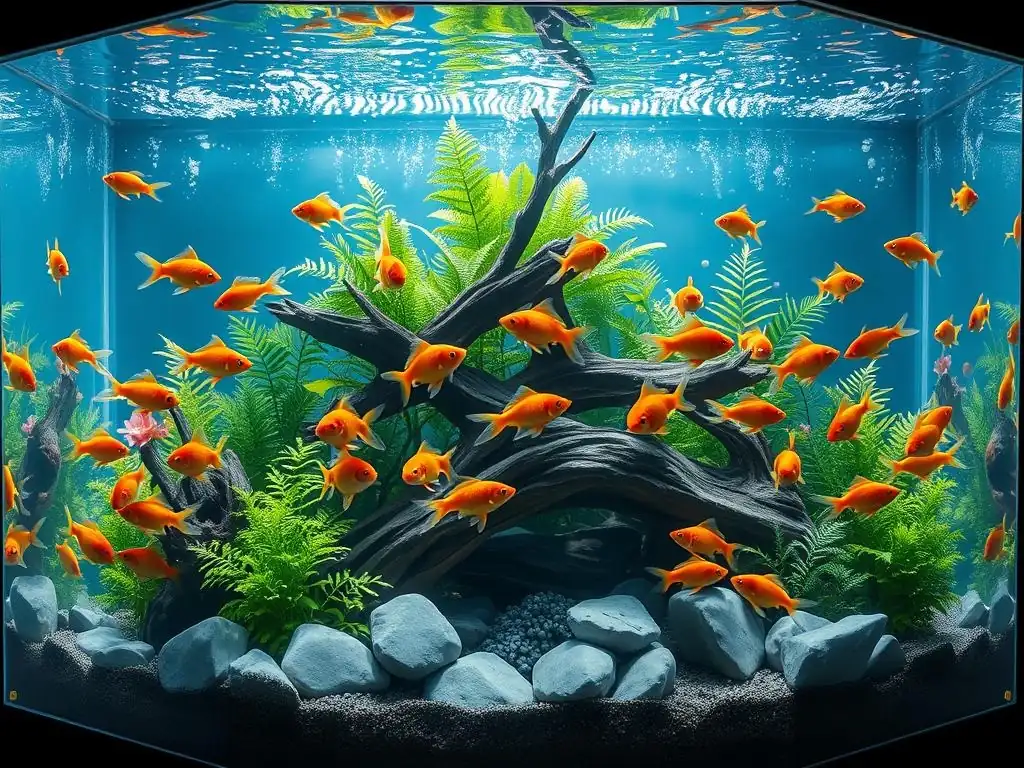
Ever dreamt of a thriving goldfish tank, sparkling with life? You're in the right place! Before diving into those alluring "goldfish starter kits," let's debunk some common myths and explore the essential elements of a healthy goldfish tank setup. Discover what really makes goldfish happy and how to avoid common pitfalls. Ready to create the perfect underwater paradise? Let's get started!
- The Truth About Healthy Goldfish Tank Setups: Separating Fact from Fiction
- Choosing the Right Goldfish Starter Kit: A Buyer's Guide
- Essential Components for a Healthy Goldfish Tank Setup
- Setting Up Your Goldfish Tank: A Step-by-Step Guide
- Maintaining a Healthy Goldfish Tank: Regular Care and Prevention
- Advanced Goldfish Keeping: Beyond the Basics
- Conclusion: Ensuring a Long and Happy Life for Your Goldfish
-
Frequently Asked Questions
- What are the biggest misconceptions about setting up a healthy goldfish tank?
- What size tank is truly necessary for a healthy goldfish tank setup, especially for fancy goldfish?
- What essential equipment should be included in a goldfish starter kit to ensure a healthy environment?
- How often should I perform water changes in a goldfish tank to maintain optimal water quality?
- What types of substrate and decorations are safe and suitable for a healthy goldfish tank setup?
- Final Reflection: A Thriving Ecosystem, Not Just a Bowl
- Dive Deeper into Goldfish Keeping!
The Truth About Healthy Goldfish Tank Setups: Separating Fact from Fiction
Why a Proper Goldfish Tank Setup is Crucial for Long-Term Health
A truly healthy goldfish tank setup is not merely a decorative addition to a home; it is a vital habitat that directly influences the longevity and quality of life for these fascinating fish. Goldfish, when provided with optimal conditions, can live for 10 to 15 years, with some common varieties exceeding 20 years and reaching lengths of 10-14 inches.
Sadly, many goldfish kept in inadequate environments, such as small bowls or undersized tanks, often succumb to health issues within months or just a couple of years, primarily due to stunted growth, organ damage, and chronic stress induced by poor water quality.
The consequences of an improper environment are severe and often irreversible. Fish in cramped, unfiltered spaces are constantly exposed to their own waste products, leading to ammonia and nitrite poisoning, which can burn their gills and internal organs. Furthermore, insufficient oxygen levels, common in small volumes of water, contribute to organ failure and a weakened immune system, making them highly susceptible to various diseases. A spacious, well-filtered, and stable environment is therefore paramount for preventing these ailments and ensuring a vibrant, healthy goldfish tank setup.
Common Goldfish Care Myths That Can Kill Your Fish
Myth 1: Goldfish Only Need a Small Bowl - The Reality of Goldfish Size & Space Needs
Perhaps the most pervasive and damaging myth about goldfish care is the notion that they thrive in small glass bowls. This misconception stems from outdated practices and marketing that portray goldfish as disposable, short-lived pets. In reality, goldfish are not naturally small or short-lived; their growth is often stunted in bowls, leading to internal organ damage even if their external size appears small. A common goldfish, for instance, can easily grow to over a foot in length, while fancy varieties like Orandas or Fantails can reach 6-8 inches.
Small bowls offer insufficient water volume for proper waste dilution, oxygen exchange, and stable temperatures. A single fancy goldfish requires a minimum of 20 gallons of water to thrive, with an additional 10 gallons needed for each subsequent fancy goldfish. For common or comet goldfish, which grow much larger, a minimum of 50-75 gallons for the first fish, followed by 20-30 gallons for each additional one, is essential for a truly healthy goldfish tank setup. Providing ample space is the foundation of their well-being.
Myth 2: All-In-One Kits Are Always the Best Choice - Knowing What to Look For
All-in-one aquarium starter kits are marketed for their convenience, bundling a tank, filter, and lighting into a single purchase. While appealing to beginners, many of these kits, especially those labeled for "goldfish," are woefully undersized for the long-term needs of these fish. It's common to find kits as small as 5 or 10 gallons, which are completely inadequate for even a single goldfish, leading to rapid water degradation and fish stress.
When considering an all-in-one kit, the critical factor is the tank size and the capacity of the included filtration system. A suitable kit for goldfish must offer at least 20 gallons for a single fancy goldfish and come with a robust filter capable of handling the significant bioload. Often, the filters provided in these kits are basic internal models that lack sufficient media volume for effective biological filtration. Therefore, while convenient, a careful evaluation of the kit's components is necessary to ensure it can support a healthy goldfish tank setup.
Myth 3: Goldfish Are Dirty Fish and Need Constant Cleaning - Understanding Biological Filtration
The stereotype that goldfish are "dirty" fish often leads to incorrect care practices, such as excessive tank cleaning that can disrupt the beneficial bacterial colonies crucial for a stable aquarium. While it's true that goldfish produce a substantial amount of waste due to their size and metabolism, this doesn't mean their tanks need scrubbing daily. Instead, it underscores the paramount importance of robust filtration and a well-established nitrogen cycle.
A properly cycled aquarium relies on beneficial bacteria that colonize filter media, substrate, and tank surfaces. These bacteria convert toxic ammonia (from fish waste and uneaten food) into less harmful nitrite, and then into even less harmful nitrate. This biological filtration system, once mature, efficiently processes waste, making the tank self-sustaining to a large degree. Regular, but not constant, water changes (e.g., 25-30% weekly) are then sufficient to remove accumulated nitrates and maintain pristine water quality, negating the need for continuous, disruptive cleaning and ensuring a healthy goldfish tank setup.
Choosing the Right Goldfish Starter Kit: A Buyer's Guide
Understanding Goldfish Needs: Size, Filtration, and Temperature
Before selecting any goldfish starter kit, a fundamental understanding of goldfish requirements is essential. As previously noted, tank size is paramount: a minimum of 20 gallons for a single fancy goldfish and significantly more for common varieties is a non-negotiable starting point. This generous space allows for proper growth, adequate swimming room, and crucial dilution of waste products, contributing directly to a healthy goldfish tank setup.
Beyond size, robust filtration is critical. Goldfish are heavy waste producers, necessitating a filter that can provide strong mechanical filtration (removing physical debris), effective chemical filtration (removing odors, discoloration, and some toxins), and, most importantly, substantial biological filtration (converting ammonia and nitrite). Finally, temperature stability is key; goldfish are coldwater fish, thriving in temperatures between 65-75°F (18-24°C). While they generally don't require a heater in a stable indoor environment, avoiding drastic temperature swings is vital for their immune system and overall well-being.
Types of Goldfish Starter Kits: Exploring Options and Their Suitability
Standard Glass Aquarium Kits: Pros, Cons, and Recommended Brands
Standard glass aquarium kits typically include a glass tank, a hood with integrated lighting, and often a basic hang-on-back (HOB) or internal filter. These kits are widely available and often represent the most cost-effective per-gallon option for larger tanks. Their primary advantages include durability, resistance to scratching, and a crystal-clear view of the aquatic environment. Glass tanks are also more rigid, maintaining their shape without bowing, and are generally easier to clean without fear of marring the surface.
However, standard glass kits also have some drawbacks. They are significantly heavier than their acrylic counterparts, making larger tanks challenging to move once filled. They are also more susceptible to breakage if dropped or impacted forcefully. While the included filter might suffice for initial setup, it often needs upgrading to handle the bioload of adult goldfish effectively. For a truly healthy goldfish tank setup, ensure the tank size is at least 20 gallons, and be prepared to invest in a more powerful filter if the included one is inadequate.
All-In-One Acrylic Aquarium Kits: Features, Benefits, and Potential Drawbacks
Acrylic aquarium kits, often referred to as "all-in-one" systems, are crafted from a specialized plastic that offers distinct benefits. These kits are significantly lighter than glass, making them easier to transport and set up. Acrylic is also more impact-resistant, less prone to shattering, and offers superior clarity, often appearing brighter than glass. Many acrylic all-in-one kits feature integrated filtration systems, where pumps and filter media compartments are cleverly hidden within the tank's back or bottom, providing a sleek, seamless look.
Despite their advantages, acrylic kits have notable drawbacks. They are considerably more expensive than comparable glass tanks. More critically, acrylic is highly susceptible to scratching, meaning even gentle cleaning with abrasive materials can cause permanent damage, clouding the view over time. While the integrated filtration can be convenient, its capacity may still be undersized for goldfish, requiring careful evaluation of flow rates and media volume to ensure it can maintain a healthy goldfish tank setup.
Specialized Goldfish Tank Kits: Are They Worth the Investment?
Some manufacturers offer "specialized goldfish tank kits" that are specifically marketed towards goldfish enthusiasts. These kits might feature larger tank sizes than typical starter kits (e.g., 30-40 gallons), more robust filtration systems, or unique aesthetic designs tailored to complement goldfish. The intention behind these kits is to provide a more appropriate and comprehensive setup for goldfish right out of the box, addressing some of the common shortcomings of generic starter kits.
The value of specialized goldfish tank kits can vary significantly. While they often represent a step up from basic kits, their premium price tag should be carefully considered against their actual components. It's crucial to verify that the tank size genuinely meets the needs of your specific goldfish variety and that the filtration system is genuinely powerful enough to manage their bioload. Sometimes, it might be more cost-effective and allow for greater customization to purchase a standard large tank and select a high-quality filter and lighting separately, ensuring a truly optimal and healthy goldfish tank setup.
Essential Components for a Healthy Goldfish Tank Setup
The Importance of Filtration: Selecting the Right Filter for Goldfish
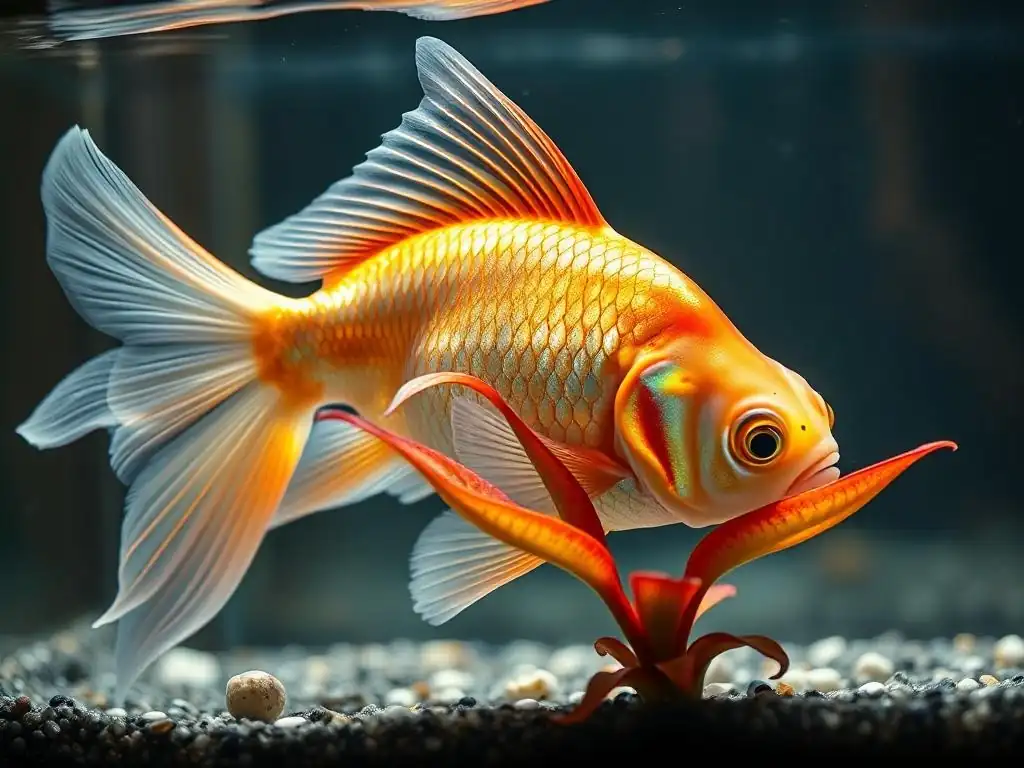
Filtration is arguably the single most critical component of a healthy goldfish tank setup, given their significant bioload. Without adequate filtration, the water quickly becomes toxic with ammonia and nitrite, leading to stress, disease, and ultimately, the demise of the fish. A robust filtration system performs three essential functions: mechanical filtration removes physical debris like uneaten food and waste; chemical filtration removes dissolved pollutants, odors, and discoloration; and biological filtration, the most vital, converts harmful nitrogenous compounds into less toxic nitrates.
For goldfish, the filtration capacity should ideally be rated for 2-3 times the actual tank volume to effectively manage their waste production. This means if you have a 30-gallon tank, aim for a filter rated for 60-90 gallons. Investing in a high-quality filter with ample space for biological media (like ceramic rings or bio-balls) is paramount. It ensures stable water parameters, reduces the frequency of emergency water changes, and provides a consistently clean and safe environment for your goldfish to thrive.
Internal Filters: Ideal for Smaller Tanks?
Internal filters are compact units that are fully submerged within the aquarium. They typically consist of a pump, a sponge for mechanical filtration, and sometimes a small amount of activated carbon for chemical filtration. These filters are often included in smaller starter kits due to their low cost and ease of installation. They can be suitable for very small tanks (e.g., 5-10 gallons, though not recommended for goldfish) or as supplemental filtration in larger setups.
However, for goldfish, internal filters are generally insufficient as the primary filtration method. Their small size limits the amount of filter media they can hold, significantly reducing their capacity for biological filtration, which is crucial for managing goldfish waste. While they provide some mechanical cleaning, they struggle to process the high levels of ammonia and nitrite produced by goldfish, making them a poor choice for establishing and maintaining a healthy goldfish tank setup.
Hang-On-Back (HOB) Filters: A Versatile Choice
Hang-on-back (HOB) filters, also known as power filters, are a popular and versatile choice for many aquarists, particularly for tanks ranging from 10 to 75 gallons. These filters hang on the back rim of the aquarium, drawing water up an intake tube, through various filter media (mechanical sponges/floss, chemical carbon, and biological bio-media), and then returning the cleaned water to the tank via a waterfall effect. HOB filters are relatively easy to install, provide good flow rates, and offer customizable media compartments.
For a healthy goldfish tank setup, HOB filters are often an excellent primary filtration option. Many models offer sufficient space for a decent amount of biological media, which is crucial for processing goldfish bioload. They are generally reliable, quiet, and their external placement means they don't take up valuable space inside the tank. When selecting an HOB filter for goldfish, opt for one rated for a tank size significantly larger than your actual tank (e.g., a 40-gallon rated filter for a 20-gallon goldfish tank).
Canister Filters: For Larger, Heavily Stocked Tanks
Canister filters are external, self-contained filtration units that sit below or beside the aquarium, connected by intake and output hoses. They represent the pinnacle of filtration for freshwater aquariums, offering superior capacity for all three types of filtration: mechanical, chemical, and biological. Canister filters typically feature multiple media baskets, allowing for extensive customization with a wide variety of filter media, providing a massive surface area for beneficial bacteria.
These filters are the ideal choice for larger goldfish tanks (e.g., 50 gallons and above) or heavily stocked setups. Their powerful pumps ensure high flow rates, and their large media volume means less frequent cleaning and more stable water parameters. While canister filters are typically more expensive than HOB or internal filters, their robust performance, quiet operation, and less intrusive appearance make them an excellent long-term investment for maintaining a consistently pristine and healthy goldfish tank setup.
Heating and Temperature Control: Maintaining a Stable Environment
Why Goldfish Don't Need a Heater (Usually)
Goldfish are classified as coldwater fish, meaning they naturally thrive in cooler temperatures compared to most tropical species. Their ideal temperature range is generally between 65-75°F (18-24°C). In most indoor household environments, room temperature typically falls within or very close to this range, making an aquarium heater largely unnecessary for goldfish. Providing a consistent room temperature is often sufficient to maintain their preferred environment without additional heating.
Furthermore, introducing an unnecessary heater can sometimes be detrimental. If the heater malfunctions or is set too high, it can quickly raise the water temperature beyond a goldfish's comfortable range, leading to stress, decreased oxygen levels, and increased susceptibility to disease. The primary goal is temperature stability, not necessarily warmth. As long as the room temperature remains consistent and within the goldfish's acceptable range, the absence of a heater contributes to a naturally healthy goldfish tank setup.
When a Heater is Necessary: Managing Temperature Fluctuations
While not typically required, there are specific circumstances where a heater becomes a crucial component for a healthy goldfish tank setup. If your home experiences significant and rapid temperature fluctuations (e.g., drops below 60°F or rises above 78°F due to seasonal changes or inconsistent climate control), a heater can provide the necessary stability. Wild temperature swings are far more stressful and dangerous for goldfish than a consistently cooler, but stable, environment.
A heater is also indispensable when treating certain goldfish diseases, such as Ich (white spot disease). Many treatments for Ich involve slowly raising the tank temperature to 80-82°F (27-28°C) to accelerate the parasite's life cycle, making it more vulnerable to medication. In these instances, a reliable, adjustable heater is vital for precise temperature control, ensuring the effectiveness of the treatment while minimizing stress on the fish.
Lighting for Goldfish Tanks: Enhancing Appearance and Supporting Plant Growth (Optional)
LED Lighting: Energy-Efficient and Versatile
Modern aquarium lighting has largely shifted towards LED (Light Emitting Diode) technology due to its numerous advantages. LED lights are remarkably energy-efficient, consuming significantly less power than traditional fluorescent bulbs, which translates to lower electricity bills. They also boast an impressively long lifespan, often lasting 50,000 hours or more, virtually eliminating the need for frequent bulb replacements. Many LED fixtures offer customizable color spectrums, allowing aquarists to adjust the light to enhance the vibrant colors of their goldfish and decorations.
For a healthy goldfish tank setup, lighting serves primarily aesthetic and, optionally, biological purposes. A good LED light will beautifully illuminate your fish, making their scales shimmer and their colors pop. If you plan to incorporate live plants, specific full-spectrum LED lights with adequate PAR (Photosynthetically Active Radiation) are necessary to support plant photosynthesis and growth. Establishing a consistent light cycle, typically 8-10 hours per day, is crucial for the fish's natural rhythm and overall tank health.
The Role of Lighting in Algae Control
While lighting enhances the visual appeal of a goldfish tank, it also plays a significant role in algae management. Excessive lighting, either in duration or intensity, is one of the primary culprits behind unsightly algae blooms. Algae, being photosynthetic organisms, thrive on light and available nutrients (like nitrates). If the light is left on for too long (e.g., 12-14+ hours a day) or is too powerful for a tank without sufficient plant mass to compete for nutrients, algae can quickly take over surfaces, decorations, and even the water itself.
To effectively control algae and maintain a clean, healthy goldfish tank setup, it's essential to regulate your lighting. Using a timer to ensure a consistent 8-10 hour photoperiod is highly recommended. Adjusting the intensity of your LED lights, if possible, can also help. Balancing light levels with the tank's nutrient load (through regular water changes) and the presence of live plants (which outcompete algae) will significantly contribute to a clear, algae-free environment, allowing the beauty of your goldfish to shine.
Substrate Selection: Gravel vs. Sand vs. Bare Bottom
Gravel: Pros, Cons, and Cleaning Tips
Gravel is a traditional and widely available substrate option for aquariums, coming in a vast array of colors and sizes. Its primary advantages include providing a stable base for live plants (if used), offering surface area for beneficial bacteria to colonize, and being relatively easy to siphon clean. When performing water changes, a gravel vacuum can be used to penetrate the substrate and remove trapped detritus and uneaten food, which if left to decompose, can negatively impact water quality.
However, gravel also presents some cons, particularly for goldfish. Fine gravel can trap a significant amount of waste deep within the bed, leading to the formation of anaerobic (oxygen-deprived) pockets that produce harmful gases. More critically, goldfish, especially fancy varieties, are natural bottom-sifters and may accidentally ingest small pieces of gravel while foraging, leading to potentially fatal impaction. If using gravel for a healthy goldfish tank setup, opt for larger, smooth pebbles (at least 5mm) that are too big for them to swallow, and ensure thorough gravel vacuuming during weekly maintenance.
Sand: Creating a Natural-Looking Environment
Sand has become an increasingly popular substrate choice for goldfish tanks, largely due to its natural aesthetic and benefits for the fish. Fine sand mimics the natural riverbeds and pond bottoms where goldfish originate, allowing them to engage in their natural sifting and foraging behaviors without the risk of impaction. Waste tends to sit on top of the sand rather than sinking deep into it, making it easier to siphon during water changes and reducing the risk of anaerobic zones.
Despite its benefits, sand does have some drawbacks. It can compact over time, which may require occasional gentle stirring to prevent dead spots, though this is less of a concern with active goldfish sifting. Siphoning sand requires a slightly different technique than gravel; you'll need to hover the vacuum just above the sand to lift debris without sucking up too much sand itself. Overall, for a healthy goldfish tank setup that encourages natural behaviors and minimizes impaction risk, sand is often the preferred substrate choice.
Bare Bottom Tanks: A Practical Option for Easy Cleaning
A bare bottom tank, as the name suggests, has no substrate at all, leaving the glass bottom exposed. This setup is gaining traction among some goldfish keepers, particularly those with large, heavily stocked tanks or those focusing on breeding or quarantine. The primary advantage of a bare bottom tank is unparalleled ease of cleaning. All fish waste, uneaten food, and detritus are immediately visible and can be quickly siphoned out during daily or regular maintenance, ensuring pristine water quality.
While highly practical for cleanliness, bare bottom tanks do have some aesthetic and potential behavioral considerations. Some aquarists find them less visually appealing, as they lack the natural look provided by substrate. Additionally, while beneficial bacteria will colonize the filter media and tank surfaces, the absence of substrate means less overall surface area for bacterial growth, placing more reliance on the filter. For hospital tanks or situations where meticulous cleanliness is paramount, a bare bottom tank offers the most straightforward path to maintaining a healthy goldfish tank setup.
Setting Up Your Goldfish Tank: A Step-by-Step Guide
Preparing Your Tank: Cleaning and Placement
The first step in establishing a healthy goldfish tank setup is thorough preparation. Begin by cleaning the aquarium itself. Rinse the tank thoroughly with plain water only; never use soaps, detergents, or chemical cleaners, as their residues can be toxic to fish. Use a clean, dedicated cloth or sponge. Once clean, decide on the tank's permanent location. Choose a sturdy, level surface capable of supporting the immense weight of a filled aquarium (water weighs approximately 8.3 pounds per gallon, plus the weight of the tank, substrate, and decor).
Position the tank away from direct sunlight, which can cause excessive algae growth and temperature fluctuations. Also, avoid placement near drafts, heating vents, or air conditioning units for temperature stability. Ensure there is adequate access around the tank for future maintenance, including water changes and filter cleaning. For example, a 20-gallon tank will weigh over 200 pounds when full, while a 50-gallon tank can exceed 500 pounds, making proper, permanent placement crucial from the outset.
Installing the Filter, Heater, and Lighting
With the tank cleaned and positioned, it's time to install the essential equipment. Begin with the filter; whether it's an HOB, internal, or canister filter, follow the manufacturer's instructions carefully for assembly and placement. Ensure the filter intake is positioned to draw water efficiently and the outflow creates good circulation throughout the tank. If using a heater, place it in an area with good water flow, typically near the filter's output, to ensure even heat distribution. Do not plug in the heater until the tank is full of water.
Next, install your lighting fixture. Mount it securely over the tank, ensuring it is stable and positioned to provide even illumination. Always create a "drip loop" with all electrical cords – a low point in the cord below the outlet level – to prevent any water that might run down the cord from reaching the electrical outlet. Double-check all connections and ensure all equipment is correctly installed before proceeding to fill the tank, laying the groundwork for a safe and healthy goldfish tank setup.
Adding Substrate, Decorations, and Plants (Optional)
If you've chosen to use a substrate, such as gravel or sand, it must be thoroughly rinsed before being added to the tank. Place the substrate in a clean bucket and rinse it repeatedly with tap water until the water runs completely clear. Then, carefully add a layer of 1-3 inches to the bottom of the tank. Next, introduce your decorations.
Rinse all ornaments, rocks, and driftwood with plain water to remove any dust or debris. Arrange them to create aesthetically pleasing landscapes, providing hiding spots and visual interest for your goldfish. Ensure all decorations are aquarium-safe and have no sharp edges that could injure your fish.
If you plan to incorporate live plants, gently plant them into the substrate. For artificial plants, simply place them as desired. Consider the future growth of plants and how they will interact with your goldfish's swimming space. This stage allows you to finalize the visual appeal and functional layout of your healthy goldfish tank setup before introducing water.
Cycling Your Tank: Establishing a Healthy Biological Filter
Tank cycling is the single most critical step in establishing a healthy goldfish tank setup. This process involves cultivating beneficial bacteria colonies that convert highly toxic fish waste products (ammonia) into less harmful nitrite, and then into relatively harmless nitrate. Without a fully cycled tank, fish will suffer from "new tank syndrome," which is characterized by lethal levels of ammonia and nitrite, leading to severe stress, organ damage, and often death.
The cycling process can take anywhere from 4 to 8 weeks through traditional methods, or less with the aid of bottled bacteria. During this period, no fish should be present in the tank. Instead, a source of ammonia is introduced (either pure ammonia or fish food) to feed the developing bacterial colonies. Patience during this stage is paramount; rushing it will inevitably lead to problems once fish are introduced, undermining all efforts to create a stable and healthy goldfish tank setup.
Using Ammonia: The Traditional Cycling Method
The fishless cycling method using pure ammonia is a reliable and humane way to cycle a new tank. To begin, add a small amount of pure ammonia (ensure it contains no surfactants or perfumes) to the tank to achieve a concentration of 2-4 parts per million (ppm). Use a liquid-based aquarium test kit to monitor ammonia, nitrite, and nitrate levels daily. Initially, ammonia levels will rise. As nitrifying bacteria (Nitrosomonas) establish, they will convert ammonia into nitrite, causing nitrite levels to rise while ammonia begins to drop.
Subsequently, a second type of bacteria (Nitrobacter) will convert nitrite into nitrate, leading to a drop in nitrite levels and a rise in nitrate. The tank is fully cycled when both ammonia and nitrite consistently read 0 ppm within 24 hours of adding another dose of ammonia. At this point, a large water change (50-75%) should be performed to reduce nitrates before introducing fish, ensuring a safe and healthy goldfish tank setup from the start.
Using Bottled Bacteria: A Faster Cycling Option
For aquarists seeking a quicker path to a healthy goldfish tank setup, bottled beneficial bacteria products offer a viable alternative to traditional cycling. These products contain live or dormant cultures of the nitrifying bacteria necessary for the nitrogen cycle. When added to a new tank, they can significantly accelerate the cycling process, potentially reducing the time required from weeks to just a few days or one to two weeks.
To use bottled bacteria, follow the product's instructions carefully, which often involve adding the bacteria along with a small source of ammonia (e.g., a pinch of fish food or a measured dose of pure ammonia) to kickstart the process. While these products can be effective, it's still crucial to monitor your water parameters (ammonia, nitrite, nitrate) daily using a reliable test kit to confirm that the cycle has indeed completed before adding any goldfish. Not all bottled bacteria products are equally potent, so vigilance remains key.
Introducing Your Goldfish: Acclimation and Observation
Once your tank is fully cycled and water parameters are stable, the exciting step of introducing your goldfish can begin. Proper acclimation is crucial to minimize stress on the fish, which can be caused by sudden changes in water temperature and chemistry. Start by floating the sealed bag containing your goldfish in the aquarium for 15-20 minutes. This allows the water temperature in the bag to gradually equalize with the tank water, preventing thermal shock.
After temperature equalization, open the bag and, over the next 30-60 minutes, slowly add small amounts of tank water into the bag every 10-15 minutes. This gradual mixing helps the fish adjust to the tank's water chemistry (pH, hardness, etc.).
Once acclimated, gently net the goldfish from the bag and release them into the tank, discarding the bag water (never add it directly to your aquarium, as it may contain pathogens or undesirable chemicals). Observe your new additions closely for the first few days for any signs of stress or disease, ensuring they settle comfortably into their healthy goldfish tank setup.
Maintaining a Healthy Goldfish Tank: Regular Care and Prevention
Water Changes: Frequency and Amount
Regular water changes are the cornerstone of maintaining a healthy goldfish tank setup. Goldfish are heavy bioload producers, meaning they excrete a significant amount of waste, which, even with excellent filtration, leads to the accumulation of nitrates. While nitrates are less toxic than ammonia or nitrite, high levels (above 20-40 ppm) can still cause stress, suppress the immune system, and contribute to algae growth. For a properly stocked and filtered tank, a weekly water change of 25-30% of the total tank volume is generally recommended.
In cases of overstocking, inadequate filtration, or for larger, messier goldfish, more frequent or larger water changes (e.g., 50% twice a week) may be necessary. The purpose of water changes is twofold: to dilute and remove accumulated nitrates and other dissolved organic compounds, and to replenish essential minerals and trace elements that are depleted over time. Always use a high-quality water conditioner/dechlorinator to neutralize chlorine and chloramines in tap water before adding it to the tank. Consistency in water changes is the single most impactful maintenance task for long-term goldfish health.
Using a Siphon: Efficient Water Changes
An aquarium siphon, often called a gravel vacuum, is an indispensable tool for efficient water changes and tank cleaning. It allows you to simultaneously remove old tank water while siphoning out accumulated detritus and uneaten food from the substrate. To use it, submerge the wide end of the siphon into the tank and initiate water flow (usually by shaking it up and down or using a built-in pump) until water begins to flow into a bucket placed below the tank.
For gravel substrates, plunge the wide tube into the gravel, allowing the water flow to lift and clean the debris while leaving the heavier gravel behind. For sand substrates, hover the siphon just above the sand to pick up surface detritus without sucking up too much sand. For bare bottom tanks, simply siphon visible waste directly from the tank floor. This method ensures that your water changes are not just about diluting nitrates but also about physically removing solid waste, contributing significantly to a healthy goldfish tank setup.
Testing Your Water: Monitoring Ammonia, Nitrite, and Nitrate Levels
Regular water testing is non-negotiable for maintaining a healthy goldfish tank setup. It provides crucial insights into the effectiveness of your filtration and maintenance routine. Ammonia and nitrite levels should always read 0 parts per million (ppm) in a cycled tank. Any detectable levels indicate a problem with your biological filtration or overstocking, and require immediate attention (e.g., a large water change). Nitrate levels, the end product of the nitrogen cycle, should ideally be kept below 20 ppm, and certainly no higher than 40 ppm.
Consistent monitoring helps you identify potential problems before they become critical. High nitrates, for example, signal that your water change schedule may not be sufficient for your tank's bioload. By regularly testing, you gain the data needed to make informed adjustments to your feeding, water change frequency, or filtration, ensuring that the water chemistry remains optimal for your goldfish's health and well-being.
Using a Test Kit: Understanding Water Chemistry
To accurately monitor your water parameters, a liquid-based master test kit is highly recommended over test strips, which can be less precise and have a shorter shelf life. A comprehensive kit typically includes tests for pH, ammonia, nitrite, and nitrate. The process usually involves collecting a water sample from your tank, adding specific reagent drops to the sample, and then comparing the resulting color to a provided color chart to determine the concentration of each parameter.
It's beneficial to record your test results in a logbook or digital spreadsheet over time. This allows you to track trends in your water chemistry, identify patterns, and quickly pinpoint when parameters are deviating from ideal levels. Understanding these readings empowers you to take corrective action promptly, whether it's increasing water change frequency, adjusting feeding amounts, or addressing filtration issues, all of which are vital for sustaining a healthy goldfish tank setup.
Feeding Your Goldfish: Choosing the Right Food and Avoiding Overfeeding
Proper nutrition is fundamental to a healthy goldfish tank setup. Goldfish are omnivores and require a varied, balanced diet to thrive. Overfeeding is a common mistake that leads to poor water quality and digestive issues in fish. A general rule of thumb is to feed only what your goldfish can consume entirely within 1-2 minutes, two to three times a day. Uneaten food quickly decomposes, releasing ammonia and contributing to cloudy water and algae growth.
Choosing the right type of food is also critical. While many options are available, selecting high-quality, goldfish-specific formulations is essential. Avoid generic fish foods or those designed for tropical fish, as their nutritional profiles may not be suitable for goldfish. A balanced diet not only promotes vibrant colors and strong growth but also bolsters the goldfish's immune system, making them more resilient to disease.
Flake Food: A Staple Diet Option
Flake food is a common and convenient staple for many aquarium fish, including goldfish. When selecting flake food, choose a high-quality brand specifically formulated for goldfish. These typically have a lower protein content and higher vegetable matter than tropical fish flakes, aligning better with a goldfish's dietary needs. Flakes are easy to store and administer, making them a popular choice for daily feeding.
However, flake food can sometimes pose issues for goldfish. Due to their tendency to gulp air at the surface while eating flakes, goldfish can ingest air along with their food, potentially leading to swim bladder issues. Additionally, flakes can expand significantly once ingested, which can also contribute to digestive discomfort. To mitigate these risks, it's advisable to pre-soak flakes in a small amount of tank water for a minute or two before feeding, allowing them to soften and absorb water. This small step can significantly contribute to a healthy goldfish tank setup by preventing common digestive problems.
Pellet Food: Promoting Growth and Color
Pellet food is generally considered a superior primary diet for goldfish compared to flakes, particularly sinking pellets. Sinking pellets encourage goldfish to forage naturally at the bottom of the tank, reducing the likelihood of them gulping air at the surface and minimizing the risk of swim bladder disorders. High-quality goldfish pellets are formulated with balanced nutrition, often containing ingredients that enhance color and promote healthy growth.
Pellets come in various sizes; choose one appropriate for the size of your goldfish to ensure they can easily consume it. Like flakes, it's beneficial to pre-soak pellets for a few minutes before feeding, as they can also expand after ingestion. Feeding small amounts multiple times a day is better than one large feeding, as it aids digestion and helps maintain water quality. A consistent diet of quality pellets is a key component of a healthy goldfish tank setup.
Supplementing with Vegetables: Offering a Varied Diet
While commercial flake or pellet foods provide foundational nutrition, supplementing your goldfish's diet with fresh vegetables offers a wider range of vitamins, minerals, and fiber, greatly enhancing their overall health and vitality. Goldfish are omnivores and will readily accept a variety of blanched vegetables. Excellent options include shelled peas (which are particularly good for aiding digestion and treating swim bladder issues), blanched spinach, zucchini slices, or small pieces of broccoli florets.
To prepare vegetables, simply blanch them in boiling water for a minute or two until they soften, then let them cool completely before offering them to your fish. Remove any uneaten vegetable matter after a few hours to prevent it from decomposing and fouling the water. A varied diet strengthens the goldfish's immune system, improves digestion, and provides mental stimulation, all contributing significantly to a vibrant and healthy goldfish tank setup.
Preventing and Treating Common Goldfish Diseases
The best approach to managing goldfish diseases is prevention. A consistently healthy goldfish tank setup—characterized by pristine water quality, a balanced and nutritious diet, and minimal stress—is the most effective defense against illness. Regularly performing water changes, monitoring parameters, and feeding appropriately will naturally boost your goldfish's immune system. Additionally, quarantining new fish for 2-4 weeks in a separate tank before introducing them to your main display tank is a critical preventative measure to avoid introducing pathogens.
Despite best efforts, diseases can sometimes occur. Early detection is key to successful treatment. Observe your goldfish daily for any changes in behavior (e.g., lethargy, flashing, hiding), appetite, appearance (e.g., clamped fins, white spots, frayed fins, bloating), or breathing patterns. Having a basic first-aid kit on hand, including aquarium salt and a broad-spectrum medication, can be invaluable for prompt intervention. Prompt diagnosis and treatment can often save your fish and prevent the spread of disease within your healthy goldfish tank setup.
Ich (White Spot Disease): Identification and Treatment
Ich, or White Spot Disease, is one of the most common and recognizable parasitic infections in freshwater aquariums, including goldfish tanks. It is caused by the parasite Ichthyophthirius multifiliis and typically manifests as small, white spots resembling grains of salt scattered across the fish's body, fins, and gills. Infected fish may also show signs of irritation, such as flashing (rubbing against tank objects), clamped fins, and labored breathing. Ich outbreaks are often triggered by stress, poor water quality, or sudden temperature fluctuations.
Treatment for Ich typically involves a multi-pronged approach. Slowly raising the tank temperature to 80-82°F (27-28°C) over 24-48 hours can accelerate the parasite's life cycle, making it more vulnerable to medication. Adding aquarium salt (non-iodized, e.g., 1-3 teaspoons per gallon, dissolved first) can also be effective, as it disrupts the parasite's osmotic balance. For severe cases, Ich-specific medications are available, but always follow package directions carefully. Increase aeration during treatment, as higher temperatures reduce dissolved oxygen, ensuring your healthy goldfish tank setup remains viable during recovery.
Fin Rot: Causes, Symptoms, and Remedies
Fin rot is a common bacterial infection that affects the fins and tail of goldfish. It is typically caused by poor water quality (especially high ammonia or nitrite), overcrowding, stress, bullying from tank mates, or physical injury that allows opportunistic bacteria to attack. Symptoms include the edges of the fins appearing frayed, ragged, or disintegrating, often with a milky white or reddish discoloration along the affected areas. In severe cases, the fins can completely rot away, exposing the fin rays.
The primary remedy for fin rot is immediate and drastic improvement of water quality. Perform a large water change (50% or more) and then commit to daily or every-other-day water changes to maintain pristine conditions. Ensure your filtration system is functioning optimally. Mild cases of fin rot will often resolve with just consistent, clean water. For more severe or persistent infections, a broad-spectrum antibacterial medication specifically designed for aquarium fish may be necessary. Addressing the underlying cause (e.g., overcrowding, poor filtration) is crucial for a lasting healthy goldfish tank setup.
Swim Bladder Disorder: Understanding the Causes and Providing Supportive Care
Swim bladder disorder is a common ailment in goldfish, particularly in fancy varieties with rounder bodies. It affects the fish's ability to control its buoyancy, leading to symptoms such as floating upside down, sinking to the bottom, or struggling to swim upright. The swim bladder is an internal organ that helps fish regulate their position in the water column. This disorder is often caused by dietary issues (e.g., constipation from dry, expanding foods, or too much air ingested during feeding), poor water quality, genetic predispositions, or internal infections.
Supportive care for swim bladder disorder often begins with dietary adjustments. Fast the affected goldfish for 2-3 days to clear its digestive tract. Then, offer blanched and shelled peas as the first food; the fiber in peas can help alleviate constipation. Ensure water quality is impeccable, as stress from poor water can exacerbate the condition.
For severe cases, placing the fish in a very shallow hospital tank (just enough water to cover its dorsal fin) can reduce the effort required for swimming, providing relief. While some cases are treatable, others, particularly those with genetic or severe organ damage, may be chronic or incurable. Maintaining a high-fiber diet and excellent water quality are key preventative measures for a healthy goldfish tank setup.
Advanced Goldfish Keeping: Beyond the Basics
Breeding Goldfish: Creating the Ideal Conditions
Breeding goldfish in a home aquarium can be a rewarding, albeit challenging, endeavor that goes beyond the basics of maintaining a healthy goldfish tank setup. Successful breeding requires specific environmental cues and conditions to induce spawning. Typically, a large tank (75 gallons or more) with excellent filtration is needed to accommodate the breeding adults and eventually, the multitude of fry. A varied, high-quality diet for the parent fish is also crucial to ensure they are in peak breeding condition.
To simulate natural spawning triggers, many aquarists employ a "wintering" period, where tank temperatures are gradually lowered to 50-60°F (10-15°C) for several weeks, followed by a slow, gradual increase to 68-72°F (20-22°C) to mimic the arrival of spring. Providing spawning mops or dense, fine-leaved plants (like Java moss or hornwort) gives the fish a place to deposit their adhesive eggs. After spawning, it's essential to remove the adult goldfish, as they will readily consume their own eggs. Raising goldfish fry requires specialized tiny foods and meticulous, frequent water changes to ensure their survival and healthy development.
Planting Your Goldfish Tank: Choosing Goldfish-Safe Plants
Integrating live plants into a goldfish tank can enhance its aesthetic appeal and contribute to a healthy goldfish tank setup by absorbing nitrates and providing natural enrichment. However, goldfish are notorious plant eaters and can quickly decimate many plant species. Therefore, choosing hardy, fast-growing, or unpalatable plants is essential. Ideal choices include tough, broad-leaved plants like Anubias species (which should be attached to driftwood or rocks, not planted in substrate), Java Fern (also attached to decor), and some Cryptocoryne species.
Fast-growing stem plants like Hornwort or Water Wisteria can also work, provided they are heavily planted and the goldfish are well-fed. Floating plants can offer shade and nutrient absorption, but may also be nibbled. Ensure that any plants introduced are free of pesticides or snail eggs. Even with "goldfish-safe" plants, some nibbling is inevitable. Providing ample alternative food sources can sometimes reduce the temptation to graze on plants, helping to maintain both your aquascape and a vibrant, healthy goldfish tank setup.
Co-Existing Species (Carefully): Tank Mates for Goldfish (Use with Caution!)
While goldfish are generally best kept with other goldfish of similar size and temperament, some aquarists consider introducing other species as tank mates. This decision requires extreme caution and a thorough understanding of species compatibility, as most tropical fish are unsuitable due to differing temperature and water parameter requirements. If considering tank mates, always prioritize the goldfish's needs and ensure the tank is significantly large enough to accommodate all inhabitants without overcrowding.
Potential tank mates, used with extreme caution due to specific needs or potential issues, include White Cloud Mountain Minnows (which can tolerate cooler temperatures but are much smaller and might get outcompeted for food), Rosy Barbs (can be nippy but generally tolerate similar conditions), or Bristlenose Plecos (a bottom-dweller that needs specific diets and a large enough tank). Never house goldfish with aggressive fish or those that require high temperatures.
Constant observation of interactions is critical, and be prepared to separate fish if aggression, stress, or competition for food becomes an issue, ensuring the continued well-being of your healthy goldfish tank setup.
Conclusion: Ensuring a Long and Happy Life for Your Goldfish
Investing in Quality Equipment and Proper Care Pays Off
Establishing and maintaining a healthy goldfish tank setup requires an initial investment in quality equipment and a commitment to consistent care. While the upfront cost for a suitably sized tank, robust filtration, and essential accessories might seem significant compared to a small, cheap bowl, it is an investment that pays dividends in the long-term health, vitality, and longevity of your goldfish. Inadequate setups invariably lead to constant struggles with water quality, frequent fish illnesses, and ultimately, a shortened lifespan for your fish, turning what should be a rewarding hobby into a source of frustration.
Conversely, a well-planned and properly maintained aquarium provides a stable, thriving environment where goldfish can truly flourish, exhibiting their natural behaviors and vibrant colors. Consistent, proactive care – including regular water changes, appropriate feeding, diligent water parameter monitoring, and prompt attention to any signs of distress – is the bedrock of preventing most common issues. This holistic approach ensures that your goldfish not only survive but truly thrive, providing years of enjoyment and a fulfilling experience for the aquarist.
Resources for Further Learning and Support.
The journey of maintaining a healthy goldfish tank setup is one of continuous learning and adaptation. The world of aquarium keeping is vast and ever-evolving, with new insights and products constantly emerging. To ensure you remain well-informed and capable of addressing any challenges that may arise, actively seeking out further learning and support is highly recommended. Reputable online forums and communities, where experienced aquarists share their knowledge and troubleshoot problems, can be invaluable resources for specific advice and real-world solutions.
Websites dedicated to aquarium care, such as AquariumMastery.com, offer detailed articles and guides covering various aspects of fish keeping, from water chemistry to species-specific care. Additionally, building a relationship with a knowledgeable local fish store can provide access to expert advice, quality products, and healthy livestock. Embracing this continuous learning and leveraging available resources will empower you to provide the best possible care for your goldfish, ensuring they lead long, happy, and vibrant lives in their optimal environment.
Frequently Asked Questions
What are the biggest misconceptions about setting up a healthy goldfish tank?
Many believe goldfish can thrive in small bowls. The truth is they require much larger tanks with proper filtration to maintain water quality and prevent ammonia buildup. Another misconception is that goldfish are low maintenance; they are not!
What size tank is truly necessary for a healthy goldfish tank setup, especially for fancy goldfish?
The general rule is a minimum of 20 gallons for the first goldfish and 10 gallons for each additional one. Fancy goldfish, being larger and producing more waste, often need even more space, ideally 30 gallons for the first and 15 gallons thereafter.
What essential equipment should be included in a goldfish starter kit to ensure a healthy environment?
A healthy goldfish tank needs a powerful filter capable of handling the bioload, a heater (for maintaining consistent temperatures if needed, although goldfish prefer cooler water), and a reliable test kit to monitor water parameters.
How often should I perform water changes in a goldfish tank to maintain optimal water quality?
Regular water changes are crucial. Aim for 25-50% water changes weekly to remove nitrates and other waste products. The frequency might need adjusting based on the size of the tank and the number of goldfish.
What types of substrate and decorations are safe and suitable for a healthy goldfish tank setup?
Opt for smooth gravel or sand as substrate to prevent injury. Decorations should be smooth and free of sharp edges. Avoid anything that could leach harmful chemicals into the water, focusing on aquarium-safe materials.
Final Reflection: A Thriving Ecosystem, Not Just a Bowl
The journey to understanding the needs of goldfish, as we've explored, is far more intricate than the image often portrayed. The myth of the simple goldfish bowl persists, but the reality is that a healthy goldfish tank setup is a commitment to creating a thriving aquatic ecosystem. This understanding is more crucial now than ever, as awareness grows regarding responsible pet ownership and the ethical treatment of all living creatures.
This article has hopefully illuminated the path towards providing goldfish with the space and conditions they deserve. The impact of informed choices on the lives of these often-misunderstood creatures is profound, transforming them from short-lived novelties into vibrant, long-lived companions. The greatness of a nation and its moral progress can be judged by the way its animals are treated.
- Mahatma Gandhi. This quote, though broad, resonates deeply when considering the responsibility we undertake when bringing any animal into our lives, including the humble goldfish.
So, as you consider or reconsider your own approach to goldfish keeping, I urge you to reflect on the principles we've discussed. Don't fall prey to the outdated notion of the disposable pet. Instead, embrace the opportunity to create a miniature underwater world where your goldfish can flourish. By providing a healthy goldfish tank setup, you're not just keeping a pet alive; you're fostering a life, and that's a responsibility worth celebrating.
Dive Deeper into Goldfish Keeping!
Thanks for exploring the world of goldfish keeping with us! We hope this article has equipped you with the knowledge to create a thriving environment for your finned friends. Now, let's put that knowledge into action:
- Start planning your perfect goldfish aquarium today! Research appropriate tank sizes based on the goldfish species you plan to keep.
- Share your biggest goldfish keeping takeaway on social media using #AquariumMastery – let's build a community of thriving goldfish keepers!
- Explore Aquarium Mastery's forum to connect with other enthusiasts and swap goldfish care tips.
What’s the first thing you'll change about your goldfish setup based on what you've learned?