
Setting Up Your Quarantine Tank: An Essential Guide for Healthy New Fish & Plants

Welcome to Aquarium Mastery!
Curious about keeping your new fish and plants healthy and thriving from day one? Dive in! Our Quarantine Tank Setup Guide is your essential roadmap to a stress-free introduction to your aquarium. Discover how to avoid common pitfalls and ensure a vibrant, disease-free ecosystem. Ready to unlock the secrets to a successful quarantine? Let's get started!
- Why a Quarantine Tank is Crucial for Aquarium Health
- Planning Your Quarantine Tank Setup: Essential Considerations
- Essential Equipment for a Quarantine Tank Setup
- The Quarantine Tank Setup Process: A Step-by-Step Guide
- Quarantine Procedures: Observing and Treating New Aquarium Inhabitants
- Quarantining Aquarium Plants: Preventing Pest and Disease Introduction
- Maintaining a Healthy Quarantine Tank Environment
- Troubleshooting Common Quarantine Tank Problems
- Disinfecting Your Quarantine Tank After Use
- Advanced Quarantine Techniques: Using Hyposalinity
- Conclusion: Mastering the Art of Quarantine for a Thriving Aquarium
- Frequently Asked Questions
- Final Reflection: Ensuring a Healthy Aquatic Future
- Unleash the Power of Preparation!
Why a Quarantine Tank is Crucial for Aquarium Health
Preventing Disease Introduction with a Quarantine Tank
A quarantine tank serves as an indispensable first line of defense against the introduction of diseases and pests into your established aquarium ecosystem. New fish and plants, regardless of their apparent health, can be carriers of various pathogens such as Ich (white spot disease), Velvet, bacterial infections, flukes, or internal parasites. They might also harbor unwanted pests like snails, hydra, or planaria. These unseen threats, often picked up from crowded supplier tanks or through stress during transport, can quickly decimate an entire display tank if not isolated and treated proactively.
Even seemingly healthy specimens from reputable pet stores or online suppliers can carry latent infections. For instance, a fish might be a carrier of a bacterial infection without showing overt symptoms until stressed by new tank conditions. A dedicated quarantine tank setup guide emphasizes the importance of this isolation period, allowing any potential illnesses to manifest and be treated safely, preventing a widespread outbreak in your main aquarium, which could involve significant financial and emotional costs.
Protecting Your Existing Aquarium Ecosystem
Introducing new inhabitants directly into your main display tank without a quarantine period risks destabilizing a carefully balanced ecosystem. An established aquarium relies on a delicate equilibrium of water parameters, beneficial bacteria colonies, and a stable fish community. A disease outbreak, such as a severe Ich infestation, can force you to medicate the entire tank, potentially harming sensitive fish, invertebrates (like snails or shrimp), and beneficial bacteria, which are crucial for the nitrogen cycle.
Consider the rapid spread of Ich: a single Ich parasite (theront) can attach to a fish, mature into a trophont, and then fall off to reproduce, releasing hundreds of new free-swimming tomites within 24-48 hours, especially in warmer water (around 78°F or 25.5°C). This exponential reproduction can quickly overwhelm an entire tank.
By using a quarantine tank, you confine the disease to a smaller, isolated environment, making treatment far more effective, less stressful for your established fish, and significantly less costly than treating a 50-gallon or larger display tank, which could require $30-$50 in medication alone. This protective measure is a cornerstone of any effective quarantine tank setup guide.
Planning Your Quarantine Tank Setup: Essential Considerations
Quarantine Tank Size: Choosing the Right Dimensions
The appropriate size for your quarantine tank depends primarily on the size and number of fish you intend to quarantine. For most small to medium-sized fish (e.g., tetras, guppies, or mollies up to 3-4 inches), a 10-gallon aquarium is often sufficient. This size provides enough swimming space for short-term isolation and allows for relatively stable water parameters with proper maintenance. However, for larger fish species such as adult angelfish (which can reach 6-8 inches in height) or medium-sized cichlids, a 20-gallon long or even a 29-gallon tank would be more suitable to reduce stress and prevent rapid ammonia buildup.
Using a tank that is too small for the fish being quarantined is a common pitfall that can lead to increased stress, compromised immune systems, and accelerated water quality degradation. For example, trying to quarantine a 6-inch Oscar in a 10-gallon tank would be extremely stressful for the fish and lead to immediate ammonia spikes, defeating the purpose of quarantine. A good quarantine tank setup guide emphasizes selecting a tank large enough to allow the fish to move freely, turn around comfortably, and exhibit natural behaviors, even if it's only for a few weeks.
Selecting a Suitable Quarantine Tank Location
The location of your quarantine tank plays a significant role in the success of the quarantine process. It should be situated in a quiet, low-traffic area of your home, away from direct sunlight, which can cause excessive algae growth and drastic temperature fluctuations. Avoid placing it near external doors, windows, or heating/cooling vents, as these areas often experience significant temperature swings that can stress fish and compromise their health. A stable ambient room temperature is ideal to help maintain consistent water parameters.
Accessibility for daily observation and maintenance is also crucial. The tank needs to be near a reliable electrical outlet for essential equipment like the heater and filter. Proximity to a water source and a drain can significantly simplify water changes, which are often more frequent in a smaller quarantine tank. Many aquarists find a dedicated space in a laundry room or a quiet corner of a study to be ideal, as these locations often meet the requirements for stability, quietness, and convenience, making the adherence to the quarantine tank setup guide much easier.
Essential Equipment for a Quarantine Tank Setup
Quarantine Tank Filter: Maintaining Water Quality
Effective filtration is paramount for maintaining stable water quality in a quarantine tank, even for a temporary setup. A simple air-driven sponge filter is highly recommended due to its gentle flow, excellent biological and mechanical filtration capabilities, and ease of cleaning. For a 10-gallon quarantine tank, a medium-sized sponge filter rated for 10-20 gallons is generally sufficient. These filters are also ideal because they do not create strong currents that could stress already weakened or newly introduced fish.
While chemical filtration (such as activated carbon) is generally avoided in a quarantine tank (as it can absorb medications), the biological filtration provided by a cycled sponge filter is vital for breaking down harmful ammonia and nitrite. If you are starting with a new filter, it is crucial to cycle it before introducing fish, or ideally, seed it with mature filter media from a healthy, established display tank. This immediate introduction of beneficial bacteria accelerates the cycling process, ensuring a safe environment for new arrivals, a critical component of any effective quarantine tank setup guide.
Quarantine Tank Heater: Achieving Optimal Temperature
A reliable, submersible heater with an adjustable thermostat is an essential piece of equipment for a quarantine tank. Most tropical fish require a stable water temperature, typically between 75-80°F (24-27°C). For a standard 10-gallon quarantine tank, a 50-watt heater is usually adequate to maintain the desired temperature range. For larger tanks, such as a 20-gallon, a 75-watt or 100-watt heater might be necessary. Consistent temperature is vital, as fluctuations can stress fish and make them more susceptible to disease.
It is always advisable to use a separate, accurate thermometer to verify the heater's setting and ensure the water temperature remains stable. In some cases, a slightly elevated temperature (e.g., 80-82°F or 27-28°C) may be beneficial during the quarantine period to accelerate the life cycle of certain parasites like Ich, making them more susceptible to treatment, provided the fish species can tolerate it. Precise temperature control is a fundamental element emphasized in a comprehensive quarantine tank setup guide.
Quarantine Tank Lighting: Balancing Needs and Minimizing Stress
Lighting in a quarantine tank should be minimal and functional, serving primarily for observation rather than plant growth or aesthetic display. A simple, low-wattage LED strip light or even ambient room light is usually sufficient. Avoid strong, direct illumination, as intense light can significantly stress newly introduced or recovering fish, especially those that prefer dimly lit environments. A consistent photoperiod, typically 8-10 hours per day, can be established using a simple timer to mimic natural day-night cycles.
The primary goal of lighting in a quarantine tank is to allow you to easily observe the fish for any signs of illness, changes in behavior, or physical abnormalities. There is no need for high-intensity, full-spectrum lighting systems. In fact, excessive light can contribute to algae growth, which, while not directly harmful, can make observation more difficult and consume nutrients. Keeping lighting simple and subdued helps reduce stress on the fish, promoting a more effective quarantine, a key consideration in any practical quarantine tank setup guide.
Quarantine Tank Substrate and Decor: Keep it Simple
For a quarantine tank, a bare-bottom setup is highly recommended and generally preferred by experienced aquarists. The absence of substrate makes cleaning significantly easier, as fish waste, uneaten food, and any parasites (such as Ich trophonts that drop off fish) are clearly visible and can be easily siphoned out. Furthermore, many medications can be absorbed by porous substrates like gravel or sand, reducing their effectiveness and making it difficult to maintain therapeutic concentrations.
Minimal decor should be used, primarily to provide hiding spots and reduce stress for the fish. Simple, inert items such as PVC pipes, plastic plants, or ceramic caves are ideal. These items are easy to clean, do not absorb medications, and will not alter water chemistry. Avoid using real wood or rocks, as they can leach tannins, alter pH, or harbor pathogens. The simplicity of a bare-bottom tank with minimal, easy-to-clean decor streamlines maintenance and treatment protocols, aligning perfectly with the principles of an efficient quarantine tank setup guide.
The Quarantine Tank Setup Process: A Step-by-Step Guide
Step 1: Setting Up the Quarantine Tank
Begin the quarantine tank setup guide by thoroughly cleaning the empty tank and all associated equipment. Use hot water only for cleaning the tank, filter, heater, air pump, and tubing. It is crucial to avoid any soaps, detergents, or chemical cleaners, as their residues can be highly toxic to fish, even in minute amounts. Once cleaned, place the tank in its chosen stable location, ensuring it is level and secure on a sturdy stand.
Next, install the essential equipment: position the heater (ensuring it is fully submerged before plugging it in), set up the filter (whether it's a sponge filter with an air pump or a hang-on-back filter), and add an air stone if desired for additional aeration. Fill the tank with dechlorinated water, using a high-quality water conditioner to neutralize chlorine and chloramines typically found in tap water. For a 10-gallon tank, this might involve adding 2-3 milliliters of a standard conditioner. Finally, verify the water temperature with a reliable thermometer before proceeding to the next steps.
Step 2: Cycling Your Quarantine Tank for Biological Filtration
Understanding the Nitrogen Cycle in a Quarantine Environment
The nitrogen cycle is the cornerstone of a healthy aquarium, including a quarantine tank. This biological process involves beneficial bacteria converting harmful fish waste products into less toxic forms. Fish excrete ammonia (NH3), a highly toxic compound. Specialized nitrifying bacteria (Nitrosomonas) then convert this ammonia into nitrite (NO2-), which is also highly toxic. A second group of bacteria (Nitrobacter) then converts nitrite into nitrate (NO3-), which is significantly less harmful and can be removed through regular water changes.
Establishing this cycle in a quarantine tank is critical to prevent ammonia and nitrite poisoning, especially when adding new, potentially stressed fish. The quickest and most effective way to "cycle" a quarantine tank is by "seeding" the filter with mature filter media (e.g., a sponge or ceramic rings) from a healthy, established display tank's filter. This immediately introduces a robust colony of beneficial bacteria, significantly shortening the cycling period from weeks to days, a vital consideration in an urgent quarantine tank setup guide.
Monitoring Water Parameters During Quarantine Cycling
Consistent monitoring of water parameters is non-negotiable during the cycling process and throughout the entire quarantine period. Use an accurate liquid-based test kit (e.g., an API Freshwater Master Test Kit) to regularly check for ammonia, nitrite, and nitrate. Ideally, ammonia and nitrite levels should be undetectable (0 ppm) before any fish are introduced. If fish are already in the tank, daily testing is recommended.
During a fish-in cycle (though less ideal for quarantine), or if your seeded filter media wasn't fully effective, you might observe a temporary spike in ammonia (e.g., up to 1.0-2.0 ppm) followed by a rise in nitrite (e.g., up to 0.5-1.0 ppm), and finally an increase in nitrate (e.g., 10-20 ppm) as ammonia and nitrite drop to zero. Documenting these readings helps you track the cycle's progress and identify when the tank is safe.
If ammonia or nitrite are detected with fish present, immediate partial water changes are necessary to dilute these toxins, a crucial step emphasized in a thorough quarantine tank setup guide.
Step 3: Introducing New Fish to the Quarantine Tank
Acclimation Procedures for New Arrivals
Proper acclimation is crucial to minimize stress and shock for new fish, as abrupt changes in water parameters (temperature, pH, hardness) can severely weaken their immune systems. Begin by floating the sealed bag containing the new fish in the quarantine tank for 15-20 minutes. This allows the water temperature in the bag to gradually equalize with the tank water. After temperature equalization, open the bag, roll down the edges to create a float, and use airline tubing to slowly drip water from the quarantine tank into the bag.
Control the drip rate (e.g., 1-2 drips per second) by tying a loose knot in the tubing. Continue this drip acclimation for 30-60 minutes, or until the volume of water in the bag has approximately doubled. This slow introduction of tank water allows the fish to gradually adjust to the new water chemistry.
Once acclimated, gently net the fish and transfer them into the quarantine tank, discarding the bag water. Never pour the bag water directly into your quarantine tank, as it may contain pathogens or undesirable water parameters. Turning off the tank lights for a few hours after introduction can further reduce stress, a key tip in any detailed quarantine tank setup guide.
Observation and Monitoring for Signs of Illness
Once new fish are introduced to the quarantine tank, diligent daily observation is paramount for the entire quarantine period. Spend time each day closely examining each fish for any signs of illness or distress. Look for changes in behavior, such as lethargy, hiding excessively, flashing (rubbing against objects), erratic swimming, or clamped fins. Pay close attention to physical symptoms like white spots (Ich), a dusty or velvety coating (Velvet), frayed fins, cloudy eyes, bloating, lesions, or unusual discoloration.
Early detection of disease symptoms is critical for successful treatment and prevents the potential spread to your main display tank. For instance, noticing just one or two small white spots on a fin can be an early indicator of Ich, allowing you to initiate treatment promptly before the parasite proliferates. Keep a log of your observations, noting any changes in behavior or appearance, and measure water parameters regularly. This vigilant monitoring forms a cornerstone of a successful quarantine tank setup guide.
Quarantine Procedures: Observing and Treating New Aquarium Inhabitants
Identifying Common Fish Diseases in Quarantine
Effective quarantine relies on the ability to swiftly identify common fish diseases. Ichthyophthirius multifiliis (Ich), also known as White Spot Disease, manifests as small, white spots resembling grains of salt scattered across the fish's body and fins. Oodinium (Velvet) appears as a fine, dusty, yellowish-brown coating that gives the fish a velvety appearance, often accompanied by rapid gill movement. Bacterial infections can cause a range of symptoms including fin rot (frayed, deteriorating fins), ulcers, cloudy eyes, red streaks, or general lethargy and loss of appetite.
Other common ailments include Flukes, which are parasitic worms that can cause rapid gill movements, flashing, or excessive mucus production. Columnaris, a bacterial infection often mistaken for a fungal infection, can present as white or grayish fuzzy patches, particularly around the mouth (cotton mouth) or on the body. Dropsy, though often a symptom of underlying bacterial infection or organ failure, is characterized by a severely swollen body and scales protruding outwards, resembling a pinecone. Accurate identification is crucial because each disease requires a specific treatment protocol, making this knowledge vital for any comprehensive quarantine tank setup guide.
Quarantine Tank Medication Guidelines: Using Metronidazole, Praziquantel, and Copper Sulfate
When treating diseases in a quarantine tank, specific medications are often employed. Metronidazole is an effective anti-protozoan and anaerobic antibacterial medication, commonly used for internal parasites like Hexamita (which can cause Hole-in-the-Head disease) and some bacterial infections. It is typically dosed at around 250 mg per 10 gallons of water every 24-48 hours, often with a partial water change before re-dosing. Praziquantel targets internal and external worms, including flukes and tapeworms. It is generally dosed at approximately 2.5 mg per liter (about 9.5 mg per gallon) and left in the water for 24-48 hours.
Copper Sulfate is highly effective against external parasites such as Ich, Velvet, and some trematodes. However, its use requires extreme caution and precise monitoring with a reliable copper test kit to maintain a therapeutic level, typically 0.2-0.3 ppm for Ich or 0.5-0.8 ppm for Velvet. Overdosing copper can be lethal to fish and is toxic to invertebrates (which should never be in a copper-treated tank).
Always remove activated carbon from the filter before medicating, as it will absorb the medication. Adhering strictly to manufacturer instructions for dosage and duration is paramount for successful treatment and safety, a critical aspect of any advanced quarantine tank setup guide.
Water Change Strategies in a Quarantine Tank
Regular water changes are fundamental to maintaining optimal water quality in a quarantine tank, especially given its smaller volume and the potential for increased bioload from stressed fish or medication. Daily or every-other-day partial water changes of 20-30% are often necessary. These frequent changes help dilute harmful compounds like ammonia and nitrite, reduce nitrate accumulation, and prevent the buildup of organic waste. Always ensure the replacement water is dechlorinated and temperature-matched to avoid shocking the fish.
Water changes are also crucial when using certain medications. Some medications require a partial water change before each re-dosing to prevent accumulation and maintain a consistent therapeutic level, while others are removed by water changes after a set treatment period.
For instance, if you are treating with a medication that needs to be re-dosed every 24 hours, performing a 25% water change just prior to the new dose helps remove any breakdown products and ensures the water is clean for the next treatment cycle. This proactive approach to water management is a cornerstone of a successful quarantine tank setup guide.
Quarantine Period Length: How Long is Enough?
The standard quarantine period for new fish is typically 4 to 6 weeks. This duration is not arbitrary; it allows sufficient time for the life cycles of most common parasites to complete, ensuring that any latent infections manifest and can be treated. For instance, the Ich parasite's life cycle can range from 3 days to several weeks, depending on water temperature. A 4-6 week period at tropical temperatures (e.g., 78°F) provides ample time for multiple generations to emerge and be treated.
If any signs of illness appear during this period, the quarantine duration effectively "resets" from the last day of successful treatment. For particularly sensitive or expensive fish, or if the source of the fish is unknown or questionable, extending the quarantine to 8 weeks might be prudent.
The ultimate goal is to ensure that fish are completely healthy, active, and free of any visible or suspected diseases before they are introduced into your established main display tank. Patience during this phase is crucial for the long-term health and stability of your entire aquarium, making the duration a key consideration in any comprehensive quarantine tank setup guide.
Quarantining Aquarium Plants: Preventing Pest and Disease Introduction
Preparing New Plants for Quarantine
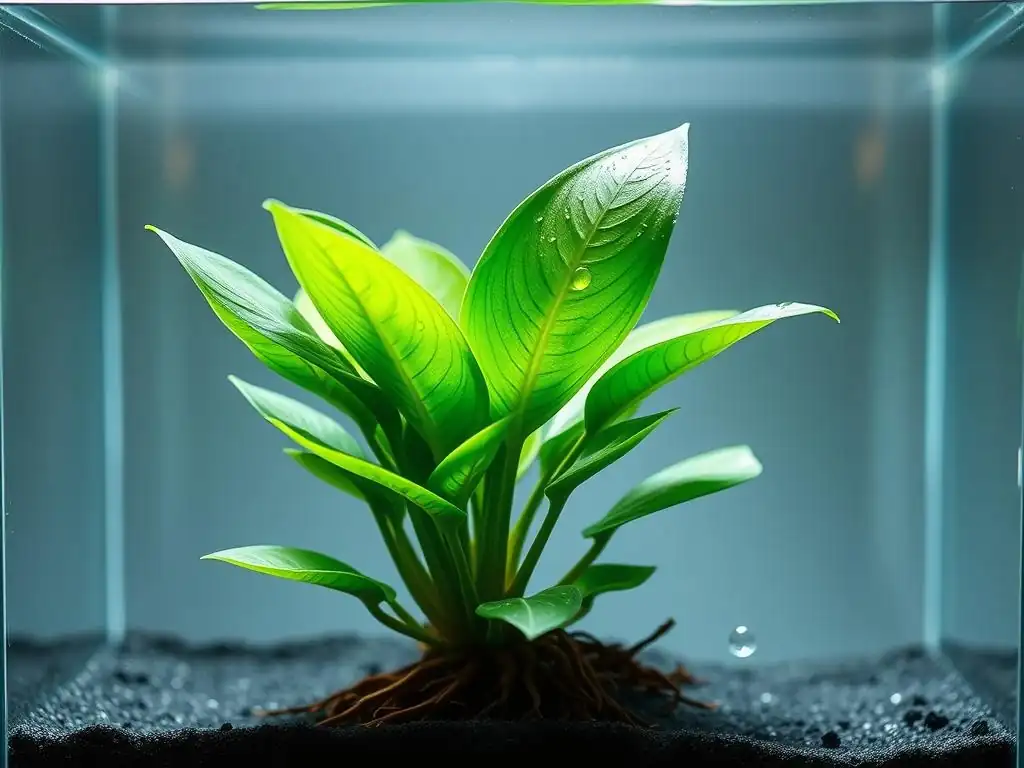
Aquarium plants, though beautiful additions, can inadvertently introduce unwanted pests and diseases into your tank. Common hitchhikers include various types of snails (ramshorn, pond, bladder), snail eggs, hydra, planaria, and even algae spores. They can also carry bacterial or fungal pathogens. Upon receiving new plants, the first step in the quarantine tank setup guide for plants is a thorough visual inspection. Carefully remove any dead or decaying leaves, and gently rinse the plants under lukewarm tap water to dislodge any visible pests or debris.
Many aquarists opt for a prophylactic plant dip to eliminate potential hitchhikers. A common and effective method is a bleach dip (1 part bleach to 19 parts water) for 1-2 minutes, followed by a thorough rinse under running water and a soak in a strong dechlorinator solution to neutralize any residual chlorine. Another popular option is a potassium permanganate dip (e.g., 10 mg per liter for 10-15 minutes), which can kill snails and some algae. Always research the specific plant species' tolerance to dips, as some delicate plants may be sensitive.
Plant Quarantine Observation and Treatment
After the initial inspection and any chosen dip, place the new plants in a dedicated quarantine setup. This could be a separate small tank, a clean bucket, or a plastic container, filled with dechlorinated water and provided with moderate lighting (8-10 hours/day) and gentle water circulation. Observe the plants for 2 to 4 weeks. During this observation period, regularly check for any new snail eggs appearing, the emergence of small snails, hydra, or other pests that may have survived the initial dip or hatched later.
If pests are observed during the quarantine period, you can repeat a milder dip (if the plant can tolerate it) or manually remove any visible pests. For instance, if you notice small ramshorn snails, you can physically remove them or introduce a snail-eating snail like an Assassin Snail if your plant quarantine setup allows. This vigilance ensures that your main display tank remains free of unwanted organisms, preventing potential infestations that can be difficult to eradicate once established, a crucial, often overlooked, aspect of a complete quarantine tank setup guide.
Maintaining a Healthy Quarantine Tank Environment
Regular Water Testing and Adjustments
Maintaining stable and pristine water quality is paramount in a quarantine tank, arguably even more so than in a display tank, due to the smaller volume and the potentially stressed state of the fish. Consistent monitoring of key water parameters—ammonia, nitrite, nitrate, pH, and temperature—is essential. Daily testing for ammonia and nitrite is highly recommended, especially during the first few weeks or if any fish show signs of illness, as these compounds are highly toxic even at low concentrations.
If any detectable levels of ammonia or nitrite are present, an immediate partial water change (25-50%) using dechlorinated, temperature-matched water should be performed. While ammonia-neutralizing water conditioners can offer temporary relief, they should not replace regular water changes. Similarly, monitor pH and adjust if it deviates significantly from the species' preferred range, but always make changes gradually to avoid shocking the fish. Consistent parameter management is a fundamental aspect of any robust quarantine tank setup guide.
Quarantine Tank Cleaning and Maintenance
Due to the bare-bottom nature and potential use of medications, cleaning and maintenance of a quarantine tank are straightforward but critical for fish health. Daily or every-other-day, use a gravel vacuum or a small siphon to remove any uneaten food, fish waste, and debris that accumulate on the bottom. This prevents organic matter from decomposing and contributing to harmful ammonia spikes. The clear bottom makes it easy to spot and remove waste effectively.
Periodically, the filter media, particularly sponge filters, should be cleaned. Rinse the sponge in a bucket of old tank water that has been siphoned out during a water change. Never rinse filter media under tap water, as the chlorine can kill the beneficial bacteria vital for the nitrogen cycle.
Wiping down the tank glass to remove any algae buildup not only improves aesthetics but also ensures clear visibility for observing your fish. A clean and well-maintained environment is fundamental to the successful recovery and acclimation of quarantined fish, making regular maintenance a core element of any effective quarantine tank setup guide.
Troubleshooting Common Quarantine Tank Problems
Addressing Ammonia Spikes in a Quarantine Tank
Ammonia spikes are a common challenge in quarantine tanks, especially if the biological filter is not fully established or if the tank is slightly overstocked for its size. The immediate and most effective action to combat an ammonia spike (any detectable level above 0 ppm) is to perform a large partial water change, typically 50-75%, using dechlorinated, temperature-matched water. Repeat these large water changes daily or as needed until ammonia levels consistently test at 0 ppm.
To reduce the bioload contributing to ammonia, significantly reduce feeding to a bare minimum, perhaps once every two days, offering only what the fish can consume within 30 seconds. If you've used seeded filter media, ensure the filter is operating correctly and the media is not clogged. Adding a reputable bottled beneficial bacteria product can also help accelerate the establishment of the nitrogen cycle. Consistent monitoring, as emphasized in every quarantine tank setup guide, helps prevent severe spikes and allows for prompt corrective action.
Dealing with Cloudy Water in Quarantine
Cloudy water in a quarantine tank usually indicates either a bacterial bloom or an excess of organic matter. A bacterial bloom often occurs during the initial cycling phase as beneficial bacteria rapidly multiply, causing a milky or hazy appearance. This type of cloudiness typically resolves on its own as the nitrogen cycle matures and the bacterial population stabilizes. Ensure adequate aeration and filtration are in place to support the bacterial growth.
If the cloudiness is due to an accumulation of excess organic matter (such as uneaten food or fish waste), it suggests insufficient cleaning or overfeeding. In this case, increase the frequency and volume of water changes, and reduce the amount of food offered. Also, ensure your filter is not clogged and is performing effectively. Avoid using chemical clarifiers in a quarantine tank, as these can stress fish and potentially interfere with any medications you might need to use, counteracting the principles of a simple quarantine tank setup guide.
Managing Algae Growth in a Quarantine Tank
While generally harmless to fish, excessive algae growth in a quarantine tank can obscure visibility, making it difficult to observe fish for signs of illness. Algae in a quarantine tank is most commonly caused by excessive light duration or intensity, or high levels of nitrates. To mitigate algae, first reduce the lighting period to 6-8 hours per day, or use a lower wattage bulb if your current lighting is too strong.
Manual removal is the safest and most effective method for controlling algae in a quarantine tank. Use an aquarium-safe scraper or a clean sponge to wipe down the glass surfaces regularly. Increase the frequency of partial water changes to help reduce nitrate levels, which are a primary nutrient source for algae. It is highly advisable to avoid chemical algaecides in a quarantine tank, as these can be stressful or even harmful to fish, especially those already weakened or undergoing medication. A practical quarantine tank setup guide prioritizes manual cleaning over chemical solutions for algae control.
Disinfecting Your Quarantine Tank After Use
Ensuring a Safe and Sterile Environment for Future Quarantines
After a quarantine period concludes and your fish are safely transferred to the main display tank, or in the unfortunate event that a fish succumbs to illness, it is absolutely crucial to thoroughly disinfect the quarantine tank and all its equipment. This meticulous cleaning process prevents the carryover of any lingering pathogens, parasites, or their eggs to future inhabitants, ensuring a safe and sterile environment for subsequent quarantines. Begin by removing all water, any temporary substrate (if used), and decor.
A highly effective method for disinfection involves a bleach solution. Prepare a solution of 1 part household bleach to 9 parts water (e.g., 1 cup bleach per gallon of water). Soak the empty tank and all non-porous equipment—such as the filter media (if it's a sponge or ceramic, discard if porous), heater, air stone, and tubing—in this bleach solution for at least 30 minutes. After soaking, rinse everything meticulously with hot running water for several minutes.
Then, soak all items in a strong dechlorinator solution (several times the recommended dose) for several hours, or even overnight, to completely neutralize any residual chlorine. Finally, allow all equipment and the tank to air dry completely for several days. This comprehensive disinfection procedure is a critical final step in any responsible quarantine tank setup guide.
Advanced Quarantine Techniques: Using Hyposalinity
Quarantining Invertebrates: Special Considerations
Quarantining invertebrates such as snails, shrimp, and crabs requires a significantly different approach compared to fish, primarily because they are highly sensitive to many common fish medications, particularly copper-based treatments, which are lethal to them. Therefore, invertebrates should never be quarantined in a tank where fish medications, especially copper, have been or might be used. A separate, dedicated invertebrate quarantine tank, free from any medication residue, is essential.
For invertebrates, the quarantine period is primarily focused on observation for external parasites (though less common than with fish) and ensuring they are active, feeding, and free of any visible pests. A simple rinse or a short dip in a strong dechlorinator solution might be used for new snails to dislodge external hitchhikers.
A typical observation period of 2-3 weeks in a dedicated tank is often sufficient for invertebrates, focusing on detecting any flatworms, hydra, or other minute pests that might emerge. This specialized approach highlights that a quarantine tank setup guide needs to be adapted for different aquatic life forms.
Quarantine for Discus: Specific Considerations
Discus fish (Symphysodon species) are renowned for their beauty but also for their sensitivity and susceptibility to stress and disease, making their quarantine particularly critical and often more intensive. They thrive in very stable, warm (typically 82-86°F or 28-30°C), and pristine water conditions. A bare-bottom tank is highly recommended for Discus quarantine to facilitate rigorous cleaning and observation of their waste, which can indicate internal issues. They are particularly prone to internal parasites, necessitating a specific deworming protocol during quarantine.
A common Discus quarantine protocol involves prophylactic treatment for internal parasites, often using medications like Metronidazole and Praziquantel, either sequentially or in combination, over several weeks. External parasite treatments (e.g., using Formalin or Methylene Blue) might also be incorporated. The quarantine period for Discus is frequently extended to 6-8 weeks, accompanied by very frequent, large water changes (50% or more, daily or every other day) to maintain impeccable water quality. This specialized care underscores how a quarantine tank setup guide must be meticulously tailored for species with unique needs.
Conclusion: Mastering the Art of Quarantine for a Thriving Aquarium
Establishing and diligently utilizing a quarantine tank is not merely an optional step but a fundamental practice for any responsible aquarist committed to the long-term health and stability of their aquatic ecosystem. While it requires an initial investment of time, space, and a modest amount of equipment, this preventative measure significantly reduces the risk of devastating disease outbreaks in your main display tank. By isolating new fish and plants, you safeguard your existing inhabitants, save considerable financial resources on widespread treatments, and avoid the emotional toll of losing cherished aquatic life.
Mastering the art of quarantine, as detailed in this quarantine tank setup guide, ensures that every new addition to your aquarium is thoroughly inspected, acclimated, and treated for any potential ailments before it can pose a threat to your established community. This proactive approach fosters a vibrant, resilient, and thriving aquarium environment, allowing you to enjoy the beauty of your aquatic world with greater peace of mind and success for years to come.
Frequently Asked Questions
What is a quarantine tank and why is it important?
A quarantine tank is a separate aquarium used to isolate new or sick fish and plants. It's crucial for preventing the spread of disease to your main aquarium and allowing you to observe and treat new additions before introducing them.
What size quarantine tank should I use?
The ideal size depends on the size of the fish you plan to quarantine, but a 10-20 gallon tank is generally suitable for most small to medium-sized freshwater fish. Ensure it's large enough for the fish to swim comfortably and exhibit natural behaviors.
What equipment do I need for a quarantine tank?
You'll need essential equipment like a filter, heater, thermometer, and air pump. Avoid using substrate initially for easier cleaning and observation. A simple sponge filter is often recommended for its gentle filtration.
How long should I quarantine new fish and plants?
A standard quarantine period is at least 2-4 weeks. This allows you to observe for any signs of illness or parasites and treat them before they contaminate your main aquarium. Some diseases can take time to become visible.
What should I do during the quarantine period?
During quarantine, carefully monitor your fish and plants for any signs of disease, such as unusual behavior, spots, or fin rot. Perform regular water changes and adjust the water parameters to match your main tank. Also, administer medication if necessary, following instructions carefully.
Final Reflection: Ensuring a Healthy Aquatic Future
The journey of introducing new life into our aquariums is one filled with excitement, but as we've explored in this guide, it's also one that demands responsibility. The practice of quarantine, often overlooked, is now more crucial than ever in safeguarding the health of our established ecosystems and the well-being of newly acquired fish and plants. Ignoring this vital step can lead to devastating consequences, impacting not only our personal aquatic havens but also contributing to the spread of diseases within the broader aquatic community.
This topic has profoundly influenced my own approach to aquascaping, transforming it from a purely aesthetic pursuit to one grounded in ethical considerations. The peace of mind that comes from knowing I've done everything possible to protect my existing aquarium inhabitants is invaluable. The best way to avoid problems is to prevent them in the first place.
This simple truth resonates deeply when it comes to quarantine tanks, reminding us that a little foresight can save us from heartache and loss.
Now, I invite you to reflect on your own practices. Are you truly prepared to welcome new life into your aquarium? Take the lessons from this guide and implement a robust quarantine protocol. By embracing this proactive approach, you're not just protecting your own investment; you're contributing to a healthier, more sustainable future for the entire aquatic world. Let's all commit to being responsible aquarists, ensuring that the beauty and wonder of our underwater realms can be enjoyed for generations to come.
Unleash the Power of Preparation!
Thank you for exploring the crucial role of quarantine tanks in ensuring the health and vitality of your aquarium! We hope this guide has empowered you with the knowledge to protect your underwater ecosystem. Now, it's time to take action and secure the wellbeing of your aquatic friends.
Here’s what you can do next:
- Commit to setting up a dedicated quarantine tank this week. A small investment now prevents devastating losses later.
- Share this guide with fellow aquarium enthusiasts to spread awareness about responsible fishkeeping practices. Let's build a community of informed hobbyists!
- Research suitable medications and treatments to stock in advance. Being prepared is half the battle!
What preventative measure are you most eager to implement in your aquarium setup?