
Butterflyfish Conservation: How Your Hobby Can Help Protect Wild Populations

Welcome to Aquarium Mastery!
Ever wondered if your passion for saltwater aquariums could actually contribute to butterflyfish conservation? Dive into our latest article and discover how responsible aquarium care, combined with informed choices, can help protect these vibrant creatures in the wild. Unlock the secrets to creating a thriving butterflyfish aquarium while making a positive impact on their future. Let's explore the exciting intersection of hobby and conservation!
- Understanding Butterflyfish: Delicate Beauties in Need of Protection
- Responsible Aquarium Care: A Conservation-Focused Approach
- Sustainable Aquarium Practices for Butterflyfish
- How Your Reef Aquarium Can Contribute to Conservation Efforts
- Reef Keeping and Conservation: A Symbiotic Relationship
- Frequently Asked Questions
- Final Reflection: A Ripple Effect of Responsible Reefkeeping
- Dive Deeper: Become a Butterflyfish Guardian!
Understanding Butterflyfish: Delicate Beauties in Need of Protection
The Allure of Butterflyfish: Why They Captivate Aquarists
Butterflyfish, with their vibrant colors, intricate patterns, and graceful movements, are undeniably among the most captivating inhabitants of coral reefs, making them highly sought-after additions to advanced marine aquariums. Their flattened, disc-shaped bodies, often adorned with striking eye-spots and bands, contribute to their unique charm.
Species like the Copperband Butterflyfish ( Chelmon rostratus) are admired for their elongated snouts used to probe crevices, while the vibrant Yellow Tang ( Zebrasoma flavescens) often accompanies them in the wild, though not a butterflyfish, highlighting the diverse beauty of their natural habitat. This aesthetic appeal, combined with their active swimming habits, transforms a home aquarium into a dynamic, living art piece, drawing aquarists into the complex world of reef ecosystems.
The fascination extends beyond mere aesthetics; many aquarists are drawn to the challenge and reward of successfully maintaining these delicate fish. Butterflyfish often have specific dietary needs, with some species being obligate corallivores, meaning they feed exclusively on coral polyps in the wild.
This specialized diet presents a significant hurdle for aquarium keeping, as replicating their natural food source and ensuring proper nutrition is critical for their long-term health and survival in captivity. Successfully adapting these species to prepared foods and observing their intricate behaviors, such as their pair-bonding in some species, offers a profound sense of accomplishment and deepens the aquarist's connection to the marine environment.
Threats to Wild Butterflyfish Populations: Habitat Loss and Overcollection
Wild butterflyfish populations face severe threats, primarily from widespread coral reef degradation and unsustainable collection practices. Coral reefs, the natural habitat for nearly all butterflyfish species, are suffering from climate change-induced coral bleaching events, ocean acidification, and pollution.
For instance, the Great Barrier Reef, a biodiversity hotspot, has experienced significant coral loss, with estimates suggesting over 50% of its shallow-water corals vanished between 2016 and 2017 alone due to marine heatwaves. Since many butterflyfish species, such as the Ornate Butterflyfish ( Chaetodon ornatissimus), rely directly on live coral for food and shelter, this habitat destruction directly impacts their survival rates and reproductive success.
Beyond environmental stressors, overcollection for the aquarium trade also poses a significant threat to specific butterflyfish species, particularly those that are rare, highly desired, or difficult to breed in captivity. While the exact percentage of wild-caught fish contributing to the global aquarium trade varies, some estimates suggest that over 90% of marine ornamental fish are still wild-caught, with millions of individual fish traded annually.
Certain butterflyfish, like the Raccoon Butterflyfish ( Chaetodon lunula) or the Pearlscale Butterflyfish ( Chaetodon xanthurus), are popular in the trade, and if collected without proper quotas or sustainable methods, local populations can be severely depleted. Destructive fishing practices, such as the use of cyanide to stun fish, further exacerbate the problem by damaging corals and causing high mortality rates for collected specimens and non-target species.
The Impact of Aquarium Trade on Butterflyfish Species
The global aquarium trade, while providing hobbyists with access to these stunning creatures, has a complex and often detrimental impact on wild butterflyfish species. The demand for specific, often rare or challenging, butterflyfish can drive unsustainable collection efforts in vulnerable reef ecosystems.
For example, some deep-water butterflyfish are collected using specialized techniques that can be environmentally disruptive, and their low reproductive rates make them particularly susceptible to population decline from even moderate collection pressures. The journey from reef to aquarium is also fraught with peril; studies indicate that transit mortality rates for wild-caught marine fish can range from 10% to over 50%, depending on the species and handling, meaning a significant number of fish die before even reaching a retail tank.
Furthermore, the lack of robust regulations and enforcement in some source countries contributes to the problem. Illicit collection practices, including those using harmful chemicals like cyanide, not only damage the delicate coral reef habitat but also compromise the health of the collected fish, leading to long-term health issues or premature death in captivity.
This cycle of demand for wild-caught specimens, coupled with high mortality and unsustainable collection, highlights the critical need for responsible Butterflyfish conservation aquarium care. Aquarists seeking to contribute positively must prioritize species that are either sustainably wild-caught with verifiable methods or, ideally, those raised through captive breeding programs, thereby reducing pressure on wild populations and supporting ethical practices within the trade.
Responsible Aquarium Care: A Conservation-Focused Approach
Choosing Sustainable Butterflyfish Species for Your Aquarium
Selecting sustainable butterflyfish species is a cornerstone of responsible Butterflyfish conservation aquarium care. This involves prioritizing species that are either readily available through ethical, non-destructive collection methods or, ideally, those that are captive-bred.
For instance, while many butterflyfish are challenging to breed in captivity, some species are more adaptable to aquarium life and less prone to overexploitation due to their widespread natural distribution and robust populations. Examples of species generally considered more suitable for aquariums, and potentially less impactful on wild populations if sourced responsibly, include the Copperband Butterflyfish ( Chelmon rostratus) and some of the Chaetodon species known to adapt well to prepared foods, provided they are not obligate corallivores.
When making your selection, it is crucial to research the species' natural habitat, population status, and typical collection methods. Avoid species that are known to be rare, have highly specialized diets (especially live coral), or are primarily collected using destructive techniques. Instead, inquire about the provenance of the fish from your supplier.
Opting for fish that have adapted well to captivity and are less prone to disease also reduces the demand for constant replenishment of wild specimens. This thoughtful approach ensures that your hobby does not inadvertently contribute to the decline of these beautiful marine creatures, aligning your passion with meaningful conservation efforts.
Identifying Butterflyfish Species Prone to Overexploitation
Identifying butterflyfish species particularly vulnerable to overexploitation is vital for informed and ethical Butterflyfish conservation aquarium care. Generally, species that are rare, have limited geographic ranges, exhibit slow reproductive rates, or are highly prized for their unique appearance tend to be at greater risk.
For example, some deep-water butterflyfish, which require specialized and often destructive collection techniques, are inherently more susceptible to population decline due to their inaccessible habitats and slower recovery times. Similarly, species that are obligate corallivores, such as the Ornate Butterflyfish ( Chaetodon ornatissimus) or the Melon Butterflyfish ( Chaetodon trifasciatus), are often collected despite their poor survival rates in typical home aquariums without a constant supply of live coral, leading to high mortality post-collection.
Another indicator of potential overexploitation is a consistently high price point combined with a limited supply in the market, suggesting difficulty in collection or scarcity in the wild. Certain species, like the Pyramid Butterflyfish ( Hemitaurichthys polylepis), while beautiful, can be challenging to source sustainably. Aquarists should be wary of purchasing such species unless there is clear evidence of responsible collection or captive breeding. By understanding which species face the greatest pressure, aquarists can make conscientious choices, steering clear of contributing to the decline of vulnerable populations and instead focusing on more resilient or sustainably sourced alternatives.
Supporting Captive Breeding Programs for Butterflyfish
Supporting captive breeding programs is one of the most impactful ways to practice responsible Butterflyfish conservation aquarium care. While breeding many butterflyfish species in captivity remains a significant challenge due to their pelagic larval stages and specific dietary requirements, advancements are continually being made.
Currently, a limited number of butterflyfish species, such as the Pyramid Butterflyfish ( Hemitaurichthys polylepis) and some progress with the Copperband Butterflyfish ( Chelmon rostratus), have seen successful, albeit often challenging, captive breeding efforts by specialized aquaculture facilities. These efforts not only reduce pressure on wild populations but also provide aquarists with hardier, disease-resistant fish that are already accustomed to aquarium life and prepared foods, leading to higher survival rates in home tanks.
When you purchase a captive-bred butterflyfish, you directly contribute to the financial viability and expansion of these crucial programs. This support enables researchers and breeders to invest further in understanding the reproductive biology of more complex species, potentially unlocking the secrets to breeding a wider range of butterflyfish in the future.
Look for reputable suppliers who clearly label their fish as "captive-bred" or "aquacultured." While captive-bred butterflyfish may sometimes carry a higher initial cost due to the intensive resources required for their rearing, this investment is a direct contribution to conservation, helping to ensure the long-term sustainability of the hobby and the protection of wild marine ecosystems.
Sustainable Aquarium Practices for Butterflyfish
Creating a Reef-Friendly Aquarium Environment
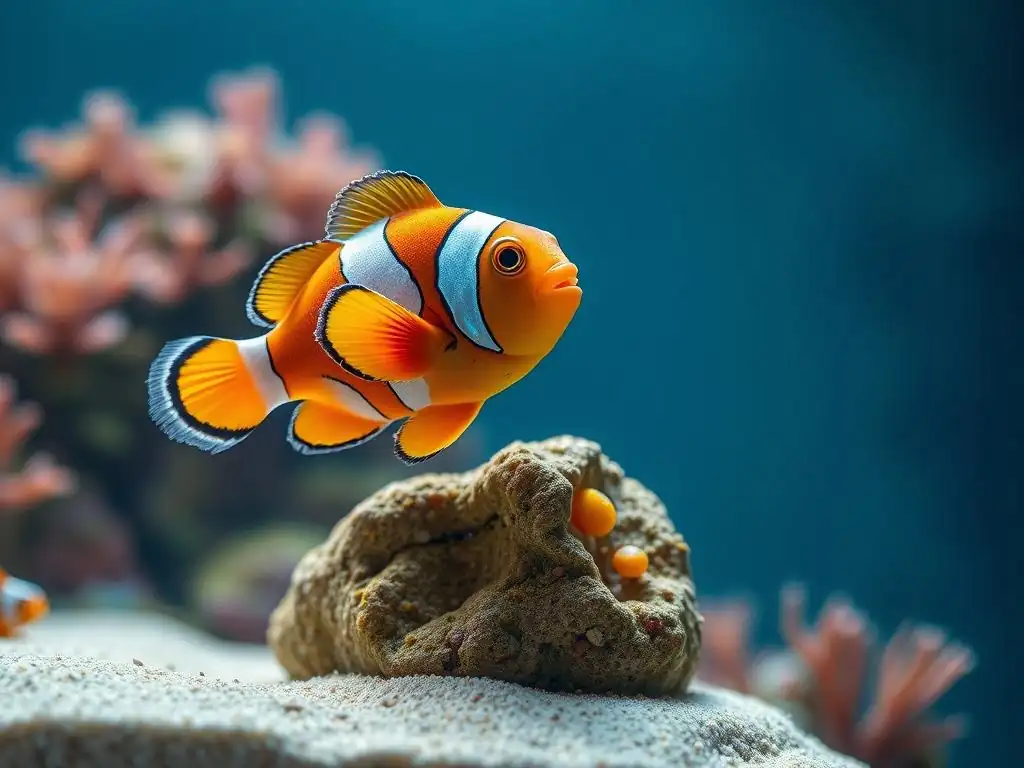
Creating a reef-friendly aquarium environment is fundamental for the well-being of your butterflyfish and a core component of Butterflyfish conservation aquarium care. This involves replicating their natural habitat as closely as possible, which typically means a stable, mature reef tank with ample live rock structures for shelter and foraging. For instance, a minimum tank size of 75-120 gallons is often recommended for many butterflyfish species to provide adequate swimming space and dilution of waste products. The use of appropriate substrate, such as aragonite sand, helps maintain stable pH levels and provides a natural environment for beneficial bacteria.
Furthermore, ensuring compatibility with other tank inhabitants is crucial. Butterflyfish can be sensitive to aggressive tank mates, and some species may nip at corals or invertebrates. Carefully researching potential tank mates and observing their interactions helps prevent stress and injury. Providing varied hiding spots and open swimming areas allows butterflyfish to exhibit natural behaviors, reducing stress and promoting long-term health. A healthy, stable aquarium environment not only benefits the fish directly but also reduces the likelihood of disease outbreaks, which can lead to fish loss and the potential demand for replacement wild-caught specimens.
Maintaining Optimal Water Parameters for Butterflyfish Health
Maintaining optimal water parameters is paramount for the health and longevity of butterflyfish, directly supporting effective Butterflyfish conservation aquarium care. These delicate fish thrive in stable conditions that mimic their natural coral reef environment. Key parameters include salinity (specific gravity) at 1.023-1.026, temperature between 74-80°F (23-27°C), pH levels stable between 8.1-8.4, and alkalinity (dKH) around 8-12. Regular testing, ideally weekly, using reliable test kits is essential to monitor these levels. For example, a sudden drop in pH from 8.2 to 7.8 can severely stress butterflyfish, weakening their immune systems and making them susceptible to diseases like marine ich.
Beyond these primary parameters, maintaining low levels of nitrates (below 20 ppm), nitrites (0 ppm), and ammonia (0 ppm) is critical. A robust biological filtration system, often facilitated by a mature live rock setup and a protein skimmer, is indispensable for processing waste and preventing the buildup of harmful compounds. Consistent partial water changes, typically 10-20% bi-weekly, help replenish trace elements and remove accumulated pollutants.
For instance, a 15% water change in a 100-gallon tank removes 15 gallons of old water, significantly refreshing the environment. By diligently upholding these precise water conditions, aquarists provide a stable and thriving habitat, minimizing stress and disease, and thus prolonging the life of their butterflyfish.
Providing a Varied and Nutritious Diet for Butterflyfish
Providing a varied and nutritious diet is a cornerstone of successful Butterflyfish conservation aquarium care, directly impacting their vitality and longevity in captivity. Many butterflyfish species, especially those from the genus Chaetodon, have specialized feeding habits in the wild, often consuming coral polyps, sponges, or small invertebrates. Replicating this in an aquarium requires a diverse feeding regimen. For instance, a Copperband Butterflyfish ( Chelmon rostratus) often requires a diet rich in live blackworms, frozen mysis shrimp, and finely chopped clam or scallop to thrive, as it uses its elongated snout to pick out food from crevices.
A balanced diet should include high-quality frozen foods like brine shrimp, mysis shrimp, and various marine preparations, often enriched with essential fatty acids and vitamins. Some butterflyfish may also accept high-quality flake or pellet foods, though this can vary greatly by species and individual fish. Feeding small amounts multiple times a day (e.g., 2-3 times) is generally better than one large feeding, as it mimics their natural continuous grazing behavior and reduces water pollution.
For example, offering a blend of frozen Hikari Mysis Shrimp, Ocean Nutrition Prime Reef Flakes, and a specialized frozen "Angel & Butterflyfish Formula" can provide a comprehensive nutritional profile. A well-fed butterflyfish is more resilient to stress and disease, thereby contributing to its long-term health and reducing the need for replacement fish.
Minimizing Stress in Your Reef Tank
Minimizing stress in your reef tank is crucial for effective Butterflyfish conservation aquarium care, as chronic stress significantly weakens a fish's immune system, making it highly susceptible to disease and premature death. One primary stressor is inappropriate tank mates. For example, aggressive species like some triggerfish or large angelfish can constantly harass butterflyfish, leading to fin nipping, hiding, and refusal to eat. Instead, choose peaceful community fish that won't compete aggressively for food or territory. The Lemon Butterflyfish ( Chaetodon miliaris), for instance, thrives in peaceful environments with ample hiding spots.
Another significant stress factor is poor water quality, as discussed previously, but also rapid fluctuations in parameters. Sudden drops in temperature or pH, even by a few degrees or points, can induce immediate stress. Ensuring stable lighting cycles, avoiding sudden loud noises or vibrations near the tank, and providing ample hiding spots (e.g., live rock formations with caves and overhangs) also contribute to a low-stress environment.
For example, a tank with insufficient hiding places might see a Copperband Butterflyfish constantly on edge, leading to a diminished appetite. By creating a calm, stable, and appropriately stocked environment, aquarists foster resilient butterflyfish that are more likely to thrive for many years, reducing the demand for new wild-caught specimens.
Responsible Sourcing of Butterflyfish and Aquarium Supplies
Supporting Local Fish Stores Committed to Sustainable Practices
Supporting local fish stores (LFS) that are genuinely committed to sustainable practices is a powerful way to engage in Butterflyfish conservation aquarium care. These stores often prioritize sourcing their livestock from reputable aquaculture facilities or certified sustainable wild collectors, rather than from questionable or destructive sources. A responsible LFS will be transparent about the origin of their butterflyfish, able to provide information on whether they are captive-bred, aquacultured, or wild-caught using ethical methods.
They may even have partnerships with specific breeders or collectors known for their high standards. For example, an LFS might proudly display certifications from organizations promoting sustainable ornamental fish trade.
Furthermore, these stores typically maintain higher standards of animal husbandry, keeping their fish in well-maintained systems with optimal water quality, which translates to healthier fish for the consumer. They are also more likely to provide accurate care advice tailored to specific butterflyfish species, helping aquarists succeed in their endeavors. By choosing to purchase your butterflyfish, dry goods, and other aquarium supplies from such establishments, you directly support a business model that values conservation and ethical trade, thereby encouraging broader industry shifts towards sustainability. This financial support helps responsible businesses thrive, gradually reducing the market for unsustainably sourced marine life.
Avoiding Wild-Caught Fish When Possible
Avoiding wild-caught fish when a captive-bred alternative exists is a critical step in responsible Butterflyfish conservation aquarium care. While many butterflyfish species are not yet successfully bred in captivity on a commercial scale, for those that are (e.g., certain Chaetodon species or related reef fish), choosing the aquacultured option significantly reduces pressure on wild populations.
Wild collection, even when done legally, can still impact local ecosystems and may involve stressful capture and transport methods that compromise the fish's long-term health. For instance, the mortality rate for wild-caught marine fish during transit can be as high as 30% or more for sensitive species, meaning a substantial number of fish perish before even reaching a retail tank.
Captive-bred butterflyfish offer several advantages: they are typically hardier, less prone to disease (as they haven't been exposed to wild pathogens), and are already accustomed to aquarium life and prepared foods. This translates to a higher success rate for the aquarist and a reduced likelihood of needing to replace a lost fish, further decreasing demand for wild specimens.
While the initial cost of a captive-bred butterflyfish might be higher, it represents an investment in a healthier animal and a direct contribution to conservation efforts. Always inquire about the source of the fish and prioritize "aquacultured" or "captive-bred" labels whenever possible to support the sustainable growth of the aquarium trade.
Researching the Origin of Your Butterflyfish
Thoroughly researching the origin of your butterflyfish is a key practice for responsible Butterflyfish conservation aquarium care and an informed approach to your hobby. Before purchasing, ask your retailer specific questions about where the fish came from: Was it wild-caught or captive-bred? If wild-caught, from which region or country?
Does the supplier adhere to sustainable collection practices? Reputable suppliers should be able to provide this information, often with details about their collection partners or aquaculture facilities. For example, some exporters are part of programs like the Marine Aquarium Council (MAC) certification, which aims to promote sustainable practices, though MAC is not as active today, the concept of certified sustainable collection remains paramount.
Beyond direct inquiry, utilize online resources, forums, and conservation organization websites to learn about the typical origins and collection methods for specific butterflyfish species you are interested in. Some species, like certain deep-water butterflyfish, are almost exclusively wild-caught and may come from regions with less regulated collection practices, making them less sustainable choices.
Conversely, if a species is known to be successfully captive-bred, prioritize those sources. This due diligence empowers you to make ethical purchasing decisions, ensuring that your beautiful butterflyfish has been sourced in a manner that supports both its welfare and the health of its wild counterparts, thereby strengthening your commitment to Butterflyfish conservation aquarium care.
How Your Reef Aquarium Can Contribute to Conservation Efforts
Supporting Marine Conservation Organizations
Supporting marine conservation organizations is a direct and impactful way your reef aquarium hobby can contribute to Butterflyfish conservation aquarium care and broader ocean health. Numerous non-profit organizations are dedicated to protecting coral reefs and marine life through research, policy advocacy, habitat restoration, and education.
For instance, groups like the Coral Reef Alliance (CORAL) work globally to save coral reefs by reducing local threats, while others focus on combating illegal fishing and promoting sustainable aquaculture. Your financial contributions, even small ones, provide vital funding for their on-the-ground efforts, such as establishing marine protected areas, restoring damaged reef ecosystems, or developing sustainable fishing alternatives for coastal communities.
Beyond monetary donations, many organizations offer opportunities for membership, which often includes newsletters and updates on their conservation successes, keeping you informed about the positive impact of your support. Some groups also accept volunteer efforts, allowing aquarists to contribute their expertise or time to local initiatives, such as beach cleanups or educational outreach events. By aligning with and supporting these dedicated organizations, you extend your passion for butterflyfish beyond your home aquarium, actively participating in the larger movement to protect the very environments from which these magnificent creatures originate.
Educating Others About Butterflyfish Conservation
Your reef aquarium serves as a powerful educational tool, allowing you to directly contribute to Butterflyfish conservation aquarium care by educating others. When friends, family, or visitors admire your tank, it presents a natural opportunity to share information about the delicate balance of coral reef ecosystems and the challenges butterflyfish face in the wild.
You can explain the importance of sustainable sourcing, highlighting why you chose a particular species, whether it's because it's captive-bred or known to be collected ethically. For example, you might share that the Copperband Butterflyfish in your tank, while wild-caught, came from a supplier committed to cyanide-free collection.
Discussing the threats to coral reefs, such as climate change and pollution, and explaining how individual actions, like reducing plastic use or supporting conservation groups, can make a difference, empowers others to think more critically about their own environmental footprint. You can also showcase the specific care requirements of butterflyfish, emphasizing the commitment involved in maintaining a healthy reef tank, which subtly underscores the value and fragility of these creatures.
By becoming an advocate and sharing your knowledge and passion, you help raise awareness and inspire others to adopt more responsible practices, fostering a broader community dedicated to Butterflyfish conservation aquarium care and marine protection.
Participating in citizen science initiatives is an emerging and valuable way for aquarists to directly contribute to Butterflyfish conservation aquarium care and broader marine research. These programs enlist the public to collect data that helps scientists monitor ecosystems, track species populations, and understand environmental changes.
While direct participation in butterflyfish-specific wild surveys might be limited to divers, there are often broader coral reef health monitoring programs that aquarists can support. For example, initiatives like the "Reef Life Survey" or "Reef Check" gather data on fish species abundance and coral health in specific regions, and while primarily for divers, their findings inform conservation strategies that directly benefit butterflyfish.
Aquarists can contribute by reporting observations from their own tanks, especially if they notice unusual behaviors, diseases, or successful breeding attempts, which can provide valuable insights into species biology and adaptation. Some programs might also involve identifying fish from underwater photographs or videos, or even cataloging invasive species.
While direct butterflyfish-focused citizen science for aquarists is still developing, general marine and coral reef monitoring programs indirectly aid Butterflyfish conservation aquarium care by providing critical data on the health of their natural habitats. Staying informed about such opportunities through marine science organizations or university research departments can open avenues for direct contribution, turning your hobby into a vital data collection tool for conservation.
Reef Keeping and Conservation: A Symbiotic Relationship
The Role of Aquarists in Protecting Coral Reef Ecosystems
Aquarists play a unique and increasingly vital role in protecting coral reef ecosystems, forming a symbiotic relationship between hobby and conservation. While the aquarium trade has historically faced criticism for its impact on wild populations, responsible Butterflyfish conservation aquarium care transforms this dynamic into a force for good.
Aquarists, through their intimate daily interaction with a miniature reef ecosystem, develop a profound understanding and appreciation for the delicate balance required for marine life to thrive. This firsthand experience fosters a deep personal connection to the ocean, often leading to a passionate commitment to conservation that extends far beyond the confines of their glass tanks.
Furthermore, aquarists collectively represent a significant economic force. By consciously choosing sustainably sourced fish, supporting captive breeding, and purchasing from ethical suppliers, they can drive market demand towards more responsible practices within the ornamental fish trade. This consumer power incentivizes collectors and exporters to adopt less destructive methods and invest in aquaculture.
Moreover, the advanced life support systems developed for aquariums, such as sophisticated filtration and water quality management, mirror technologies that can be adapted for coral reef restoration projects or ex-situ conservation efforts. Thus, aquarists are not merely observers but active participants in the global effort to safeguard these invaluable underwater worlds.
Ensuring the Future of Coral Reefs in Our Oceans and Aquariums
Ensuring the future of coral reefs, both in our oceans and within our aquariums, hinges on a concerted effort that integrates responsible Butterflyfish conservation aquarium care with broader environmental stewardship. The challenges facing wild reefs—climate change, pollution, and overfishing—are immense, yet the dedicated community of aquarists can contribute significantly to their resilience.
By prioritizing captive-bred butterflyfish and other marine species, aquarists directly reduce the extraction pressure on wild populations, allowing natural recovery processes to occur. For example, if even 10% of the currently wild-caught butterflyfish demand shifted to captive-bred sources, it would represent a substantial reduction in collection pressure on vulnerable reefs.
Moreover, aquariums, especially public aquariums and advanced home setups, serve as vital educational platforms, showcasing the beauty and fragility of coral reef ecosystems to a wide audience. They foster an appreciation for marine life that can translate into public support for conservation policies and initiatives.
The knowledge gained from successfully keeping complex species like butterflyfish in captivity also contributes to scientific understanding of their biology, behavior, and reproductive needs, which can inform in-situ conservation strategies and potential future reintroduction programs. Ultimately, the symbiotic relationship between reef keeping and conservation ensures that these vibrant ecosystems can continue to flourish, both as wild wonders and as cherished living displays.
Case Studies: Successful Butterflyfish Conservation Projects
While large-scale, species-specific butterflyfish conservation projects akin to those for whales or pandas are rare, successful coral reef conservation initiatives indirectly benefit butterflyfish and exemplify the potential for positive impact, often with contributions from the aquarium community. One notable example is the efforts of organizations like the Reef Check Foundation, which mobilizes volunteer divers globally to monitor coral reef health.
Their data collection on fish populations, including various butterflyfish species, and coral cover helps identify areas in need of protection and informs marine protected area (MPA) designations. For instance, data from Reef Check surveys in the Philippines contributed to the establishment of local MPAs, which have shown increases in fish biomass, including butterflyfish, by an average of 20-30% within a few years.
Another area of success lies in the development of sustainable aquaculture practices for marine ornamentals, which, while still nascent for many butterflyfish, offers a promising future. Facilities like the Oceanic Institute in Hawaii, though often focusing on species like tangs or clownfish, have pioneered techniques for breeding challenging marine fish. Their breakthroughs in larval rearing and nutrition provide a blueprint that can be adapted for butterflyfish, reducing reliance on wild collection.
Although commercial success for breeding most butterflyfish is limited, these research efforts are critical. For example, progress has been made with species like the Pyramid Butterflyfish ( Hemitaurichthys polylepis), showing that with continued investment, Butterflyfish conservation aquarium care can increasingly rely on captive-bred specimens, thereby alleviating pressure on their wild counterparts in vulnerable reef habitats.
Frequently Asked Questions
What is Butterflyfish conservation aquarium care?
Butterflyfish conservation aquarium care involves responsibly sourcing butterflyfish, maintaining optimal aquarium conditions to reduce demand for wild-caught specimens, and supporting conservation efforts.
Why is Butterflyfish conservation important?
Many butterflyfish species face threats like habitat destruction and over-collection for the aquarium trade, leading to population declines. Conservation efforts aim to protect these vulnerable species.
How can my aquarium hobby contribute to Butterflyfish conservation?
You can support conservation by purchasing sustainably sourced or captive-bred butterflyfish, reducing the pressure on wild populations. Also, support organizations dedicated to marine conservation.
What are the key aspects of maintaining a healthy Butterflyfish aquarium?
Maintaining a healthy aquarium involves providing appropriate tank size, optimal water parameters, and a varied diet that mimics their natural food sources.
Where can I find sustainably sourced Butterflyfish?
Look for reputable breeders and aquarium stores that prioritize ethical sourcing and can provide information about the origin of their butterflyfish. Prioritize captive-bred specimens when possible.
Final Reflection: A Ripple Effect of Responsible Reefkeeping
The journey we've explored through the vibrant world of butterflyfish conservation culminates in a powerful realization: our choices as hobbyists directly impact the survival of these magnificent creatures in their natural habitats. From understanding sustainable sourcing to mastering responsible aquarium care, the knowledge we've gained is not just about keeping fish alive; it's about actively participating in the preservation of coral reefs worldwide.
This understanding extends far beyond the confines of our aquariums. The commitment to ethical and sustainable practices in reefkeeping fosters a deeper appreciation for the delicate balance of marine ecosystems and inspires a sense of responsibility towards their protection. As we learn to mimic the natural environment within our tanks, we become more attuned to the challenges faced by wild populations. In the end, we will conserve only what we love; we will love only what we understand; and we will understand only what we are taught.
- Baba Dioum. This quote perfectly encapsulates the power of education and experience in driving conservation efforts.
Now, armed with this knowledge and a renewed sense of purpose, consider the ripple effect of your actions. How can you further champion butterflyfish conservation within your local community? What steps can you take to educate others about responsible aquarium care and sustainable sourcing? The future of these beautiful fish, and indeed the health of our coral reefs, rests in the hands of informed and passionate individuals like you. Let's embrace our role as stewards of the ocean and ensure that future generations can marvel at the beauty of butterflyfish in both our aquariums and the wild.
Dive Deeper: Become a Butterflyfish Guardian!
Thank you for exploring the fascinating world of butterflyfish conservation. Now that you're equipped with knowledge, it's time to transform your passion into tangible action. Let's work together to protect these vibrant creatures for generations to come.
Here are a few ways you can make a difference:
- Commit to only purchasing certified sustainably sourced butterflyfish. This is the most impactful way to reduce the pressure on wild populations.
- Share this article with fellow aquarium enthusiasts and start a conversation about responsible fishkeeping.
- Consider supporting organizations dedicated to coral reef conservation through direct donations or volunteer work. You could even organize a local aquarium cleanup!
What small change will you make this week to become a more responsible reef keeper and champion for butterflyfish conservation?