
Overfeeding SPS Corals: The Hidden Risks and How to Avoid Detrimental Nutrient Spikes

Welcome to Aquarium Mastery!
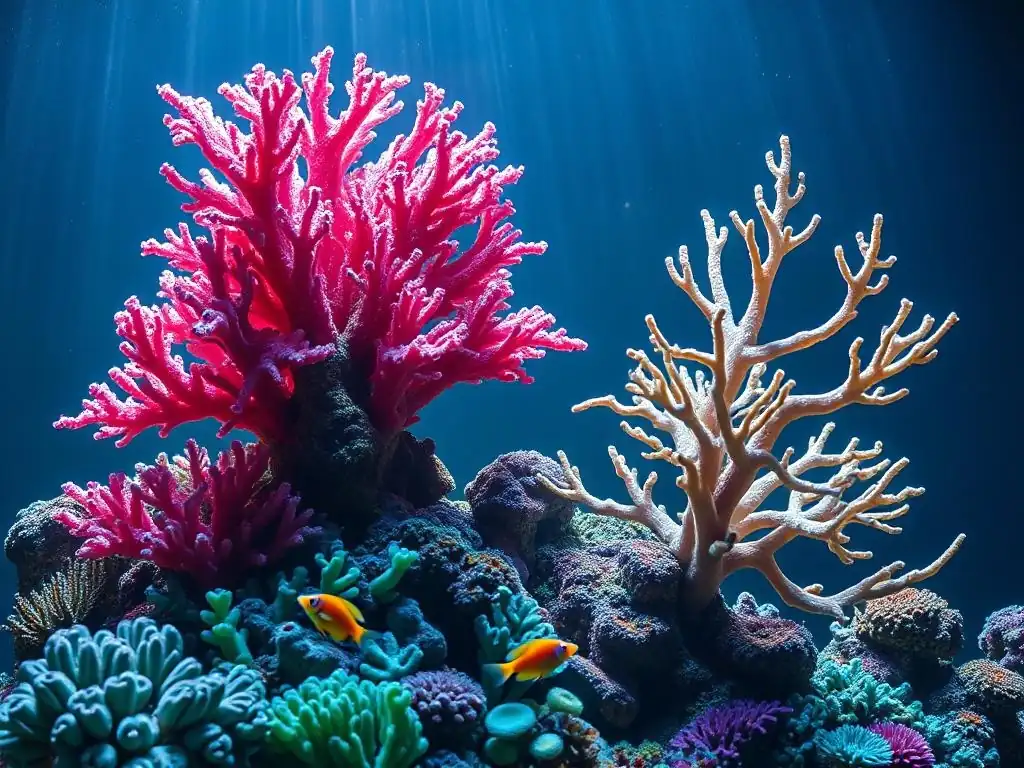
Ever wondered if you could love your SPS corals too much? Dive in to discover the surprising consequences of overfeeding SPS corals and how seemingly harmless extra nutrients can actually spell disaster for your vibrant reef. Ready to unlock the secrets to a thriving SPS coral ecosystem? Let's explore!
- Understanding SPS Coral Nutrition: A Delicate Balance
- SPS Coral Overfeeding Consequences: Identifying the Dangers
- Recognizing the Signs of SPS Coral Overfeeding
- How to Avoid SPS Coral Overfeeding: Practical Strategies
- Choosing the Right Foods for SPS Corals: A Guide
- Managing Existing Nutrient Spikes: Corrective Actions
- Preventing Future Overfeeding Issues: Long-Term Solutions
- Conclusion: Maintaining a Healthy Balance for Thriving SPS Corals
-
Frequently Asked Questions
- What are the main consequences of overfeeding SPS corals?
- How can overfeeding lead to algae blooms in an SPS coral tank?
- What specific water chemistry parameters are affected by overfeeding SPS corals?
- How often should I feed my SPS corals to avoid overfeeding?
- Besides algae blooms, what other issues can arise from overfeeding SPS corals?
- Final Reflection: Navigating the Delicate Balance of Coral Nutrition
- Ignite Your Reef: Start Feeding Your SPS Smarter!
Understanding SPS Coral Nutrition: A Delicate Balance
The Nutritional Needs of Small Polyp Stony Corals (SPS)
Small Polyp Stony (SPS) corals, such as Acropora, Montipora, and Seriatopora, are renowned for their vibrant colors and intricate growth forms, making them highly coveted in advanced reef aquariums. While often perceived as primarily photosynthetic, deriving energy from their symbiotic zooxanthellae algae, SPS corals also possess heterotrophic capabilities, meaning they can capture and consume particulate matter from the water column.
This dual nutritional strategy is crucial for their rapid growth, calcification, and maintaining their striking coloration. They actively absorb dissolved organic compounds (DOCs) and tiny food particles, typically ranging from 5 to 50 microns in size, including phytoplankton, zooplankton, and various marine snow components.
The direct feeding of SPS corals is not merely supplementary; it plays a significant role in their overall health and resilience, especially under specific aquarium conditions. While zooxanthellae provide the bulk of their energy – estimated to be between 70% to 90% of their metabolic needs – external feeding supplies essential fatty acids, amino acids, and other vital nutrients that may be limited through photosynthesis alone.
For instance, studies have shown that corals fed a diverse diet exhibit faster growth rates and enhanced coloration compared to those relying solely on light. This highlights the importance of providing a balanced nutritional intake, not just relying on light for their sustenance.
The Role of Zooxanthellae in SPS Coral Health
Zooxanthellae are dinoflagellate algae that live symbiotically within the coral's tissues. Through photosynthesis, these algae convert light energy into sugars, lipids, and amino acids, which are then translocated to the coral host. This energy transfer is the primary driver of the coral's metabolic processes, including calcification – the process of building their stony skeleton. A healthy population of zooxanthellae, supported by adequate lighting, is fundamental for SPS coral vitality, contributing significantly to their energy budget and overall resilience.
However, the symbiotic relationship with zooxanthellae is highly sensitive to environmental conditions, particularly nutrient levels. When nutrient concentrations, such as nitrates and phosphates, become elevated due to factors like SPS coral overfeeding consequences, the zooxanthellae can proliferate excessively. This overpopulation leads to a phenomenon known as "browning out," where the coral's vibrant colors are masked by the dense, brownish pigments of the zooxanthellae. While seemingly robust, this state indicates a stressed coral, as the increased algal density can reduce light penetration to the coral's tissues and potentially lead to less efficient energy transfer.
Why Overfeeding SPS Corals is a Common Mistake
A common misconception among aquarists, particularly those new to SPS corals, is that more food will lead to faster growth and more vibrant colors. This "more is better" mentality often stems from experiences with fish or less sensitive coral types. However, SPS corals, with their specialized feeding mechanisms and delicate symbiotic relationship, are highly susceptible to the negative impacts of excess nutrients. Enthusiastic hobbyists, eager to see their corals thrive, might inadvertently introduce more food than their system can process, leading to a cascade of detrimental effects.
The fine particulate nature of SPS foods also contributes to overfeeding. These tiny particles can easily go unnoticed, settling into the rockwork or substrate if not immediately consumed, slowly decaying and releasing nutrients into the water column. Unlike larger food items fed to fish, which are quickly consumed or removed, the residual impact of even small amounts of uneaten coral food can accumulate over time. This gradual buildup, combined with a misunderstanding of the true extent of SPS coral nutritional needs from direct feeding, makes SPS coral overfeeding consequences a frequent challenge in reef aquariums.
SPS Coral Overfeeding Consequences: Identifying the Dangers
The Dangers of Excess Nutrients in SPS Aquariums
Excess nutrients, primarily nitrates and phosphates, represent one of the most significant threats to the long-term health and aesthetic appeal of an SPS-dominated reef aquarium. When nutrient levels rise beyond optimal ranges, the delicate balance of the captive ecosystem is disrupted, paving the way for a host of undesirable SPS coral overfeeding consequences. These elevated nutrient concentrations act as fuel for nuisance algae and cyanobacteria, which can quickly outcompete and smother slow-growing SPS corals. Moreover, high nutrient levels directly impair the coral's ability to calcify and maintain vibrant coloration, often leading to a dull, brown appearance.
Beyond visible issues, excess nutrients can also foster the proliferation of undesirable bacterial strains within the aquarium, potentially leading to bacterial blooms that reduce water clarity and oxygen levels. The cumulative effect of these factors creates a stressful environment for SPS corals, making them more susceptible to diseases and tissue loss. For instance, a tank with consistently high phosphate levels, perhaps exceeding 0.1 ppm, will likely experience stunted SPS growth and significant algal outbreaks, directly illustrating the detrimental SPS coral overfeeding consequences.
Elevated Nitrate Levels and SPS Coral Health
Nitrate, a byproduct of the nitrogen cycle, is a crucial nutrient in aquatic ecosystems, but elevated concentrations are particularly problematic for SPS corals. While some level of nitrate (e.g., 1-5 ppm) can be beneficial for coral health and coloration, levels consistently above 10 ppm can lead to several undesirable outcomes. One of the most common SPS coral overfeeding consequences related to high nitrate is the "browning out" of corals. This occurs because the increased availability of nitrates fuels the proliferation of zooxanthellae within the coral tissue, causing the coral to appear darker brown and obscuring its natural vibrant pigments.
Furthermore, chronic exposure to high nitrate levels can inhibit the calcification process, slowing down the growth rate of SPS corals. For example, a study might show that Acropora millepora grown in water with 20 ppm nitrate exhibits a 15-20% slower growth rate compared to those in water with 2 ppm nitrate. High nitrates can also contribute to the overall organic load of the system, potentially stressing corals and making them more vulnerable to bacterial infections or tissue necrosis, underscoring the severity of SPS coral overfeeding consequences.
Phosphate Buildup: A Major Threat to SPS Coloration
Phosphate is arguably the most critical nutrient to keep in check in an SPS reef tank. Even trace amounts can have significant negative impacts. Optimal phosphate levels for SPS corals are typically below 0.03 ppm, with many advanced aquarists aiming for undetectable levels, often below 0.01 ppm. When phosphate concentrations rise due to SPS coral overfeeding consequences, they directly interfere with the calcification process, inhibiting the coral's ability to deposit calcium carbonate for skeletal growth. This leads to stunted growth and weaker skeletons, making corals more brittle.
Beyond growth inhibition, phosphate buildup is a primary cause of dull coloration and "greening out" in SPS corals. High phosphates encourage the growth of zooxanthellae, similar to nitrates, but they also promote the production of chlorophyll within these algae, leading to a greenish tint that overrides the coral's intrinsic pigments. For instance, a pristine Montipora capricornis frag might lose its vibrant orange or red hue and turn a muted brown-green within weeks if phosphate levels consistently exceed 0.05 ppm, showcasing direct SPS coral overfeeding consequences on aesthetics.
Algae Blooms and Their Impact on SPS Corals
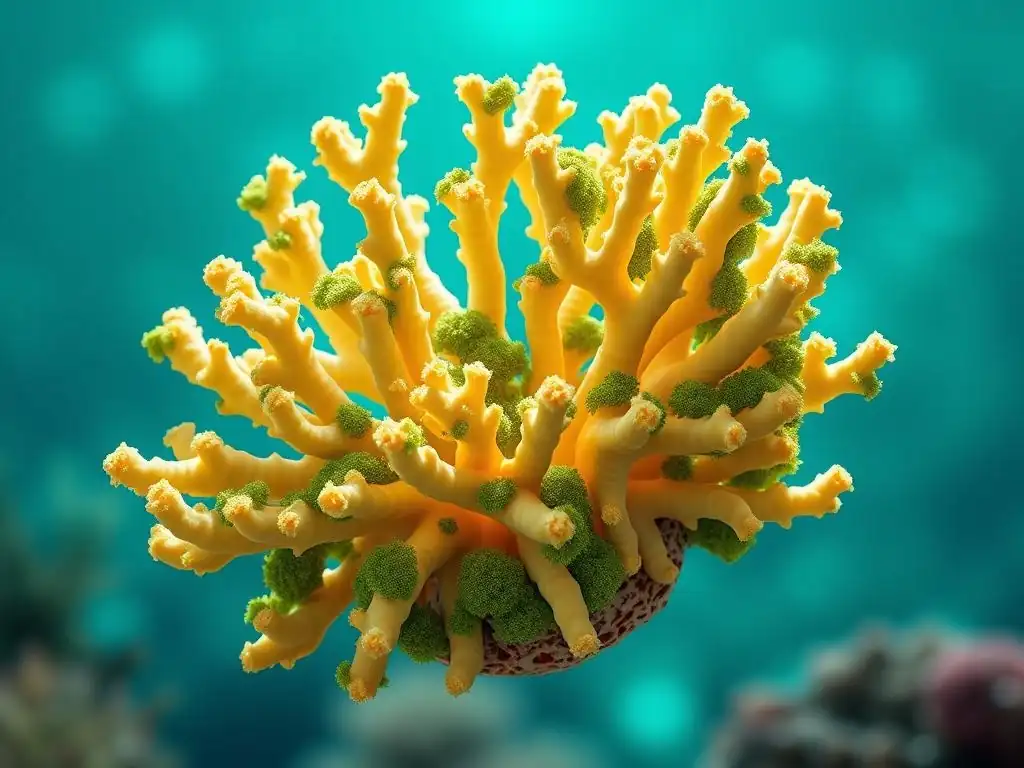
Algae blooms are a direct and highly visible SPS coral overfeeding consequence. When excess nutrients, primarily nitrates and phosphates, accumulate in the aquarium, they create an ideal environment for nuisance algae to proliferate rapidly. These algae, including green hair algae, diatoms, and various forms of cyanobacteria (often misidentified as algae), can quickly colonize rockwork, substrate, and even the coral skeletons themselves. This rampant growth not only detracts from the aesthetic appeal of the reef tank but also poses a direct threat to SPS corals.
Nuisance algae compete with corals for light and space. Dense mats of hair algae can physically smother coral polyps, blocking light access and impeding water flow around the coral's delicate tissues. This reduced flow can lead to localized areas of low oxygen and nutrient deprivation for the coral, ultimately resulting in tissue recession or necrosis. For example, a patch of Acropora that was once thriving might begin to recede from its base if persistent hair algae growth prevents adequate light and flow, illustrating the direct physical impact of SPS coral overfeeding consequences.
The Relationship Between Overfeeding and Algae Growth
The link between overfeeding and algae growth is straightforward and undeniable. Every time food is introduced into the aquarium, a portion of it is not consumed by fish or corals. This uneaten food, along with fish waste and coral excretions, breaks down, releasing nitrates and phosphates into the water column. If these nutrients are not efficiently removed by the aquarium's filtration system – through protein skimming, water changes, or nutrient export mechanisms – they accumulate.
Consider a typical 100-gallon SPS tank where a hobbyist feeds a generous amount of flake food daily, plus a dedicated coral food three times a week. If the protein skimmer is undersized or poorly maintained, and water changes are infrequent (e.g., less than 10% bi-weekly), nutrient levels will inevitably climb.
Within a few weeks, phosphate levels might jump from an ideal 0.01 ppm to 0.1 ppm, and nitrates from 2 ppm to 20 ppm. This nutrient spike provides a readily available food source for opportunistic algae, leading to an explosion of green hair algae on the sand bed and rockwork, a classic example of SPS coral overfeeding consequences.
Detrimental Effects of Dissolved Organic Compounds (DOCs)
Dissolved Organic Compounds (DOCs) are a complex mixture of organic molecules released into the water column from various sources, including uneaten food, fish and coral waste, and coral mucus. In an overfed SPS aquarium, DOC levels can rapidly escalate, leading to several negative impacts beyond just elevated nitrates and phosphates. High concentrations of DOCs can significantly reduce water clarity, giving the aquarium water a yellowish tint that inhibits light penetration, thereby reducing the efficiency of photosynthesis by the coral's zooxanthellae.
Moreover, DOCs serve as a rich food source for heterotrophic bacteria. While some bacterial growth is beneficial, an excessive proliferation of certain bacterial strains can lead to bacterial blooms, which manifest as cloudy water and can deplete oxygen levels, particularly at night. These bacterial imbalances can also contribute to the growth of undesirable biofilms on equipment and coral surfaces. Furthermore, high DOCs can hinder the efficiency of protein skimmers, as these compounds can overwhelm the skimmer's ability to effectively remove organic waste, creating a vicious cycle of nutrient accumulation and poor water quality, exacerbating SPS coral overfeeding consequences.
Recognizing the Signs of SPS Coral Overfeeding
Visual Indicators of Nutrient Imbalance in SPS Tanks
Observing your SPS corals and the overall aquarium environment regularly is crucial for detecting early signs of nutrient imbalance, often stemming from SPS coral overfeeding consequences. Visual cues can provide significant insights before water test results confirm the issue. These indicators range from subtle changes in coral appearance to widespread nuisance growth, signaling that your system's nutrient export capabilities are being overwhelmed by nutrient input.
Changes in SPS Coral Coloration (Browning or Fading)
One of the most noticeable SPS coral overfeeding consequences is a significant change in their coloration. When nutrient levels, particularly nitrates and phosphates, are consistently elevated, SPS corals often exhibit a phenomenon known as "browning out." This occurs because the increased availability of nutrients fuels an overpopulation of zooxanthellae within the coral's tissues.
The dense concentration of these brown-pigmented symbiotic algae masks the coral's natural vibrant colors, making a bright pink Acropora appear dull brown, or a vivid green Montipora turn a muted olive. This browning indicates that the coral is stressed and its symbiotic relationship is out of balance.
Conversely, in prolonged, severe cases of nutrient imbalance and stress, some SPS corals might also begin to fade or appear bleached. While bleaching is primarily associated with temperature stress, it can also be a secondary effect of chronic nutrient stress. A coral that has been browning out might eventually lose its zooxanthellae altogether if the stressful conditions persist, leading to a pale or white appearance. This fading is a critical warning sign that the coral is severely compromised and is struggling to maintain its symbiotic relationship, often as a direct result of unaddressed SPS coral overfeeding consequences.
Excessive Algae Growth on Rocks and Glass
Perhaps the most obvious and immediate visual indicator of nutrient imbalance due to SPS coral overfeeding consequences is the proliferation of nuisance algae. Within days or weeks of consistent overfeeding or inadequate nutrient export, you may observe a rapid increase in various types of algae covering your rockwork, substrate, and aquarium glass. Common culprits include green hair algae, which forms long, stringy strands; diatoms, appearing as a brownish film; and cyanobacteria, which often present as slimy red or green mats.
For example, a 150-gallon SPS tank that previously had pristine white live rock might start to develop noticeable patches of green hair algae, growing several millimeters in length, within 10-14 days if phosphate levels rise from 0.02 ppm to 0.08 ppm due to a heavier feeding regimen. This rapid onset of algae growth serves as a clear visual alarm, indicating that the system's nutrient levels are too high for the delicate balance required by SPS corals and that the SPS coral overfeeding consequences are becoming evident.
SPS Coral Tissue Necrosis (STN) and Rapid Tissue Necrosis (RTN)
SPS Coral Tissue Necrosis (STN) and Rapid Tissue Necrosis (RTN) are devastating conditions where coral tissue dies and peels away from the skeleton. While not exclusively caused by overfeeding, nutrient spikes, often resulting from SPS coral overfeeding consequences, are significant contributing factors. These conditions represent extreme stress responses in corals.
STN is a slower progression, often starting from the base of the coral and moving upwards over days or weeks, leaving a bare white skeleton in its wake. RTN, on the other hand, is a catastrophic and rapid event, where the coral tissue can vanish overnight, often leaving nothing but a stark white skeleton.
Elevated nutrient levels, particularly in conjunction with other stressors like unstable water parameters, insufficient flow, or bacterial imbalances, can trigger STN or RTN. The excess organic matter from overfeeding can lead to an increase in heterotrophic bacteria that may become pathogenic, overwhelming the coral's immune system. For instance, a previously healthy Acropora colony might experience RTN within 24 hours following a substantial nutrient spike caused by an accidental dumping of an entire container of coral food into the tank, demonstrating the severe and immediate SPS coral overfeeding consequences. Recognizing these signs demands immediate corrective action to save remaining corals.
Testing Your Water: The Key to Identifying Nutrient Problems
While visual cues are important, precise water parameter testing is the most reliable method for identifying and quantifying nutrient problems. Regular and accurate testing allows aquarists to monitor trends in nitrate and phosphate levels, providing objective data to guide feeding adjustments and nutrient export strategies. Relying solely on visual indicators can lead to delayed intervention, as nuisance algae may only become apparent after nutrient levels have been elevated for some time, allowing SPS coral overfeeding consequences to take hold.
High-quality test kits, such as those from Hanna Instruments, Red Sea, or Salifert, are indispensable tools for any serious SPS aquarist. Consistent testing, ideally weekly or bi-weekly for nitrates and phosphates, enables hobbyists to establish a baseline for their system and quickly detect any upward trends that signal a potential overfeeding issue or insufficient nutrient export. Maintaining a detailed logbook of test results helps in understanding the system's dynamics and identifying patterns related to feeding habits.
Recommended Water Chemistry Parameters for SPS Corals
Maintaining stable and appropriate water chemistry is paramount for the health and vibrant coloration of SPS corals. While many parameters are important, specific ranges for nitrates and phosphates are critical to avoid SPS coral overfeeding consequences.
- Salinity: 1.025-1.026 specific gravity (35 ppt)
- Alkalinity (dKH): 7.5-8.5 dKH (some advanced aquarists prefer 8.0-9.0, but consistency is key)
- Calcium (ppm): 400-450 ppm
- Magnesium (ppm): 1300-1350 ppm
- Nitrate (ppm): <5-10 ppm (ideally closer to 1-2 ppm for optimal coloration and growth)
- Phosphate (ppm): <0.03 ppm (ideally <0.01 ppm for vibrant colors and to prevent nuisance algae)
- Temperature (°F/°C): 76-78°F (24.4-25.5°C)
- pH: 8.0-8.4 (stable fluctuations are acceptable, rapid swings are not)
Consistent monitoring of these parameters, especially nitrates and phosphates, provides direct insight into the effectiveness of your feeding regimen and nutrient export strategies, helping you mitigate SPS coral overfeeding consequences.
How to Avoid SPS Coral Overfeeding: Practical Strategies
Precise Feeding Methods for SPS Corals
To effectively avoid SPS coral overfeeding consequences, the method of food delivery is as crucial as the amount of food itself. Indiscriminate broadcast feeding can lead to a significant portion of the food going uneaten, settling in the substrate, and breaking down into undesirable nutrients. Instead, precise and targeted feeding methods ensure that the food reaches the intended recipients – your corals – minimizing waste and reducing the overall nutrient load in the aquarium.
Understanding the feeding behavior and polyp extension of your specific SPS corals can further enhance feeding efficiency. Many SPS corals, particularly those with larger polyps, will extend their feeding tentacles more readily in the evening or when flow is reduced. Observing these behaviors can help aquarists time their feeding to maximize consumption and minimize residual food, thereby directly addressing potential SPS coral overfeeding consequences.
Target Feeding vs. Broadcast Feeding
Target feeding involves delivering food directly to individual coral polyps using a pipette, baster, or specialized feeding stick. This method is highly effective for SPS corals as it ensures that the majority of the food is consumed, drastically reducing the amount of uneaten particles that can contribute to nutrient spikes.
For example, when feeding a powdered coral food, mixing a small amount with tank water in a separate container and then slowly squirting the mixture directly onto the polyps allows for precise delivery. This approach minimizes the release of nutrients into the general water column, making it an excellent strategy to prevent SPS coral overfeeding consequences.
Broadcast feeding, on the other hand, involves dispersing food throughout the entire water column. While this method can be suitable for systems with a large fish population that quickly consumes the food, or for corals that passively filter feed from the water, it is generally less ideal for SPS-dominant tanks when the primary goal is coral feeding.
The vast majority of broadcasted food will not be captured by SPS polyps and will instead contribute to the overall nutrient load. While a very small, infrequent broadcast feeding of highly concentrated coral food might be considered for a diverse reef, target feeding remains the superior method for mitigating SPS coral overfeeding consequences in dedicated SPS systems.
The Importance of Food Size and Type
The effectiveness of SPS coral feeding and the avoidance of SPS coral overfeeding consequences are heavily dependent on selecting the correct food size and type. SPS corals have very small polyps and can only ingest microscopic particles. Foods designed for larger-polyped corals (LPS) or fish are typically too large and will simply go to waste, decaying and polluting the water. Ideal SPS coral foods consist of finely ground powders, suspended liquids, or live cultures of phytoplankton and zooplankton.
For instance, commercially available SPS coral foods often specify a particle size range, such as 5-50 microns, which is appropriate for their small polyps. Amino acid solutions, being dissolved, are also readily absorbed. Feeding a large pellet or flake food intended for fish to an SPS coral would be entirely ineffective and counterproductive, as the coral cannot consume it, and the food will merely break down into nitrates and phosphates, leading to predictable SPS coral overfeeding consequences. Always verify that the food product is specifically formulated for small polyp stony corals to ensure maximum uptake and minimal waste.
Optimizing Your Protein Skimmer for Nutrient Control
A properly sized and well-maintained protein skimmer is an indispensable tool for preventing SPS coral overfeeding consequences. Protein skimmers remove dissolved organic compounds (DOCs), uneaten food particles, and various waste products from the water column before they can break down into nitrates and phosphates. By physically removing these precursors to nutrients, a highly efficient skimmer significantly reduces the overall organic load of the system, directly mitigating the impact of any incidental overfeeding.
To optimize your protein skimmer, ensure it is rated for your tank size, ideally oversizing it slightly for an SPS-dominated system. Regular maintenance is crucial: empty the collection cup daily or every other day, and clean the skimmer neck weekly to prevent protein buildup that reduces skimming efficiency. Adjusting the skimmer's wetness (producing a wetter, lighter skimmate or a drier, darker skimmate) can also influence its effectiveness in different scenarios. A skimmer producing a consistent, dark skimmate indicates efficient removal of organic waste, acting as a frontline defense against SPS coral overfeeding consequences.
The Role of Water Changes in Nutrient Reduction
Regular water changes are a fundamental and highly effective strategy for reducing nutrient levels and preventing SPS coral overfeeding consequences. Water changes directly remove nitrates, phosphates, and accumulated dissolved organic compounds that escape other filtration methods. They also replenish essential trace elements and alkalinity, calcium, and magnesium that are depleted by coral growth and biological processes.
For an SPS-dominated tank, a consistent water change schedule is vital. Depending on the bioload and feeding regimen, a 10-20% weekly water change is often recommended. In systems with a heavier bioload or if signs of nutrient accumulation (like rising nitrates or algae growth) are observed, more frequent or larger water changes may be necessary. Using high-quality RODI (Reverse Osmosis Deionized) water for mixing new saltwater is critical to avoid introducing new impurities or nutrients into the system, ensuring that water changes effectively combat SPS coral overfeeding consequences.
Utilizing Refugiums for Natural Nutrient Export
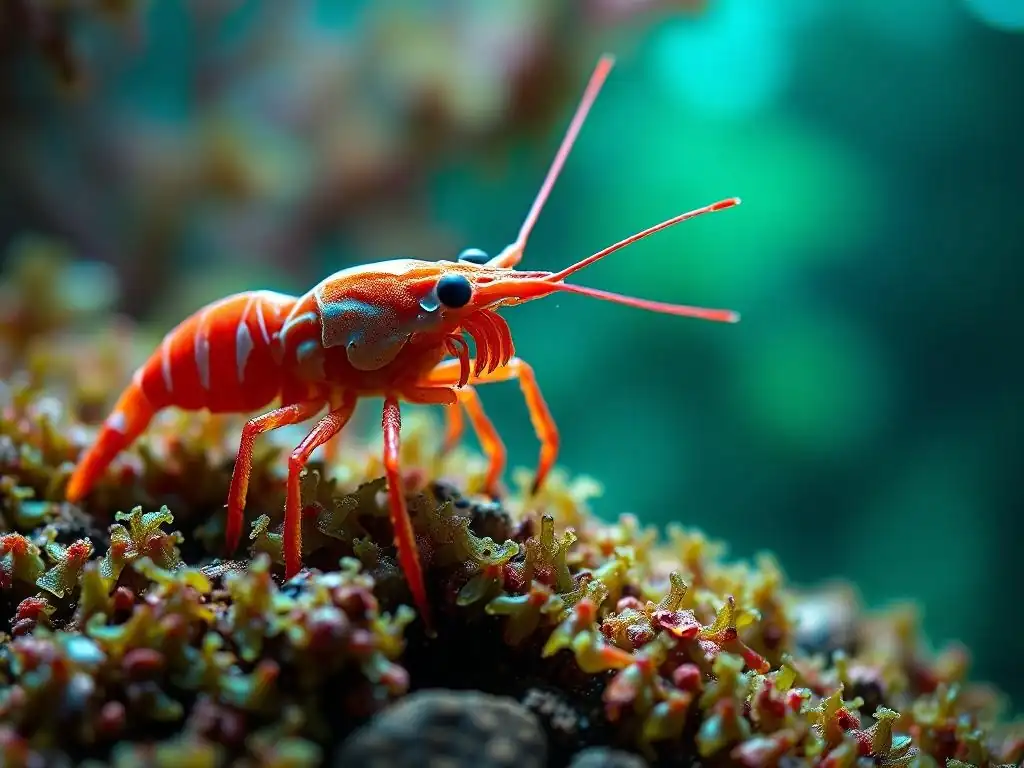
A refugium is a dedicated section of the sump or an external container plumbed into the main display, designed to cultivate beneficial organisms that aid in nutrient export. It provides a stable environment away from predation for macroalgae, copepods, and other beneficial invertebrates. Incorporating a refugium is an excellent long-term strategy for natural nutrient control, significantly helping to prevent SPS coral overfeeding consequences by continuously removing undesirable compounds.
The effectiveness of a refugium hinges on its ability to outcompete nuisance algae for nutrients and to provide a habitat for organisms that consume excess organics. A well-designed refugium can process a significant portion of the nitrates and phosphates generated in the main display, leading to more stable water parameters and a healthier environment for SPS corals.
Macroalgae: A Powerful Tool for Nutrient Removal
Macroalgae, such as Chaetomorpha (Chaeto), Ulva (sea lettuce), and Gracilaria, are cornerstone inhabitants of most refugiums. These fast-growing algae efficiently absorb nitrates and phosphates directly from the water column for their growth. By periodically "harvesting" or trimming a portion of the macroalgae biomass from the refugium, these absorbed nutrients are physically removed from the aquarium system, preventing their re-release.
For instance, a 50-gallon refugium packed with vigorously growing Chaetomorpha can process several ppm of nitrates and 0.0X ppm of phosphates weekly in a 200-gallon display tank. Many aquarists run their refugium lights on a reverse daylight photoperiod (i.e., lights on during the main tank's dark cycle) to help stabilize pH by consuming CO2 at night, further benefiting SPS corals. Regular pruning of macroalgae, typically every 1-2 weeks, is essential to maintain its rapid growth and ensure continuous nutrient export, making it a powerful natural defense against SPS coral overfeeding consequences.
Implementing a Proper Lighting Schedule for SPS Health
While not directly related to feeding, a proper lighting schedule plays an indirect yet crucial role in preventing SPS coral overfeeding consequences. SPS corals rely heavily on the photosynthesis carried out by their symbiotic zooxanthellae for energy. If lighting is inadequate in terms of intensity, spectrum, or duration, the zooxanthellae cannot produce enough energy for the coral. This energy deficit can increase the coral's reliance on heterotrophic feeding (direct consumption of food), potentially leading aquarists to feed more frequently or in larger quantities to compensate.
An appropriate lighting schedule, typically 8-12 hours of photoperiod including a ramp-up and ramp-down phase, ensures that zooxanthellae are performing optimally. When corals receive sufficient light, they are more efficient at producing their own energy, reducing their dependency on external food sources. This, in turn, lessens the likelihood of nutrient buildup from uneaten food and helps maintain a healthier, more balanced system, minimizing the risk of SPS coral overfeeding consequences.
Regular Testing and Monitoring of Water Parameters
Consistent and accurate water parameter testing is paramount for proactive reef keeping and indispensable for preventing SPS coral overfeeding consequences. It provides objective data on the health of your system, allowing you to identify trends and potential problems before they escalate into visible issues like algae outbreaks or coral decline. Relying solely on visual cues means you are reacting to problems, rather than preventing them.
Establishing a routine for testing key parameters like nitrates, phosphates, alkalinity, calcium, and magnesium, ideally weekly or bi-weekly, allows for early detection of any deviations. For instance, if phosphate levels begin to creep up from 0.01 ppm to 0.04 ppm over two weeks, even without visible algae, it's a clear signal that nutrient input (perhaps from overfeeding) is exceeding export.
This early warning allows you to adjust feeding amounts, increase water changes, or modify filtration methods before severe SPS coral overfeeding consequences manifest. Maintaining a logbook of these readings is highly recommended to track long-term trends and evaluate the effectiveness of your husbandry practices.
Choosing the Right Foods for SPS Corals: A Guide
Identifying High-Quality SPS Coral Foods
Selecting high-quality foods specifically designed for SPS corals is crucial for their health and for minimizing SPS coral overfeeding consequences. Not all coral foods are created equal, and many are formulated for LPS corals or general filter feeders, which may not be suitable for the fine polyps of SPS. Look for foods that emphasize small particle sizes, typically in the micron range (e.g., 5-50 microns), as SPS corals cannot effectively ingest larger particles.
High-quality SPS coral foods should also have a balanced nutritional profile, rich in marine proteins, lipids, and essential fatty acids. Reputable brands often provide detailed ingredient lists and nutritional analyses. Avoid products with excessive fillers or artificial ingredients. Examples include finely powdered zooplankton or phytoplankton blends, coral-specific pellet fragments, or amino acid solutions. Investing in these specialized foods ensures that the nutrients are bioavailable to your corals and reduces the amount of uneaten waste that could contribute to SPS coral overfeeding consequences.
Understanding Amino Acids and Their Importance
Amino acids are the building blocks of proteins and play a vital role in coral tissue growth, repair, and coloration. While corals can produce some amino acids internally, they also absorb them directly from the water column. Supplementing with high-quality amino acid solutions can significantly enhance SPS coral health, promoting vibrant colors and robust growth, often making them less reliant on other forms of direct feeding.
However, caution is advised when dosing amino acids. While beneficial, they are still organic compounds that, if over-dosed, can contribute to the overall dissolved organic carbon (DOC) load in the system, potentially leading to bacterial blooms or increased nutrient levels. It's crucial to follow manufacturer recommendations for dosing and observe your corals' response. A typical dosing regimen might be 1-2 drops per 25 gallons a few times a week, adjusted based on coral demand and water parameters. Judicious use of amino acids can be a powerful tool in avoiding SPS coral overfeeding consequences while still providing essential nutrients.
Live Food Options for SPS Corals: Pros and Cons
Live food options can be highly beneficial for SPS corals, offering unparalleled nutritional value and eliciting strong feeding responses. The movement of live prey often triggers polyp extension and capture mechanisms that dry or frozen foods may not.
Pros:
- High Nutritional Value: Live foods like rotifers ( Brachionus plicatilis) and copepods ( Tisbe, Tigriopus) are rich in essential fatty acids and proteins, providing a complete and natural diet.
- Stimulates Natural Behavior: The swimming motion of live prey encourages polyp extension and active feeding, which can improve coral health and vigor.
- Bioavailable Nutrients: Live organisms are easily digestible, ensuring maximum nutrient uptake.
- Population Control: Some live foods, particularly copepods, can establish breeding populations in the refugium or sump, providing a continuous, albeit small, food source.
Cons:
- Introduces Nutrients: Unless consumed quickly, live foods can die and decompose, contributing to the nutrient load and potentially leading to SPS coral overfeeding consequences.
- Cost and Availability: Live cultures can be more expensive and require more effort to maintain or acquire regularly compared to dry foods.
- Potential for Unwanted Organisms: There's a slight risk of introducing unwanted hitchhikers if the live cultures are not from a reputable source.
- Short Shelf Life: Most live cultures need to be used quickly or require proper culturing to keep them alive.
Despite the cons, incorporating small, targeted doses of live rotifers or copepods (e.g., 5-10 mL per 50 gallons a few times a week) can significantly benefit SPS health without causing major SPS coral overfeeding consequences, provided the system's nutrient export is robust.
Managing Existing Nutrient Spikes: Corrective Actions
Immediate Steps to Take After Detecting Overfeeding
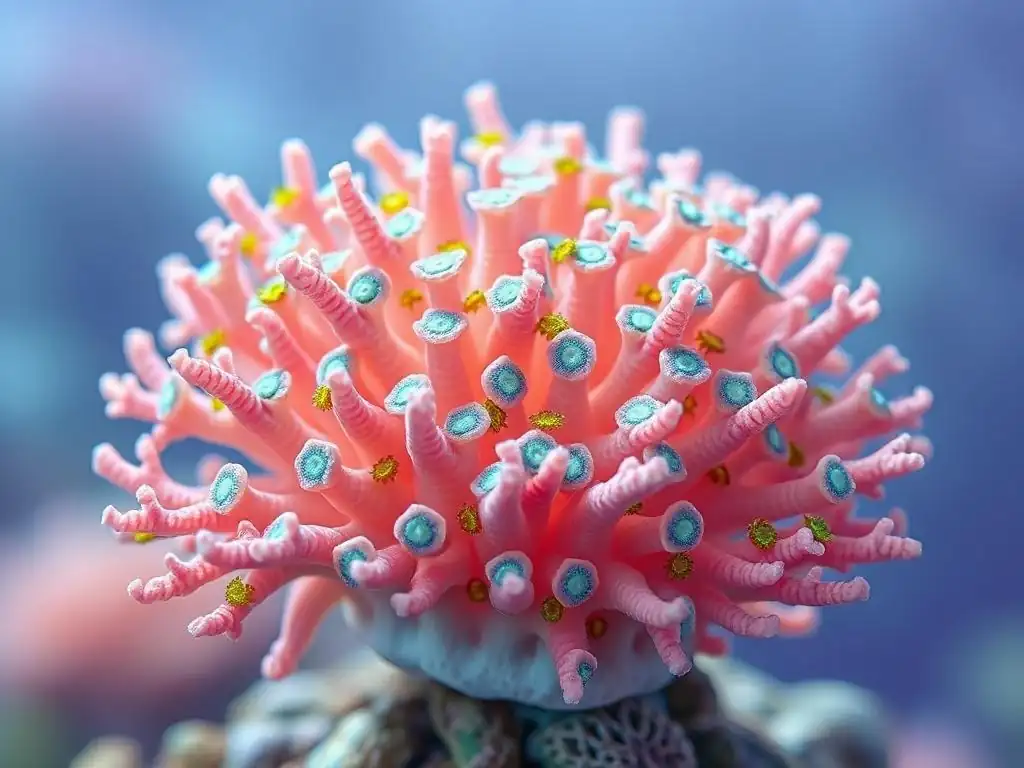
Upon detecting signs of overfeeding, such as rising nitrates/phosphates, increased algae growth, or coral browning, immediate action is crucial to mitigate SPS coral overfeeding consequences. Swift intervention can prevent minor issues from escalating into severe problems like STN/RTN.
- Stop or Significantly Reduce Feeding: The most immediate step is to cease or drastically cut back on all feeding, both for fish and corals. This reduces the immediate input of new organic waste into the system.
- Perform a Large Water Change: Conduct a substantial water change, ideally 20-30% of the tank volume, using fresh, high-quality RODI water mixed to the correct salinity. This directly removes a significant portion of dissolved nitrates, phosphates, and DOCs.
- Check and Optimize Protein Skimmer: Ensure your protein skimmer is running optimally. Empty the collection cup, clean the neck, and adjust it for a "wet" skim (producing more skimmate, even if lighter in color) to maximize the removal of organic waste.
- Remove Visible Uneaten Food/Detritus: If possible, siphon out any visible uneaten food or accumulated detritus from the sand bed and rockwork. This prevents further decomposition and nutrient release.
- Increase Flow: Ensure strong water flow throughout the tank to prevent detritus from settling and to keep organic matter suspended for removal by the skimmer or filtration.
These immediate actions lay the groundwork for longer-term corrective measures to address the underlying SPS coral overfeeding consequences.
Effective Methods for Reducing Nitrate and Phosphate Levels
Once immediate steps are taken, sustained efforts are required to bring nitrate and phosphate levels back into optimal ranges. These methods are critical for reversing SPS coral overfeeding consequences and restoring a healthy environment.
Water Changes with RODI Water
Frequent and substantial water changes are one of the most effective and straightforward methods for reducing elevated nitrate and phosphate levels. Unlike chemical filtration, water changes physically remove these nutrients from the system. For a significant nutrient spike, consider performing multiple smaller water changes over a few days (e.g., 10-15% daily for 3-5 days) rather than one massive change, which can sometimes shock the system.
Always use RODI (Reverse Osmosis Deionized) water for mixing new saltwater to ensure no new impurities or nutrients are introduced. For instance, if your nitrate is 20 ppm, a 25% water change will theoretically reduce it to 15 ppm, and repeating this process will steadily bring levels down.
Utilizing Chemical Filtration (GFO, Carbon Dosing)
Chemical filtration media are powerful tools for targeted nutrient removal.
- Granular Ferric Oxide (GFO): GFO is highly effective at adsorbing phosphates. It works by binding phosphates to its surface, effectively removing them from the water column. GFO should be placed in a fluidized reactor for optimal efficiency, or in a high-flow media bag in a sump. Start with a conservative amount (e.g., 0.5-1 gram per gallon) and replace it every 2-4 weeks, or when phosphate levels begin to rise again. Overdosing GFO or changing it too rapidly can cause a rapid drop in phosphate, which can stress corals.
- Activated Carbon: While primarily used for removing dissolved organic compounds (DOCs) that cause yellowing and odors, activated carbon also indirectly helps reduce nutrients by removing their precursors. It improves water clarity, allowing better light penetration for zooxanthellae. Use high-quality, pelletized carbon in a media bag in a high-flow area or in a reactor, replacing it every 2-4 weeks.
- Carbon Dosing (Vodka, Vinegar, Sugar): This advanced technique involves adding a carbon source (like vodka, vinegar, or sugar) to the aquarium water. This feeds and accelerates the growth of beneficial heterotrophic bacteria, which then consume nitrates and phosphates from the water column as they multiply. As these bacteria reproduce and form biomass, they are then removed from the system by the protein skimmer or consumed by filter feeders. Carbon dosing can be highly effective but requires careful monitoring and precise dosing, as overdosing can lead to bacterial blooms, oxygen depletion, and even coral tissue necrosis. It is generally recommended for experienced aquarists who fully understand the implications and can monitor their system closely to prevent severe SPS coral overfeeding consequences.
Monitoring SPS Coral Recovery and Adjusting Strategies
After implementing corrective actions, continuous monitoring of your SPS corals and water parameters is essential to gauge recovery and fine-tune your long-term strategies. Observe your corals daily for signs of improvement, such as increased polyp extension, returning coloration, and cessation of tissue loss. This visual assessment should be coupled with regular water testing.
Continue to test nitrates and phosphates frequently (e.g., every 1-2 days initially) to track the effectiveness of your nutrient reduction methods. Once parameters stabilize within the desired ranges (e.g., nitrates <5 ppm, phosphates <0.03 ppm), you can gradually reintroduce feeding, starting with very small amounts and slowly increasing as the system demonstrates its ability to process the added nutrients without spikes.
Keep a detailed log of all changes made and their corresponding impact on water parameters and coral health. This iterative process of observation, testing, adjustment, and re-evaluation is key to not only recovering from SPS coral overfeeding consequences but also preventing future occurrences.
Preventing Future Overfeeding Issues: Long-Term Solutions
Establishing a Consistent Feeding Routine
One of the most effective long-term strategies to prevent SPS coral overfeeding consequences is to establish and strictly adhere to a consistent feeding routine. Random or impulsive feeding often leads to excessive nutrient input. Instead, determine a fixed schedule and measured amounts of food for both fish and corals. For example, you might decide to feed your fish a small pinch of high-quality flake food once a day, and target feed your SPS corals a specific coral food 2-3 times per week.
Using a measuring spoon or a dedicated feeding cup for fish food ensures consistency in quantity. For coral foods, measuring out a specific amount (e.g., 1/4 teaspoon for a 100-gallon tank) and mixing it with tank water before target feeding helps prevent over-dosing. This disciplined approach eliminates guesswork and significantly reduces the likelihood of introducing more nutrients than your system can handle, thereby proactively mitigating SPS coral overfeeding consequences.
Regularly Calibrating Your Testing Equipment
Accurate water parameter testing is foundational for successful reef keeping, and its reliability hinges on regularly calibrating your testing equipment. Even the most expensive test kits can provide erroneous readings if the reagents are expired, stored improperly, or if the testing device (like a Hanna checker or refractometer) is out of calibration. Inaccurate readings can lead to misinterpretations of your tank's health, causing you to either underfeed or overfeed based on faulty data, thus inadvertently contributing to SPS coral overfeeding consequences.
For refractometers, calibrate weekly with distilled water or a 35 ppt calibration solution. For electronic probes (pH, ORP), calibrate monthly with appropriate calibration fluids. For liquid test kits, check the expiration dates of reagents and store them according to manufacturer instructions (e.g., refrigerated). Periodically cross-referencing your results with a different brand of test kit or a local fish store's testing service can also help confirm accuracy. Ensuring your tests are reliable means you are making informed decisions about feeding and husbandry, effectively preventing SPS coral overfeeding consequences.
Maintaining a Healthy and Balanced Ecosystem
A healthy and balanced reef ecosystem is inherently more resilient to minor fluctuations and less susceptible to the severe SPS coral overfeeding consequences. This balance involves several interconnected components beyond just feeding and filtration. Proper stocking levels for fish and invertebrates are crucial; an overcrowded tank will produce more waste, regardless of feeding precision. A diverse and active clean-up crew (snails, hermit crabs, emerald crabs) plays a vital role in consuming uneaten food, detritus, and nuisance algae, acting as a natural defense.
Furthermore, a robust biological filtration system, supported by ample live rock and a mature sand bed, ensures efficient processing of ammonia and nitrite into nitrate. Maintaining stable water parameters (alkalinity, calcium, magnesium) reduces overall coral stress, making them more resilient. By fostering a thriving, self-regulating ecosystem, you create a buffer against potential overfeeding issues, as the system itself becomes more capable of processing and exporting excess nutrients, significantly reducing the risk of SPS coral overfeeding consequences.
Conclusion: Maintaining a Healthy Balance for Thriving SPS Corals
Navigating the complexities of SPS coral nutrition requires a delicate touch, where the pursuit of vibrant growth must be balanced with the critical need to prevent nutrient accumulation. As we've explored, the SPS coral overfeeding consequences can range from unsightly algae blooms and muted coloration to severe tissue necrosis, ultimately jeopardizing the health and beauty of your reef aquarium. Understanding that SPS corals derive the majority of their energy from photosynthesis, with direct feeding serving as a vital supplement, is the cornerstone of responsible husbandry.
Successful SPS coral keeping hinges on a multi-faceted approach: precise and targeted feeding methods, optimizing mechanical and biological filtration, regular water changes, and harnessing natural nutrient export mechanisms like refugiums. Crucially, consistent and accurate water parameter monitoring serves as your early warning system, allowing for proactive adjustments before minor nutrient increases escalate into detrimental SPS coral overfeeding consequences. By embracing these strategies and maintaining a vigilant eye on your system's delicate balance, you can foster a thriving, vibrant SPS coral reef that stands as a testament to informed and dedicated aquarism.
Frequently Asked Questions
What are the main consequences of overfeeding SPS corals?
Overfeeding SPS corals can lead to detrimental nutrient spikes in your aquarium water. This can fuel algae blooms and negatively impact water quality, ultimately harming your corals.
How can overfeeding lead to algae blooms in an SPS coral tank?
Excess nutrients, especially nitrates and phosphates, from uneaten food act as fertilizer. This promotes the rapid growth of undesirable algae, which can then smother and compete with your SPS corals.
What specific water chemistry parameters are affected by overfeeding SPS corals?
Overfeeding primarily impacts nitrate (NO3) and phosphate (PO4) levels. Elevated levels of these nutrients create an unstable environment that stresses SPS corals.
How often should I feed my SPS corals to avoid overfeeding?
Feeding frequency depends on the size and population of your tank. Start with small amounts once or twice a week, observing your corals and testing water parameters regularly to avoid nutrient build-up.
Besides algae blooms, what other issues can arise from overfeeding SPS corals?
Overfeeding can also contribute to cyanobacteria outbreaks and a decline in overall water quality. This can lead to coral bleaching and even death if left unaddressed.
The intricate dance between providing adequate nutrition and avoiding detrimental nutrient spikes is a critical challenge for every SPS coral enthusiast. What we've explored throughout this article underscores the profound impact our feeding practices have on the health and vitality of these delicate organisms, and by extension, the entire reef ecosystem. Understanding the consequences of SPS coral overfeeding is not just about preventing immediate coral death; it's about fostering a thriving and sustainable reef environment for generations to come.
The lessons learned here extend far beyond the confines of our aquariums. The delicate balance we strive for in our reef tanks mirrors the broader ecological challenges facing our planet's natural coral reefs. The consequences of excess nutrients, whether from overfeeding or pollution, are devastating. In the end, we will conserve only what we love; we will love only what we understand; and we will understand only what we are taught.
- Baba Dioum. This quote resonates deeply, reminding us that education and understanding are the cornerstones of responsible reef keeping and environmental stewardship.
As you reflect on the information presented, consider how you can apply these principles to your own reef keeping practices. Are you truly observing your corals and adjusting your feeding accordingly? Are you actively managing nutrient levels and striving for a balanced ecosystem? The health of your SPS corals, and indeed the future of coral reefs worldwide, depends on our collective commitment to responsible and informed action. Let us all strive to be mindful stewards of these fragile ecosystems, both within our tanks and beyond.
Ignite Your Reef: Start Feeding Your SPS Smarter!
Thanks for diving into the world of SPS coral feeding! We hope this article has illuminated the unseen dangers of overfeeding and empowered you with the knowledge to maintain a thriving reef. Now, let’s put that knowledge into action.
Here are some steps you can take right now:
- Immediately assess your current feeding schedule and reduce the amount by 25%, observing your SPS corals for improvements in color and polyp extension over the next two weeks.
- Explore alternative feeding methods beyond broadcast feeding, such as target feeding specific corals with smaller, more frequent doses, to minimize waste and nutrient spikes.
- Share your experiences and challenges with SPS coral feeding on aquarium forums or social media groups to learn from other reef keepers and contribute to the community knowledge base.
What surprising change did you notice after adjusting your SPS feeding habits?