
The Intricate World of Favia Corals: Beyond Basic Husbandry

Welcome to Aquarium Mastery!
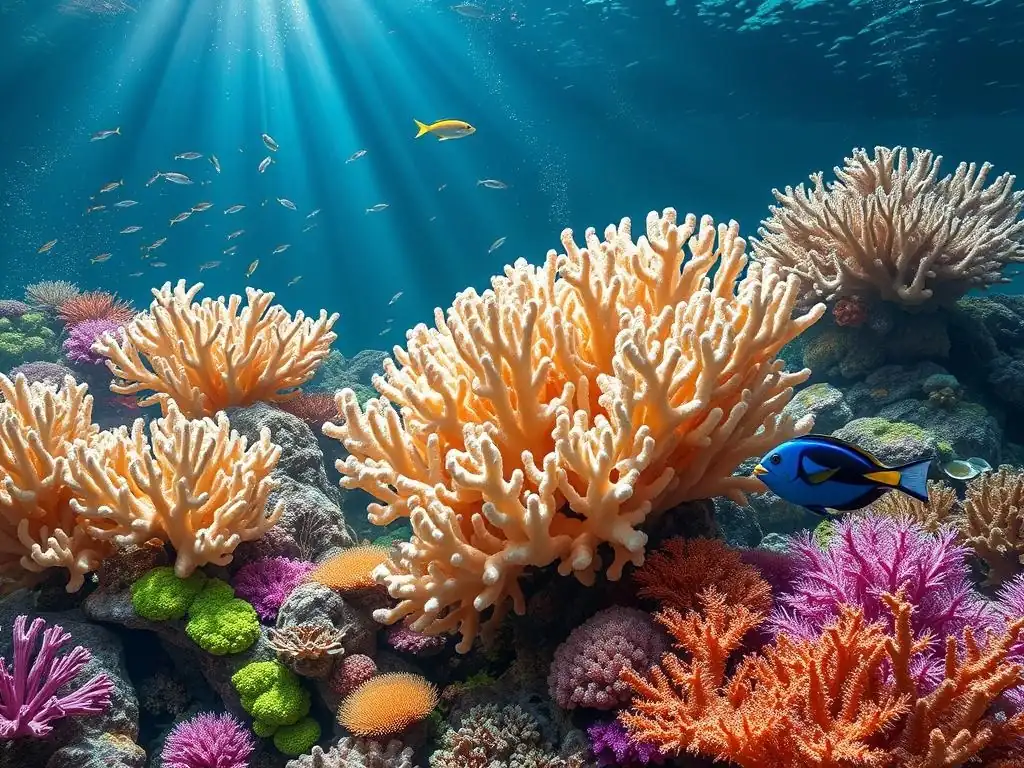
Ever been captivated by the intricate beauty of coral reefs? Dive deeper with us! This week, we're unlocking the secrets to thriving Favia corals. Beyond the basics, our Favia coral care guide reveals the nuances of keeping these stunning LPS corals happy and healthy. Ready to witness vibrant colors and flourishing growth? Let's explore the intricate world of Favia and elevate your reef keeping skills! Prepare to be amazed.
- Understanding Favia Corals: An In-Depth Care Guide
- Optimizing Your Aquarium for Favia Coral Health
- Feeding Favia Corals: Enhancing Growth and Coloration
- Favia Coral Health and Disease Management
- Propagating Favia Corals: A Step-by-Step Guide to Fragging
- Advanced Favia Coral Care: Achieving Exceptional Growth and Color
- Troubleshooting Common Favia Coral Problems
- Selecting the Right Favia Coral for Your Reef Aquarium
-
Frequently Asked Questions
- What are Favia corals and why are they popular in reef aquariums?
- What are the essential water parameters for successful Favia coral care?
- What type of lighting and flow rates do Favia corals require?
- What should I feed my Favia coral, and how often?
- What are some common problems encountered when caring for Favia corals, and how can I address them?
- Final Reflection: Appreciating the Resilience of Favia
- Uncover the Hidden Depths of Favia Coral Keeping
Understanding Favia Corals: An In-Depth Care Guide
What are Favia Corals? Identifying Key Characteristics
Favia corals, often referred to as "Pineapple Corals" or "Brain Corals," are popular Large Polyp Stony (LPS) corals cherished by reef aquarists for their vibrant colors and distinctive growth patterns. Belonging to the family Faviidae, these colonial corals are characterized by their fleshy polyps and a shared skeletal wall, forming intricate, convoluted shapes. They thrive through a symbiotic relationship with zooxanthellae algae, which reside within their tissues and provide the majority of their nutritional needs through photosynthesis, making light a crucial component of any comprehensive Favia coral care guide.
In their natural habitats, Favia corals can be found across various depths in the Indo-Pacific region, from shallow reef crests to deeper, turbid lagoons. This adaptability contributes to their relative resilience in home aquariums compared to some other coral types. While generally considered peaceful, Favia corals, like many LPS, can extend sweeper tentacles at night, capable of stinging neighboring corals if placed too closely, a detail vital for proper Favia coral care.
Favia Coral Morphology: Recognizing Different Growth Forms
Favia corals exhibit diverse growth forms, primarily categorized as encrusting, massive, or occasionally columnar. Encrusting Favia varieties spread over rockwork, creating a living carpet of color, while massive forms develop into large, dome-shaped or boulder-like structures that can become significant focal points in a mature reef tank. Columnar growth is less common but involves the upward extension of individual polyps. These morphological differences are influenced by environmental factors such as light, flow, and available space, and understanding them is key to effective Favia coral care.
Within these forms, the size and arrangement of individual polyps (corallites) also vary significantly among species. Some Favia species feature small, tightly packed corallites, creating a textured appearance, while others display larger, more defined polyps that stand out prominently. For instance, a Favia speciosa might present larger, more individual polyps compared to a Favia pallida, which often has smaller, more uniform polyps. These subtle variations can influence how the coral interacts with water flow and light, underscoring the need for precise Favia coral care.
Distinguishing Favia from Favites: Avoiding Common Misidentifications
A common challenge for aquarists is distinguishing Favia corals from the closely related Favites genus, as both are often referred to as "brain corals" and share similar appearances. The primary anatomical difference lies in their skeletal structure: Favia corals have distinct, individual corallite walls, meaning each polyp has its own complete boundary. In contrast, Favites corals share a common wall between adjacent corallites, creating a more continuous, honeycomb-like or maze-like pattern where the valleys between polyps are shared.
To accurately identify a Favia coral, observe the valleys between the polyps closely. If each polyp appears to be a distinct unit with its own raised wall, it is likely a Favia. If the walls between polyps are merged, forming a continuous structure, it is more likely a Favites. This distinction is important for precise Favia coral care, as while their general husbandry is similar, subtle differences in growth habits or preferred flow might exist between the genera. Accurate identification ensures you apply the most appropriate Favia coral care guide for your specific specimen.
Optimizing Your Aquarium for Favia Coral Health
Essential Water Parameters for Favia Coral Success
Maintaining stable and optimal water parameters is the cornerstone of successful Favia coral care. These LPS corals are sensitive to fluctuations, and even slight deviations can induce stress, leading to tissue recession or bleaching. Key parameters to monitor consistently include salinity, temperature, alkalinity, calcium, magnesium, nitrates, and phosphates. Regular testing, ideally at least weekly for major parameters like alkalinity and calcium, is crucial to catch and correct imbalances before they negatively impact your Favia corals.
For robust Favia coral health, target a salinity of 1.025-1.026 specific gravity (SG), equivalent to 35 parts per thousand (ppt). Maintain a stable temperature range between 75-78°F (24-25.5°C), avoiding rapid swings of more than 1-2 degrees within a day. Sudden drops in salinity or drastic temperature changes can cause osmotic shock or metabolic stress, severely impacting the coral's well-being. Adhering to these ranges is fundamental for any Favia coral care guide.
Maintaining Alkalinity, Calcium, and Magnesium Levels
Alkalinity, calcium, and magnesium are vital for the calcification process, allowing Favia corals to build and maintain their stony skeletons. Optimal ranges for these parameters are: Alkalinity 7-9 dKH, Calcium 400-450 ppm, and Magnesium 1300-1400 ppm. These three elements are interconnected; for instance, low magnesium can inhibit the proper uptake of calcium and alkalinity, even if those levels appear adequate. Therefore, maintaining a healthy balance between them is essential for skeletal integrity and growth.
To maintain these levels, regular water changes with a high-quality salt mix are often sufficient for smaller Favia coral collections. However, in tanks with larger or faster-growing Favia colonies, supplemental dosing becomes necessary. Two-part dosing systems (separate calcium and alkalinity solutions) or calcium reactors are effective methods. Consistent daily or weekly dosing based on consumption, which can be determined by tracking parameter drops over time, ensures that your Favia corals have the building blocks they need for continuous growth.
The Importance of Nitrate and Phosphate Control
While some reef aquarists maintain ultra-low nutrient systems, Favia corals generally appreciate a small amount of nitrates (0.5-5 ppm) as a nutrient source. However, high levels of nitrates (above 10-20 ppm) can inhibit calcification and promote nuisance algae growth, which can outcompete and smother Favia coral tissue. Phosphates, on the other hand, are more detrimental and should be kept as low as possible, ideally below 0.03 ppm, as they directly interfere with the calcification process, making skeletal formation difficult for your Favia corals.
Effective nutrient control is paramount for long-term Favia coral care. This involves a multi-faceted approach: regular water changes (e.g., 10-20% bi-weekly), avoiding overfeeding, efficient protein skimming, and the strategic use of chemical filtration media. Granular Ferric Oxide (GFO) or phosphate-removing resins can effectively reduce phosphates, while carbon dosing or bio-pellets can help manage nitrates. Maintaining pristine water quality ensures your Favia corals can allocate energy to growth and coloration rather than fighting nutrient imbalances.
Lighting Requirements for Thriving Favia Colonies
Favia corals are photosynthetic, relying heavily on the light energy captured by their symbiotic zooxanthellae. They are generally considered moderate-light corals, thriving in Photosynthetically Active Radiation (PAR) levels typically ranging from 75 to 150 PAR. While they can adapt to a wider range, providing light within this optimal spectrum ensures healthy growth and vibrant coloration. Too much light can lead to bleaching (loss of zooxanthellae), while too little light can cause browning and a decline in overall health.
Observing your Favia coral's response to light is key. If the coral appears bleached or unnaturally pale, the light intensity might be too high. Conversely, if it looks dull, brown, or fails to extend its polyps fully, it could be receiving insufficient light. A balanced spectrum, often achieved with a blend of white and blue light (e.g., 10,000K to 20,000K actinic blue), not only supports photosynthesis but also enhances the coral's natural fluorescence and visual appeal, a crucial aspect of Favia coral care.
Choosing the Right Light Spectrum and Intensity
When selecting lighting for Favia corals, a combination of full-spectrum white light and actinic blue light is typically recommended. Blue light (wavelengths around 450-470nm) penetrates deeper into the water column and is particularly effective at stimulating the fluorescent pigments in Favia corals, enhancing their vibrant blues, purples, and greens. White light (e.g., 10,000K to 14,000K) provides the broad spectrum needed for overall photosynthesis. LED fixtures offer excellent control over both spectrum and intensity, allowing for fine-tuning.
For a typical 24-inch deep reef tank, aiming for a PAR reading of 80-120 PAR at the Favia coral's placement is a good starting point. Deeper tanks or those seeking more intense coloration might require higher PAR, up to 150-180 PAR, but this should always be approached with caution and gradual acclimation. Using a PAR meter provides objective data, but ultimately, the Favia coral's appearance and polyp extension are the best indicators of appropriate light intensity.
Acclimation Strategies for New Favia Corals
Acclimating new Favia corals to your aquarium's lighting is a critical step to prevent stress and bleaching. Corals purchased from a different lighting environment (e.g., a frag tank with lower light) can suffer severe shock if immediately placed under high-intensity lighting. A gradual acclimation period of several weeks is highly recommended. Start by placing the new Favia coral lower in the tank or in a shaded area where PAR levels are significantly reduced (e.g., 50-70 PAR).
Over the course of 2-4 weeks, slowly move the coral to its desired, brighter location. If using dimmable LED lights, a common strategy is to set the light intensity to 50-70% for the first week and gradually increase it by 5-10% weekly until optimal PAR is achieved. Alternatively, a layer of window screen or shade cloth over the tank can temporarily reduce light intensity. Constantly observe your Favia coral for signs of stress, such as paling or tissue retraction, which indicate the need to slow down the acclimation process.
Water Flow and Placement Considerations for Favia
Favia corals require moderate, indirect water flow. This flow is essential for several reasons: it delivers nutrients and food particles to the coral's polyps, removes metabolic waste products, and prevents detritus from settling on the coral's surface, which can lead to tissue necrosis or bacterial infections. However, overly direct or turbulent flow can cause tissue damage, prevent polyp extension, or even dislodge the coral, making careful placement and flow management vital for Favia coral care.
The ideal flow pattern for Favia corals is random and turbulent, gently washing over the coral tissue without blasting it. This encourages the polyps to gently sway and remain extended, facilitating both feeding and respiration. Avoid placing Favia corals in areas of dead spots where detritus can accumulate, or directly in the path of a powerful powerhead. Achieving the right balance ensures optimal health and growth for your Favia corals.
Achieving Optimal Circulation for Nutrient Delivery
To achieve optimal water circulation for Favia corals, consider using multiple powerheads or wavemakers positioned to create opposing or oscillating flow patterns. For example, in a 40-gallon breeder tank, two powerheads rated at 500-800 GPH each, placed on opposite sides of the tank, can create a beneficial cross-flow. The goal is to ensure that all surfaces of the Favia coral receive adequate, yet gentle, water movement.
Proper flow is not just about waste removal; it also plays a crucial role in delivering essential dissolved elements like calcium, alkalinity, and magnesium to the coral's surface for calcification. Without sufficient flow, a boundary layer of depleted water can form around the coral, limiting its ability to absorb these vital elements, even if their levels are perfect in the bulk water. Therefore, maintaining consistent, moderate flow is an often-overlooked but critical aspect of comprehensive Favia coral care.
Preventing Tissue Recession Due to Poor Flow
Both insufficient and excessive water flow can lead to detrimental effects on Favia corals. Inadequate flow often results in detritus accumulation on the coral's surface, leading to localized tissue necrosis, especially at the base or in crevices. This can manifest as white, exposed skeleton and is often a precursor to more widespread tissue recession or bacterial infections. Regular observation of detritus buildup is a good indicator of poor flow.
Conversely, excessively strong or direct flow can physically abrade the delicate Favia coral tissue, causing localized damage, tears, or even complete tissue loss. The polyps may remain retracted, or the coral may appear stressed and unable to fully extend. If you observe these symptoms, adjust the powerhead direction or intensity. Fine-tuning water flow based on the Favia coral's response is an ongoing process that ensures its long-term health and vitality.
Feeding Favia Corals: Enhancing Growth and Coloration
The Role of Zooxanthellae in Favia Nutrition
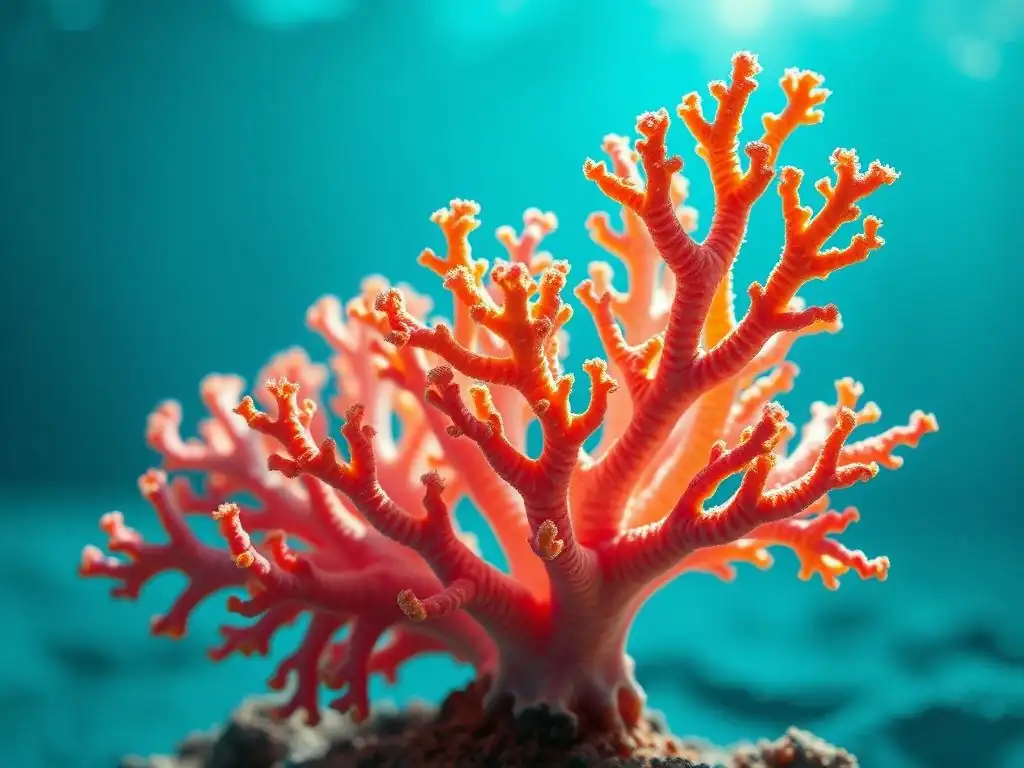
As photosynthetic corals, Favia corals derive the majority of their energy, typically 70-80%, from the symbiotic zooxanthellae algae living within their tissues. These dinoflagellates perform photosynthesis, converting light energy into sugars and other organic compounds that the coral utilizes for metabolism, growth, and reproduction. This strong reliance on light makes providing appropriate lighting a primary component of any Favia coral care guide.
However, while zooxanthellae provide the bulk of their energetic needs, Favia corals are also facultative filter feeders. This means they can capture and consume small food particles from the water column. Supplemental feeding, even if infrequent, can significantly enhance their growth rates, deepen their coloration, and improve their overall vitality, especially in nutrient-poor reef aquarium environments. Providing a balanced diet, both through light and direct feeding, promotes robust Favia coral health.
Targeted Feeding Techniques for Favia Corals
Targeted feeding is the most effective way to ensure your Favia corals receive supplemental nutrition. Favia polyps possess nematocysts (stinging cells) and mesenterial filaments, which they use to capture and digest small prey. Directly delivering food to their extended polyps minimizes waste and ensures that the coral, rather than other tank inhabitants or the filtration system, consumes the nutrients. This method is particularly beneficial for encouraging faster growth and more vibrant colors in your Favia corals.
To perform targeted feeding, first turn off powerheads and return pumps for 10-15 minutes to prevent food from dispersing too quickly. Use a turkey baster or a coral feeding pipet to gently squirt small amounts of food directly onto the Favia coral's extended polyps. Observe as the polyps retract and engulf the food. This direct approach ensures maximum absorption and is a highly recommended practice for advanced Favia coral care.
Selecting Appropriate Food Sizes and Types
When selecting food for Favia corals, consider their polyp size and feeding mechanisms. They are carnivorous and respond well to finely chopped meaty foods. Suitable options include frozen mysis shrimp, brine shrimp, copepods, rotifers, and commercially prepared coral foods designed for LPS corals. The ideal particle size typically ranges from 50 to 500 microns, allowing the polyps to efficiently capture and ingest the food.
Variety in the Favia coral's diet is also beneficial, providing a broader spectrum of essential nutrients. For instance, alternating between frozen mysis shrimp and a liquid coral food rich in amino acids and fatty acids can promote comprehensive nutrition. Always thaw frozen foods thoroughly before feeding, and avoid overfeeding to prevent excessive nutrient spikes in the aquarium water, which could lead to nuisance algae issues.
Frequency and Timing of Favia Coral Feeding
The frequency of feeding Favia corals can vary depending on your tank's nutrient levels, the coral's growth rate, and your desired outcome. For moderate growth and color enhancement, feeding 1-3 times per week is generally sufficient. If aiming for maximum growth, some aquarists may feed more frequently, perhaps every other day, but this requires diligent monitoring of water parameters to prevent nutrient accumulation.
Many LPS corals, including Favia, extend their feeding tentacles more readily in the dark or during periods of low light. Therefore, feeding your Favia corals after the main lights have dimmed or turned off for the night can significantly increase their feeding efficiency. Observe your specific Favia coral's feeding response to determine the optimal timing and frequency that encourages robust polyp extension and food capture.
Supplementing with Amino Acids and Trace Elements
Beyond major water parameters, supplementing with amino acids and specific trace elements can further enhance Favia coral growth, coloration, and overall vitality. Amino acids, particularly L-amino acids, are direct building blocks for coral tissue and can visibly improve polyp extension and color saturation. Trace elements like iodine, strontium, and potassium are consumed by corals and are vital for various metabolic processes and skeletal formation.
Liquid amino acid solutions or trace element blends can be dosed directly into the aquarium water. For example, a weekly dose of an iodine supplement (targeting 0.06 ppm) can support healthy coral pigmentation, while strontium (targeting 8-10 ppm) aids in calcification. Always follow the manufacturer's recommended dosing guidelines and monitor your water parameters closely to avoid overdosing, which can be detrimental. Consistent, measured supplementation as part of your Favia coral care routine can make a noticeable difference in their long-term health and appearance.
Favia Coral Health and Disease Management
Recognizing Signs of Stress in Favia Corals
Early detection of stress signs in Favia corals is crucial for timely intervention and preventing severe health declines. Key indicators of an unhappy Favia coral include reduced polyp extension, where the polyps appear shrunken or remain retracted for prolonged periods. Paling or bleaching (loss of color) is another serious sign, indicating the expulsion of symbiotic zooxanthellae. Conversely, browning can suggest too much light or high nutrient levels. Excessive mucus production is also a common stress response, often signaling irritation or the onset of a bacterial infection.
Other subtle signs include slow tissue recession, often starting from the base or edges of the colony, which manifests as exposed white skeleton. Any deviation from the Favia coral's normal, vibrant appearance and full polyp extension warrants immediate investigation. Stressors can include rapid changes in water parameters (temperature, salinity, alkalinity), insufficient or excessive lighting, poor water flow, nutrient deficiencies or excesses, and aggression from neighboring corals or tank inhabitants. A vigilant Favia coral care guide emphasizes proactive observation.
Tissue Recession, Bleaching, and Excessive Mucus Production
Tissue recession in Favia corals is a critical symptom indicating severe stress or disease. It typically appears as a white, exposed skeletal area where the living coral tissue has died off or receded. This can be caused by various factors, including bacterial infections, sustained poor water quality, extreme flow, or aggression. If left unaddressed, it can quickly consume the entire colony.
Bleaching, characterized by the coral turning stark white, signifies the loss or expulsion of its zooxanthellae. This usually occurs due to extreme stressors like sudden temperature spikes, prolonged high temperatures, excessive light intensity, or drastic swings in water parameters. While Favia corals can sometimes recover from mild bleaching if the stressor is removed, severe or prolonged bleaching can be fatal.
Excessive mucus production is a defensive mechanism; the coral secretes a thick, slimy layer to slough off irritants, but it can also be a sign of bacterial infection or severe irritation from pests or poor water quality. Identifying these specific symptoms allows for targeted Favia coral care.
Common Favia Coral Diseases and Treatments
Favia corals, like all corals, are susceptible to various diseases and pests. One of the most aggressive and rapidly progressing diseases is Brown Jelly Disease (BJD), a protozoan infection that causes rapid tissue necrosis. While not strictly a disease, flatworms can also become a significant nuisance, irritating corals and potentially competing for food. Preventing the introduction of diseases and pests is always the best approach, making quarantine procedures for new Favia corals essential.
Before introducing any new Favia coral to your main display tank, consider a prophylactic dip in an antiseptic coral dip solution (e.g., iodine-based dips or commercially available coral pest control products). This can help eliminate external parasites, flatworms, and reduce the bacterial load, significantly minimizing the risk of introducing problems to your established Favia coral collection. A thorough Favia coral care guide emphasizes proactive health management.
Addressing Brown Jelly Disease (BJD)
Brown Jelly Disease (BJD) is a highly destructive and rapidly progressing protozoan infection that can decimate a Favia coral colony within hours. It appears as a brown, slimy, jelly-like substance covering and dissolving the coral tissue, often starting from an injured area or a stressed part of the colony. It is highly contagious and can spread quickly to other corals in the tank if not addressed immediately.
Immediate action is required to save the affected Favia coral. First, isolate the infected coral to prevent spread. Gently siphon off as much of the brown jelly as possible. Then, perform a freshwater dip (using RO/DI water matched to the tank's pH and temperature, for 5-10 minutes) or an antiseptic coral dip. If only a small portion is affected, it may be possible to frag off the healthy tissue, ensuring no brown jelly remains on the frag. Improving water quality and flow can help prevent recurrence, as BJD often targets stressed corals.
Managing Flatworm Infestations
Marine flatworms, particularly Acoel flatworms, are common pests that can infest Favia corals. They are typically small, reddish-brown, disc-shaped organisms that can proliferate rapidly and cover large areas of the coral, irritating its tissue, blocking light, and sometimes even consuming zooxanthellae. While generally not directly lethal like BJD, a severe infestation can significantly stress Favia corals, leading to reduced polyp extension and browning.
Management strategies include manual removal by siphoning them off the coral during a water change. Natural predators, such as Six-line Wrasses or Yellow Coris Wrasses, can help control populations, though their effectiveness varies and they may not always be reef-safe with other invertebrates. For severe infestations, chemical treatments specifically designed for flatworms (e.g., Flatworm Exit) can be used. Always follow product instructions carefully, ensure good aeration, and perform a large water change after treatment to remove toxins released by dying flatworms.
Preventing Algae Overgrowth on Favia Corals
Nuisance algae, such as hair algae, film algae, or even cyanobacteria, can become a significant problem for Favia corals. Algae can grow directly on the coral's skeleton or even over its living tissue, smothering the polyps, blocking light, and competing for nutrients. The presence of excessive nuisance algae almost always indicates elevated nutrient levels, specifically high nitrates and phosphates, in the aquarium water.
Prevention is key and involves strict nutrient control. This includes regular and consistent water changes, efficient protein skimming, avoiding overfeeding, and regularly siphoning out detritus from the substrate and rockwork. Introducing herbivorous snails (e.g., Trochus, Turbo, Nerite snails) or crabs (e.g., Emerald crabs) can help graze on algae. If algae is growing directly on the Favia coral, gently brush it off with a soft brush, taking care not to damage the delicate coral tissue. Addressing the root cause of high nutrients through improved Favia coral care is essential for long-term success.
Propagating Favia Corals: A Step-by-Step Guide to Fragging
Preparing for Favia Coral Fragging
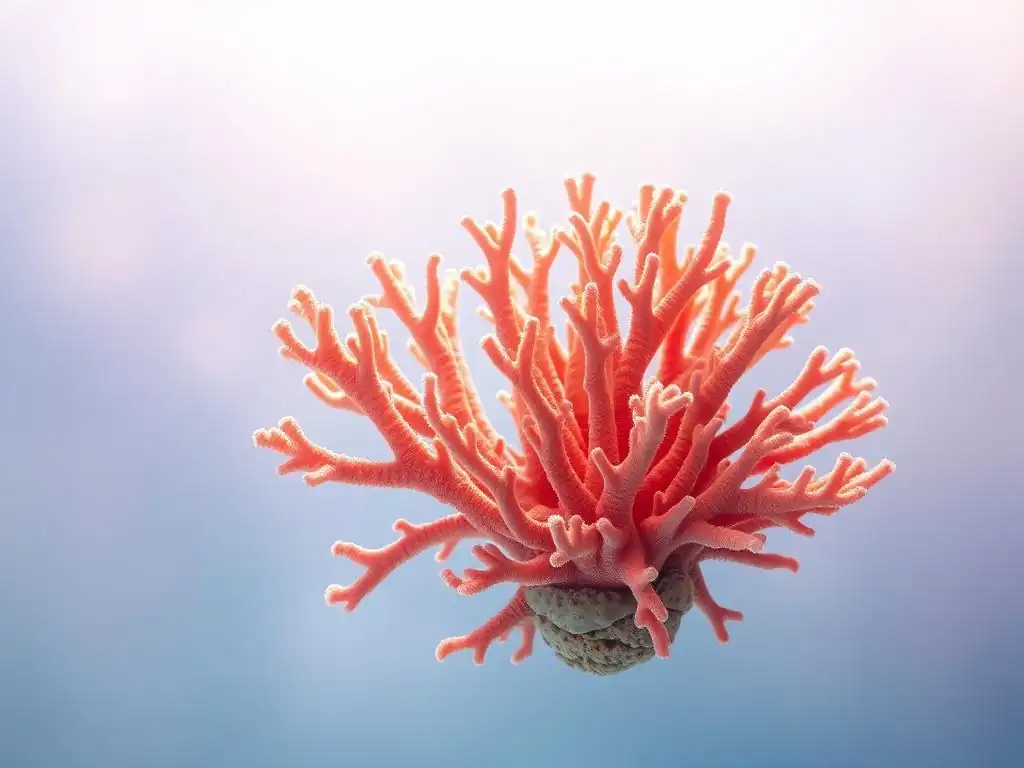
Propagating Favia corals through fragging is a rewarding process that allows aquarists to share their colonies, create new pieces for trade, or even encourage new growth on a mother colony. Proper preparation is essential to minimize stress on the coral and maximize the survival rate of the new frags. Ensure that both the mother colony and all equipment are clean and ready before you begin.
Before fragging, the Favia coral mother colony should be healthy, fully extended, and free of any signs of stress, disease, or pests. Gather all necessary tools: bone cutters or a Dremel rotary tool with a diamond cutting wheel, safety glasses, protective gloves, a clean container filled with tank water for dipping the coral, and frag plugs or epoxy for mounting. Sterilize all cutting tools thoroughly with a bleach solution or rubbing alcohol to prevent the transmission of bacteria or pathogens.
Selecting Healthy Favia Colonies for Propagation
The success of Favia coral fragging largely depends on the health of the mother colony. Always choose a robust, disease-free Favia coral that exhibits vibrant coloration, full polyp extension, and no signs of tissue recession, browning, or active infection. A stressed or unhealthy coral is significantly less likely to survive the fragging process and heal effectively.
Identify areas on the Favia colony that have clear skeletal boundaries between individual polyps, as these are ideal cutting points that minimize tissue damage. Aim to create frags that contain at least 2-3 polyps, as this provides sufficient living tissue and energy reserves for the frag to recover, attach, and begin new growth. A larger frag generally has a higher chance of survival and faster growth, making this a key consideration for successful Favia coral care.
Essential Tools and Equipment for Fragging
For fragging Favia corals, specific tools are indispensable. Bone cutters are suitable for smaller, thinner Favia skeletons, providing a clean, quick break. For larger, denser, or more convoluted Favia colonies, a Dremel rotary tool equipped with a diamond cutting blade offers superior precision and reduces the risk of shattering the skeleton. Ensure the Dremel is a corded model for consistent power and that the cutting area can be submerged.
Other essential equipment includes: a sturdy, clean cutting board or surface to work on; a separate container with tank water to hold the coral during the fragging process; coral glue (cyanoacrylate gel, thick formula) or two-part epoxy for mounting the frags; and a soft brush for gently cleaning the mother colony and frags after cutting. Safety glasses and protective gloves are paramount to protect your eyes from skeletal dust and your hands from potential coral stings or sharp edges.
Fragging Techniques for Favia Corals
When fragging Favia corals, the general technique involves making a quick, decisive cut between distinct polyps or along natural skeletal cleavage lines. If using bone cutters, ensure a strong, swift squeeze to achieve a clean break. If using a Dremel, cut slowly and steadily, keeping the cutting blade submerged in water. Submerging the cutting area reduces heat buildup, minimizes bone dust dispersal, and lessens stress on the Favia coral.
Work quickly and efficiently to minimize the coral's time out of water. After each cut, immediately place both the mother colony and the new frag back into a container of tank water. This allows them to recover from the initial shock and reduces exposure to air. Gentle handling throughout the process is key to preserving the delicate tissue of the Favia coral.
Cutting Techniques to Minimize Stress
For Favia corals, which are colonial and often have distinct individual corallites, the most effective cutting technique is to aim for the valleys between polyps or along their shared skeletal walls. This minimizes direct tissue damage to individual polyps, leading to faster healing and less stress on both the mother colony and the new frag. If cutting through a polyp is unavoidable, try to make the cut as clean as possible.
If using bone cutters, ensure they are sharp to prevent crushing the skeleton, which can cause more widespread tissue damage. When using a Dremel, a constant flow of water over the cutting area is crucial to dissipate heat and flush away bone dust. After the cut, a brief dip (e.g., 30-60 seconds) in a diluted iodine solution can help cleanse the cut area and prevent bacterial infections, a vital step in comprehensive Favia coral care.
Attaching Frags to Plugs or Rocks
Once fragged, Favia coral pieces need to be securely attached to a substrate, typically ceramic frag plugs or small pieces of live rock. The most common method involves using cyanoacrylate gel (super glue, gel formula). To ensure a strong bond, gently dab the base of the Favia frag on a paper towel to remove excess water, then apply a generous amount of glue to the frag plug or rock. Press the frag firmly onto the glue, holding it in place for 30-60 seconds until the glue sets.
For larger or irregularly shaped Favia frags, two-part epoxy can provide a more robust and permanent attachment. Knead the epoxy until it's pliable, then mold it around the base of the frag and press it onto the plug or rock. Allow the epoxy to cure fully before returning the frag to the aquarium. Proper attachment ensures the frag remains stable, allowing it to heal and begin encrusting onto its new base.
Post-Fragging Care and Monitoring
The period immediately following fragging is critical for the survival and recovery of both the mother colony and the new Favia frags. Place the newly fragged Favia corals in a stable area of your tank with moderate, indirect water flow and slightly lower light intensity than their eventual permanent location. This reduced stress environment promotes healing and minimizes the risk of infection.
Monitor both the mother colony and the new frags daily for any signs of stress, tissue recession, or infection. Look for unusual discoloration, excessive mucus production, or failure of polyps to extend. Maintaining pristine water quality and stability during this recovery period is paramount. The mother colony typically heals within a few weeks, and the frags should begin to show signs of polyp extension and new growth shortly thereafter.
Maintaining Water Quality and Flow
During the post-fragging recovery period, maintaining optimal and stable water parameters is even more critical for Favia corals. Consistent alkalinity (7-9 dKH), calcium (400-450 ppm), and magnesium (1300-1400 ppm) levels are essential for the coral to dedicate energy towards tissue repair and new skeletal growth. Avoid any sudden fluctuations, which can severely hinder the healing process.
Ensure gentle but consistent water flow around the newly fragged Favia corals and the mother colony. This helps prevent detritus from settling on any open wounds, which could lead to bacterial infections. Adequate flow also ensures good oxygenation around the healing tissues. However, avoid strong, direct flow that could further irritate or damage the vulnerable coral.
Monitoring for Infections and Tissue Damage
Close observation for signs of infection or worsening tissue damage is vital in the days and weeks following Favia coral fragging. Look for any white film, brown jelly, or spreading tissue necrosis at the cut sites. If an infection is suspected, immediately isolate the affected coral and consider another antiseptic dip to prevent further spread.
It is normal for Favia corals to show some initial tissue retraction around the cut area. However, if this retraction worsens, spreads rapidly, or is accompanied by other signs of distress, it indicates a problem. Documenting the fragging process and subsequent observations can provide valuable insights for refining your Favia coral care and propagation techniques, leading to greater success in the future.
Advanced Favia Coral Care: Achieving Exceptional Growth and Color
Optimizing Water Chemistry for Enhanced Coloration
Beyond maintaining basic parameters, fine-tuning your water chemistry can unlock the full spectrum of vibrant colors in your Favia corals. While standard alkalinity (7-9 dKH), calcium (400-450 ppm), and magnesium (1300-1400 ppm) ensure survival, consistently maintaining these parameters at the higher end of the optimal range can promote more robust calcification and overall coral health, which often translates to richer, deeper pigments.
Furthermore, targeted supplementation of specific trace elements can significantly enhance Favia coral coloration. For instance, potassium is often linked to the development of pink and red hues, while iron can deepen greens. Iodine is also thought to play a role in coral pigmentation and overall health. Advanced aquarists may dose these elements in small, measured amounts based on the specific needs of their Favia corals and regular ICP-OES (Inductively Coupled Plasma Optical Emission Spectrometry) water tests to ensure precise dosing and avoid detrimental overdosing.
Experimenting with Different Lighting Schedules
For advanced Favia coral care, experimenting with lighting schedules can stimulate unique growth patterns and intensify coloration. Beyond a standard 8-10 hour photoperiod, some aquarists implement a longer "blue-only" period (actinic phase) at the beginning and end of the day. This enhances the Favia coral's natural fluorescence, making their blues, purples, and greens "pop" without over-stressing them with high-intensity white light for extended periods.
Advanced LED fixtures often allow for customizable ramping schedules, mimicking natural dawn and dusk cycles. Gradually increasing and decreasing light intensity over 1-2 hours at the start and end of the photoperiod reduces light shock to Favia corals, promoting better polyp extension and overall health. Monitoring PAR levels at different times and adjusting the spectrum to target specific pigment production can help achieve truly exceptional color in your Favia corals.
Advanced Feeding Strategies for Maximum Growth
To achieve maximum growth rates in Favia corals, advanced aquarists often implement more intensive and diverse feeding protocols. Instead of just 1-3 times per week, targeted feeding might occur daily or every other day. This involves a varied diet including finely chopped frozen foods (mysis, copepods), liquid coral foods rich in amino acids, and even specialized LPS coral pellets or powdered foods. This consistent supply of diverse nutrients provides the building blocks for rapid tissue and skeletal accretion.
However, increased feeding necessitates a robust nutrient export system to prevent water quality degradation. This might involve more frequent or larger water changes (e.g., 25% weekly), oversized protein skimmers, and the use of advanced nutrient removal methods such as carbon dosing (e.g., vodka, vinegar, biopellets) or specialized nitrate/phosphate removal media. The goal is to provide ample nutrition to the Favia corals without allowing nitrates and phosphates to accumulate to detrimental levels, maintaining the delicate balance of a thriving reef.
Troubleshooting Common Favia Coral Problems
Addressing Slow Growth and Poor Coloration
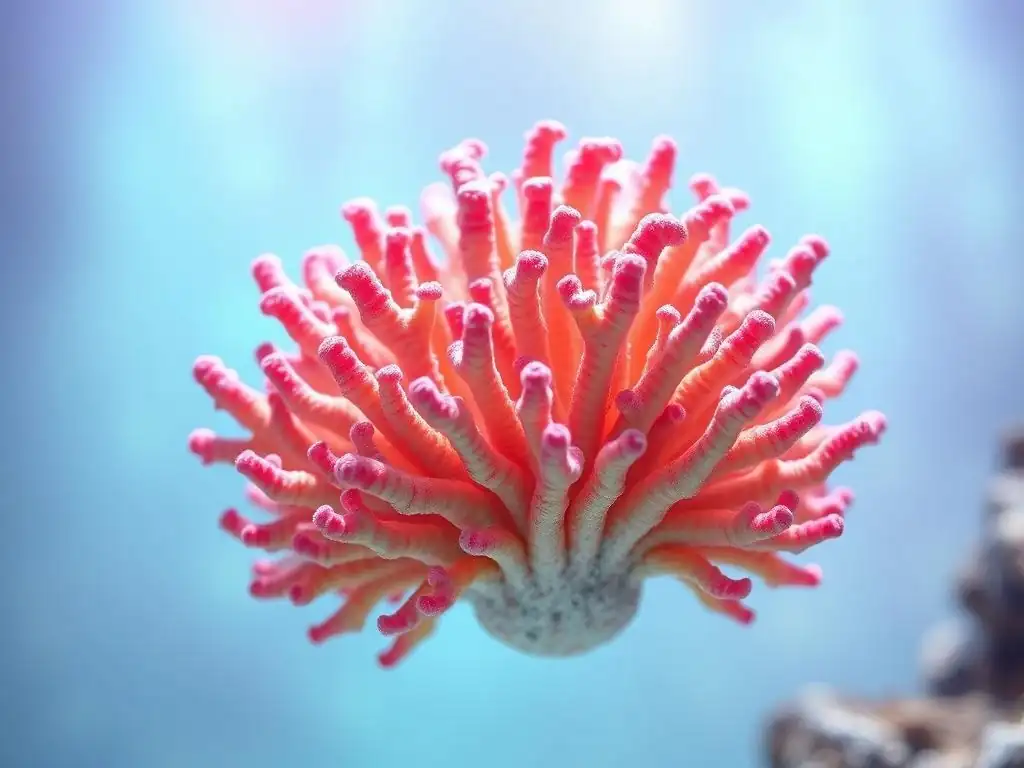
Slow growth in Favia corals is a common concern that often points to underlying issues with their environment or nutrition. First, verify that your Favia coral is receiving adequate light, checking PAR levels against the recommended 75-150 PAR range. Insufficient light can lead to browning and stunted growth. Second, assess your feeding regimen; a lack of supplemental feeding can limit growth, especially in nutrient-poor systems. Ensure you are target feeding 1-3 times per week. Finally, re-test and stabilize your alkalinity, calcium, and magnesium levels, as fluctuations or deficiencies will directly impede calcification.
Poor coloration can also stem from these same issues. If your Favia coral is browning, it might indicate too much light or excessively high nitrate levels (e.g., above 10 ppm). If it's paling or bleaching, it could be too much light, too little light, or nutrient starvation. Adjusting lighting intensity and spectrum, enhancing feeding with amino acids, and ensuring stable, optimal water parameters are typically the first steps in revitalizing Favia coral coloration. A thorough Favia coral care guide emphasizes addressing the root cause rather than just the symptom.
Resolving Tissue Recession and Algae Issues
Tissue recession in Favia corals is a serious sign of distress or disease and requires immediate attention. First, meticulously check all water parameters for any sudden or significant swings, as these are primary stressors. Look for any signs of pests (e.g., flatworms, predatory snails) that might be irritating or consuming the tissue. Ensure water flow is adequate but not overly direct, as both extremes can cause recession. If localized, consider aggression from a neighboring coral extending sweeper tentacles; provide more space if needed. If brown jelly is present, treat for BJD immediately.
Algae issues on Favia corals, such as hair algae growing on the skeleton or even over the tissue, are almost always indicative of elevated nitrates and phosphates in the water column. Review your feeding habits (avoid overfeeding), check the efficiency of your protein skimmer, and increase the frequency or volume of your water changes. Introduce herbivorous snails or crabs to help graze on the algae. Gently brush off any algae directly on the Favia coral to prevent it from smothering the tissue, then focus on long-term nutrient control.
Dealing with Pests and Predation
Favia corals can be susceptible to various pests and occasional predation. Common pests include marine flatworms (e.g., Acoel flatworms), which can irritate the coral and compete for resources, and certain types of snails or nudibranchs that might graze on coral tissue. Regular, close inspection of your Favia corals, especially new additions during quarantine, is the best defense. Look for unusual spots, retracted areas, or visible pests.
If pests are identified, manual removal (e.g., siphoning flatworms) is often the first step. For more widespread infestations, coral dips (e.g., Revive Coral Cleaner, iodine-based dips) can be effective for external parasites. Always follow product instructions carefully. If predation by fish or other invertebrates is suspected (e.g., certain butterflyfish, large crabs), identify the culprit and consider its removal or isolation to protect your Favia corals. Maintaining a diverse and balanced clean-up crew can also help deter some pests.
Selecting the Right Favia Coral for Your Reef Aquarium
Exploring Different Favia Species and Color Variations
The Favia genus offers a remarkable diversity of species and color variations, making them a captivating addition to any reef aquarium. Popular species like Favia speciosa, Favia pallida, and the various "Favia brain corals" each exhibit unique growth forms and polyp structures. Colors range from vibrant greens, blues, and reds to intricate multi-colored "rainbow" morphs with contrasting eyes and walls, such as the highly sought-after "Dragon Soul Favia."
When selecting a Favia coral, research the specific species or morph you are interested in. Some may be more tolerant of certain aquarium conditions or exhibit different growth rates. For example, some Favia species might prefer slightly lower flow, while others can handle more. Understanding these nuances will help you choose a Favia coral that is best suited to your existing tank conditions and your commitment to a tailored Favia coral care guide.
Considering Size and Growth Rate
While Favia corals are often purchased as small frags, it's crucial to consider their potential mature size and growth rate. Depending on the species and tank conditions, Favia can grow into substantial colonies, especially the massive and encrusting forms. An encrusting Favia, for instance, can spread several inches per year across rockwork under optimal conditions, potentially dominating a section of your tank.
Plan for future growth by providing adequate space around your Favia coral. A minimum of 4-6 inches of clearance from other corals, especially those with aggressive sweeper tentacles, is generally recommended. Faster-growing Favia varieties may require occasional fragging to manage their size and prevent them from overgrowing neighboring corals. This foresight in planning for growth is an essential component of long-term Favia coral care.
Ensuring Compatibility with Other Tank Inhabitants
Favia corals are generally considered peaceful LPS corals, but like many of their counterparts, they possess sweeper tentacles that can extend several inches at night. These tentacles are armed with nematocysts (stinging cells) and can inflict damage or even kill neighboring corals if they come into direct contact. Therefore, careful placement is critical to ensure compatibility within your reef aquarium.
Maintain sufficient spacing, ideally 4-6 inches, between your Favia coral and other corals, particularly more sensitive soft corals or other LPS species. Avoid placing Favia directly next to known aggressive corals such as Euphyllia species (e.g., Hammer, Torch corals) or Goniopora, as they are highly prone to being stung. Observe your Favia coral's polyp extension, especially after lights out, to gauge the reach of its sweeper tentacles and adjust placement if necessary. This careful consideration of inter-coral aggression is a vital part of a holistic Favia coral care guide.
Frequently Asked Questions
What are Favia corals and why are they popular in reef aquariums?
Favia corals are a type of large polyp stony (LPS) coral. They are popular due to their relatively easy care requirements and diverse color patterns, adding visual interest to reef tanks.
What are the essential water parameters for successful Favia coral care?
Maintaining stable water parameters is crucial. Key parameters include a stable alkalinity between 8-11 dKH, calcium levels of 400-450 ppm, and magnesium levels of 1250-1350 ppm. Consistent monitoring is key.
What type of lighting and flow rates do Favia corals require?
Favia corals generally prefer moderate lighting and moderate water flow. Too much light can cause bleaching, while insufficient flow can lead to detritus buildup and tissue recession.
What should I feed my Favia coral, and how often?
While Favia corals can obtain nutrients through photosynthesis, supplemental feeding can enhance growth and coloration. Feeding them small meaty foods 1-2 times per week is generally recommended.
What are some common problems encountered when caring for Favia corals, and how can I address them?
Common issues include bleaching (due to improper lighting or water parameters), tissue recession (often caused by poor water quality or pests), and brown jelly disease. Prompt identification and treatment are essential for survival.
Final Reflection: Appreciating the Resilience of Favia
The journey through the intricate world of Favia corals, as explored in this guide, reveals more than just the basics of aquarium husbandry; it highlights the remarkable resilience and adaptability of these organisms. Understanding their specific needs is not merely about keeping them alive in a tank, but about fostering an environment where they can truly thrive, mirroring the vibrant ecosystems they originate from and contributing to the overall health of our planet's coral reefs.
This deeper understanding of Favia corals has profoundly influenced the way we approach reef keeping, shifting from simple maintenance to a more holistic and empathetic approach. Recognizing the delicate balance required for their survival underscores the importance of responsible reef keeping practices and the urgent need for conservation efforts. In the end, we will conserve only what we love; we will love only what we understand; and we will understand only what we are taught.
- Baba Dioum. This quote perfectly encapsulates the spirit of this guide and the broader movement towards informed and compassionate care for all living things.
Now, consider the lessons learned about Favia corals and their intricate needs. How can you apply this newfound appreciation for detail and interconnectedness to other aspects of your life? Let this guide serve as a reminder that even the smallest actions, when informed by knowledge and driven by empathy, can contribute to a more vibrant and sustainable future, both within the confines of your aquarium and in the wider world. Embrace the challenge of continuous learning and responsible stewardship, and become a true advocate for the beauty and fragility of our planet's coral reefs.
Thanks for diving into the fascinating world of Favia corals! Now that you're equipped with a deeper understanding, it's time to put your knowledge into action and truly elevate your reefing game. Here's how:
- Evaluate your current Favia's placement in your aquarium. Is it getting the correct light and flow to thrive? Make any necessary adjustments today!
- Share your Favia coral growth tips and experiences in the comments section below! Let's learn from each other.
- Research a lesser-known Favia color morph you've never considered and visualize how it would complement your existing reefscape.
What unique approach will you take to unlock the full potential of your Favia corals and create a truly stunning display?