
Caulerpa Species Deep Dive: Choosing the Right Type for Your Saltwater Tank from Aquarium Mastery

Welcome to Aquarium Mastery!
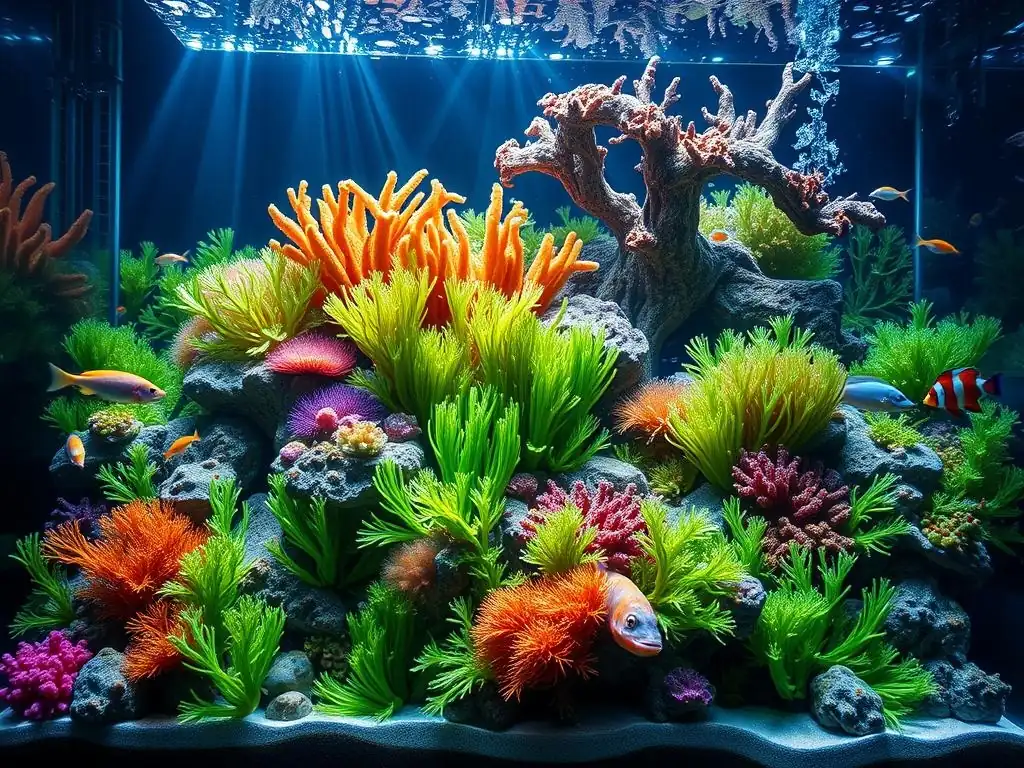
Ever wondered if the vibrant Caulerpa species is really right for your saltwater tank? Dive in with us as we explore the fascinating world of this macroalgae, helping you choose the perfect type and keep your aquarium thriving. Curious about the pros, cons, and everything in between? Keep reading to unlock the secrets to a flourishing Caulerpa-filled haven!
- Caulerpa Species Deep Dive: Choosing the Right Type for Your Saltwater Tank
- Understanding Caulerpa for Saltwater Aquariums
-
Key Caulerpa Species for Saltwater Aquariums: A Detailed Comparison
- Caulerpa prolifera: The Beginner-Friendly Choice for Saltwater Tanks
- Caulerpa taxifolia: The Feather Algae for Saltwater Aquariums (Handle with Care)
- Caulerpa lentillifera: Sea Grapes as a Unique Saltwater Aquarium Addition
- Caulerpa racemosa: Grape Caulerpa and Its Varied Forms in Saltwater Aquariums
- Selecting the Best Caulerpa Species for Your Saltwater Tank
- Caulerpa Care and Maintenance in Saltwater Aquariums
- Where to Buy Caulerpa for Your Saltwater Aquarium
- Alternatives to Caulerpa in Saltwater Aquariums
- Conclusion: Mastering Caulerpa in Your Saltwater Aquarium Journey
-
Frequently Asked Questions
- What exactly is Caulerpa and why is it used in saltwater tanks?
- Are all Caulerpa species suitable for saltwater aquariums?
- How do I properly introduce Caulerpa to my saltwater tank?
- What are the potential downsides of using Caulerpa in my aquarium?
- What are the best tank conditions for Caulerpa species to thrive?
- Final Reflection: Cultivating Balance in the Reef
- Ignite Your Reef: Cultivate Your Caulerpa Paradise!
Caulerpa Species Deep Dive: Choosing the Right Type for Your Saltwater Tank
Understanding Caulerpa for Saltwater Aquariums
What is Caulerpa? Exploring This Macroalgae
Caulerpa is a genus of green macroalgae, often referred to as marine plants due to their appearance, though they are not true plants. These fascinating organisms are characterized by a unique coenocytic structure, meaning they are essentially a single, giant, multinucleated cell with no internal cell walls. This allows for rapid nutrient transport throughout the entire organism, contributing to their often-fast growth rates in suitable conditions. Found predominantly in tropical and subtropical marine environments, Caulerpa species play a vital ecological role in natural reef systems, providing habitat and contributing to primary production.
The diversity within the Caulerpa genus is remarkable, with over 100 known species exhibiting a wide array of forms, from delicate feather-like fronds to robust, grape-like clusters and ribbon-shaped blades. This morphological variety means that different Caulerpa species can serve distinct purposes in a saltwater tank, ranging from aesthetic additions to highly efficient nutrient export powerhouses. Understanding these structural differences and their implications for growth and maintenance is crucial for any aquarist considering adding Caulerpa to their marine setup.
Benefits of Caulerpa in Saltwater Tanks: Nutrient Control and Refugium Use
One of the primary benefits of incorporating specific Caulerpa species into your saltwater tank is their unparalleled ability to control nutrient levels. Like terrestrial plants, Caulerpa macroalgae efficiently absorb dissolved nitrates and phosphates from the water column, utilizing these compounds for their rapid growth.
For instance, a healthy, baseball-sized clump of Caulerpa prolifera in a 20-gallon refugium can process a significant amount of nutrients daily, potentially contributing to a reduction in nitrate levels from 20 ppm to under 5 ppm over a week in a moderately stocked 100-gallon system, provided regular harvesting occurs. This biological filtration method helps to maintain pristine water quality, which is essential for the health of corals, fish, and invertebrates in a reef or FOWLR (Fish Only With Live Rock) aquarium.
Many aquarists utilize a dedicated refugium to house Caulerpa species for saltwater tank nutrient export. A refugium is a separate compartment or tank plumbed into the main display, providing a safe, predator-free environment for macroalgae to thrive.
By placing the Caulerpa in a refugium with a reverse daylight photoperiod (lights on when the main display lights are off), aquarists can stabilize the tank's pH levels, as photosynthesis consumes CO2 and releases oxygen when the main tank's CO2 levels are typically highest. Furthermore, a thriving Caulerpa bed in a refugium creates an ideal habitat for beneficial microfauna like copepods and amphipods, which reproduce rapidly and provide a continuous, natural food source for corals and fish in the main display tank.
Potential Drawbacks of Caulerpa: Going Sexual and Invasive Growth
While beneficial, certain Caulerpa species in a saltwater tank pose risks, notably their tendency to "go sexual" or exhibit invasive growth. The phenomenon of "going sexual" or sporulation occurs when the entire Caulerpa thallus (body) releases its gametes into the water column. This event is typically triggered by stress factors such as drastic changes in water parameters (e.g., sudden temperature drops, nutrient depletion), inconsistent lighting cycles, or simply the colony becoming "old" and overcrowded.
When Caulerpa goes sexual, it rapidly degrades, turning pale or white and releasing a milky substance into the water. This mass die-off can cause a sudden and severe nutrient spike in the aquarium, potentially leading to an ammonia or nitrite bloom that can devastate sensitive inhabitants, sometimes resulting in a complete tank crash.
Beyond the risk of sporulation, some Caulerpa species, particularly Caulerpa taxifolia, are notorious for their aggressive and invasive growth habits. These species can spread rapidly through the tank, overgrowing corals, encrusting live rock, and outcompeting other desirable organisms for light and nutrients.
Even small fragments of these resilient algae can attach and establish new colonies, making eradication extremely challenging once they take hold. The environmental impact of certain Caulerpa species escaping into natural waterways has led to strict regulations and even outright bans on their possession in many regions, underscoring the importance of responsible aquarism and careful species selection when considering a Caulerpa species for a saltwater tank.
Key Caulerpa Species for Saltwater Aquariums: A Detailed Comparison
Caulerpa prolifera: The Beginner-Friendly Choice for Saltwater Tanks
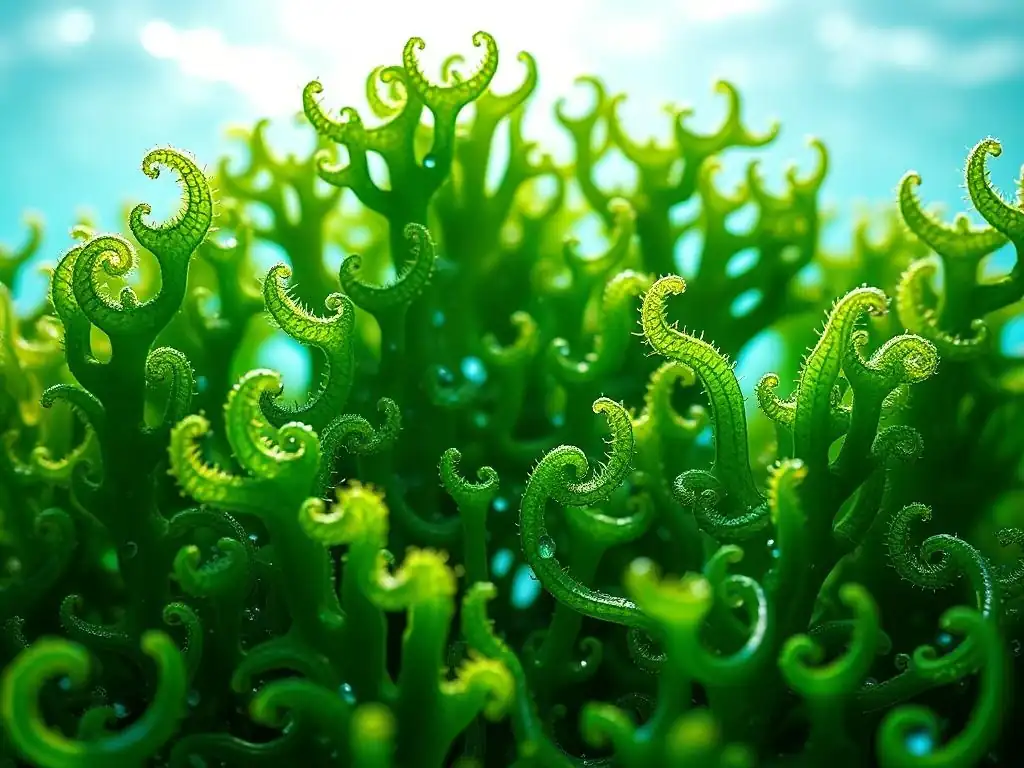
Caulerpa prolifera is a popular and relatively well-behaved Caulerpa species for saltwater tank environments, making it an excellent choice for novice aquarists and those seeking a more manageable macroalgae. Characterized by its distinctive ribbon-like or strap-like blades that can grow quite long (often 6-12 inches), C. prolifera typically displays a vibrant, light to medium green coloration.
Unlike some of its more aggressive relatives, this species tends to grow at a moderate pace and is generally less prone to going sexual, especially with consistent care and regular pruning. Its growth habit is often upright, forming attractive swaying meadows when established in a refugium or display tank.
The ease of management associated with Caulerpa prolifera stems from its less invasive rooting system (rhizoids) compared to other species, making it easier to control its spread. It firmly attaches to live rock or substrate but can be removed with relative ease if necessary. This combination of aesthetic appeal, effective nutrient uptake, and a lower risk profile solidifies its reputation as one of the safest and most reliable Caulerpa species for saltwater tank nutrient export and natural filtration, particularly for those just beginning their journey with marine macroalgae.
Caulerpa prolifera Benefits and Care Tips
The primary benefit of Caulerpa prolifera lies in its consistent and effective nutrient export capabilities. It efficiently absorbs nitrates and phosphates, helping to maintain low levels of these compounds critical for coral health. Beyond its functional role, C. prolifera also offers aesthetic appeal, with its graceful, undulating blades adding a natural, lush green element to a display tank or refugium. It provides excellent habitat for beneficial microfauna like copepods and amphipods, which are vital components of a healthy reef ecosystem, contributing to the natural food chain for corals and fish.
Care for Caulerpa prolifera is relatively straightforward. It thrives under moderate lighting, typically requiring 50-100 PAR (Photosynthetically Active Radiation) for optimal growth, and prefers stable water parameters consistent with a reef environment (salinity 1.024-1.026, temperature 74-78°F, pH 8.0-8.4).
Regular pruning is essential to prevent it from becoming overcrowded and to export the absorbed nutrients; aim to remove approximately 25-30% of the biomass every 2-4 weeks, depending on its growth rate. For example, in a 50-gallon reef tank with a moderate bioload, a golf-ball sized starter culture of C. prolifera can expand to a baseball-sized clump within a month, effectively helping to maintain nitrates below 10 ppm.
Caulerpa taxifolia: The Feather Algae for Saltwater Aquariums (Handle with Care)
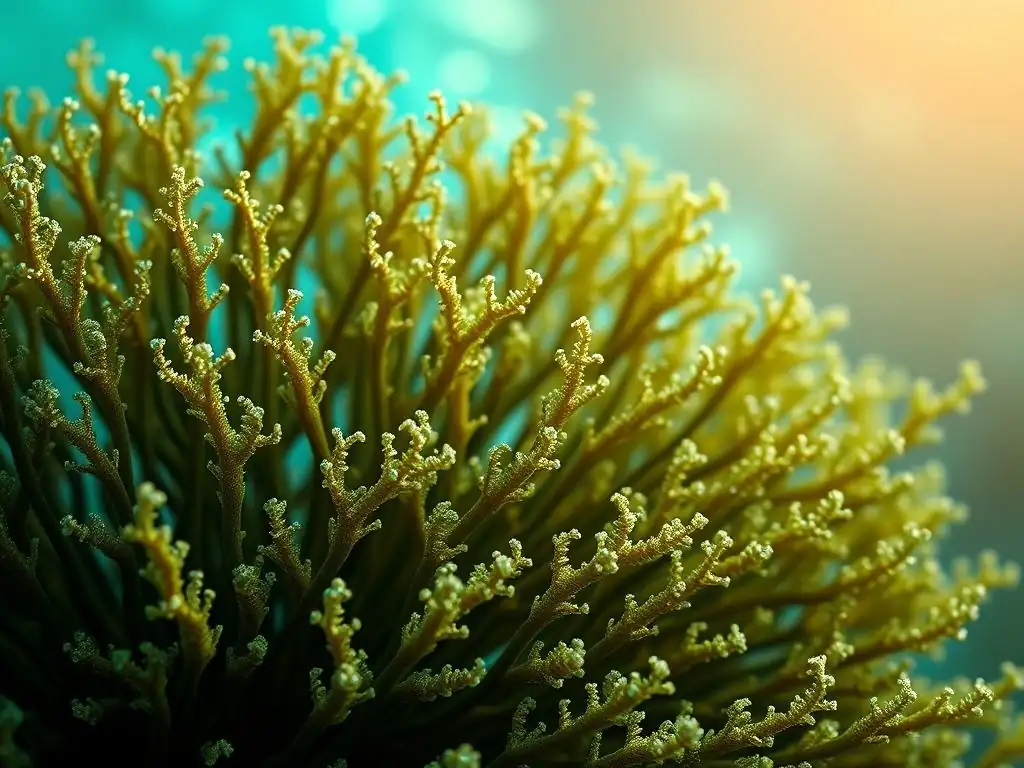
Caulerpa taxifolia, often referred to as "feather algae" due to its delicate, fern-like fronds, possesses an undeniably attractive appearance that can tempt aquarists. Its vibrant green color and intricate structure make it visually appealing in a display tank. However, this beauty belies a significant ecological threat, as C. taxifolia is globally recognized as one of the most invasive marine species. This particular Caulerpa species for saltwater tank environments has a notorious history of escaping cultivation and establishing aggressive, monoculture populations in natural ecosystems, particularly in temperate and subtropical coastal waters.
Due to its documented invasive potential, Caulerpa taxifolia is illegal to possess, transport, or sell in many regions worldwide, including parts of the United States (e.g., California, Florida) and the Mediterranean. Its ability to spread from even tiny fragments and rapidly outcompete native seagrasses and algae has led to widespread ecological damage. Therefore, while visually appealing, extreme caution and adherence to local regulations are paramount when considering or encountering this specific Caulerpa species.
Caulerpa taxifolia Considerations and Responsible Use
The primary consideration with Caulerpa taxifolia is its alarming invasive potential. This macroalgae exhibits an exceptionally rapid growth rate and can reproduce asexually from very small fragments, meaning that even a tiny piece accidentally introduced to a natural waterway can establish a new, thriving colony.
A well-known real-world example is the "killer algae" outbreak in the Mediterranean Sea, where a strain of C. taxifolia likely released from an aquarium in Monaco in the late 1980s spread to cover thousands of acres of seabed, displacing native flora and fauna. Similar incidents have occurred in other regions, including parts of Southern California.
Given these severe environmental risks, responsible use of Caulerpa taxifolia in home aquariums is generally discouraged, and in many places, prohibited. If an aquarist were to legally obtain and maintain this species (e.g., for scientific study in a closed, secure facility), it would require an extremely rigorous containment protocol.
This includes ensuring no water or algal fragments ever leave the system, and that any trimmings are disposed of responsibly, such as by drying them completely or freezing them before discarding them in household waste. For the vast majority of hobbyists, safer and equally effective Caulerpa species for saltwater tank nutrient export are readily available without the associated ecological dangers.
Caulerpa lentillifera: Sea Grapes as a Unique Saltwater Aquarium Addition
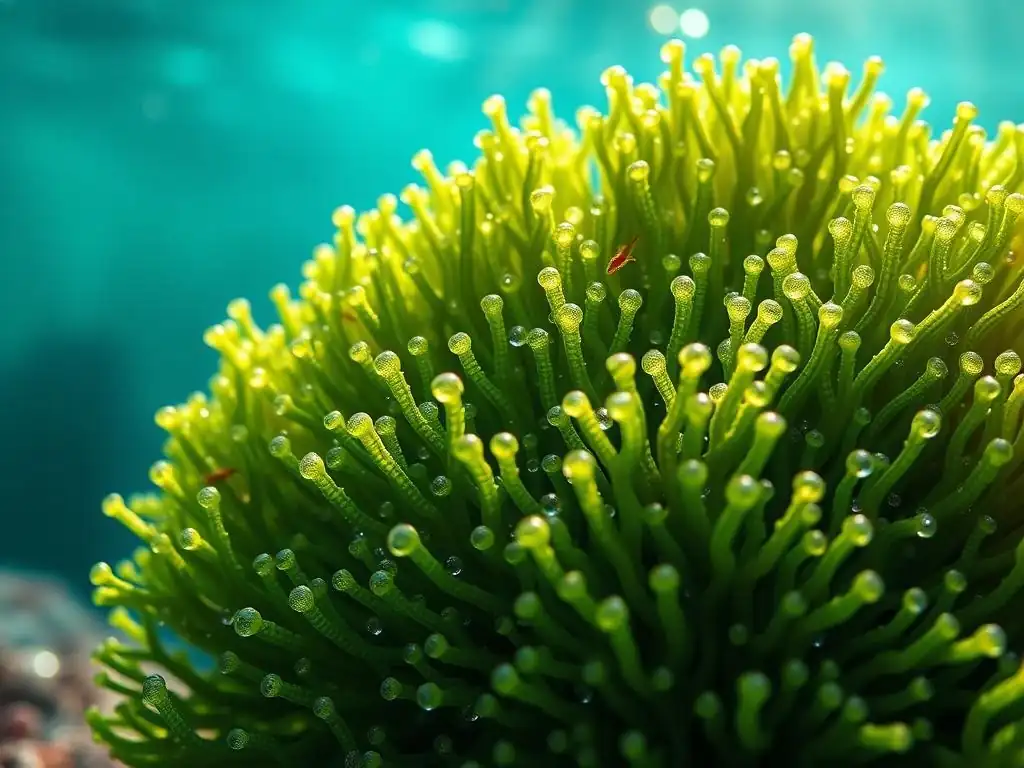
Caulerpa lentillifera, commonly known as "sea grapes" or "umi-budō," stands out among Caulerpa species for its distinctive and aesthetically pleasing morphology. Instead of blades or feathers, this macroalgae forms delicate, bead-like vesicles resembling miniature green grapes, arranged along branching stolons. This unique texture and appearance make C. lentillifera a captivating addition to a display tank, offering a fascinating visual contrast to corals and other organisms. Beyond its beauty, it is also a popular culinary item in some Asian cultures, consumed fresh for its refreshing, slightly salty, and popping texture.
In the aquarium, Caulerpa lentillifera can thrive when provided with specific conditions. Its unique structure makes it somewhat more delicate than other Caulerpa species and can be prone to "melting" if conditions are not stable or if it experiences significant stress during acclimation or handling. However, when successfully established, it offers both nutrient export benefits and an unparalleled aesthetic appeal, making it a desirable Caulerpa species for saltwater tank enthusiasts looking for something truly unique.
Caulerpa lentillifera Care Requirements and Aesthetic Appeal
Caring for Caulerpa lentillifera requires attention to detail, particularly regarding water flow and stability. This species thrives under moderate to high water flow, which helps to keep its delicate "grapes" clean and ensures nutrient delivery. It also requires good lighting, typically in the range of 80-150 PAR, to maintain its vibrant green color and turgid, plump appearance; insufficient light can lead to pale, shriveled vesicles. Stable water parameters are paramount, with salinity, temperature, and pH kept consistent within reef tank ranges. Sudden fluctuations are a common cause of "melting" or degradation.
The primary appeal of Caulerpa lentillifera is undoubtedly its striking visual impact. Its grape-like clusters add an unusual and dynamic texture to the aquarium, whether placed in a dedicated macroalgae display tank or a well-lit refugium. While it does contribute to nutrient export, its growth rate is generally slower than C. racemosa or C. taxifolia, making it a less aggressive, albeit still effective, choice for nutrient management. Many aquarists find its unique form a compelling reason to cultivate this specific Caulerpa species for saltwater tank aesthetics, often showcasing it prominently rather than just hiding it in a sump.
Caulerpa racemosa: Grape Caulerpa and Its Varied Forms in Saltwater Aquariums
Caulerpa racemosa is another popular "grape" variety of Caulerpa species for saltwater tank use, often confused with Caulerpa lentillifera due to its similar vesicle-like structures. However, C. racemosa typically exhibits greater variability in the size, shape, and branching patterns of its vesicles, which can range from small, tightly packed spheres to larger, more elongated structures. This species is generally more robust and adaptable than C. lentillifera, making it a common sight in refugiums and sometimes even in display tanks where its growth can be managed.
The morphological diversity within Caulerpa racemosa is extensive, with numerous known varieties (e.g., var. cylindracea, var. clavifera) that can look quite different from one another. This variability can sometimes lead to confusion when identifying the exact strain, but most forms share the characteristic of rapid growth and efficient nutrient uptake. Its hardiness and fast growth make it an excellent workhorse for nutrient export, though its vigorous nature also necessitates diligent management to prevent it from becoming a nuisance in the aquarium.
Managing Caulerpa racemosa Growth in Saltwater Tanks
Caulerpa racemosa is renowned for its rapid growth rate, making it an exceptionally effective nutrient exporter. In a well-lit refugium with ample nutrients, a colony of C. racemosa can double in size within a week or two. This vigorous growth, while beneficial for nutrient removal, requires aggressive and regular pruning to prevent it from outcompeting other organisms or going sexual.
It is crucial to harvest a significant portion of the biomass, typically 50% or more, every 1-2 weeks, depending on how quickly it fills the available space. Removing these harvested portions from the tank physically exports the absorbed nitrates and phosphates, preventing them from being re-released into the water.
Due to its fast growth and potential to spread, Caulerpa racemosa is often confined to a dedicated refugium where its growth can be easily controlled without interfering with the main display. While less prone to going sexual than C. taxifolia, it can still sporulate if left to grow unchecked or if conditions become unstable. Therefore, consistent lighting cycles, stable water parameters, and diligent pruning are key to successfully managing this powerful Caulerpa species in a saltwater tank and harnessing its nutrient-reducing capabilities without encountering its potential drawbacks.
Selecting the Best Caulerpa Species for Your Saltwater Tank
Assessing Your Saltwater Tank Needs: Nutrient Levels and Space
Choosing the ideal Caulerpa species for your saltwater tank begins with a thorough assessment of your aquarium's specific needs and characteristics. First, evaluate your current nutrient levels.
If your tank consistently experiences elevated nitrates (e.g., above 20 ppm) and phosphates (e.g., above 0.1 ppm), a fast-growing, robust species like Caulerpa racemosa might be highly beneficial for aggressive nutrient export. However, if your nutrient levels are already moderate or low (e.g., nitrates under 10 ppm), a more moderately growing species such as Caulerpa prolifera could be sufficient and easier to manage, preventing potential nutrient depletion that could stress other tank inhabitants.
Secondly, consider the available space within your aquarium system. If you have a large, dedicated refugium, you have more flexibility in choosing a vigorous grower that can expand significantly. For smaller sumps or if you intend to keep Caulerpa in the display tank, a less aggressive or more compact species is advisable. For instance, a 10-gallon refugium might struggle to contain the explosive growth of C. racemosa without daily pruning, whereas C. prolifera would be a more manageable fit, requiring less frequent intervention. Matching the Caulerpa species to the physical constraints of your system is crucial for long-term success.
Considering Caulerpa Growth Rate and Tank Compatibility
The growth rate of a Caulerpa species is a critical factor that directly impacts the amount of maintenance required. Fast-growing species like Caulerpa racemosa are highly efficient at nutrient export but demand frequent and consistent pruning, sometimes weekly, to prevent them from overgrowing their space or going sexual. If you have a busy schedule and prefer less frequent maintenance, a slower-growing option such as Caulerpa prolifera would be a more suitable choice, as it requires pruning every 2-4 weeks. Understanding your commitment level to maintenance is key to selecting a Caulerpa species that won't become a burden.
Furthermore, tank compatibility, especially if you plan to introduce Caulerpa into your main display, must be carefully considered. Some herbivorous fish, such as tangs (e.g., Yellow Tangs, Zebrasoma flavescens) or rabbitfish (e.g., Foxface Lo, Siganus vulpinus), might graze on certain Caulerpa species, which can be either a benefit (natural pruning) or a drawback (destruction of your macroalgae bed). Conversely, aggressive Caulerpa species like C. taxifolia can quickly outcompete and smother slow-growing corals if not rigorously contained. Always research the specific Caulerpa species for saltwater tank compatibility with your existing inhabitants and overall tank environment before introduction.
Matching Caulerpa Species to Your Saltwater Aquarium Goals
Ultimately, the best Caulerpa species for your saltwater tank will align with your overarching aquarium goals. If your primary objective is aggressive nutrient export to combat high nitrate and phosphate levels in a heavily stocked reef or FOWLR system, a fast-growing and robust species like Caulerpa racemosa or Caulerpa prolifera housed in a dedicated refugium will be highly effective. These species excel at rapidly consuming dissolved nutrients, helping to maintain pristine water quality and fostering a healthier environment for sensitive corals and fish.
Alternatively, if aesthetic appeal is a significant consideration, particularly for a macroalgae-focused display tank, species such as Caulerpa lentillifera (sea grapes) offer a unique and visually striking texture. While still providing nutrient export, their slower growth rate and distinct form make them more suitable for showcasing. For those seeking a balance of moderate nutrient export and ease of management, Caulerpa prolifera remains an excellent all-around choice. Clearly defining whether your goal is primarily functional (nutrient export), aesthetic, or a combination of both will guide you toward the most appropriate Caulerpa species for your saltwater tank setup.
Caulerpa Care and Maintenance in Saltwater Aquariums
Optimal Water Parameters for Caulerpa Growth in Saltwater Tanks
Maintaining optimal water parameters is fundamental for healthy Caulerpa species in saltwater tanks and for preventing them from going sexual. Salinity should be kept stable within the typical reef aquarium range of 1.023 to 1.026 specific gravity (or 33-35 parts per thousand). Fluctuations outside this range can stress the algae and trigger sporulation. Similarly, the water temperature should be consistent, ideally between 74-78°F (23-26°C), as sudden drops or spikes can be detrimental.
While Caulerpa consumes nutrients, they still require a baseline level to thrive. Nitrates should generally be present in the range of 0.5-10 ppm, and phosphates between 0.01-0.1 ppm. In ultra-low nutrient (ULNS) systems, Caulerpa may struggle to grow or even "melt" due to a lack of essential building blocks. The pH should be stable between 8.0-8.4, and alkalinity (dKH) maintained between 7-11 dKH, as these factors influence the availability of carbon for photosynthesis. Regular testing and consistent dosing or water changes are crucial to provide the stable environment these macroalgae need to flourish.
Lighting Requirements for Healthy Caulerpa in Saltwater Aquariums
Proper lighting is a critical factor for the vigorous growth and health of Caulerpa species in saltwater tanks. Like all photosynthetic organisms, they require sufficient light intensity and the correct spectrum to perform photosynthesis efficiently. Most Caulerpa species thrive under moderate to high PAR (Photosynthetically Active Radiation) levels, typically ranging from 50 to 150 PAR. While they can survive in lower light, optimal growth and nutrient uptake occur within this range.
The spectrum of light is also important. Full-spectrum LED lights or dedicated refugium lights with a color temperature between 6500K and 20000K are generally suitable. Many aquarists utilize a reverse daylight photoperiod for their refugium Caulerpa, meaning the refugium lights are on when the main display lights are off (e.g., 12-18 hours of light).
This not only helps to stabilize pH and oxygen levels in the aquarium system throughout the 24-hour cycle but also provides a consistent light source for the Caulerpa without competition from the main tank's inhabitants. For instance, a simple 10-20W LED grow light specifically designed for refugiums is often sufficient to cultivate a dense patch of Caulerpa in a 20-gallon sump.
Pruning and Controlling Caulerpa Growth in Your Saltwater Tank
Regular pruning is perhaps the most vital maintenance task when cultivating Caulerpa species in saltwater tanks. This practice serves multiple crucial purposes: it prevents the algae from overgrowing and smothering other tank inhabitants, it removes the absorbed nutrients from the system (thereby completing the nutrient export cycle), and it significantly reduces the risk of the Caulerpa going sexual. The frequency and amount of pruning will depend on the Caulerpa species' growth rate and the amount of available nutrients in your system, but generally, 30-50% of the biomass should be removed every 1-4 weeks.
When pruning, use clean scissors or your fingers to gently snip or break off sections of the algae. Avoid tearing or excessively disturbing the Caulerpa, as this can release spores or stress the remaining colony. Always remove the pruned sections from the tank immediately; never let them decompose in the water, as this would re-release the very nutrients you are trying to export.
For fast-growing species like Caulerpa racemosa, weekly pruning might be necessary to keep it in check, while slower growers like Caulerpa prolifera might only need attention every few weeks. Consistent pruning ensures a healthy, actively growing colony that continuously processes nitrates and phosphates.
Preventing Caulerpa from Going Sexual in Saltwater Aquariums
Preventing Caulerpa species from going sexual (sporulating) is a key aspect of successful long-term cultivation in saltwater tanks. The primary triggers for sporulation are stress and old age of the colony. Stress can manifest as sudden, drastic changes in water parameters (temperature, salinity, pH), inconsistent lighting cycles, or a severe depletion of nutrients. When Caulerpa experiences these stressors, it may interpret them as a signal to reproduce and release its genetic material into the water column before dying off.
To minimize the risk of sporulation, prioritize consistency and stability in your aquarium. Maintain stable water parameters within optimal ranges, avoid sudden temperature swings, and ensure your refugium light cycle is consistent (e.g., a reliable timer for a 12-18 hour photoperiod). Most importantly, perform regular and consistent pruning.
By removing a portion of the Caulerpa biomass frequently, you effectively "rejuvenate" the colony, preventing it from reaching a state of senescence where it might be more prone to going sexual. If you notice any signs of the Caulerpa turning pale, white, or slimy, immediately prune heavily and perform a water change to mitigate the potential nutrient spike.
Where to Buy Caulerpa for Your Saltwater Aquarium
Reputable Sources for Healthy Caulerpa Specimens
When acquiring Caulerpa species for your saltwater tank, it is paramount to source them from reputable and responsible vendors to ensure you receive healthy, pest-free specimens and to avoid inadvertently introducing invasive strains. Local fish stores (LFS) that specialize in marine aquariums are often a good starting point, as you can visually inspect the algae before purchase. Look for vibrant green coloration, firm texture, and no signs of decay, bleaching, or attached pests like Aiptasia anemones or unwanted pest algae.
Online aquaculture vendors and reputable hobbyist forums or marketplaces are also excellent sources, as they often specialize in sustainably aquacultured macroalgae. These sources typically provide detailed information about the specific Caulerpa species, its care requirements, and how it was grown. Always choose vendors with positive reviews and a clear commitment to ethical practices, especially regarding species that might have invasive potential. Avoid wild-collected Caulerpa if possible, as they are more likely to carry pests or diseases and may not be adapted to aquarium conditions.
Ensuring Proper Acclimation of Caulerpa to Your Saltwater Tank
Once you've acquired your Caulerpa species for your saltwater tank, proper acclimation is crucial to minimize stress and ensure its successful establishment. Begin by temperature acclimating the bag by floating it in your sump or refugium for 15-20 minutes. Following this, a slow drip acclimation is highly recommended, especially if the salinity of the source water is significantly different from your tank's. Drip acclimation over 30-60 minutes will gradually equalize the water parameters, reducing shock to the delicate algae.
After acclimation, it is strongly advised to quarantine your newly acquired Caulerpa in a separate container for at least a week, if possible. This allows you to closely inspect the algae for any unwanted hitchhikers, such as small crabs, snails, bristle worms, or nuisance algae that may have come along with it. A simple bucket with tank water, an air stone, and a small LED light can serve as an effective quarantine setup. This preventative measure can save you significant headaches down the line by preventing the introduction of pests or diseases into your main display tank.
Alternatives to Caulerpa in Saltwater Aquariums
Exploring Other Macroalgae Options: Chaetomorpha and Gracilaria
While Caulerpa species are popular for saltwater tanks, several other macroalgae offer similar benefits without some of the associated risks, particularly the tendency to go sexual or exhibit invasive growth. Chaetomorpha (often called "Chaeto") is arguably the most popular and safest alternative. This spaghetti-like green macroalgae is incredibly robust, easy to cultivate, and does not go sexual, meaning it won't suddenly crash your tank with a nutrient spike. It effectively absorbs nitrates and phosphates, tumbles well in a refugium, and provides an excellent habitat for copepods and amphipods, making it a workhorse for nutrient export and live food production.
Another viable option is Gracilaria, a genus of red macroalgae. Species like Gracilaria parvispora (often sold as "Ogo") are attractive, come in various shades of red and brown, and are palatable to many herbivorous fish, making them suitable for both refugiums and display tanks. While generally slower growing than Chaetomorpha or many Caulerpa species, Gracilaria still provides effective nutrient uptake and adds a unique aesthetic. It typically does not go sexual in the same catastrophic way as Caulerpa and is less prone to becoming invasive, offering a beautiful and functional alternative.
Comparing Caulerpa to Other Nutrient Export Methods in Saltwater Tanks
Beyond macroalgae, aquarists employ a variety of other nutrient export methods, each with its own advantages and disadvantages, when comparing them to Caulerpa species in a saltwater tank. Protein skimming is a fundamental mechanical filtration method that removes organic waste before it breaks down into nitrates and phosphates. While highly effective, skimmers don't directly consume dissolved inorganic nutrients like macroalgae do. Chemical filtration media, such as GFO (Granular Ferric Oxide) for phosphates or activated carbon for organic pollutants, are very efficient but require regular replacement and don't offer the biological benefits of macroalgae.
Biological methods like carbon dosing (e.g., vodka, vinegar, biopellets) promote the growth of beneficial bacteria that consume nitrates and phosphates, which are then removed via protein skimming. This can be very powerful but requires careful monitoring to avoid bacterial blooms or oxygen depletion. Regular water changes are the simplest and most direct method of nutrient export, physically removing pollutants and replenishing trace elements.
However, they are often insufficient on their own for heavily stocked tanks. The key advantage of macroalgae like Caulerpa is their multi-faceted benefit: they not only export nutrients but also stabilize pH and oxygen levels through photosynthesis, provide a natural food source for the tank, and offer a biological habitat, making them a comprehensive and natural approach to nutrient management.
Conclusion: Mastering Caulerpa in Your Saltwater Aquarium Journey
Successfully integrating Caulerpa species into your saltwater tank can be a highly rewarding aspect of marine aquarism, offering significant benefits in nutrient control, pH stability, and providing a natural food source for your tank's inhabitants. From the beginner-friendly Caulerpa prolifera to the uniquely aesthetic Caulerpa lentillifera and the powerful nutrient exporter Caulerpa racemosa, understanding the distinct characteristics and requirements of each species is paramount. While the potential for invasive growth and sporulation necessitates careful selection and diligent husbandry, these risks are largely manageable with proper knowledge and consistent maintenance practices.
By understanding the diverse Caulerpa species available for saltwater tanks and committing to diligent care, including optimal water parameters, appropriate lighting, and regular pruning, you can successfully harness the power of these fascinating macroalgae. Remember to source from reputable vendors and acclimate new specimens properly to ensure a healthy start. Should Caulerpa not align with your specific needs, excellent alternatives like Chaetomorpha and Gracilaria offer similar benefits. Ultimately, mastering Caulerpa is about informed decision-making and responsible husbandry, leading to a healthier, more stable, and aesthetically pleasing marine ecosystem.
Frequently Asked Questions
What exactly is Caulerpa and why is it used in saltwater tanks?
Caulerpa is a genus of macroalgae often used in saltwater aquariums for its nutrient absorption and aesthetic appeal. It helps control nitrates and phosphates, contributing to a healthier tank environment.
Are all Caulerpa species suitable for saltwater aquariums?
No, some Caulerpa species can become invasive in certain aquarium setups. It's crucial to research and choose non-invasive species like Caulerpa prolifera or Caulerpa mexicana.
How do I properly introduce Caulerpa to my saltwater tank?
Start with a small amount of Caulerpa and ensure your tank parameters are stable. Provide adequate lighting and water flow to promote healthy growth and prevent it from going sexual (releasing spores).
What are the potential downsides of using Caulerpa in my aquarium?
Caulerpa can sometimes grow too quickly and become invasive, requiring regular trimming. Also, if stressed, it can release nutrients back into the water, causing water quality issues.
What are the best tank conditions for Caulerpa species to thrive?
Caulerpa needs moderate to high lighting, good water flow, and stable water parameters (salinity, pH, and temperature). Regular water changes help maintain optimal conditions for healthy growth.
Final Reflection: Cultivating Balance in the Reef
The exploration of Caulerpa species within the saltwater aquarium hobby, as we've delved into, is not merely about selecting a plant; it's about understanding the delicate balance of a miniature ecosystem. The choices we make, from species selection to maintenance practices, directly impact the health and stability of our reef environments, highlighting the responsibility we bear as aquarists.
This journey into the world of Caulerpa has underscored the importance of informed decision-making in reef keeping. It's a reminder that our tanks are not just decorations, but living, breathing ecosystems that demand our respect and careful attention. The sea, once it casts its spell, holds one in its net of wonder forever.
- Jacques Cousteau. This quote perfectly encapsulates the allure and responsibility that comes with maintaining a piece of the ocean within our homes.
As you consider adding Caulerpa to your saltwater tank, or perhaps re-evaluate your current setup, remember the lessons we've explored. Let this knowledge empower you to cultivate a thriving, balanced reef, contributing to the beauty and sustainability of the aquarium hobby for years to come. Embrace the challenge, and witness the wonders that responsible reef keeping can unlock.
Ignite Your Reef: Cultivate Your Caulerpa Paradise!
Thank you for diving deep into the world of Caulerpa with Aquarium Mastery! Now that you're equipped with the knowledge to choose the perfect species for your saltwater tank, it's time to bring your underwater vision to life.
Here's how to start your Caulerpa journey:
- Begin with the Right Species: Specifically, select one of the recommended, slower-growing Caulerpa species like Caulerpa prolifera or Caulerpa taxifolia var. distichophylla to minimize the risk of overgrowth and nutrient imbalances. Prioritize safety first!
- Document Your Success: Share a before-and-after photo of your aquarium after introducing Caulerpa on social media using #AquariumMasteryCaulerpa.
- Surprise Your Tank: Consider introducing a few snails known to graze on Caulerpa, like Cerith snails, to create a balanced ecosystem and a surprising solution to potential algae blooms.
What unique approach will you take to cultivate a thriving Caulerpa ecosystem in your aquarium?