
Bulletproof SPS Dipping Protocols: Your First Line of Defense Against Pests & Disease

Welcome to Aquarium Mastery!
Ever feel like your prized SPS corals are under attack? You're not alone! Dive into our guide, " Bulletproof SPS Dipping Protocols: Your First Line of Defense Against Pests & Disease," and discover how to protect your reef from unwanted invaders. Are you ready to unlock the secrets to a thriving, pest-free SPS aquarium? Let's get started and learn the essential techniques for effective SPS aquarium pest dipping – your corals will thank you!
- Introduction to SPS Coral Dipping: Protecting Your Reef Aquarium
- Essential Supplies for Effective SPS Dipping
- Step-by-Step SPS Coral Dipping Protocol: A Practical Guide
- Advanced SPS Dipping Techniques and Considerations
- Post-Dipping Care and Observation: Ensuring SPS Coral Recovery
- Troubleshooting Common SPS Dipping Issues
- Maintaining a Pest-Free SPS Aquarium: Long-Term Strategies
- Conclusion: The Importance of Proactive SPS Coral Dipping.
-
Frequently Asked Questions
- What is SPS dipping and why is it important for my SPS aquarium?
- Which pests are commonly targeted by SPS dipping?
- What are the key ingredients in a typical SPS dip solution?
- How often should I dip new SPS corals before adding them to my aquarium?
- What are some signs that my SPS coral might need dipping?
- Final Reflection: Safeguarding Reefs, One Dip at a Time
- Ignite Your Reef: Take Control & Defend Your Corals Now!
Introduction to SPS Coral Dipping: Protecting Your Reef Aquarium
Why SPS Coral Dipping is Crucial for a Healthy Reef Tank
SPS (Small Polyp Stony) corals, renowned for their intricate beauty and vibrant colors, are also highly susceptible to various pests and diseases. Unlike their more robust LPS (Large Polyp Stony) or soft coral counterparts, SPS corals possess delicate polyps and intricate skeletal structures that offer numerous hiding spots for unwanted invaders.
Implementing a rigorous SPS coral dipping regimen is not merely a recommendation; it is a critical preventative measure, acting as the first line of defense to safeguard your significant investment in a thriving reef aquarium. Without proper dipping, a single new coral can introduce a devastating infestation, leading to widespread coral loss and significant financial and emotional setbacks for the aquarist.
The rapid proliferation of pests within a closed reef system can decimate an entire collection of SPS corals in a matter of weeks or even days. Pests often enter the aquarium on new coral frags, live rock, or even on the shells of snails or hermit crabs.
Once established, eradicating them from a large display tank without harming existing inhabitants becomes an immense challenge, often requiring aggressive chemical treatments that can stress the entire ecosystem. Therefore, effective SPS aquarium pest dipping protocols, performed meticulously on all new additions, drastically reduces the risk of such catastrophic outbreaks, protecting the health and biodiversity of your established reef.
Understanding Common SPS Coral Pests and Diseases
Among the most notorious threats to SPS corals are Acropora Eating Flatworms (AEFW) and Red Bugs. AEFW (Amakusaplana acroporae) are small, flat, tan-to-brown worms, typically measuring up to 4 millimeters, that blend seamlessly with Acropora tissue. They leave characteristic white bite marks as they consume coral flesh, leading to rapid tissue recession and eventual coral death if left unchecked.
Red Bugs (Tegastes acroporanus) are tiny, reddish-orange copepods, approximately 0.5 to 1 millimeter in size, that cluster on Acropora polyps, causing them to retract, resulting in pale coloration, stunted growth, and a general decline in coral health. Identifying these pests early is paramount for effective treatment.
Beyond pests, SPS corals are also vulnerable to various diseases, primarily Rapid Tissue Necrosis (RTN) and Slow Tissue Necrosis (STN), and occasionally Brown Jelly Disease. RTN and STN manifest as tissue peeling away from the coral skeleton, often starting from the base or tips. RTN is alarmingly swift, potentially stripping a coral bare overnight, while STN progresses over days or weeks.
Brown Jelly Disease, characterized by a slimy, brown, jelly-like substance, is often a secondary bacterial or protozoan infection that rapidly consumes coral tissue. While coral dips are primarily designed to dislodge and kill external pests, some formulations possess antiseptic properties that can aid in preventing secondary bacterial infections in compromised corals.
The Role of Dipping in SPS Coral Quarantine
SPS coral dipping is a vital component, but not the sole solution, of a comprehensive quarantine protocol. A dedicated quarantine tank (QT) provides a controlled environment where new corals can be observed, treated, and allowed to recover over an extended period, typically 4-6 weeks.
The initial dip serves as an immediate "first strike" to remove the majority of external pests that may be hitchhiking on the coral or its frag plug, significantly reducing the immediate bio-load of potential invaders before the coral even enters the QT. This initial SPS aquarium pest dipping makes subsequent observation and any further treatments in the quarantine tank far more effective and manageable.
The reason a single dip is rarely sufficient is that many pests, particularly AEFW, lay eggs directly on the coral skeleton, and these eggs are often resistant to most chemical dips. While the dip may kill adult pests, the eggs can hatch days or weeks later, leading to a renewed infestation.
Therefore, the quarantine period allows time for these resistant eggs to hatch, enabling multiple rounds of dipping (if necessary) and continuous observation to ensure that all life stages of potential pests are eradicated before the coral is introduced into the main display tank. This layered approach of initial SPS coral dipping followed by a robust quarantine period is the gold standard for maintaining a truly pest-free reef.
Essential Supplies for Effective SPS Dipping
Choosing the Right SPS Coral Dip Solution: A Comparison
Selecting the appropriate SPS coral dip solution is critical, as different dips target different types of pests and issues. It is important to understand that no single dip acts as a universal cure-all for every potential threat. Therefore, aquarists must often choose a dip based on the suspected pest or the desired action, whether it's broad-spectrum pest removal, specific flatworm eradication, or addressing bacterial concerns. Over-the-counter SPS coral dip products are readily available from various reputable brands, each with specific instructions for use.
Regardless of the chosen dip, strictly adhering to the manufacturer's recommended dosage and contact time is paramount. Overdosing can severely stress or even kill the delicate SPS coral tissue, while underdosing may render the dip ineffective, leaving pests alive and thriving. For instance, a common recommendation for some dips might be 10-15 drops per gallon for 5-10 minutes, but this varies widely by product. Always read and follow the specific instructions on the product label to ensure both the safety of your coral and the efficacy of the SPS aquarium pest dipping process.
Iodine-Based Dips for SPS Corals: Pros and Cons
Iodine-based dips are popular for their broad-spectrum antiseptic qualities. Products such as Seachem Reef Dip or Two Little Fishies Revive typically contain iodine or similar compounds that act as disinfectants. These dips are generally effective at dislodging and killing various external parasites, including some copepods, worms, and nuisance organisms that might hitchhike on new corals. Furthermore, their antiseptic properties can be beneficial in addressing minor bacterial issues or preventing secondary infections on stressed or damaged coral tissue. They are often a good general-purpose dip for initial cleaning.
However, iodine-based dips have notable limitations. They are largely ineffective against specific, stubborn pests like Acropora Eating Flatworms (AEFW) and Red Bugs, which require more specialized treatments. Overexposure to iodine, either through excessive concentration or prolonged contact time (e.g., beyond 10-15 minutes), can be harsh on sensitive SPS corals, potentially causing tissue recession or burning. Additionally, iodine can temporarily stain equipment or frag plugs. Aquarists must carefully monitor the coral during the dip and rinse thoroughly afterward to mitigate potential negative effects.
Praziquantel Dips for SPS Corals: Treating Flatworms
Praziquantel-based dips are highly specialized and exceptionally effective against various types of flatworms, including the notorious Acropora Eating Flatworm (AEFW). Praziquantel works by paralyzing the muscular system of flatworms, causing them to detach from the coral. These dips are the go-to solution when AEFW are suspected or confirmed on SPS corals. While some products containing praziquantel are designed for in-tank treatment (e.g., Flatworm Exit), specific formulations are available for direct coral dipping, allowing for targeted treatment without exposing the entire display tank.
Despite their efficacy against flatworms, praziquantel dips are not effective against other common SPS pests like Red Bugs or bacterial infections. Therefore, they are not a universal solution but a powerful tool for a specific problem. Precise dosing is crucial, as with all chemical treatments; typical dip times range from 10-15 minutes. Some corals may exhibit temporary sliming or polyp retraction, which is generally a normal stress response. Always ensure thorough rinsing after the dip to remove residual solution and any dislodged flatworms before returning the coral to a quarantine or display tank.
Acriflavine Dips for SPS Corals: Addressing Bacterial Infections
Acriflavine is an antiseptic and antibacterial agent that can be used in coral dips, primarily to address bacterial infections or prevent their spread. It is sometimes employed when corals show early signs of bacterial tissue necrosis, such as "brown jelly" symptoms or unexplained tissue loss not attributable to pests. While not a common routine dip for new additions, it serves a niche role in treating compromised corals. Its mechanism involves disrupting bacterial cell processes, making it useful for mitigating opportunistic infections.
Acriflavine, however, comes with significant drawbacks. It is not effective against coral pests like flatworms or Red Bugs. Its most noticeable characteristic is its strong staining property, which can permanently dye equipment, skin, and even light-colored frag plugs or coral skeletons a bright yellow.
More importantly, it is a potent chemical that can be harsh on corals if used improperly or at too high a concentration. It should only be used with extreme caution and only when a bacterial infection is strongly suspected, and other, less aggressive methods have been ruled out. It is not a recommended solution for general SPS aquarium pest dipping.
Natural SPS Coral Dip Alternatives: Hydrogen Peroxide
Hydrogen peroxide (H2O2), typically a 3% solution, offers a "natural" alternative for targeted dipping, primarily effective against nuisance algae, cyanobacteria, or some minor external parasites adhering to frag plugs or dead coral skeleton. When applied carefully, it can effectively kill off unwanted hitchhikers on the base of a coral without harming the living tissue, provided it does not come into direct contact with the polyps. A brief dip, often just 30-60 seconds, can be highly effective for this purpose.
However, hydrogen peroxide is extremely harsh on living coral tissue. If the 3% solution touches the coral polyps directly or if the contact time is too long, it will cause rapid tissue necrosis and potentially kill the coral.
It is therefore not a general-purpose dip for live coral tissue and should only be used with extreme precision, targeting only the non-living parts of the coral or the frag plug. It is not a substitute for dedicated pest dips that target specific coral invaders like AEFW or Red Bugs, nor does it possess the broad-spectrum benefits of iodine or the specific efficacy of praziquantel for comprehensive SPS aquarium pest dipping.
Required Equipment for SPS Coral Dipping: Buckets, Basters, and More
To perform effective SPS coral dipping, having a dedicated set of equipment is essential. This prevents cross-contamination and ensures a smooth, stress-free process for the coral. Key items include at least two clean, food-grade buckets: one specifically for the dip solution and another for the rinse water. These buckets should never be used for anything else to avoid introducing contaminants from household chemicals.
Additionally, you will need personal protective equipment, such as nitrile gloves and eye protection, to safeguard yourself from chemical solutions and potential stings from the coral. A small powerhead or air stone placed in the dip bucket helps create flow, dislodging pests from the coral's intricate structure. A turkey baster or small pipette is invaluable for targeted blasting to remove stubborn pests.
A timer is crucial for accurate contact time, and a net or tongs should be used for handling the coral gently. Precision measuring spoons or syringes are necessary for accurate dosing of the dip solution, and a magnifying glass will aid in the initial inspection and identification of pests. Having all these items ready before starting minimizes stress on the coral and ensures a successful SPS aquarium pest dipping procedure.
Step-by-Step SPS Coral Dipping Protocol: A Practical Guide
Step 1: Preparation for SPS Coral Dipping
Thorough preparation is the cornerstone of a successful and stress-free SPS coral dipping experience. Begin by setting up a clean, well-lit workspace away from your main display tank to minimize the risk of accidental spills or pest transfer. Gather all the required equipment – your dedicated dip bucket, rinse bucket, powerhead/air stone, baster, timer, handling tools, measuring devices, and magnifying glass – ensuring everything is within easy reach. Prepare your rinse water in advance, ensuring it is clean, temperature-matched (ideally within 1-2°F of your display tank's temperature), and salinity-matched to prevent thermal or osmotic shock to the delicate coral.
Furthermore, consider the safe disposal of the used dip solution. Many dip solutions contain potent chemicals and dislodged pests, which should not be poured directly down the drain or back into the display tank. Follow the manufacturer's recommendations for neutralization or disposal. Having a designated container for used solution and a plan for its environmentally responsible disposal is an often-overlooked but crucial aspect of responsible SPS aquarium pest dipping.
Preparing the Dip Solution: Dosage and Dilution
Accurate preparation of the dip solution is paramount for both efficacy and coral safety. Always consult and strictly follow the manufacturer's instructions for the specific SPS coral dip product you are using. For liquid concentrates, this might involve adding a precise number of drops or milliliters per gallon of saltwater. For powdered dips, it will involve dissolving a specific amount in a given volume of water. Using a measuring syringe for liquid dips or a precise measuring spoon for powders ensures the correct concentration.
Mix the solution thoroughly in your dedicated dip bucket until it is uniformly dispersed. It is vital that the temperature of this dip solution closely matches the temperature of your display tank or quarantine tank water (e.g., 76-78°F) to prevent thermal shock to the coral when it is introduced. A sudden temperature swing, even a few degrees, can cause significant stress to SPS corals, potentially leading to tissue loss or delayed recovery after SPS aquarium pest dipping.
Setting Up Your Dipping Station
A well-organized dipping station streamlines the process and minimizes the coral's time out of stable water. Arrange your two dedicated buckets side-by-side: the prepared dip solution in one, and the clean, temperature- and salinity-matched rinse water in the other. Place your small powerhead or air stone into the dip bucket to provide agitation during the dipping process, helping to dislodge pests.
Ensure all your tools – the timer, turkey baster, coral tongs or net, and magnifying glass – are readily accessible. Having a paper towel or a small, shallow container nearby can be useful for examining any pests that fall off the coral during the dip. Good lighting is also essential for both the initial inspection and for observing the coral and the dip solution for dislodged pests during the procedure. This systematic setup ensures efficiency and reduces potential stress on the coral during SPS aquarium pest dipping.
Step 2: Inspecting the SPS Coral for Pests and Signs of Disease
Before submerging your SPS coral in any dip solution, conduct a meticulous visual inspection. This pre-dip examination is crucial for identifying any visible pests, egg masses, or early signs of disease, which can help confirm suspicions and guide your choice of dip solution if you haven't already. Use a magnifying glass or a loupe to scrutinize every part of the coral, paying particular attention to areas where pests commonly hide.
Focus your inspection on the coral's base, the undersides of branches, within crevices, and at the growing tips. Pests often seek refuge in these less exposed areas. Note any unusual discoloration, areas of tissue recession, or suspicious growths. This initial assessment not only helps in confirming the presence of specific threats but also establishes a baseline for post-dip observation, allowing you to gauge the effectiveness of your SPS aquarium pest dipping protocol.
Identifying Common SPS Coral Pests: Red Bugs, Acropora Eating Flatworms (AEFW)
When inspecting for Red Bugs, look for tiny (0.5-1mm), reddish-orange, oval-shaped organisms that typically cluster on the polyps and branches of Acropora corals. They are often most visible when the polyps are extended. Their presence can lead to a noticeable paling of the coral's coloration, reduced polyp extension, and stunted growth. A magnifying glass is almost always necessary to spot these minute invaders.
For Acropora Eating Flatworms (AEFW), the identification requires keen observation. These flat, tan-to-brown worms, up to 4mm long, are masters of camouflage, often blending in perfectly with the coral tissue. Look for distinctive white bite marks or patches of missing tissue on the coral, especially on the top surfaces of branches. Their egg masses are also a key identifier: small, clear, oval-shaped clusters, usually found on the undersides of branches, resembling tiny grains of rice. Confirmation of either of these pests dictates a specific approach to SPS aquarium pest dipping.
Recognizing Early Signs of SPS Coral Disease: Tissue Necrosis
Early recognition of SPS coral diseases, particularly tissue necrosis, is vital for intervention. Rapid Tissue Necrosis (RTN) is characterized by an alarmingly fast loss of coral tissue, often occurring overnight, leaving behind a stark white, bare skeleton. Slow Tissue Necrosis (STN) is similar but progresses over days or weeks, with the tissue gradually peeling away from the skeleton. In both cases, look for a distinct line or band where healthy tissue meets the exposed skeleton, often starting at the base or tips of the coral branches.
Brown Jelly Disease presents as a slimy, brown, jelly-like substance covering portions of the coral, often accompanied by rapid tissue death underneath. This is typically a secondary bacterial or protozoan infection. While most dips are not a direct cure for established diseases, recognizing these signs can prompt immediate isolation of the affected coral and may influence the choice of dip (e.g., an antiseptic dip) to prevent secondary infections or further spread during the SPS aquarium pest dipping process.
Step 3: Performing the SPS Coral Dip
Once your dip solution is prepared and your station is set, carefully and gently place the SPS coral into the dip bucket. Ensure that the entire coral, including its frag plug and any crevices, is fully submerged in the solution. Avoid dropping the coral, as this can cause physical damage to its delicate structure.
The moment the coral enters the solution, immediately start your timer. Adhering to the precise contact time recommended by the dip manufacturer is critical; never guess or eyeball the duration, as too short a dip will be ineffective, and too long a dip can severely harm or kill the coral.
Throughout the dipping process, continuously observe the coral for its reaction and for any pests detaching. While some degree of polyp retraction or mild sliming is a normal stress response, excessive sliming, rapid tissue sloughing, or complete polyp bail-out indicates severe distress, necessitating immediate removal and rinsing. The goal of SPS aquarium pest dipping is to stress the pests, not the coral, so vigilant monitoring ensures the coral's safety.
Submerging the SPS Coral in the Dip Solution: Time is Key
Precise timing during the submersion phase is the single most critical factor for successful SPS coral dipping. The recommended contact time, typically ranging from 5 to 15 minutes depending on the dip product, must be strictly observed. Too brief an exposure may not be sufficient to dislodge or kill all pests, particularly those deeply embedded or resistant. Conversely, exceeding the recommended duration can lead to irreversible damage to the coral's delicate polyps and tissue, potentially causing severe tissue necrosis or even coral death.
As the coral is submerged, it is normal for its polyps to retract as a defensive mechanism. Some corals may also produce a thin layer of slime. This is generally an expected reaction.
However, any signs of extreme distress, such as rapid and excessive tissue sloughing, a strong foul odor, or an immediate browning/whitening of the tissue, warrant immediate removal of the coral from the dip solution, followed by thorough rinsing in clean saltwater. These are indicators that the dip is too harsh for that particular coral or that the coral was already too stressed for SPS aquarium pest dipping.
Agitating the SPS Coral to Remove Pests
While the SPS coral is submerged in the dip solution, gentle agitation is crucial to maximize the dip's effectiveness. Use a turkey baster, a small pipette, or even a small powerhead positioned in the dip bucket to direct a gentle but consistent flow of solution over and around the coral. This physical agitation helps to dislodge pests that may be clinging tightly to the coral's surface, hiding within its intricate branches, or tucked away in the crevices of the frag plug.
As you agitate the coral, you will often see pests, such as flatworms or copepods, detaching and falling off the coral into the dip solution. This is a positive sign that the SPS aquarium pest dipping is working. Observing these dislodged organisms can also help confirm the type of pest present, aiding in future preventative measures. Ensure that all surfaces of the coral receive adequate flow to maximize the chances of pest removal.
Monitoring the SPS Coral During the Dip
Continuous and vigilant monitoring of the SPS coral throughout the dipping process is essential for its safety and the effectiveness of the procedure. Observe the coral for any signs of severe stress beyond normal polyp retraction or mild sliming. Look for excessive tissue sloughing, a rapid change in color (e.g., browning, bleaching), or any indication that the coral is deteriorating quickly. If these severe symptoms appear, immediately remove the coral from the dip, rinse it thoroughly in clean saltwater, and place it in a stable, established environment.
Simultaneously, keep a close eye on the dip solution itself for any dislodged pests. The appearance of flatworms, red bugs, or other unwanted organisms confirms that the SPS aquarium pest dipping is achieving its purpose. If, after the recommended contact time, no pests are observed despite a known infestation, it may indicate that the dip concentration is too low, the dip is ineffective against that specific pest, or the coral requires further, more targeted treatment in a quarantine setting.
Step 4: Rinsing and Acclimation After the Dip
Immediately upon completion of the timed dip, remove the SPS coral from the dip solution and transfer it directly into the separate bucket containing clean, temperature- and salinity-matched saltwater. This rinsing step is just as critical as the dipping itself, as it removes any residual dip solution that could continue to irritate the coral or introduce unwanted chemicals into your display tank. Gently swish the coral in the rinse water for at least 1-2 minutes, ensuring all surfaces are thoroughly flushed.
After rinsing, the coral is ready for either transfer to a dedicated quarantine tank (highly recommended) or, if no QT is available and the coral is confirmed pest-free, gradual acclimation to the display tank's environment. Acclimation involves slowly introducing the coral to the display tank's lighting and flow conditions, often by placing it in a lower-light, lower-flow area initially and gradually moving it to its final desired location over several days. This minimizes stress and aids in the coral's recovery following the SPS aquarium pest dipping process.
Rinsing the SPS Coral with Clean Saltwater
The rinse water used after SPS coral dipping should be pristine, clean saltwater that is precisely matched in temperature and salinity to your display tank or quarantine tank. Ideally, this water should be freshly prepared using high-quality RO/DI water and a reputable salt mix, or it can be taken directly from a recent water change batch from your main system. Using a generous volume of rinse water ensures that any residual dip solution and dislodged pests are effectively washed away from the coral.
To ensure thorough rinsing, gently agitate the coral within the rinse water. Some aquarists opt for a second rinse bath, especially after using more potent or concentrated dips, to provide an extra layer of precaution against chemical residue. This meticulous rinsing step is paramount for the coral's immediate recovery and for preventing any adverse effects on your established reef environment from residual dip chemicals after SPS aquarium pest dipping.
Acclimating the Dipped SPS Coral Before Returning to the Display Tank
Following the thorough rinsing, the SPS coral should be carefully acclimated to its new environment, whether that is a quarantine tank or the main display. If transferring to a quarantine tank, ensure that the QT's water parameters (temperature, salinity, alkalinity, calcium, magnesium) are stable and closely match those of the dip and rinse water to avoid further stress. The QT provides a safe space for continued observation and allows the coral to recover in a stable environment without competition or immediate threats.
For corals being introduced directly into the display tank (though not recommended for all new additions), a gradual acclimation to lighting and flow is crucial. Place the dipped coral in a lower light and lower flow area of the tank initially. Over the course of several days to a week, slowly move the coral to its final desired location, allowing it to adapt to the higher light intensity and stronger water currents typical of an SPS dominant tank. This careful acclimation process minimizes shock and significantly improves the coral's chances of thriving after SPS aquarium pest dipping.
Advanced SPS Dipping Techniques and Considerations
Multiple Dips for Stubborn SPS Coral Pests
Certain SPS coral pests, most notably Acropora Eating Flatworms (AEFW), lay eggs that are highly resistant to most chemical dips. This means that while an initial dip may eliminate adult pests, their eggs will hatch days or weeks later, leading to a re-infestation. To effectively break the life cycle of such resilient pests, a single dip is insufficient; a series of multiple dips is often required. This strategy targets newly hatched larvae before they can mature and lay their own eggs.
A common protocol for AEFW involves dipping the affected coral every 5-7 days for a period of 2-3 weeks. For example, an SPS aquarium pest dipping schedule might include dips on day 1, day 7, and day 14. This ensures that any eggs that hatch after the initial dip are targeted during subsequent dips before they reach reproductive maturity. This methodical, multi-dip approach, combined with a robust quarantine period, significantly increases the chances of complete eradication of stubborn pests.
Combining Different SPS Coral Dip Solutions: Considerations and Risks
The practice of combining different SPS coral dip solutions simultaneously is generally discouraged due to unpredictable chemical reactions and potential for increased toxicity. Mixing various active ingredients without a clear understanding of their synergistic or antagonistic effects can lead to unforeseen compounds that are highly detrimental to the coral, or it can inactivate one or both of the dip agents, rendering the treatment useless. The risk of harming the coral far outweighs any perceived benefit.
If a coral is suspected of having multiple issues (e.g., both pests and a bacterial infection), it is safer and more effective to perform separate, sequential dips with thorough rinsing in between each treatment. For instance, one might first perform a praziquantel dip for flatworms, followed by a thorough rinse, and then, if necessary, an iodine-based dip for general antiseptic purposes, again with a complete rinse. Always prioritize coral safety; if uncertain, consult with experienced aquarists or reliable resources before attempting to combine any SPS aquarium pest dipping solutions.
Dipping SPS Frags vs. Colonies: Adapting the Protocol
The approach to SPS coral dipping can vary slightly between small frags and large, established colonies. Small SPS frags, typically 1-3 inches in size, are generally more resilient to the dipping process. Their smaller surface area allows for quicker and more thorough exposure to the dip solution, and they are easier to agitate effectively. They also tend to recover faster due to less overall tissue mass to stress.
Conversely, dipping large SPS colonies, especially those with intricate, dense branching, presents unique challenges. Ensuring complete submersion and thorough agitation of every crevice can be difficult.
The sheer volume of coral tissue in a large colony means it may be more susceptible to stress from the dip solution and might retain more residual chemicals, necessitating extra-thorough rinsing. For very large or delicate colonies, some aquarists opt to frag off smaller sections for dipping, or they may choose to treat the entire colony in a dedicated large quarantine system rather than attempting a full dip, which can be logistically challenging and highly stressful for the coral.
Preventing SPS Coral Stress During Dipping: Minimizing Damage
Minimizing stress during SPS coral dipping is paramount for the coral's survival and recovery. Two critical factors are temperature and salinity matching. A sudden change exceeding 2°F (approximately 1.1°C) or a specific gravity difference of more than 0.002 can induce severe osmotic or thermal shock, leading to rapid tissue necrosis. Therefore, ensure your dip and rinse water are precisely matched to your display or quarantine tank's parameters.
Furthermore, handling the coral gently and minimizing its air exposure are crucial. Avoid touching the delicate polyps or fragile branches directly; use tongs or a net. The entire process, from removal from the tank to reintroduction, should be executed as swiftly and efficiently as possible. The less time the coral spends out of stable, optimal water conditions, the less stress it will endure, significantly improving its chances of a full recovery after SPS aquarium pest dipping.
Post-Dipping Care and Observation: Ensuring SPS Coral Recovery
Observing the SPS Coral for Signs of Stress or Pest Re-emergence
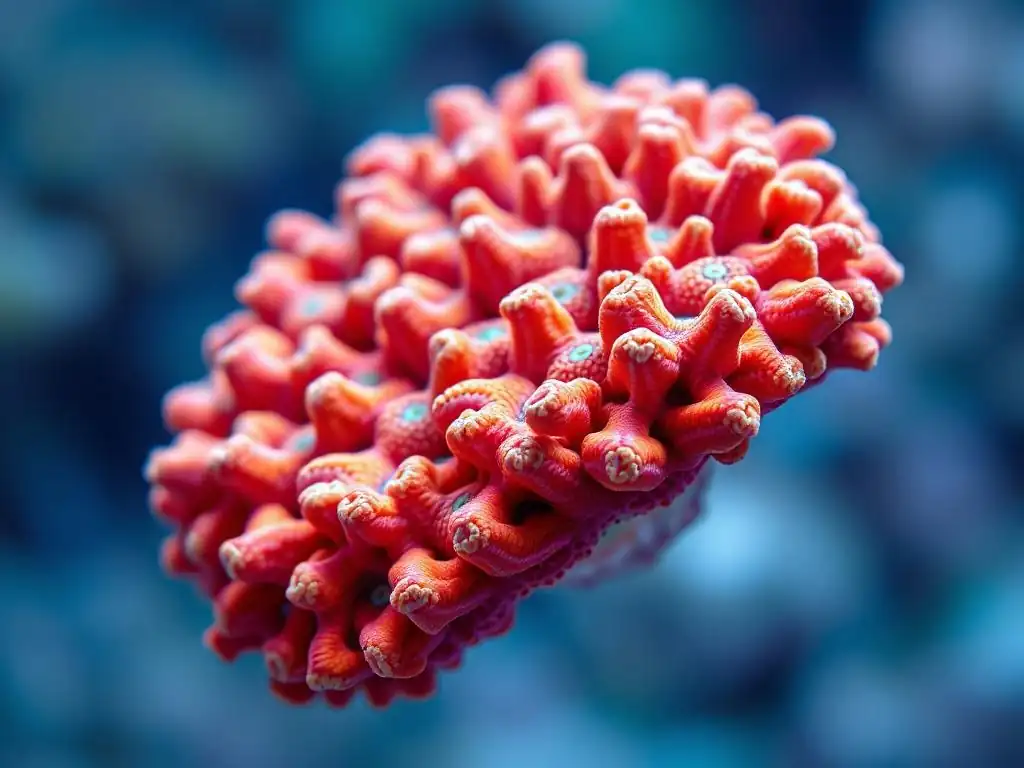
After performing SPS coral dipping, continuous and diligent observation of the coral is crucial for its recovery and to confirm the effectiveness of the treatment. For the first 24-48 hours, closely monitor the coral for signs of stress, such as prolonged polyp retraction, excessive sliming, discoloration, or any new areas of tissue loss. While some initial stress is normal, persistent or worsening symptoms indicate a need for further intervention, such as moving the coral to a more stable quarantine environment or adjusting water parameters.
Equally important is vigilant observation for any signs of pest re-emergence. Pests may have survived the dip, or eggs may have hatched after the treatment. Regular visual checks, ideally with a magnifying glass, should continue daily for several weeks in the quarantine tank. Look for the return of familiar pests like AEFW or Red Bugs, or any new suspicious organisms. Early detection of re-emergence allows for prompt re-treatment and prevents a full-blown infestation in your main display tank. This ongoing monitoring is a critical aspect of effective SPS aquarium pest dipping.
Providing Optimal Water Parameters for SPS Coral Health
Maintaining stable and optimal water parameters is fundamental for the recovery and long-term health of SPS corals, especially after the stress of dipping. Consistent alkalinity (ideally 7-9 dKH), calcium (400-450 ppm), and magnesium (1300-1400 ppm) levels are vital for skeletal growth and overall coral vitality. Fluctuations in these parameters can cause significant stress, hindering recovery and making corals more susceptible to disease.
In addition to major parameters, ensure stable pH (8.1-8.4) and temperature (76-78°F). Adequate, turbulent water flow is also crucial for SPS corals; it aids in nutrient delivery, waste removal, and keeps the coral's surface clean, reducing the chances of detritus accumulation that can harbor pests. Providing the appropriate lighting intensity and spectrum for the specific SPS species will further support photosynthesis and growth, allowing the coral to rebound strongly after SPS aquarium pest dipping.
Quarantine Tank Monitoring After Dipping
The quarantine tank (QT) serves as the crucial final barrier before introducing a new SPS coral to your main display. After the initial dip, the coral should remain in the QT for a minimum of 4-6 weeks. This extended observation period is vital because it allows ample time for any pest eggs resistant to the dip to hatch, and for multiple rounds of dipping to be performed if necessary to break the pest's life cycle.
During this quarantine period, regularly inspect not only the coral but also the QT water and surfaces for any signs of pests. If pests are observed, the coral should be re-dipped according to a specific protocol (e.g., weekly for AEFW), and the QT itself may need to be treated or thoroughly cleaned to ensure complete eradication. This diligent monitoring and willingness to re-treat in a contained environment drastically reduce the risk of inadvertently introducing a persistent pest problem into your established, valuable SPS aquarium.
Troubleshooting Common SPS Dipping Issues
SPS Coral Tissue Loss After Dipping: Causes and Prevention
SPS coral tissue loss after dipping is a distressing, but sometimes avoidable, complication. The primary causes include overdosing the dip solution, exceeding the recommended contact time, or dipping a coral that was already severely stressed, weakened by disease, or recently fragged. A coral already on the brink of decline may not tolerate the added stress of dipping, even if performed correctly.
To prevent tissue loss, strict adherence to the manufacturer's recommended dosage and contact time is paramount. Always use precise measuring tools, such as syringes, for accuracy. Avoid dipping corals that exhibit extreme signs of stress, severe tissue necrosis, or recent physical damage. If tissue loss does occur, immediately remove the coral from the dip, rinse it thoroughly in clean, temperature- and salinity-matched saltwater, and place it in a stable, established environment with optimal water parameters. In severe cases, fragging off the healthy portion may be the only option to save part of the coral.
Ineffective Dipping: Identifying and Addressing the Root Cause
If pests reappear shortly after an SPS coral dipping procedure, it indicates that the dip was ineffective. Several factors can contribute to this. The dip solution might have been too weak due to incorrect dosage, the contact time too short to affect the pests, or the wrong type of dip was used for the specific pest present.
For instance, an iodine-based dip will not eradicate Acropora Eating Flatworms (AEFW) or Red Bugs. Furthermore, many pests lay eggs that are resistant to dips, meaning a single treatment will only kill adults, leading to a new hatchling infestation days or weeks later.
To address ineffective dipping, first review your protocol: Was the dosage precise? Was the water temperature stable? Was agitation sufficient to dislodge pests? If the protocol was followed correctly, consider the nature of the pest. For egg-laying pests like AEFW, a multi-dip schedule (e.g., weekly dips for 3 weeks) in a quarantine tank is essential. For Red Bugs, a specialized dip containing an insect growth regulator might be required. Accurate pest identification is key to choosing the correct and effective SPS aquarium pest dipping solution.
Choosing the correct dip for each pest or disease
Effective SPS aquarium pest dipping hinges on accurately identifying the specific pest or disease. A "one-size-fits-all" approach is rarely successful. For instance, if you're battling Acropora Eating Flatworms (AEFW), a praziquantel-based dip is the most effective choice, as it specifically targets and paralyzes flatworms. For Red Bugs (Tegastes acroporanus), dips containing insect growth regulators are typically recommended, as they disrupt the life cycle of these tiny copepods.
Conversely, if you suspect a bacterial infection or generalized stress on a new frag, an iodine-based dip might be a suitable antiseptic, while acriflavine could be considered for more severe bacterial issues, though with caution due to its potency and staining properties. For nuisance algae on a frag plug, a very brief, targeted hydrogen peroxide dip can be effective.
Misidentification is a common pitfall leading to ineffective treatment; therefore, if you are unsure of the culprit, consult reliable online resources, experienced aquarists, or even a local fish store with a good reputation for accurate diagnosis before selecting your SPS aquarium pest dipping solution.
Maintaining a Pest-Free SPS Aquarium: Long-Term Strategies
Regular SPS Coral Inspection and Early Intervention
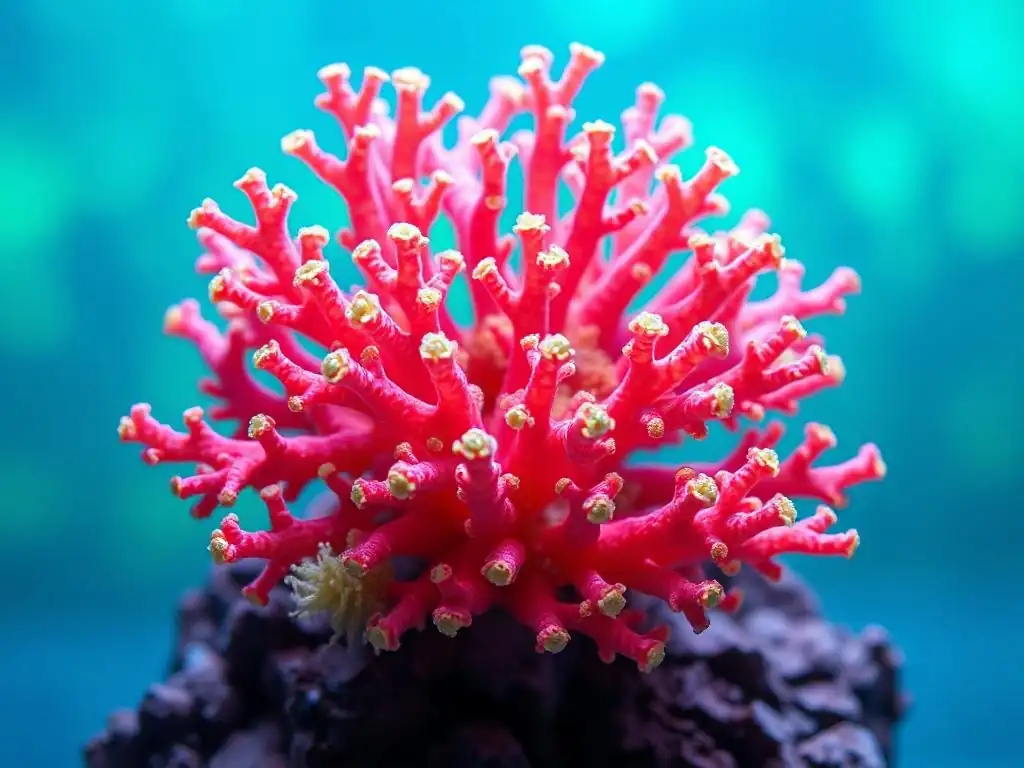
Beyond the initial SPS coral dipping and quarantine of new additions, proactive and regular inspection of your existing SPS corals in the display tank is a cornerstone of long-term pest prevention. Dedicate time, ideally weekly or bi-weekly, to a thorough visual scan of all your corals. Use a small flashlight and a magnifying glass to scrutinize the undersides of branches, within crevices, and around the bases of your colonies. Many pests are masters of camouflage and can be very difficult to spot without close examination.
Early detection is critical. If you identify even a single suspicious spot, a few retracted polyps, or a tiny pest, immediate intervention can prevent a widespread infestation. It is far easier to isolate and treat a single small frag or a localized area than to manage a full-blown outbreak across an entire, established SPS system. Prompt action based on vigilant inspection minimizes the impact of potential invaders and ensures the continued health of your valuable corals.
Implementing a Robust Quarantine Protocol for All New Additions
The single most effective long-term strategy for maintaining a pest-free SPS aquarium is the unwavering commitment to a robust quarantine protocol for every new addition. This includes not just corals, but also fish, invertebrates, live rock, and even snails. A dedicated quarantine tank (QT) acts as an essential buffer, isolating new livestock from your main display tank for a minimum of 4-6 weeks. During this period, the SPS aquarium pest dipping procedure is only the first step.
The QT allows you to observe new corals for hidden pests, parasitic diseases, or bacterial issues that may not be immediately apparent after an initial dip. It provides a safe environment for multiple rounds of dipping for stubborn pests (like AEFW eggs) or for administering other treatments without risking your established inhabitants or the delicate balance of your main display. This rigorous quarantine system is the ultimate defense, preventing the introduction of insidious threats that can otherwise devastate years of effort and investment in your SPS reef.
Maintaining Optimal Water Quality to Enhance SPS Coral Immunity
While direct pest control like SPS aquarium pest dipping is crucial, the long-term resilience of your corals against invaders is heavily influenced by their overall health, which is directly tied to pristine water quality. Healthy corals are inherently more robust and better equipped to resist and recover from pest infestations and diseases. Consistently maintaining optimal and stable water parameters, including alkalinity (e.g., 7-9 dKH), calcium (400-450 ppm), magnesium (1300-1400 ppm), and low nitrates/phosphates, significantly reduces coral stress.
Regular water changes (e.g., 10-20% monthly), efficient nutrient export methods (such as protein skimming, refugiums, or GFO), and stable temperature (76-78°F) and salinity (1.025-1.026 specific gravity) are all fundamental for a thriving SPS environment. When corals are unstressed and flourishing, their natural immune responses are stronger, making them less susceptible to opportunistic pathogens and more capable of recovering if issues do arise, complementing the proactive measures of SPS aquarium pest dipping.
Conclusion: The Importance of Proactive SPS Coral Dipping.
SPS coral dipping, meticulously executed as part of a comprehensive quarantine strategy, stands as an indispensable practice for any serious reef aquarist. It serves as the critical first line of defense, a proactive barrier against the myriad of insidious pests and diseases that relentlessly threaten to infiltrate and devastate a thriving SPS aquarium. By diligently dipping every new coral addition, you significantly reduce the immediate risk of introducing unwanted organisms, protecting your valuable existing colonies from potential catastrophe.
While no single method offers a 100% foolproof guarantee, the consistent and diligent application of these bulletproof SPS aquarium pest dipping protocols, coupled with rigorous quarantine and optimal water quality, dramatically minimizes the risks. This proactive approach safeguards your significant investment, prevents widespread outbreaks, and ultimately ensures the long-term health, vibrant beauty, and unparalleled success of your cherished SPS reef tank, making it truly resilient against common threats.
Frequently Asked Questions
What is SPS dipping and why is it important for my SPS aquarium?
SPS dipping is the process of immersing SPS corals in a solution to eliminate pests and treat diseases. It's crucial for preventing infestations and maintaining the health of your SPS corals.
Which pests are commonly targeted by SPS dipping?
Common pests targeted include red bugs, acropora eating flatworms (AEFW), and Montipora eating nudibranchs. Dipping helps to rid your corals of these harmful organisms.
What are the key ingredients in a typical SPS dip solution?
Common ingredients include solutions containing iodine, potassium iodide, or even commercial coral dips. These ingredients help to dislodge and kill pests.
How often should I dip new SPS corals before adding them to my aquarium?
Ideally, you should dip every new SPS coral. Dipping before introduction is a critical quarantine step to prevent pests from entering your main tank.
What are some signs that my SPS coral might need dipping?
Signs include tissue recession, unexplained color loss, or the visible presence of pests. These issues often indicate the need for immediate dipping.
Final Reflection: Safeguarding Reefs, One Dip at a Time
The meticulous process of SPS dipping, as detailed throughout this article, is not merely a preventative measure; it's an act of conservation that resonates far beyond the confines of our individual aquariums. In a world where coral reefs are facing unprecedented threats, the responsibility to protect these delicate ecosystems extends to every reef enthusiast. By diligently employing these dipping protocols, we actively contribute to the health and resilience of captive corals, minimizing the risk of introducing pests and diseases that could ultimately devastate wild populations.
The impact of responsible reef keeping practices ripples outwards, influencing the health of our hobby and the future of coral reefs themselves. My own journey in reef keeping has been profoundly shaped by understanding the importance of biosecurity, and I’ve witnessed firsthand the devastating consequences of neglecting these crucial steps. We are tied to the ocean. And when we go back to the sea, whether it is to sail or to watch it, we are going back from whence we came.
- John F. Kennedy. This quote reminds us of our deep connection to the ocean and the responsibility we bear to protect its treasures, including the vibrant SPS corals that captivate us.
Now, as you close this article, I invite you to reflect on your own role in safeguarding the future of coral reefs. Consider how you can integrate these SPS dipping protocols into your routine, not just as a chore, but as a conscious commitment to responsible reef keeping. Embrace the power you hold to protect these magnificent creatures, and let your dedication to biosecurity become a beacon of hope for the health and longevity of our planet's precious coral ecosystems.
Ignite Your Reef: Take Control & Defend Your Corals Now!
Thank you for diving into the world of SPS dipping! Now that you're armed with the ultimate pest defense strategies, it's time to put your knowledge into action and build a thriving, resilient reef. Let's ensure your corals flourish!
- Prioritize Preventative Care: Schedule a bi-weekly SPS coral dip to defend against pests, disease, and ensure your corals always thrive.
- Share Your Success: Post photos of your healthy, pest-free SPS corals on social media using #AquariumMasterySPS and inspire other reefers.
- Explore New Horizons: Research less common SPS pests and diseases to expand your knowledge and become a true coral guardian.
What specific dipping product are you most excited to try out, and what coral will be the first to experience its protection?