
What to Feed Acans: The Best Foods for Acanthastrea & Micromussa

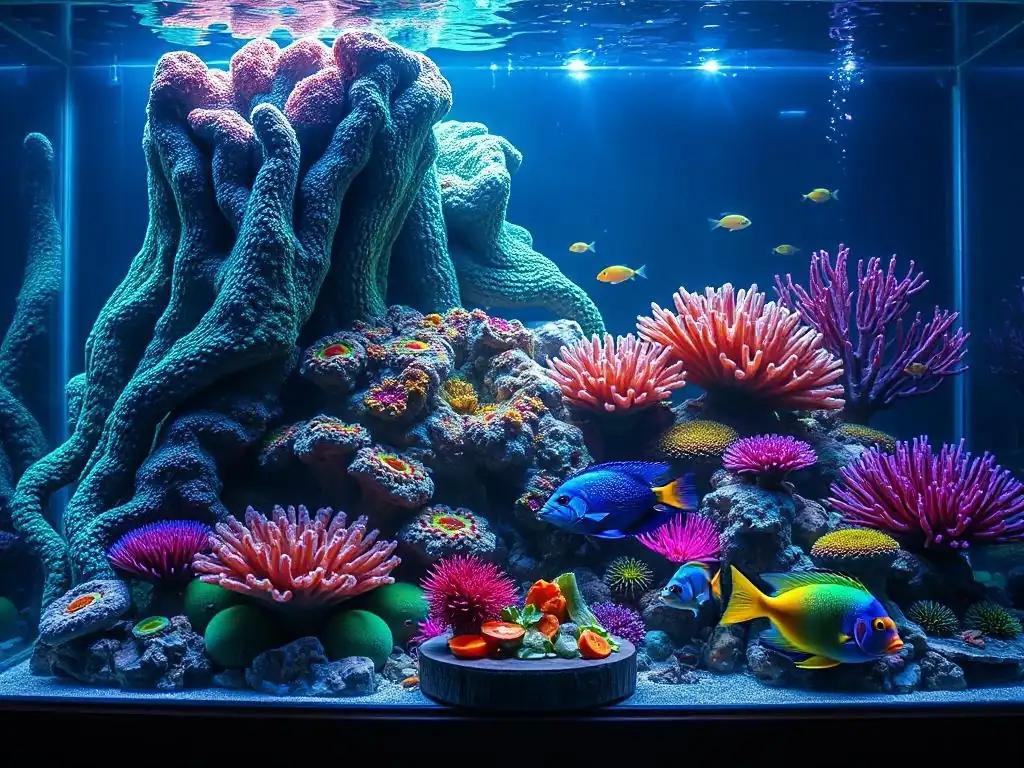
Welcome to Aquarium Mastery!
Ever wondered what the secret is to vibrant, healthy Acanthastrea corals? You've come to the right place! Dive into our comprehensive guide to the Acanthastrea fish food diet and unlock the secrets to feeding these stunning LPS corals for optimal growth and color. Prepare to be amazed by what a little knowledge can do for your reef tank. Ready to learn more?
- Understanding the Acanthastrea Fish Food Diet: A Comprehensive Guide
- Why Proper Feeding Matters for Your Acan Lords and Micromussa
- Acanthastrea Fish Food: Choosing the Right Options
- Target Feeding Your Acans: A Step-by-Step Guide
- Feeding Frequency and Amounts: Finding the Right Balance
- Supplementing Your Acan Diet: Essential Nutrients
- Troubleshooting Common Acan Feeding Issues
- Maintaining Optimal Water Quality for Healthy Acans
- Conclusion: Optimizing Your Acanthastrea Fish Food Diet for a Thriving Reef Aquarium
- Frequently Asked Questions
- Final Reflection: Nurturing the Vibrant Reef
- Ignite Your Acan's Colors!
Understanding the Acanthastrea Fish Food Diet: A Comprehensive Guide
Acanthastrea corals, often affectionately known as Acan Lords, along with their close relatives Micromussa, are captivating Large Polyp Stony (LPS) corals prized for their vibrant colors and unique patterns. While these corals host symbiotic zooxanthellae algae, which provide a significant portion of their energy through photosynthesis, they are also highly dependent on external feeding. Understanding their natural feeding behaviors in the wild, where they capture microscopic organisms and detritus from the water column, is crucial for replicating a successful Acanthastrea fish food diet in a home aquarium.
Their feeding strategy involves extending their tentacles, especially at night or when food is present, to capture passing food particles. This dual energy source means that while light is important, a varied and consistent feeding regimen is equally vital for their long-term health, growth, and vibrant coloration. Neglecting the direct feeding aspect can lead to slow growth, dullness, or even tissue recession over time, underscoring the importance of a well-rounded Acanthastrea fish food diet.
Why Proper Feeding Matters for Your Acan Lords and Micromussa
The Importance of Nutrition for Acan Coral Growth and Coloration
Proper nutrition is the cornerstone of robust growth and breathtaking coloration in Acan corals. The proteins, lipids, and carbohydrates derived from their Acanthastrea fish food diet are directly utilized for tissue repair, polyp extension, and the calcification process that builds their stony skeleton. For instance, well-fed Acans can exhibit noticeable growth, sometimes increasing their colony diameter by 0.5 to 1 centimeter per month under optimal conditions, a rate significantly reduced in underfed specimens.
Furthermore, specific nutrients play a pivotal role in the coral's pigmentation. Carotenoids found in certain foods, like mysis shrimp, can enhance the reds, oranges, and yellows within the coral's tissue. Adequate nutrient availability supports the production of fluorescent proteins, which give Acans their characteristic "glow" under actinic lighting. A comprehensive Acanthastrea fish food diet ensures that these essential building blocks are readily available, leading to not only healthier corals but also visually spectacular ones.
Consequences of Underfeeding or Overfeeding Acans
Both underfeeding and overfeeding can have detrimental effects on Acan corals. Underfeeding deprives the coral of necessary energy and building blocks, leading to tissue recession, where the coral's fleshy polyps pull back from its skeleton, exposing the white skeletal base. This not only diminishes their aesthetic appeal but also makes them highly vulnerable to infections, pests, and ultimately, starvation. An Acan coral experiencing severe undernourishment might shrink by 10-20% in polyp size within a few weeks, indicating significant stress.
Conversely, overfeeding, while seemingly beneficial, can rapidly degrade water quality. Uneaten Acanthastrea fish food decomposes, leading to spikes in nitrates (potentially exceeding 20 ppm) and phosphates (often above 0.1 ppm), which fuel nuisance algae growth. This algae can directly smother the coral, blocking light and irritating its tissue. Additionally, rotting food can foster undesirable bacterial blooms, further stressing the coral and potentially leading to tissue necrosis. Finding the right balance is paramount for a thriving Acan.
Acanthastrea Fish Food: Choosing the Right Options
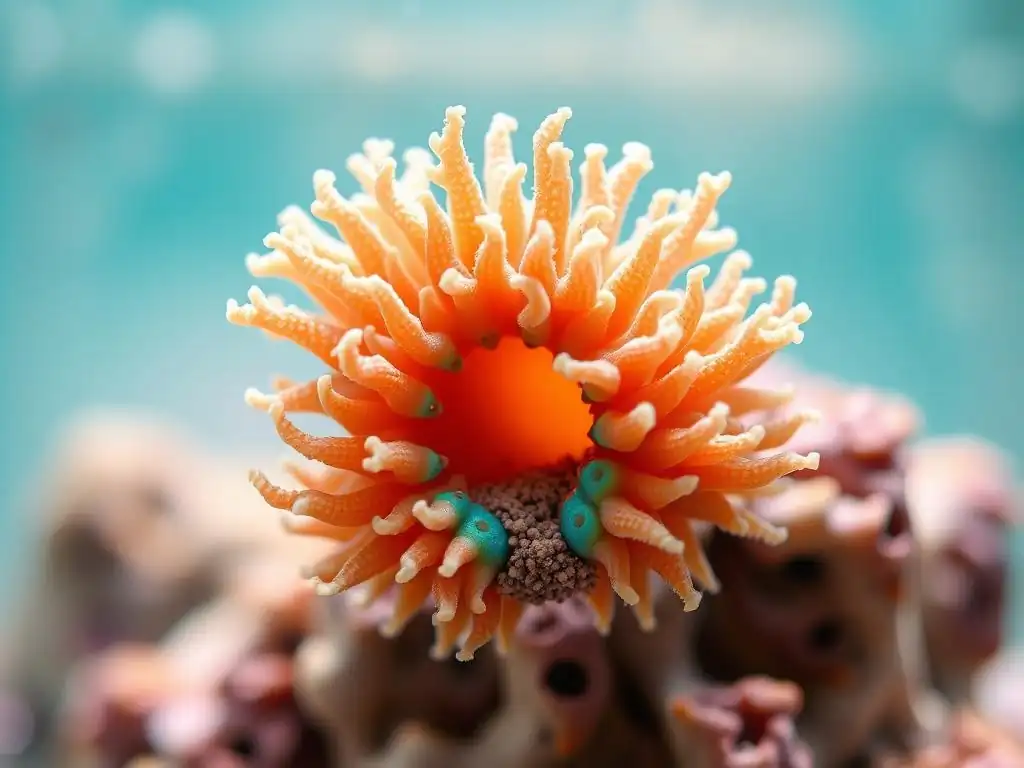
Small Particle Foods: Ideal for Acan Mouth Size
Acanthastrea corals possess relatively small mouths, typically expanding to about 1-3 millimeters when fully extended for feeding. This anatomical characteristic dictates that the Acanthastrea fish food offered must be appropriately sized for efficient ingestion. Foods that are too large will simply be rejected, leading to waste and potential water quality issues. For instance, finely crushed pellets or small crustaceans like cyclop-eeze are ideal, as their size allows for easy capture and consumption by the coral's polyps.
A practical guideline is to ensure that individual food particles are no larger than half the diameter of the coral's extended oral disc. This ensures that the coral expends minimal energy attempting to ingest oversized items, maximizing feeding efficiency. Regular observation during feeding will confirm if your Acans are readily consuming the food, indicating that the particle size is suitable for their specific colony and polyp size, making it a critical consideration for their Acanthastrea fish food diet.
Frozen Foods: A Nutritious Staple for Acan Diets
Frozen foods are a highly recommended and nutritious component of any Acanthastrea fish food diet, offering a wide range of essential proteins and lipids.
Brine Shrimp: A Good Starting Point
While not the most nutritionally dense option, adult brine shrimp (approximately 5-8mm) or, more preferably, newly hatched brine shrimp nauplii (around 0.5mm) can serve as an introductory food for smaller Acan colonies or those new to direct feeding. They are readily accepted due to their movement, stimulating the coral's feeding response. However, due to their lower protein and fat content compared to other options, they should be used as part of a more varied diet rather than a sole food source.
Mysis Shrimp: A Rich Source of Protein
Mysis shrimp are an excellent and highly recommended food source for Acans. These small crustaceans (typically sold in chopped forms or whole, around 1-2 cm) are packed with protein, beneficial fatty acids, and chitin, all crucial for coral growth and health. Their size, when chopped or in smaller varieties, makes them manageable for Acan polyps. Many aquarists report enhanced growth and coloration when Mysis shrimp are a regular part of their Acanthastrea fish food diet.
Cyclops: Excellent for Small Acan Colonies
Cyclops are tiny copepods, generally measuring between 0.5-1.5 millimeters, making them perfect for smaller Acan polyps or juvenile colonies. They offer a good nutritional profile, including omega-3 fatty acids, which are vital for coral health. Their small size also means they are less likely to pollute the water if not immediately consumed, making them a safe and effective choice, particularly for delicate or newly acquired Acans.
Dry Foods: Convenient and Long-Lasting Acanthastrea Fish Food
Dry foods offer convenience and a long shelf life, making them a practical addition to the Acanthastrea fish food diet.
Pellets: Selecting the Right Size and Formulation
When choosing pellets for your Acans, size and formulation are paramount. Opt for small, slow-sinking pellets specifically designed for LPS corals, typically ranging from 0.5mm to 1.5mm in diameter. These are designed to be palatable and digestible for corals. Always check the ingredient list for high protein content (ideally above 40%) and a good balance of fats and essential nutrients. Avoid pellets with excessive fillers or questionable ingredients, as these offer little nutritional value and can contribute to water pollution.
Flakes: Use Sparingly and With Caution
While readily available, flakes are generally less ideal for direct Acan feeding. Their tendency to rapidly dissolve in water can lead to significant nutrient pollution if not fully consumed. If you choose to use flakes, they must be crushed into a very fine powder and target-fed directly to the coral to minimize waste. Due to their quick degradation and potential for water quality issues, flakes should only be a very minor, if any, component of a balanced Acanthastrea fish food diet.
Liquid Foods: Target Feeding Acans Effectively
Liquid foods provide a convenient way to deliver essential nutrients directly to corals, often absorbed through their tissues.
Amino Acids: Boosting Acan Health and Color
Amino acid supplements are not a complete Acanthastrea fish food diet on their own, but they are excellent for boosting overall coral health and enhancing coloration. These essential building blocks for proteins can be absorbed directly by the coral's tissue, promoting faster recovery from stress, improved polyp extension, and more vibrant hues. Many commercially available amino acid solutions contain a blend of both essential and non-essential amino acids, providing a comprehensive nutritional boost, particularly beneficial for corals that may not be consuming large quantities of solid foods.
Coral Foods: Specialized Blends for LPS Corals
A variety of specialized liquid or powdered coral foods are available on the market, formulated specifically for LPS corals like Acans. These blends often contain a mix of phytoplankton, zooplankton, beneficial bacteria, and other proprietary nutrients. They offer a convenient way to provide a broad spectrum of nutrients that mimic the diverse particulate matter found in natural reef environments. When selecting a specialized coral food, look for products with a strong reputation and positive reviews, ensuring they contribute effectively to a holistic Acanthastrea fish food diet.
Target Feeding Your Acans: A Step-by-Step Guide
Preparing Your Acanthastrea Fish Food for Feeding
Proper preparation of your Acanthastrea fish food is crucial for maximizing consumption and minimizing tank pollution. For frozen foods, thaw a small portion in a separate cup filled with tank water. Never use tap water, as it may contain chlorine or chloramines harmful to your corals. It's also advisable to rinse thawed foods through a fine-mesh net to remove any packing solution, which can sometimes contain undesirable phosphates.
If you are using dry foods like pellets, pre-soaking them in a small amount of tank water for a few minutes can soften them and help them sink more readily. This also prevents them from scattering widely in the water column before the Acans have a chance to capture them. Careful preparation ensures that the food is palatable and easy for the coral to ingest, making the feeding process more efficient and effective.
Utilizing a Turkey Baster or Syringe for Precise Delivery
Target feeding is the most effective method for ensuring your Acans receive their share of the Acanthastrea fish food. A turkey baster or a large syringe (without the needle) is an invaluable tool for this purpose. These tools allow you to precisely deliver the food directly onto the extended polyps of each Acan colony. This minimizes waste, prevents other tank inhabitants (like hungry fish) from stealing the food, and ensures that each coral gets the nutrition it needs.
To target feed, gently suck up the prepared food mixture into your baster or syringe. Slowly approach the Acan coral, and with a gentle squeeze, release a small cloud of food directly over its extended polyps. Observe the coral's response; its tentacles should typically retract slightly as they capture the food. This precise delivery method is a cornerstone of an optimized Acanthastrea fish food diet.
Observing Acan Feeding Response and Adjusting Accordingly
After target feeding, take a few minutes to observe your Acan corals' feeding response. Healthy, hungry Acans will typically extend their feeding tentacles and open their mouths within minutes of food being introduced to the water. You should see them actively capturing and ingesting the food. If a coral retracts its polyps or shows no interest, it might indicate stress, too much flow, or that it's simply not hungry.
Adjust your feeding strategy based on these observations. If a coral consistently refuses food, investigate potential issues like water quality, lighting, or flow. If food remains uneaten after 15-30 minutes, you might be overfeeding or the food particle size is too large. Adjusting the type, amount, or frequency of your Acanthastrea fish food based on direct observation is key to long-term success.
Feeding Frequency and Amounts: Finding the Right Balance
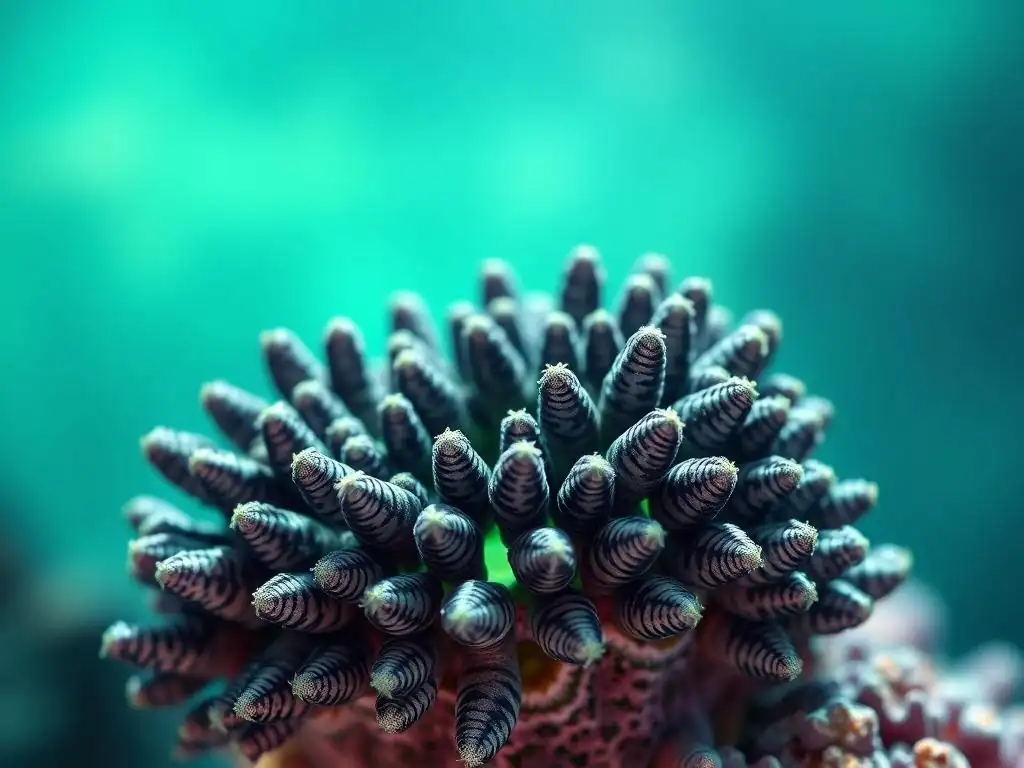
How Often Should You Feed Your Acans?
For optimal growth and vibrant coloration, feeding your Acan corals 2-3 times per week is generally recommended. This frequency provides a consistent supply of nutrients to supplement the energy they derive from photosynthesis. For newly acquired colonies, those recovering from stress, or smaller frags, a slightly more frequent schedule, such as every other day for a short period, might be beneficial to encourage faster recovery and growth.
However, the exact frequency can vary depending on your tank's nutrient levels and the overall bioload. In very mature, nutrient-rich systems with abundant fish feeding, Acans might thrive on less frequent direct feeding, perhaps once a week. The key is consistency and observation, ensuring that the Acanthastrea fish food diet supports their needs without compromising water quality.
Determining the Correct Portion Size for Each Acan Colony
Determining the correct portion size requires a bit of trial and error and careful observation. A good starting point is to offer a very small amount, such as a pea-sized portion of thawed, mixed frozen food per 5-10 polyps of an Acan colony. The goal is for all the food to be consumed by the coral within 15-30 minutes. If food remains floating or settling on the substrate after this time, you are likely overfeeding.
It's always better to underfeed slightly and increase gradually than to overfeed, which can lead to rapid degradation of water quality. Observe how quickly your Acans ingest the food and adjust the portion size accordingly. A common mistake among new aquarists is to provide too much Acanthastrea fish food, leading to nutrient spikes and nuisance algae.
Supplementing Your Acan Diet: Essential Nutrients
The Role of Trace Elements in Acan Health
While the primary Acanthastrea fish food diet provides macronutrients like proteins and fats, trace elements are equally vital for the long-term health and vitality of your Acan corals. Elements such as iodine, strontium, potassium, and boron are consumed by corals during various metabolic processes, including calcification and enzymatic reactions. These elements are typically depleted from the aquarium water over time through uptake by corals, algae, and protein skimming.
Regular replenishment of these trace elements is essential. This can be achieved through the use of high-quality synthetic salt mixes that contain a comprehensive array of trace elements, or through dedicated liquid trace element supplements dosed according to manufacturer instructions. Regular testing (e.g., monthly) for key trace elements using advanced test kits can help pinpoint specific deficiencies and guide precise supplementation, ensuring a complete nutritional environment for your Acans.
Calcium and Alkalinity: Key Parameters for Skeletal Growth
While not directly part of the Acanthastrea fish food diet, calcium and alkalinity are the fundamental building blocks for the coral's aragonite skeleton. Acans, being stony corals, continuously draw calcium ions and carbonate alkalinity from the water to build and maintain their skeletal structure. Maintaining stable levels of these parameters is paramount for robust skeletal growth and overall coral health.
Ideal parameters for Acans are typically: Calcium between 400-450 ppm and Alkalinity between 7-9 dKH. Magnesium (1300-1400 ppm) is also crucial as it helps maintain the solubility of calcium and alkalinity. Regular testing (e.g., 2-3 times per week) and consistent dosing of calcium, alkalinity, and magnesium supplements, or using a calcium reactor, are vital to ensure these parameters remain stable and prevent skeletal growth issues.
Troubleshooting Common Acan Feeding Issues
Acans Not Eating: Identifying Potential Causes
If your Acans are not extending their polyps or refusing Acanthastrea fish food, several factors could be at play. Poor water quality, characterized by elevated nitrates (e.g., >20 ppm) or phosphates (e.g., >0.1 ppm), is a common culprit, as these can stress corals. Inconsistent or extreme water parameters (temperature fluctuations, salinity swings) can also inhibit feeding. Additionally, unsuitable flow conditions (too much direct flow or insufficient flow) can prevent polyps from extending properly to capture food.
Other potential causes include recent stress from tank changes, inadequate lighting, or the presence of pests. Inspect your Acans closely for signs of flatworms, nudibranchs, or other parasitic organisms that might be irritating them. Sometimes, simply adjusting the lighting cycle to feed after the main lights are off for an hour or two can encourage polyps to extend, as many Acans are more active feeders in low light conditions. Address these underlying issues before re-attempting feeding.
Dealing with Food Competition from Other Tank Inhabitants
In a mixed reef aquarium, food competition is a common challenge when target feeding corals. Hungry fish, particularly those that are opportunistic feeders, can quickly snatch the Acanthastrea fish food before the corals have a chance to ingest it. Other faster-feeding corals, or even hermit crabs and snails, can also compete for the same food. This means your Acans might not be getting the full nutritional benefit from your efforts.
To mitigate this, consider target feeding your Acans after the main aquarium lights have been off for an hour or two. Many fish are less active at night, allowing the corals more time to capture food undisturbed. You can also temporarily redirect powerheads away from the feeding area to reduce water flow, making it easier for the food to settle on the corals. Placing a small, temporary barrier around the Acan during feeding can also be effective in deterring overly enthusiastic tank mates.
Preventing Algae Growth on Uneaten Acanthastrea Fish Food
Uneaten Acanthastrea fish food is a primary contributor to nutrient accumulation in a reef tank, which in turn fuels nuisance algae growth. Algae, such as hair algae, dinoflagellates, or cyanobacteria, can quickly proliferate when nitrates and phosphates rise, coating rocks, sand, and even the corals themselves. This not only detracts from the tank's aesthetics but can also directly smother Acans, blocking light and causing tissue irritation or recession.
The best prevention strategy is precise target feeding, ensuring that only the amount of food that can be consumed by the corals within 15-30 minutes is introduced. If you notice any food particles remaining after this period, siphon them out immediately. Implementing a robust clean-up crew (snails, hermit crabs), utilizing a good protein skimmer, and maintaining regular water changes are also crucial for controlling nutrient levels and preventing the conditions that lead to algae outbreaks.
Maintaining Optimal Water Quality for Healthy Acans
Water Parameters to Monitor for Acan Success
Beyond the Acanthastrea fish food diet, maintaining stable and optimal water parameters is fundamental for the long-term health and vibrancy of your Acan corals. Consistent monitoring is crucial. Key parameters include:
- Salinity: 1.025-1.026 specific gravity (35 ppt).
- Temperature: 76-78°F (24.5-25.5°C).
- pH: 8.0-8.4.
- Calcium: 400-450 ppm.
- Alkalinity: 7-9 dKH.
- Magnesium: 1300-1400 ppm.
- Nitrates: <10 ppm (ideally <5 ppm).
- Phosphates: <0.05 ppm.
Regular testing (weekly for major parameters, bi-weekly for trace elements) allows for proactive adjustments, preventing stress and promoting robust growth.
Regular Water Changes: Diluting Excess Nutrients
Regular water changes are an indispensable part of maintaining optimal water quality for Acan corals, especially when implementing a robust Acanthastrea fish food diet. Performing weekly or bi-weekly water changes, typically 10-20% of your tank's volume, serves multiple critical functions. Firstly, it helps to replenish essential trace elements that are consumed by corals and other inhabitants, ensuring a continuous supply for their metabolic needs.
Secondly, water changes are highly effective at diluting accumulated nitrates, phosphates, and other dissolved organic compounds that can build up from fish waste, uneaten food, and coral metabolism. This dilution prevents nutrient spikes that can stress corals and fuel nuisance algae. Using a high-quality salt mix formulated for reef aquariums ensures that you are adding back beneficial elements while removing undesirable ones, contributing significantly to the overall health and stability of your Acan reef.
Conclusion: Optimizing Your Acanthastrea Fish Food Diet for a Thriving Reef Aquarium
Cultivating thriving Acanthastrea and Micromussa corals requires a holistic approach, with the Acanthastrea fish food diet serving as a critical pillar. By understanding their carnivorous nature and providing a varied selection of appropriately sized frozen, dry, and liquid foods, you ensure they receive the essential proteins, lipids, and trace elements necessary for vibrant coloration and robust skeletal growth. Precision target feeding, coupled with consistent observation, allows for tailored nutrition that maximizes consumption and minimizes waste.
Beyond direct feeding, maintaining impeccable water quality through regular monitoring of key parameters and consistent water changes is paramount. This creates an environment where your Acans can efficiently absorb nutrients and allocate energy towards growth and health rather than battling adverse conditions. By diligently optimizing your Acanthastrea fish food diet and surrounding care, you will be rewarded with spectacular, flourishing Acan colonies that truly become the focal point of your reef aquarium.
Frequently Asked Questions
What is the ideal food size for Acanthastrea coral?
Acanthastrea (Acans) generally prefer small food particles. Aim for a size range of around 0.5mm to 2mm. This ensures they can easily capture and ingest the food.
How often should I feed my Acanthastrea coral?
Feeding Acans two to three times per week is generally recommended. Monitor your corals' response and adjust accordingly. Overfeeding can lead to water quality issues.
What types of food are best for Acanthastrea coral?
Acans thrive on a diet of small meaty foods like mysis shrimp, brine shrimp, and finely chopped reef roids. They also benefit from specialized coral foods designed for LPS corals.
Can I target feed my Acanthastrea coral, and how?
Yes, target feeding is highly beneficial for Acans. Use a pipette or syringe to gently deliver food directly to the coral's polyps. This ensures they receive adequate nutrition.
What are the signs that my Acanthastrea coral is not getting enough food?
Signs of underfeeding include tissue recession, pale coloration, and reduced polyp extension. If you observe these symptoms, increase the frequency or amount of food you are providing.
Final Reflection: Nurturing the Vibrant Reef
The delicate balance of a reef ecosystem hinges on understanding the nutritional needs of its inhabitants, and as we've explored the optimal Acanthastrea fish food diet, it's clear that responsible reef keeping extends beyond mere aesthetics. The health and vibrancy of these captivating corals directly reflect our commitment to providing them with the essential building blocks for survival and growth, a responsibility that resonates deeply within the aquarium hobby and beyond.
The ongoing influence of informed reef keeping practices is undeniable, shaping not only the health of our personal aquariums but also fostering a greater appreciation for the fragility of natural coral reefs. My own journey into reef keeping has instilled in me a profound respect for the interconnectedness of life within these underwater ecosystems. In the end, we will conserve only what we love; we will love only what we understand; and we will understand only what we are taught.
- Baba Dioum's words serve as a constant reminder of the power of knowledge in driving conservation efforts.
Now, as you consider the information presented, I invite you to reflect on your own role in nurturing the vibrant reef, whether it’s within the confines of your aquarium or through supporting sustainable practices. Let the knowledge gained here inspire you to make informed choices, ensuring the longevity and beauty of these magnificent Acanthastrea corals for generations to come.
Ignite Your Acan's Colors!
Thank you for diving into the world of Acan feeding! We hope you’ve gained valuable insights to keep your corals thriving. Now, let's translate that knowledge into action!
- Immediately enrich your Acan's diet by sourcing a high-quality coral-specific food. This is the most impactful step you can take for vibrant growth.
- Explore the fascinating world of zooplankton and experiment with different types to discover your Acan's favorites.
- Share your Acan feeding successes (or challenges!) with fellow reef keepers in an online forum and contribute to the community knowledge.
What unexpected food did your Acans go wild for, and what color changes did you observe?