
Creating a Stunning Mushroom Rock: Aquascaping with Softies

Welcome to Aquarium Mastery!
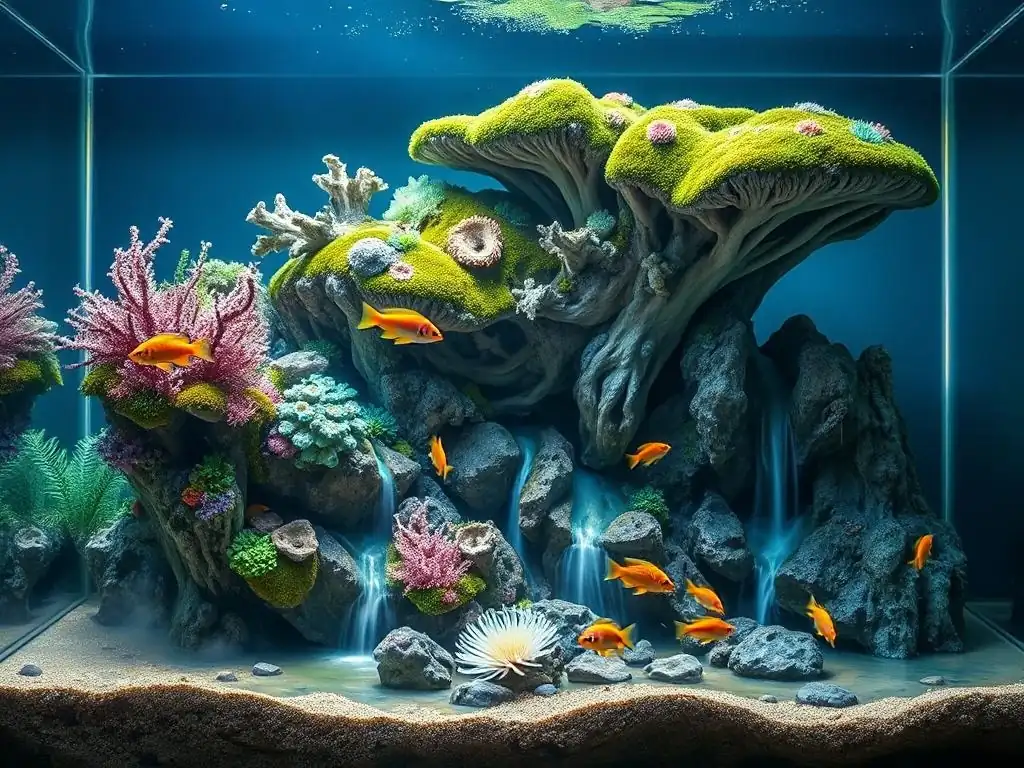
Ever wondered how to transform your reef tank into a mesmerizing underwater landscape? Dive into the enchanting world of mushroom rock aquascaping. Learn cutting-edge techniques for crafting stunning displays with soft corals, and discover how to bring a touch of elegance to your aquarium. Ready to unlock the secrets to a thriving and beautiful reef? Let's get started!
- Aquascaping with Ricordea Rocks: A Vibrant Reef Display
- Introduction to Ricordea Rock Aquascaping
- Planning Your Ricordea Rock Aquascape
- Ricordea Rock Aquascaping Techniques: A Step-by-Step Guide
- Caring for Your Ricordea Rock
- Troubleshooting Common Issues with Ricordea Rocks
- Advanced Ricordea Rock Aquascaping Ideas
- Maintaining the Long-Term Health and Beauty of your Ricordea Rock Aquascape
- Conclusion: Enhancing Your Reef Tank with Ricordea Rock Aquascaping Techniques
-
Frequently Asked Questions
- How do I select the right mushroom rock for my aquarium?
- What are some effective techniques for attaching soft corals to mushroom rock?
- What types of soft corals are best suited for mushroom rock aquascaping?
- How do I maintain water quality to ensure the health of soft corals on mushroom rock?
- What are some common problems encountered with mushroom rock aquascaping, and how can I troubleshoot them?
- Final Reflection: Cultivating Underwater Worlds
- Unleash Your Inner Aquascaper!
Aquascaping with Ricordea Rocks: A Vibrant Reef Display
Introduction to Ricordea Rock Aquascaping
The Appeal of Ricordea Corals in Reef Tanks
Ricordea corals, particularly Ricordea florida and Ricordea yuma, are highly sought after by aquarists for their vibrant coloration, unique textured polyps, and relatively straightforward care requirements. These soft corals, often categorized under the broader term of mushroom corals, offer an unparalleled spectrum of hues, ranging from electric blues and greens to fiery oranges, reds, and even multi-colored "rainbow" variants.
Their captivating appearance makes them a focal point in many reef tank aquascapes, adding dynamic visual interest without the demanding parameters often associated with stony corals. The ease with which they can be propagated also contributes to their popularity, allowing hobbyists to grow their colonies and share them within the community.
Beyond their aesthetic appeal, Ricordea corals are excellent candidates for mushroom rock aquascaping techniques due to their robust nature and tendency to encrust onto surfaces. Unlike some delicate SPS corals, Ricordea can tolerate a wider range of water conditions and flow, making them suitable for both novice and experienced reef keepers. Their ability to thrive in various light intensities, from moderate to strong, provides flexibility in placement within the aquarium. This adaptability, combined with their striking beauty, positions Ricordea as a prime choice for creating visually stunning and sustainable soft coral displays.
What is a Ricordea Rock? Defining the Aquascaping Element
A Ricordea rock, in the context of reef aquascaping, is a piece of live rock or inert rock that has been specifically prepared and populated with multiple Ricordea coral polyps. The objective is to create a living, self-contained display piece where the rock itself becomes an integral part of the coral's structure and overall aesthetic.
This differs from simply placing individual Ricordea frags haphazardly in the tank; a Ricordea rock is a curated arrangement, often featuring various color morphs and species of Ricordea meticulously attached to achieve a harmonious and dense coverage. The rock serves as the base, providing stability and a natural substrate for the corals to grow and spread.
The concept of a Ricordea rock leverages the natural growth patterns of these corals, which tend to spread by budding or dividing, gradually encrusting the surface they are attached to. By selecting an appropriate rock structure and strategically placing initial frags, aquarists can guide this growth to form a cohesive, colorful "carpet" of Ricordea. This approach not only maximizes the visual impact of these corals but also provides a stable environment for their long-term health. When executed effectively, a Ricordea rock becomes a living sculpture, demonstrating advanced mushroom rock aquascaping techniques and showcasing the beauty of soft corals.
Benefits of Incorporating Ricordea Rocks in Your Aquarium
Incorporating Ricordea rocks offers numerous benefits for a reef aquarium, enhancing both its aesthetic appeal and ecological balance. Firstly, they provide unparalleled visual impact. A well-designed Ricordea rock can transform a plain section of your tank into a vibrant explosion of color and texture, acting as a natural focal point. The diverse palette of Ricordea florida and Ricordea yuma allows for intricate color combinations, creating depth and contrast that can rival any stony coral display. This visual richness contributes significantly to the overall beauty of the aquascape.
Secondly, Ricordea rocks contribute to the biodiversity and stability of the reef ecosystem within the tank. As living organisms, the corals filter water to some extent and provide microhabitats for beneficial bacteria and small invertebrates, contributing to the biological filtration of the system. Furthermore, their relatively easy care makes them a low-maintenance option for adding substantial coral mass without the stringent requirements of SPS corals, reducing the workload for the aquarist.
They are also known for their resilience, often bouncing back from minor fluctuations in water parameters more readily than other coral types. Finally, for hobbyists interested in propagation, a Ricordea rock serves as an excellent platform for natural fragging, as polyps will often detach or bud off, providing opportunities to expand your collection or trade with other enthusiasts.
Planning Your Ricordea Rock Aquascape
Choosing the Right Rock for Ricordea Coral Attachment
Selecting the appropriate rock is a fundamental step in successful Ricordea rock aquascaping. The ideal rock should possess a stable base to prevent tipping and a porous, textured surface that offers ample attachment points for the Ricordea polyps. Live rock, with its existing beneficial bacterial colonies and natural crevices, is often preferred as it integrates seamlessly into the established reef environment and provides a natural aesthetic.
However, dry rock, once cured, can also be an excellent choice, offering more control over the rock's shape and allowing for intricate designs without the risk of unwanted pests. Consider rocks with varied contours, small overhangs, and flat surfaces where Ricordea can be easily glued or plugged.
The size and shape of the rock should be proportionate to your aquarium and the desired final appearance. For smaller tanks (e.g., 20-40 gallons), a single, well-placed Ricordea rock can serve as a central display, while larger tanks (e.g., 75 gallons and above) might benefit from multiple Ricordea rocks or larger, more complex structures. Avoid overly smooth or chemically treated rocks, as they may hinder coral attachment or leach undesirable substances into the water.
Instead, opt for inert, reef-safe materials like aragonite-based dry rock or sustainably harvested live rock. A rock with a natural "shelf" or "plateau" can be particularly effective for creating a tiered Ricordea display, enhancing the visual appeal of your mushroom rock aquascaping techniques.
Selecting Ricordea Coral Varieties for Your Rock
The selection of Ricordea coral varieties is crucial for achieving a stunning and cohesive Ricordea rock aquascape. Ricordea florida and Ricordea yuma are the two primary species, each offering distinct characteristics. Ricordea florida typically features a more uniform, flat disc shape with numerous small, bubble-like vesicles, and is renowned for its incredible range of vibrant, often single or dual colors.
Ricordea yuma, on the other hand, often exhibits more irregular shapes, larger vesicles, and frequently showcases a mesmerizing array of contrasting colors within a single polyp, giving them a "rainbow" appearance. Combining these two types can add significant textural and color diversity to your rock.
When choosing specific polyps, consider your desired color palette. Do you want a monochromatic display of various shades of blue, or a riot of contrasting colors like orange, green, and purple? Aim for a mix of sizes if possible, from smaller fragged polyps to larger, more mature specimens, to create a naturalistic look.
It's also wise to research the specific light and flow requirements of different color morphs, as some may show better coloration or growth under slightly varied conditions. For instance, some deep red or orange Ricordea may intensify their color under slightly higher PAR, while certain blues and greens can thrive under moderate light. Selecting healthy, robust polyps from reputable sources will ensure a strong start for your Ricordea rock.
Considering Color Combinations and Patterns
Strategic planning of color combinations and patterns is what elevates a simple Ricordea-covered rock to a true work of art in mushroom rock aquascaping. Rather than haphazardly attaching polyps, consider how different colors will interact and complement each other. One approach is to create a gradient, moving from lighter to darker shades, or from warmer to cooler tones across the rock's surface. For example, you might start with bright yellow Ricordea at one end, transitioning through orange and red, then to purple and blue. This creates a visually dynamic flow.
Another effective technique is to group complementary colors together to make them pop, such as placing vibrant orange Ricordea next to deep blue ones. Alternatively, you can use contrasting colors to create distinct zones or patterns, like a central cluster of "rainbow" yumas surrounded by a border of solid blue floridas. For a more subtle effect, consider using different shades of the same color family, such as various greens or purples, to create depth and texture without overwhelming the viewer.
Think about the overall theme of your tank; a tropical lagoon feel might benefit from brighter, more playful combinations, while a deeper reef look could use more subdued, earthy tones with pops of intense color. Sketching out your ideas on paper or using a photo editing tool can help visualize the final arrangement before you begin attaching the corals.
Assessing Tank Size and Placement Options for Your Ricordea Rock
The size of your aquarium and the intended placement of the Ricordea rock are critical considerations for successful mushroom rock aquascaping. In smaller tanks (under 50 gallons), a single, carefully crafted Ricordea rock can serve as the primary focal point, occupying a significant portion of the aquascape. Its placement should allow for ample viewing from multiple angles and ensure it doesn't obstruct flow or create dead spots. For instance, placing it slightly off-center, following the "rule of thirds," often creates a more aesthetically pleasing composition.
In larger aquariums (over 75 gallons), you have more flexibility. A Ricordea rock can be a standalone island, a vibrant addition to an existing rock structure, or even part of a multi-tiered soft coral display. Consider the overall aquascape design and how the Ricordea rock will integrate. Will it be at the top of a shelf to catch more light, or nestled in a lower, shaded area where some Ricordea types might prefer?
Ensure there is sufficient open space around the rock to allow for future growth of the Ricordea and to prevent them from stinging or being stung by other corals. Adequate water flow around the entire rock is also paramount for coral health and to prevent detritus accumulation. Before permanent placement, experiment with different positions in the tank to determine the optimal spot for both visual appeal and coral well-being.
Ricordea Rock Aquascaping Techniques: A Step-by-Step Guide
Preparing the Rock for Ricordea Coral Attachment
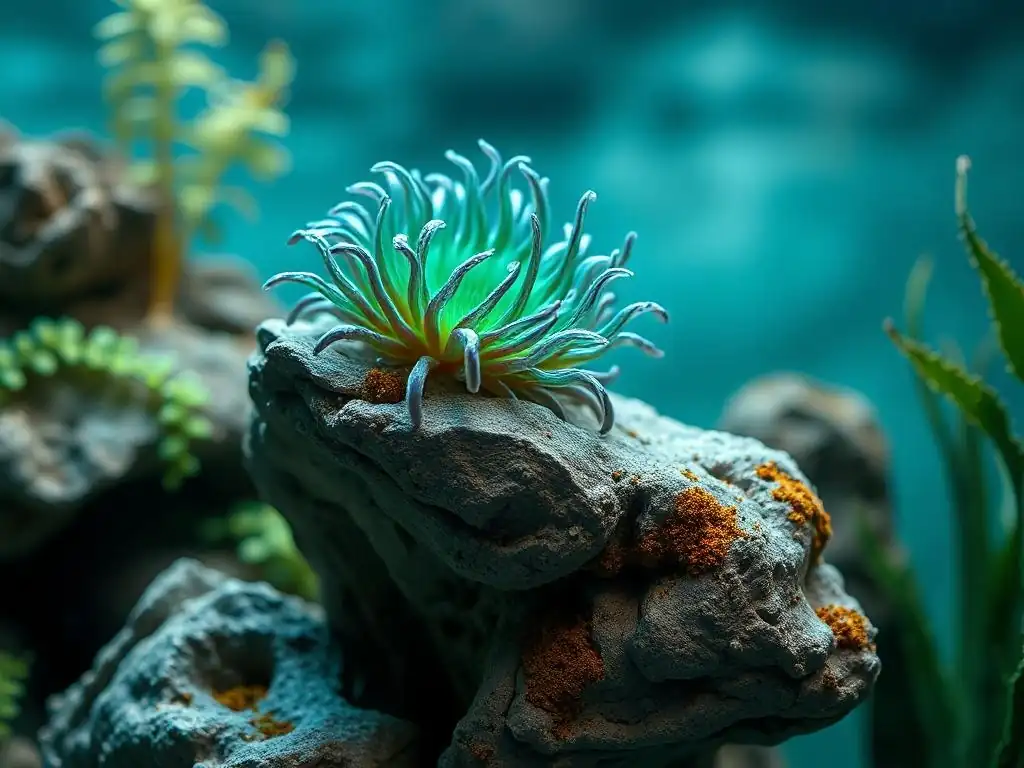
Proper preparation of the rock is essential for ensuring strong and lasting attachment of your Ricordea corals. If using dry rock, it must be thoroughly cured to remove any phosphates or other undesirable substances. This typically involves soaking the rock in RODI water, changing the water every few days for several weeks, or until phosphate readings are undetectable.
For live rock, a simple rinse in tank water to remove any loose detritus or algae is usually sufficient. Once the rock is clean, inspect its surface for ideal attachment points. Look for flat or slightly concave areas where a Ricordea polyp can sit securely without sliding off.
It's often beneficial to lightly abrade the attachment area with a small wire brush or a coarse file to create a rougher surface. This provides more grip for the adhesive and promotes better initial adhesion. Ensure the rock is completely dry for methods involving cyanoacrylate glue, as moisture can significantly weaken the bond.
If you plan to use plugs or epoxy, the rock can be wet, but a clean surface is still paramount. Some aquarists also lightly rough up the underside of the Ricordea frag plug or base to enhance adhesion. This meticulous preparation lays the groundwork for successful mushroom rock aquascaping and ensures your corals remain securely in place.
Selecting the Optimal Attachment Method: Glue or Plugs
Choosing the right attachment method for your Ricordea corals is crucial for successful mushroom rock aquascaping. The two primary methods are using cyanoacrylate gel glue and coral plugs, often in conjunction with epoxy.
- Cyanoacrylate Gel Glue: This is the most common and generally easiest method for attaching Ricordea directly to the rock. The thick gel formulation allows for a strong bond even underwater, though it works best on dry surfaces for maximum initial adhesion.
- Pros: Fast-drying, strong bond, minimal visual impact, easy to use for small polyps.
- Cons: Can be messy, requires quick placement, can sometimes irritate corals if too much is used or if the coral touches uncured glue.
- Application: Apply a small bead of gel to the underside of the Ricordea polyp or frag plug, then press firmly onto the chosen spot on the rock for 10-30 seconds.
- Coral Plugs with Glue/Epoxy: This method involves attaching the Ricordea to a small ceramic or plastic plug first, then inserting the plug into a pre-drilled hole in the rock or securing it with epoxy.
- Pros: Offers more stability, easy to move or re-position the frag before final placement, good for larger or more delicate polyps.
- Cons: Plugs can be visually intrusive initially, requires drilling holes in the rock, can be more time-consuming.
- Application: Glue the Ricordea to a plug. Once cured, either insert the plug into a snug hole drilled in the rock or use a marine-safe epoxy putty to secure the plug to the rock's surface.
For larger Ricordea polyps or those that tend to be less cooperative, a combination of methods can be effective. For example, using a small amount of glue to temporarily hold the polyp in place, then surrounding it with a small amount of two-part marine epoxy putty to create a more robust and permanent bond. This provides both immediate adhesion and long-term stability.
Attaching Ricordea Corals: A Hands-On Demonstration
Attaching Ricordea corals to your prepared rock requires precision and patience. Begin by gathering all necessary tools: your chosen Ricordea polyps (preferably acclimated to your tank for a few days), reef-safe cyanoacrylate gel glue, a pair of tweezers or coral forceps, and a small container of tank water if working outside the tank. If using plugs, have a drill ready.
- Prepare the polyp: Gently remove the Ricordea polyp from its original frag plug or base. If it's on a frag plug, carefully twist or cut the stalk to detach the polyp, being careful not to damage the oral disc. If it's a loose polyp, handle it gently to avoid tearing.
- Apply adhesive: For glue, apply a small, pea-sized dab of cyanoacrylate gel to the center of the underside of the Ricordea polyp. For plugs, glue the polyp to the plug first, ensuring the polyp's oral disc faces upwards.
- Placement: Position the polyp onto the chosen spot on your rock. If the rock is dry, press the polyp firmly against the rock for 10-30 seconds, applying gentle, even pressure. If the rock is submerged (e.g., you're adding to an existing rock in the tank), apply the glue to the polyp, then quickly submerge it and press it onto the rock. The glue will cure instantly underwater, but holding it for a short period ensures a strong bond.
- Secure with epoxy (optional): For added security, especially with larger polyps or in high-flow areas, you can apply a small ring of marine epoxy around the base of the glued polyp. Knead the two-part epoxy until it's a uniform color, then mold it around the base of the polyp, pressing it firmly against both the polyp and the rock. This creates a stronger, more permanent bond and can help seal any gaps where detritus might collect.
- Repeat: Continue this process for all your Ricordea polyps, working systematically across the rock to create your desired pattern. Allow the rock to sit for at least an hour, or overnight if possible, before reintroducing it to the main display tank, especially if using a significant amount of glue or epoxy. This allows the adhesives to fully cure and any minor irritation to dissipate before introducing the rock to your established reef environment.
Strategic Placement of Ricordea Corals on the Rock
Strategic placement of Ricordea corals on the rock is key to achieving a natural and visually compelling mushroom rock aquascape. Begin by considering the overall shape and contours of your chosen rock. Identify natural ledges, crevices, and flat surfaces that can serve as ideal homes for individual polyps or small clusters. Avoid placing polyps too close to the edges of the rock where they might be easily dislodged by strong flow or tank inhabitants. Also, ensure there is sufficient space between individual polyps to allow for future growth and expansion without them immediately overlapping in an undesirable manner.
Think about the light and flow conditions in your tank when deciding where to place the Ricordea rock itself, and subsequently, the polyps on it. While Ricordea are generally adaptable, some color morphs may show better vibrancy in specific light intensities. For instance, certain orange or red Ricordea may pop more under moderate-to-high PAR, while some blues and greens might prefer slightly lower intensity. Place polyps with similar light requirements together.
When arranging the polyps on the rock, consider creating a sense of natural movement or flow. You could place larger, established polyps at the base and smaller, newer frags higher up, mimicking natural growth patterns. Alternatively, create distinct "zones" of color or texture, or a gradient of colors as previously discussed. The goal is to make the rock appear as if the Ricordea have naturally colonized it over time, rather than being artificially placed.
Creating a Natural and Visually Appealing Arrangement
Crafting a natural and visually appealing Ricordea rock goes beyond simply attaching corals; it involves an artistic approach to mushroom rock aquascaping. To achieve a natural look, avoid rigid patterns or perfectly symmetrical arrangements. Instead, opt for organic, asymmetrical groupings that mimic how corals might grow in the wild. Vary the spacing between polyps slightly, and allow some to grow closer together while others have more individual space. This creates a sense of dynamic growth and natural colonization.
Consider the "golden ratio" or "rule of thirds" in your design, placing key clusters or particularly striking polyps at focal points on the rock. Use the rock's natural features – its peaks, valleys, and overhangs – to guide your placement. For example, a cluster of vibrant Ricordea might spill over a ledge, or a single, highly prized polyp could be positioned in a protected crevice. Integrate different color morphs and even different species (e.g., Ricordea florida and Ricordea yuma) to add textural and chromatic diversity.
This variation prevents the rock from looking monotonous. Finally, step back and view your creation from different angles, imagining how it will look once submerged and fully extended in your aquarium. A well-designed Ricordea rock not only showcases the beauty of these soft corals but also becomes a living piece of art that continuously evolves.
Caring for Your Ricordea Rock
Water Parameters for Optimal Ricordea Coral Growth
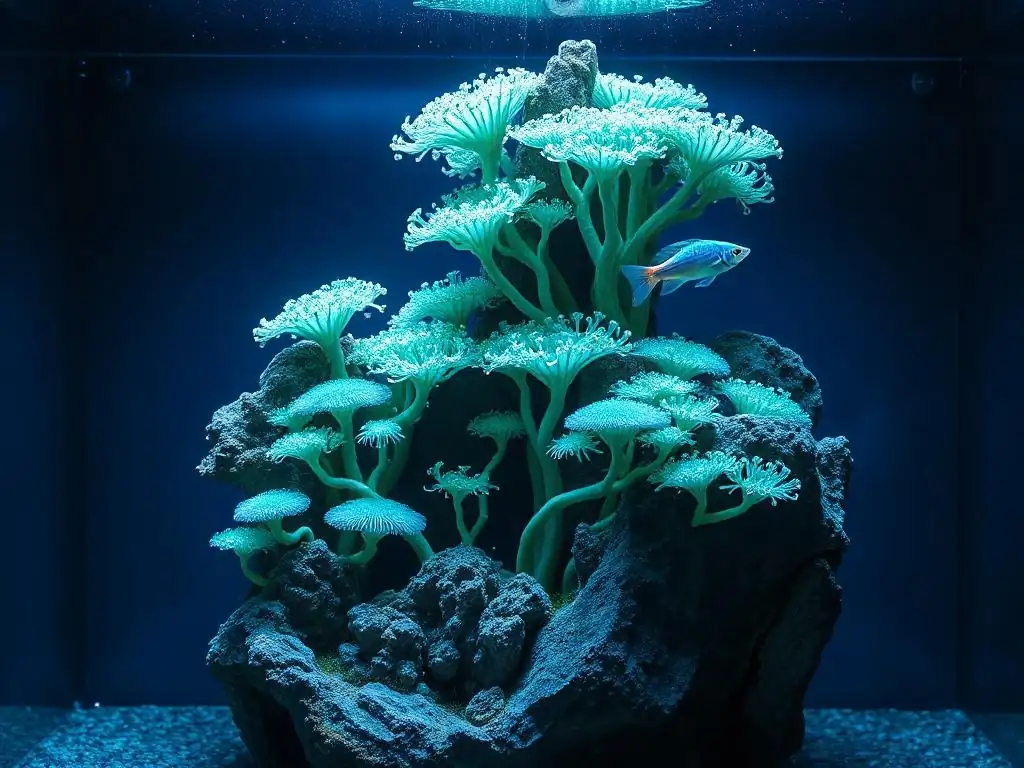
Maintaining stable and appropriate water parameters is paramount for the optimal growth and vibrant coloration of Ricordea corals on your aquascaped rock. While generally tolerant, Ricordea thrive within specific ranges.
- Salinity: Maintain a specific gravity of 1.025-1.026 or 35 ppt. Fluctuations can stress corals, leading to retraction or bleaching. Regular testing with a refractometer is crucial.
- Temperature: Keep the temperature stable between 76-78°F (24.4-25.5°C). Avoid rapid temperature swings, which can severely impact coral health.
- Alkalinity (dKH): Aim for 7.5-8.5 dKH. While Ricordea are soft corals and don't build stony skeletons, stable alkalinity supports their overall metabolic processes. Significant swings can cause stress.
- Calcium (Ca): Maintain 400-450 ppm. Although not a primary consumer, calcium is still beneficial for general reef health.
- Magnesium (Mg): Keep levels between 1250-1350 ppm. Magnesium helps stabilize alkalinity and calcium levels, preventing precipitation.
- Nitrates (NO3): Keep low, ideally under 10 ppm, with many aquarists aiming for 1-5 ppm for optimal coral coloration. High nitrates can lead to algae growth and dull coral colors.
- Phosphates (PO4): Maintain very low levels, ideally under 0.03 ppm. Phosphates are a major contributor to nuisance algae and can inhibit coral growth.
Regular testing, at least weekly for alkalinity, calcium, and magnesium, and bi-weekly for nitrates and phosphates, will help you monitor and adjust parameters as needed. Consistency is more important than hitting exact numbers, as rapid changes are often more detrimental than slightly off but stable parameters.
Lighting Requirements for Ricordea Corals on a Rock
Lighting is a critical factor influencing the health, growth, and coloration of Ricordea corals on your aquascaped rock. While Ricordea are generally considered moderate light corals, their needs can vary slightly based on species and color morph. Ricordea florida often thrives in moderate PAR (Photosynthetically Active Radiation) levels, typically ranging from 50 to 150 PAR. Ricordea yuma can also do well in this range, with some reports suggesting they might tolerate slightly lower PAR down to 30-40 PAR, or higher PAR up to 200 PAR if properly acclimated.
When placing your Ricordea rock, consider the light intensity at different depths and locations in your tank.
- Acclimation: Always acclimate new Ricordea to your tank's lighting. Start them in a lower light area (e.g., on the sandbed) for a week or two, then gradually move the rock to its desired, brighter location. This prevents bleaching from light shock.
- Spectrum: A full-spectrum light source with a color temperature around 10,000K to 20,000K, often with a bias towards blue wavelengths, is generally preferred. This spectrum promotes zooxanthellae photosynthesis and enhances the coral's vibrant coloration.
- LEDs, T5s, or Metal Halides: All types of lighting can be effective. LEDs offer great control over intensity and spectrum, allowing for precise tuning. T5s provide even light spread, and metal halides offer powerful penetration for deeper tanks.
- Observation: Pay close attention to your Ricordea's behavior. If they appear shriveled, bleached, or are losing color, it might indicate too much light. If they are stretching excessively or appear dull, they might need more light. Adjust placement or light intensity gradually. Proper lighting ensures the zooxanthellae within the coral can efficiently photosynthesize, providing essential nutrients for the Ricordea's long-term health and growth on your mushroom rock aquascape.
Feeding and Supplementation for Ricordea Corals
While Ricordea corals host symbiotic zooxanthellae that provide most of their nutritional needs through photosynthesis, supplemental feeding and appropriate water column supplementation can significantly enhance their growth, health, and coloration.
- Target Feeding: Ricordea are capable of capturing small food particles from the water column. Weekly or bi-weekly target feeding can be highly beneficial. Suitable foods include:
- Phytoplankton: Liquid phytoplankton suspensions are readily consumed by Ricordea.
- Zooplankton: Small zooplankton, such as rotifers or cyclopods, are also excellent food sources.
- Coral foods: Many commercial coral foods are designed with a mix of phytoplankton, zooplankton, and other nutrients that Ricordea can utilize.
- Method: Turn off powerheads during feeding to allow food to settle on the polyps. Use a turkey baster or pipet to gently squirt a small amount of diluted food directly onto the Ricordea's oral disc.
- Water Column Supplementation:
- Trace Elements: Regular water changes (10-20% bi-weekly or monthly) typically replenish most essential trace elements. However, in heavily stocked tanks, or if specific deficiencies are observed, targeted supplementation of iodine, strontium, or other trace elements can be considered. Always follow manufacturer instructions and test before and after to avoid overdosing.
- Amino Acids: Dosing liquid amino acid solutions can boost coral growth and improve coloration. Many aquarists report enhanced vitality and richer hues in their Ricordea when amino acids are regularly dosed.
- Vitamins: Some hobbyists also dose liquid vitamin supplements, believing they contribute to overall coral health, though their direct impact on Ricordea is less studied compared to amino acids.
It's important to start with small doses and observe your corals for any adverse reactions. Overfeeding or over-supplementing can lead to nuisance algae blooms or negatively impact water quality. A balanced approach combining photosynthesis, occasional target feeding, and judicious supplementation will yield the best results for your Ricordea rock.
Maintaining Water Quality and Preventing Algae Growth
Maintaining pristine water quality is paramount for the long-term health of your Ricordea rock and for preventing unsightly nuisance algae growth. Poor water quality, characterized by elevated nitrates and phosphates, directly contributes to algae proliferation, which can quickly smother Ricordea polyps, reducing their light access and overall vitality.
- Regular Water Changes: Perform consistent partial water changes, typically 10-20% every one to two weeks, using high-quality RODI water and a reputable marine salt mix. This replenishes essential trace elements and removes accumulated pollutants.
- Effective Filtration: Ensure your filtration system is robust. This includes:
- Protein Skimmer: A well-sized protein skimmer is highly effective at removing organic waste before it breaks down into nitrates and phosphates. Clean the skimmer cup regularly (daily to weekly).
- Mechanical Filtration: Use filter socks or filter floss and replace/clean them every few days to remove suspended particulate matter.
- Chemical Filtration: Employ activated carbon (changed monthly) to remove dissolved organics and yellowing compounds, and GFO (Granular Ferric Oxide) or other phosphate-removing media (changed as needed based on test results) to control phosphates.
- Nutrient Export:
- Refugium: A refugium with macroalgae (e.g., Chaetomorpha) can effectively consume nitrates and phosphates, acting as a natural nutrient export system.
- Dosing: In some cases, controlled dosing of carbon sources (e.g., vinegar, biopellets) can promote bacterial growth that consumes nitrates and phosphates, but this requires careful monitoring.
- Flow: Ensure adequate, but not excessive, water flow around your Ricordea rock. Good flow prevents detritus from settling on the polyps and rock surface, which can fuel algae growth.
- Manual Algae Removal: If nuisance algae appears, manually remove it by brushing or siphoning during water changes. Address the underlying cause of the algae bloom (e.g., high nutrients) rather than just treating the symptom. By diligently maintaining water quality, you create an environment where your Ricordea thrive and nuisance algae is kept at bay, preserving the beauty of your mushroom rock aquascape.
Troubleshooting Common Issues with Ricordea Rocks
Identifying and Treating Ricordea Coral Infections
While relatively hardy, Ricordea corals can occasionally suffer from bacterial or fungal infections, often manifesting as tissue recession, discoloration, or a fuzzy white coating. Identifying these issues early is crucial for successful treatment.
- Symptoms of Bacterial Infection: Look for rapid tissue loss, often starting from the edges of the polyp, sometimes accompanied by a slimy appearance or a white bacterial film. The polyp may appear deflated or refuse to open.
- Symptoms of Fungal Infection: These are less common but can present as fuzzy white patches that spread slowly across the coral tissue.
- Identifying Pests: Ensure the problem isn't due to pests like Ricordea-eating nudibranchs or flatworms, which leave distinct bite marks or visible trails.
Treatment Strategies:
- Isolation: If possible, remove the infected Ricordea rock from the main display tank to a quarantine tank. This prevents potential spread to other corals.
- Dips:
- Antibiotic Dips: For suspected bacterial infections, a dip in an antibiotic solution specifically formulated for marine invertebrates (e.g., Furan-2 or a mild Baytril solution, if professionally advised) can be effective. Follow product instructions carefully regarding dosage and duration (typically 5-15 minutes).
- Coral Dip Solutions: Commercial coral dips (e.g., Revive, Coral Rx) can help with mild bacterial issues and remove external parasites. These are generally safer for corals than strong antibiotics.
- Increased Flow and Water Quality: Ensure excellent water parameters and strong, but not direct, flow around the affected coral. Good water movement can help prevent bacterial accumulation.
- Fragging (Last Resort): If a significant portion of the Ricordea rock is affected, and other methods fail, consider fragging off healthy polyps to salvage them, discarding the infected portions.
Always research specific treatments thoroughly and proceed with caution, as some treatments can be harsh on corals. Prevention through stable water parameters and proper quarantine of new additions is the best defense against infections.
Addressing Ricordea Coral Detachment
Ricordea coral detachment from the rock is a common issue that can be frustrating for aquarists. It typically occurs when the coral is stressed, experiences poor water quality, or is subjected to excessive flow, causing it to "bail out" or simply release its hold.
- Causes of Detachment:
- Stress: Sudden changes in water parameters (temperature, salinity, alkalinity), high nitrates/phosphates, or exposure to toxins can trigger detachment.
- High Flow: Direct, strong laminar flow can physically dislodge Ricordea.
- Insufficient Acclimation: Newly introduced Ricordea not properly acclimated to light or water parameters may detach.
- Inadequate Attachment: If the initial glue bond was weak or the rock surface wasn't properly prepared, the coral may detach later.
- Pests/Predators: Some snails or crabs might disturb the coral, causing it to release.
- Solutions for Detached Ricordea:
- Retrieve Immediately: If a Ricordea detaches, retrieve it as quickly as possible to prevent it from being lost in the rockwork or becoming damaged.
- Re-attachment:
- Frag Plug & Rubber Band: Place the detached Ricordea on a small frag plug. Secure it gently with a small rubber band or fishing line, ensuring it doesn't constrict the oral disc. The coral will naturally re-attach to the plug within a few days to a week.
- Mesh Bag/Container: Place the detached polyp in a small mesh bag or a well-ventilated plastic container with some rubble, and place it in a low-flow area of the tank. The coral will eventually re-attach to the rubble.
- Direct Gluing (if possible): If the polyp is still intact and the base is clean, you can attempt to re-glue it directly to the Ricordea rock using cyanoacrylate gel, following the previous attachment steps. This is often more successful if the polyp is still somewhat firm.
- Address Underlying Cause: Once re-attached, identify and rectify the reason for detachment. Check water parameters, adjust flow, or ensure proper acclimation. This prevents future occurrences and ensures the long-term success of your mushroom rock aquascaping efforts.
Dealing with Algae Overgrowth on the Rock
Algae overgrowth on your Ricordea rock can quickly diminish its beauty and, if severe, even smother the corals. It's primarily an indicator of elevated nutrients (nitrates and phosphates) in the water.
- Types of Nuisance Algae:
- Diatoms: Brown, dusty film, common in new tanks or with silicate spikes.
- Hair Algae: Green, stringy, often indicates high nitrates/phosphates.
- Cyanobacteria (Red Slime Algae): Reddish-brown, slimy mat, often due to high nutrients and low flow.
- Dinoflagellates: Brown, snot-like, often bubbles, can be toxic and challenging.
- Prevention and Treatment Strategies:
- Nutrient Control (Most Important):
- Water Changes: Increase frequency or volume of water changes (e.g., 20% twice a week) to dilute nutrients.
- Filtration: Ensure your protein skimmer is working optimally and clean the cup regularly. Replace mechanical filtration (filter socks/floss) frequently.
- Chemical Media: Use GFO or other phosphate removers, and activated carbon to export organics.
- Feeding: Reduce overfeeding. Rinse frozen foods before feeding.
- Increased Flow: Ensure good, turbulent flow around the Ricordea rock to prevent detritus from settling, which fuels algae.
- Manual Removal:
- Brushing/Siphoning: Gently brush the algae off the rock surface (avoiding the Ricordea polyps) using a soft toothbrush, then siphon out the dislodged algae during a water change.
- Hydrogen Peroxide Spot Treatment (Caution!): For stubborn patches away from corals, a very dilute solution of hydrogen peroxide (e.g., 1-2 ml of 3% H2O2 per gallon of tank water applied locally with a syringe) can kill algae. Exercise extreme caution and research thoroughly before attempting, as H2O2 can harm corals and beneficial bacteria if misused.
- Herbivores: Introduce appropriate algae-eating invertebrates like turbo snails, trochus snails, or emerald crabs (ensure they are reef-safe and won't bother your corals).
- Lighting Adjustments: Reduce the duration or intensity of your lights temporarily if algae is rampant.
- Nutrient Control (Most Important):
Persistent algae indicates an underlying nutrient issue that must be resolved for long-term success in your mushroom rock aquascaping. Addressing the root cause is far more effective than just treating the symptoms.
Preventing Pests and Predators from Harming Ricordea Corals
Protecting your Ricordea corals from pests and predators is a vital aspect of maintaining a healthy and vibrant Ricordea rock. Unwanted organisms can cause tissue damage, stress, and even complete loss of your prized polyps.
- Common Pests and Predators:
- Ricordea-Eating Nudibranchs: These small, often camouflaged slugs specifically prey on Ricordea, leaving behind distinct bite marks or causing polyps to shrink.
- Aiptasia Anemones: These notorious pests can sting and irritate Ricordea if they grow too close, causing tissue recession.
- Flatworms: Some predatory flatworms can irritate or consume coral tissue.
- Pyramid Snails: While primarily Montipora eaters, some can bother other corals.
- Certain Crabs/Shrimp: Some species, especially those not definitively reef-safe, may pick at or disturb corals.
- Prevention Strategies (Most Effective):
- Quarantine New Additions (Crucial!): Every new coral, fish, or invertebrate should go through a dedicated quarantine tank for at least 4-6 weeks. During this period, observe for any signs of pests.
- Coral Dips: Dip all new Ricordea frags in a reputable coral dip solution (e.g., Revive, Coral Rx) before adding them to your display tank, even after quarantine. These dips help dislodge or kill many common pests. Follow product instructions carefully.
- Visual Inspection: Thoroughly inspect every new Ricordea polyp with a magnifying glass before introducing it. Look for tiny eggs, nudibranchs, or flatworms on the frag plug or the coral tissue itself.
- Source Wisely: Purchase corals from reputable vendors who practice good husbandry and quarantine.
- Treatment Strategies (If Pests Are Found in Display):
- Manual Removal: For visible nudibranchs or large flatworms, use tweezers to carefully remove them. Siphon out any eggs you find.
- Targeted Pest Control:
- Aiptasia: Use Aiptasia-specific treatments (e.g., Aiptasia-X, Berghia nudibranchs).
- Nudibranchs/Flatworms: If a significant infestation occurs, specific predatory fish (e.g., Six-Line Wrasse for flatworms, though not guaranteed) or chemical treatments (use with extreme caution) might be considered, but these often come with risks to other tank inhabitants.
- Dips (Out-of-Tank): If a specific Ricordea polyp or the entire rock is heavily infested, consider removing it for an out-of-tank dip in a pest-specific solution.
Vigilance and a strict quarantine protocol are your best lines of defense against introducing unwanted pests that could jeopardize your stunning mushroom rock aquascape.
Advanced Ricordea Rock Aquascaping Ideas
Creating a Multi-Tiered Ricordea Rock Structure
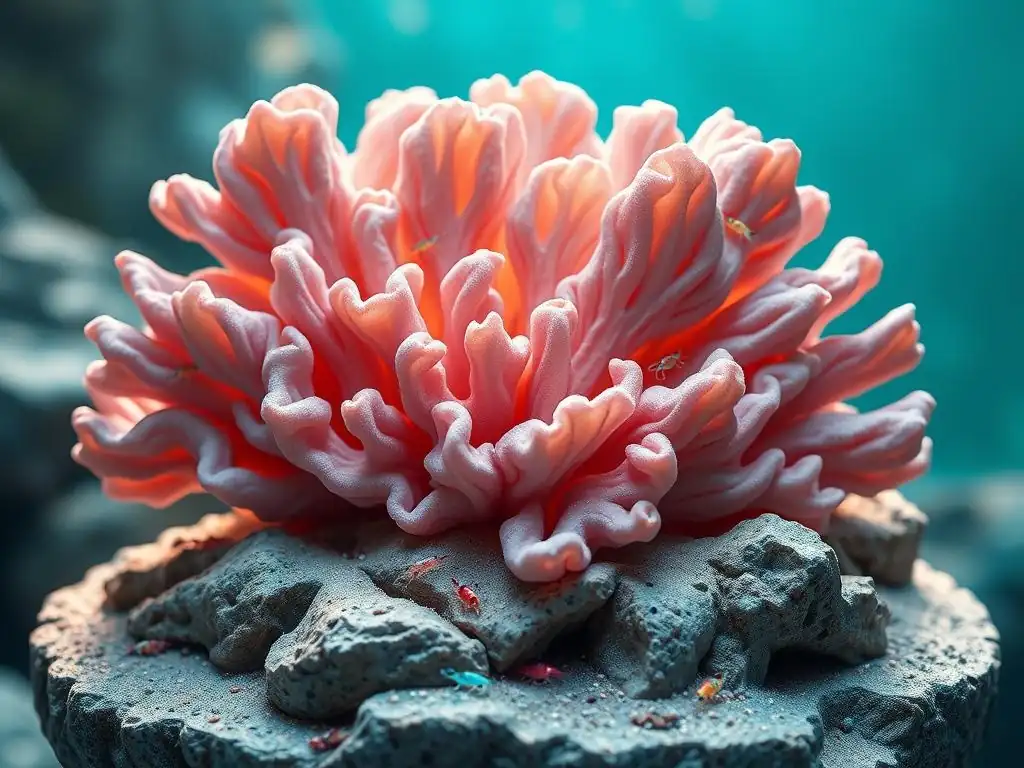
A multi-tiered Ricordea rock structure is an advanced aquascaping technique that adds significant depth, dimension, and visual interest to your reef tank. This design elevates portions of your Ricordea display, creating distinct levels that mimic natural reef formations and allow for varied light exposure for different polyps. To achieve this, you'll need to select a rock with multiple ledges or create them using reef-safe epoxy or cement. You can also stack multiple smaller, flatter rocks together, securing them with marine epoxy to form a stable, multi-level base.
Once the tiered structure is stable, strategically place your Ricordea polyps. Consider placing Ricordea that prefer slightly higher light on the upper tiers, while those that thrive in moderate light can be placed on lower ledges or in shaded areas beneath overhangs. You can also use the tiers to create distinct color zones, with one tier dedicated to blues and purples, and another to oranges and reds.
This layering effect not only maximizes the use of vertical space but also allows for a more complex and engaging visual narrative. A well-executed multi-tiered Ricordea rock becomes a dynamic focal point, showcasing sophisticated mushroom rock aquascaping techniques.
Incorporating Zoanthids and Palythoa for a Diverse Aquascape
To further enhance the diversity and visual appeal of your Ricordea rock, consider incorporating other soft corals like Zoanthids and Palythoa. These corals, often grouped with mushroom corals due to similar care requirements and growth habits, offer an even wider array of colors, patterns, and polyp shapes. Integrating them alongside Ricordea can create a truly vibrant and texturally rich "softie garden" on a single rock.
- Zoanthids: Known for their small, tightly packed polyps and incredible range of colors (e.g., "Rastas," "Utter Chaos," "Blue Hornets"), Zoanthids can fill in smaller crevices or act as a border around Ricordea clusters. They tend to spread rapidly, creating a carpet-like effect.
- Palythoa: Often larger than Zoanthids with a more robust appearance, Palythoa (e.g., "Green Bay Packers," "Nuclear Green") also come in diverse colors and can add a different texture. Be mindful that some Palythoa species can contain palytoxin, so always handle them with gloves.
When incorporating these, consider the following:
- Placement: Place Zoanthids and Palythoa in areas where they won't directly compete for space or light with your Ricordea. They can often thrive in similar light and flow conditions.
- Color Harmony: Use their colors to complement or contrast with your Ricordea. A cluster of electric blue Zoanthids next to a patch of orange Ricordea can create a striking visual.
- Growth Habits: Be aware that Zoanthids and Palythoa can spread quite aggressively. Give them sufficient space or be prepared to frag them regularly to prevent them from encroaching on your Ricordea.
- Toxicity: Always wear gloves when handling Zoanthids and especially Palythoa to avoid contact with potential toxins.
By thoughtfully blending these soft coral types, you can create a truly diverse and captivating mushroom rock aquascape that showcases a rich tapestry of marine life.
Using Ricordea Rocks to Create Focal Points in Your Tank
A well-designed Ricordea rock is inherently a focal point, drawing the eye and adding a burst of color to any reef aquarium. Utilizing mushroom rock aquascaping techniques specifically to create these focal points can dramatically enhance the overall aesthetic of your tank.
- Strategic Placement: Position your Ricordea rock in a prominent, unobstructed area of the aquarium, typically in the foreground or mid-ground, where it can be easily viewed from the main viewing angles. Avoid placing it in a corner or behind other large rock structures where its beauty might be hidden.
- Isolation: Sometimes, a single, isolated Ricordea rock on an otherwise bare sandbed can create a powerful visual statement. This "island" approach highlights the rock's unique beauty and allows the Ricordea to truly shine without competition from other corals.
- Contrast with Surrounding Aquascape: Use the Ricordea rock to create contrast with the rest of your aquascape. If your main rockwork is dominated by stony corals, a vibrant Ricordea rock can offer a soft, colorful counterpoint. Its unique textures and fluid movement provide a dynamic element against rigid structures.
- Lighting Emphasis: Direct specific lighting towards your Ricordea rock to make its colors pop. Blue-biased lighting often accentuates the fluorescent properties of Ricordea, making them glow.
- Negative Space: Surround the Ricordea rock with deliberate negative space (open water or sandbed) to draw attention directly to it. This prevents the tank from looking too "busy" and allows the focal point to stand out.
By intentionally designing and placing your Ricordea rock as a centerpiece, you elevate its role from a simple coral placement to a key element that defines the visual character of your entire reef tank.
Biotope Aquascaping: Simulating a Caribbean Reef
For aquarists seeking to create a truly immersive and naturalistic display, applying biotope aquascaping principles to your Ricordea rock can be a rewarding advanced technique. Ricordea florida, in particular, is native to the Caribbean, and designing your rock to simulate its natural habitat can create a stunning and ecologically accurate display.
- Research Natural Habitat: Study images and information about shallow Caribbean reefs where Ricordea florida thrives. Note the types of rock structures, substrate (often sandy or rubbly), and associated flora and fauna. Ricordea florida is often found on rubble zones or encrusting on dead coral skeletons.
- Rock Selection: Choose live rock or dry rock that mimics the porous, often eroded appearance of Caribbean limestone or dead coral skeletons. Avoid overly sharp or angular rockwork, favoring more rounded, natural shapes.
- Associated Species:
- Fish: Consider small, reef-safe fish native to the Caribbean, such as certain species of gobies, blennies, or small clownfish (e.g., Ocellaris if you stretch the biotope a little for tank-bred availability).
- Invertebrates: Add Caribbean-native invertebrates like Caribbean cleaner shrimp (Lysmata wurdemanni), various snails, or small hermits.
- Other Corals: While focusing on Ricordea, you could sparingly include other Caribbean soft corals like certain gorgonians or small colonies of Caribbean zoanthids, ensuring they don't overshadow your Ricordea.
- Substrate: A fine to medium grain aragonite sandbed is characteristic of Caribbean shallow reefs.
- Water Parameters: Maintain stable water parameters within the optimal range for Ricordea, which closely mirrors typical Caribbean reef conditions.
- Flow and Lighting: Mimic the moderate, often turbulent flow of shallow reef zones and the strong, but not extreme, lighting found in these areas.
By carefully selecting and arranging your Ricordea, rock, and associated inhabitants, you can create a miniature, thriving ecosystem that not only highlights the beauty of your mushroom rock aquascaping but also provides an educational glimpse into a specific marine environment.
Maintaining the Long-Term Health and Beauty of your Ricordea Rock Aquascape
Regular Inspections and Maintenance Routines
Consistent and thorough inspections, coupled with routine maintenance, are crucial for the long-term health and beauty of your Ricordea rock aquascape. This proactive approach allows you to identify and address potential issues before they escalate, ensuring your Ricordea polyps remain vibrant and thriving.
- Daily Visual Checks:
- Coral Extension: Observe if all Ricordea polyps are fully extended and exhibiting their normal coloration. Retraction or dullness can be early signs of stress.
- Flow: Ensure water flow around the rock is adequate and no detritus is settling on the polyps.
- Pests: Quickly scan for any visible pests like nudibranchs, flatworms, or Aiptasia.
- Weekly Maintenance:
- Water Parameter Testing: Test alkalinity, calcium, and magnesium weekly. Nitrates and phosphates bi-weekly. Record results to track trends.
- Glass Cleaning: Clean the aquarium glass to ensure maximum light penetration and unobstructed viewing.
- Filter Media Check: Inspect and clean/replace filter socks or floss.
- Bi-Weekly/Monthly Maintenance:
- Water Changes: Perform a 10-20% water change using aged, temperature-matched RODI saltwater.
- Protein Skimmer Cleaning: Empty and clean the skimmer cup.
- Algae Removal: Manually remove any nuisance algae from the rockwork, glass, and equipment.
- Coral Health Assessment: More detailed inspection of each Ricordea polyp for signs of tissue loss, discoloration, or irritation.
- Siphon Detritus: Siphon any accumulated detritus from the sandbed around the Ricordea rock.
By integrating these routine checks into your aquarium husbandry, you create a stable and clean environment that promotes robust growth and preserves the stunning aesthetics of your mushroom rock aquascape for years to come.
Adjusting Water Parameters as Needed
While stability is key for Ricordea, it's equally important to be prepared to make gradual adjustments to water parameters as needed, based on your regular testing results. Over time, coral growth, evaporation, and nutrient export methods can cause parameters to drift from their optimal ranges.
- Minor Adjustments: For slight deviations in alkalinity, calcium, or magnesium, daily dosing of balanced two-part solutions can help bring levels back into range. Always dose slowly and monitor results. For example, if alkalinity drops from 8.0 to 7.5 dKH over a week, a small, consistent daily dose can bring it up gradually without shocking the corals.
- Addressing Nutrient Spikes: If nitrates or phosphates begin to rise (e.g., nitrates consistently above 10 ppm, phosphates above 0.05 ppm), immediate action is required.
- Increase water change frequency or volume.
- Check protein skimmer efficiency.
- Replace or add chemical filtration media (GFO, carbon).
- Reduce feeding amounts or frequency.
- Investigate potential sources of nutrient input (e.g., decaying food, overstocking).
- Temperature and Salinity: Use an ATO (auto top-off) system for consistent salinity by replacing evaporated water with RODI water. Ensure your heater and chiller (if applicable) maintain stable temperatures. If either drifts, recalibrate or replace equipment.
- Gradual Changes: Always make adjustments gradually. Rapid swings in parameters are far more detrimental to Ricordea than being slightly outside the ideal range. Aim for a change of no more than 0.5 dKH per day for alkalinity, and similar slow adjustments for other parameters. Patience and consistent monitoring will ensure your Ricordea rock remains healthy and beautiful.
Propagating Ricordea Corals on Your Rock
Propagating Ricordea corals directly on your rock is an advanced mushroom rock aquascaping technique that allows you to expand your display, fill in bare spots, or even create new Ricordea rocks from existing colonies. Ricordea naturally propagate by budding or fission (splitting), but you can also manually frag them.
- Natural Propagation: Ricordea polyps will naturally divide or bud off new polyps, especially when healthy and given ample space and optimal conditions. Over time, a single polyp can become a small cluster, then a larger colony covering a significant portion of the rock. Provide stable parameters and good water flow to encourage this natural growth.
- Manual Fragging:
- Preparation: Remove the Ricordea rock from the tank (if possible) or work carefully underwater. Gather a sharp, clean razor blade or scalpel, gloves, and a small container of tank water.
- Cutting: Carefully identify a healthy polyp or a cluster of polyps that you wish to frag. Using the razor blade, make a clean cut through the base of the polyp, ensuring you get a small piece of the "foot" or base that was attached to the rock. For larger polyps, you can cut them in half through the oral disc.
- Re-attachment: Immediately after cutting, use cyanoacrylate gel glue to attach the newly fragged polyp to a new frag plug or directly to another desired spot on your Ricordea rock. Hold it firmly in place for 10-30 seconds.
- Healing: Place the newly fragged polyps in a low-flow, moderate-light area of the tank to recover. They may appear shriveled for a few days but should extend within a week if healthy.
- Encouraging Growth: To encourage faster growth and propagation, maintain pristine water quality, provide consistent lighting, and consider supplemental feeding with phytoplankton or other coral foods. Providing ample surface area on the rock allows new polyps to settle and expand, continuously enhancing the visual density and appeal of your Ricordea rock aquascape.
Preventing Overcrowding and Maintaining Flow
As your Ricordea corals grow and propagate on the rock, preventing overcrowding and maintaining adequate water flow becomes increasingly important for their long-term health and the overall aesthetics of your mushroom rock aquascape.
- Overcrowding Issues:
- Reduced Flow: Densely packed corals can impede water flow, creating dead spots where detritus accumulates. This can lead to tissue necrosis or algae growth.
- Light Blockage: Larger polyps or dense clusters can shade smaller or newer polyps, hindering their growth and coloration.
- Competition: While Ricordea are generally peaceful, extreme overcrowding can lead to competition for resources.
- Strategies for Prevention:
- Strategic Initial Placement: When initially building your Ricordea rock, leave sufficient space between polyps, anticipating future growth. A general rule of thumb is to allow at least 1-2 inches of space around smaller polyps, knowing they will expand.
- Regular Fragging: As your Ricordea grow and begin to touch or overcrowd, regularly frag off excess polyps. This not only prevents overcrowding but also provides new frags for trading or expanding your collection. Target polyps that are too close, or those that are shading others.
- Flow Optimization: Ensure your powerheads are positioned to provide turbulent, indirect flow over the entire Ricordea rock. Adjust powerhead direction if you notice detritus settling on the corals or in specific areas of the rock. A gentle, undulating flow is ideal, helping to deliver nutrients and remove waste without physically stressing the polyps.
- Observation: Continuously observe your Ricordea. If they appear deflated, covered in detritus, or are not opening fully, it might indicate insufficient flow or overcrowding.
- Pruning: Think of it like gardening; regular "pruning" by fragging helps maintain the desired shape and density of your Ricordea rock, ensuring all polyps receive adequate light and flow, and contributing to the sustained beauty of your aquascape.
Conclusion: Enhancing Your Reef Tank with Ricordea Rock Aquascaping Techniques
Creating a stunning Ricordea rock is a highly rewarding endeavor that transforms a simple piece of live rock into a vibrant, living masterpiece within your reef aquarium. By understanding the unique appeal of these colorful soft corals and meticulously planning your aquascape, you can design a display that captivates and delights.
From the initial selection of the perfect rock and the strategic choice of Ricordea varieties to the hands-on techniques of attachment and arrangement, each step contributes to the final breathtaking outcome. The careful consideration of color combinations and patterns, alongside the assessment of tank size and optimal placement, ensures that your Ricordea rock becomes a true focal point.
Beyond the initial creation, the long-term success of your Ricordea rock hinges on diligent care and proactive maintenance. Adhering to precise water parameters, providing appropriate lighting and nutrition, and vigilantly preventing pests and algae are all critical for sustaining the health and beauty of these magnificent soft corals. Furthermore, embracing advanced mushroom rock aquascaping ideas, such as multi-tiered structures or biotope simulations, allows for even greater creativity and depth in your display.
Regular inspections, timely adjustments, and strategic propagation techniques will ensure that your Ricordea rock continues to thrive and evolve, offering a perpetually dynamic and visually stunning addition to your reef tank. Ultimately, mastering Ricordea rock aquascaping techniques not only showcases your husbandry skills but also provides a vibrant testament to the beauty and resilience of marine life.
Frequently Asked Questions
How do I select the right mushroom rock for my aquarium?
Choosing the right mushroom rock involves considering the size and shape relative to your tank's dimensions. Also, ensure the rock is aquarium-safe and free from contaminants. Consider the overall aesthetic you're trying to achieve.
What are some effective techniques for attaching soft corals to mushroom rock?
Common methods include using aquarium-safe epoxy or gel super glue specifically designed for coral attachment. Ensure the coral is properly acclimated and that you avoid damaging the coral tissue during the process. Proper water flow is also important.
What types of soft corals are best suited for mushroom rock aquascaping?
Suitable soft corals include various mushroom corals (like Ricordea and Discosoma), as well as zoanthids and palythoa. Consider their lighting and flow requirements when selecting corals. Remember their growth patterns too!
How do I maintain water quality to ensure the health of soft corals on mushroom rock?
Regular water changes are crucial to maintain stable water parameters. Monitor nitrates, phosphates, and alkalinity regularly. Employ effective filtration methods such as protein skimming and activated carbon.
What are some common problems encountered with mushroom rock aquascaping, and how can I troubleshoot them?
Common issues include algae growth and coral bleaching. Address these by adjusting lighting, improving water flow, or introducing algae-eating invertebrates. Quarantine new corals to prevent introducing pests or diseases.
Final Reflection: Cultivating Underwater Worlds
The journey of crafting a stunning mushroom rock, as we've explored, is more than just arranging corals; it's about sculpting miniature ecosystems that mirror the beauty and complexity of the natural reef. In a world increasingly disconnected from the ocean's wonders, bringing a slice of that vibrant life into our homes offers a powerful reminder of its fragility and the importance of conservation.
This art form, mushroom rock aquascaping, transcends mere decoration; it's an act of creation, a testament to our ability to nurture life and beauty within a controlled environment. The delicate dance between rock, coral, and water chemistry requires patience, observation, and a deep respect for the delicate balance of the marine world. As the renowned oceanographer Sylvia Earle once said, Even if you never have the chance to see or touch the ocean, the ocean touches you with every breath you take, every drop of water you drink, every bite you consume. Everyone, everywhere is inextricably connected to and utterly dependent upon the existence of the sea.
Now, as you contemplate the possibilities of mushroom rock aquascaping, consider the profound impact you can have, not only on the aesthetic of your aquarium but also on your own connection to the natural world. Let the principles of balance, harmony, and respect guide your hands as you create your own underwater masterpiece, a living testament to the beauty and resilience of the ocean. Embrace the challenge, nurture the life within, and allow your mushroom rock to become a beacon of inspiration, reminding you and all who see it of the preciousness of our planet's aquatic ecosystems.
Unleash Your Inner Aquascaper!
Thank you for exploring the art of aquascaping with soft corals! We hope you've gained valuable insights into creating your own mesmerizing mushroom rock. Now, let's translate that inspiration into action.
Here are a few ways to continue your aquascaping journey:
- Craft Your Own Mushroom Rock: Gather your materials and begin creating a small-scale version of the mushroom rock discussed in the article. Experiment with placement and coral combinations!
- Share Your Vision: Sketch out your dream aquascape design incorporating a mushroom rock feature and share it with fellow aquascapers. Get feedback and refine your concept!
- Research Complementary Corals: Dive deeper into researching soft coral species that thrive alongside mushroom corals to create a balanced and vibrant ecosystem.
What unique coral combination will you use to make your mushroom rock stand out?