
The Economics of Shrimp Breeding: From Rewarding Hobby to Small Business

Welcome to Aquarium Mastery!
Ever wondered if your passion for shimmering shrimp could actually pay off? Dive into "The Economics of Shrimp Breeding," where we uncover the real-world shrimp breeding business costs and explore the journey from fascinating hobby to potentially profitable small business. Prepare to be surprised – and maybe even inspired to take the next step!
- Understanding the Shrimp Breeding Business Landscape
-
Frequently Asked Questions
- How much initial investment is typically required to start a shrimp breeding business?
- What are the ongoing operational costs associated with a shrimp breeding business?
- How can I minimize the costs associated with setting up my shrimp breeding operation?
- What factors influence the profitability of a shrimp breeding business?
- What are some potential hidden costs that I should be aware of when starting a shrimp breeding business?
- Final Reflection: Cultivating Growth in the Shrimp Breeding Ecosystem
- Unleash Your Inner Shrimp Mogul!
Understanding the Shrimp Breeding Business Landscape
Is Shrimp Breeding a Profitable Home Business? Assessing Market Demand
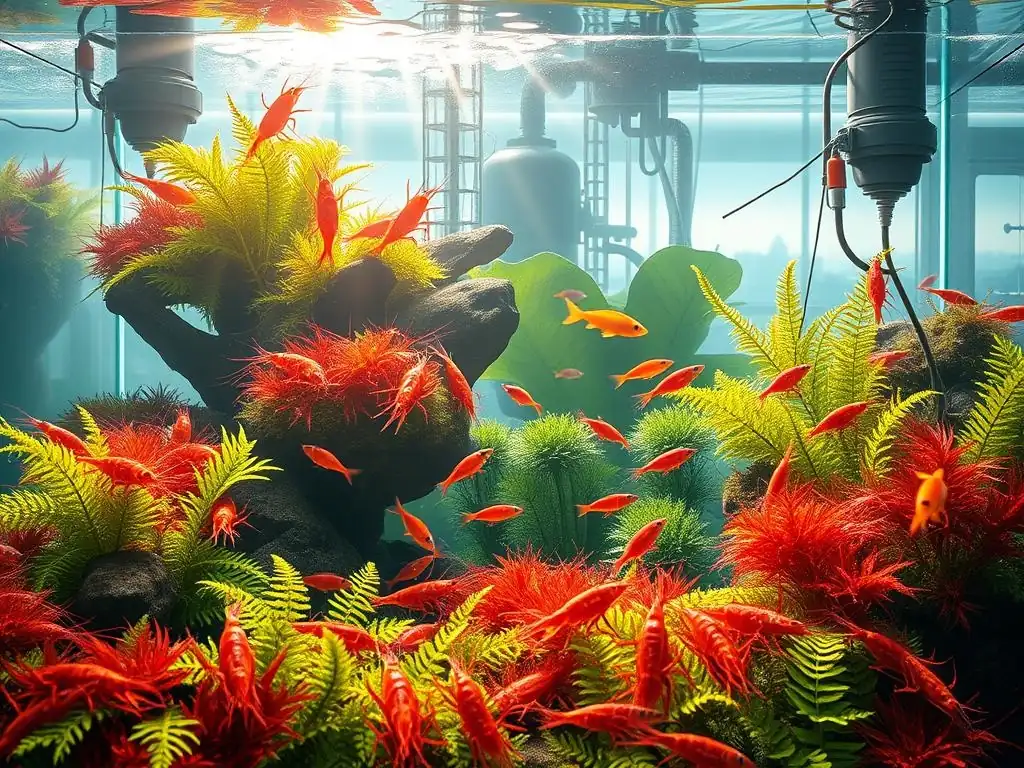
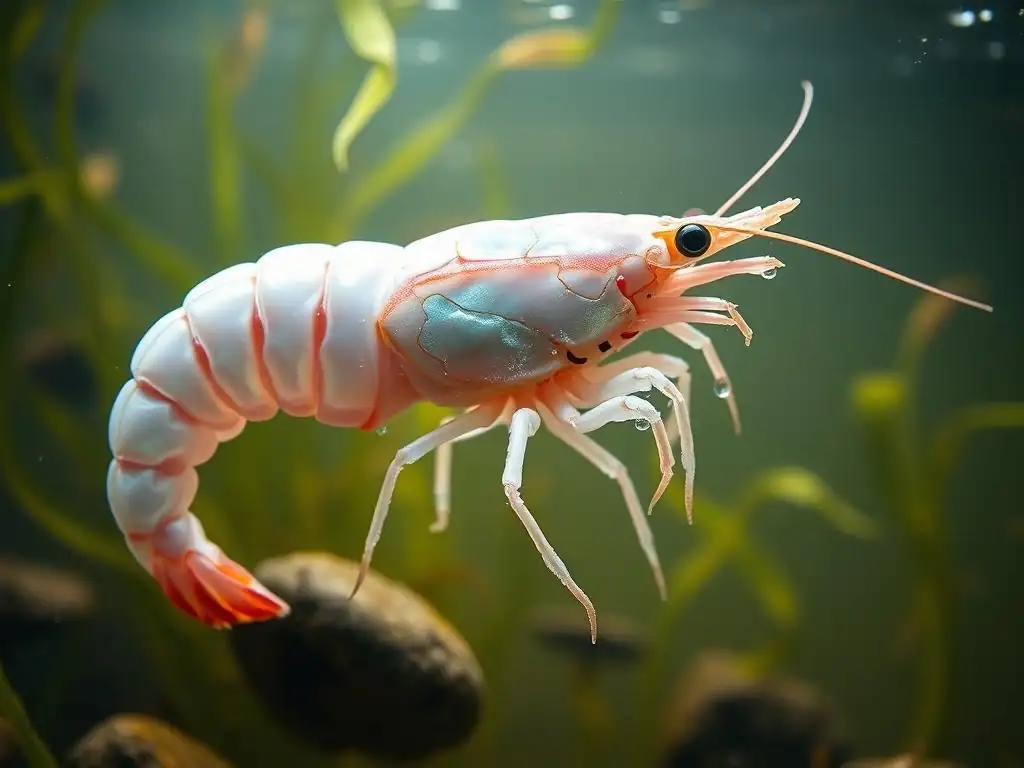
Shrimp breeding can indeed be a profitable home business, driven by a consistently high demand from both novice and experienced aquarists. Ornamental shrimp, particularly freshwater species like Neocaridina and Caridina, have gained immense popularity due to their vibrant colors, small size, and ease of care, making them ideal inhabitants for planted aquariums. The market isn't just limited to individual hobbyists; local fish stores, online retailers, and even large-scale distributors are often looking for reliable sources of healthy, locally bred shrimp, which can significantly reduce their acquisition shrimp breeding business costs compared to importing.
The demand is further fueled by the rapid breeding cycles of many popular species, allowing for a steady supply. For instance, a healthy colony of Neocaridina davidi (such as Red Cherry Shrimp) can produce 20-30 offspring every 4-6 weeks. With individual shrimp selling for anywhere from $2 to $5 for common varieties and much higher for rarer strains, the potential for consistent revenue generation is clear. This consistent demand, combined with relatively low initial shrimp breeding business costs compared to other livestock ventures, positions shrimp breeding as an appealing home-based enterprise.
Identifying Profitable Shrimp Species for Breeding: Red Cherry Shrimp vs. Crystal Red Shrimp
When considering the profitability of shrimp breeding, the choice of species is paramount, directly influencing potential revenue and shrimp breeding business costs. Neocaridina davidi varieties, such as Red Cherry, Blue Dream, and Sunkist Orange shrimp, are excellent entry points. They are hardy, tolerant of a wider range of water parameters, and breed prolifically, making them ideal for beginners looking to minimize early losses and maximize output. While their individual selling price is lower (typically $2-$5 per shrimp), their high breeding rate allows for significant volume sales, contributing to a healthy overall profit margin.
Conversely, Caridina cantonensis species, including Crystal Red Shrimp (CRS), Black King Kong, and Pinto shrimp, command significantly higher prices, often ranging from $10 to $50 per shrimp, with rare patterns fetching even more. However, these species require more precise water parameters (softer, acidic water, specific GH/KH values), leading to potentially higher setup and ongoing shrimp breeding business costs for specialized substrates, RO/DI water systems, and mineral additives.
Their breeding rates are also generally slower than Neocaridina. Ultimately, a successful shrimp breeding business might involve a mix of both, leveraging the high volume of Neocaridina for consistent income while cultivating Caridina for premium sales, carefully managing the varying shrimp breeding business costs associated with each.
From Hobbyist to Entrepreneur: Scaling Your Shrimp Breeding Operation
The transition from a casual shrimp hobbyist to a dedicated entrepreneur involves a significant shift in mindset and investment, directly impacting shrimp breeding business costs. A hobbyist might have one or two tanks, but an entrepreneur will need a dedicated "shrimp room" or a designated area with multiple tanks, often arranged on shelving units to maximize space. This scaling requires a systematic approach to water changes, feeding schedules, and colony management to ensure consistent quality and production. Initial expansion might involve adding 5-10 breeding tanks, each dedicated to a specific color or grade of shrimp.
Scaling your shrimp breeding operation means moving beyond just enjoying your shrimp to viewing them as a product. This includes meticulous record-keeping of breeding cycles, offspring counts, and sales. It also entails investing in more robust infrastructure, such as larger filtration systems, automated dosing pumps, or even a dedicated RO/DI water system if breeding Caridina. While increasing your capacity will inevitably raise your overall shrimp breeding business costs in terms of equipment, electricity, and time, it is essential for meeting higher market demand and achieving a sustainable income from your venture.
Frequently Asked Questions
How much initial investment is typically required to start a shrimp breeding business?
The initial investment varies, but expect costs for tanks, filtration systems, and breeding stock. The range can be from a few hundred to several thousand dollars, depending on the scale.
What are the ongoing operational costs associated with a shrimp breeding business?
Ongoing costs include electricity for heating and lighting, water treatment chemicals, and food for the shrimp. These recurring expenses directly impact profitability.
How can I minimize the costs associated with setting up my shrimp breeding operation?
Consider starting small with used equipment or DIY solutions. Researching the most cost-effective feeding strategies is also crucial.
What factors influence the profitability of a shrimp breeding business?
Profitability depends on market demand, shrimp survival rates, and your ability to control expenses. Efficient breeding practices are key.
Unexpected expenses can include disease outbreaks, equipment failures, and shipping costs. Having a contingency fund is advisable.
Final Reflection: Cultivating Growth in the Shrimp Breeding Ecosystem
The journey from a rewarding hobby to a thriving shrimp breeding business, as we've explored, hinges on understanding and managing shrimp breeding business costs. This isn't just about numbers; it's about nurturing a delicate ecosystem where passion and profitability can coexist, especially crucial in today's competitive market where informed decisions are paramount for sustainability.
This exploration has highlighted how deeply intertwined the economics of shrimp breeding are with the broader cultural landscape of aquascaping and sustainable practices. Witnessing the dedication of breeders, both amateur and professional, underscores the profound connection people forge with these miniature ecosystems. The best investment you can make is in yourself. The more you learn, the more you'll earn.
This sentiment rings especially true in shrimp breeding, where continuous learning and adaptation are key to navigating the complexities of the market and ensuring the well-being of your shrimp.
Now, as you contemplate the potential of transforming your shrimp breeding passion into a viable business, remember that knowledge is your most valuable asset. Embrace the challenges, meticulously track your shrimp breeding business costs, and never stop learning. The vibrant world of shrimp breeding awaits those who approach it with dedication, innovation, and a deep respect for the delicate balance of life within their tanks.
Unleash Your Inner Shrimp Mogul!
Thanks for diving into the fascinating world of shrimp breeding economics! Now that you've discovered the potential to turn your passion into profit, it's time to take the next step and grow your shrimp empire.
Here’s how you can get started today:
- Start Small, Think Big: Dedicate a specific tank to breeding a high-demand shrimp variety discussed in the article, such as Crystal Red or Blue Bolt. Document your progress meticulously!
- Share Your Shrimp Expertise: Create a short video tutorial on a shrimp breeding technique you've mastered and post it on social media.
- Surprise & Delight: Send a small, unexpected gift of aquarium plants to a fellow shrimp enthusiast in your local aquarium club.
Ready to turn your shrimp tank into a thriving side hustle?