
How Long Do Freshwater Crayfish Live? Exploring Their Fascinating Lifespans

Welcome to Aquarium Mastery!
Ever wondered exactly how long those fascinating freshwater crayfish you're thinking of adding to your aquarium might stick around? Dive into our comprehensive guide on freshwater crayfish lifespan duration and unlock the secrets to their longevity. Discover the factors that influence their lifespan and ensure your crustacean companions thrive for years to come!
- Understanding Freshwater Crayfish Lifespan
- Freshwater Crayfish Lifespan Duration: Species by Species
- Factors Affecting Freshwater Crayfish Lifespan in Captivity
- Recognizing Signs of Aging in Freshwater Crayfish
- Maximizing Freshwater Crayfish Lifespan in Your Aquarium
- Comparing Freshwater Crayfish Lifespan to Other Aquarium Invertebrates
- The Future of Freshwater Crayfish Lifespan Research
- Conclusion: Appreciating the Freshwater Crayfish and Its Lifespan
-
Frequently Asked Questions
- How long is the typical freshwater crayfish lifespan in an aquarium?
- What factors can significantly impact a freshwater crayfish's lifespan?
- Does the species of freshwater crayfish significantly affect its lifespan duration?
- How can I maximize the lifespan duration of my freshwater crayfish in my aquarium?
- Are there any signs that indicate my freshwater crayfish is nearing the end of its lifespan?
- Final Reflection: The Enduring Mystery of Crayfish Time
- Uncover Your Crayfish Curiosity!
Understanding Freshwater Crayfish Lifespan
Introduction to Freshwater Crayfish and Their Appeal in Aquariums
Freshwater crayfish have become increasingly popular inhabitants in home aquariums, captivating enthusiasts with their unique behaviors, vibrant colors, and relatively straightforward care requirements. These fascinating crustaceans, often referred to as "freshwater lobsters" due to their similar appearance, offer a dynamic presence in a well-maintained tank. From the common Red Swamp Crayfish to the striking Electric Blue variety, their appeal lies in their active foraging, burrowing habits, and distinct personalities.
A critical aspect for any aquarist considering these invertebrates is understanding their potential longevity. Knowing the typical freshwater crayfish lifespan duration helps in planning long-term care, tank setup, and ensures the commitment aligns with the animal's natural life cycle. This foresight allows hobbyists to provide an optimal environment, maximizing the chances of their crayfish living a full and healthy life.
Factors Influencing Freshwater Crayfish Lifespan Duration
The freshwater crayfish lifespan duration is not fixed but rather influenced by a complex interplay of genetic predisposition and environmental conditions. While each species has a general life expectancy, individual specimens can live longer or shorter lives based on the quality of their care. Key factors include the specific species, the stability and cleanliness of their aquatic environment, the nutritional value of their diet, and the overall stress levels they experience.
Genetic factors inherently dictate a crayfish's potential maximum lifespan, but captive conditions often determine whether that potential is realized. For instance, a crayfish kept in pristine water with a balanced diet will invariably have a longer freshwater crayfish lifespan duration than one subjected to fluctuating parameters, poor nutrition, or constant stress. Understanding these influences is paramount for any aquarist aiming to provide the best possible life for their shelled companion.
Freshwater Crayfish Lifespan Duration: Species by Species
Lifespan of the Red Swamp Crayfish (Procambarus clarkii)
The Red Swamp Crayfish, or Louisiana Crayfish, is one of the most widely recognized and robust species available to aquarists. In captivity, these adaptable crustaceans typically exhibit a freshwater crayfish lifespan duration of 2 to 5 years. Under exceptionally ideal conditions, with consistent water quality and a well-balanced diet, some individuals have been reported to live for up to 6 years.
While their hardiness contributes to this respectable longevity in a home aquarium, their lifespan in the wild is often shorter, frequently around 1-2 years, due to predation, environmental fluctuations, and competition for resources. Their rapid growth rate and ability to tolerate a range of conditions make them a popular, albeit sometimes aggressive, choice for larger tanks, contributing to their widespread presence and observed lifespan.
Australian Crayfish (Cherax quadricarinatus): Lifespan Expectations
The Australian Crayfish, particularly the Red Claw Crayfish ( Cherax quadricarinatus) and the Blue Yabby ( Cherax cainii), are known for their impressive size and relatively long freshwater crayfish lifespan duration. These species can typically live for 5 to 7 years in a well-maintained aquarium environment. There have even been anecdotal reports of individuals surviving for up to 10 years when provided with exceptionally stable and spacious conditions.
Their larger adult size, often reaching 8-10 inches, correlates with their extended longevity compared to smaller crayfish species. Providing ample space, consistent water parameters, and a diet rich in calcium is crucial for ensuring these Australian natives reach the upper end of their lifespan potential in captivity.
The Lifespan of Dwarf Orange Crayfish (Cambarellus patzcuarensis)
The Dwarf Orange Crayfish, Cambarellus patzcuarensis, is a popular choice for smaller aquariums due to its diminutive size, typically reaching only about 1.5 to 2 inches in length. Reflecting their smaller stature, their freshwater crayfish lifespan duration is considerably shorter than their larger relatives. Most Dwarf Orange Crayfish live for approximately 1 to 2 years in a home aquarium.
While some exceptionally well-cared-for individuals might push past the 2-year mark, reaching around 2.5 years, this is less common. Their accelerated metabolism and growth cycle compared to larger species contribute to their shorter overall life expectancy, making careful observation of their behavior and health crucial during their relatively brief lives.
The Electric Blue Crayfish (Procambarus alleni) Lifespan
The Electric Blue Crayfish, a stunning blue color morph of the Florida Crayfish ( Procambarus alleni), is highly sought after for its vibrant coloration. In terms of freshwater crayfish lifespan duration, these beautiful crustaceans generally live for 3 to 5 years in a captive environment. With optimal care, including pristine water conditions and a balanced diet, some individuals have been observed to live for as long as 6 years.
Like their Red Swamp cousins, Electric Blue Crayfish are relatively hardy, but their distinctive color can sometimes be affected by diet and water parameters. Maintaining stable, clean water and providing appropriate nutrition are key factors in ensuring these magnificent creatures achieve their full lifespan potential and maintain their striking blue hue.
Factors Affecting Freshwater Crayfish Lifespan in Captivity
Water Quality and Its Impact on Crayfish Longevity
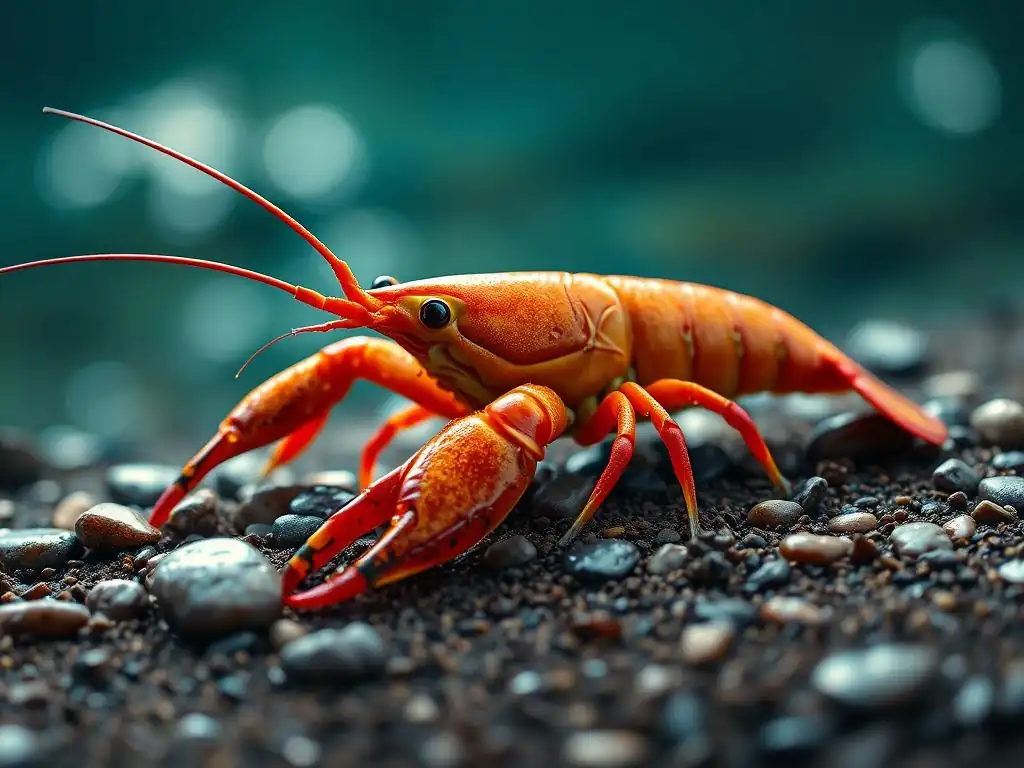
Water quality is arguably the most critical factor influencing the freshwater crayfish lifespan duration. Crayfish are highly sensitive to fluctuations in water parameters and the presence of toxins. Ammonia and nitrite levels must consistently be at 0 parts per million (ppm), as even small concentrations can cause severe stress, gill damage, and lead to premature death. Nitrate levels should be kept below 20 ppm through regular water changes, ideally 20-30% weekly, to prevent chronic stress and disease.
Beyond nitrogenous wastes, appropriate pH and hardness (GH/KH) are essential. While specific requirements vary by species, most common freshwater crayfish thrive in a pH range of 6.5 to 8.0, with moderate hardness (GH 5-15, KH 3-10). Inadequate mineral content can lead to molting difficulties, a common cause of death, while unstable pH can shock their delicate systems, significantly shortening their overall longevity.
Diet and Nutrition for Optimal Crayfish Health and Lifespan
A balanced and varied diet is fundamental to achieving a long freshwater crayfish lifespan duration. Crayfish are omnivores and require a diverse range of nutrients, including protein, carbohydrates, fats, and essential minerals, particularly calcium. Sinking pellets formulated specifically for crustaceans or bottom feeders make an excellent staple, but should be supplemented with fresh and blanched vegetables like zucchini, spinach, or carrots.
Occasional protein sources such as bloodworms, brine shrimp, or small pieces of fish can be offered, but care must be taken not to overfeed, which can lead to water quality issues. Calcium is vital for the development and hardening of their exoskeleton, especially during molting. Without sufficient calcium, crayfish can experience failed molts, a common cause of mortality, thus directly impacting their potential lifespan.
Tank Size and Environment: Promoting a Longer Crayfish Life
The size of the aquarium and the design of its internal environment significantly impact the freshwater crayfish lifespan duration. A single large crayfish (e.g., Red Swamp or Electric Blue) requires a minimum of a 20-30 gallon tank to provide adequate space for foraging, burrowing, and establishing territory. Dwarf species, being much smaller, can thrive in 5-10 gallon setups. Insufficient tank size leads to cramped conditions, increased stress, and poor water quality due to concentrated waste, all of which shorten life.
Beyond volume, the tank environment must offer ample hiding spots. PVC pipes, ceramic caves, driftwood, and rock formations provide crucial shelter, reducing stress from perceived threats (including other tank inhabitants or even the aquarist) and offering safe havens during the vulnerable post-molt period. A well-structured environment minimizes aggression if multiple crayfish are housed together, which is generally not recommended for larger species, thereby supporting a longer and healthier life.
The Role of Temperature in Freshwater Crayfish Lifespan
Temperature plays a crucial role in regulating a crayfish's metabolism and, consequently, its freshwater crayfish lifespan duration. Most common aquarium crayfish species thrive within a temperature range of 65-78°F (18-26°C). Maintaining a stable temperature within this optimal range is vital; sudden fluctuations can cause immense stress and weaken their immune system, making them susceptible to disease.
Temperatures consistently too high can accelerate a crayfish's metabolism, leading to faster growth and more frequent molts but ultimately resulting in a shorter overall lifespan. Conversely, temperatures that are too low can suppress their metabolism, making them sluggish, less active, and potentially more vulnerable to fungal or bacterial infections. Consistency is key to promoting a healthy and extended life.
Molting and Its Importance to Crayfish Lifespan
Molting is a fundamental biological process for crayfish, essential for growth and directly linked to their freshwater crayfish lifespan. As crayfish grow, they shed their rigid exoskeleton to allow for expansion, a process that occurs more frequently in juveniles and less often in mature adults. A successful molt is a strong indicator of health and proper conditions; however, it is also a highly vulnerable period.
Issues during molting, often referred to as a "stuck molt," are a significant cause of mortality. These problems can arise from insufficient calcium in the diet, poor water quality, or excessive stress. A crayfish that cannot successfully shed its old shell will perish. Providing a calcium-rich diet and maintaining stable, clean water parameters are critical steps in ensuring smooth molts and contributing positively to the overall freshwater crayfish lifespan duration.
Recognizing Signs of Aging in Freshwater Crayfish
Behavioral Changes in Aging Crayfish
As freshwater crayfish approach the end of their freshwater crayfish lifespan duration, several behavioral changes typically become apparent. One of the most noticeable shifts is a significant reduction in overall activity. Older crayfish tend to move less frequently around the tank, exhibit less foraging behavior, and may spend more time in their hiding spots. Their movements may appear slower and more deliberate compared to the energetic scurrying of younger individuals.
Furthermore, an aging crayfish might show a decrease in aggression and territoriality, becoming more docile even towards tank mates they previously challenged. Their reaction time to stimuli, such as food drops or perceived threats, may also slow considerably. These changes reflect a general decline in metabolic function and energy levels as they reach their natural longevity limits.
Physical Indicators of an Aging Crayfish
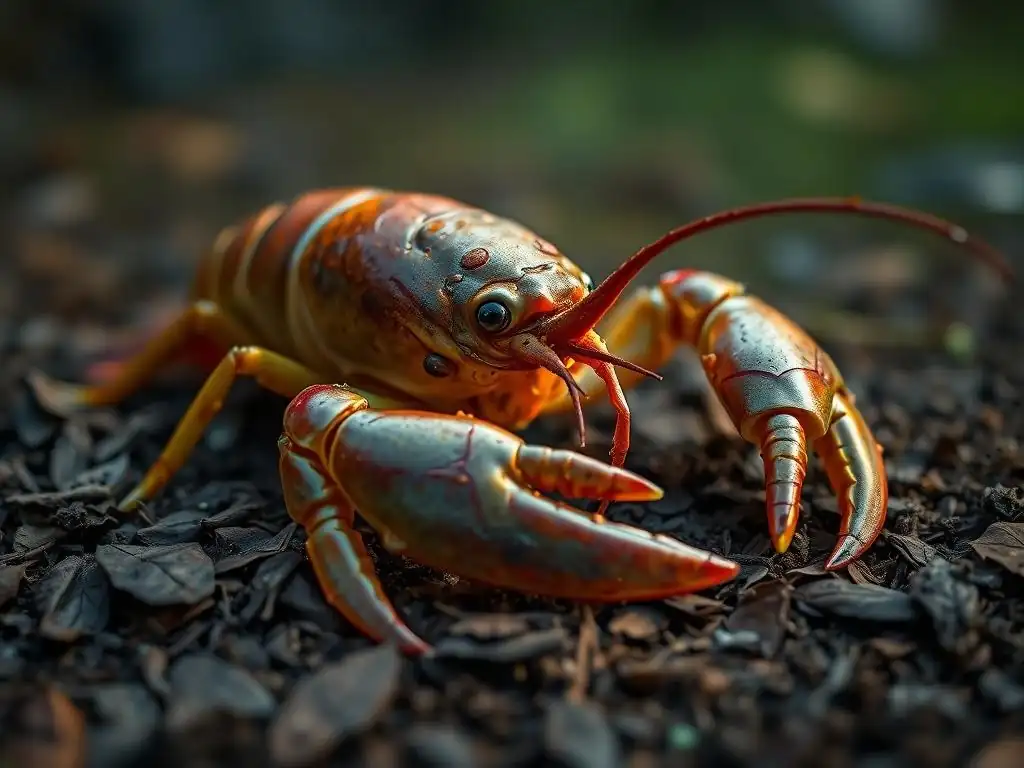
Physical signs are also strong indicators of a crayfish reaching the latter stages of its freshwater crayfish lifespan. One common observation is a fading or dulling of their vibrant coloration; the intense blues, reds, or oranges may become muted. The exoskeleton might appear rougher, more brittle, or show signs of wear and tear that don't fully regenerate with subsequent molts.
Damage to appendages, such as antennae, legs, or claws, that do not fully regrow after molting is another clear sign of aging. While younger crayfish typically regenerate lost limbs perfectly, older individuals may experience incomplete regeneration or cease to regenerate entirely. Their overall body condition may also appear less robust, with a general decline in muscle mass, contributing to their reduced activity and signifying the natural progression towards the end of their life cycle.
Maximizing Freshwater Crayfish Lifespan in Your Aquarium
Creating an Ideal Habitat for Long-Lived Crayfish
Creating an ideal habitat is paramount for maximizing the freshwater crayfish lifespan duration. This involves maintaining consistently stable water parameters, including zero ammonia and nitrite, and low nitrates (below 20 ppm), achieved through diligent filtration and regular water changes. The tank size must be appropriate for the species, providing ample room to explore and establish territory, typically 20-30 gallons for a single large crayfish, and 5-10 gallons for dwarf varieties.
Furthermore, the environment should be rich in hiding spots such as PVC pipes, ceramic caves, or driftwood, offering security and reducing stress. A fine gravel or sand substrate is preferable to prevent injury to their delicate undersides. By replicating their natural habitat as closely as possible and ensuring environmental stability, aquarists can significantly contribute to their crayfish's longevity.
Preventing Common Crayfish Diseases and Health Issues
Preventing common diseases and health issues is crucial for extending the freshwater crayfish lifespan. The primary defense against most ailments is maintaining impeccable water quality, as poor conditions are the root cause of many problems like shell rot (a bacterial infection that erodes the exoskeleton). A balanced, calcium-rich diet is equally important to prevent molting complications, which are a frequent cause of death.
Regular observation for signs of distress, lethargy, or physical abnormalities allows for early intervention. If a crayfish appears unwell, isolating it in a hospital tank with pristine water can prevent the spread of potential pathogens and provide a less stressful environment for recovery. Proactive care, rather than reactive treatment, is the most effective strategy for ensuring a long and healthy life.
Understanding and Minimizing Stress Factors Affecting Crayfish Lifespan
Stress is a silent killer for aquatic invertebrates, and minimizing it is vital for a robust freshwater crayfish lifespan duration. Common stressors include aggressive tank mates, sudden changes in water parameters, overcrowding, lack of hiding spots, and even excessive handling. When a crayfish is constantly stressed, its immune system is compromised, making it highly susceptible to diseases and leading to a premature decline.
To mitigate stress, choose peaceful tank mates or keep crayfish in species-only tanks, especially for larger, more aggressive varieties. Acclimate new crayfish slowly using the drip method to avoid shock. Maintain a consistent feeding schedule and avoid overfeeding, which can foul water. Providing a stable, secure, and enriched environment is key to ensuring your crayfish lives a full, stress-free life.
Proper Handling and Care to Extend Crayfish Life
Proper handling and general care routines are essential for extending the freshwater crayfish lifespan. It is best to minimize direct handling of crayfish as much as possible, as they are delicate and can be easily injured, especially their limbs and antennae. If removal from the tank is necessary, use a soft net or, if gloved, support their entire body, avoiding picking them up by their claws or tail.
Beyond handling, consistent daily care involves providing appropriate portions of food and promptly removing any uneaten food to prevent water fouling. Regularly checking water parameters and performing scheduled water changes are non-negotiable aspects of care that directly impact their health and longevity. Attention to these details ensures a stable environment, which is the cornerstone of a long freshwater crayfish lifespan.
Comparing Freshwater Crayfish Lifespan to Other Aquarium Invertebrates
Crayfish vs. Shrimp Lifespans
When comparing the freshwater crayfish lifespan duration to that of common aquarium shrimp, there's a notable difference based on size. Many popular dwarf shrimp species, such as Cherry Shrimp ( Neocaridina davidi) and Amano Shrimp ( Caridina multidentata), typically have a lifespan of 1 to 2 years, with some larger Amano individuals reaching up to 3 years.
In contrast, while dwarf crayfish like Cambarellus patzcuarensis share a similar 1-2 year lifespan, larger crayfish species such as the Red Swamp Crayfish or Electric Blue Crayfish can live for 3 to 5 years, and Australian species like the Red Claw Crayfish often live 5 to 7 years. This generally means that larger freshwater crayfish species tend to have a significantly longer lifespan than most readily available aquarium shrimp.
Crayfish vs. Snail Lifespans
The freshwater crayfish lifespan also varies when compared to various popular aquarium snails. Common species like Mystery Snails ( Pomacea bridgesii) typically live for 1 to 3 years, while Nerite Snails ( Neritina natalensis) have a lifespan of 1 to 2 years. Smaller snails such as Ramshorn Snails ( Planorbella spp.) often live less than a year. However, some larger Apple Snails ( Pomacea maculata) can potentially live for 3 to 5 years under optimal conditions.
Overall, the freshwater crayfish lifespan duration often falls into the mid to upper range when compared to common aquarium snails. While dwarf crayfish might have a similar or slightly shorter life than a Mystery Snail, larger crayfish species generally outlive most snail varieties found in hobbyist tanks, offering a longer-term commitment.
Crayfish vs. Crab Lifespans
Comparing the freshwater crayfish lifespan to that of other aquarium crabs reveals a mixed picture, as crab lifespans vary widely by species and whether they are fully aquatic or semi-aquatic. For instance, common fully aquatic species like Thai Micro Crabs ( Limnopilos naiyanetri) are quite small and typically live for only about 1 year. Semi-aquatic species such as Fiddler Crabs ( Uca spp.) and Red Claw Crabs ( Perisesarma bidens), which require land access, usually live 2 to 3 years and 2 to 4 years respectively in captivity, assuming proper brackish or freshwater conditions with terrestrial zones.
Therefore, while some smaller crabs have shorter lifespans, larger freshwater crayfish species often boast a comparable or even longer freshwater crayfish lifespan duration than many commonly kept aquarium crab species. This makes them a relatively long-lived choice among the diverse group of aquarium invertebrates.
The Future of Freshwater Crayfish Lifespan Research
Ongoing Studies and Discoveries About Crayfish Longevity
Research into the freshwater crayfish lifespan and longevity is an ongoing field, driven by both ecological concerns and aquaculture interests. Scientists are continually studying factors such as genetics, metabolic rates, and the impact of specific environmental stressors on crayfish aging processes. For instance, studies are exploring how specific diets or trace mineral supplementation might extend the lifespan of economically important species, findings that could directly translate to hobbyist care.
Furthermore, understanding the genetic markers associated with longevity in wild populations can provide insights into maximizing the freshwater crayfish lifespan in captive breeding programs. These discoveries contribute to a more comprehensive understanding of crustacean biology, potentially leading to improved husbandry techniques and a longer, healthier life for aquarium specimens.
The Potential Impact of Environmental Changes on Crayfish Lifespans
Environmental changes pose significant threats to the freshwater crayfish lifespan, particularly for wild populations, and these impacts can indirectly affect captive breeding stock. Rising global temperatures, altered precipitation patterns, and increased pollution directly impact aquatic habitats, leading to warmer waters, reduced oxygen levels, and higher concentrations of toxins. These stressors can accelerate metabolic rates, increase disease susceptibility, and ultimately shorten the natural lifespan of crayfish in their native environments.
The spread of invasive crayfish species, often through irresponsible release by hobbyists, also introduces new diseases and competition for resources, further jeopardizing native freshwater crayfish lifespan duration. Understanding these broader environmental pressures is crucial not only for conservation efforts but also for appreciating the resilience required to maintain a healthy population, whether in the wild or in a carefully managed aquarium.
Conclusion: Appreciating the Freshwater Crayfish and Its Lifespan
The freshwater crayfish, with its captivating behaviors and striking appearance, offers a unique addition to the home aquarium. Understanding the freshwater crayfish lifespan duration, which can range from a mere year for dwarf species to over seven years for larger Australian varieties, is fundamental to responsible pet ownership. This knowledge empowers aquarists to provide an environment tailored to their specific needs, ensuring a fulfilling and extended life for these fascinating invertebrates.
By prioritizing pristine water quality, offering a balanced and calcium-rich diet, providing ample space and hiding spots, and minimizing stress, hobbyists can significantly maximize their freshwater crayfish lifespan. Appreciating the longevity potential of these crustaceans allows for a deeper connection with these aquatic companions, making them a truly rewarding choice for any dedicated aquarist.
Frequently Asked Questions
How long is the typical freshwater crayfish lifespan in an aquarium?
The lifespan varies greatly depending on the species and care provided. Generally, expect a lifespan of 1-5 years in a well-maintained aquarium.
What factors can significantly impact a freshwater crayfish's lifespan?
Key factors include water quality, diet, tank size, and the presence of stressors. Poor water conditions or inadequate nutrition can drastically shorten their life.
Does the species of freshwater crayfish significantly affect its lifespan duration?
Yes, different species have inherently different lifespans. Some species are known for their shorter lifespan, while others can live considerably longer with proper care.
How can I maximize the lifespan duration of my freshwater crayfish in my aquarium?
Provide a spacious tank, maintain pristine water parameters, offer a varied diet, and minimize stress. Regular water changes and a well-established ecosystem are crucial.
Are there any signs that indicate my freshwater crayfish is nearing the end of its lifespan?
Signs may include decreased activity, loss of appetite, and a dulling of color. However, these can also indicate other issues, so rule out illness or poor water quality first.
Final Reflection: The Enduring Mystery of Crayfish Time
The exploration of freshwater crayfish lifespans, as we've seen, is not merely an academic exercise; it's a window into the delicate balance of our aquatic ecosystems. Understanding the freshwater crayfish lifespan duration is crucial for effective conservation efforts and responsible environmental stewardship in a world increasingly impacted by habitat loss and climate change. These seemingly small creatures play a vital role in the food web, and their longevity, or lack thereof, serves as a barometer for the health of their environment.
This journey into the world of crayfish has underscored the interconnectedness of life and the importance of even the smallest creatures. Personally, I find the variability in their lifespans, influenced by factors both natural and human-induced, deeply compelling. It highlights our responsibility to protect these vulnerable species. In the end, we will conserve only what we love; we will love only what we understand; and we will understand only what we are taught.
- Baba Dioum. This quote perfectly encapsulates the need for continued research and education regarding these fascinating invertebrates.
Now, as we conclude this exploration, I invite you to consider your own role in preserving the delicate ecosystems that support these creatures. Reflect on the choices you make that impact our waterways, and consider how you can contribute to a future where freshwater crayfish, in all their diverse forms, thrive for generations to come. Let's strive to be mindful stewards of our planet, ensuring that the mystery of their lifespans continues to unfold in a healthy and vibrant world.
Uncover Your Crayfish Curiosity!
Thanks for diving into the world of freshwater crayfish and their lifespans! We hope you found this exploration both informative and fascinating. Now it's time to take that newfound knowledge and put it to use!
Here are a few ways to continue your crayfish adventure:
- Start Planning Your Crayfish Aquarium! Consider what you've learned about lifespan, tank size, and environmental needs.
- Share one surprising fact you learned about crayfish lifespan with a fellow aquarium enthusiast.
- Explore different crayfish species and their unique characteristics – which one sparks your interest the most?
What aspect of crayfish care are you most curious about learning next?