
Multiply Your Greens: A Comprehensive Guide to Aquarium Plant Propagation

Welcome to Aquarium Mastery!
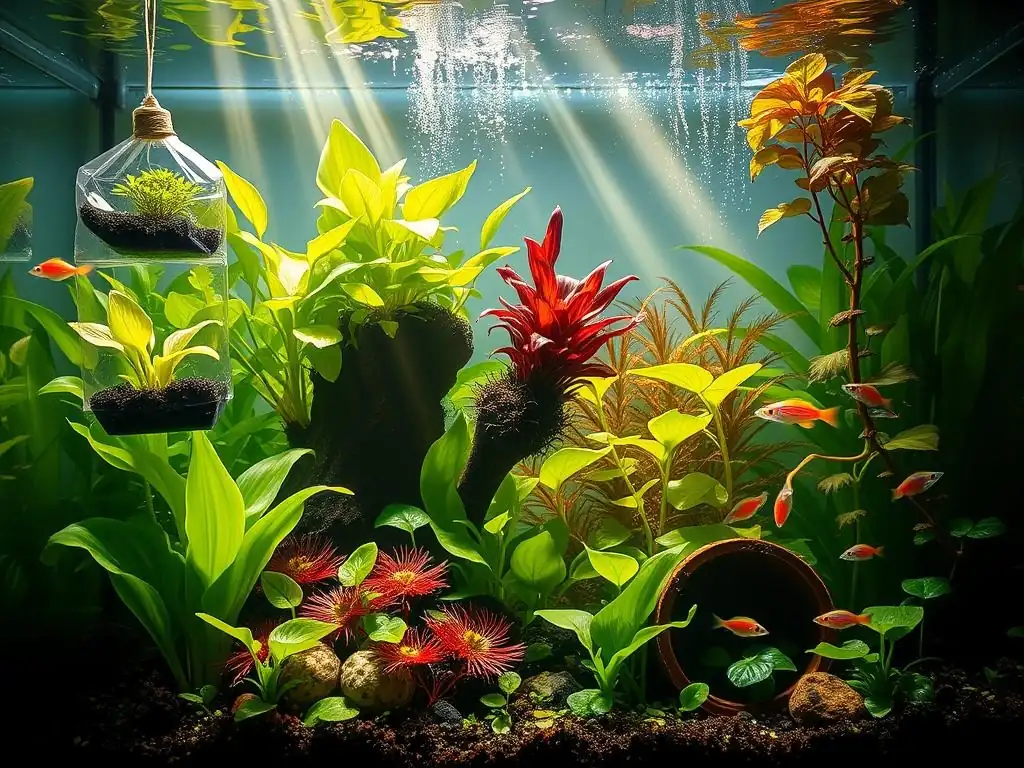
Ever wondered how to expand your underwater garden without breaking the bank? Dive in and discover the secrets to flourishing flora with our comprehensive guide to aquarium plant propagation techniques. Unlock the power of multiplication and create a lush, vibrant ecosystem within your tank. Ready to turn one plant into many? Let's get started!
- Understanding Aquarium Plant Propagation Techniques
- Different Methods of Aquarium Plant Propagation
- Essential Tools and Supplies for Aquarium Plant Propagation
- Optimizing Your Aquarium Environment for Propagation Success
- Troubleshooting Common Propagation Problems
- Advanced Aquarium Plant Propagation Techniques
- Choosing the Right Propagation Method for Your Aquarium Plants
- Conclusion: Expanding Your Aquatic Plant Expertise
-
Frequently Asked Questions
- How does aquarium plant propagation benefit my aquarium?
- What are some common aquarium plant propagation techniques?
- What tools do I need for successful aquarium plant propagation?
- How do I ensure the propagated plants thrive in my aquarium?
- What are some common mistakes to avoid when propagating aquarium plants?
- Final Reflection: Cultivating Growth, Rooting Connections
- Unleash Your Inner Aquascaper!
Understanding Aquarium Plant Propagation Techniques
Why Propagate Aquarium Plants? Benefits and Advantages
Propagating aquarium plants offers a multitude of benefits for the dedicated aquarist, extending beyond mere aesthetics to practical advantages. One of the most compelling reasons is significant cost savings. Instead of continuously purchasing new plants to fill out a tank or replace older specimens, propagating existing healthy plants allows for exponential growth of your aquatic flora.
For instance, a single bunch of a common stem plant like Rotala rotundifolia might cost around $5-8; by regularly propagating it, an aquarist can save hundreds of dollars annually on plant purchases for a moderately to heavily planted tank. This self-sufficiency empowers hobbyists to expand their green landscapes without a constant financial outlay.
Beyond the economic aspect, aquarium plant propagation techniques contribute immensely to the overall health and visual appeal of an aquatic ecosystem. Denser plant growth, achieved through successful propagation, naturally enhances the tank's filtration system by absorbing excess nitrates and other waste products.
A well-planted 20-gallon aquarium, for example, can absorb approximately 5-10 ppm of nitrates daily, significantly reducing the frequency of water changes required and creating a more stable environment for fish and invertebrates. Furthermore, a thriving carpet or background of propagated plants provides ample hiding spots for shy fish, reduces algae outbreaks by outcompeting them for nutrients, and enriches the tank with vital oxygen during the day, leading to a more vibrant and balanced aquatic display.
Key Factors for Successful Plant Propagation in Aquariums
Successful aquarium plant propagation hinges on providing an optimal environment that caters to the specific needs of aquatic flora. Foremost among these factors are adequate lighting and a consistent supply of essential nutrients. Plants require a specific light spectrum, typically within the 6500K range, and sufficient intensity (measured in PAR) to drive photosynthesis effectively.
For propagation, moderate to high PAR levels, generally 30-60 PAR at the substrate level, are often ideal to encourage robust new growth. Simultaneously, plants need macro-nutrients like Nitrogen, Phosphorus, and Potassium, and various micronutrients such as Iron and Manganese. Deficiencies in any of these can lead to stunted growth, discoloration, or melting, severely hampering propagation efforts.
In addition to light and nutrients, carbon dioxide (CO2) availability and stable water parameters play a pivotal role in successful plant propagation. CO2 serves as the primary carbon source for photosynthesis, directly impacting growth rates. In high-tech setups, pressurized CO2 injection is common, aiming for concentrations of 20-30 ppm during the light cycle, which can accelerate plant growth by 2-3 times.
For low-tech tanks, liquid carbon supplements can offer some benefit. Moreover, maintaining stable water temperatures (ideally 72-78°F or 22-26°C), a consistent pH (e.g., 6.5-7.5 for many common plants), and appropriate water hardness (GH 4-8 dGH, KH 3-6 dKH) minimizes stress on plants, allowing them to allocate energy towards developing new shoots and roots. Regular monitoring of these parameters is crucial for a thriving propagation environment.
Different Methods of Aquarium Plant Propagation
Stem Cutting Propagation: A Simple and Effective Method
Stem cutting propagation is arguably the most common and straightforward method for multiplying many popular aquarium plants. This technique involves taking a section of a healthy stem from a parent plant and replanting it, allowing it to develop new roots and grow into an independent plant.
It's particularly effective for fast-growing species that readily produce new shoots from their nodes, making it an excellent choice for quickly filling out a planted tank or creating a dense background. The simplicity and high success rate of this method make it a favorite among both novice and experienced aquarists looking to expand their aquatic gardens.
This method leverages the plant's natural ability to regenerate. When a healthy stem is cut and replanted under favorable conditions, the nodes (points where leaves and roots emerge) quickly adapt to their new environment, initiating the development of a robust root system. This rapid root development, often visible within 1-2 weeks, ensures the new cutting can efficiently absorb nutrients from the substrate and water column, leading to swift establishment and new leaf growth.
Identifying Suitable Stem Plants for Propagation
Many popular and readily available aquarium plants are ideal candidates for stem cutting propagation. These include species from genera such as Rotala ( Rotala rotundifolia, Rotala macrandra), Ludwigia ( Ludwigia repens, Ludwigia palustris), Bacopa ( Bacopa caroliniana, Bacopa monnieri), and Hygrophila ( Hygrophila polysperma, Hygrophila corymbosa). What makes these plants suitable is their characteristic growth habit: they grow vertically, producing leaves and roots from distinct nodes along their stems, and readily branch out when topped or trimmed.
When selecting stems for propagation, always choose healthy, vibrant sections from the parent plant. Look for stems that are at least 4-6 inches (10-15 cm) long, with several sets of leaves and no signs of disease, algae, or nutrient deficiencies. Stems that have recently been topped (cut) from the main plant often exhibit vigorous growth and are excellent candidates for replanting, as the parent plant will typically branch out from the cut point, providing even more material for future propagation.
Step-by-Step Guide to Stem Cutting Propagation
The process of stem cutting propagation is quite simple and can be broken down into a few clear steps. First, using a sharp, clean pair of aquarium scissors, cut a healthy stem from the parent plant. The ideal cut should be made just below a node, where leaves are attached, as this point contains meristematic tissue that readily develops into new roots.
Aim for cuttings that are typically 4-6 inches (10-15 cm) long, ensuring each cutting has at least 3-4 nodes. Remove the leaves from the bottom 1-2 inches of the cutting to prevent them from rotting once buried in the substrate.
Once prepared, gently insert the cut end of the stem into the substrate using long-handled tweezers. Ensure that at least two nodes are buried beneath the substrate surface, as this is where the new roots will primarily emerge. Plant the cuttings individually or in small groups (2-3 stems) for a bushier effect, spacing them about 1-2 inches (2.5-5 cm) apart to allow for future growth and adequate light penetration. Avoid planting them too densely initially, as this can hinder light and nutrient access for the developing plants.
Caring for New Stem Plant Cuttings
After planting, new stem cuttings require specific care to ensure their successful establishment and growth. During the initial 1-2 weeks, it's crucial to maintain stable water parameters, including temperature, pH, and hardness, as fluctuations can stress the delicate new plants. Provide consistent, moderate to high lighting and, if available, steady CO2 injection. Avoid disturbing the newly planted cuttings, as their root systems are still fragile and easily dislodged. Gentle water flow is beneficial, but strong currents directly on the cuttings should be avoided.
Once the cuttings begin to show signs of new growth, typically within 2-3 weeks, it indicates that they have successfully rooted. At this point, they will benefit from regular fertilization. For plants rooted in inert substrate, consider inserting root tabs near their base every 3-4 months to provide essential nutrients directly to the roots.
Additionally, a comprehensive liquid fertilizer dosed regularly will supply water column nutrients, which are vital for overall plant health and continuous growth. Monitor for any signs of nutrient deficiency, such as yellowing leaves or stunted growth, and adjust your fertilization regimen accordingly to encourage robust development.
Rhizome Division: Expanding Your Aquatic Plant Collection
Rhizome division is a distinct and effective method for propagating a specific group of aquatic plants characterized by their thick, horizontal stems, known as rhizomes. Plants like Anubias barteri, Microsorum pteropus (Java Fern), Bucephalandra spp., and Bolbitis heudelotii (African Water Fern) all propagate via this method.
Unlike stem plants that are rooted in the substrate, these plants typically grow attached to hardscape elements like driftwood or rocks, with their roots anchoring them and absorbing nutrients from the water column. The key to successful rhizome division is understanding that the rhizome itself must never be buried in the substrate, as this will almost certainly lead to rot and plant death.
This method is particularly beneficial for expanding your collection of slow-growing yet highly desirable plants. By carefully dividing the rhizome, you can create multiple new plants from a single mature specimen. This not only helps to populate your aquarium with more of these resilient plants but also encourages the parent plant to produce new growth. It's a natural and reliable way to increase the biomass of these unique aquatic species without resorting to buying new ones.
Recognizing Rhizome Plants Suitable for Division
Identifying plants suitable for rhizome division is straightforward once you understand their unique growth structure. The most common examples include the various species of Anubias (e.g., Anubias barteri, Anubias nana), Microsorum pteropus (Java Fern) and its many varieties, Bucephalandra species, and Bolbitis heudelotii (African Water Fern). These plants are characterized by a thick, creeping, horizontal stem (the rhizome) from which leaves and roots emerge. The rhizome itself will appear firm and green, often with visible attachment points where new leaves or roots are developing.
When considering a parent plant for division, ensure it is well-established and healthy. A good candidate will have a robust rhizome that is at least 4-6 inches (10-15 cm) long, with multiple healthy leaves and a strong root system. It's generally recommended to wait until the parent plant has been growing vigorously for at least 6-12 months before attempting division, as this ensures it has sufficient energy reserves to recover and support the new propagations. Dividing a weak or newly established plant can compromise its health and reduce the success rate of the new divisions.
Dividing Rhizomes Safely and Effectively
To divide rhizomes safely and effectively, you'll need a sharp, clean tool such as a razor blade or a pair of dedicated aquarium scissors. Carefully remove the parent plant from its attachment point in the aquarium. Examine the rhizome and identify sections that have at least 3-5 healthy leaves and a good portion of the rhizome attached. Make a clean cut through the rhizome, ensuring each new section has its own set of leaves and a segment of the rhizome. Avoid tearing or crushing the rhizome, as this can damage the plant and introduce rot.
Once divided, the new plantlets are ready for re-attachment. Unlike stem plants, rhizome plants must not have their rhizome buried in the substrate. Instead, they should be attached to hardscape elements like driftwood, rocks, or even decor. This can be done using various methods:
- Fishing line or cotton thread: Gently tie the rhizome to the chosen surface. The thread will eventually degrade or can be removed once the roots have firmly attached, usually within 4-6 weeks.
- Cyanoacrylate gel super glue: Apply a small amount of glue to the underside of the rhizome and press it firmly onto the hardscape. Ensure the glue is fish-safe (most pure cyanoacrylate glues are). This method offers instant adhesion and is very effective.
- Plant weights: These can be used to hold the plant in place on the substrate until its roots anchor, but ensure the rhizome itself remains above the substrate.
Planting and Maintaining Divided Rhizome Plants
After safely dividing and attaching your new rhizome plants, their placement and ongoing care are crucial for successful establishment. Position the newly divided plants in areas of the aquarium with moderate water flow and indirect or diffused lighting. While these plants can tolerate a range of light conditions, excessive direct light can encourage algae growth on their slow-growing leaves, which can outcompete the plant for nutrients and sunlight. They generally thrive in shaded areas or beneath taller plants.
Rhizome plants are known for being relatively low-maintenance once established, but they still benefit from consistent nutrient availability. Since their roots primarily absorb nutrients from the water column rather than the substrate, regular dosing of a comprehensive liquid fertilizer is highly recommended. Pay particular attention to potassium and trace elements like iron, which are vital for healthy leaf development. Monitor the plants for new leaf growth, which typically indicates successful establishment and adaptation to their new environment, usually within 2-4 weeks. Continue to provide stable water parameters to ensure their long-term health and continued slow, steady growth.
Runner Propagation: Utilizing Natural Plant Growth
Runner propagation is a fascinating and often hands-off method that mimics the natural spreading habit of certain aquatic plants. This technique is primarily seen in carpeting plants or those that naturally spread horizontally across the substrate. Plants like Echinodorus species (commonly known as Amazon Swords), Vallisneria spiralis (Val), and Sagittaria subulata (Dwarf Sagittaria) are excellent examples of species that propagate efficiently through runners. These plants send out specialized horizontal stems, or stolons, which creep along or just beneath the substrate surface, with new plantlets developing at various points along the runner.
This method is particularly advantageous for aquarists aiming to create a dense carpet or a lush background effect without constant manual intervention. The parent plant naturally produces clones of itself, which, if left undisturbed, will eventually root and grow into independent plants, effectively colonizing the available space. It's a testament to the plant's inherent drive to reproduce and expand its territory within the aquatic environment.
Identifying Plants that Propagate via Runners
Several popular aquarium plants are well-known for their ability to propagate through runners, making them excellent candidates for this method of aquarium plant propagation techniques. Key examples include the various species of Echinodorus (Amazon Swords), which are heavy root feeders and can produce numerous plantlets on long runners, Vallisneria spiralis (often called Val), known for its rapid spread and forming dense curtains, and Sagittaria subulata (Dwarf Sagittaria), a popular foreground or mid-ground plant that carpets efficiently. While Cryptocoryne species primarily spread via rhizomes, some can also produce short runners or offsets.
You can identify a runner by observing thin, horizontal stems extending outwards from the base of the parent plant, either along the substrate surface or just beneath it. Along these runners, you will notice small, miniature versions of the parent plant, complete with tiny leaves and nascent root systems, developing at regular intervals. These plantlets are genetically identical clones of the parent and are ready for separation once sufficiently developed.
Encouraging Runner Production in Your Aquarium
To encourage vigorous runner production in your aquarium, focus on providing optimal growing conditions for the parent plant. A nutrient-rich substrate is paramount, especially for heavy root feeders like Echinodorus species. Using aquasoil or regularly inserting root tabs near the parent plant will ensure a steady supply of essential nutrients like iron and potassium, which are crucial for robust growth and energy allocation towards reproduction. For example, a well-fertilized Echinodorus bleheri in a rich substrate can produce 3-5 runners annually, each potentially yielding multiple plantlets.
Consistent and adequate lighting, along with a stable supply of CO2 (whether through injection or liquid supplementation), will significantly boost the plant's overall health and metabolic rate, thereby promoting runner production. Maintain stable water parameters, including temperature and pH, to minimize stress. Avoid excessive trimming of the parent plant, as it needs to accumulate sufficient energy to invest in producing runners. Allowing the parent plant to grow large and healthy will naturally lead to more prolific runner development, expanding your aquatic garden through efficient aquarium plant propagation.
Separating and Transplanting Runners
Separating and transplanting plantlets from runners is a straightforward process once the plantlets are sufficiently developed. Wait until the plantlets have formed at least 3-4 healthy leaves and a visible, independent root system, typically 2-4 weeks after they first appear on the runner. This ensures they are robust enough to survive and thrive on their own. Attempting to separate them too early can lead to higher mortality rates.
Using sharp aquarium scissors, carefully cut the runner stem, detaching the fully formed plantlet from the parent plant. Once separated, gently extract the plantlet from the substrate (if it has rooted) or simply pick it up. Then, replant the new plantlet into the desired location in your aquarium.
Use long-handled tweezers to gently push the roots into the substrate, ensuring the crown of the plant (where the leaves meet the roots) is not buried too deeply. For carpeting plants like Dwarf Sagittaria, plant the new plantlets a few inches apart, and they will quickly send out their own runners, further filling in the space. This method allows for controlled expansion of your aquatic flora through effective aquarium plant propagation.
Adventitious Plantlets: Nature's Propagation Method
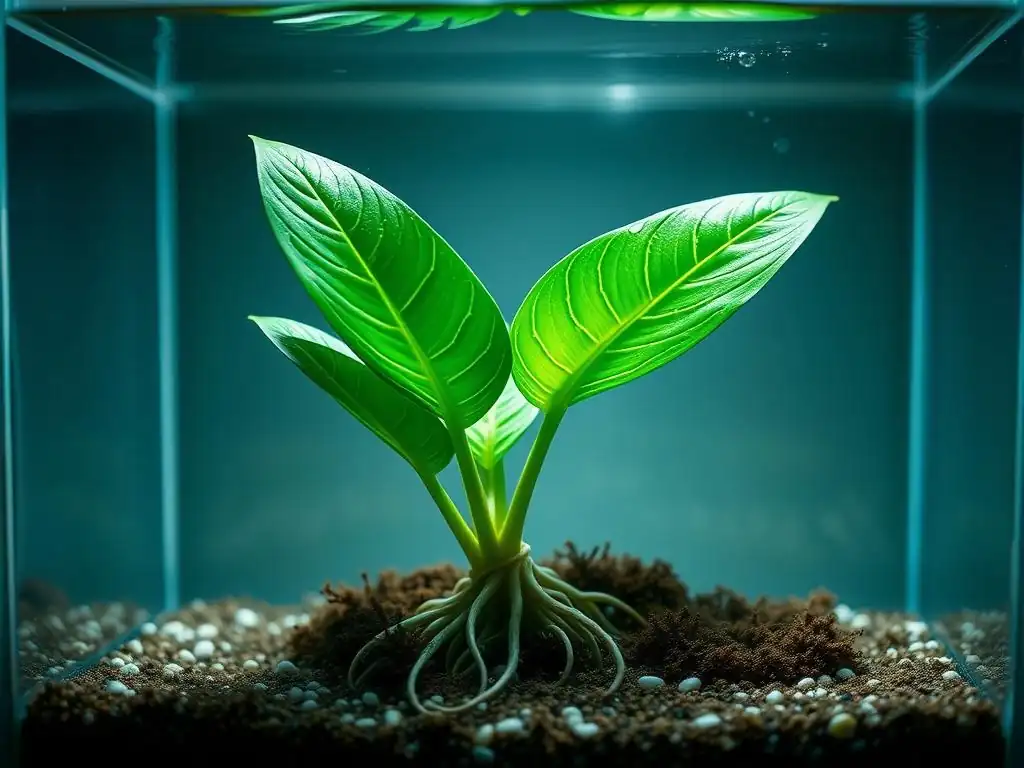
Adventitious plantlets represent a fascinating and somewhat spontaneous method of aquarium plant propagation, where miniature versions of the parent plant develop directly on the leaves or flower stalks. This natural phenomenon is most commonly observed in plants such as Microsorum pteropus (Java Fern) and, occasionally, Bolbitis heudelotii (African Water Fern). These plantlets emerge from specialized cells on the leaf surface, often near the edges or on older, sometimes damaged, leaves. It's a unique form of asexual reproduction, allowing the plant to create clones without the need for traditional seeds or extensive stem structures.
This method highlights the remarkable adaptability of certain aquatic plants. Unlike deliberate cutting or division, adventitious plantlets often appear without direct intervention from the aquarist, simply as a response to the plant's maturity or environmental cues. Once these tiny plantlets develop their own roots and a few leaves, they can be carefully harvested and replanted, providing an effortless way to increase your stock of these resilient and popular aquatic species.
Identifying Plants that Produce Adventitious Plantlets
The most prominent example of a plant that readily produces adventitious plantlets in the aquarium is Microsorum pteropus, commonly known as Java Fern. Aquarists often observe tiny, complete plant structures, each with miniature leaves and developing roots, appearing directly on the surface of mature Java Fern leaves. These plantlets are particularly noticeable on older leaves, or sometimes on leaves that have been slightly damaged or are beginning to decay. While less common, Bolbitis heudelotii (African Water Fern) can also occasionally produce similar plantlets, typically along the edges of its leaves.
These plantlets are easily recognizable as miniature versions of the parent plant, typically ranging from a few millimeters to 1-2 centimeters in size. They will be firmly attached to the parent leaf initially but will eventually develop enough to be gently detached. Observing these tiny growths is a clear sign that your plant is healthy and actively reproducing, providing a straightforward opportunity for aquarium plant propagation techniques.
Harvesting and Planting Adventitious Plantlets
Harvesting adventitious plantlets is a delicate process that requires patience. It's best to wait until the plantlets have developed at least 3-4 distinct leaves and a visible root system, typically 1-2 cm long. At this stage, they are robust enough to survive independently. You can either gently pluck them off the parent leaf by hand if they detach easily, or use small, sharp scissors to carefully snip the small portion of the parent leaf to which they are attached. Avoid tearing the parent leaf unnecessarily.
Once harvested, these tiny plantlets are ready for planting. Similar to their parent rhizome plants, their rhizome (the small, central stem from which leaves and roots emerge) must not be buried in the substrate. Instead, gently attach the plantlet to small pieces of hardscape, such as lava rock or driftwood, using fishing line, cotton thread, or a tiny dab of cyanoacrylate gel super glue. Alternatively, they can be carefully wedged into small crevices in your existing hardscape. Ensure they are placed in an area with moderate water flow and indirect lighting to encourage successful establishment and growth.
Caring for Young Plantlets
Caring for young adventitious plantlets is similar to maintaining their parent plants, with a few key considerations for their delicate initial stages. Provide a stable aquatic environment with consistent water parameters, including temperature (72-78°F or 22-26°C), pH (6.0-7.5), and hardness. Moderate lighting is generally sufficient; too much direct light can stress the small plantlets and encourage algae growth on their nascent leaves. Since their root systems are initially underdeveloped, these plantlets primarily absorb nutrients from the water column.
Regular dosing of a comprehensive liquid fertilizer, particularly one rich in potassium and trace elements like iron, is crucial for their healthy development. Monitor the plantlets closely for any signs of nutrient deficiency, such as yellowing or browning leaves, and adjust your fertilization regimen as needed. While initially slow-growing, once established, these young plantlets will gradually mature into full-sized plants, contributing to the lushness of your aquarium through natural aquarium plant propagation.
Leaf Cutting Propagation: A Less Common, But Viable Technique
Leaf cutting propagation is a less common and generally slower method compared to stem cuttings or rhizome division, but it can be a viable technique for specific types of aquatic plants, particularly certain Cryptocoryne species and, occasionally, Anubias, though with lower success rates. This method involves using a single healthy leaf to generate new plantlets, leveraging the plant's ability to regenerate from a small piece of tissue. It's often considered a method of last resort or an experimental approach for hobbyists looking to multiply challenging or rare species.
The primary reason this method is less frequently employed is its inherent slowness and lower success rate compared to other aquarium plant propagation techniques. While terrestrial plants like African Violets readily propagate from leaf cuttings, aquatic plants typically require specific conditions and a prolonged period for new growth to emerge. However, for dedicated aquarists with patience, it can be a rewarding way to expand their collection of species that don't readily propagate through other means.
Selecting Appropriate Leaf Cuttings
For leaf cutting propagation, selecting a healthy, mature leaf is paramount to success. The ideal candidates are typically robust, unblemished leaves from well-established Cryptocoryne plants, such as Cryptocoryne wendtii or Cryptocoryne undulata. The chosen leaf should be vibrant in color, free from any signs of algae, physical damage, or nutrient deficiencies. A leaf approximately 4-6 inches (10-15 cm) in length, with its petiole (leaf stem) intact, is generally preferred as it contains more energy reserves.
To prepare the cutting, use sharp, clean aquarium scissors to make a clean cut at the very base of the leaf stem, ensuring a small portion of the petiole is preserved. Some aquarists also suggest making a small incision at the base of the leaf blade near the petiole to stimulate new growth. Avoid using leaves that are too old or showing signs of decay, as their regenerative capacity will be significantly diminished.
Preparing and Planting Leaf Cuttings
Once you have selected and prepared your leaf cutting, the planting process is crucial. Gently insert the base of the leaf, specifically the petiole, into a rich, fine-grained substrate. Ensure that the entire petiole is buried, and a small portion of the leaf blade's base is also covered, but do not bury the entire leaf blade. The substrate should be soft enough to allow easy insertion without damaging the delicate leaf tissue.
For optimal control and to prevent disturbance, some aquarists prefer to plant leaf cuttings in a small, separate container filled with aquasoil or nutrient-rich sand, which is then placed within the main aquarium or a dedicated propagation tank. This isolated environment allows for precise monitoring of conditions and minimizes interference from fish or strong water currents, which could dislodge the cutting. Maintaining stable, warm water (around 75-78°F or 24-26°C) and consistent, moderate lighting is beneficial during this initial phase of aquarium plant propagation.
Patience and Care for Leaf Cutting Propagation
Patience is perhaps the most critical component when attempting leaf cutting propagation, as this method is notoriously slow. It can take several weeks, and often months, before any visible signs of new plantlet development emerge from the base of the buried leaf. During this period, the parent leaf may slowly degrade or melt, which is a normal part of the process as its energy is redirected towards forming new growth. Do not remove the leaf unless it completely disintegrates or shows signs of severe rot that could impact water quality.
Throughout this waiting period, maintaining impeccable water quality and providing consistent nutrients are essential. Regular, small water changes can help keep the environment stable. While the initial leaf may draw on its own reserves, once new growth begins, a balanced liquid fertilizer and root tabs (if in inert substrate) will be beneficial. Once a new plantlet with a few leaves and a visible root system has formed, it can be carefully transplanted to its permanent location in the aquarium, marking a successful, albeit lengthy, aquarium plant propagation endeavor.
Essential Tools and Supplies for Aquarium Plant Propagation
Propagation Scissors and Tweezers
For precise and successful aquarium plant propagation techniques, having the right tools is indispensable. High-quality propagation scissors, typically made of stainless steel with long handles (e.g., 8-10 inches or 20-25 cm), are crucial for making clean, sharp cuts on plant stems and leaves. Clean cuts minimize damage to the plant tissue, reducing the risk of rot and promoting faster healing and new growth. Using dull or inappropriate scissors can crush plant stems, leading to stress and unsuccessful propagation. These specialized scissors allow aquarists to reach deep into planted tanks without disturbing the aquascape.
Equally important are long-handled precision tweezers, often ranging from 10-12 inches (25-30 cm) in length. These tools are essential for gently picking up and accurately planting delicate cuttings or small plantlets into the substrate. They allow for precise placement of individual stems or small rhizome sections, ensuring proper burial and anchoring without disturbing surrounding plants or substrate. The fine tips of propagation tweezers enable aquarists to handle even the smallest propagations, such as newly separated runners or adventitious plantlets, significantly improving the success rate of establishing new plants.
Plant Substrates for Propagation
The choice of plant substrate plays a vital role in the success of many aquarium plant propagation techniques, particularly for root-feeding plants like stem cuttings and runner plants. Nutrient-rich substrates, such as specialized aquasoils (e.g., ADA Amazonia, Fluval Stratum, UNS Controsoil), provide a comprehensive array of macro and micronutrients directly to the developing roots. These substrates are designed to slowly release nutrients over time, creating an ideal environment for new roots to establish quickly and strongly, which is crucial for the survival and rapid growth of newly planted cuttings.
For aquarists using inert substrates like sand or gravel, enriching the substrate with root tabs becomes essential for successful propagation. Root tabs, which are solid fertilizer capsules, are inserted directly into the substrate near the base of the newly planted cuttings. They provide targeted, long-term nutrient delivery, particularly for heavy root feeders.
For example, a new Cryptocoryne plantlet, once rooted, will benefit immensely from a root tab placed within a 2-inch radius, ensuring it receives a steady supply of iron and potassium for robust development. Studies show that plants grown in nutrient-rich substrates or with root tabs can establish root systems up to 30% faster than those in inert, unsupplemented gravel.
Root Tabs and Liquid Fertilizers
Root tabs and liquid fertilizers are cornerstones of effective nutrient management, directly impacting the success of aquarium plant propagation techniques. Root tabs, such as Seachem Flourish Tabs or API Root Tabs, are solid, slow-release fertilizers designed for plants that primarily absorb nutrients through their root systems, like Cryptocoryne species, Echinodorus (Amazon Swords), and many stem plants once rooted. These tabs are typically inserted into the substrate every 3-4 months, providing a consistent supply of essential macro and micronutrients directly to the roots, promoting vigorous growth and strong establishment of new propagations.
Liquid fertilizers, on the other hand, are crucial for plants that absorb nutrients primarily from the water column, including Anubias, Java Fern, Bucephalandra, and newly planted stem cuttings that are still developing their root systems. Products like Seachem Flourish or NilocG Aquatics fertilizers provide a balanced array of macro-nutrients (Nitrogen, Phosphorus, Potassium) and crucial trace elements (Iron, Manganese, Boron) that are readily available for absorption.
Consistent daily or weekly dosing of liquid fertilizers ensures that all plants, especially young propagations, have access to the building blocks needed for rapid cell division and healthy development, significantly increasing the success rate of your aquarium plant propagation efforts.
Propagation Tanks or Containers
While not strictly essential for all aquarium plant propagation techniques, dedicated propagation tanks or smaller containers can significantly increase success rates, especially for delicate or slow-growing species. A small, separate aquarium (e.g., 2.5-5 gallons or 9-19 liters) or even simple plastic containers placed within a larger tank can serve as a controlled environment for cuttings and plantlets. This isolation allows the aquarist to optimize conditions specifically for propagation without impacting the main display tank's parameters or inhabitants.
The advantages of a dedicated propagation setup are numerous. It provides a stable environment with precise control over lighting, CO2 levels, and nutrient dosing, minimizing competition from established plants or disturbance from fish. For instance, delicate Hemianthus callitrichoides 'Cuba' cuttings often have a higher success rate (e.g., 70-80%) in a dedicated, undisturbed propagation tank compared to a busy display tank (e.g., 40-50%). Furthermore, a propagation tank allows for easier monitoring of new growth, early detection of issues like algae or deficiencies, and simplifies the process of acclimating newly propagated plants before introducing them to the main aquarium.
Optimizing Your Aquarium Environment for Propagation Success
Lighting Requirements for Plant Growth
Optimizing lighting is a critical factor for successful aquarium plant propagation techniques, as light is the primary energy source for photosynthesis, the process by which plants grow. Plants require specific wavelengths within the visible spectrum, primarily red and blue light, which are effectively provided by full-spectrum LED lights typically rated around 6500K. The intensity of light, measured in Photosynthetically Active Radiation (PAR), is equally important; for propagation, moderate to high PAR levels (e.g., 30-60 PAR at the substrate) are often beneficial to encourage robust new growth and faster establishment of cuttings and plantlets.
Beyond spectrum and intensity, the photoperiod—the duration of light exposure each day—must be consistent and appropriate. An ideal photoperiod for most planted aquariums, including those focused on propagation, is typically 8-10 hours per day. Too short a duration can stunt growth, while excessively long photoperiods (e.g., over 12 hours) can lead to detrimental algae outbreaks, which outcompete delicate new propagations for light and nutrients. Using a reliable timer to ensure a consistent on/off schedule is highly recommended for maintaining stability, which is key for successful plant development.
Water Chemistry and Parameters
Stable and appropriate water chemistry and parameters are fundamental for successful aquarium plant propagation. Fluctuations in these parameters can severely stress plants, diverting their energy away from growth and regeneration. Key parameters to monitor include temperature, pH, and water hardness (GH and KH). Most common aquatic plants thrive in tropical temperatures, typically 72-78°F (22-26°C). A stable pH range, generally between 6.5 and 7.5, is suitable for the majority of species, as extreme pH levels can inhibit nutrient uptake.
Furthermore, consistent water hardness, with a General Hardness (GH) of 4-8 dGH and Carbonate Hardness (KH) of 3-6 dKH, supports healthy plant metabolism. Regular partial water changes, typically 20-30% weekly, are crucial for replenishing essential trace elements that plants absorb and for removing accumulated waste products that can inhibit growth. Using a reliable aquarium test kit to regularly monitor these parameters allows aquarists to make informed adjustments, ensuring the aquatic environment remains conducive to robust plant health and efficient propagation.
CO2 Injection and Supplementation
Carbon dioxide (CO2) is a vital component for robust plant growth and significantly enhances the success of aquarium plant propagation techniques. As the primary carbon source for photosynthesis, adequate CO2 levels enable plants to grow faster and more vigorously. In high-tech planted aquariums, pressurized CO2 injection systems are commonly employed to maintain CO2 concentrations between 20-30 ppm during the light cycle. This elevated CO2 level can accelerate the growth rate of many plant species by 2-3 times, leading to quicker establishment of new cuttings and faster development of plantlets.
For aquarists without pressurized CO2 systems, liquid carbon supplements (e.g., Seachem Flourish Excel) can provide a bioavailable carbon source, although they are generally less potent than injected CO2. While these supplements do not directly provide CO2 gas, they offer an alternative carbon compound that plants can utilize for photosynthesis. Ensuring sufficient carbon availability is especially critical for new propagations, as they require ample resources to develop new roots and leaves rapidly. A consistent and stable supply of CO2 is a cornerstone of optimizing your aquarium environment for successful plant multiplication.
Nutrient Management for Plant Health
Effective nutrient management is paramount for the overall health of your aquarium plants and is a cornerstone of successful aquarium plant propagation techniques. Plants require a balanced supply of both macronutrients and micronutrients. Macronutrients, primarily Nitrogen (N), Phosphorus (P), and Potassium (K), are needed in larger quantities. Nitrogen promotes lush leafy growth, Phosphorus is crucial for root development and energy transfer, and Potassium supports overall plant vigor and disease resistance. Deficiencies in these can lead to visible symptoms like yellowing older leaves (Nitrogen), stunted growth or purplish leaves (Phosphorus), or pinholes and melting (Potassium).
Micronutrients, or trace elements, such as Iron (Fe), Manganese (Mn), Boron (B), Zinc (Zn), and Copper (Cu), are required in smaller amounts but are equally vital. Iron deficiency is a common issue, often manifesting as chlorosis (yellowing between the veins of new leaves). A comprehensive fertilization regimen, whether through nutrient-rich substrates, root tabs for heavy root feeders, or regular liquid dosing for water column feeders, ensures that plants have access to all necessary elements. Consistent nutrient availability allows new propagations to develop strong root systems and healthy foliage, maximizing their chances of survival and thriving.
Troubleshooting Common Propagation Problems
Preventing Algae Growth During Propagation
Algae growth is a common challenge in planted aquariums, and it can be particularly detrimental to delicate new propagations, as algae directly compete with young plants for light and nutrients. The primary causes of algae outbreaks often include excess light intensity or duration, fluctuating CO2 levels, and nutrient imbalances (e.g., high nitrates or phosphates without sufficient plant mass to absorb them). New cuttings and plantlets, being less established, are more vulnerable to being outcompeted or even smothered by aggressive algae.
To prevent algae during aquarium plant propagation, maintaining a balanced and stable ecosystem is key. This involves ensuring consistent, appropriate lighting (typically 8-10 hours daily) and stable CO2 levels. Address any nutrient imbalances by regular water testing and adjusting your fertilization regimen. Increasing the biomass of fast-growing stem plants can help outcompete algae for available nutrients. Introducing algae-eating invertebrates, such as Amano shrimp ( Caridina multidentata) or Nerite snails ( Vittina natalensis), can also be highly effective in controlling minor outbreaks, allowing your new propagations to establish without excessive competition.
Addressing Nutrient Deficiencies
Addressing nutrient deficiencies promptly is crucial for the success of aquarium plant propagation techniques, as young plants are particularly susceptible to the negative effects of inadequate nutrition. Common symptoms of deficiencies include:
- Nitrogen (N) deficiency: Yellowing of older leaves, overall pale appearance.
- Phosphorus (P) deficiency: Stunted growth, dark green leaves, sometimes purplish tints.
- Potassium (K) deficiency: Pinholes in leaves, yellowing edges, melting.
- Iron (Fe) deficiency: New leaves appear pale or yellow (chlorosis) with green veins.
- Magnesium (Mg) deficiency: Yellowing between veins of older leaves.
Regular water testing for macronutrients (Nitrate, Phosphate) and observing plant health are the first steps. Once a deficiency is identified, supplement with specific fertilizers. For example, if potassium is low, add a potassium-specific liquid fertilizer. For root feeders, ensure root tabs are replaced every 3-4 months. A comprehensive liquid fertilizer that includes trace elements will address micronutrient needs. Consistent and balanced fertilization is vital to ensure new propagations have the building blocks they need for robust growth.
Combating Plant Diseases and Pests
While less common than nutrient issues, plant diseases and pests can significantly hinder aquarium plant propagation. One notable "disease" is Cryptocoryne melt, where Cryptocoryne species rapidly melt away, often triggered by significant environmental changes (e.g., large water changes, shifts in parameters). Pests such as various types of snails (bladder snails, ramshorn snails) can multiply rapidly and, in large numbers, may consume tender new growth, particularly on delicate plantlets. Planaria (flatworms) are generally harmless to plants but can indicate overfeeding and can irritate sensitive invertebrates.
To combat these issues, prevention is key. For Cryptocoryne melt, ensure stable water parameters and avoid drastic changes to the environment. When introducing new plants, quarantine them in a separate container for 1-2 weeks to observe for pests or diseases. Manual removal is often the most effective method for controlling snail populations; avoid overfeeding your fish to reduce their food source. While chemical treatments exist, they should be used with extreme caution as many can be harmful to fish, invertebrates, and beneficial bacteria. Focus on maintaining a healthy, balanced ecosystem to naturally deter pests and support resilient plant growth.
Dealing with Slow or Stunted Growth
Slow or stunted growth in newly propagated aquarium plants is a common frustration, often indicating an underlying environmental imbalance. The most frequent culprits include insufficient lighting (either too low PAR levels or an incorrect light spectrum), inadequate CO2 supply, or a deficiency in essential nutrients. Overcrowding of plants can also lead to competition for light and nutrients, causing individual propagations to suffer.
To address slow or stunted growth, systematically review all environmental factors. First, verify your lighting system: ensure it provides adequate intensity and a full spectrum (around 6500K) for 8-10 hours daily. Next, check your CO2 levels; if using pressurized CO2, aim for 20-30 ppm, and ensure consistent dosing. Perform water tests to identify any nutrient deficiencies (N, P, K, Fe, etc.)
and adjust your fertilization regimen accordingly. Consider adding root tabs for heavy root feeders. Sometimes, simply giving the new cuttings more time (e.g., 2-3 weeks) to establish their root systems is necessary before significant growth is observed. Trimming established plants can also improve light penetration and nutrient access for smaller, propagating plants, thereby boosting your aquarium plant propagation techniques success.
Advanced Aquarium Plant Propagation Techniques
Tissue Culture Propagation
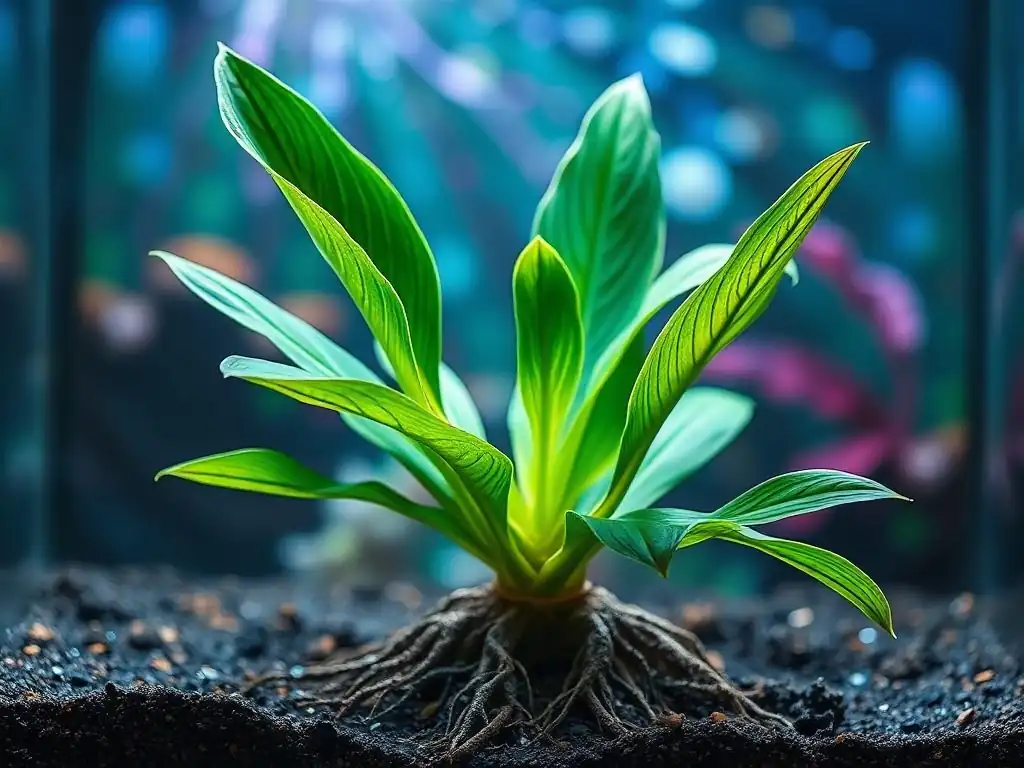
Tissue culture propagation, often referred to as TC, is an advanced, sterile laboratory technique used for mass-producing plants from a few cells or a small piece of plant tissue. This method involves growing plant material in a nutrient-rich agar gel within a sterile container, typically a sealed cup.
The primary advantage of tissue culture plants is that they are entirely free of algae, pests (like snails or planaria), and diseases, offering aquarists a "clean slate" for their aquascape. This method is predominantly utilized by commercial growers rather than hobbyists at home due to the specialized equipment and sterile conditions required.
While TC plants are initially smaller and often appear somewhat fragile, they adapt rapidly to submerged conditions once introduced to the aquarium. They typically grow into robust, full-sized plants relatively quickly. Although purchasing tissue culture cups can be more expensive upfront (e.g., $10-20 for a small quantity of Hemianthus callitrichoides 'Cuba') compared to traditional potted plants, their guaranteed cleanliness and health make them a preferred choice for many aquascapers, especially when establishing new, high-tech planted tanks or introducing sensitive species. This method guarantees a consistent and healthy starting point for aquarium plant propagation.
Seed Propagation
Seed propagation for aquarium plants is an advanced technique that primarily applies to a very limited number of true aquatic plant species, and more commonly, to terrestrial or semi-aquatic plants marketed as "aquatic seeds." This method involves germinating seeds directly in the aquarium substrate, often under emersed or semi-emersed conditions initially, where the substrate is kept damp but not fully submerged. Once the seedlings have established, the tank is slowly flooded.
It's crucial to exercise caution with "aquatic seeds" widely available online, as many are actually terrestrial plants (e.g., various grasses or Hydrocotyle tripartita masquerading as Hemianthus callitrichoides 'Cuba' or Glossostigma elatinoides). While these seeds may sprout and look appealing submerged for a few weeks, they will invariably melt and die after prolonged submersion due to their inability to adapt to fully aquatic conditions.
True aquatic plant seeds are rare in the hobby and typically require very specific germination conditions. Therefore, while seed propagation exists, it is generally a less reliable and often misleading method for achieving long-term, healthy aquatic plant growth compared to established aquarium plant propagation techniques like stem cutting or rhizome division.
Choosing the Right Propagation Method for Your Aquarium Plants
Considering Plant Species and Growth Habits
Choosing the most effective aquarium plant propagation technique is fundamentally dependent on the specific plant species and its natural growth habits. Not all methods are suitable for all plants, and attempting an inappropriate method can be inefficient or even damaging. For instance, stem plants like Rotala or Ludwigia are best multiplied through stem cuttings, as they readily root from nodal points. Rhizome plants such as Anubias and Java Fern are ideally propagated by dividing their thick rhizomes, ensuring the rhizome itself remains unburied.
Similarly, plants that naturally spread via runners, like Amazon Swords or Vallisneria, are best propagated by separating the plantlets that develop along these horizontal stems. Attempting to propagate an Anubias from a leaf cutting, while theoretically possible, is far less successful and significantly slower than simply dividing its rhizome, which typically yields a 90% or higher success rate. Understanding the inherent biological structure and growth pattern of your target plant is paramount to selecting the most efficient and successful aquarium plant propagation method, ensuring maximum yield and plant health.
Evaluating Your Skill Level and Resources
When choosing an aquarium plant propagation technique, it's important to realistically evaluate your own skill level, available time, and resources. For beginners, starting with simple and high-success-rate methods like stem cutting propagation (for plants like Rotala or Hygrophila) or separating runners (for Vallisneria or Dwarf Sagittaria) is highly recommended. These methods require minimal specialized tools and are forgiving of minor errors, allowing new aquarists to build confidence and experience.
More advanced techniques, such as leaf cutting propagation for certain Cryptocoryne species or managing a dedicated propagation tank, demand a higher level of experience, precise control over water parameters, and potentially specialized equipment like CO2 systems or high-intensity lighting. These methods can be time-consuming and have lower success rates if conditions are not meticulously maintained. Assess your commitment, budget, and existing equipment before diving into complex aquarium plant propagation techniques to ensure a rewarding and successful experience.
Matching Propagation Method to Your Aquarium Setup
The ideal aquarium plant propagation technique should also align with your specific aquarium setup, whether it's a low-tech, low-light tank or a high-tech, CO2-injected environment. In a low-tech setup, which typically lacks CO2 injection and has moderate lighting, propagation methods for less demanding plants like Anubias (rhizome division), Java Fern (rhizome division or adventitious plantlets), or Vallisneria (runner separation) will generally yield the best results. These plants are more forgiving of less intense conditions and slower growth rates.
Conversely, in a high-tech aquarium with robust lighting, CO2 injection, and comprehensive fertilization, almost all aquarium plant propagation techniques can be highly successful, with stem cutting propagation often leading to incredibly rapid growth and dense bushiness. The enhanced conditions in a high-tech tank allow for faster establishment and more vigorous development of new propagations, making it possible to quickly fill out a large aquascape.
Consider the size of your tank, the existing plant density, and your aesthetic goals. For instance, if you aim for a dense carpet, encouraging runners from Sagittaria subulata is ideal, whereas for a lush background, frequent stem cuttings of Rotala would be more effective.
Conclusion: Expanding Your Aquatic Plant Expertise
Mastering aquarium plant propagation techniques is a rewarding journey that transforms your aquarium into a self-sustaining, vibrant ecosystem. By understanding the diverse methods – from the straightforward stem cuttings and rhizome divisions to the natural spread of runners and adventitious plantlets, and even the more advanced tissue culture – aquarists gain the power to multiply their favorite species, enhance tank aesthetics, and promote a healthier aquatic environment. This comprehensive guide has illuminated the critical factors for success, the essential tools required, and common pitfalls to avoid, equipping you with the knowledge to cultivate a thriving underwater garden.
Embracing plant propagation not only leads to significant cost savings but also deepens your connection with the aquatic world, fostering a greater appreciation for the intricate biology of your plants. As you experiment with different species and methods, you'll refine your skills, observe the subtle cues of plant health, and ultimately expand your aquatic plant expertise. The continuous cycle of growth, propagation, and renewal ensures a dynamic and ever-evolving aquascape, truly reflecting the "Aquarium Mastery" of its keeper.
Frequently Asked Questions
How does aquarium plant propagation benefit my aquarium?
Plant propagation allows you to increase the number of plants in your aquarium, improving water quality and creating a more natural environment for your fish. It's also a cost-effective way to expand your aquascape.
What are some common aquarium plant propagation techniques?
Common techniques include stem cuttings, runner division, and rhizome separation. The best method depends on the specific plant species.
What tools do I need for successful aquarium plant propagation?
You'll generally need sharp scissors or a razor blade, a clean container for temporary holding, and potentially plant weights to keep cuttings anchored.
How do I ensure the propagated plants thrive in my aquarium?
Provide appropriate lighting, maintain good water parameters, and ensure sufficient nutrients are available. Regularly monitor for any signs of stress or deficiency.
What are some common mistakes to avoid when propagating aquarium plants?
Avoid propagating unhealthy or diseased plants, using dull tools that can damage the plant tissue, and failing to provide proper conditions for the new plants to grow.
Final Reflection: Cultivating Growth, Rooting Connections
The journey through aquarium plant propagation techniques reveals more than just methods for expanding our underwater gardens; it highlights the profound connection we share with the natural world, even within the confines of a glass tank. The ability to nurture and multiply life, to witness the resilience and adaptability of these aquatic plants, resonates deeply in a world increasingly disconnected from its roots.
This exploration has underscored the enduring influence of nature on our lives, reminding us of the simple joys of creation and the responsibility we bear as stewards of our environment. The act of propagating aquarium plants becomes a microcosm of larger ecological principles, fostering a deeper appreciation for biodiversity and sustainable practices. The best time to plant a tree was 20 years ago. The second best time is now.
This ancient proverb perfectly encapsulates the spirit of propagation – a continuous cycle of growth and renewal, always offering a chance to cultivate something beautiful and meaningful.
Now, as you close this guide, consider the potential within your own hands. Embrace the opportunity to nurture life, to experiment with these techniques, and to share the abundance of your underwater garden with others. Let the principles of aquarium plant propagation inspire you to cultivate growth not only in your tanks but also in your own life, fostering a deeper connection with nature and a commitment to a more sustainable future.
Unleash Your Inner Aquascaper!
Thanks for diving deep into the world of aquarium plant propagation! We hope this guide has empowered you with the knowledge to expand your underwater garden. Now, let's get your hands wet!
Here's what you can do next:
- Start Propagating! Choose one plant from your aquarium and actively begin the propagation process today. Take photos and document your progress!
- Explore our advanced techniques guide: Expand your knowledge by delving into more intricate methods like tissue culture or specialized propagation setups.
- Share your success (or setbacks!): Post pictures of your propagating plants on social media using #AquariumMasteryPropagation and inspire fellow aquarists.
What exciting new plant are you most eager to multiply in your aquarium?