
Favia Growth Patterns: From Encrusting Plates to Mounding Colonies

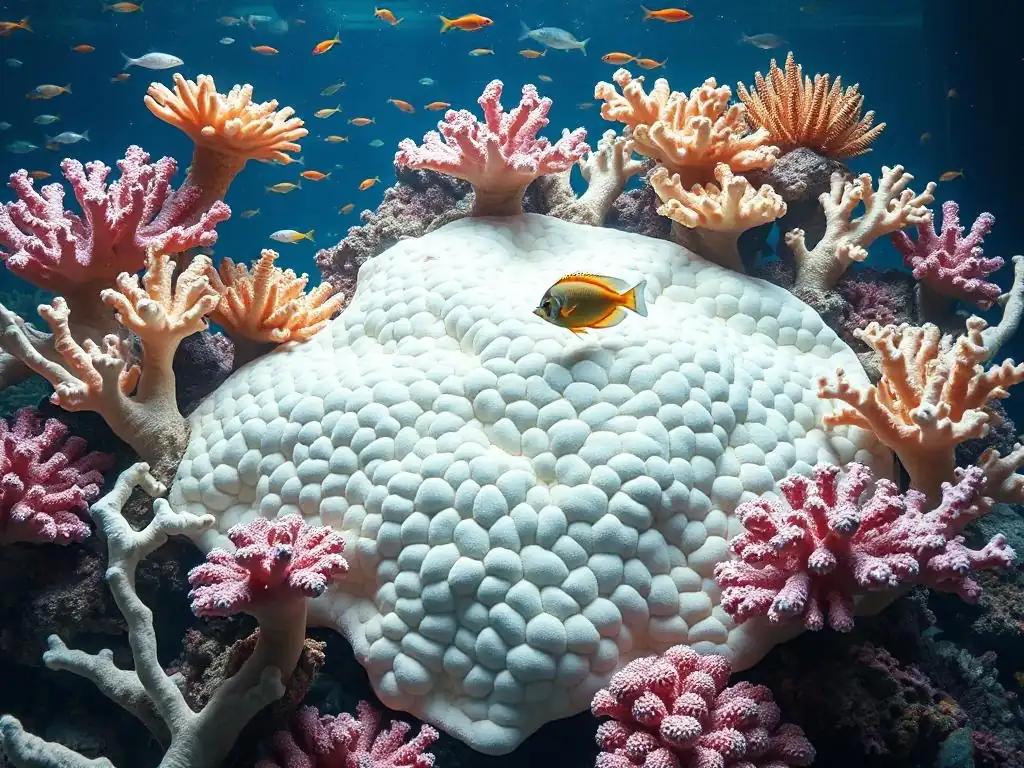
Welcome to Aquarium Mastery! Ever wondered how a tiny speck of coral can transform into a vibrant, thriving reef ecosystem right in your living room? Dive in and explore the fascinating world of corals, starting with the captivating Favia coral growth patterns. Unlock the secrets behind their diverse forms, from encrusting plates to stunning mounding colonies, and discover how to nurture these underwater wonders in your own aquarium. Ready to learn more? Let's get started!
- Understanding Favia Coral Growth Forms in Reef Aquariums
- Encrusting Favia: The Foundation of Reefscapes
- Plating Favia: Expanding Across the Reef
- Mounding Favia: Building Reef Structures
- Columnar Favia: A Unique Growth Morphology
- Factors Influencing Favia Coral Growth Patterns
- Optimizing Your Reef Tank for Healthy Favia Growth
- Common Issues Affecting Favia Coral Growth Patterns
- Fragging Favia Corals: Propagating Different Growth Forms
- Choosing the Right Favia for Your Reef Tank: Growth Pattern Considerations
- Monitoring and Adjusting for Optimal Favia Coral Growth
- Conclusion: Embracing the Diversity of Favia Coral Growth
-
Frequently Asked Questions
- How does the growth pattern of Favia corals typically vary?
- What are the primary factors influencing Favia coral growth rate?
- What kind of lighting is optimal for healthy Favia coral growth?
- How can I encourage faster growth in my Favia coral?
- What common issues can hinder Favia coral growth, and how can I address them?
- Final Reflection: Unveiling the Secrets of Favia's Resilience
- Ignite Your Reef Tank: Cultivate Extraordinary Favia Colonies!
Understanding Favia Coral Growth Forms in Reef Aquariums
Exploring the Diverse Growth Habits of Favia Corals
Favia corals, often referred to as "brain corals" due to their intricate, convoluted surfaces, exhibit a remarkable diversity in their growth habits. These robust large polyp stony (LPS) corals are highly adaptable, capable of forming various Favia coral growth patterns depending on environmental conditions and species-specific traits. The most commonly observed forms include encrusting, plating, mounding, and, less frequently in home aquariums, columnar structures. This adaptability allows Favia to thrive in a range of reef environments, from shallow, high-energy zones to deeper, more shaded areas.
This phenotypic plasticity is a key survival mechanism for Favia, enabling them to compete effectively for space and light against other sessile invertebrates. For instance, an encrusting Favia coral growth pattern allows it to rapidly colonize a substrate, while a mounding form provides structural integrity and maximizes polyp exposure to light and water flow. Understanding these inherent variations in Favia growth forms is crucial for aquarists aiming to replicate a successful and aesthetically pleasing reef environment within their home aquariums.
Why Favia Coral Growth Patterns Matter for Reef Tank Success
Understanding the specific Favia coral growth patterns is paramount for successful reef tank husbandry and aquascaping. Each growth form has distinct requirements and implications for tank real estate, lighting, and water flow. For example, a plating Favia will require significant horizontal space and specific flow to prevent detritus accumulation, whereas a mounding Favia needs strong, multi-directional flow to bathe all its polyps. Incorrect placement or inadequate conditions can lead to stunted growth, tissue recession, or even coral death.
Furthermore, knowledge of Favia growth patterns aids in long-term tank planning. A small frag of an encrusting Favia might cover a 20 cm x 20 cm area within a year, while a mounding Favia could grow from a 5 cm frag to a 15 cm diameter colony in 18-24 months under optimal conditions. Anticipating these Favia coral growth patterns helps aquarists prevent overcrowding, minimize shading of other corals, and ensure a harmonious and thriving reef ecosystem. It also informs decisions regarding future fragging and propagation efforts.
Encrusting Favia: The Foundation of Reefscapes
Characteristics of Encrusting Favia Growth
Encrusting Favia coral growth patterns are characterized by their tendency to spread horizontally, tightly adhering to the rockwork or substrate. The coral tissue and skeleton grow directly over the surface, forming a relatively flat, low-profile colony. This growth habit is often observed when Favia encounters a suitable, stable surface to colonize, or in areas with lower light and strong indirect flow. While some Favia species naturally exhibit a predominantly encrusting form, environmental factors can also induce this Favia coral growth pattern.
The growth rate for encrusting Favia can vary, but generally, under ideal conditions (stable parameters, moderate light, consistent feeding), they can expand their perimeter by approximately 1-2 cm per month. This allows them to quickly establish a foothold and outcompete other organisms for space. Their robust skeletal structure, despite being low-profile, makes them resilient against moderate physical disturbances, providing a stable, living foundation for the reef aquascape.
Ideal Placement and Lighting for Encrusting Favias
For encrusting Favia, ideal placement typically involves securing them on the mid to lower sections of the rockwork, where they have ample space to spread without shading other corals significantly. They thrive when given a large, flat surface to adhere to. When considering lighting, encrusting Favia generally prefers moderate PAR (Photosynthetically Active Radiation) levels, typically ranging from 100 to 250 PAR. This range encourages healthy zooxanthellae activity without causing bleaching or excessive stress.
Too much intense light can cause the coral to pull back its polyps, appearing "balled up," or lead to bleaching, where the zooxanthellae are expelled, resulting in a loss of color. Conversely, insufficient light might lead to a less compact Favia coral growth pattern or reduced coloration. It's important to acclimate new encrusting Favia specimens gradually to the tank's lighting, starting them lower in the tank and slowly moving them up if higher light is desired.
Promoting Healthy Encrusting Growth in Your Favia Coral
To promote vigorous encrusting Favia coral growth patterns, maintaining stable water parameters is paramount. Consistent alkalinity levels between 8-10 dKH are crucial for calcification, the process by which corals build their skeletons. Calcium levels should be maintained at 400-450 ppm, and magnesium at 1250-1350 ppm, as these support the availability of calcium carbonate for skeletal formation. Fluctuations outside these ranges can significantly inhibit growth.
Beyond chemistry, providing moderate, indirect water flow helps prevent detritus from settling on the coral's surface, which can lead to tissue recession. Target feeding Favia with a high-quality coral food, such as a blend of phytoplankton and zooplankton, once or twice a week, can also significantly boost their energy reserves and accelerate their encrusting Favia coral growth patterns. This supplementary feeding provides essential nutrients that zooxanthellae alone may not fully supply, especially in nutrient-poor reef tanks.
Plating Favia: Expanding Across the Reef
Identifying Plating Growth in Favia Corals
Plating Favia coral growth patterns are distinct, characterized by their horizontal, shelf-like expansion from a central attachment point. This form often begins as an encrusting base, then extends outwards into broad, flat plates, sometimes with ruffled or undulating edges. This Favia coral growth pattern is an adaptation to maximize light capture in areas where light might be less intense or to shade out competitors below. Mature plating Favia colonies can reach impressive diameters, often exceeding 30-40 cm in ideal, undisturbed conditions within a few years.
The fragile, thin edges of plating Favia are particularly susceptible to physical damage. Identifying this growth form involves observing the outward, laminar expansion of the colony, often forming a canopy over the substrate. Unlike mounding forms, the vertical growth is minimal, with the emphasis on horizontal spread, making them visually striking but also demanding careful consideration for tank space and placement.
Water Flow and Placement Considerations for Plating Favias
For plating Favia coral growth patterns, placement in the mid-to-lower sections of the aquarium is generally recommended, allowing ample space for their horizontal expansion without excessively shading other corals. Given their broad, flat surfaces, water flow is a critical factor. Plating Favias require moderate to strong, but largely laminar, water flow across their surface. This helps prevent the accumulation of detritus, which can quickly lead to tissue necrosis if allowed to settle and decompose.
Insufficient flow will result in dead spots and detritus buildup, while excessively turbulent or direct flow can damage the delicate edges of the plate or cause polyps to remain retracted. A flow rate that gently "washes" over the surface, ensuring food particles and waste are constantly moved, is ideal. Aquarists often use multiple powerheads or wavemakers to create a dynamic but non-abrasive flow pattern around plating Favia colonies.
Preventing Algae Overgrowth on Plating Favia Surfaces
The broad, relatively flat surfaces of plating Favia corals are particularly susceptible to algae overgrowth, which can quickly smother the coral tissue if left unchecked. To prevent this, maintaining stringent nutrient control is essential, aiming for nitrate levels below 10 ppm and phosphate levels below 0.05 ppm. Regular water changes (e.g., 10-20% bi-weekly) and the use of nutrient export methods like refugiums, protein skimmers, and granular ferric oxide (GFO) are highly effective.
In addition to nutrient control, ensuring adequate water flow, as discussed previously, will help keep the Favia surface clear by constantly sweeping away detritus and preventing algae spores from settling. A robust clean-up crew, including herbivorous snails like Turbo or Trochus snails, can also help graze on nascent algae films. Should algae begin to appear, gentle manual removal with a soft brush or siphon can be performed, taking care not to damage the delicate coral tissue.
Mounding Favia: Building Reef Structures
The Distinctive Shape of Mounding Favia Colonies
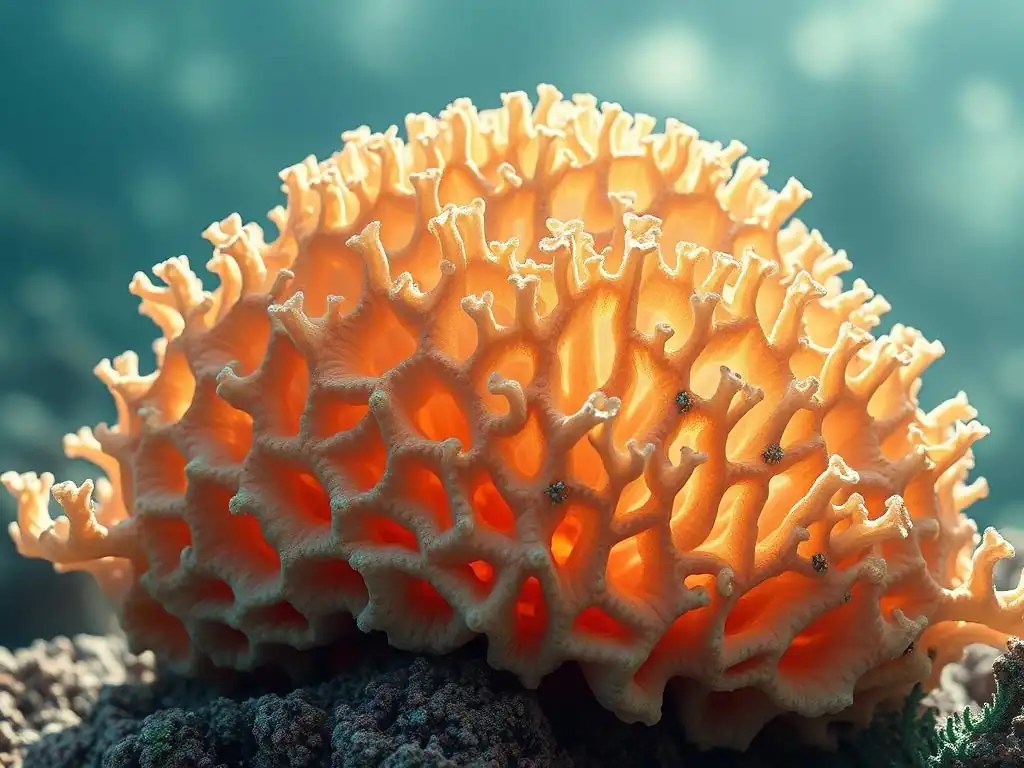
Mounding Favia coral growth patterns are characterized by their robust, hemispherical or dome-shaped appearance. These colonies grow upwards and outwards from a central point, forming solid, often brain-like structures that can become significant focal points in a reef aquarium. Unlike plating forms, mounding Favia prioritizes volume and structural integrity, resulting in a compact, dense colony. Mature mounding Favias can easily reach diameters of 20-30 cm or more, increasing their mass considerably over time.
This specific Favia coral growth pattern is often associated with species that thrive in higher energy environments, where their solid form provides stability against strong currents. The numerous polyps covering the entire surface of the mound maximize exposure to light and food particles, making them highly efficient at nutrient acquisition. Their distinctive shape also provides numerous crevices and folds, offering microhabitats for small invertebrates.
Light Requirements for Optimal Mounding Favia Growth
Mounding Favia corals generally prefer moderate to high PAR levels for optimal growth and coloration, typically ranging from 150 to 300 PAR. Their rounded, three-dimensional shape allows for more even light distribution across the colony compared to flat, plating forms. Placement in the mid to upper sections of the aquarium is often ideal to provide the necessary light intensity.
While they can tolerate higher light levels than some other Favia growth patterns, it's crucial to acclimate them gradually to prevent bleaching. A sudden increase in PAR from, for example, 100 PAR to 250 PAR, can stress the coral. Instead, increase light intensity by approximately 20-30 PAR per week until the desired level is reached. Adequate lighting encourages compact, dense Favia coral growth patterns, preventing the coral from "stretching" or becoming less robust.
Ensuring Adequate Water Circulation for Mounding Favias
Adequate water circulation is vital for mounding Favia coral growth patterns. Due to their dense, convoluted structure, these corals require strong, turbulent, and multi-directional flow to ensure that all polyps receive fresh nutrients and that waste products and detritus are efficiently removed from within their folds and crevices. Dead spots within the colony can quickly lead to tissue necrosis or the accumulation of unsightly algae.
Aim for flow rates that create a gentle "shimmer" across the coral's surface without causing the polyps to remain constantly retracted. Using multiple powerheads positioned to create chaotic, indirect flow patterns is often more effective than a single, high-output pump. This ensures that the entire colony is bathed in moving water, promoting healthy Favia coral growth patterns and preventing localized issues.
Columnar Favia: A Unique Growth Morphology
Recognizing the Upright Columns of Columnar Favias
Columnar Favia coral growth patterns are a less common, yet distinctive, morphology characterized by the formation of upright, finger-like or pillar-like structures that rise from an encrusting base. These columns can be singular or branched, often fusing at their tips to create complex, three-dimensional structures. While some Favia species may inherently exhibit this form, it can also be influenced by environmental factors such as specific light penetration or water flow patterns that encourage vertical growth.
Observing the coral's structure, columnar Favia will show clear upward extension rather than horizontal spread or mounding. The individual columns, typically 5-15 cm in height, offer a unique visual appeal, adding verticality to the aquascape. This Favia coral growth pattern indicates a coral that is reaching for light or optimizing its exposure in a competitive environment.
Providing Support for Columnar Favia Structures
Given their upright structure, providing adequate support for columnar Favia is crucial, especially as they grow taller. These corals should be securely attached to stable rockwork from the outset, ideally with marine epoxy or super glue gel. As the columns develop, they can become top-heavy or susceptible to breakage from strong water flow or accidental bumps during tank maintenance.
Consider placing columnar Favia in areas of the aquascape where they are less likely to be disturbed by fish activity or cleaning tools. If a column grows particularly tall and appears unstable, it might be beneficial to provide additional support by carefully wedging it against another piece of rock or even fragging a portion to reduce its height and encourage new, stable growth from the base.
Maintaining Stability for Columnar Favia in High Flow Environments
While columnar Favia coral growth patterns benefit from good water circulation, maintaining stability in high-flow environments requires careful consideration. Unlike mounding forms that can withstand direct turbulent flow, the upright nature of columnar Favias makes them more prone to physical stress from direct, blasting currents. The ideal flow for these corals is moderate to strong but diffuse, ensuring nutrient delivery without causing constant "rocking" or potential detachment.
Position powerheads to create indirect flow around columnar Favias, allowing the water to gently swirl around the columns rather than directly impinging upon them. This helps to prevent tissue damage and ensures the coral remains firmly anchored to its substrate. Regular inspection of the attachment point is also recommended to ensure it remains secure as the colony grows.
Factors Influencing Favia Coral Growth Patterns
The Role of Lighting in Shaping Favia Colonies
Lighting is a primary determinant of Favia coral growth patterns. The intensity and spectrum of light available to a Favia colony significantly influence its morphology. In areas with high PAR (Photosynthetically Active Radiation), typically above 250-300 PAR, Favia corals tend to exhibit more compact, mounding, or even encrusting growth forms. This is because they can maximize photosynthesis with less surface area, leading to denser skeletal structures.
Conversely, in lower light conditions, below 100-150 PAR, Favia may adopt a plating or more stretched, open Favia coral growth pattern to increase their surface area for light absorption. This photo-adaptation allows the coral to optimize its energy production. Consistent photoperiods, typically 10-12 hours per day, are also vital for stable growth cycles, as erratic lighting can cause stress and inhibit development.
Water Chemistry's Impact on Favia Growth and Skeletal Structure
The precise balance of water chemistry parameters directly influences the calcification process, which forms the Favia coral's skeleton and, consequently, its Favia coral growth patterns. Alkalinity, ideally maintained between 8-10 dKH, is critical as it provides the carbonate ions necessary for skeletal accretion. Calcium, at 400-450 ppm, is the other primary building block. Magnesium, maintained at 1250-1350 ppm, plays a crucial role by preventing calcium carbonate from precipitating prematurely, thus keeping calcium and alkalinity readily available for the coral.
Significant fluctuations or deficiencies in these parameters can lead to stunted, brittle, or irregular Favia coral growth patterns. For instance, prolonged low alkalinity can result in slow growth and a weaker skeleton, making the coral more susceptible to damage. Conversely, overly high alkalinity can lead to precipitation issues and stress. Regular testing and consistent dosing are essential to maintain the stable environment Favia needs to thrive and exhibit its characteristic forms.
The Influence of Water Flow on Favia Morphology
Water flow profoundly impacts Favia coral growth patterns by influencing nutrient delivery, waste removal, and even the physical stress on the colony. In areas with strong, turbulent, and multi-directional flow, Favia tends to develop more compact, mounding, or even columnar forms. This robust Favia coral growth pattern helps the coral withstand the physical forces of the water while ensuring all polyps are adequately supplied with food and oxygen.
Conversely, in areas with gentler or more laminar flow, Favia may adopt plating or encrusting forms, optimizing their surface area for absorption in less turbulent conditions. Insufficient flow, regardless of the Favia coral growth pattern, can lead to detritus accumulation, localized anoxia, and tissue necrosis, particularly in the crevices of mounding or plating colonies. Aquarists often use a combination of powerheads to create diverse flow patterns that cater to the specific needs of their Favia colonies.
Nutrient Levels and Their Effect on Favia Coral Growth
While Favia corals derive most of their energy from their symbiotic zooxanthellae, dissolved nutrients in the water, specifically nitrates and phosphates, also play a role in their overall health and Favia coral growth patterns. Favia, being LPS corals, can tolerate slightly higher nutrient levels than some SPS corals, but extreme levels are detrimental. Optimal ranges are generally considered to be nitrates below 10 ppm and phosphates below 0.05 ppm.
Excessively high nutrient levels can lead to nuisance algae outbreaks, which directly compete with Favia for light and space, often overgrowing and smothering the coral tissue. Conversely, extremely low nutrient levels (often referred to as "ultra-low nutrient systems") can sometimes lead to bleached or pale Favia, as their zooxanthellae may not receive enough essential nutrients to thrive, which can inhibit robust Favia coral growth patterns. A balanced approach, providing a stable, low-to-moderate nutrient environment, is ideal for promoting healthy development.
Optimizing Your Reef Tank for Healthy Favia Growth
Maintaining Stable Alkalinity for Strong Favia Skeletons
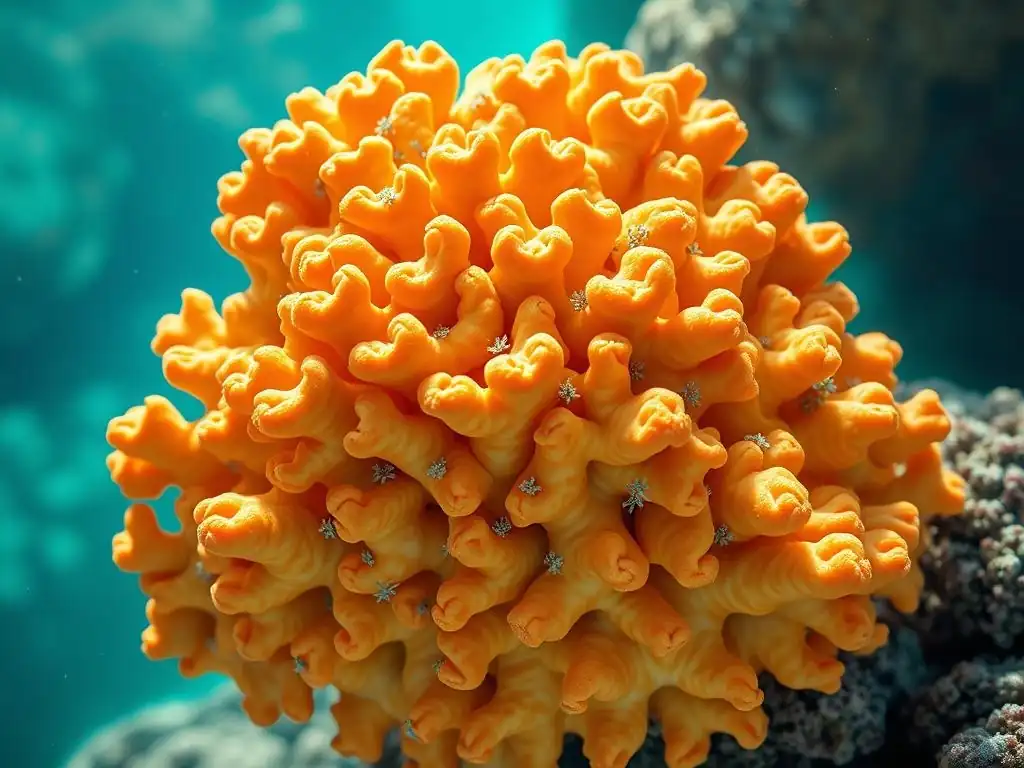
Maintaining stable alkalinity is arguably the most critical parameter for promoting robust Favia coral growth patterns and strong skeletal development. Alkalinity (dKH) provides the carbonate ions necessary for calcification. Wild Favia corals typically experience highly stable alkalinity, and replicating this consistency in a home aquarium is crucial. Aim for a dKH range of 8-10, with minimal daily fluctuations (ideally less than 0.5 dKH).
To achieve this stability, aquarists commonly employ two-part dosing solutions, kalkwasser, or a calcium reactor, depending on the tank's demand. For instance, a 100-gallon heavily stocked Favia tank might consume 1.0-1.5 dKH per day, necessitating automated dosing. Regular testing, at least 2-3 times per week, helps monitor consumption and adjust dosing rates, ensuring a continuous supply of building blocks for strong Favia coral growth patterns.
Providing Essential Trace Elements for Vibrant Favia Colors
Beyond major elements like calcium and alkalinity, Favia corals require a suite of essential trace elements for vibrant coloration, healthy tissue, and proper Favia coral growth patterns. These include strontium, iodine, potassium, iron, and various other micronutrients that are consumed by the coral or removed through protein skimming and carbon filtration. While some trace elements are replenished through regular water changes, larger, growing Favia colonies may deplete them more quickly.
Many reputable coral supplement brands offer trace element solutions specifically formulated for reef aquariums. While precise dosing varies, adding a high-quality trace element mix once or twice a week, or as indicated by the manufacturer's instructions for your tank volume, can significantly enhance Favia's color vibrancy and overall vitality. Overdosing, however, can be detrimental, so it's crucial to follow guidelines and observe the coral's response.
Controlling Pests and Diseases That Affect Favia Growth
Favia coral growth patterns can be severely impacted by various pests and diseases. Common pests include Favia-specific nudibranchs (e.g., Phestilla nudibranchs), various types of flatworms, and parasitic snails. These pests typically feed on the coral tissue, leading to recession, polyps not extending, and ultimately inhibiting the Favia coral growth pattern. Diseases such as brown jelly disease (BJD) or rapid tissue necrosis (RTN) can also decimate a colony quickly.
Implementing a strict quarantine protocol for all new Favia corals is the most effective preventative measure. This involves dipping new corals in an appropriate coral dip solution (e.g., iodine-based or commercially available dips) to remove external pests, followed by a observation period of 2-4 weeks in a separate tank. Regular inspection of established Favia colonies for any signs of tissue damage, unusual coloration, or the presence of pests is vital for early detection and intervention.
Common Issues Affecting Favia Coral Growth Patterns
Identifying and Treating Favia Coral Bleaching
Favia coral bleaching is a common issue where the coral expels its symbiotic zooxanthellae, leading to a loss of color and a pale or stark white appearance. This significantly impacts Favia coral growth patterns, often halting them entirely as the coral loses its primary energy source. Common causes include rapid or extreme changes in water temperature (e.g., swings above 30°C or below 24°C), excessive light intensity (PAR levels too high for acclimation), sudden shifts in alkalinity or salinity, and prolonged exposure to poor water quality.
Treatment involves identifying and rectifying the underlying stressor. If bleaching is due to excessive light, gradually reduce the intensity or move the coral to a lower-light area. For temperature issues, stabilize the tank temperature within the ideal range of 25-27°C. Ensuring stable water parameters, particularly alkalinity, calcium, and magnesium, is also critical. Early intervention offers the best chance for recovery, though heavily bleached Favia may not survive.
Addressing Algae Competition and Overgrowth
Algae competition is a significant threat to all Favia coral growth patterns, especially plating and encrusting forms with large, exposed surfaces. Nuisance algae, such as hair algae, diatoms, or cyanobacteria, can rapidly overgrow Favia tissue, blocking light and potentially suffocating the coral. This issue is primarily driven by elevated nutrient levels (nitrate >10 ppm, phosphate >0.05 ppm) and insufficient water flow.
To address algae competition, focus on comprehensive nutrient export strategies. This includes regular, substantial water changes (e.g., 20% weekly), efficient protein skimming, and the use of phosphate-removing media like granular ferric oxide (GFO). Enhancing water flow directly over the Favia's surface helps physically prevent algae from settling and growing. Introducing a diverse clean-up crew of herbivorous snails (e.g., Astrea, Trochus, Turbo snails) and certain algae-eating fish (e.g., Tangs, if tank size permits) can also significantly mitigate algae problems.
Managing Predation by Nudibranchs and Other Pests
Favia corals, like many LPS, are susceptible to predation by specific pests, most notably Phestilla nudibranchs. These small, often camouflaged, sea slugs feed directly on Favia tissue, leaving behind visible bite marks, tissue recession, or a general failure to thrive. Other potential predators include certain types of flatworms or predatory snails, though Phestilla are particularly concerning for Favia.
Regular, close inspection of your Favia colonies, especially at night when nudibranchs are more active, is crucial for early detection. If pests are identified, manual removal (siphoning them out or removing them with tweezers) is a primary method. For persistent infestations, targeted coral dips (using commercial pest control solutions) can be effective, though they should be used cautiously and with proper ventilation. Quarantine for all new Favia specimens remains the best preventative measure against introducing these destructive pests.
Fragging Favia Corals: Propagating Different Growth Forms
Selecting Healthy Favia Colonies for Fragging
Successful fragging, regardless of the Favia coral growth pattern, begins with selecting a healthy, well-established mother colony. The chosen Favia should exhibit vibrant coloration, full polyp extension, and active growth. Avoid fragging any colony that shows signs of stress, such as tissue recession, bleaching, or disease, as this can further compromise its health and reduce the chances of the frag surviving.
Ensure the mother colony has been stable in your tank for several months, ideally exhibiting noticeable Favia coral growth patterns. A robust, thriving colony will recover more quickly from the fragging process and produce healthier frags. It's also beneficial to allow the coral to fully acclimate to your tank's specific parameters before attempting any fragging.
Techniques for Fragging Encrusting, Plating, and Mounding Favias
Fragging techniques vary depending on the Favia coral growth pattern. For encrusting Favia, use bone cutters or a Dremel tool with a diamond cutting wheel to cut a small section of the encrusting mat, ensuring each frag has at least a few polyps and a piece of the base skeleton. For plating Favia, carefully cut a section of the plate, again using bone cutters or a saw, ensuring a good margin of healthy tissue around the polyps. These frags tend to be more delicate due to their thin structure.
For mounding Favia, which are typically denser, a Dremel or a wet bandsaw is often preferred. Cut individual corallites or sections of the mound, ensuring each frag contains multiple polyps and a solid piece of the skeletal structure. Always wear appropriate personal protective equipment, including eye protection and gloves, as Favia can release a mucus that may irritate skin. After cutting, dip frags in an antiseptic solution if desired, then mount them securely to frag plugs or small pieces of rock using coral glue.
Caring for Favia Frags to Encourage Rapid Growth
After fragging, proper care is essential to encourage rapid Favia coral growth patterns in the new frags. Place newly cut frags in an area of the tank with moderate, indirect water flow and slightly lower light than the mother colony. This reduces stress and allows the frag to heal and attach without being overwhelmed. A PAR level of 80-150 PAR is often a good starting point for new Favia frags.
Maintaining stable water parameters—especially alkalinity (8-10 dKH), calcium (400-450 ppm), and magnesium (1250-1350 ppm)—is even more critical for frags as they expend energy on healing and new growth. Target feeding the frags with a high-quality coral food every few days can also significantly accelerate their recovery and encourage new Favia coral growth patterns. Monitor frags daily for signs of recession, infection, or failure to attach, and adjust conditions as needed.
Choosing the Right Favia for Your Reef Tank: Growth Pattern Considerations
Matching Favia Growth Forms to Your Aquascape Design
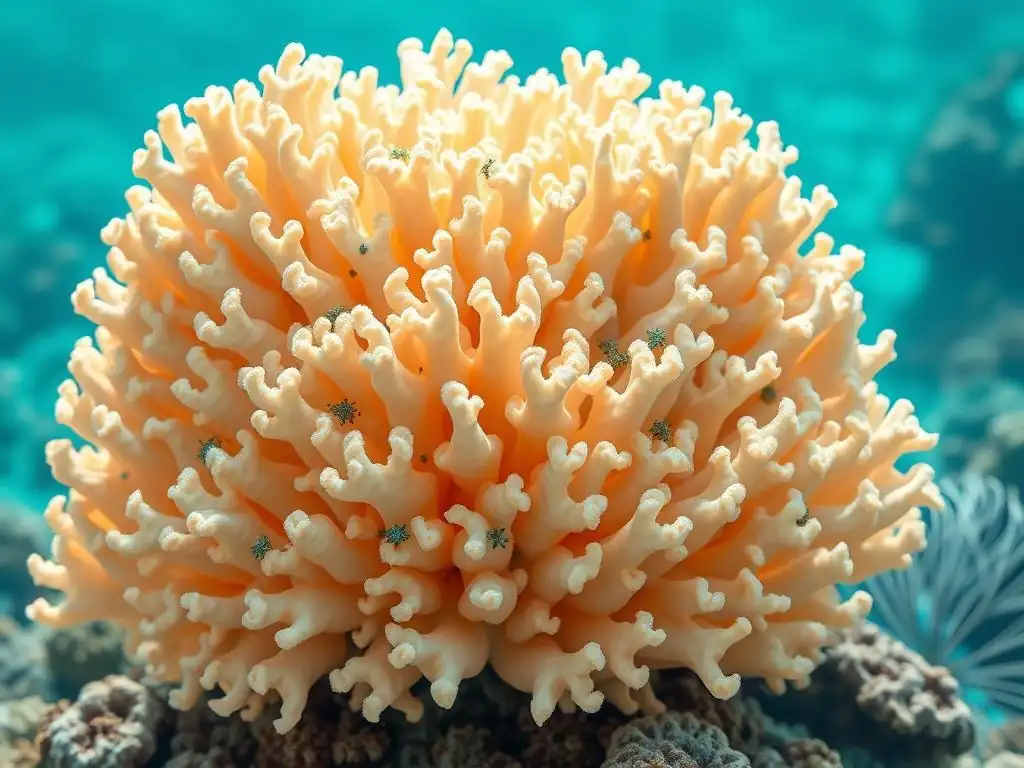
When selecting Favia for your reef tank, considering its potential Favia coral growth pattern is key to a successful and aesthetically pleasing aquascape. Encrusting Favia is excellent for covering bare rockwork, creating a natural, living carpet or bridging gaps between larger rock structures. Plating Favia can create dramatic overhangs or tiered shelves, adding depth and providing shaded areas for other inhabitants. However, they require significant horizontal space.
Mounding Favia serves as robust, foundational elements in the aquascape, offering substantial visual impact and a sense of maturity. Their dense form makes them ideal for central placements. If you encounter columnar Favia, they can provide unique vertical accents. By selecting Favia based on their expected Favia coral growth patterns, you can intentionally design a dynamic and diverse underwater landscape that evolves beautifully over time.
Selecting Favia Species Based on Tank Size and Water Flow
The size of your reef tank and its existing water flow regime should heavily influence your choice of Favia species and their expected Favia coral growth patterns. For smaller nano tanks (e.g., under 30 gallons), encrusting Favia or smaller mounding varieties are generally more suitable, as they will not quickly outgrow the available space. Larger tanks (e.g., 75 gallons and up) can accommodate the expansive nature of plating Favia or the significant volume of mature mounding colonies.
Regarding water flow, if your tank has strong, turbulent flow, mounding Favia will likely thrive, developing a compact, robust Favia coral growth pattern. If your tank has gentler, more laminar flow, plating or encrusting Favia might be a better fit, as they are less stressed by direct powerful currents. Matching the Favia coral's natural preference for flow to your tank's capabilities ensures healthy growth and minimizes stress.
Considering Long-Term Growth Potential When Choosing Favia Corals
A critical, yet often overlooked, aspect of choosing Favia corals is their long-term growth potential. While a small Favia frag might seem insignificant initially, these corals can grow substantially over several years. An encrusting Favia frag, for example, can spread across an area of 15-20 cm in a year, potentially overgrowing adjacent corals if not planned for. A mounding Favia can double its diameter annually in optimal conditions.
Before purchasing, research the typical mature size and Favia coral growth patterns of the specific species or morph you are interested in. Visualize how it will fit into your aquascape in 1-3 years' time. Planning for this future growth helps prevent overcrowding, reduces the need for aggressive fragging, and ensures all your corals have adequate space, light, and flow to thrive for the long term.
Monitoring and Adjusting for Optimal Favia Coral Growth
Regularly Observing Your Favia's Growth Rate and Pattern
Consistent observation is paramount for ensuring optimal Favia coral growth patterns. Make it a routine to inspect your Favia colonies daily for signs of polyp extension, tissue health, and color vibrancy. Beyond daily checks, conduct a more detailed assessment weekly or bi-weekly. Look for new corallites forming, expansion of the colony's edge, or an increase in overall mass. Taking periodic photographs (e.g., monthly) from a consistent angle can provide an invaluable visual record of growth rate and any subtle changes in the Favia coral growth pattern.
Any changes in the Favia coral growth pattern, such as tissue recession, bleaching, or a sudden halt in growth, serve as crucial indicators that something in the environment may need adjustment. For instance, if an encrusting Favia starts to "cup" or turn pale, it might be receiving too much light, while a mounding Favia that appears to be stretching might need more intensity.
Adjusting Lighting and Flow Based on Growth Responses
Your Favia coral's growth responses are the best indicators for fine-tuning lighting and water flow. If a Favia coral, regardless of its growth form, appears pale or is stretching (elongating its polyps or skeleton in an attempt to reach more light), it likely needs increased PAR. Make incremental adjustments to light intensity or move the coral higher in the tank, increasing PAR by no more than 20-30 PAR per week to avoid shocking the coral.
Conversely, if a Favia is bleaching, showing signs of stress (e.g., polyps constantly retracted, tissue looking "tight" or shrunken), or exhibiting overly rapid calcification that makes it brittle, it might be receiving too much light. Gradually reduce PAR or move it to a more shaded area. For water flow, if detritus is accumulating on the coral, increase flow. If polyps are constantly retracted or the tissue appears stressed from direct impingement, adjust powerhead positions to provide more indirect or turbulent flow.
Maintaining Detailed Records of Your Favia's Health and Growth
To truly optimize Favia coral growth patterns and troubleshoot issues effectively, maintaining detailed records is highly beneficial. Log key water parameters (alkalinity, calcium, magnesium, nitrate, phosphate) on a regular basis, noting any dosing adjustments. Record the date of purchase for each Favia, its initial size, and its placement in the tank.
Additionally, make notes on observations of your Favia's health, such as "Favia 'Dragon Soul' fully extended, good color," or "Favia 'Brainstorm' showing slight recession on lower edge." If you make changes to lighting, flow, or feeding, document the date and the specific adjustment. These records provide a comprehensive history that can help identify correlations between environmental factors and Favia coral growth patterns, allowing for more precise and effective husbandry decisions in the long run.
Conclusion: Embracing the Diversity of Favia Coral Growth
Favia corals offer an incredible spectrum of Favia coral growth patterns, from the foundational encrusting plates to the majestic mounding structures, each contributing unique aesthetic and ecological benefits to a reef aquarium. Understanding these diverse growth habits—be it encrusting, plating, mounding, or columnar—is not merely academic; it is fundamental to successful long-term Favia husbandry.
By appreciating how lighting, water flow, and chemistry sculpt these fascinating forms, aquarists can tailor their tank environments to foster robust health and vibrant Favia coral growth patterns. Embracing this morphological diversity allows for more informed aquascaping decisions, ensuring each Favia thrives and contributes to a dynamic, thriving reef ecosystem for years to come.
Frequently Asked Questions
How does the growth pattern of Favia corals typically vary?
Favia corals exhibit a range of growth patterns, from encrusting plates that spread across the rock to mounding colonies that form rounded shapes. The specific growth pattern can be influenced by environmental factors like light and water flow.
What are the primary factors influencing Favia coral growth rate?
The main factors impacting Favia growth rate include water quality, specifically salinity and nutrient levels, and light intensity. Adequate calcium and alkalinity are also crucial for skeletal development.
What kind of lighting is optimal for healthy Favia coral growth?
Favia corals generally thrive under moderate lighting. While some species can tolerate higher intensity, avoiding excessively strong light is important to prevent bleaching.
How can I encourage faster growth in my Favia coral?
To promote faster growth, ensure stable water parameters, maintain proper alkalinity and calcium levels, and provide sufficient moderate lighting. Regular water changes also help.
What common issues can hinder Favia coral growth, and how can I address them?
Common issues include poor water quality, pest infestations, and inadequate lighting. Addressing these through regular testing, treatment, and adjustments can help restore healthy growth.
Final Reflection: Unveiling the Secrets of Favia's Resilience
The intricate journey through Favia coral growth patterns reveals more than just biological diversity; it highlights the remarkable adaptability of life in the face of ever-changing environmental pressures. Understanding these growth forms, from the delicate encrusting plates to the robust mounding colonies, is crucial not only for marine biologists but for anyone concerned with the health and future of our coral reefs.
The study of Favia's growth patterns has profoundly influenced our understanding of coral reef ecosystems and their vulnerability. Witnessing the resilience and adaptability of these corals firsthand inspires a deeper appreciation for the interconnectedness of life and the urgent need for conservation. In the end, we will conserve only what we love; we will love only what we understand; and we will understand only what we are taught.
- Baba Dioum. This quote resonates deeply as we strive to educate and inspire others to protect these vital ecosystems.
Now, consider the lessons learned from Favia's diverse growth strategies. How can we apply this understanding of adaptability and resilience to our own lives and communities? Let us all strive to become more like the Favia coral: adaptable, resilient, and committed to thriving, even in the face of adversity. Let's work together to ensure a vibrant future for our coral reefs and for generations to come.
Ignite Your Reef Tank: Cultivate Extraordinary Favia Colonies!
Thank you for diving deep into the fascinating world of Favia growth patterns! We hope this article has shed light on how you can better understand and appreciate these captivating corals. Now, let’s turn that knowledge into action!
Here are a few ways you can further explore the potential of your reef aquarium:
- Prioritize stable water parameters: Implement a consistent testing and maintenance schedule to mimic the natural environment Favia thrive in. This will directly impact their growth and coloration.
- Share your Favia success (or learning experiences!) with the Aquarium Mastery community. Let's all learn from each other.
- Consider fragging a small piece of your established Favia to propagate and share with a fellow reef enthusiast. Spread the beauty!
What unique strategies are you using to promote vibrant growth and coloration in your Favia corals? Share your insights in the comments below!