
Upgrading Your SPS Lighting System: Key Considerations for Maximum Impact and Value

Welcome to Aquarium Mastery!
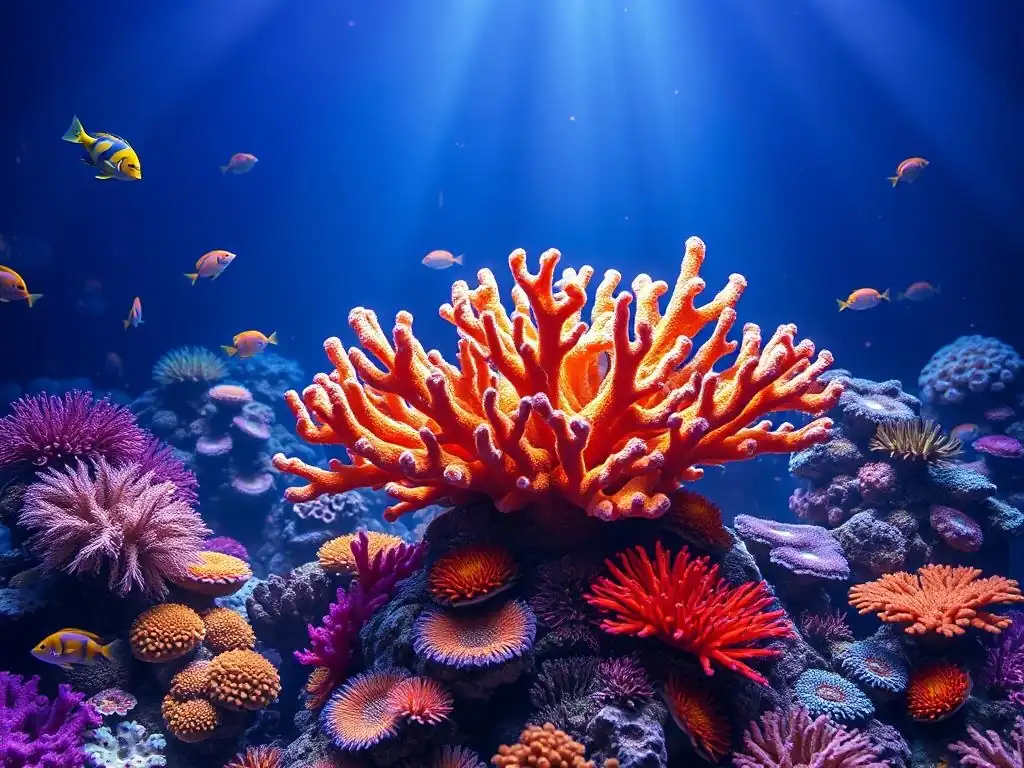
Ever wondered if your SPS corals are truly thriving under your current lights? Are you ready to unlock their full vibrant potential? Dive in and discover our expert guide on SPS coral lighting upgrades. We'll explore key considerations to help you choose the perfect system for maximum impact and value, leaving you with corals that pop and a tank that's the envy of every aquarist. Let's illuminate the secrets to SPS success!
- Understanding the Importance of Lighting for SPS Coral Growth
- Assessing Your Current SPS Lighting Setup
- Key Considerations Before Your SPS Lighting Upgrade
- Types of SPS Coral Lighting Systems: A Comparison
- Selecting the Right SPS Lighting System: A Step-by-Step Guide
- Implementing Your SPS Lighting Upgrade
- Troubleshooting Common SPS Lighting Issues
- Maximizing Value and Impact: Optimizing Your SPS Lighting Investment
-
Frequently Asked Questions
- What is SPS coral and why is proper lighting so important?
- When should I consider upgrading my SPS coral lighting?
- What type of lighting is best for SPS coral, and what are the pros and cons of each?
- How do I determine the appropriate light intensity and spectrum for my SPS coral?
- What are the key considerations when budgeting for an SPS coral lighting upgrade?
- Final Reflection: Illuminating the Future of Reef Keeping
- Ignite Your Reef: Start Shining Today!
Understanding the Importance of Lighting for SPS Coral Growth
The Role of Light Spectrum in SPS Coral Health
Light spectrum, essentially the color of light, plays a pivotal role in the health and coloration of Small Polyp Stony (SPS) corals. Corals rely on symbiotic algae called zooxanthellae within their tissues to perform photosynthesis, converting light energy into food. These zooxanthellae primarily utilize blue light, specifically wavelengths between 450-470 nanometers, for their photosynthetic processes. However, a balanced spectrum including violet (395-405nm), royal blue (450-470nm), and even small amounts of green and red light, contributes to the production of various fluorescent and non-fluorescent pigments within the coral itself, leading to the vibrant colors aquarists desire.
An incomplete or unbalanced light spectrum can lead to various issues, even if the overall intensity (PAR) is sufficient. For instance, a lack of sufficient blue and violet wavelengths can result in corals appearing dull or brown (known as "browning out"), as they may not be producing their full array of protective and aesthetic pigments.
Conversely, an overabundance of certain wavelengths without proper balance can also stress corals. A well-rounded spectrum ensures that both the zooxanthellae and the coral host receive the necessary light energy for optimal health, growth, and stunning coloration, making spectrum a primary consideration for any SPS coral lighting upgrades.
PAR (Photosynthetically Active Radiation) and SPS Requirements
PAR, or Photosynthetically Active Radiation, measures the amount of light within the visible spectrum (400-700 nanometers) that is available for photosynthesis. For SPS corals, PAR is a critical metric, as these corals are typically found in shallow, brightly lit reef environments. Insufficient PAR levels will lead to slow growth, pale coloration, and potentially even tissue recession, as the zooxanthellae cannot produce enough energy to sustain the coral. Most demanding SPS species thrive in PAR ranges of 250-450 µmol·m⁻²·s⁻¹ at the coral's surface, though some highly light-demanding Acropora species may benefit from slightly higher levels up to 500 PAR.
Conversely, excessive PAR can be equally detrimental, leading to light shock or bleaching, where the coral expels its zooxanthellae, turning white and becoming highly vulnerable. Therefore, accurately measuring PAR levels with a dedicated PAR meter is essential for setting up and fine-tuning an SPS aquarium. Understanding the specific PAR needs of your coral species and ensuring even distribution throughout the tank is crucial for their long-term health and growth, underscoring the importance of precise control when considering SPS coral lighting upgrades.
Why Upgrade Your SPS Lighting System? Benefits Explained
Upgrading your SPS lighting system offers a multitude of benefits that extend beyond simply providing more light. Modern SPS coral lighting upgrades, particularly those incorporating advanced LED technology, can significantly enhance coral growth rates, with many aquarists reporting observed growth increases of 20-30% or more due to optimized spectrum and intensity. Furthermore, these upgrades unlock the full potential for vibrant coloration, as precise control over spectral output allows corals to develop and display their most striking pigments.
Beyond coral health and aesthetics, an SPS lighting upgrade can lead to substantial operational improvements and cost savings. Newer LED fixtures, for example, are remarkably energy-efficient, often consuming 30-50% less electricity than older metal halide or T5 systems while delivering comparable or superior PAR. This translates into lower monthly utility bills and a reduced carbon footprint. Additionally, modern systems offer unparalleled programmability, allowing for custom light cycles, weather simulations, and gradual acclimation protocols, which reduce stress on corals and simplify maintenance, making the investment highly worthwhile for dedicated aquarists.
Assessing Your Current SPS Lighting Setup
Identifying the Limitations of Your Existing Lights
Before embarking on SPS coral lighting upgrades, it's crucial to identify the specific limitations of your current setup. Common indicators of inadequate lighting include slow or stunted coral growth, a lack of vibrant coloration (e.g., corals appearing brown or washed out), and even tissue recession in demanding SPS species. Older lighting technologies, such as aging T5 fluorescent bulbs or metal halide lamps, can experience significant degradation in spectral output and intensity over time, often losing 20-30% of their effectiveness after 6-12 months of use, necessitating frequent and costly bulb replacements.
Furthermore, existing lights might suffer from poor light spread, creating "hot spots" directly under the fixture and shadowed areas at the tank's edges, preventing uniform coral growth. High energy consumption and excessive heat generation, particularly with metal halides, are also significant limitations, often requiring additional equipment like chillers, which further increase operational costs. Recognizing these shortcomings is the first step toward a successful SPS lighting upgrade that addresses the specific needs of your reef.
Measuring PAR Levels in Your SPS Aquarium: PAR Meters and Dataloggers
Accurately measuring PAR levels is indispensable for assessing your current lighting setup and planning an effective SPS coral lighting upgrade. A dedicated PAR meter allows you to take precise readings at various depths and locations within your aquarium, creating a "PAR map" of your tank. For example, you might find PAR levels of 350 µmol·m⁻²·s⁻¹ directly under the light, but only 100-150 µmol·m⁻²·s⁻¹ at the tank's edges or in lower sections, indicating uneven coverage or insufficient overall intensity for demanding SPS.
Dataloggers, often integrated into more advanced PAR meters or standalone devices, provide the ability to continuously monitor and record PAR levels throughout the day. This data can reveal fluctuations in light intensity, identify periods of low light, or confirm the consistency of your light cycle. By understanding the true light environment your corals are experiencing, you can make informed decisions about the necessary intensity, spread, and spectral adjustments required for your SPS coral lighting upgrade, ensuring optimal conditions for your reef inhabitants.
Evaluating Coral Coloration and Growth: Signs of Inadequate Lighting
Observing your corals' coloration and growth patterns provides direct visual cues about the adequacy of your lighting. Inadequate lighting for SPS corals often manifests as slow or stunted growth; for instance, an Acropora that typically grows 1-2 centimeters per month might only exhibit minimal growth of 0.5 centimeters or less.
Corals may also appear pale, washed out, or uniformly brown (rather than their expected vibrant hues) due to a lack of proper light energy to fuel their symbiotic algae and pigment production. Some corals might even "stretch" or exhibit an etiolated growth form, reaching upwards in an attempt to get closer to the light source.
Conversely, signs of too much light can include rapid tissue necrosis (RTN) or slow tissue necrosis (STN), stark white patches, or corals retracting their polyps and appearing stressed. By carefully documenting these visual indicators, alongside PAR measurements, you gain a comprehensive understanding of your corals' response to the current light levels. These observations are invaluable for determining the precise adjustments needed during an SPS coral lighting upgrade to foster healthy growth and dazzling coloration.
Key Considerations Before Your SPS Lighting Upgrade
Determining the Specific Lighting Needs of Your SPS Corals: Acropora, Montipora, Stylophora
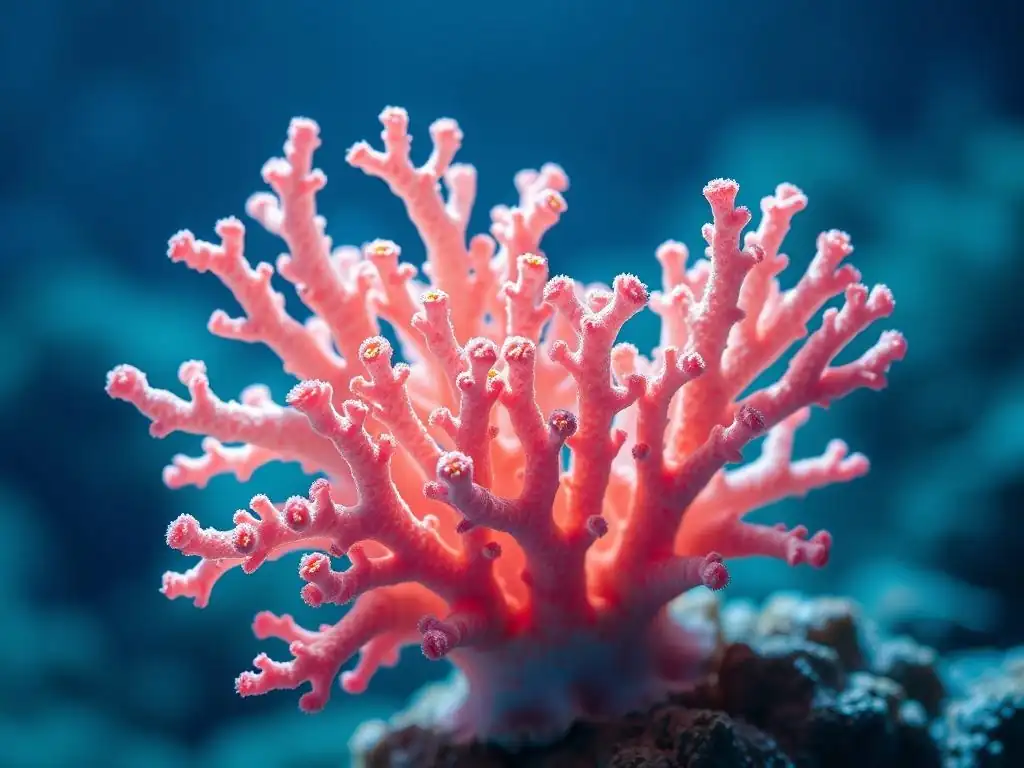
Before investing in SPS coral lighting upgrades, it's crucial to understand that while all SPS corals are light-demanding, their specific needs can vary. Acropora species, for instance, are generally the most light-intensive, often thriving in PAR levels ranging from 300 to 450 µmol·m⁻²·s⁻¹, and sometimes higher for specific shallow-water varieties. Montipora and Stylophora, while still requiring strong illumination, can often flourish in slightly lower PAR ranges, typically between 250 and 350 µmol·m⁻²·s⁻¹.
Consider the specific species you plan to keep or already have. Research their natural habitats – shallow-water "table" Acropora will demand more intense light than a branching Montipora found in slightly deeper or more shaded areas of a reef. A successful SPS lighting upgrade allows for the flexibility to provide these nuanced PAR levels and spectral blends across different areas of your tank, ensuring each coral receives its optimal amount of energy for growth and coloration.
Tank Size and Shape: Choosing the Right Light Coverage
The dimensions of your aquarium are paramount when selecting an SPS coral lighting upgrade. The length, width, and height of your tank will dictate the number of fixtures required and their optimal placement to ensure even light spread and minimize shadowing. For example, a 48-inch long tank might require two 24-inch LED fixtures or a single longer unit to achieve uniform coverage. A wider tank (e.g., 24 inches or more front-to-back) often benefits from multiple smaller fixtures or a wider single unit to prevent dark spots at the edges.
For deeper tanks, typically those over 24 inches in height, light penetration becomes a significant factor. More powerful fixtures or multiple units with focused optics may be necessary to deliver adequate PAR to corals placed lower in the water column. Conversely, in shallower tanks, the risk of "hot spots" and light burn increases, necessitating fixtures with wider spread angles or the ability to be mounted higher. A well-planned SPS coral lighting upgrade considers these spatial dynamics to provide consistent and appropriate light levels throughout the entire reef.
Budgeting for Your SPS Lighting Upgrade: Initial Costs vs. Long-Term Value
Budgeting for an SPS coral lighting upgrade involves more than just the initial purchase price. High-quality LED fixtures suitable for demanding SPS corals can range significantly, from approximately $400 for a single unit covering a smaller area to over $1500 per fixture for top-tier models designed for larger tanks. While the initial investment might seem substantial, it's crucial to consider the long-term value proposition.
Modern LED systems offer considerable savings over their lifespan compared to traditional lighting. They boast exceptional energy efficiency, potentially reducing your electricity bill by $50-$100 or more annually when switching from less efficient technologies. Furthermore, the longevity of LED diodes (often rated for 50,000+ hours, equating to many years of use) eliminates the recurring cost of bulb replacements, which can add up to $100-$300 annually for metal halides or T5s. When factoring in enhanced coral health, faster growth, and reduced operational expenses, a high-quality SPS lighting upgrade often proves to be a wise and cost-effective investment over time.
Types of SPS Coral Lighting Systems: A Comparison
Metal Halide Lighting for SPS: Pros, Cons, and Considerations
Metal halide (MH) lighting has historically been a cornerstone for SPS aquariums, renowned for its exceptional light penetration and a natural "shimmer" effect. Pros include a proven track record for robust SPS growth and a very natural appearance. However, the cons are significant: MH fixtures produce substantial heat, often requiring dedicated chillers to maintain stable water temperatures, which adds to energy consumption. They are also relatively inefficient, drawing considerable power, and their bulbs require frequent replacement—typically every 6-12 months at a cost of $50-$100 per bulb—as their spectral output degrades over time.
For an SPS coral lighting upgrade considering metal halides, careful planning for heat dissipation and ventilation is essential. While less common for new setups due to their operational costs and advancements in other technologies, some veteran aquarists still prefer the raw power and unique light quality of MH for specific, highly demanding SPS species. Their broad, single-point source light can penetrate deep into the water column, making them suitable for very tall tanks.
T5 Fluorescent Lighting for SPS: Efficiency and Spectrum Control
T5 fluorescent lighting systems offer a compelling balance of efficiency, spectral control, and relatively even light spread, making them a popular choice for SPS coral lighting upgrades. Pros include good energy efficiency compared to metal halides, excellent control over the light spectrum through the selection of various color-specific bulbs (e.g., ATI Blue Plus for deep blue, Coral Plus for a balanced spectrum), and a more diffuse light spread that minimizes shadowing. They also produce less heat than metal halides, reducing the need for extensive cooling.
However, T5s do have their drawbacks. Bulbs still require annual replacement, typically costing $15-$30 per bulb, as their output degrades. While efficient, they are not as energy-efficient or long-lasting as modern LEDs. A typical 4-bulb 48-inch T5 fixture might draw around 216 watts, providing excellent coverage for a 75-gallon tank. Despite these points, T5s remain a strong contender, especially when combined with LEDs in a hybrid system, for aquarists prioritizing broad, even coverage and precise spectral tuning for their SPS corals.
LED Lighting for SPS: The Modern Choice - Efficiency, Controllability, and Longevity
LED lighting has become the dominant choice for SPS coral lighting upgrades due to its remarkable efficiency, unparalleled controllability, and exceptional longevity. Pros include significant energy savings, often reducing power consumption by up to 70% compared to metal halides for comparable PAR output. LEDs offer precise control over spectrum and intensity, allowing aquarists to fine-tune light conditions for optimal coral health and coloration. Their long lifespan (50,000+ hours, equating to many years of use) virtually eliminates bulb replacement costs.
Despite a higher initial cost, LEDs provide immense flexibility. Modern fixtures like the EcoTech Radion G6 series, Kessil AP9X, or AI Prime 16HD offer sophisticated programming features, including custom light cycles, dawn-to-dusk simulations, and acclimation modes. While some early LED fixtures struggled with light spread, newer designs incorporate advanced optics and multiple clusters to ensure more uniform PAR distribution. The ability to precisely dial in the light environment makes LEDs an ideal SPS lighting upgrade for serious reef keepers.
Understanding LED Spectrum Blends for Optimal SPS Growth and Coloration
For optimal SPS growth and coloration, understanding LED spectrum blends is crucial for any SPS coral lighting upgrade. While a strong emphasis is placed on blue light (royal blue 450-470nm, deep blue 400-420nm) for zooxanthellae photosynthesis and coral fluorescence, a truly effective spectrum for SPS includes a broader range. Violet (395-405nm) contributes to the vibrant "pop" of certain coral pigments, while a small inclusion of cool white, green, and even red diodes can complete the spectrum, promoting overall coral health and a more natural appearance.
Different LED manufacturers employ various diode types (e.g., Cree, Osram, or proprietary blends) and arrangements to achieve their desired spectral output. The key is a balanced blend that supports both the photosynthetic needs of the zooxanthellae and the production of the coral's own chromoproteins, which are responsible for its striking colors. A well-designed SPS coral lighting upgrade will provide a full-spectrum light that can be tuned to enhance both biological function and visual appeal.
The Advantages of Programmable LED Fixtures for SPS Aquariums
The programmability of modern LED fixtures offers significant advantages for SPS aquarists. These advanced features allow for the creation of custom light cycles that mimic natural reef environments, including gradual dawn-to-dusk ramp-ups and ramp-downs, which reduce stress on corals compared to abrupt on/off cycles. Many fixtures also offer cloud cover simulations, lunar cycles, and even lightning storm effects, adding to the realism of the tank.
Crucially, programmable LED fixtures simplify the acclimation process for new corals or when performing an SPS coral lighting upgrade. Aquarists can start with very low intensity (e.g., 30-50% of target PAR) and slowly increase it over several weeks (e.g., 5-10% per week), preventing light shock and promoting smoother adaptation. This precise control over intensity and spectrum throughout the day empowers aquarists to fine-tune their lighting to the exact needs of their demanding SPS colonies, ensuring optimal growth and health.
Hybrid Lighting Systems: Combining Technologies for Enhanced Performance
Hybrid lighting systems, typically combining LEDs with T5 fluorescent bulbs, represent a "best of both worlds" approach that many advanced SPS aquarists consider the ultimate SPS coral lighting upgrade. These systems leverage the strengths of both technologies: the T5s provide broad, even light spread and a proven, consistent spectrum, effectively filling in any "hot spots" or shadowed areas that might occur with standalone LED pucks. The LEDs, in turn, offer superior energy efficiency, precise spectral control, stunning shimmer, and advanced programmability.
By combining the diffuse light of T5s with the focused intensity and color pop of LEDs, hybrid systems often deliver unparalleled growth rates and vibrant coloration for even the most demanding SPS corals. For instance, a 6-bulb T5 fixture combined with two high-end LED units can provide exceptional coverage and intensity for a large SPS-dominated tank. This synergistic approach addresses the shortcomings of standalone systems, offering a robust and highly customizable lighting solution that maximizes the potential of an SPS lighting upgrade.
Selecting the Right SPS Lighting System: A Step-by-Step Guide
Researching Different Brands and Models: AI Prime 16HD, Radion G6, Kessil AP9X
Thorough research is a critical first step when selecting an SPS coral lighting upgrade. Begin by exploring reputable brands and their specific models known for SPS success. Popular choices include the EcoTech Radion G6 series, celebrated for its broad spectrum, high PAR output, and advanced control features, making it a top contender for large, demanding SPS setups.
The Kessil AP9X is known for its dense matrix LED array, producing a stunning shimmer effect and excellent light penetration, often favored by those prioritizing aesthetics. For smaller tanks or as supplemental lighting, the AquaIllumination (AI) Prime 16HD offers impressive power and programmability in a compact form factor.
When researching, pay close attention to specifications such as wattage, PAR output maps (often provided by manufacturers or found in independent reviews), spectral charts, and the extent of their control features (e.g., app control, custom programming). Also, investigate the manufacturer's reputation for customer support, warranty policies (typically ranging from 1 to 5 years), and ongoing firmware updates, as these factors contribute to the long-term value and reliability of your SPS lighting upgrade.
Reading Reviews and Seeking Recommendations from Experienced SPS Keepers
Once you've narrowed down your choices for an SPS coral lighting upgrade, delve into real-world user reviews and seek recommendations from experienced SPS keepers. Online forums like Reef2Reef, dedicated social media groups, and YouTube channels often feature detailed reviews, long-term performance reports, and discussions about various lighting systems. Look for consistent feedback regarding coral growth, coloration, fixture reliability, and the ease of use of their control interfaces.
Directly engaging with experienced SPS keepers can provide invaluable insights. They can share their personal experiences, highlighting the pros and cons of different systems in various tank setups, and even offer advice on optimal settings for specific coral species. Their practical knowledge, often gained through years of trial and error, can help you avoid common pitfalls and make a more informed decision for your SPS lighting upgrade, ensuring it aligns with your specific goals and tank environment.
Considering Light Spread and Intensity: Avoiding Hot Spots and Shadows
When selecting an SPS coral lighting upgrade, understanding light spread and intensity is paramount to ensure uniform growth and prevent issues like hot spots and shadows. While high PAR is essential for SPS, it must be evenly distributed across the entire reef. Fixtures with wide optics or those designed with multiple LED clusters tend to provide better spread than single-point sources, minimizing areas of excessively high PAR directly under the light (hot spots) that can bleach corals, and areas of insufficient PAR (shadows) where corals will struggle to thrive.
For larger tanks, multiple smaller fixtures or a longer light bar might be necessary to achieve consistent PAR levels from front to back and side to side. Consider the fixture's mounting height; higher mounting generally provides a wider, more diffuse spread but reduces overall intensity, while lower mounting increases intensity but narrows the spread. A well-planned SPS coral lighting upgrade balances these factors to create a consistent and appropriate light environment for all your corals.
Matching the Color Temperature (Kelvin) to Your SPS Corals' Needs
Matching the color temperature (measured in Kelvin) to your SPS corals' needs involves balancing biological requirements with aesthetic preferences. While SPS corals primarily utilize blue wavelengths for photosynthesis, a common "reef white" spectrum for visual appeal typically ranges from 10,000K to 20,000K. Higher Kelvin values (more blue) tend to enhance coral fluorescence and mimic deeper water conditions, often making corals "pop" with vibrant colors, but may appear less natural to some observers.
Conversely, lower Kelvin values (more white/yellow) can promote faster growth but might not bring out the full spectrum of coral coloration. The best SPS coral lighting upgrade will offer channels that allow you to fine-tune the color temperature. Many aquarists opt for a predominantly blue spectrum with enough white/violet/green to provide a pleasing visual balance and ensure all necessary wavelengths are present for both zooxanthellae health and the coral's own pigment production.
Implementing Your SPS Lighting Upgrade
Acclimation: Gradually Introducing New Lighting to Avoid Shock
Implementing your SPS coral lighting upgrade requires a crucial step: acclimation. A sudden increase in light intensity or a significant change in spectrum can severely stress corals, leading to bleaching, tissue recession, or even death. It is imperative to gradually introduce the new lighting. A common recommendation is to start the new system at a significantly reduced intensity, often 30-50% of your target PAR level, and slowly increase it over several weeks. For example, you might increase the intensity by 5-10% each week, meticulously observing your corals for any signs of stress.
Programmable LED fixtures are exceptionally well-suited for this process, allowing precise control over the ramp-up schedule. This gradual acclimation period allows the coral's symbiotic zooxanthellae to adjust to the new light conditions, preventing light shock and promoting a smoother, safer transition. Skipping this step is one of the most common mistakes made after an SPS lighting upgrade and can have devastating consequences for your reef.
Monitoring Coral Response: Observing Color Changes and Growth Patterns
After initiating your SPS coral lighting upgrade, continuous monitoring of your corals' response is essential for fine-tuning and ensuring success. Observe your corals daily for any signs of stress, such as retracted polyps, paling or bleaching (turning white), or tissue recession. These are indicators that the light might be too intense or the acclimation process too rapid. Conversely, look for positive signs: enhanced polyp extension within a few days, vibrant and rich coloration, and the appearance of new growth tips, typically within 2-4 weeks.
Pay close attention to specific species; some corals are more sensitive to light changes than others. Documenting changes with photos can be helpful for tracking progress over time. If negative signs appear, immediately reduce light intensity by 10-20% and maintain that level for several days before attempting further increases. This diligent observation and responsive adjustment are key to unlocking the full potential of your SPS lighting upgrade.
Adjusting Light Intensity and Spectrum: Fine-Tuning for Optimal Results
Initial settings after an SPS coral lighting upgrade are merely a starting point; fine-tuning is an ongoing process for optimal results. Use your PAR meter to confirm that desired PAR levels are being achieved at various coral placements throughout the tank. Remember that different SPS species may thrive at slightly different PAR ranges. Beyond intensity, adjust individual color channels on LED fixtures to fine-tune the spectrum. For instance, you might increase blue and violet channels to enhance fluorescence, or slightly increase white channels for a brighter, more natural look.
This process is iterative. Make small, incremental changes (e.g., 5% intensity adjustments, or minor color shifts) and observe the coral response over several days before making further modifications. The goal is to find the perfect balance that promotes robust growth, vibrant coloration, and overall coral health. A successful SPS lighting upgrade empowers you with this level of precise control, allowing you to tailor the light environment to your unique reef.
Maintaining Your New SPS Lighting System: Cleaning Lenses and Checking for LED Degradation
Proper maintenance is crucial to ensure the long-term performance and value of your SPS coral lighting upgrade. Regularly clean the light lenses or protective shields, ideally monthly, to prevent the buildup of salt creep, dust, and algae. These accumulations can significantly block light transmission, reducing the effective PAR reaching your corals by as much as 10-20% over time. Use a soft cloth and RO/DI water or a mild glass cleaner specifically designed for aquarium use.
While LEDs boast exceptional longevity, some degree of light degradation can occur over many years, particularly with less expensive diodes. Periodically re-measuring PAR levels (e.g., annually) can help detect any significant drops in output that might necessitate adjustments to your settings or, eventually, a future SPS lighting upgrade. Ensuring proper ventilation for your fixtures also helps prolong their lifespan by preventing overheating of the diodes and internal components.
Troubleshooting Common SPS Lighting Issues
Addressing Algae Blooms After Upgrading Lighting
A common issue after an SPS coral lighting upgrade is the onset of algae blooms, particularly diatoms or dinoflagellates. This often occurs because the sudden increase in light energy, if not properly acclimated, provides a massive boost to any available nutrients in the water column, fueling rapid algae growth. It's a sign that the light intensity might have been increased too quickly or that underlying nutrient levels (nitrates and phosphates) are elevated.
To address this, first, assess your acclimation schedule and consider reducing light intensity temporarily. Simultaneously, focus on nutrient export: perform several large water changes (e.g., 20-30% weekly), ensure your protein skimmer is operating efficiently, and consider adding or increasing the use of GFO (granular ferric oxide) for phosphate removal or carbon dosing for nitrate reduction. Introducing more herbivorous snails and fish can also help manage the algae. A careful and gradual acclimation process during your SPS coral lighting upgrade is the primary preventative measure.
Identifying and Resolving Coral Bleaching Due to Overexposure
Coral bleaching, where corals turn stark white due to expelling their symbiotic zooxanthellae, is a severe sign of stress, most commonly caused by excessive PAR or too rapid an increase in light intensity after an SPS coral lighting upgrade. Identify bleaching by the loss of color, often starting at the tips or exposed areas, leaving the coral skeleton visible through transparent tissue.
Immediate action is required to resolve bleaching. Reduce the light intensity of your system significantly (e.g., by 20-30%) or move the affected corals to a lower-light area of the tank. Providing temporary shade for severely bleached corals can also help. Ensure all other water parameters (temperature, salinity, alkalinity, calcium, magnesium) are stable and within optimal ranges, as unstable parameters can exacerbate light stress. Gradual acclimation is the best defense against this critical issue when performing an SPS lighting upgrade.
Dealing with Light Burn: Protecting Sensitive SPS Corals
Light burn is distinct from bleaching and typically appears as localized white or necrotic patches on specific parts of the coral, often at the tips, bases of frag plugs, or areas directly exposed to a concentrated beam of light. This occurs when a particular area of the coral receives excessively high PAR, damaging the tissue directly. It's a common concern with powerful LED fixtures that can create "hot spots" if not properly diffused or positioned.
To deal with light burn, first, identify the source of the intense light. You may need to reposition the affected coral to a lower-light area, adjust the light fixture's height to spread the light more broadly, or slightly reduce the overall intensity of your SPS coral lighting upgrade. If using a multi-channel LED, you might be able to reduce the intensity of specific channels that are contributing most to the focused intensity. Pruning the affected area of the coral can sometimes help it recover if the burn is not too severe.
Maximizing Value and Impact: Optimizing Your SPS Lighting Investment
Combining Lighting with Proper Water Chemistry for Enhanced Growth
To truly maximize the value and impact of your SPS coral lighting upgrade, it's crucial to understand that lighting is only one piece of the puzzle. Optimal water chemistry works synergistically with high-quality lighting to drive enhanced growth and vibrant coloration. Consistent and stable levels of alkalinity (7-9 dKH), calcium (400-450 ppm), and magnesium (1300-1400 ppm) are absolutely essential for SPS corals to lay down their calcium carbonate skeletons. Without these building blocks, even the most advanced lighting system cannot facilitate robust growth.
Regular water testing and consistent dosing (whether manual, automated, or via a calcium reactor) are paramount. For instance, a tank with 300 PAR and optimal chemistry will see significantly better growth than one with 400 PAR and fluctuating alkalinity. Neglecting water parameters will severely limit the potential of your SPS lighting upgrade, resulting in slow growth, poor coloration, and increased susceptibility to disease, essentially wasting a significant portion of your investment.
Optimizing Water Flow to Complement Your Lighting System
Optimizing water flow is another critical factor that complements your SPS coral lighting upgrade and contributes significantly to coral health and growth. SPS corals thrive in strong, random, and turbulent water movement. Good flow ensures that essential nutrients, such as calcium, alkalinity, and magnesium, are constantly delivered to the coral's tissue, and metabolic waste products are efficiently removed. This prevents "dead spots" where detritus can accumulate and suffocate the coral.
Furthermore, proper water flow helps prevent shading issues by gently swaying the coral branches, ensuring all parts of the colony receive adequate light from your new system. It also facilitates gas exchange and strengthens the coral's skeleton as it adapts to the constant movement. Aim for a turnover rate of 20-40 times your tank volume per hour, distributed throughout the tank with multiple powerheads to create chaotic, non-laminar flow. This strategic combination of excellent lighting and robust flow truly maximizes the impact of your SPS coral lighting upgrade.
Regularly Monitoring and Adjusting Lighting Parameters for Long-Term Success
A successful SPS coral lighting upgrade is not a "set it and forget it" endeavor; it requires ongoing monitoring and periodic adjustments for long-term success. As your SPS corals grow and mature, their lighting needs may subtly change, and their increased biomass will also cast more shadows, potentially affecting corals below them. Regularly observe your corals for signs of continued health, growth, and vibrant coloration. If growth slows or colors begin to fade, it might be time for a slight adjustment.
Periodically re-measuring PAR levels (e.g., every 6-12 months) can help confirm that your system is still delivering the desired intensity, accounting for any potential LED degradation over many thousands of hours. Fine-tuning intensity and spectrum settings based on these observations and measurements ensures that your lighting continues to meet the evolving needs of your reef. This proactive approach ensures sustained health, vibrant coloration, and ultimately maximizes the long-term value and impact of your investment in advanced SPS coral lighting upgrades.
Frequently Asked Questions
What is SPS coral and why is proper lighting so important?
SPS coral, or Small Polyp Stony coral, requires intense lighting for photosynthesis and growth. Insufficient light can lead to bleaching and eventual death.
When should I consider upgrading my SPS coral lighting?
You should consider upgrading if your SPS coral is losing color, growing slowly, or if your current lights are old and less efficient. Also, consider an upgrade if you are introducing more light-demanding species.
What type of lighting is best for SPS coral, and what are the pros and cons of each?
Common SPS lighting options include metal halides, T5 fluorescent bulbs, and LEDs. LEDs are generally favored due to their energy efficiency and controllability, but careful selection is key.
How do I determine the appropriate light intensity and spectrum for my SPS coral?
Light intensity is often measured in PAR (Photosynthetically Active Radiation). Research the specific PAR requirements for your SPS coral and use a PAR meter to ensure adequate levels. The spectrum should be balanced, providing both blue and red light.
What are the key considerations when budgeting for an SPS coral lighting upgrade?
Consider the initial cost of the lighting system, the ongoing energy consumption, and the lifespan of the bulbs or LEDs. Factor in any necessary controllers or accessories.
Final Reflection: Illuminating the Future of Reef Keeping
The journey to optimal SPS coral lighting upgrades is not merely about purchasing new equipment; it's about understanding the delicate balance of light, life, and the vibrant ecosystems we strive to recreate within our homes. The insights shared in this article highlight the critical considerations necessary to make informed decisions, ensuring that investments in lighting technology translate into tangible benefits for coral health, growth, and overall reef tank aesthetics.
This pursuit of excellence in reef keeping has profoundly influenced the hobby, pushing us to constantly refine our techniques and deepen our understanding of coral physiology. The dedication and passion of reef keepers, driven by the desire to provide the best possible environment for their corals, is truly inspiring. The sea, once it casts its spell, holds one in its net of wonder forever.
- Jacques Cousteau. This quote perfectly encapsulates the enduring fascination and commitment that fuels our exploration of the underwater world and our efforts to replicate its beauty within our own aquariums.
As you contemplate your own SPS coral lighting upgrades, remember that the most impactful changes often stem from a thoughtful and informed approach. Consider the specific needs of your corals, the long-term implications of your choices, and the potential for innovation to further enhance the health and vibrancy of your reef. Let the knowledge gained here empower you to illuminate the future of your reef tank, creating a thriving ecosystem that brings joy and wonder for years to come.
Ignite Your Reef: Start Shining Today!
Thank you for diving into the world of SPS lighting! We hope you've found valuable insights to elevate your reef aquarium. Now, let's transform knowledge into action and bring your coral's vibrant potential to life.
Here are your next steps:
- Calculate the Precise PAR (Photosynthetically Active Radiation) Requirements for your specific SPS corals and tank setup. This personalized approach is key to optimal growth and coloration.
- Share this article with fellow reef keepers on social media to spark conversations and exchange tips on successful SPS lighting strategies.
- Research a local aquarium club or forum and dedicate some time to meet other hobbyists who could advise you, or even trade coral frags.
Ready to measure your tank’s PAR levels and see your SPS corals flourish?