
Euphyllia Unveiled: Mastering Care for Torch, Hammer & Frogspawn Corals

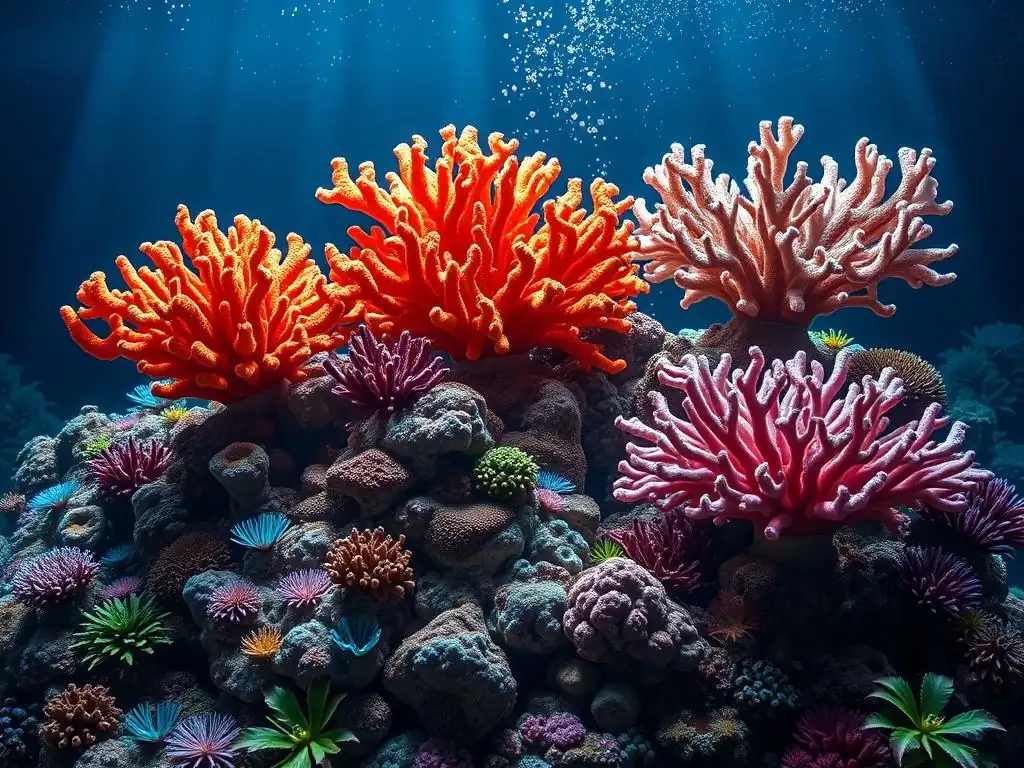
Welcome to Aquarium Mastery, where we dive deep into the fascinating world beneath the waves!
Ever wondered how to unlock the vibrant beauty of Euphyllia corals in your own reef tank? From the mesmerizing sway of Torch corals to the unique textures of Hammer and Frogspawn, these LPS corals can be a stunning addition. But mastering their care requires a little know-how. Get ready to unveil the secrets! Read on for our essential Euphyllia coral care tips and watch your reef flourish. What secrets will you uncover?
- Euphyllia Care: A Guide to Torch, Hammer & Frogspawn Corals
- Understanding Euphyllia Corals
- Essential Care Tips
- Feeding Your Euphyllia
- Preventing and Treating Diseases
- Placement and Compatibility
- Fragging Euphyllia
- Troubleshooting Common Problems
- Advanced Care Techniques
- Conclusion
- Frequently Asked Questions
- Final Reflection: The Enduring Allure of Euphyllia
- Ignite Your Reef: Become a Euphyllia Expert!
Euphyllia Care: A Guide to Torch, Hammer & Frogspawn Corals
Understanding Euphyllia Corals
What are Euphyllia Corals?
Euphyllia corals are a highly sought-after genus of Large Polyp Stony (LPS) corals, celebrated for their vibrant colors and captivating, swaying polyps. These corals are characterized by their distinct, often fleshy polyps that extend from a calcified skeleton, providing a dynamic visual element to any reef aquarium. Their popularity stems from their relatively moderate care requirements compared to some other coral types, making them a favored choice for many aquarists looking to expand their LPS collection.
While Euphyllia corals are primarily photosynthetic, housing symbiotic zooxanthellae algae that convert light into energy, they are also capable of capturing food particles from the water column. This dual feeding mechanism contributes to their resilience and growth rate, but also highlights the importance of providing both adequate lighting and supplemental feeding as part of comprehensive Euphyllia coral care tips. Understanding their natural biology is the first step toward successful long-term husbandry.
Identifying Torch, Hammer, and Frogspawn Corals
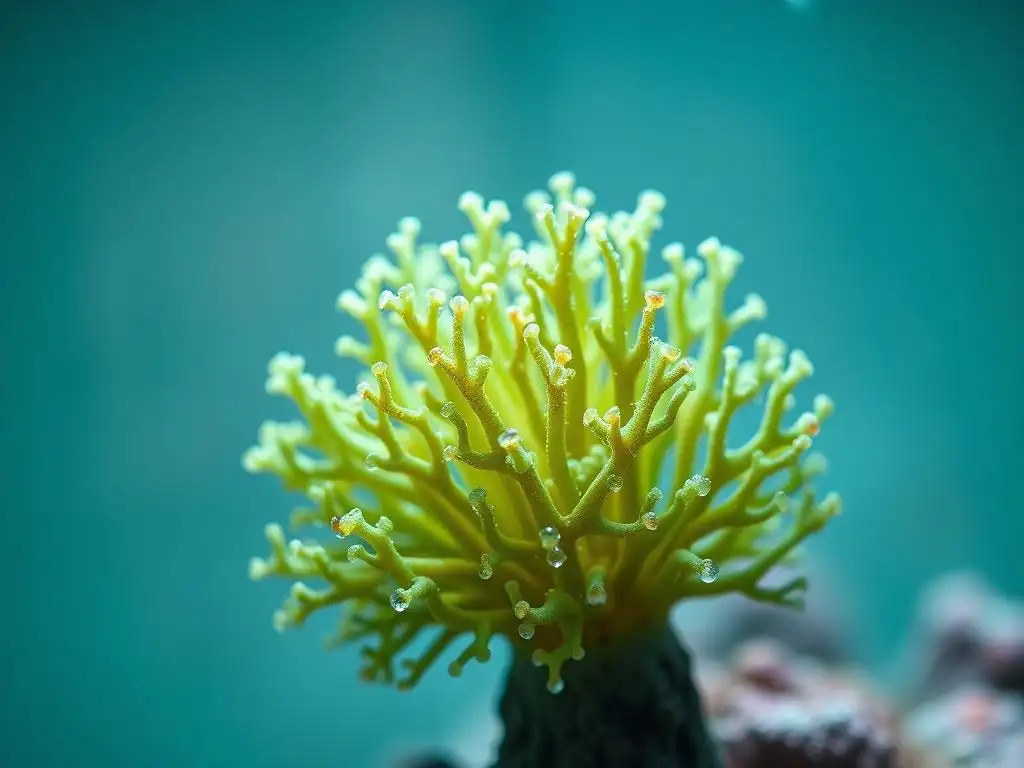
The three most common types of Euphyllia corals encountered in the aquarium hobby are Torch, Hammer, and Frogspawn, each possessing unique identifying characteristics based on their polyp tips. Torch corals (e.g., Euphyllia glabrescens) feature long, flowing polyps that terminate in a single, often brightly colored, rounded or pointed tip, resembling a burning torch. These tips can vary widely in color, from neon green to metallic gold.
Hammer corals ( Euphyllia ancora and Euphyllia parancora) are distinguished by their T-shaped or hammer-shaped polyp tips, which can be either blunt or slightly rounded. Frogspawn corals ( Euphyllia divisa) have tips that resemble a cluster of small, bubble-like or grape-like structures, giving them their common name. While their polyp structures differ, all three share similar skeletal structures and general care requirements, making the collective Euphyllia coral care tips largely applicable across the genus.
Natural Habitat and Aquarium Setup
Euphyllia corals originate from the warm, nutrient-rich waters of the Indo-Pacific region, spanning from the Red Sea to the Pacific Ocean. They are typically found in shallower to moderate depths, often in sheltered lagoons or on reef slopes where water movement is gentle to moderate, and light penetration is consistent but not overwhelmingly intense. Their natural depth range can vary, commonly found between 5 to 30 meters (approximately 15 to 100 feet), thriving in areas with stable water chemistry.
Translating this natural environment to an aquarium setup is crucial for successful Euphyllia coral care tips. A mature reef tank with stable water parameters is essential. This means allowing the aquarium to cycle fully and stabilize for several months before introducing delicate corals. Providing a gentle, indirect water flow and moderate lighting, along with a consistent temperature range of 76-78°F (24.4-25.5°C), mimics their native conditions and significantly contributes to their health and longevity.
Essential Care Tips
Optimal Water Parameters
Maintaining stable and optimal water parameters is the cornerstone of successful Euphyllia coral care tips, as these corals are highly sensitive to fluctuations. Consistent monitoring and adjustment are paramount for their health and vibrant coloration. Regular testing, ideally weekly or bi-weekly, helps detect any deviations before they become problematic.
Alkalinity, Calcium, and Magnesium
Alkalinity, calcium, and magnesium are vital for the skeletal growth of Euphyllia corals. Alkalinity, typically measured in dKH (degrees of carbonate hardness), should be maintained within a stable range of 7-10 dKH. This parameter is crucial for the coral's ability to build its calcium carbonate skeleton. Calcium levels should ideally be kept between 400-450 ppm, as it is the primary building block for the coral's skeleton. Both alkalinity and calcium are consumed by corals as they grow, necessitating regular supplementation or water changes.
Magnesium plays a critical role in preventing calcium from precipitating out of the water column and helps maintain the proper balance between calcium and alkalinity. The recommended range for magnesium is 1250-1350 ppm. If magnesium levels are too low, calcium and alkalinity can become unstable, hindering coral calcification. Regular dosing of these elements, often through a balanced two-part solution or an automatic dosing system, is a common practice for advanced Euphyllia coral care tips.
Salinity and Temperature Stability
Salinity and temperature are equally critical for the well-being of Euphyllia corals, with stability being more important than hitting an exact number. The ideal salinity for Euphyllia is a specific gravity of 1.025-1.026 (or 35 ppt). Fluctuations in salinity, even small ones, can cause significant stress to corals, leading to retraction, tissue loss, or even death. Using an accurate refractometer for daily testing and performing consistent top-offs with purified RODI water can help maintain this stability.
Temperature stability is also non-negotiable. Euphyllia thrive in a consistent temperature range of 76-78°F (24.4-25.5°C). Sudden temperature swings, whether due to equipment malfunction or environmental factors, can quickly lead to coral stress, bleaching, or susceptibility to disease. Investing in reliable aquarium heaters and, if necessary, chillers, along with a robust temperature controller, is an essential component of comprehensive Euphyllia coral care tips to prevent thermal shock.
Lighting Requirements
As photosynthetic corals, Euphyllia rely heavily on adequate lighting to fuel the symbiotic zooxanthellae algae within their tissues. However, their lighting needs are moderate, and excessive intensity can be detrimental. Understanding the right balance of spectrum and intensity is key to promoting healthy growth and vibrant coloration.
Spectrum and Intensity
Euphyllia corals generally thrive under a broad spectrum of light, with a strong emphasis on the blue spectrum (around 450-470nm), which penetrates water most effectively and is utilized by zooxanthellae. Full-spectrum LED fixtures or a combination of T5 fluorescent bulbs (e.g., blue, actinic, and daylight bulbs) are excellent choices. In terms of intensity, Euphyllia prefer moderate PAR (Photosynthetically Active Radiation) levels, typically ranging from 75-150 PAR.
Too much light can cause photoinhibition, leading to bleaching where the coral expels its zooxanthellae, resulting in a loss of color and energy source. Conversely, insufficient light will cause the coral to brown out as zooxanthellae density increases in an attempt to capture more light, and growth will be stunted. Monitoring PAR levels with a PAR meter, if available, can help fine-tune lighting to meet specific Euphyllia coral care tips.
Acclimation to Lighting
Proper acclimation to new lighting conditions is a critical, yet often overlooked, aspect of Euphyllia coral care tips. When introducing a new Euphyllia coral to your tank, or when upgrading your lighting system, it's vital to acclimate the coral slowly to prevent light shock. Starting the coral on the sandbed or lower in the tank, where light intensity is reduced, is a common and effective strategy.
Over several weeks, the coral can be gradually moved higher in the tank or the light intensity can be slowly increased (if using dimmable LEDs). Observe the coral closely for signs of stress, such as polyp retraction, paling, or bleaching. A healthy Euphyllia will have full polyp extension and stable coloration. This gradual approach allows the zooxanthellae to adjust to the new light levels, minimizing stress and ensuring the coral's long-term health.
Flow Requirements
Water flow is essential for Euphyllia corals, serving multiple critical functions including nutrient delivery, waste removal, and preventing detritus accumulation. However, the type and intensity of flow are paramount; these corals prefer gentle, indirect, and turbulent water movement rather than direct, blasting currents.
Avoiding Harsh Flow
Euphyllia polyps are delicate and can be easily damaged by direct, harsh water flow. Signs of excessive flow include polyps that are constantly retracted, unnaturally bent, or showing signs of tissue damage or tearing, especially near the base. Strong, laminar flow can also prevent the polyps from fully extending and capturing food, leading to starvation over time.
Placing powerheads or wavemakers to create indirect flow, bouncing water off the back or side walls of the aquarium, is a good strategy. The goal is to provide enough movement to keep the polyps gently swaying and prevent dead spots, without causing them to appear "blown out" or stressed. This careful balance is a key element of effective Euphyllia coral care tips.
Gentle Water Movement
The ideal water movement for Euphyllia corals is gentle, chaotic, and intermittent, mimicking the natural surge found in their native habitats. This type of flow allows the polyps to expand fully, facilitates the exchange of gases, and ensures that detritus and waste products are swept away from the coral's surface. It also helps deliver suspended food particles directly to the coral's feeding tentacles.
Using multiple smaller powerheads, or a gyre-style pump set to a random or pulse mode, can create the desired turbulent flow. Aim for movement that causes the polyps to sway gracefully and naturally, rather than being rigidly held in one direction. Proper water movement ensures the coral remains clean and healthy, optimizing its ability to thrive and grow within the aquarium environment.
Feeding Your Euphyllia
Feeding Habits
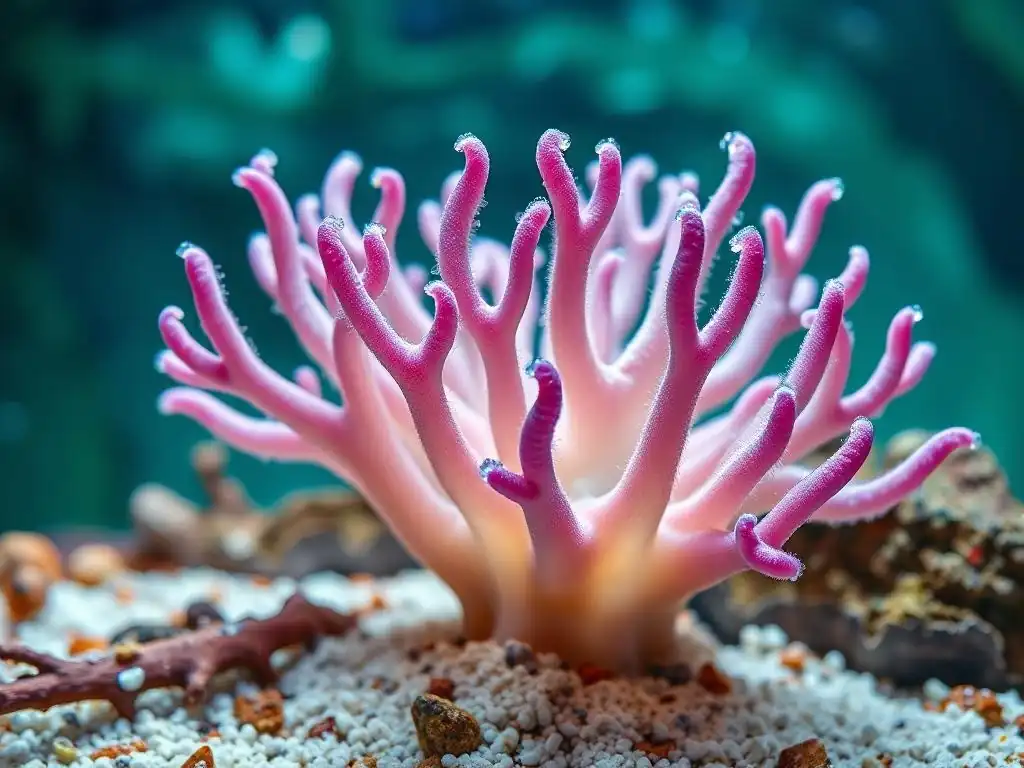
While Euphyllia corals are largely photosynthetic, deriving energy from the zooxanthellae within their tissues, they are also active feeders that benefit significantly from supplemental feeding. They are mixotrophs, meaning they utilize both light and consumed food for energy. Euphyllia corals possess stinging cells called nematocysts on their tentacles, which they use to capture small prey passing through the water column.
Their feeding response is often more pronounced during the evening or night when their polyps are fully extended, indicating their natural nocturnal predatory behavior. Regular feeding can enhance their growth rate, improve coloration, and bolster their overall vitality, making it an important aspect of advanced Euphyllia coral care tips.
Recommended Foods
A varied diet is best for Euphyllia corals. Small, meaty foods are ideal for direct target feeding. Excellent choices include frozen mysis shrimp, brine shrimp (enriched), copepods, and rotifers. These provide essential proteins and fatty acids that supplement the energy gained from photosynthesis.
In addition to whole foods, specialized liquid or powdered coral foods designed for LPS corals can also be beneficial. These often contain a blend of marine proteins, amino acids, and vitamins. The frequency of feeding can vary, but 1-3 times per week is a common recommendation, depending on the coral's apparent health, growth rate, and the overall bioload of the aquarium. Overfeeding should be avoided as it can degrade water quality.
Target Feeding Techniques
Target feeding is the most effective way to ensure that your Euphyllia corals receive adequate nutrition. To begin, turn off any powerheads or return pumps for 10-15 minutes to minimize water movement, allowing the food to settle directly onto the coral polyps without being immediately dispersed.
Use a turkey baster or a specialized coral feeder (pipette) to gently squirt small amounts of prepared food directly onto the extended polyps of the Euphyllia. Observe as the polyps retract and draw the food into their mouths. Feed during the evening or after the main lights have dimmed, when the polyps are typically most extended and receptive. This direct method ensures that the coral consumes the food, maximizing the benefit of these Euphyllia coral care tips.
Preventing and Treating Diseases
Recognizing Early Signs
Vigilance and early detection are paramount in preventing minor issues from escalating into major health crises for your Euphyllia corals. Regular observation of your corals' appearance and behavior can help identify problems before they become severe. Look for subtle changes such as tissue recession (where the fleshy part pulls away from the skeleton, often starting at the base), discoloration (paling or browning), lack of polyp extension even during optimal conditions, or any unusual growths or slimy coatings.
Other signs include polyps failing to inflate fully, or a general "unhappy" appearance. Promptly addressing these early warning signs—often by checking water parameters, reviewing lighting and flow, or looking for pests—can significantly improve the chances of successful recovery and is a critical aspect of proactive Euphyllia coral care tips.
Brown Jelly Disease
Brown Jelly Disease is one of the most feared and rapidly progressing ailments affecting Euphyllia corals, and many other LPS corals. It is a highly contagious bacterial infection characterized by a slimy, brown, jelly-like substance that rapidly consumes coral tissue. This "jelly" is a consortium of ciliates and bacteria that feed on the dying tissue. The disease often starts from a point of injury, stress, or poor water quality, and can spread quickly across the colony and even to other corals in the tank within hours.
If left untreated, Brown Jelly Disease can decimate an entire colony in a matter of days. Its rapid progression underscores the importance of immediate action upon detection. This aggressive nature makes understanding and responding to Brown Jelly Disease a crucial element of comprehensive Euphyllia coral care tips.
Treatment Options
Upon identifying Brown Jelly Disease, immediate action is essential to save the affected coral and prevent its spread. The first step is to gently siphon off as much of the brown jelly as possible using a small tube or pipette, being careful not to spread it further. If the coral is small and movable, carefully remove it from the main display tank and place it in a separate quarantine or treatment container to prevent contagion.
Dipping the affected coral in an antiseptic solution, such as an iodine-based coral dip or a broad-spectrum antibiotic dip (e.g., Furan-2 or Ciprofloxacin, used cautiously and as directed), can be effective. If the disease is localized to a single head or branch, fragging off the healthy parts of the coral, well away from the affected area, can sometimes salvage portions of the colony. Always ensure proper sanitation of tools to avoid spreading the pathogen.
Maintaining a Healthy Environment
The best defense against diseases like Brown Jelly and other coral ailments is to maintain a consistently healthy and stable aquarium environment. This involves diligently adhering to all Euphyllia coral care tips, particularly those related to water parameters, lighting, and flow. Stable alkalinity, calcium, magnesium, salinity, and temperature reduce stress on the coral, making it less susceptible to opportunistic pathogens.
Additionally, ensuring proper water flow prevents detritus from accumulating on the coral's surface, which can lead to bacterial infections. Quarantining all new corals for several weeks before introducing them to the main display tank is a crucial preventive measure, as it helps identify and treat any latent diseases or pests that might otherwise infect your established corals. A clean, stable system minimizes stress and maximizes the coral's natural immune response.
Placement and Compatibility
Choosing the Right Location
Proper placement within the aquarium is a critical aspect of Euphyllia coral care tips, influencing their light exposure, water flow, and interaction with other tank inhabitants. When selecting a spot, consider the specific lighting and flow requirements discussed previously – moderate light and gentle, indirect flow. Avoid placing them directly under high-intensity light sources or in areas of strong, laminar flow, as this can lead to stress or damage.
Furthermore, ensure there is ample space around the coral, accounting for the full extension of its polyps and, crucially, its formidable sweeper tentacles. These corals can expand significantly, especially at night, and require sufficient clearance from other corals and tank decorations to prevent stinging or physical damage.
Sweeper Tentacles and Aggression
One of the most important considerations for Euphyllia placement is their aggressive nature, particularly their long, potent sweeper tentacles. These tentacles, armed with powerful nematocysts (stinging cells), can extend significantly – often 6-12 inches (15-30 cm) or even more in larger colonies – especially during the night or when food is detected. They are used to ward off encroaching corals and capture prey.
If another coral comes within range of these sweepers, it can be severely stung, leading to tissue necrosis and potential death for the victim. Therefore, maintain a minimum distance of at least 6-8 inches (15-20 cm) from other corals, especially less aggressive LPS or SPS corals. Constant vigilance for signs of aggression between corals is a vital part of comprehensive Euphyllia coral care tips.
Compatible Tank Mates
Selecting compatible tank mates is essential to prevent stress and damage to your Euphyllia corals. Peaceful, reef-safe fish are generally suitable. Examples include clownfish, gobies, blennies, and certain wrasses. These species typically do not bother corals and can coexist harmoniously.
Conversely, avoid fish known to nip at or consume coral polyps, such as many angelfish, butterflyfish, and certain triggerfish species. While some individuals may be reef-safe, their propensity for nipping makes them risky tank mates for delicate corals like Euphyllia. Similarly, ensure any invertebrate tank mates, such as crabs and snails, are truly reef-safe and will not disturb or irritate the coral. A harmonious community is fundamental to successful Euphyllia coral care tips.
Fragging Euphyllia
Benefits of Fragging
Fragging, the process of asexual reproduction by breaking off a piece of a coral colony, offers several significant benefits for both the aquarist and the coral itself. Firstly, it allows for the propagation and expansion of a desired coral species within your own tank or for trading with other hobbyists, making rare or expensive morphs more accessible. Secondly, fragging can be a management tool for large colonies that are outgrowing their space or becoming too aggressive towards neighboring corals.
Furthermore, in cases of localized disease or damage, fragging can serve as a salvaging technique, allowing healthy parts of a colony to be preserved even if the original mother colony is compromised. It also provides an opportunity to create backup pieces of valuable corals, reducing the risk of total loss. These practical advantages make fragging an attractive skill for dedicated aquarists practicing advanced Euphyllia coral care tips.
Fragging Guide
Fragging Euphyllia requires careful technique and appropriate tools to minimize stress and ensure successful propagation. Essential tools include bone cutters or a Dremel with a diamond cutting wheel, along with personal protective equipment such as gloves and eye protection. Start by gently removing the mother colony from the tank. Identify a healthy branch or head with a clear skeletal attachment point that can be easily cut without excessive tissue damage.
Using the bone cutters, make a quick, clean cut through the skeleton. If using a Dremel, ensure the coral is kept wet to prevent overheating and dust. After fragging, dip both the new frag and the mother colony in an antiseptic coral dip (e.g., iodine-based solution) for the recommended duration to prevent infection. Finally, attach the new frag to a frag plug or a small piece of live rock using cyanoacrylate super glue gel, ensuring the tissue is not glued directly.
Caring for New Frags
Once fragged, new Euphyllia frags require a period of recovery and specialized care to ensure successful healing and growth. Initially, place the new frag in a lower-flow, lower-light area of the aquarium. This reduced stress environment allows the coral to allocate its energy towards healing the cut site rather than adapting to intense conditions. Monitor the frag closely for any signs of stress, tissue recession, or infection at the cut site.
Ensure that water parameters remain pristine and stable during this recovery phase, as good water quality is crucial for healing. Within a few weeks to a couple of months, if conditions are optimal, you should observe the cut tissue beginning to heal and new growth emerging from the base of the frag. This careful post-fragging attention is a vital component of successful Euphyllia coral care tips for propagation.
Troubleshooting Common Problems
Bleaching, Recession, and Tissue Loss
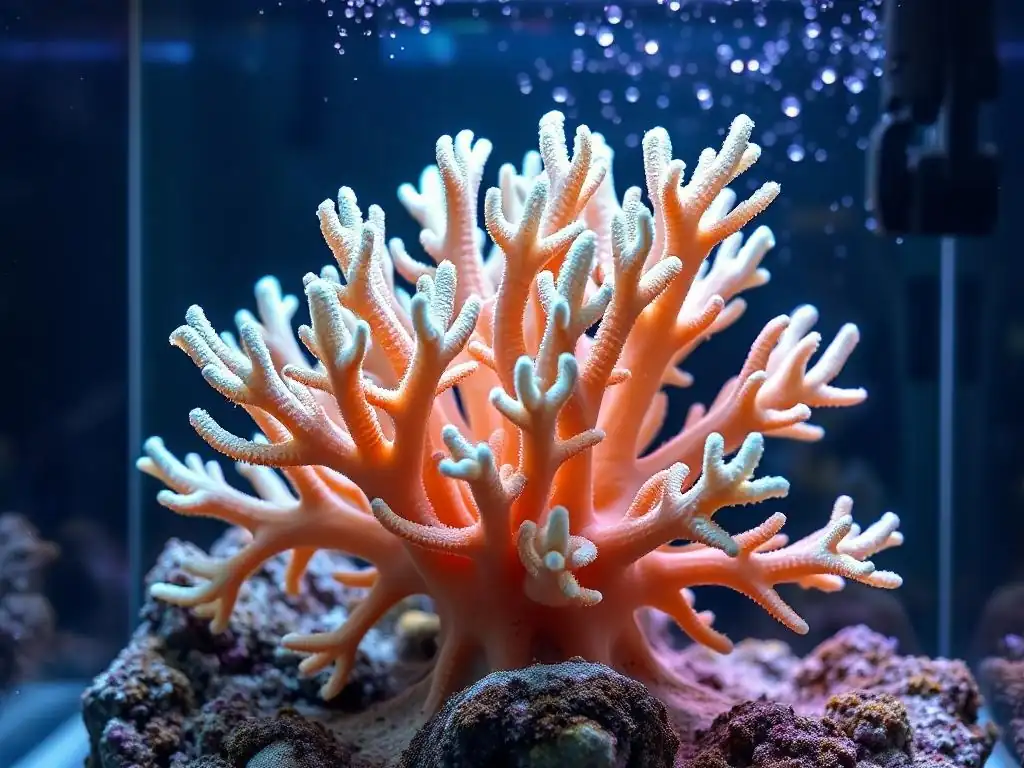
Euphyllia corals, like many other corals, can exhibit several visible signs of stress or poor health, including bleaching, recession, and tissue loss. Bleaching occurs when the coral expels its symbiotic zooxanthellae, often due to excessive light intensity, rapid temperature fluctuations, or severe water quality issues. The coral will appear pale or stark white. Immediate action, such as reducing light or stabilizing temperature, is necessary to prevent starvation.
Recession is characterized by the coral tissue pulling back from the skeleton, typically starting at the base and progressing upwards. This can be caused by inadequate flow, pest irritation (e.g., Euphyllia eating flatworms), or chronic water chemistry imbalances. Rapid tissue loss, often appearing as a sudden disintegration or peeling of tissue, is usually a sign of a severe bacterial infection (like Brown Jelly Disease) or acute stress, requiring immediate intervention. Addressing the underlying cause is paramount for effective Euphyllia coral care tips.
Water Quality Issues
Despite best efforts, water quality issues can arise and severely impact Euphyllia health. Elevated levels of nitrates and phosphates, common in overfed or under-filtered tanks, can lead to browning of corals, reduced growth, and increased susceptibility to nuisance algae. Regular water changes (e.g., 10-20% weekly or bi-weekly), improved filtration (e.g., protein skimming, refugium, GFO/carbon), and careful feeding practices are essential to manage these parameters.
Furthermore, inconsistent or fluctuating levels of alkalinity, calcium, and magnesium can hinder calcification and stress the coral. For example, a sudden drop in alkalinity from 9 dKH to 6 dKH can cause significant stress. Using reliable test kits and maintaining a consistent dosing regimen or water change schedule is critical. Any significant deviation from optimal parameters should prompt immediate investigation and correction to ensure robust Euphyllia coral care tips are being followed.
Seeking Expert Advice
When faced with persistent or undiagnosed problems with your Euphyllia corals, seeking expert advice can be invaluable. The reef keeping community is vast and supportive, offering numerous resources. Online forums and dedicated social media groups are excellent platforms to describe your issues, provide tank parameters, and share photos or videos to get input from experienced hobbyists worldwide.
Additionally, don't hesitate to consult with staff at your local fish store (LFS), especially those specializing in marine aquariums. Many have extensive hands-on experience and can offer practical solutions or identify problems that might be overlooked by a less experienced eye. Providing detailed information about your tank's history, equipment, and recent changes will help experts provide more accurate and effective Euphyllia coral care tips.
Advanced Care Techniques
Trace Element Supplementation
While major elements like calcium, alkalinity, and magnesium are universally recognized as crucial for coral health, trace elements also play a vital, albeit smaller, role in the long-term vitality and coloration of Euphyllia corals. Elements such as strontium, iodine, potassium, and boron are consumed by corals during their metabolic processes and skeletal growth, and they are typically depleted over time through protein skimming, carbon filtration, and coral uptake.
For hobbyists seeking to optimize their Euphyllia coral care tips, targeted trace element supplementation can be beneficial, especially in tanks with a high coral biomass. However, it is crucial to use high-quality, reputable trace element solutions and to follow dosing instructions precisely, as overdosing can be harmful. Regular ICP-OES (Inductively Coupled Plasma Optical Emission Spectrometry) water testing can provide precise measurements of trace elements, allowing for highly specific and controlled supplementation, preventing both deficiencies and toxicities.
Optimizing Lighting and Flow
Beyond basic requirements, advanced Euphyllia coral care tips involve fine-tuning lighting and flow to maximize growth, color, and overall health. For lighting, this means not just hitting a PAR target but also ensuring the optimal spectrum and photoperiod. Using a PAR meter to map light intensity across different areas of the tank allows for precise placement and adjustment of fixture height or dimmer settings. Experimenting with a slightly longer photoperiod (e.g., 9-10 hours of full intensity after a ramp-up) can sometimes enhance growth.
Optimizing flow involves creating highly randomized and turbulent water movement that mimics natural reef surge, without any direct blasting. This can be achieved with advanced wavemakers or gyre pumps that offer multiple flow patterns and precise control. Observing the full, natural sway of the polyps, ensuring no detritus settles, and confirming consistent food delivery are key indicators of optimal flow. This precise environmental control helps bring out the best in Euphyllia corals.
Maintaining Redox Potential
Redox potential, or ORP (Oxidation-Reduction Potential), is a measure of the water's cleanliness and its ability to break down organic waste. While not directly dosed, maintaining a stable and healthy ORP range (typically 300-450 mV in a healthy reef tank) is an advanced aspect of water quality management that contributes to overall coral vitality. A higher ORP generally indicates cleaner, more oxidized water, while lower values can suggest an accumulation of organic pollutants.
Maintaining a stable ORP involves robust filtration, including efficient protein skimming, regular use of activated carbon, and potentially ozone or UV sterilization, used cautiously and with proper monitoring. These systems help remove organic compounds and pathogens, contributing to a pristine water column that benefits all corals, including Euphyllia. While ORP monitoring requires specialized probes, it provides valuable insight into the overall health and stability of the aquatic environment, complementing other Euphyllia coral care tips.
Conclusion
Frequently Asked Questions
What are the main types of Euphyllia corals hobbyists commonly keep?
Hobbyists generally keep Euphyllia corals such as Torch, Hammer, and Frogspawn corals. These are popular due to their unique appearance and relatively easy care requirements compared to some other corals.
What are the ideal water parameters for Euphyllia corals to thrive?
Euphyllia corals prefer stable water parameters, including a temperature between 72-78°F, a salinity of 1.024-1.026 specific gravity, and a pH of 8.1-8.4. Maintaining stable alkalinity, calcium, and magnesium levels is also crucial.
How much light do Euphyllia corals need?
Euphyllia corals generally prefer moderate lighting. Too much light can cause bleaching, while insufficient light can hinder growth. Acclimation to stronger lighting is often necessary.
What type of water flow is best for Euphyllia corals?
Euphyllia corals thrive in moderate, turbulent water flow. This helps to deliver nutrients and remove waste from the coral's surface, preventing the buildup of detritus that can lead to infections.
What should I feed Euphyllia corals?
While Euphyllia corals obtain most of their nutrients through photosynthesis, supplemental feeding can benefit their growth and coloration. Small pieces of meaty foods like mysis shrimp or brine shrimp can be offered occasionally.
Final Reflection: The Enduring Allure of Euphyllia
The captivating beauty and diversity of Euphyllia corals, as we've explored, are not just aesthetic wonders; they represent a delicate ecosystem demanding our attention and responsible stewardship. Understanding and applying the Euphyllia coral care tips detailed in this article is more crucial than ever, as coral reefs worldwide face unprecedented threats from climate change and pollution. By embracing best practices, we actively contribute to the preservation of these underwater treasures for generations to come.
The mesmerizing sway of a healthy Torch coral, the hammer-like tips of a Hammer coral, and the frogspawn-like tentacles of a Frogspawn coral have captivated aquarists for decades. My own fascination with these corals began with a single, vibrant Torch coral, and it's a passion that continues to grow with each new discovery. In the end, we will conserve only what we love; we will love only what we understand; and we will understand only what we are taught.
- Baba Dioum. This quote resonates deeply, highlighting the importance of education and responsible care in ensuring the survival of these magnificent creatures.
Now, armed with the knowledge shared within these pages, I urge you to reflect on your role in the future of coral reefs. Consider how you can implement these Euphyllia coral care tips in your own aquarium, and perhaps even extend your efforts to support broader conservation initiatives. The health of our oceans, and the beauty of these corals, depends on our collective commitment. Let us all strive to be responsible stewards of these underwater wonders, ensuring their vibrant legacy endures.
Ignite Your Reef: Become a Euphyllia Expert!
Thank you for diving into the mesmerizing world of Euphyllia corals! We hope you've gained valuable insights into caring for these captivating reef inhabitants. Now, it's time to translate knowledge into action and watch your reef flourish.
Here are a few steps you can take right now:
- Start with Observation: Closely monitor your existing Euphyllia or identify which Torch, Hammer, or Frogspawn best suits your tank's environment and your experience level. Pay close attention to their polyp extension and color vibrancy.
- Share the Wonder: Spread the love! Share this article with fellow reefing enthusiasts and spark a conversation about Euphyllia care challenges and successes.
- Unexpected Action: Record a 30-second video showing off your favorite coral in your tank, and narrate one thing you love about it.
What specific Euphyllia care technique will you implement first to boost the health and beauty of your reef? Share your plans in the comments!