
Invertebrate Roulette: Will Your Butterflyfish Dine on Your CleanUp Crew?

Welcome to Aquarium Mastery!
Curious if your beautiful Butterflyfish might be eyeing your cleanup crew as a midnight snack? You're not alone! Many aquarists face this delicate balance. Dive into our article, "Invertebrate Roulette: Will Your Butterflyfish Dine on Your CleanUp Crew? ", where we explore the dietary habits of these stunning saltwater fish and how to keep your tank's ecosystem thriving. Let's unravel the mystery of whether your Butterflyfish eat cleanup crew and discover the secrets to a harmonious reef environment.
- Butterflyfish and Invertebrate Compatibility in Reef Aquariums
- Understanding Butterflyfish Dietary Habits
- Essential Reef Tank Invertebrates
- Butterflyfish Predation on Invertebrates
- Minimizing Invertebrate Casualties
- Alternative Detritus Control Methods
- Successful Reef Tanks with Butterflyfish and Invertebrates
- Conclusion: Balancing Beauty and Harmony
-
Frequently Asked Questions
- Will all Butterflyfish eat my cleanup crew?
- Which cleanup crew members are most at risk from Butterflyfish?
- What factors influence whether a Butterflyfish will eat my cleanup crew?
- How can I minimize the risk of my Butterflyfish eating my cleanup crew?
- Are there any Butterflyfish species that are considered reef-safe?
- Final Reflection: The Delicate Dance of Reef Ecology
- Ignite Your Reef Tank's Ecosystem!
Butterflyfish and Invertebrate Compatibility in Reef Aquariums
Understanding Butterflyfish Dietary Habits
Natural Diet of Butterflyfish
In their natural habitats, many butterflyfish species are specialized feeders, primarily consuming small invertebrates, coral polyps, and various forms of algae and detritus. Their distinctive, elongated snouts are perfectly adapted for probing into crevices and small openings within the reef structure, allowing them to extract tiny crustaceans, worms, and other sessile organisms.
For instance, species like the Copperband Butterflyfish (Chelmon rostratus) are renowned for their ability to target and consume nuisance Aiptasia anemones in the wild, showcasing their predatory instinct towards certain invertebrates. Other species, such as the Ornate Butterflyfish (Chaetodon ornatissimus), are obligate corallivores, relying almost exclusively on the polyps of stony corals for their sustenance.
The diversity in their natural diets means that while some butterflyfish are highly specialized, others are more generalist feeders. For example, the Raccoon Butterflyfish (Chaetodon lunula) is an opportunistic omnivore in the wild, consuming a broader range of foods including small invertebrates, algal films, and even fish eggs. This adaptability in their natural foraging behavior directly influences their potential compatibility with a reef tank's invertebrate cleanup crew, as those with a more varied natural diet are often more prone to viewing other tank inhabitants as potential food sources.
Dietary Needs in Captivity
Translating the natural diet of butterflyfish into captive care requires careful consideration to ensure their nutritional needs are met and to minimize their inclination to eat cleanup crew members. In the aquarium, it is crucial to provide a varied and frequent feeding regimen.
This typically includes a mix of high-quality frozen foods such as mysis shrimp, brine shrimp (often enriched), finely chopped seafood (like clam or scallop), and marine-based prepared foods. For obligate corallivores, specialized coral foods or frequent offerings of live brine shrimp can sometimes encourage feeding, but these species are notoriously difficult to maintain long-term without their natural diet.
Frequent feeding, often two to three times per day in small portions, is vital. This approach ensures that the butterflyfish are consistently satiated, reducing the likelihood that they will actively hunt for small invertebrates within the tank.
A well-fed butterflyfish is less likely to view a snail or a small hermit crab as a meal. Aquarists often report success in deterring a butterflyfish from eating cleanup crew by offering a rich diet, with some hobbyists noting a significant reduction in predation attempts when fish are fed to satiation, potentially consuming up to 3% of their body weight in food daily.
Essential Reef Tank Invertebrates
Common CleanUp Crew Members
The "cleanup crew" in a reef aquarium consists of a diverse group of invertebrates crucial for maintaining tank hygiene and ecological balance. Common members include various types of snails, hermit crabs, and shrimp. Herbivorous snails like Astrea, Trochus, and Turbo snails are highly effective at grazing nuisance algae from rockwork and tank walls.
Detritivorous snails, such as Nassarius snails, burrow into the sand bed, consuming uneaten food and detritus, thereby preventing anaerobic pockets. Hermit crabs, including the popular Blue Leg and Scarlet Leg varieties, are scavengers that consume detritus and algae, though some species can be opportunistic and may prey on snails if not adequately fed.
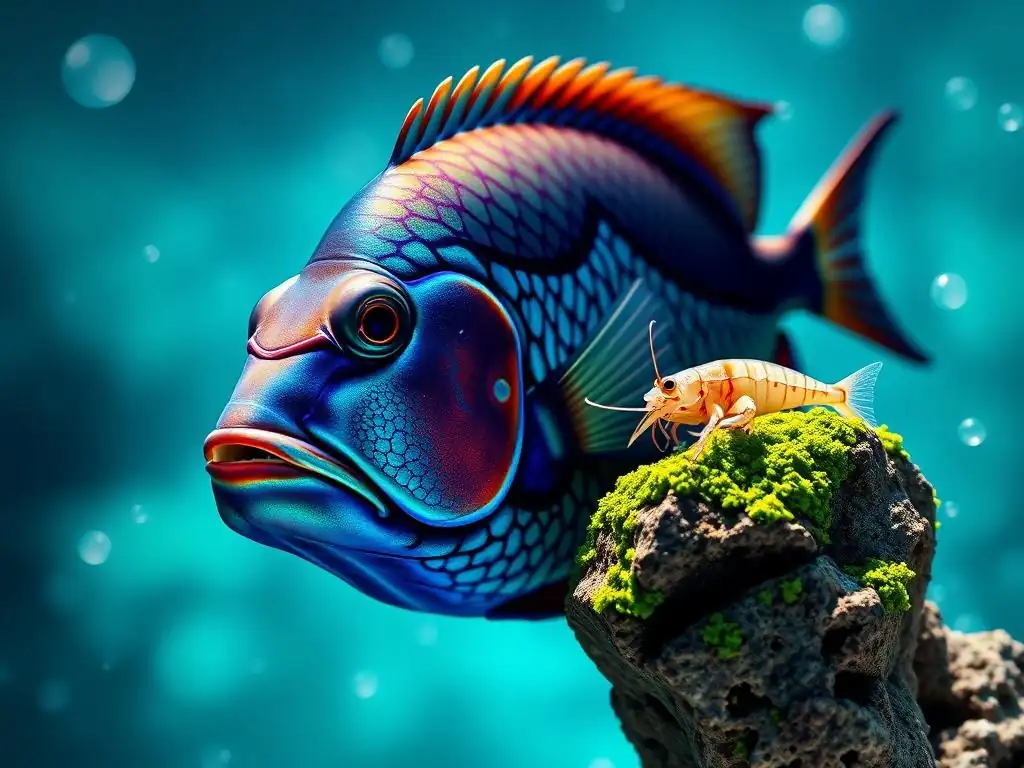
Shrimp also play a significant role. Peppermint shrimp are often introduced for their ability to consume Aiptasia anemones, while various cleaner shrimp species (e.g., Lysmata amboinensis, Lysmata debelius) are known for their symbiotic relationship with fish, removing parasites, but also acting as general scavengers. For a typical 50-gallon reef tank, an initial cleanup crew might comprise 5-10 snails, 3-5 hermit crabs, and 1-2 shrimp, with numbers adjusted based on the tank's bioload and specific needs.
Role of CleanUp Crew in Water Quality
The cleanup crew's contribution to water quality extends beyond mere aesthetics. By consuming algae and detritus, they directly reduce the organic load in the aquarium, which in turn helps to control nitrate and phosphate levels. For example, a healthy population of detritus-eating snails and crabs can process a substantial amount of decaying organic matter, preventing it from breaking down into harmful compounds. This biological processing can help keep nitrates below 10 ppm and phosphates below 0.03 ppm in a well-maintained system.
Furthermore, burrowing snails like Nassarius species aerate the sand bed, preventing the buildup of harmful hydrogen sulfide gas in anaerobic zones. Algae-grazing snails prevent the proliferation of nuisance algae, which can compete with corals for light and nutrients and can lead to unsightly tank conditions. Their continuous activity contributes to a more stable and resilient ecosystem, reducing the need for manual cleaning and chemical interventions. In essence, a robust cleanup crew acts as a living filtration system, significantly improving the overall health and stability of the reef environment.
Butterflyfish Predation on Invertebrates
Species-Specific Predatory Behaviors
The risk of a butterflyfish eating cleanup crew members varies significantly by species, largely dictated by their natural feeding strategies and mouth structures. Many butterflyfish possess elongated snouts and small, brush-like teeth, ideal for picking at small invertebrates or coral polyps. This specialized morphology makes them efficient predators of various reef organisms. For instance, the Copperband Butterflyfish, while often sought after for Aiptasia control, can also use its precise mouthparts to extract feather dusters from their tubes or pick at small decorative worms, demonstrating its predatory capabilities beyond just nuisance anemones.
Other species exhibit more generalized predatory behaviors. The Raccoon Butterflyfish, for example, is known for its opportunistic nature and will actively forage for a wide array of small crustaceans, worms, and even small snails. Their feeding style often involves continuous pecking at live rock and substrate, making them a significant threat to smaller, less protected cleanup crew members. This constant foraging drive, coupled with their natural diet, means that these species are more likely to view the invertebrates introduced into a reef tank as a readily available food source rather than tank mates.
Risky Butterflyfish Species
Several butterflyfish species are notoriously problematic for reef tank invertebrates, often leading to situations where a butterflyfish will eat cleanup crew members. Among the most commonly cited problematic species are:
- Raccoon Butterflyfish (Chaetodon lunula): Highly opportunistic omnivores that will readily consume small snails, hermit crabs, and various sessile invertebrates. Aquarists frequently report significant losses of cleanup crew shortly after introducing this species.
- Threadfin Butterflyfish (Chaetodon auriga): Known for picking at feather dusters, clam mantles, and various small worms. While not always direct predators of snails, they can harass and eventually kill them.
- Ornate Butterflyfish (Chaetodon ornatissimus): Primarily corallivores, but if corals are not available or if underfed, they may turn to other invertebrates, including small shrimp and polyps of other soft corals.
- Latticed Butterflyfish (Chaetodon rafflesi): Similar to the Ornate, these are primarily corallivores but can be opportunistic and target other sessile invertebrates.
- Copperband Butterflyfish (Chelmon rostratus): While praised for Aiptasia control, they are also known to consume tube worms, feather duster worms, and sometimes small ornamental shrimp. Many aquarists have witnessed their Copperband eat cleanup crew members like smaller Nassarius snails.
It's important to note that individual temperament can vary, but the inherent dietary preferences and hunting instincts of these species make them high-risk choices for a tank with a diverse cleanup crew. Anecdotal reports suggest that in some cases, up to 80% of small snails introduced with a Raccoon Butterflyfish may disappear within weeks.
Butterflyfish Invertebrate Compatibility Chart
To aid aquarists in making informed decisions, here's a general compatibility guide for various butterflyfish species with common cleanup crew members:
| Butterflyfish Species | Snails (Astrea, Trochus, Nassarius) | Hermit Crabs (Blue Leg, Scarlet) | Cleaner Shrimp (Lysmata spp.) | Peppermint Shrimp | Feather Dusters / Tube Worms |
|---|---|---|---|---|---|
| Yellow Longnose (Forcipiger flavissimus) | Generally Safe | Generally Safe | Generally Safe | Generally Safe | Caution Advised (may pick) |
| Copperband (Chelmon rostratus) | Caution Advised (may pick small) | Generally Safe | Caution Advised (small ones) | Caution Advised | High Risk |
| Longfin (Chaetodon longirostris) | Generally Safe | Generally Safe | Generally Safe | Generally Safe | Caution Advised (may pick) |
| Raccoon (Chaetodon lunula) | High Risk (will eat cleanup crew) | High Risk | Caution Advised | Caution Advised | High Risk |
| Threadfin (Chaetodon auriga) | Caution Advised (may harass) | Caution Advised | Caution Advised | Caution Advised | High Risk |
| Ornate (Chaetodon ornatissimus) | High Risk (if underfed) | High Risk (if underfed) | High Risk (if underfed) | High Risk | High Risk (corallivore) |
Key:
- Generally Safe: Low likelihood of predation.
- Caution Advised: May occasionally pick, especially if underfed or if invertebrates are small. Monitor closely.
- High Risk: Very likely to prey upon or damage. Not recommended for tanks with these invertebrates.
This chart provides a general guideline. Individual fish behavior can vary, and factors like tank size, feeding frequency, and the presence of ample hiding spots can influence compatibility.
Minimizing Invertebrate Casualties
Choosing Compatible Butterflyfish
The most effective strategy for preventing a butterflyfish from eating cleanup crew members is to select species known for their reef-safe tendencies or those with a very low propensity for invertebrate predation. Thorough research before purchase is paramount.
Species like the Yellow Longnose Butterflyfish (Forcipiger flavissimus) are generally considered among the safest options for a mixed reef tank, as their natural diet primarily consists of copepods and small benthic invertebrates that are not typically part of a standard cleanup crew. While no butterflyfish is 100% "reef-safe" for every invertebrate, opting for species with a proven track record of peaceful coexistence significantly reduces the risk.
It's also advisable to select juvenile specimens if possible, as younger fish may be more adaptable to captive diets and less entrenched in their natural predatory habits. Always inquire about the fish's feeding habits at the local fish store to ensure it is readily accepting prepared foods. A butterflyfish that is already accustomed to frozen mysis or spirulina flakes is less likely to immediately turn its attention to your valuable snails and shrimp upon introduction to your aquarium.
Strategic Introduction of CleanUp Crew
The order and method of introducing tank inhabitants can play a significant role in the survival of your cleanup crew. It is highly recommended to introduce the cleanup crew members before adding any butterflyfish. This allows the snails, crabs, and shrimp to establish themselves within the tank, find ample hiding spots, and become accustomed to their environment without the immediate threat of a new predator. An established cleanup crew, potentially having spent several weeks or even months in the tank, will be more adept at evading potential threats.
Furthermore, consider the size of your cleanup crew members. Larger snails (e.g., adult Turbo snails over 1 inch) and more robust hermit crabs are often less vulnerable to predation than smaller, juvenile specimens. While a small Nassarius snail might be an easy target, a mature Trochus snail is less likely to be viewed as a meal. Introducing a slightly higher density of cleanup crew initially might also provide a buffer, as some inevitable losses may occur regardless of precautions.
Providing Ample Hiding Places
A well-structured aquascape with numerous hiding spots is crucial for the survival of cleanup crew members, especially when housing potentially aggressive butterflyfish. Live rock should be arranged to create a complex network of caves, crevices, and overhangs where snails, crabs, and shrimp can retreat when feeling threatened. The more intricate the rockwork, the greater the chances that smaller invertebrates can find refuge from curious or hungry butterflyfish. A good rule of thumb is to aim for at least 1-1.5 pounds of live rock per gallon of tank volume, specifically sculpted to maximize hiding opportunities.
Beyond the main aquascape, consider incorporating small, invertebrate-specific refuges. These could be small, rock-laden areas away from the main flow, or even purpose-built frag racks that offer small nooks and crannies where tiny snails or shrimp can safely reside and reproduce. The presence of dense macroalgae or a deep sand bed also provides natural cover, allowing cleanup crew members to burrow or hide within the foliage, making it harder for a butterflyfish to eat cleanup crew members.
Adequate Feeding Strategies
Consistent and appropriate feeding is perhaps the most critical factor in deterring butterflyfish from preying on your cleanup crew. A well-fed butterflyfish is significantly less likely to actively hunt for other tank inhabitants. Implement a feeding schedule that involves multiple small meals throughout the day rather than one large feeding. For example, feeding 2-3 times daily, ensuring that all fish are satiated within a few minutes of feeding, can greatly reduce their foraging drive.
The diet offered should be diverse and rich in the nutrients butterflyfish require. This includes a variety of high-quality frozen foods such as mysis shrimp, brine shrimp, finely chopped clam or scallop, and various marine pellet and flake foods. For species that naturally consume algae, offering nori sheets or spirulina-based foods can also help. By keeping your butterflyfish consistently full and providing them with a wide array of desirable food items, you reduce the incentive for them to eat cleanup crew members out of hunger or curiosity.
Alternative Detritus Control Methods
Even with the most compatible butterflyfish, or if you choose to avoid cleanup crew altogether due to predation concerns, alternative methods are essential for maintaining a healthy reef environment.
Protein Skimmers
Protein skimmers are indispensable pieces of equipment for saltwater aquariums, acting as a primary form of mechanical and chemical filtration. They work by creating a column of fine bubbles that attract and remove dissolved organic compounds, proteins, and other waste products from the water before they can break down into nitrates and phosphates. A high-quality protein skimmer can remove a significant portion of the organic load, often 30-50% of dissolved organic carbon, significantly reducing the burden on the biological filtration and the need for cleanup crew to process detritus.
Regular maintenance of the skimmer, including daily emptying of the collection cup and weekly cleaning of the neck, ensures optimal performance. The efficiency of a protein skimmer directly contributes to clearer water, reduced nutrient levels (nitrate levels can be kept consistently below 5 ppm with good skimming), and a healthier overall environment, lessening reliance on biological cleanup for detritus removal.
Regular Water Changes
Regular partial water changes are a fundamental practice in marine aquarium husbandry, serving as a direct method of nutrient export and replenishment of essential trace elements. By removing a portion of the old tank water and replacing it with freshly mixed saltwater, aquarists effectively reduce accumulated nitrates, phosphates, and other pollutants that contribute to detritus buildup. This proactive approach directly removes dissolved organic waste that would otherwise become food for algae or require processing by a cleanup crew.
A consistent schedule, such as a 10-20% water change weekly or bi-weekly for most reef tanks, is highly effective. For instance, a 20% weekly water change in a 100-gallon tank removes 20 gallons of nutrient-laden water, preventing a significant amount of organic matter from accumulating. This practice not only maintains pristine water quality but also dilutes any harmful substances and replenishes alkalinity and calcium, contributing to the overall health and stability of the reef ecosystem.
Refugiums for Biological Filtration
A refugium is a separate compartment or tank plumbed into the main display system, designed to provide a safe haven for beneficial organisms and to act as a natural filter. Refugiums are typically filled with live rock, a deep sand bed, and various macroalgae (e.g., Chaetomorpha, Caulerpa). The macroalgae rapidly absorb nitrates and phosphates from the water as they grow, effectively exporting these nutrients when harvested. A well-designed refugium can reduce nitrate levels by 5-10 ppm per week in a moderately stocked system.
Beyond nutrient export, refugiums also serve as breeding grounds for microfauna like copepods and amphipods. These tiny crustaceans not only contribute to the overall biodiversity of the system but can also serve as a natural, continuous food source for the main display tank inhabitants, including some butterflyfish, potentially diverting their attention from the cleanup crew. The presence of a thriving refugium can significantly enhance the stability and resilience of a reef tank, providing a robust biological filtration alternative to relying solely on cleanup crew members.
Successful Reef Tanks with Butterflyfish and Invertebrates
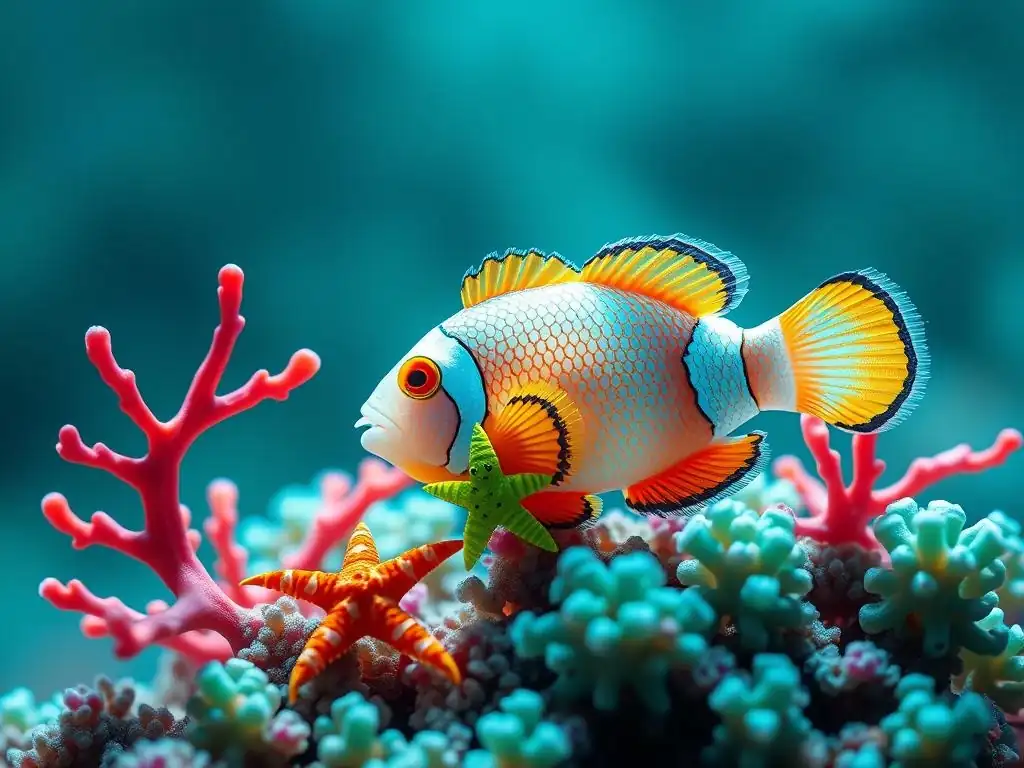
Achieving harmony between butterflyfish and invertebrates in a reef tank is entirely possible with careful planning and diligent husbandry. These case studies illustrate how specific strategies lead to success.
Case Study: Copperband Butterflyfish and Cleaner Shrimp
Consider a 120-gallon mixed reef aquarium that houses a Copperband Butterflyfish alongside a pair of Skunk Cleaner Shrimp (Lysmata amboinensis). The aquarist introduced the cleaner shrimp first, allowing them over two months to establish territories and become accustomed to the tank's numerous hiding spots within the ample live rock structure (approximately 150 lbs of live rock). The Copperband was then introduced as a juvenile, already accustomed to eating frozen mysis shrimp and finely chopped clam at the fish store.
The key to success in this setup was the consistent feeding regimen: the Copperband was fed small portions of frozen mysis and brine shrimp three times a day. This ensured the fish was always satiated, reducing its impulse to forage for live prey.
While the Copperband occasionally showed interest in the cleaner shrimp, the shrimp's larger size (over 1.5 inches at introduction) and the availability of numerous escape routes prevented any successful predation. Even after two years, both cleaner shrimp continued to thrive alongside the Copperband, occasionally even providing cleaning services to the butterflyfish, demonstrating that a butterflyfish does not always eat cleanup crew when conditions are optimized.
Case Study: Yellow Longnose Butterflyfish and Snails
In a 75-gallon reef tank, a Yellow Longnose Butterflyfish (Forcipiger flavissimus) coexisted peacefully with a diverse cleanup crew consisting of Astrea, Trochus, and Nassarius snails, along with a few Blue Leg Hermit Crabs. The tank was well-established for over six months before the butterflyfish was introduced, allowing the cleanup crew to proliferate and become deeply integrated into the ecosystem. The aquascape featured a labyrinthine structure of live rock, providing countless crevices for the snails to graze and hide.
The Yellow Longnose Butterflyfish, known for its preference for small, planktonic organisms and tiny benthic invertebrates, was regularly fed high-quality marine flakes and frozen copepod preparations twice daily. This specific species generally has a lower propensity to eat cleanup crew members like snails due to its more specialized mouthparts, which are less suited for prying snails from surfaces.
The combination of an established, robust cleanup crew and a butterflyfish species with a generally compatible diet resulted in no observed predation on the snails or hermit crabs over a three-year period, illustrating that careful species selection is a cornerstone of success.
Conclusion: Balancing Beauty and Harmony
Creating a successful reef aquarium that harmoniously blends the vibrant beauty of butterflyfish with the essential functions of an invertebrate cleanup crew requires a strategic and informed approach. While the risk of a butterflyfish eating cleanup crew members is a valid concern for many aquarists, it is not an insurmountable challenge. The key lies in understanding the specific dietary needs and predatory instincts of individual butterflyfish species, and then implementing proactive measures to mitigate potential conflicts.
Key Takeaways: Invertebrate Safety
- Research Thoroughly: Always investigate the specific dietary habits and reef compatibility of any butterflyfish species before purchase. Some species are significantly riskier than others.
- Prioritize Satiation: Consistent, frequent, and varied feeding of your butterflyfish is paramount. A well-fed fish is less likely to hunt for live invertebrates.
- Establish First: Introduce your cleanup crew members to the tank well in advance of any butterflyfish. This allows them to establish themselves and find safe havens.
- Provide Refuge: An intricate aquascape with ample live rock and numerous hiding spots is crucial for the survival of vulnerable invertebrates.
- Consider Alternatives: If predation remains a concern, utilize robust protein skimmers, regular water changes, and refugiums to manage detritus and maintain water quality.
- Monitor Closely: Even with the best planning, continuous observation of your tank inhabitants is essential to identify and address any compatibility issues early on.
Frequently Asked Questions
Will all Butterflyfish eat my cleanup crew?
No, not all butterflyfish are guaranteed to eat your cleanup crew. However, they are known to be opportunistic feeders and may consume certain invertebrates if given the chance. It's a risk!
Which cleanup crew members are most at risk from Butterflyfish?
Smaller invertebrates like small snails, hermit crabs, and certain shrimp species are most vulnerable. Larger, more robust creatures are generally safer.
What factors influence whether a Butterflyfish will eat my cleanup crew?
Several factors play a role, including the individual fish's temperament, the availability of other food sources, and the size and type of cleanup crew members.
How can I minimize the risk of my Butterflyfish eating my cleanup crew?
Provide your butterflyfish with a varied and plentiful diet, including frozen and prepared foods. Choose larger, more established cleanup crew members that are less likely to be seen as easy prey.
Are there any Butterflyfish species that are considered reef-safe?
While no butterflyfish is 100% reef-safe, some species like the Pyramid Butterflyfish (Hemitaurichthys polylepis) are often considered less likely to bother corals and some invertebrates, but it's still a risk.
Final Reflection: The Delicate Dance of Reef Ecology
The complexities explored throughout this article highlight the unpredictable nature of keeping a reef aquarium, particularly when introducing butterflyfish. Understanding the potential for these beautiful creatures to predate on a cleanup crew is not just about preventing financial loss; it's about acknowledging our responsibility to create a balanced and sustainable ecosystem within our glass boxes. The choices we make as aquarists have real consequences for the delicate balance of life within our tanks.
This exploration into the dietary habits of butterflyfish underscores the broader challenge of responsible reef keeping. It reminds us that success isn't just about achieving aesthetic beauty, but about understanding and respecting the intricate web of life we're attempting to replicate. The potential for disruption, even with seemingly harmless additions, is ever-present. As Dr. Martin Moe, a pioneer in marine aquarium keeping, once stated: The successful marine aquarist is a student of marine biology, not just a hobbyist.
This sentiment emphasizes the importance of continuous learning and mindful observation in our pursuit of a thriving reef.
Now, consider the implications of this knowledge. Are you truly prepared to accept the potential risks involved in introducing a butterflyfish to your reef? Are you willing to dedicate the time and effort required to ensure its dietary needs are met without decimating your cleanup crew? Let this article serve as a catalyst for thoughtful planning and responsible action. The future of your reef, and the well-being of its inhabitants, depends on the informed decisions you make today.
Ignite Your Reef Tank's Ecosystem!
Thank you for diving into the fascinating world of butterflyfish and their compatibility with reef tank inhabitants. You've gained valuable insights into making informed decisions for a thriving aquarium. Now, let's put that knowledge into action!
Here are a few steps you can take to ensure a harmonious reef environment:
- Carefully observe your potential butterflyfish in a quarantine tank before introducing them to your main reef aquarium. Document their feeding habits to gauge their compatibility with your current cleanup crew. This is a critical step!
- Share your findings! Contribute to the aquarium community by posting photos and descriptions of your butterflyfish and cleanup crew's interactions on relevant online forums. Help others learn from your experiences.
- Consider setting up a dedicated "invert-safe" observation tank to see how the butterflyfish interacts with inverts such as shrimp, snails and even starfish, allowing you to observe their behaviour in an enclosed and naturalistic environment, before exposing them to the entire reef tank.
What surprising feeding habits have you observed in your aquarium inhabitants? Share your stories in the comments below!