
The Best Wrasses for Nano Reef Aquariums: Tiny Tanks, Big Color, Minimal Risk

Welcome to Aquarium Mastery!
Ever dreamt of a vibrant, miniature reef teeming with life, but thought it was too complex? Dive into the captivating world of Nano Reef Wrasses Care and discover how these tiny, colorful fish can transform your small aquarium into a breathtaking underwater paradise. Ready to unlock the secrets to successfully keeping these stunning wrasses? Keep reading and let's make your nano reef dreams a reality!
- Introduction to Nano Reef Wrasses: A Colorful Addition to Small Aquariums
-
Top Wrasse Species for Nano Reef Aquariums: A Detailed Guide
- Halichoeres chrysus (Yellow Coris Wrasse): A Nano Reef Staple
- Pseudocheilinops ataenia (Pink-Streaked Wrasse): A Peaceful and Hardy Choice
- Wetmorella nigropinnata (Possum Wrasse): A Unique and Beneficial Invertebrate Hunter
- Paracheilinus cyaneus (Blue Flasher Wrasse): A Vibrant Display for Experienced Aquarists
- Essential Nano Reef Wrasse Care Tips: Ensuring Success
- Potential Challenges and Solutions for Nano Reef Wrasse Keeping
- Choosing the Right Wrasse for Your Nano Reef: A Summary
- Conclusion: Enjoying the Beauty and Benefits of Nano Reef Wrasses
-
Frequently Asked Questions
- What are the best nano reef wrasses for beginners?
- What is the minimum tank size required for most nano reef wrasses?
- What are some common health issues that affect nano reef wrasses, and how can I prevent them?
- How do I ensure my nano reef wrasse gets enough food in a community tank?
- Are nano reef wrasses reef safe, and what corals might they bother?
- Final Reflection: A Symphony of Color in Miniature
- Ignite Your Nano Reef: Discover the Wrasse Wonder!
Introduction to Nano Reef Wrasses: A Colorful Addition to Small Aquariums
Understanding the Appeal of Wrasses in Nano Reef Tanks
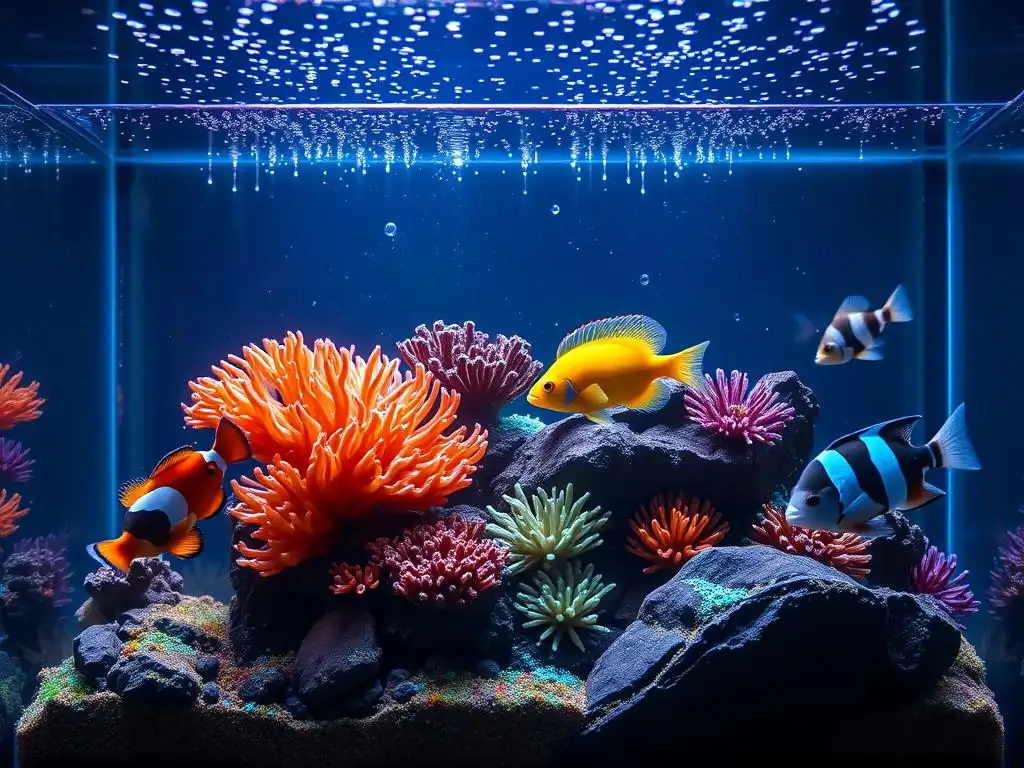
Wrasses are among the most sought-after fish in the marine aquarium hobby, celebrated for their vibrant colors, active swimming patterns, and often beneficial behaviors, such as pest control. In the context of nano reef tanks—aquariums typically under 30 gallons—the appeal of wrasses is amplified. Their relatively small adult sizes, combined with their dynamic personalities, allow aquarists to introduce significant visual interest and movement into compact reef ecosystems without overwhelming the bioload. Many species provide a constant source of entertainment as they dart through rockwork, forage for food, and display fascinating behaviors.
Beyond their aesthetic charm, certain wrasse species offer practical advantages for nano reef wrasses care. Some are natural predators of common reef pests like flatworms or pyramid snails, providing a biological solution to issues that can plague small, delicate reef systems. Their active swimming and foraging habits also help to keep the substrate clean and aerated, contributing to the overall health and stability of the nano environment. This combination of beauty and utility makes them an excellent choice for conscientious aquarists looking to enrich their miniature marine worlds.
Key Considerations Before Adding Wrasses to Your Nano Reef
Before introducing any wrasse to a nano reef aquarium, careful consideration of several factors is paramount to ensure their well-being and the stability of the tank. Firstly, tank size, while "nano," must still be appropriate for the specific wrasse species' adult size and activity level. A 10-gallon tank might be too small for even the smallest wrasse, as many require ample swimming space and territory. Secondly, the tank should be well-established and stable, with mature filtration and consistent water parameters, as wrasses can be sensitive to fluctuations, especially during acclimation.
Furthermore, compatibility with existing tank inhabitants—both fish and invertebrates—is crucial for successful nano reef wrasses care. While many wrasses are considered reef-safe, some may pose a risk to very small invertebrates, such as decorative snails or copepod populations. Thorough research into the specific species' dietary habits and temperament is essential to prevent conflicts or predation. Lastly, understanding the wrasse's natural behavior, such as burying in sand at night or when startled, will inform tank setup requirements, like the need for a sufficiently deep and fine sand bed.
Top Wrasse Species for Nano Reef Aquariums: A Detailed Guide
Halichoeres chrysus (Yellow Coris Wrasse): A Nano Reef Staple
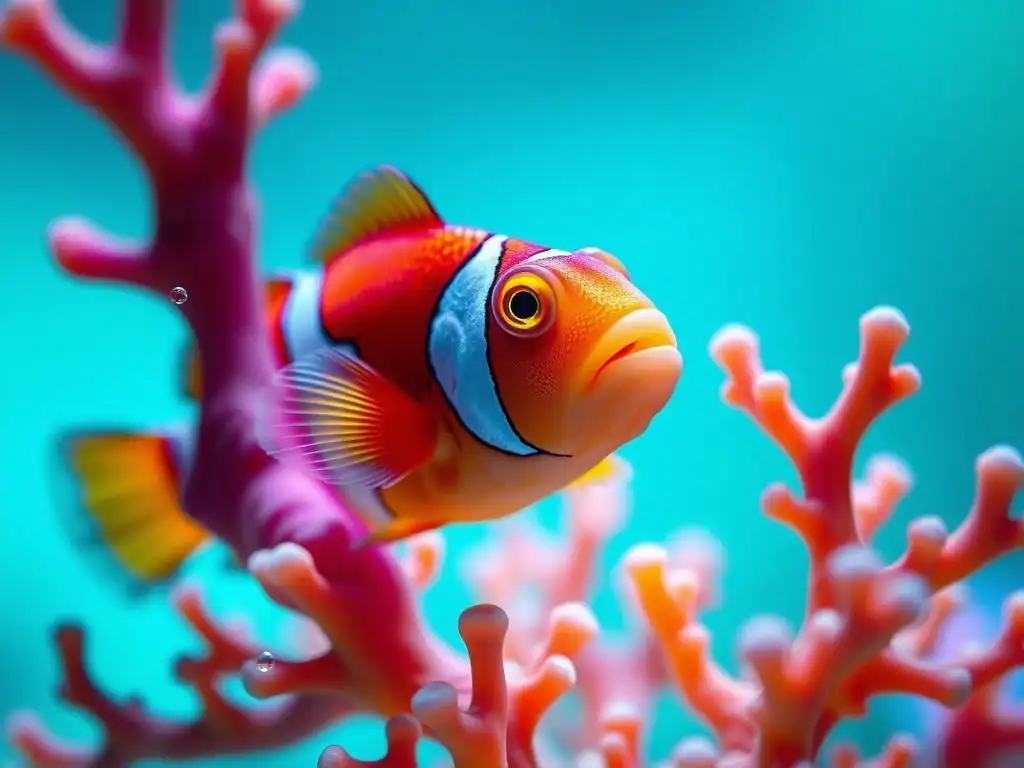
The Yellow Coris Wrasse, Halichoeres chrysus, is arguably one of the most popular and recognizable wrasses suitable for nano reef aquariums. Its striking, uniform bright yellow coloration immediately captures attention, adding a vibrant splash to any tank. Reaching a maximum size of about 4-5 inches, it remains manageable for tanks upwards of 20-30 gallons. This species is known for its active, inquisitive nature, constantly patrolling the rockwork and substrate in search of food.
Beyond its visual appeal, the Yellow Coris Wrasse is highly valued for its beneficial role in pest control. It has a natural inclination to hunt and consume various nuisance invertebrates, including flatworms (e.g., Convolutriloba retrogemma) and pyramid snails, which are common pests of tridacnid clams. This makes it an excellent addition for aquarists seeking a biological solution to these issues, contributing significantly to the overall health and cleanliness of the reef. Their robust nature and relatively peaceful disposition also make them a good candidate for many mixed-reef setups, simplifying nano reef wrasses care.
Yellow Coris Wrasse Care: Tank Size, Diet, and Compatibility
For optimal nano reef wrasses care for a Yellow Coris Wrasse, a minimum tank size of 20-30 gallons is recommended for a single specimen, providing enough space for its active swimming habits. A crucial requirement is a sand bed of at least 2-3 inches in depth, composed of fine-grained sand (e.g., aragonite sugar-sized). This is essential because the Yellow Coris Wrasse buries itself in the sand at night or when startled, a natural behavior that reduces stress and offers protection. Without an adequate sand bed, the fish can become highly stressed and prone to illness.
Their diet should be varied and meaty, as they are carnivores. Offerings of frozen mysis shrimp, enriched brine shrimp, copepods, and high-quality marine pellets or flakes should be provided 2-3 times daily. While generally reef-safe with corals, they might occasionally nip at very small, sessile invertebrates or tiny ornamental snails. They are typically peaceful with other fish of similar size and temperament, making them compatible with most community nano reef inhabitants, such as gobies, blennies, and certain clownfish.
Minimizing Risk: Addressing Potential Issues with Yellow Coris Wrasses
One primary risk associated with Yellow Coris Wrasses, common to many wrasse species, is their propensity to jump. When startled, stressed, or even just exploring, they can easily launch themselves out of an open-top aquarium. To mitigate this, a tight-fitting lid or mesh screen top is absolutely essential for nano reef wrasses care. Even small gaps around equipment can pose a significant escape route, so all openings should be covered securely.
Another potential issue is their active foraging, which can sometimes stir up the sand bed. While this is natural and beneficial for aeration, it can lead to cloudy water if filtration is insufficient or if the sand bed is too shallow. Ensuring robust mechanical filtration (e.g., filter socks, protein skimmer) and adequate water flow will help manage any stirred detritus. Additionally, while generally peaceful, they can occasionally be territorial towards very similar-looking fish or other wrasses if the tank is too small or lacking sufficient hiding spots. Providing ample rockwork with crevices can help alleviate potential aggression.
Pseudocheilinops ataenia (Pink-Streaked Wrasse): A Peaceful and Hardy Choice
The Pink-Streaked Wrasse, Pseudocheilinops ataenia, is an excellent choice for smaller nano reef aquariums, often overlooked despite its many virtues. Reaching a diminutive maximum size of approximately 2-3 inches, it is one of the smallest wrasse species available to hobbyists. Its coloration is subtle yet appealing, featuring a reddish-brown body adorned with delicate pink or orange streaks that become more apparent under good lighting. This species is renowned for its exceptionally peaceful nature and hardiness, making it suitable for even the most timid community setups.
Unlike some of its more boisterous cousins, the Pink-Streaked Wrasse exhibits a shy and non-aggressive demeanor. It spends its time gracefully navigating the rockwork, picking at tiny organisms, and rarely bothers other tank inhabitants. Its small size means it has a minimal bioload, which is a significant advantage in the restricted confines of a nano reef. This combination of small stature, peaceful temperament, and resilience makes it an ideal candidate for beginner aquarists venturing into nano reef wrasses care.
Pink-Streaked Wrasse Care: Creating the Ideal Environment
For the Pink-Streaked Wrasse, a minimum tank size of 10-20 gallons is generally sufficient, given its small adult size. Unlike many other wrasses, this species does not typically bury itself in the sand for sleeping. Instead, it prefers to find crevices or small caves within the rockwork to shelter at night or when feeling threatened. Therefore, providing ample live rock with numerous hiding spots is crucial for its comfort and security.
Their diet consists primarily of small, meaty foods. Offerings of enriched brine shrimp, cyclop-eeze, copepods, and finely chopped mysis shrimp should be provided once or twice daily. Due to their shy nature, it's important to ensure they are getting enough food, especially if housed with more assertive tank mates. Water parameters should be stable and within typical reef ranges: salinity 1.023-1.026 SG, temperature 74-78°F (23-26°C), and pH 8.1-8.4. Consistent water quality is key to successful nano reef wrasses care for this sensitive species.
Benefits of the Pink-Streaked Wrasse for Beginner Nano Reef Keepers
The Pink-Streaked Wrasse offers numerous advantages for those new to nano reef wrasses care. Its inherent hardiness means it can tolerate minor fluctuations in water parameters better than some more delicate species, increasing its survivability for less experienced aquarists. Furthermore, its peaceful disposition virtually eliminates the risk of aggression towards other tank inhabitants, making it a safe choice for mixed-reef setups with other small, peaceful fish and invertebrates. This reduces the stress often associated with managing inter-species conflicts.
Its small bioload is another significant benefit for nano tanks, which are inherently more susceptible to nutrient build-up. The Pink-Streaked Wrasse's minimal waste production helps maintain lower nitrate and phosphate levels, contributing to a healthier environment for corals and other sensitive organisms. Its unobtrusive nature and charming appearance make it a rewarding first wrasse for any aspiring nano reef keeper, providing beauty without demanding overly complex maintenance routines.
Wetmorella nigropinnata (Possum Wrasse): A Unique and Beneficial Invertebrate Hunter
The Possum Wrasse, Wetmorella nigropinnata, is a fascinating and often underestimated addition to nano reef aquariums. This species, typically reaching about 2.5-3 inches, is characterized by its somewhat elongated, reddish-brown body, large eyes, and often a distinctive black spot on its dorsal fin. Unlike the more active Halichoeres wrasses, Possum Wrasses are generally shy, reclusive, and exhibit a more "perching" behavior, often found nestled within the rockwork rather than constantly swimming in the open. They are primarily nocturnal or crepuscular, meaning they are most active during dawn and dusk.
Despite their shy nature, Possum Wrasses are highly beneficial for the nano reef ecosystem due to their natural diet. They are opportunistic hunters of small, unwanted invertebrates, making them an excellent biological control agent for nuisance pests. Their unique appearance and beneficial predatory habits make them a compelling choice for aquarists seeking a specialized solution to certain pest issues while adding a touch of the unusual to their tank, further enhancing the specific needs of nano reef wrasses care.
Possum Wrasse Care: Diet and Tank Maintenance
For successful nano reef wrasses care of a Possum Wrasse, a minimum tank size of 10-20 gallons is suitable, provided there is ample live rock with numerous crevices and caves for hiding. As they are primarily invertebrate hunters, their diet in captivity should reflect this.
They readily consume small, meaty frozen foods such as cyclop-eeze, enriched brine shrimp, and finely chopped mysis shrimp. Due to their reclusive nature, it's often beneficial to feed them during dimmer light conditions or after the main lights have been off for a while to ensure they get enough food, especially if housed with more aggressive feeders.
They do not require a sand bed for burying, preferring to shelter in rockwork. Stable water parameters (salinity 1.023-1.026 SG, temperature 74-78°F or 23-26°C, pH 8.1-8.4) are crucial, as is a tight-fitting lid to prevent jumping, despite their less active swimming style. Their shy demeanor means they thrive best in peaceful community tanks, away from aggressive or very active tank mates that might outcompete them for food or stress them out.
The Possum Wrasse's Role in Pest Control: A Natural Solution
The primary allure of the Possum Wrasse for many nano reef keepers lies in its exceptional ability to control nuisance invertebrates. They are known to actively hunt and consume various unwanted organisms, including small bristle worms, pyramid snails, copepods, and even some types of flatworms. Their keen eyesight and stealthy movements allow them to effectively seek out and eliminate these pests, which can otherwise proliferate quickly in a small, nutrient-rich nano environment.
By introducing a Possum Wrasse, aquarists can often reduce or even eliminate the need for chemical pest treatments, promoting a more natural and balanced ecosystem. This biological control method is particularly valuable in sensitive reef tanks where chemical additives could harm corals or beneficial microfauna. For those specifically focused on maintaining a clean and healthy reef with minimal intervention, incorporating a Possum Wrasse represents a smart and eco-friendly approach to nano reef wrasses care and overall tank management.
Paracheilinus cyaneus (Blue Flasher Wrasse): A Vibrant Display for Experienced Aquarists
The Blue Flasher Wrasse, Paracheilinus cyaneus, is a truly spectacular species, renowned for its breathtaking "flashing" displays. Males, in particular, will rapidly intensify their colors, exhibiting brilliant iridescent blues, reds, and yellows, especially during courtship, territorial displays, or when showing off. This dynamic color change is a marvel to behold and makes the Blue Flasher Wrasse a highly sought-after fish. While stunning, they are slightly larger than some other nano wrasses, reaching up to 3-4 inches, and can be more demanding, making them better suited for experienced aquarists.
Their active swimming and constant interaction with their environment provide continuous visual interest. They are generally peaceful but can exhibit territoriality towards other Paracheilinus species or similarly shaped fish. The successful keeping of a Blue Flasher Wrasse in a nano reef is a testament to an aquarist's dedication to providing specific environmental conditions and attentive nano reef wrasses care.
Blue Flasher Wrasse Care: Specific Requirements and Tank Mates
For a single Blue Flasher Wrasse, a minimum tank size of 20-30 gallons is recommended, allowing ample swimming space and room for their active displays. They thrive in tanks with plenty of open water for swimming combined with numerous hiding spots among live rock. A sand bed is not strictly necessary for sleeping, as they typically find crevices in the rockwork, but a shallow sand bed (1-2 inches) can be provided if desired.
Their diet should be varied and meaty, including high-quality frozen foods like mysis shrimp, enriched brine shrimp, and finely chopped seafood, offered 2-3 times a day. Consistency in feeding is important to maintain their vibrant coloration and energy levels. While generally considered reef-safe, like most wrasses, they might occasionally eye tiny crustaceans. Tank mates should be peaceful and similarly sized; aggressive or boisterous fish can stress them. It's best to keep only one male Blue Flasher Wrasse per tank unless the tank is significantly large (50+ gallons) and introduced simultaneously to reduce territorial disputes.
Successfully Keeping Blue Flasher Wrasses in a Nano Reef
Successfully keeping Blue Flasher Wrasses in a nano reef hinges on maintaining pristine and stable water parameters. They are more sensitive to poor water quality than some hardier wrasses, so consistent testing and regular small water changes (10-15% weekly) are crucial. Salinity (1.025 SG), temperature (75-78°F or 24-26°C), and alkalinity (8-11 dKH) should be kept within optimal ranges. A mature, well-cycled tank with robust filtration is non-negotiable.
Furthermore, a tight-fitting lid is absolutely essential, as Blue Flasher Wrasses are notorious jumpers, especially when startled or during their energetic flashing displays. Providing a calm environment with plenty of secure hiding spots will reduce stress and encourage their natural behaviors. Observing their flashing behavior is a good indicator of their health and comfort; a male that is not flashing might be stressed or ill. Dedicated nano reef wrasses care for this species will be rewarded with one of the most stunning visual displays in the marine aquarium hobby.
Essential Nano Reef Wrasse Care Tips: Ensuring Success
Acclimation Strategies for Nano Reef Wrasses: Reducing Stress
Proper acclimation is a critical first step in successful nano reef wrasses care, significantly reducing stress and increasing survival rates. The drip acclimation method is highly recommended for wrasses, as it slowly equalizes temperature and water chemistry (pH, salinity) between the shipping bag and the aquarium. This process should ideally take 1-2 hours, adding tank water to the bag water drop by drop until the volume has quadrupled. During this time, keep the lights dim to minimize stress.
Before beginning acclimation, float the bag in the sump or main display for 15-20 minutes to equalize temperature. Once acclimated, gently net the wrasse and transfer it to the tank, discarding the shipping water to avoid introducing any contaminants. For an even more cautious approach, consider placing the wrasse in a separate quarantine tank for 2-4 weeks. This allows for observation, deworming, and treatment of any potential diseases without risking the main display, a best practice in advanced nano reef wrasses care.
Maintaining Optimal Water Parameters for Wrasse Health
Consistent and optimal water parameters are fundamental to the long-term health and vibrancy of nano reef wrasses. Salinity should be maintained between 1.023 and 1.026 specific gravity (SG), ideally around 1.025 SG, which mimics natural reef conditions. Temperature should be kept stable between 74-78°F (23-26°C), with minimal daily fluctuations. A reliable heater and thermometer are essential. pH levels should consistently range from 8.1 to 8.4.
Beyond these primary parameters, it's crucial to keep ammonia and nitrite at undetectable levels, and nitrates as low as possible (ideally below 10-20 ppm). Regular testing with accurate kits is non-negotiable. Furthermore, maintaining stable alkalinity (8-11 dKH), calcium (400-450 ppm), and magnesium (1250-1350 ppm) is vital for the overall health of the reef environment, which directly impacts the well-being of the wrasses. Performing regular small water changes (10-20% bi-weekly) with high-quality saltwater will help replenish trace elements and dilute undesirable substances, forming a cornerstone of effective nano reef wrasses care.
Feeding Your Nano Reef Wrasses: A Balanced and Varied Diet
A balanced and varied diet is paramount for the health, coloration, and longevity of nano reef wrasses. Most wrasses are carnivores, with a natural inclination to hunt small invertebrates. In captivity, their diet should primarily consist of high-quality, meaty frozen foods such as mysis shrimp, enriched brine shrimp, cyclop-eeze, and finely chopped seafood (e.g., clams, shrimp). Offering a mix of these items ensures they receive a full spectrum of nutrients.
Feeding frequency is also important. Due to their active metabolism and constant foraging, wrasses benefit from multiple small feedings throughout the day (2-3 times) rather than one large meal. This mimics their natural feeding behavior and helps maintain stable energy levels. Supplementing their diet with high-quality marine pellets or flakes, especially those fortified with vitamins and color enhancers, can also be beneficial. For species known to hunt pests, ensuring a healthy population of beneficial microfauna in the tank can also supplement their natural diet, contributing to comprehensive nano reef wrasses care.
Choosing the Right Tank Mates for Nano Reef Wrasses: Compatibility is Key
Selecting appropriate tank mates is a critical aspect of successful nano reef wrasses care to prevent aggression, stress, and predation. Generally, wrasses thrive in community tanks with other peaceful, similarly sized fish. Good companions often include small gobies (e.g., Goby, Clown Goby), blennies (e.g., Midas Blenny, Starry Blenny), and certain species of clownfish (e.g., Ocellaris Clownfish). Avoid highly aggressive or territorial fish that might harass the wrasse or outcompete it for food.
While most wrasses suitable for nano reefs are considered "reef-safe" with corals, caution should be exercised with very small or delicate invertebrates. Some species, like the Yellow Coris Wrasse, might occasionally pick at tiny ornamental snails or very small hermit crabs, though this is usually not a significant issue. Always research the specific dietary habits and temperament of your chosen wrasse species before introducing it to a tank with a diverse invertebrate population. Providing ample rockwork and hiding spots can also help diffuse potential territorial disputes and reduce overall stress among tank inhabitants.
Potential Challenges and Solutions for Nano Reef Wrasse Keeping
Aggression and Territoriality: Identifying and Addressing Conflicts
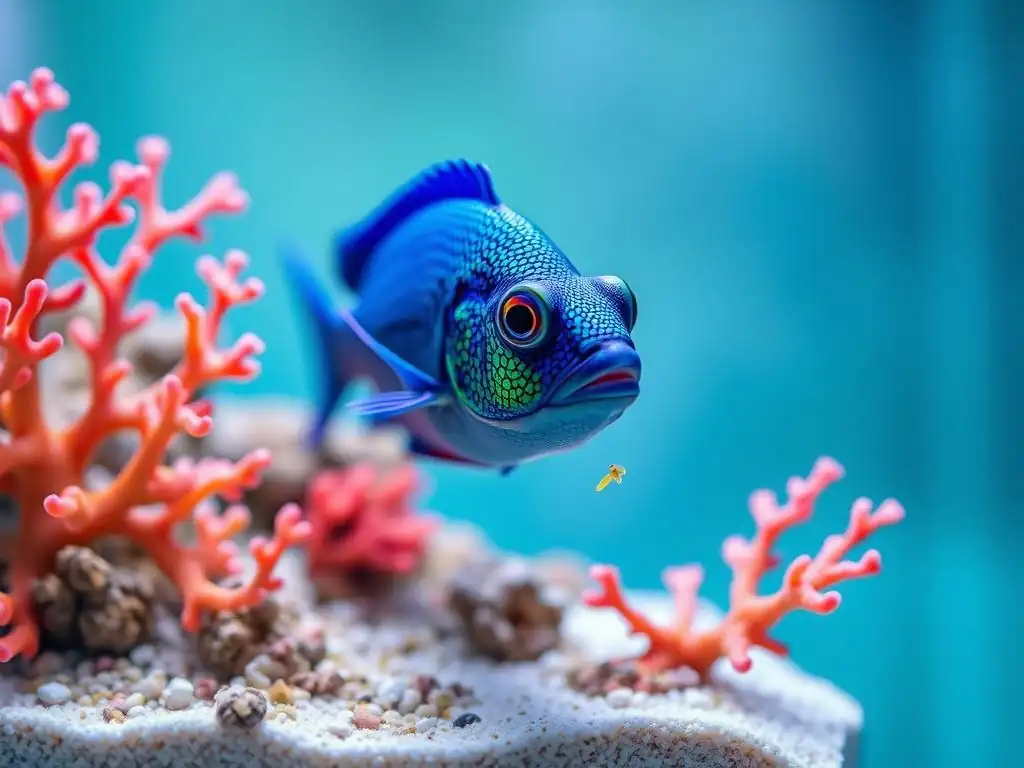
While many wrasses are known for their peaceful nature, aggression and territoriality can still arise, especially in the confined spaces of a nano reef. This often manifests as chasing, nipping, or preventing other fish from accessing food or prime hiding spots. Overcrowding, insufficient hiding places, or introducing multiple similar-looking wrasse species are common culprits. For instance, two male Flasher Wrasses in a small tank will almost certainly lead to conflict.
To address aggression, observe the fish closely to identify the aggressor and the victim. Solutions include rearranging the live rockwork to break up established territories and create new visual barriers. Adding more hiding spots, such as caves and overhangs, can provide refuge for submissive fish. If aggression persists and is severe, the most effective solution is often to remove either the aggressor or the victim to a separate tank. Ensuring adequate space for each fish's needs from the outset is crucial for preventative nano reef wrasses care.
Parasites and Diseases: Prevention and Treatment Options
Like all marine fish, nano reef wrasses are susceptible to common marine parasites and diseases, such as Marine Ich ( Cryptocaryon irritans) and Marine Velvet ( Amyloodinium ocellatum). Stress from poor water quality, improper acclimation, or aggressive tank mates significantly weakens their immune system, making them more vulnerable. Symptoms include white spots on the body and fins, rapid breathing, flashing against decor, and lethargy.
Prevention is the best approach for nano reef wrasses care. Always quarantine new fish in a separate tank for 2-4 weeks before introducing them to the main display. This allows for observation and treatment without risking the entire reef. Maintain stable, pristine water parameters and provide a nutritious diet to keep fish robust.
If diseases occur, treatment options include copper-based medications (only in a quarantine tank, as copper is toxic to invertebrates and corals), or hyposalinity (reducing salinity in a separate tank). Freshwater dips can offer temporary relief for external parasites but are not a long-term solution. Always consult with a marine veterinarian or experienced aquarist for severe cases.
Jumping Risk: Securing Your Nano Reef Tank
Wrasses, particularly the more active species like the Yellow Coris Wrasse and Flasher Wrasses, are notorious jumpers. They can launch themselves out of even small openings when startled, stressed, or simply exploring their environment. This is a significant risk in open-top nano reef tanks and can lead to immediate fatality if not prevented. This jumping behavior is a natural instinct and a primary concern in nano reef wrasses care.
To mitigate this risk, a tight-fitting lid or mesh screen top is absolutely essential. Custom-cut polycarbonate or acrylic lids with small holes for equipment can be effective, but a DIY mesh screen top made from clear netting and light diffuser material is often preferred as it allows for better gas exchange and light penetration. Ensure that all small gaps around filters, heaters, powerheads, and other equipment are covered. Even a tiny opening can be an escape route for a determined wrasse. Regularly inspect your lid for any potential escape points.
Sand Sifting and Substrate Disturbance: Finding a Balance
Several popular wrasse species, including the Yellow Coris Wrasse ( Halichoeres chrysus), are known for their sand-sifting behavior. They bury themselves in the sand at night or when startled, and during the day, they actively sift through the substrate in search of food. While this behavior is natural and can help aerate the sand bed, it can also lead to substrate disturbance. In a nano reef, this might result in cloudy water from stirred detritus, or even the dislodging of small corals or invertebrates placed on the sand.
To manage this as part of nano reef wrasses care, ensure that the sand bed is sufficiently deep (at least 2-4 inches) and composed of fine-grained sand (e.g., sugar-sized aragonite). This provides a comfortable and safe burying medium. Implement robust mechanical filtration (e.g., filter socks, protein skimmer) and ensure adequate water flow throughout the tank to help capture and remove stirred detritus before it settles.
Placing corals and rockwork securely on the tank bottom (or on egg crate) before adding sand can prevent them from being undermined by the wrasse's activities. Regularly vacuuming the sand surface can also help remove accumulated detritus.
Choosing the Right Wrasse for Your Nano Reef: A Summary
Evaluating Your Tank's Compatibility and Your Experience Level
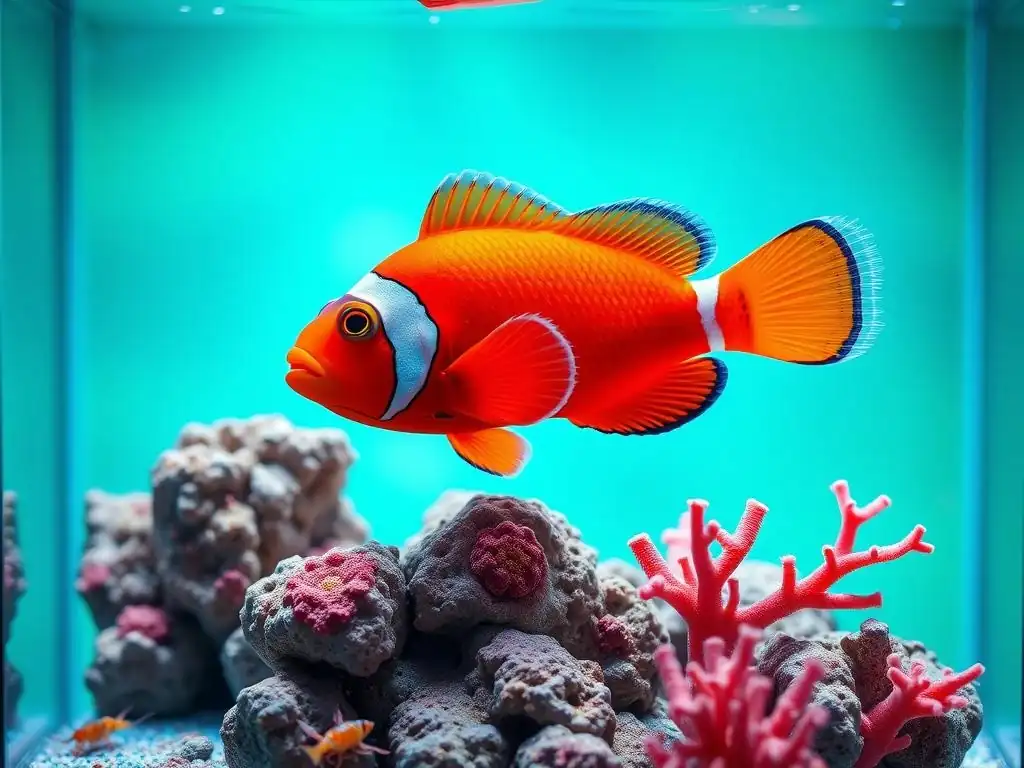
Selecting the ideal wrasse for your nano reef requires a realistic assessment of your tank's specific conditions and your own aquarist experience level. Consider the established tank size, its maturity, and the existing inhabitants. A 10-gallon tank will have different limitations than a 30-gallon one, dictating which wrasse species can thrive. For instance, the tiny Pink-Streaked Wrasse is suitable for smaller volumes, while a Yellow Coris Wrasse benefits from more space.
Beginner aquarists focusing on nano reef wrasses care might find the hardiness and peaceful nature of the Pink-Streaked Wrasse or the beneficial pest control of the Possum Wrasse more forgiving. More experienced hobbyists, prepared for specific needs like frequent feeding or potential territoriality, might venture into the vibrant world of the Blue Flasher Wrasse. Always prioritize the long-term well-being of the fish over immediate aesthetic appeal. Researching the species' adult size, temperament, and specific environmental needs will guide your decision towards a compatible and healthy addition.
Considering the Long-Term Needs of Your Chosen Wrasse Species
When choosing a wrasse for your nano reef, it's crucial to look beyond its initial appeal and consider its long-term needs. Many wrasses, even those considered "nano-friendly," can live for several years. For example, a Yellow Coris Wrasse can live for 5-7 years or more with proper nano reef wrasses care. This means planning for their eventual adult size, dietary requirements, and potential changes in behavior as they mature. A wrasse that fits comfortably in a 20-gallon tank as a juvenile might outgrow it in a few years, requiring an upgrade.
Additionally, consider the ongoing commitment to providing a varied diet, stable water parameters, and a secure environment. Some wrasses have specific dietary needs (e.g., pest control for Possum Wrasses) or behavioral quirks (e.g., sand burying for Yellow Coris Wrasses) that require consistent attention. Ensuring you can meet these needs for the entirety of the fish's lifespan is a hallmark of responsible aquarium keeping and will lead to a thriving, vibrant nano reef.
The Future of Nano Reef Wrasse Keeping: Trends and Innovations
The landscape of nano reef wrasses care is continually evolving, driven by advancements in aquaculture and increasing awareness of sustainable practices. A significant trend is the growing availability of captive-bred wrasses. Species like certain flasher wrasses and even some Halichoeres are increasingly being bred in captivity, reducing reliance on wild collection and often resulting in hardier, disease-resistant specimens that are already accustomed to aquarium life and prepared foods. This development promises to make wrasse keeping more accessible and environmentally responsible.
Furthermore, innovations in aquarium technology, such as more efficient LED lighting, compact filtration systems, and precise dosing equipment, are making it easier to maintain the stable parameters essential for wrasse health in smaller volumes. The hobby is also seeing a growing interest in creating biotope-specific nano tanks, where wrasses can be housed in environments that closely mimic their natural habitats, promoting more natural behaviors and overall well-being. These trends point towards a future where nano reef wrasses care is not only more successful but also more sustainable and enriching for both the aquarist and the fish.
Conclusion: Enjoying the Beauty and Benefits of Nano Reef Wrasses
Frequently Asked Questions
What are the best nano reef wrasses for beginners?
For beginners, Yellow Coris Wrasse and Possum Wrasse are excellent choices. They are generally hardy, relatively peaceful, and adapt well to smaller tanks, making them easier to care for.
What is the minimum tank size required for most nano reef wrasses?
While some can tolerate smaller spaces, a 20-gallon tank is generally recommended as the minimum size for most nano reef wrasses. This provides enough space for them to swim and establish territories.
What are some common health issues that affect nano reef wrasses, and how can I prevent them?
Common issues include ich (marine white spot disease) and stress. Proper quarantine procedures, maintaining excellent water quality, and providing a stress-free environment are crucial for prevention.
How do I ensure my nano reef wrasse gets enough food in a community tank?
Nano reef wrasses often compete with other tank inhabitants for food. Offer small, frequent feedings of high-quality foods targeted specifically for them to ensure they get enough nutrition.
Are nano reef wrasses reef safe, and what corals might they bother?
Most nano reef wrasses are considered reef safe, but some may nip at certain corals, especially LPS (Large Polyp Stony) corals. Researching specific species' behavior is essential before introducing them to your reef.
Final Reflection: A Symphony of Color in Miniature
The vibrant world of nano reef aquariums, once a niche hobby, is now flourishing, and with it, the demand for suitable inhabitants has surged. Understanding the specific needs of nano reef wrasses is no longer just a matter of preference, but a crucial aspect of responsible reef keeping. This article has aimed to provide a comprehensive guide, ensuring that even the smallest of reef ecosystems can thrive with these captivating fish.
The allure of these miniature ecosystems lies in their accessibility and the opportunity to create a microcosm of the ocean within our homes. The joy of witnessing a tiny wrasse darting amongst the corals, adding a splash of color and personality, is a truly rewarding experience. The sea, once it casts its spell, holds one in its net of wonder forever.
- Jacques Cousteau. This quote perfectly encapsulates the enduring fascination we have with the underwater world, a fascination that nano reefs allow us to explore on a personal scale.
As we conclude this exploration of nano reef wrasses, I encourage you to consider the profound responsibility that comes with creating and maintaining these delicate environments. Let the knowledge gained here inspire you to approach your nano reef with mindful care, ensuring the well-being of these magnificent creatures and contributing to the long-term sustainability of the reef keeping hobby. Let's strive to be not just keepers, but stewards of these miniature oceans, fostering a future where both beauty and responsibility thrive in harmony.
Ignite Your Nano Reef: Discover the Wrasse Wonder!
Thank you for exploring the vibrant world of nano reef wrasses with us! We hope you found inspiration and valuable insights for creating your own dazzling miniature ecosystem. Now, it's time to bring that vision to life!
- Take the plunge and research the specific needs of your chosen wrasse species, ensuring a thriving and happy environment for your new aquatic friend.
- Delve deeper by exploring reefing forums and connect with other nano reef enthusiasts to share experiences and tips.
- Consider starting a nano reef journal to document your journey and track the success of your wrasse and overall reef ecosystem.
What's one small tweak you'll make to your current (or future) nano reef to create an even better environment for a wrasse?