
Tang Feeding Frenzy: How Often and How Much Should You Feed for Peak Health?

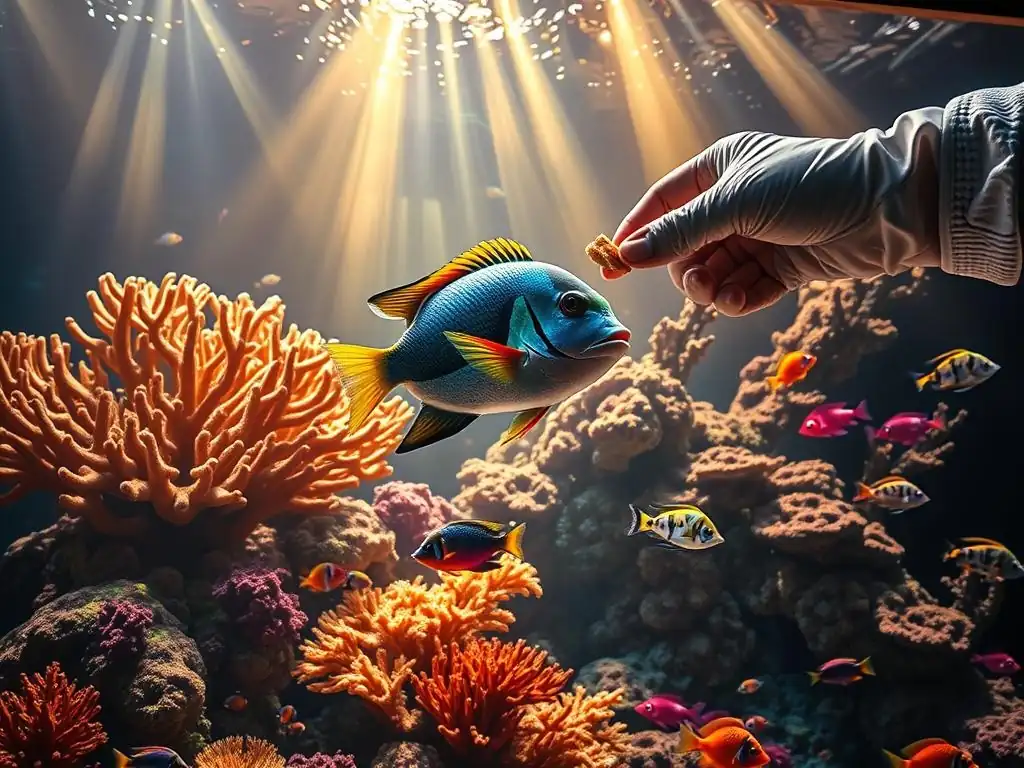
Welcome to Aquarium Mastery!
Ever wondered if you're really giving your saltwater fish the best possible diet? Dive in and discover the secrets to a perfect saltwater fish feeding schedule. This article tackles everything you need to know about how often and how much to feed your finned friends for optimal health. Ready to unlock the feeding frenzy and ensure your tangs – and all your saltwater companions – thrive? Let's get started!
- Understanding the Dietary Needs of Tangs in Saltwater Aquariums
- Establishing the Ideal Saltwater Fish Feeding Schedule for Tangs
- Best Foods for Tangs: A Nutritional Breakdown
- Creating a Balanced Feeding Plan for Optimal Tang Health
- Avoiding Common Saltwater Fish Feeding Mistakes with Tangs
- Optimizing Water Quality Through Proper Saltwater Fish Feeding Practices
- Recognizing and Addressing Saltwater Fish Feeding-Related Health Problems in Tangs
- Advanced Saltwater Fish Feeding Techniques for Tangs
- Conclusion: Mastering the Art of Saltwater Fish Feeding for Thriving Tangs
-
Frequently Asked Questions
- How often should I feed my Tangs in a saltwater aquarium?
- What is the ideal food type for Tangs to maintain optimal health?
- How much food should I give my Tangs at each feeding?
- What are the signs of overfeeding or underfeeding Tangs?
- How does the feeding schedule impact the overall health of my saltwater aquarium ecosystem?
- Final Reflection: The Rhythm of the Reef
- Unleash Your Tang's True Potential!
Understanding the Dietary Needs of Tangs in Saltwater Aquariums
Why Proper Saltwater Fish Feeding is Crucial for Tang Health
Proper saltwater fish feeding schedule is paramount for the long-term health and vitality of Tangs in a captive environment. These active, fast-metabolizing fish require a consistent and nutrient-rich diet to support their high energy levels, maintain vibrant coloration, and bolster their immune system against common diseases. Without adequate nutrition, tangs can quickly become stressed, leading to a decline in their overall well-being and a susceptibility to various health issues that are often difficult to reverse.
The consequences of an improper diet for Tangs are significant and can manifest in several ways. One of the most well-known and devastating conditions linked to nutritional deficiencies is Head and Lateral Line Erosion (HLLE), a condition where pits and lesions develop on the fish's head and along its lateral line. While multiple factors can contribute to HLLE, a deficiency in key vitamins, particularly Vitamin C and A, is a primary culprit.
Studies and observed cases in public aquariums suggest that up to 60-70% of HLLE cases in captive tangs show significant improvement or remission with a well-balanced, vitamin-enriched diet. Other issues include stunted growth, faded colors, lethargy, and increased vulnerability to parasitic infections like marine ich, highlighting the critical role of a meticulously planned saltwater fish feeding schedule.
The Natural Diet of Tangs: Algae and Beyond
In their natural reef habitats, Tangs, also known as Surgeonfish, are predominantly herbivorous grazers, spending the majority of their waking hours foraging for algae. Their specialized mouths and digestive systems are perfectly adapted for scraping microalgae and consuming filamentous and macroalgae from rocks and corals. This continuous grazing behavior in the wild means they are constantly taking in small amounts of food, which is crucial for their digestive health and energy needs.
While algae forms the cornerstone of their natural diet, some Tang species exhibit a more omnivorous tendency, supplementing their algal intake with small invertebrates, zooplankton, or detritus. For example, Yellow Tangs (Zebrasoma flavescens) are almost exclusively herbivorous, relying heavily on various forms of algae. In contrast, species like the Naso Tang (Naso lituratus) or Kole Tang (Ctenochaetus strigosus) may also consume small crustaceans or detritus, making their natural diet slightly broader. Understanding this natural inclination is vital when devising a comprehensive saltwater fish feeding schedule that meets the specific needs of different Tang species in an aquarium.
Establishing the Ideal Saltwater Fish Feeding Schedule for Tangs
Determining the Frequency: How Often to Feed Your Tangs
Given their natural grazing behavior, Tangs thrive on frequent, small feedings rather than one or two large meals a day. Mimicking their wild habits, the ideal saltwater fish feeding schedule for Tangs involves offering food 2-3 times a day for most home aquariums. For larger tanks with multiple active Tangs or particularly energetic species, increasing the frequency to 4-5 smaller feedings spread throughout the day can be highly beneficial. This approach ensures a steady supply of nutrients, prevents prolonged periods of hunger, and reduces the likelihood of aggressive competition over food.
The exact frequency will also depend on several factors, including the tank size, the number and size of Tangs, the presence of other fish, and the availability of natural algae growth within the aquarium. For instance, a 150-gallon reef tank housing a mature Yellow Tang, a Blue Tang, and a Kole Tang might benefit from three daily feedings: a morning offering of algae pellets, a mid-day clip of nori, and an evening sprinkle of high-quality flakes.
Conversely, a smaller 75-gallon FOWLR (Fish Only With Live Rock) tank with a single juvenile Tang and some natural algae growth might be perfectly content with two daily feedings. Observation of your specific fish's behavior and body condition is key to fine-tuning this aspect of the saltwater fish feeding schedule.
Portion Control: How Much Food Should Tangs Consume?
Portion control is a critical aspect of any effective saltwater fish feeding schedule, especially for Tangs. The general rule of thumb is to offer an amount of food that your Tangs can completely consume within 1 to 2 minutes. Overfeeding is a common mistake that can lead to significant water quality issues, including elevated nitrates and phosphates, which in turn promote nuisance algae growth and stress fish. It's far better to underfeed slightly than to overfeed.
For algae sheets like nori, a starting point is to offer a piece roughly 1 square inch per Tang, per feeding, adjusting based on the fish's size and appetite. For example, a 4-inch Yellow Tang might consume a 1x1 inch piece of nori, while a larger 8-inch Naso Tang could handle a 2x2 inch piece.
When using pellets or flakes, a small pinch that disperses quickly and is consumed within the timeframe is appropriate. Always observe that all Tangs are getting their share, especially in community tanks, and never leave uneaten food to decay in the aquarium, as this directly impacts water parameters and can lead to health problems.
Best Foods for Tangs: A Nutritional Breakdown
Algae-Based Foods: The Cornerstone of a Tang's Diet
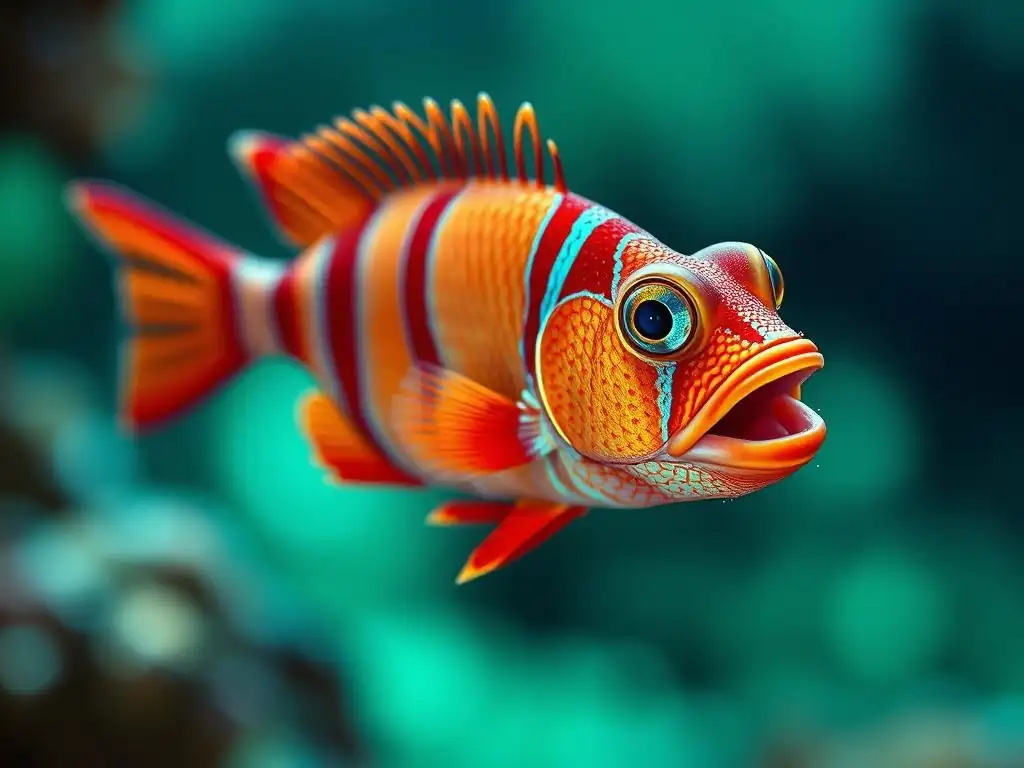
Algae-based foods are unequivocally the most crucial component of a Tang's diet, reflecting their natural herbivorous tendencies. Commercially available dried seaweed, often referred to as nori, is an excellent staple and should be a daily offering. It's imperative to use unseasoned, human-grade nori, as varieties intended for human consumption often contain additives like salt, oils, or spices that are harmful to fish. These algae sheets provide essential fiber, vitamins (especially Vitamin C, crucial for preventing HLLE), and a broad spectrum of minerals that are vital for robust health.
Beyond dried sheets, incorporating live algae, where feasible, offers immense benefits by allowing for continuous grazing, closely mimicking their natural environment. This can include encouraging natural filamentous algae growth on live rock or introducing cultured macroalgae like Chaetomorpha or Gracilaria into a refugium or display tank. Scientific studies on the gut contents of wild Surgeonfish reveal that over 80% of their diet is composed of various micro and macroalgae, emphasizing the importance of diverse algal sources in a captive saltwater fish feeding schedule.
Types of Algae Sheets and Pellets for Tangs
A varied selection of algae-based foods should be part of any comprehensive saltwater fish feeding schedule for Tangs. The most common and highly recommended type is dried seaweed, or nori, which comes in green, purple, and red varieties. Green nori is widely accepted and nutritious. Spirulina flakes and pellets are another excellent choice, being rich in protein, carotenoids (enhancing color), and a wide array of vitamins and minerals. Chlorella, another type of green algae, is often incorporated into high-quality fish pellets and offers a different nutritional profile. Kelp pellets and granules also contribute to dietary diversity.
To offer these foods, nori can be clipped to the side of the aquarium using a veggie clip, allowing Tangs to graze naturally. Pellets and flakes should be small enough for easy consumption by the specific Tang species you keep. Rotating between different types of algae sheets (e.g., green nori one day, purple the next) and varying the brands of spirulina or kelp pellets ensures a broader spectrum of nutrients and prevents dietary boredom. This diverse approach helps guarantee that your Tangs receive all the necessary building blocks for peak health.
Supplementing with Other Foods: Vegetables, Meats, and Prepared Diets
While algae is the primary dietary component, supplementing with other foods is crucial for a complete and balanced saltwater fish feeding schedule. Blanched fresh vegetables, such as zucchini, broccoli florets, and spinach, can be offered occasionally. These provide different vitamins, minerals, and additional fiber, contributing to digestive health. However, not all Tangs will readily accept vegetables, so it may require patience and persistence to introduce them into their diet.
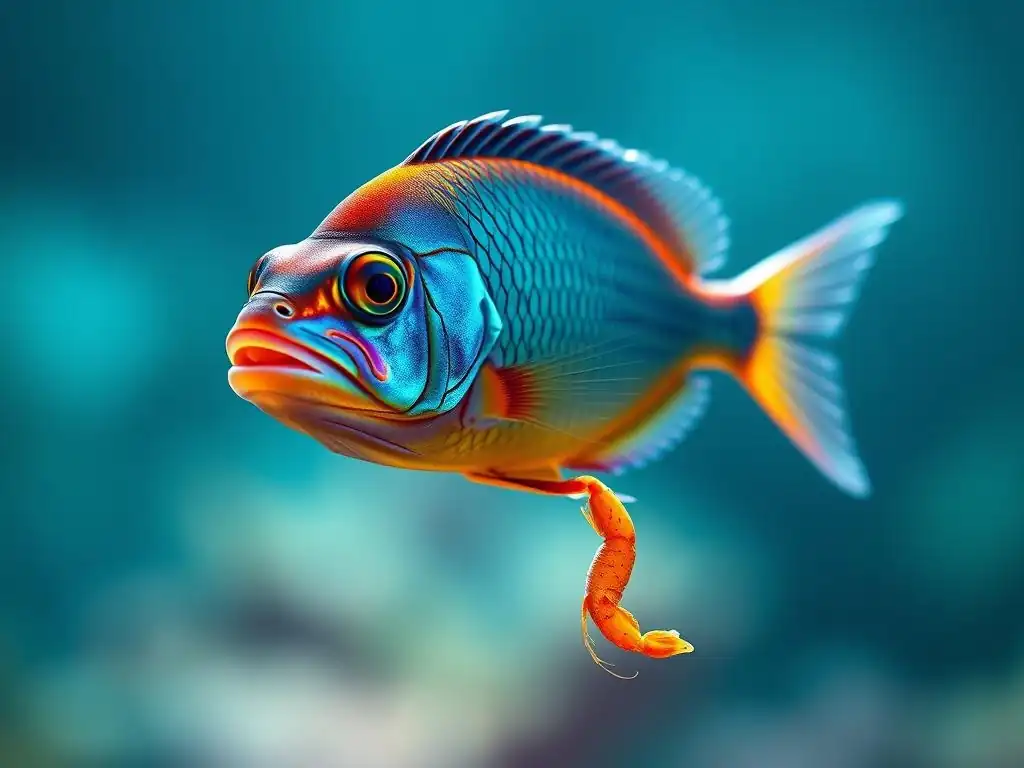
For certain Tang species, particularly the more omnivorous ones like Bristletooth Tangs (e.g., Kole Tangs, Tomini Tangs) or some Naso Tangs, occasional offerings of meaty foods can be beneficial. This might include frozen mysis shrimp, brine shrimp (though nutritionally limited, they can stimulate appetite), or finely chopped seafood like clam or squid. These protein sources should be given sparingly, perhaps once or twice a week, as their digestive systems are not designed for large amounts of animal protein. Overfeeding protein can lead to liver issues and increased waste production, negatively impacting water quality.
The Role of Protein in Tang Nutrition for Saltwater Fish
Despite their primarily herbivorous nature, protein remains an essential macronutrient for Tangs, vital for growth, tissue repair, enzyme function, and overall metabolic processes. However, the quantity and source of protein are critical. Excessive animal protein in a Tang's diet can lead to health problems, as their digestive systems are optimized for processing plant matter. High-quality vegetable proteins, found abundantly in spirulina and chlorella, are generally more suitable and easily digestible for these fish.
A well-formulated saltwater fish feeding schedule for Tangs will ensure adequate but not excessive protein. Premium Tang pellets and flakes typically contain protein levels in the range of 30-40%, balanced with high fiber content from algal sources. This balance ensures that Tangs receive the necessary amino acids for healthy development without overburdening their digestive system. For instance, a commercial spirulina flake might contain 38% crude protein, primarily from plant sources, which is ideal for supporting a Tang's growth and vitality.
Creating a Balanced Feeding Plan for Optimal Tang Health
Sample Saltwater Fish Feeding Schedule for Different Tang Species
Developing a customized saltwater fish feeding schedule is essential for the diverse needs of various Tang species. For primarily herbivorous Tangs like Yellow Tangs, Blue Tangs, or Purple Tangs, a typical daily schedule might involve:
- Morning (7:00 AM): A small pinch of high-quality spirulina flakes or pellets.
- Mid-day (1:00 PM): A 1x1 inch piece of dried nori clipped to the tank.
- Evening (7:00 PM): Another small pinch of spirulina pellets or a different type of algae-based flake.
For larger, more active specimens, or multiple Tangs, the quantity or frequency might increase.
For omnivorous Tangs such as Kole Tangs or Naso Tangs, the schedule would incorporate occasional meaty additions:
- Morning (7:00 AM): High-quality spirulina pellets.
- Mid-day (1:00 PM): Dried nori.
- Evening (7:00 PM): A mix of spirulina flakes and a small amount of frozen mysis shrimp or finely chopped clam (2-3 times a week).
This sample saltwater fish feeding schedule provides a framework; adjust quantities based on fish size, tank inhabitants, and observed consumption to ensure all fish are well-fed without overfeeding.
Monitoring Your Tang's Health Through Feeding Habits
Observing your Tang's feeding habits is a crucial indicator of its overall health and well-being. A healthy Tang will typically be eager to eat and display an active appetite, often being among the first fish to respond to food. A sudden decrease in appetite, refusal to eat, or a change in feeding behavior (e.g., picking at food but not consuming it) can be early signs of stress, disease, or water quality issues.
Regularly monitoring your Tang's body condition is also vital. A healthy Tang should have a full, rounded belly and vibrant coloration. A sunken belly or visible spine indicates underfeeding or a serious underlying health problem, while a consistently bloated appearance could suggest overfeeding or an internal issue. By carefully observing their eagerness to eat, the amount they consume, and their physical appearance, you can quickly identify problems and adjust your saltwater fish feeding schedule or seek veterinary advice if necessary.
Avoiding Common Saltwater Fish Feeding Mistakes with Tangs
Overfeeding: The Risks and How to Prevent It
Overfeeding is arguably the most common and detrimental mistake in any saltwater fish feeding schedule, especially with Tangs. When too much food is introduced into the aquarium, uneaten portions decompose rapidly, leading to a cascade of negative effects on water quality. This includes a sharp increase in ammonia, nitrites, and nitrates, as well as phosphates, which fuel nuisance algae blooms and create an unhealthy environment for your fish. High nutrient levels stress fish, weaken their immune systems, and make them more susceptible to diseases like marine ich and bacterial infections.
To prevent overfeeding, adhere strictly to the "1-2 minute rule": only offer what your Tangs can consume entirely within 1 to 2 minutes. It's often helpful to feed small amounts, wait for it to be consumed, and then offer another small amount if necessary, rather than dumping a large quantity at once.
Using a feeding ring or clip for nori can also help contain the food and prevent it from scattering and settling in inaccessible areas. Regularly performing water tests to monitor nitrate and phosphate levels can serve as an early warning system, indicating if your current saltwater fish feeding schedule is contributing to nutrient overload.
Underfeeding: Recognizing the Signs and Addressing the Issue
While overfeeding is prevalent, underfeeding can also be a significant problem, particularly in tanks with multiple fish or highly active Tangs. Signs of underfeeding in Tangs include a noticeable loss of body mass, evidenced by a sunken belly or a prominent dorsal ridge, indicating that the fish is not receiving adequate calories or nutrients. Lethargy, faded coloration, and increased aggression towards tank mates (due to food competition) can also be indicators. Chronically underfed Tangs are more prone to stunted growth and have a severely compromised immune system, making them highly vulnerable to diseases.
If you suspect underfeeding, the first step is to re-evaluate your saltwater fish feeding schedule. Increase the frequency of feedings (e.g., from twice to three or four times a day) while maintaining small portion sizes, or slightly increase the portion size if the fish are consuming all food rapidly and still appear thin. Ensure that all Tangs in the tank are getting their fair share of food, especially if there are more dominant or aggressive feeders present. Target feeding for shy or less competitive Tangs, as discussed later, can be a valuable technique to ensure they receive adequate nutrition.
Choosing the Right Food Size and Texture for Tangs
The size and texture of the food offered are crucial considerations for effective saltwater fish feeding schedule for Tangs. Tangs have relatively small mouths compared to their body size, adapted for scraping algae rather than consuming large chunks of food. Therefore, pellets, flakes, and frozen foods should be appropriately sized to prevent choking and ensure efficient consumption. Small pellets (e.g., 1-2mm) and finely crushed flakes are generally ideal for most Tang species.
For frozen foods like mysis shrimp or finely chopped seafood, ensure they are thawed and cut into pieces small enough for your Tangs to easily ingest. The texture of food also plays a role in palatability and digestion. Softer foods, like blanched vegetables or rehydrated nori, are often easier for Tangs to consume and digest. Hard, dry foods might be ignored or cause digestive upset. Always consider the specific Tang species; for instance, a small Yellow Tang will require much smaller food particles than a large Naso Tang.
Optimizing Water Quality Through Proper Saltwater Fish Feeding Practices
The Impact of Feeding on Nitrate Levels in Saltwater Aquariums
The way you manage your saltwater fish feeding schedule has a direct and profound impact on the nitrate levels in your aquarium. When fish consume food, they metabolize nutrients and excrete waste, primarily ammonia. This ammonia is then converted by beneficial bacteria in the biological filter into nitrite, and subsequently into nitrate in a process called the nitrogen cycle. Uneaten food also decomposes, contributing significantly to the ammonia load. Higher feeding quantities or frequencies, especially with nutrient-rich foods, directly lead to increased waste production and, consequently, higher nitrate accumulation.
High nitrate levels (consistently above 20-40 ppm) can be detrimental to delicate reef inhabitants and even stress fish over time, leading to reduced immunity and susceptibility to disease. Therefore, precise portion control and avoiding overfeeding are paramount. A well-managed feeding regimen minimizes the organic load in the tank, reducing the burden on the filtration system and helping to keep nitrates in check. Regular water changes, typically 10-20% bi-weekly, are also essential to export accumulated nitrates, even with an optimized saltwater fish feeding schedule.
Effective Filtration Strategies to Maintain Water Quality
Beyond a proper saltwater fish feeding schedule, robust filtration strategies are indispensable for maintaining pristine water quality in a Tang aquarium. A multi-faceted approach to filtration helps manage the bioload effectively. Mechanical filtration, such as filter socks, sponges, or filter floss, physically removes particulate matter like uneaten food and fish waste before it breaks down, thereby preventing the initial buildup of ammonia. These media should be cleaned or replaced frequently, ideally every few days, to prevent them from becoming nitrate factories themselves.
Biological filtration, provided by live rock, bio-balls, or ceramic media, hosts the beneficial bacteria that convert toxic ammonia and nitrite into less harmful nitrate. A mature and well-established biological filter is crucial for processing the waste generated by active feeders like Tangs.
Chemical filtration, such as activated carbon and phosphate removers (GFO), plays a vital role by adsorbing dissolved organic compounds, yellowing agents, and phosphates, which further contribute to water clarity and inhibit nuisance algae growth. Protein skimmers are also highly effective at removing organic waste before it can break down, significantly reducing the overall nutrient load and supporting a healthy environment despite a potentially demanding saltwater fish feeding schedule.
Identifying Signs of Malnutrition in Tangs
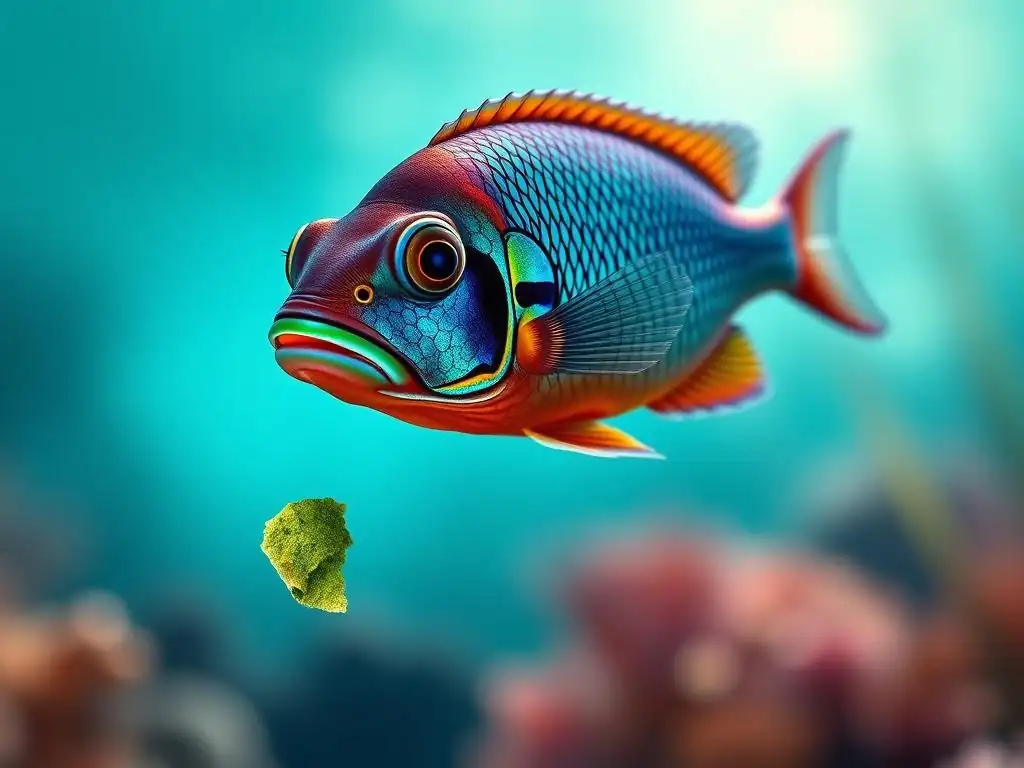
Recognizing the signs of malnutrition early is crucial for the health of your Tangs. A primary indicator is a noticeable loss of body weight, often visible as a sunken belly, a gaunt appearance, or a sharp dorsal ridge. This signifies that the fish is not receiving enough calories or essential nutrients from its saltwater fish feeding schedule. Other visual cues include faded or dull coloration, which can become less vibrant than their healthy counterparts. Tangs that are malnourished may also exhibit lethargy, reduced activity levels, and a general lack of vigor.
Beyond physical appearance, behavioral changes can signal malnutrition. These might include a diminished appetite, a reluctance to feed, or an unusual pickiness towards offered foods. Malnourished Tangs are also significantly more susceptible to various diseases, including bacterial infections, parasitic infestations like marine ich, and the dreaded Head and Lateral Line Erosion (HLLE), which is often directly linked to chronic dietary deficiencies, particularly of Vitamin C and Vitamin A. Prompt identification and adjustment of the saltwater fish feeding schedule are vital for recovery.
Addressing Algae Deficiency and Its Consequences
Algae deficiency is one of the most common and critical feeding-related problems for Tangs, given their predominantly herbivorous nature. A diet lacking sufficient algal matter can lead to a host of health issues. Without the necessary fiber from algae, Tangs can suffer from digestive problems, including bloat or internal blockages. More severely, a prolonged deficiency in the specific nutrients found in various algaes, such as certain fatty acids, vitamins (especially C and A), and carotenoids, directly contributes to conditions like HLLE. This condition can cause disfiguring lesions and, if left unaddressed, can be fatal.
To address algae deficiency, immediately review and revise your saltwater fish feeding schedule to ensure a greater emphasis on plant-based foods. Increase the frequency of offering high-quality dried seaweed (nori), ensuring it is unseasoned and varied (green, purple, red). Incorporate spirulina and chlorella-based pellets or flakes into daily feedings. If possible, encourage natural algae growth in the tank or consider adding a refugium with macroalgae like Chaetomorpha, allowing for continuous grazing. Consistent and diverse algal intake is the most effective way to prevent and reverse the consequences of algae deficiency in Tangs.
Advanced Saltwater Fish Feeding Techniques for Tangs
Using Automatic Feeders for Consistent Food Delivery
For aquarists with busy schedules or those seeking to maintain an exceptionally consistent saltwater fish feeding schedule, automatic feeders can be an invaluable tool. These devices can be programmed to dispense small amounts of food multiple times throughout the day, closely mimicking the natural grazing behavior of Tangs. This consistency helps reduce stress, minimizes competition among tank inhabitants, and ensures a steady nutrient supply, which is crucial for the high metabolism of these fish.
When selecting an automatic feeder, choose one designed for the type of food you primarily use (flakes or pellets) and ensure it has a reliable mechanism to prevent clogging, especially in humid environments above an open-top aquarium. Test the feeder with a small amount of food to verify correct portion sizes before relying on it completely. While automatic feeders are excellent for daily maintenance, it's still advisable to observe your Tangs during at least one manual feeding per day to monitor their health and ensure the feeder is functioning optimally and that all fish are receiving adequate food.
Target Feeding for Shy or Competitive Tangs
In community aquariums, especially those with multiple Tangs or other aggressive feeders, some Tangs may become shy or get outcompeted for food, leading to undernourishment. Target feeding is an advanced technique that ensures these specific individuals receive adequate nutrition despite the competition. This involves using a long feeding stick or turkey baster to deliver food directly to the shy or less dominant Tang.
For instance, if you have a smaller Kole Tang that is constantly outcompeted by a larger Yellow Tang, you can use a baster to release a small amount of spirulina pellets or chopped mysis shrimp directly near the Kole Tang while the Yellow Tang is distracted elsewhere. This method requires patience and observation but is highly effective in ensuring all fish in your tank maintain optimal health. It allows for a more customized saltwater fish feeding schedule within a mixed-species tank, preventing any single fish from being consistently underfed due to social dynamics.
Conclusion: Mastering the Art of Saltwater Fish Feeding for Thriving Tangs
Frequently Asked Questions
How often should I feed my Tangs in a saltwater aquarium?
Tangs typically require multiple small feedings throughout the day, ideally 2-3 times. This mimics their natural grazing behavior on algae in the wild.
What is the ideal food type for Tangs to maintain optimal health?
A varied diet is crucial. Offer a mix of algae-based foods, like nori, along with high-quality flake or pellet food supplemented with frozen foods.
How much food should I give my Tangs at each feeding?
Feed an amount that your Tangs can consume within 2-3 minutes. Avoid overfeeding, as uneaten food can negatively impact water quality.
What are the signs of overfeeding or underfeeding Tangs?
Overfeeding can lead to poor water quality and obesity, while underfeeding results in a sunken belly and lethargy. Observe their body condition and adjust feeding accordingly.
How does the feeding schedule impact the overall health of my saltwater aquarium ecosystem?
A consistent and appropriate feeding schedule helps maintain stable water parameters. Overfeeding can lead to nutrient imbalances, promoting algae blooms and harming other inhabitants.
Final Reflection: The Rhythm of the Reef
The information presented throughout this article underscores the critical importance of establishing a consistent and appropriate saltwater fish feeding schedule for the health and vitality of tangs. No longer can we rely on haphazard feeding practices; understanding the nuances of their dietary needs is paramount to their well-being in our aquariums. This knowledge empowers us to move beyond simply keeping fish alive and towards fostering thriving, vibrant reef ecosystems within our homes.
The impact of responsible feeding extends far beyond the individual fish. It reflects our commitment to ethical aquascaping and the preservation of marine life, even within the confines of a glass tank. The health of our tangs directly influences the overall balance and stability of the entire aquarium ecosystem. As Jacques Cousteau wisely stated: The sea, once it casts its spell, holds one in its net of wonder forever.
This wonder demands our respect and responsible stewardship.
Now, consider the lessons learned here. How can you refine your own approach to saltwater fish feeding? Take a moment to evaluate your current practices and identify areas where you can implement a more informed and consistent schedule. By embracing a more mindful approach to feeding, you not only enhance the lives of your tangs but also contribute to a more sustainable and enriching aquascaping experience for yourself.
Unleash Your Tang's True Potential!
Thank you for diving deep into the world of Tang nutrition! You've now unlocked the secrets to keeping your algae-grazing friends healthy and vibrant. Ready to put that knowledge into action?
- Implement Your New Feeding Schedule: Begin adjusting your Tang's diet based on the guidelines you've learned, paying close attention to their body condition and behavior. This is the single most important thing!
- Explore a World of Flavors: Try introducing a new, high-quality seaweed variety to your Tang's diet and observe their reaction. You might be surprised by their preferences!
- Share Your Success: Post a photo of your healthy, happy Tang on your favorite aquarium forum with the hashtag #AquariumMasteryTang. Inspire others to provide the best possible care!
What's one small adjustment you can make to your Tang's feeding routine today to improve their health and happiness?