
Anthias School Size: The Magic Number for a Happy, Healthy, and Active Group

Welcome to Aquarium Mastery!
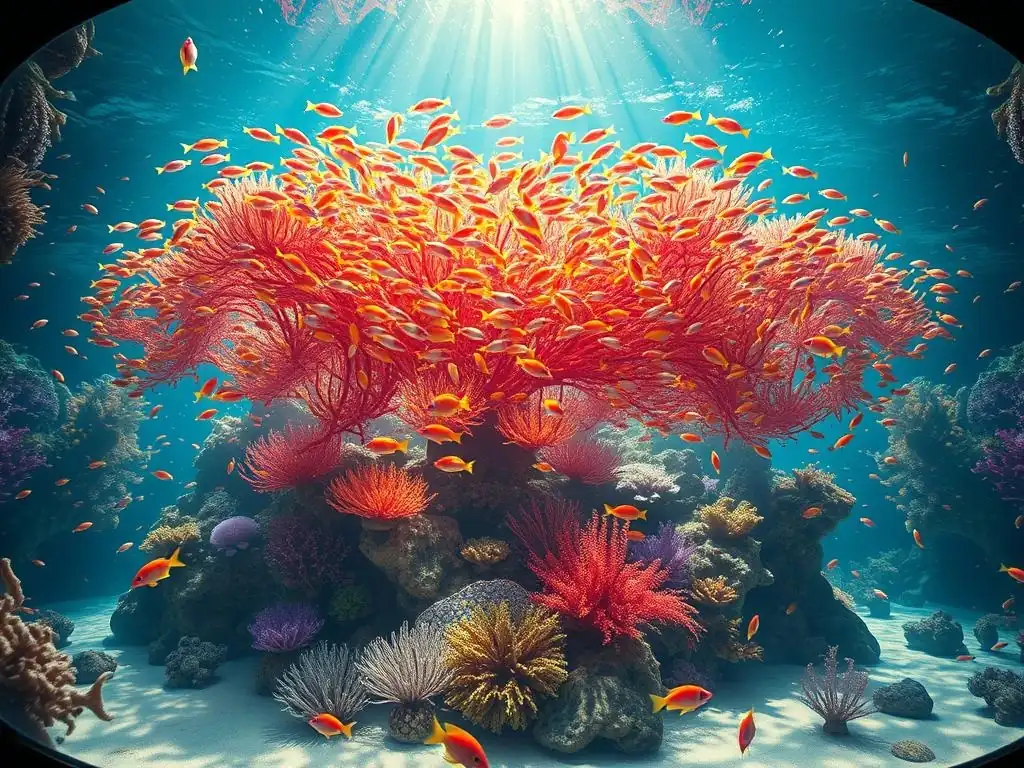
Ever wondered what the secret to a thriving, vibrant anthias school is? Hint: it's more than just picking pretty fish. Dive into our comprehensive Optimal Anthias School Size Guide and discover the magic number for creating a truly happy, healthy, and active group. Prepare to unlock the secrets to anthias harmony and witness the breathtaking beauty of a properly established shoal!
- Understanding Anthias Social Dynamics in Reef Aquariums
- Determining the Optimal Anthias School Size for Your Tank
- The Minimum Anthias School Size: Avoiding Stress and Aggression
- The Maximum Anthias School Size: Preventing Overcrowding and Competition
- Popular Anthias Species and Their Ideal School Sizes
- Setting Up Your Aquarium for a Thriving Anthias School
- Feeding Your Anthias School: Ensuring Adequate Nutrition for All
- Managing Aggression within an Anthias School
- Maintaining a Healthy and Active Anthias School
- Conclusion: Achieving the Perfect Anthias School Size for a Vibrant Reef Aquarium
-
Frequently Asked Questions
- How many Anthias should I keep in a school for optimal health and activity?
- What happens if I keep too few Anthias together?
- What is the ideal tank size for a school of Anthias?
- How do I introduce Anthias to my aquarium to minimize aggression?
- What are some common signs of stress in Anthias, and how can I address them?
- Final Reflection: The Vibrant Dance of Anthias Harmony
- Ignite Your Anthias School: Unleash Their Vibrant Potential!
Why Schooling Matters for Anthias Health and Well-being
Anthias are inherently social fish, and their schooling behavior is not merely aesthetic; it's fundamental to their physiological and psychological well-being. In their natural reef habitats, schooling provides a sense of security, significantly reducing individual stress levels. When kept in isolation or in groups that are too small, anthias often become reclusive, lose their vibrant coloration, and are more susceptible to stress-related diseases, compromising their overall health and longevity in a captive environment.
Furthermore, a proper schooling environment allows for the natural distribution of aggression. Instead of one or two fish bearing the brunt of a dominant individual's territoriality, the presence of multiple fish dilutes this aggression across the group. This social buffering mechanism is crucial for preventing chronic stress, fin nipping, and even starvation of subdominant individuals, ultimately contributing to a more robust and active population. Achieving an optimal anthias school size is therefore paramount for their long-term vitality.
The Natural Schooling Behavior of Anthias in the Wild
In their wild habitat, anthias are found in vast aggregations, often numbering in the hundreds or even thousands of individuals, hovering above coral reefs. These large schools serve as a primary defense mechanism against predators such as groupers and lionfish, as the sheer number of moving targets confuses potential threats. This collective safety allows them to feed openly on zooplankton in the water column, which is their primary food source.
Within these large schools, a complex social hierarchy exists. Most Pseudanthias species are protogynous hermaphrodites, meaning all are born female, and the largest, most dominant female can transition into a male if the resident male is removed or dies. This natural social structure, characterized by a dominant male overseeing a harem of females, is replicated on a smaller scale in the home aquarium. Understanding this innate behavior is key to determining the optimal anthias school size that mimics their natural environment as closely as possible.
Determining the Optimal Anthias School Size for Your Tank
Factors Influencing Anthias School Size Recommendations
Several critical factors influence the recommended anthias school size for a home aquarium. Foremost among these are the overall tank volume and dimensions, as these dictate the available swimming space and the potential for territorial disputes. Additionally, the specific anthias species plays a significant role, as some are more prone to aggression or require larger groups to feel secure than others.
Beyond physical space, the aquarium's filtration capacity and the aquarist's ability to maintain pristine water quality are paramount. A larger school of fish inherently produces more bioload, necessitating robust protein skimming, regular water changes, and efficient biological filtration to prevent the accumulation of nitrates and other undesirable compounds. Failure to account for these elements can quickly lead to an unhealthy environment, regardless of the initial optimal anthias school size.
Tank Size Considerations for Anthias Schooling
The physical dimensions of your aquarium are more important than just its total volume when it comes to housing an anthias school. For smaller species like Dispar Anthias ( Pseudanthias dispar), a minimum of a 75-gallon tank is generally recommended to house a small group of 5-7 individuals. This allows for sufficient swimming space and reduces the likelihood of constant territorial conflicts.
For larger or more active species such as Lyretail Anthias ( Pseudanthias squamipinnis), a tank of 120 gallons or more is often considered the starting point for a healthy school of 8-10 individuals. A longer tank (e.g., a 6-foot long 180-gallon tank versus a 4-foot long 120-gallon tank) provides more linear swimming space, which is highly beneficial for schooling fish that prefer to move horizontally across the water column. This extended space helps distribute aggression and allows individuals to establish personal space within the collective.
Species-Specific Schooling Behavior: Finding the Right Anthias Group
Not all anthias species exhibit identical schooling behaviors or have the same social requirements. Some species, like the Dispar Anthias, are known for their tight, cohesive schooling, thriving in larger groups where their numbers provide safety. In contrast, Lyretail Anthias may form looser aggregations, with males tending to be more territorial, requiring a specific male-to-female ratio to minimize aggression within the group.
Researching the specific needs of your chosen anthias species is critical for determining the optimal anthias school size. For instance, some species might tolerate smaller groups, while others will only truly thrive when kept in significant numbers, allowing for their natural social dynamics to unfold. Understanding these nuances ensures that the group you introduce will adapt well and display their vibrant colors and active behaviors.
The Minimum Anthias School Size: Avoiding Stress and Aggression
The Dangers of Keeping Anthias in Too-Small Groups
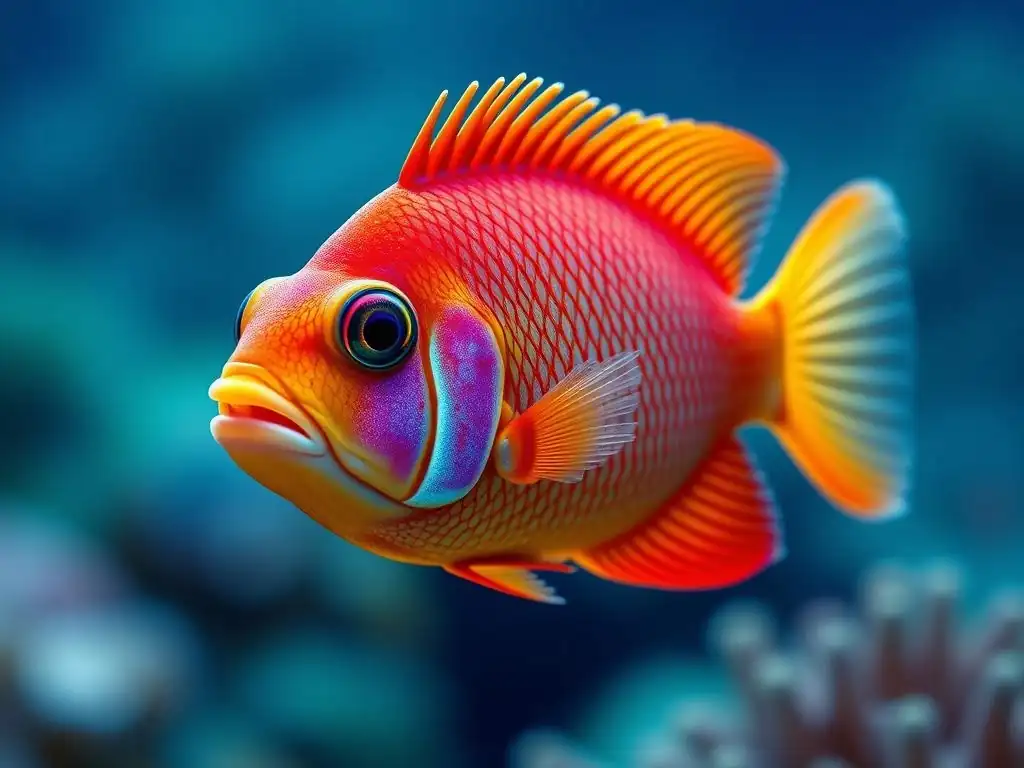
Keeping anthias in groups that are too small is a common mistake that can lead to severe stress and aggression. Unlike some fish that can be kept singly or in pairs, anthias rely on the safety in numbers provided by a school. If only two or three anthias are introduced, one dominant individual will almost invariably bully the others, leading to chronic stress, refusal to feed, and ultimately, the premature demise of the subdominant fish.
This insufficient group size deprives them of their natural social structure and defense mechanism, resulting in faded coloration, clamped fins, and erratic swimming patterns. The stress compromises their immune systems, making them highly susceptible to common marine diseases. Therefore, understanding and adhering to a minimum optimal anthias school size is crucial to prevent these detrimental outcomes.
Recognizing Signs of Stress in Anthias Due to Insufficient School Size
Recognizing the signs of stress in anthias kept in insufficient group sizes is vital for timely intervention. Common indicators include constant hiding, rapid respiration (gilling), faded or dull coloration, and a general lack of activity or enthusiasm for food. Individuals may also exhibit clamped fins, torn fins from nipping, or erratic, darting movements as they try to escape perceived threats from tank mates.
In a healthy, properly sized school, anthias will swim actively, display brilliant colors, and readily compete for food. If one or more individuals consistently show these stress-related behaviors, it's a strong indication that the social dynamics are out of balance, often due to an inadequate number of individuals or an imbalanced male-to-female ratio. Addressing the optimal anthias school size quickly can reverse these negative trends.
The Maximum Anthias School Size: Preventing Overcrowding and Competition
Managing Aggression in Larger Anthias Schools
While a larger school generally helps to diffuse aggression, overcrowding can paradoxically intensify it if not managed correctly. Even within a substantial group, a dominant male or female can become overly aggressive if there isn't enough physical space or if the male-to-female ratio is skewed. Providing ample rockwork with numerous caves, overhangs, and swim-throughs is crucial, allowing subdominant individuals to retreat and break line of sight, thereby minimizing direct confrontations.
Introducing all anthias simultaneously, especially when they are juveniles, can also help establish a more stable hierarchy from the outset. For very large schools (e.g., 15-20 individuals in a 200-gallon tank), ensuring that there are multiple feeding zones and sufficient flow prevents a single dominant individual from monopolizing resources, further reducing aggression and ensuring a harmonious environment for the entire group.
Balancing School Size with Available Resources in Your Reef Tank
The maximum optimal anthias school size is not solely determined by tank volume but by the system's overall capacity to support the bioload. A large school of anthias, being active feeders, produces a significant amount of waste. Therefore, robust filtration—including an oversized protein skimmer, a sizable refugium, and ample live rock—is indispensable to maintain pristine water quality. Without adequate waste processing, even a well-proportioned school can quickly suffer from elevated nitrates and phosphates.
Furthermore, the availability of food and the ability to distribute it effectively among all members of the school are critical. Frequent, small feedings are necessary to ensure that every individual, including the less dominant ones, receives adequate nutrition. Overfeeding, however, can quickly degrade water quality, creating a delicate balance that must be carefully managed to prevent issues such as poor water parameters, algae blooms, and diminished fish health.
Popular Anthias Species and Their Ideal School Sizes
Lyretail Anthias ( Pseudanthias squamipinnis ): A Schooling Guide
Lyretail Anthias are perhaps the most commonly encountered anthias in the hobby, admired for their vibrant colors and active swimming. As protogynous hermaphrodites, they are typically introduced as a group of females, with one eventually transitioning into a male. For a 120-gallon tank, an optimal anthias school size often consists of one male and 5-7 females, creating a harmonious harem structure.
It is crucial to maintain a higher female-to-male ratio, as multiple males in a smaller tank can lead to severe territorial disputes and aggression. If introducing multiple females, allow them to acclimate before adding a male, or introduce all as juveniles. Lyretails thrive with plenty of open swimming space and multiple feedings throughout the day to support their high metabolism and active lifestyle.
Dispar Anthias ( Pseudanthias dispar ): Recommended Group Size
Dispar Anthias are smaller and generally more peaceful than Lyretails, making them excellent candidates for tighter schooling. They are known for forming dense, visually stunning schools that actively swim in the water column. For a 75-gallon tank, a healthy group of 7-10 individuals is often recommended, though larger tanks can comfortably accommodate even more.
Their relatively small adult size, typically around 3 inches, allows for a greater number of individuals in a given tank volume compared to larger anthias species. While a dominant male will still emerge, aggression is usually minimal when the school is sufficiently large, as the aggression is diffused among many individuals. The optimal anthias school size for Dispars truly emphasizes the "safety in numbers" principle.
Bartlett's Anthias ( Pseudanthias bartlettorum ): Schooling Best Practices
Bartlett's Anthias are highly sought after for their striking purple and yellow coloration and their active, schooling nature. They are similar in temperament to Dispar Anthias but can be slightly more territorial within the group. For a 90-gallon tank, a recommended group size is typically 6-8 individuals, with a single dominant male emerging from the group.
Like other anthias, Bartlett's Anthias benefit immensely from frequent, small feedings of varied, meaty foods. They are generally hardy once acclimated but require pristine water conditions and a stable environment to thrive. Providing ample rockwork with numerous hiding spots helps to reduce potential stress and encourages their natural schooling behavior, allowing them to display their full beauty.
Carberryi Anthias ( Nemanthias carberryi): School Size Recommendations and Considerations
Carberryi Anthias are elegant and active fish, growing to about 4 inches, known for their beautiful coloration and graceful swimming. They are generally peaceful and make excellent additions to a reef aquarium. For a 90-gallon tank, a starting group of 5-7 individuals is a good recommendation, as they appreciate a moderate school for security.
These anthias thrive in tanks with good water movement and pristine water quality, mimicking their natural deep reef habitats. While they do school, their aggregations might not be as tight as those of Dispar Anthias. Providing a varied diet of small, meaty foods offered several times a day is crucial to maintain their health and vibrancy, ensuring all members of the school receive adequate nutrition.
Setting Up Your Aquarium for a Thriving Anthias School
Creating a Schooling-Friendly Environment for Anthias
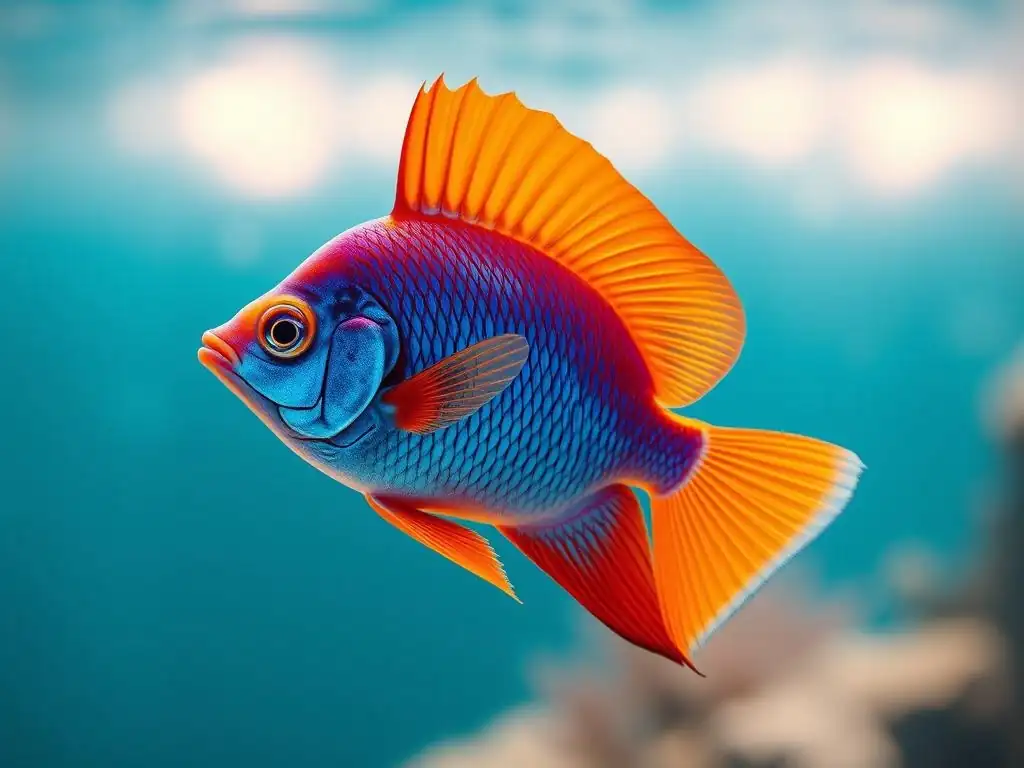
To facilitate a thriving anthias school, the aquarium aquascape must strike a balance between providing expansive open swimming areas and ample hiding spots. Anthias, despite their schooling nature, still require individual retreats to feel secure, especially during initial acclimation or if minor squabbles occur. A well-designed layout will feature large, unobstructed sections in the upper and mid-water columns, allowing the school to move cohesively, contrasted with dense rockwork below.
Furthermore, anthias originate from high-flow reef environments where they feed on plankton suspended in the water column. Therefore, moderate to strong water flow is essential within the aquarium. This flow not only mimics their natural habitat but also keeps food particles suspended, encouraging their active swimming and natural schooling patterns. Aim for a turnover rate of 10-20 times the tank volume per hour to ensure adequate circulation.
Aquascaping Tips for Anthias: Providing Shelter and Swimming Space
When aquascaping for an anthias school, design your live rock structure to include numerous caves, overhangs, and swim-throughs. These features offer crucial escape routes and secure hiding places for subdominant fish, helping to diffuse aggression and provide a sense of security. Avoid creating isolated, highly territorial areas that a dominant fish might claim, which could lead to increased bullying.
Strategically place rock structures towards the back or sides of the tank, leaving the central and front areas largely open. This open space is vital for the anthias to school effectively and display their natural behaviors. The live rock itself also serves as a biological filter, providing surface area for beneficial bacteria, which is essential for maintaining the pristine water quality that anthias require.
Water Parameters and Filtration for a Healthy Anthias School
Maintaining stable and pristine water parameters is non-negotiable for a healthy anthias school. The specific gravity should be consistently kept between 1.023 and 1.026, with a temperature range of 74-78°F (23-26°C). pH levels should remain stable between 8.1 and 8.4, and alkalinity between 8-12 dKH. Calcium should be maintained at 400-450 ppm and magnesium at 1250-1350 ppm. Ammonia and nitrite must always be zero, and nitrates should be kept below 10 ppm.
Robust filtration is paramount to manage the bioload of an active anthias school. A high-quality protein skimmer, ideally rated for 1.5 to 2 times your tank volume, is essential for removing organic waste before it breaks down. Regular water changes, typically 10-20% bi-weekly or monthly, are also crucial for replenishing trace elements and exporting accumulated nutrients, directly contributing to the long-term health and vibrancy of your optimal anthias school size.
Feeding Your Anthias School: Ensuring Adequate Nutrition for All
Maintaining Proper Nutrition in a Schooling Environment
Anthias are active planktivores with high metabolisms, meaning they require frequent, small feedings throughout the day to maintain their health and vibrant coloration. Ideally, they should be fed 3-5 times daily with a varied diet. This diet should include high-quality frozen foods such as Mysis shrimp, enriched brine shrimp, and cyclops, supplemented with premium marine pellets or flakes designed for planktivores.
Ensuring adequate nutrition for all members of the school, especially in a larger group, is vital. Foods enriched with essential fatty acids (HUFA) and vitamins are particularly beneficial for bolstering their immune system and enhancing their natural colors. Consistent and varied feeding prevents deficiencies and promotes overall vitality within the schooling environment.
Preventing Food Competition in Larger Anthias Groups
In a larger anthias school, food competition can become an issue, with dominant individuals potentially monopolizing the food source. To prevent this, scatter food over a wide area of the tank, or use multiple feeding points, allowing less aggressive or subdominant fish to access food without direct confrontation. Smaller, more frequent feedings also ensure that everyone gets a chance to eat before the food is consumed or disperses.
Consider using an automatic feeder to deliver consistent, small portions throughout the day, which is particularly helpful if you cannot be present for multiple manual feedings. Observing your anthias during feeding time is crucial; if some individuals appear thin or are not actively participating, it may indicate insufficient food availability or excessive competition that needs to be addressed to maintain an optimal anthias school size.
Managing Aggression within an Anthias School
Understanding Anthias Hierarchy and Dominance
Anthias, especially Pseudanthias species, possess a fascinating social structure rooted in their protogynous hermaphroditism. In a school, a strict hierarchy typically forms, with one dominant male presiding over a harem of females. This male maintains his status through displays and, sometimes, mild chasing or nipping. Subdominant males may exist within the group, but they are often suppressed or harassed by the dominant male, preventing their full transition or expression of male characteristics.
This natural hierarchy, while essential for their social order, can escalate into problematic aggression if the male-to-female ratio is imbalanced, if the tank is too small, or if there are insufficient hiding places. Understanding these dynamics is key to managing the group effectively and ensuring the well-being of all individuals within the optimal anthias school size.
Strategies for Minimizing Aggression and Bullying
To minimize aggression and bullying within an anthias school, several strategies can be employed. Ideally, introduce all anthias simultaneously, or introduce females first, allowing them to establish themselves before adding a male. This can help create a more stable social dynamic from the outset. Ensure your aquascape provides ample hiding spots and line-of-sight breaks, allowing subdominant individuals to escape and de-stress.
If aggression becomes persistent and problematic, evaluate the male-to-female ratio; sometimes, removing an overly aggressive male or adding more females can re-establish balance. Increasing the overall school size, provided tank conditions allow, can also help diffuse aggression across more individuals. Ensuring the tank size is adequate for the chosen optimal anthias school size is fundamental, as overcrowding is a primary catalyst for heightened aggression.
Maintaining a Healthy and Active Anthias School
Monitoring Anthias Behavior and Health
Regular and diligent observation is crucial for maintaining a healthy and active anthias school. Pay close attention to their swimming patterns; a healthy school moves cohesively and actively throughout the water column. Observe their coloration; vibrant hues indicate good health, while faded or dull colors can be a sign of stress or illness. Their appetite should be robust, and they should eagerly compete for food during feeding times.
Any changes in behavior, such as lethargy, constant hiding, rapid breathing, clamped fins, or a refusal to eat, warrant immediate investigation. While some chasing is normal within the hierarchy, persistent bullying of a single individual or signs of physical damage like torn fins indicate a problem with the school's dynamics or overall health. Early detection allows for timely intervention, preventing minor issues from escalating.
Addressing Common Health Issues in Schooling Anthias
Anthias, despite their beauty, can be susceptible to common marine ailments if stressed by poor water quality, inadequate diet, or an insufficient optimal anthias school size. Common issues include marine ich ( Cryptocaryon irritans) and marine velvet ( Amyloodinium ocellatum). Prevention is always the best approach: quarantine all new fish for at least 3-4 weeks to prevent the introduction of parasites and diseases into your main display tank.
Maintaining stable, pristine water parameters, providing a varied and nutritious diet, and ensuring appropriate water flow are fundamental preventative measures. If disease does occur, prompt treatment, often in a dedicated hospital tank to avoid medicating the main reef, is necessary. Addressing the underlying stress factors, such as an imbalanced school size or poor water quality, is paramount for a successful recovery and long-term health of the entire group.
Conclusion: Achieving the Perfect Anthias School Size for a Vibrant Reef Aquarium
Achieving the optimal anthias school size is a cornerstone for cultivating a vibrant, healthy, and active reef aquarium display. It transcends simply adding a certain number of fish; it involves a deep understanding of their natural schooling behaviors, social hierarchies, and species-specific needs. By providing ample space, pristine water quality, and a consistent, varied diet, aquarists can create an environment where these captivating fish truly thrive.
The "magic number" for an anthias school is ultimately a dynamic balance between tank capacity, the chosen species' requirements, and the aquarist's commitment to detailed care. When these elements align, the result is a breathtaking display of synchronized swimming, brilliant colors, and natural interactions that not only enhances the beauty of the reef tank but also ensures the long-term well-being of every anthias within the group.
Frequently Asked Questions
How many Anthias should I keep in a school for optimal health and activity?
The optimal number for an Anthias school is generally considered to be at least 6-8 individuals. This helps to establish a more natural social hierarchy and reduces stress.
What happens if I keep too few Anthias together?
Keeping too few Anthias often leads to increased stress and aggression. They are social fish and rely on a school for security and natural behavioral patterns.
What is the ideal tank size for a school of Anthias?
The ideal tank size depends on the species of Anthias, but a general rule is a minimum of 75 gallons for a small school. Larger species will require larger tanks to accommodate their size and swimming needs.
How do I introduce Anthias to my aquarium to minimize aggression?
Introduce all Anthias to the aquarium simultaneously, if possible. This helps to prevent dominant individuals from establishing territories and bullying newcomers.
What are some common signs of stress in Anthias, and how can I address them?
Common signs include loss of color, hiding, and refusing to eat. Addressing stress involves ensuring proper water parameters, adequate space, and a peaceful environment.
Final Reflection: The Vibrant Dance of Anthias Harmony
The preceding exploration of anthias school dynamics, culminating in this optimal anthias school size guide, underscores a crucial principle applicable far beyond the confines of a reef tank: the power of community and balanced interaction. Understanding the delicate dance of dominance, competition, and cooperation within an anthias school offers invaluable insights into fostering thriving ecosystems, both in our aquariums and in our own lives.
This journey into the world of anthias has not only illuminated the practical considerations of aquarium keeping but has also resonated with deeper themes of social harmony and individual well-being. Observing the intricate relationships within these vibrant schools reminds us of the importance of finding our own "magic number" – the optimal balance of connection and independence that allows us to flourish. The strength of the team is each individual member. The strength of each member is the team.
- Phil Jackson. This quote perfectly encapsulates the essence of a successful anthias school and, indeed, any successful community.
As we conclude, I invite you to reflect on the lessons learned from the anthias. Consider how you can apply the principles of balanced interaction, appropriate group size, and mindful observation to cultivate more harmonious and fulfilling relationships in your own life. Just as the right number of anthias creates a vibrant and thriving reef, so too can the right balance in our social circles lead to a richer, more meaningful existence.
Ignite Your Anthias School: Unleash Their Vibrant Potential!
Thank you for diving into the world of Anthias and discovering the secrets to their thriving social dynamic. Now that you understand the importance of school size, let’s turn that knowledge into action and witness the magic firsthand.
Here's how you can create the perfect Anthias paradise:
- Commit to the core: Aim for a minimum of 6 Anthias.: This is your starting point for a vibrant and healthy school.
- Delve deeper:Research specific species' needs within Anthias. Some prefer even larger groups, and the needs change by species.
- Share the shimmer: Introduce a fellow hobbyist to the beauty of Anthias schooling and help expand this fascinating area of expertise.
What's the first small step you'll take this week to enrich your Anthias school or begin planning one?