
Neocaridina vs. Caridina: Key Differences in Hardiness and Water Needs

Welcome to Aquarium Mastery!
Ever wondered how the delicate dance of water chemistry affects your tiny underwater friends? Dive in with us as we unravel the fascinating differences between Neocaridina and Caridina shrimp. Our article, " Neocaridina vs. Caridina: Key Differences in Hardiness and Water Needs," explores their unique shrimp hardness water needs comparison, giving you the knowledge to create a thriving invertebrate haven. Ready to unlock the secrets to shrimp-keeping success? Let's get started!
- Understanding Freshwater Shrimp: Neocaridina and Caridina
- Shrimp Hardiness Water Needs Comparison: Neocaridina vs. Caridina
- Detailed Comparison: Water Parameter Needs
- Hardiness Factors Beyond Water Chemistry
- Acclimation Strategies for Neocaridina and Caridina
- Troubleshooting Common Shrimp Problems Related to Water Quality
- Choosing the Right Shrimp for Your Aquarium: A Summary
- Conclusion: Mastering Shrimp Keeping Through Water Parameter Understanding
-
Frequently Asked Questions
- How do Neocaridina and Caridina shrimp differ in their ideal water hardness ranges?
- What is the significance of water hardness for shrimp health and breeding?
- Are Neocaridina or Caridina shrimp better suited for beginners regarding water parameter stability?
- Can I keep Neocaridina and Caridina shrimp together in the same aquarium, considering their different water needs?
- What are the key things to consider when testing and adjusting water hardness for shrimp?
- Final Reflection: Navigating the Delicate Balance of Aquatic Life
- Unlock Your Shrimp-Keeping Success!
Understanding Freshwater Shrimp: Neocaridina and Caridina
Introduction to Popular Freshwater Shrimp Species
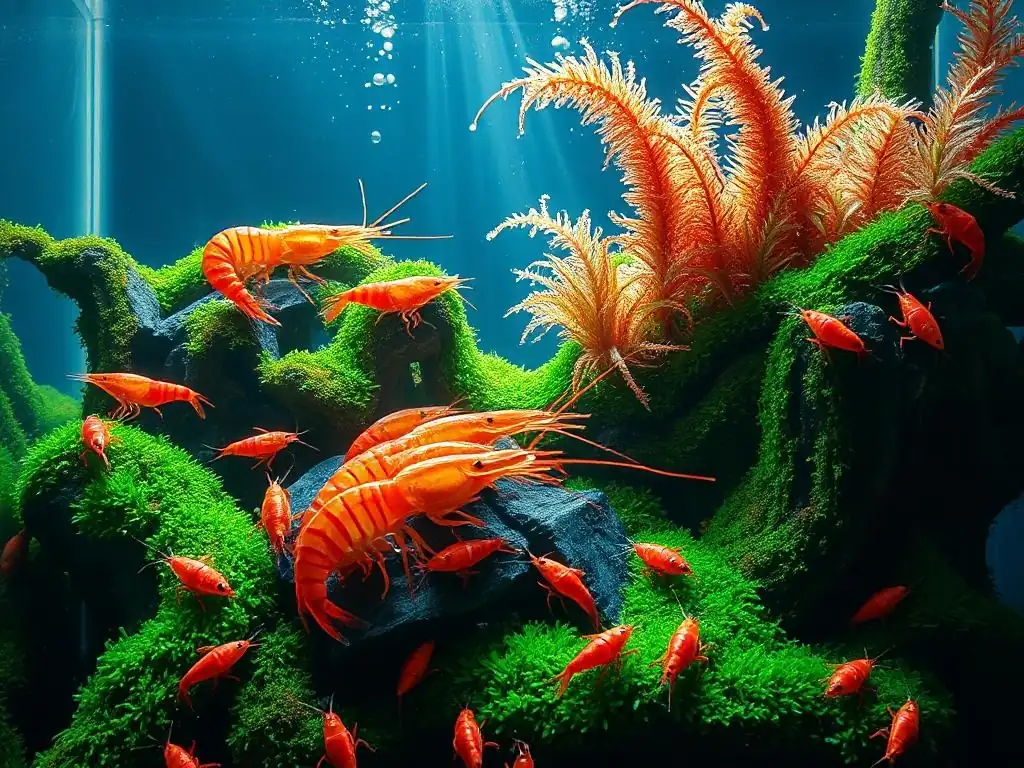
Freshwater shrimp have become incredibly popular inhabitants of planted aquariums, adding vibrant colors, unique behaviors, and a natural clean-up crew. Among the vast array of species, two genera stand out for their widespread appeal and distinct care requirements: Neocaridina and Caridina. Neocaridina shrimp, such as the ubiquitous Red Cherry Shrimp ( Neocaridina davidi), Blue Dream, and Rili varieties, are celebrated for their striking colors and relatively straightforward care.
Caridina shrimp, on the other hand, encompass species like the highly prized Crystal Red Shrimp ( Caridina cantonensis), Bee Shrimp, and the various Taiwan Bee shrimp. While equally beautiful, these Caridina species are renowned for their more intricate patterns and often more demanding environmental needs. Understanding the fundamental differences in their natural habitats and physiological tolerances is paramount for successful shrimp keeping.
Why Shrimp Hardiness and Water Parameters Matter
The success of a freshwater shrimp aquarium hinges significantly on maintaining precise and stable water parameters, reflecting the inherent hardiness of the chosen species. Shrimp, unlike many fish, are highly sensitive to fluctuations in their aquatic environment. Their delicate exoskeletons and unique molting process make them particularly vulnerable to incorrect water chemistry, including unstable pH, inappropriate hardness levels, or the presence of harmful toxins.
Properly understanding and managing the "shrimp hardiness water needs comparison" between Neocaridina and Caridina species is crucial for their survival, health, and successful breeding. Failing to meet these specific requirements can lead to stress, failed molts, susceptibility to disease, and ultimately, premature death. A stable and appropriate aquatic environment ensures these invertebrates can thrive, display their natural behaviors, and contribute to a balanced ecosystem within the aquarium.
Shrimp Hardiness Water Needs Comparison: Neocaridina vs. Caridina
Neocaridina Shrimp: The Hardier Choice
Neocaridina shrimp are widely regarded as the more forgiving and resilient option for aquarists, particularly those new to shrimp keeping. Their adaptability stems from their natural habitat, which often includes varied water conditions. This inherent robustness makes them an excellent entry point into the fascinating world of invertebrate aquariums.
Ideal Water Parameters for Neocaridina Shrimp (e.g., Cherry Shrimp, Rili Shrimp)
Neocaridina shrimp, including popular varieties like Red Cherry, Blue Dream, Yellow, and Sunkist shrimp, thrive in a relatively broad range of water parameters. Their ideal temperature range is typically between 68-78°F (20-25.5°C), though they can tolerate slightly warmer or cooler conditions for short periods. For pH, they prefer a neutral to slightly alkaline environment, with an optimal range of 6.5-8.0.
General Hardness (GH) should be maintained between 6-10 dGH, providing essential minerals for molting and shell integrity. Carbonate Hardness (KH) is best kept at 3-8 dKH to ensure pH stability. Finally, Total Dissolved Solids (TDS) for Neocaridina shrimp generally falls within 150-250 ppm.
These wider tolerances mean that many hobbyists can successfully keep Neocaridina shrimp using conditioned tap water, provided their local water supply falls within these general guidelines. While precise parameters are always beneficial, Neocaridina shrimp are far more forgiving of minor deviations compared to their Caridina cousins. This adaptability is a key factor in their widespread popularity among beginners.
Neocaridina Shrimp Tolerance to Water Fluctuations
One of the defining characteristics of Neocaridina shrimp is their superior tolerance to minor water fluctuations. While rapid and drastic changes are always detrimental, these shrimp can generally handle slight shifts in pH, hardness, or temperature without immediate severe consequences. For instance, a pH swing of 0.2-0.3 units over a few hours is less likely to cause immediate distress to a Neocaridina colony than it would to a Caridina one.
This resilience makes them less susceptible to common beginner mistakes, such as slightly inconsistent water change procedures or minor temperature variations due to ambient room conditions. However, it is important to note that "tolerance" does not mean "preference." Consistent and stable water parameters within their ideal range will always result in healthier, more vibrant shrimp with a longer lifespan and better breeding success.
Neocaridina Shrimp and Beginner Aquariums
Given their robust nature and broader parameter tolerance, Neocaridina shrimp are highly recommended for beginner aquarists. They offer a fantastic opportunity to learn the basics of shrimp care, including monitoring water parameters, understanding molting cycles, and observing breeding behaviors, without the steep learning curve associated with more sensitive species. Many successful beginner tanks start with Red Cherry Shrimp due to their prolific breeding habits and hardiness.
Their forgiving nature regarding minor setup imperfections or slight deviations in water chemistry significantly reduces the barrier to entry for new hobbyists. This makes the "shrimp hardiness water needs comparison" clearly favor Neocaridina for those just starting out, allowing them to gain confidence and experience before potentially venturing into the more specialized world of Caridina shrimp.
Caridina Shrimp: More Sensitive Water Requirements
In stark contrast to Neocaridina, Caridina shrimp are known for their highly specific and often narrow water parameter requirements. Their delicate nature demands a higher level of precision and consistency from the aquarist, making them a challenge often embraced by experienced hobbyists.
Ideal Water Parameters for Caridina Shrimp (e.g., Crystal Red Shrimp, Bee Shrimp)
Caridina shrimp, including varieties like Crystal Red Shrimp (CRS), Crystal Black Shrimp (CBS), Bee Shrimp, and the various Taiwan Bee shrimp, thrive in much softer and often more acidic water than Neocaridina. Their ideal temperature range is typically cooler and narrower, around 68-74°F (20-23.5°C). For pH, many high-grade Caridina varieties prefer a slightly acidic to neutral range, often between 5.8-7.2, with some specific types thriving closer to 6.0-6.5.
General Hardness (GH) should be significantly lower, usually 4-6 dGH. Crucially, Carbonate Hardness (KH) is often kept at very low levels, typically 0-1 dKH, as higher KH interferes with the ability of buffering substrates to maintain a low pH. Their Total Dissolved Solids (TDS) range is also narrower, generally 80-180 ppm.
Achieving and maintaining these precise parameters often necessitates the use of Reverse Osmosis (RO) or Deionized (DI) water, which is then remineralized with specific shrimp-focused mineral additives to reach the target GH and TDS levels, while keeping KH at a minimum. This level of control is essential for their long-term health and breeding success.
Caridina Shrimp Sensitivity to Water Changes and Ammonia Spikes
Caridina shrimp exhibit extreme sensitivity to sudden changes in water parameters, including temperature shifts during water changes or even minor fluctuations in pH or hardness. A sudden change of even 0.5 pH units or a few degrees in temperature can induce severe stress, leading to molting problems, lethargy, and often, death. This sensitivity extends to water quality; even trace amounts of ammonia or nitrite, which might be tolerated by more robust fish or Neocaridina shrimp, can be lethal to Caridina.
Their delicate respiratory systems and stress responses mean that pristine water quality and absolute stability are not merely preferred but are critical for their survival. This heightened sensitivity is a primary factor in the "shrimp hardiness water needs comparison" that positions Caridina as the more challenging genus to keep.
Caridina Shrimp and Advanced Aquascaping
Due to their demanding water requirements, Caridina shrimp are often kept in dedicated setups that incorporate specific equipment and techniques. Many experienced aquascapers and shrimp breeders utilize active, buffering substrates such as ADA Aqua Soil or Fluval Stratum, which actively lower and stabilize pH and KH. These substrates are crucial for maintaining the soft, acidic conditions favored by many high-grade Caridina.
Furthermore, the use of RO/DI water, combined with precise remineralization, allows aquarists complete control over their water parameters, ensuring the exact mineral balance required. This level of commitment and specialized equipment makes Caridina shrimp a popular choice for advanced aquarists who enjoy the challenge of maintaining a highly controlled and stable environment, often showcasing these exquisite creatures in meticulously designed nano tanks.
Detailed Comparison: Water Parameter Needs
Temperature Requirements: Neocaridina vs. Caridina
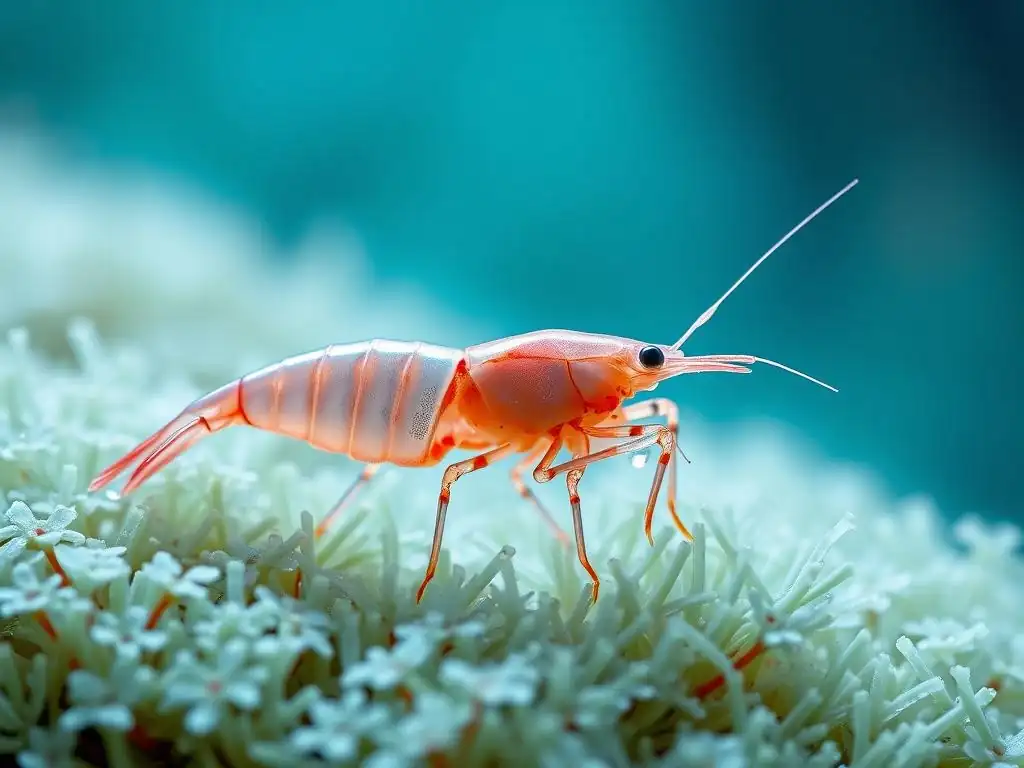
The optimal temperature ranges for Neocaridina and Caridina shrimp highlight a key difference in their physiological needs. Neocaridina shrimp are more adaptable to a wider temperature spectrum, typically thriving between 68-78°F (20-25.5°C). While they can tolerate brief excursions outside this range, sustained temperatures above 80°F (26.7°C) can reduce their lifespan and breeding rate. This broader tolerance makes them suitable for a wider variety of tank setups, including those without precise temperature control beyond a basic heater.
Caridina shrimp, conversely, prefer a cooler and much narrower temperature range, ideally 68-74°F (20-23.5°C). Higher temperatures significantly stress these sensitive shrimp, leading to increased metabolism, reduced oxygen absorption, and a higher risk of bacterial infections. Some high-grade Caridina varieties are even more particular, thriving best at the lower end of this spectrum. Maintaining this stable, cooler temperature often requires careful consideration of ambient room temperature and, in some cases, the use of aquarium chillers in warmer climates to prevent overheating.
pH Levels: Optimal Ranges for Each Genus
pH is a critical parameter influencing shrimp health and mineral absorption, and it varies significantly between the two genera. Neocaridina shrimp prefer a neutral to slightly alkaline pH, with an ideal range of 6.5-8.0. Their robust nature allows them to adapt to fluctuations within this range, making them less prone to shock from minor pH shifts common in tap water. This adaptability simplifies their care, as many tap water sources naturally fall within or can be easily adjusted to this range.
Caridina shrimp, particularly the popular Crystal Red and Taiwan Bee varieties, thrive in slightly acidic to neutral water, with an optimal pH range of 5.8-7.2. Many high-grade Caridina strains perform best at the lower end of this spectrum, around pH 6.0-6.5. This preference for acidic conditions often necessitates the use of active buffering substrates (like aqua soil) that naturally lower and stabilize pH, and the use of RO/DI water remineralized to prevent pH swings caused by tap water buffers. Maintaining precise pH is vital for Caridina, as even small, rapid changes can lead to severe stress and mortality.
GH (General Hardness): Understanding Mineral Requirements
General Hardness (GH) measures the concentration of dissolved divalent metal ions, primarily calcium and magnesium, which are essential for shrimp to build and maintain their exoskeletons. Neocaridina shrimp require moderate to high GH, with an ideal range of 6-10 dGH. This level provides sufficient minerals for successful molting, a crucial process for shrimp growth. Insufficient GH can lead to molting difficulties, while excessively high GH can also cause issues.
Caridina shrimp, however, prefer softer water with a significantly lower GH, typically 4-6 dGH. While they still need these minerals for molting, their physiology is adapted to environments with fewer dissolved solids. Too high GH in a Caridina tank can lead to molting problems, an inability to absorb nutrients properly, and overall stress. This difference in GH preference is a major reason why Caridina keepers often use RO/DI water and remineralize it specifically to their target GH, avoiding the variable hardness of tap water.
KH (Carbonate Hardness): Buffering Capacity Differences
Carbonate Hardness (KH) measures the concentration of carbonates and bicarbonates, which act as buffers against pH fluctuations. The ideal KH levels differ profoundly between Neocaridina and Caridina shrimp. Neocaridina shrimp benefit from a moderate KH, typically 3-8 dKH, which helps stabilize the pH in their preferred neutral to slightly alkaline range. This buffering capacity provides a safety net against minor changes that could otherwise destabilize the water.
In contrast, Caridina shrimp, especially those thriving in acidic conditions, prefer very low or even undetectable KH, ideally 0-1 dKH. High KH levels in a Caridina tank are problematic because they counteract the buffering effect of active substrates designed to lower pH. If the KH is too high, the substrate will deplete its buffering capacity rapidly trying to lower the pH, leading to instability once the substrate is exhausted. This fundamental difference in KH preference is a critical aspect of the "shrimp hardiness water needs comparison" and dictates specific substrate and water preparation methods.
TDS (Total Dissolved Solids): Impact on Shrimp Health
Total Dissolved Solids (TDS) is a measure of all inorganic and organic substances dissolved in water, including minerals, salts, and other compounds. It provides a general indication of the overall "richness" of the water. For Neocaridina shrimp, an ideal TDS range is typically 150-250 ppm. This range reflects the moderate mineral content they require for healthy development and molting. While TDS can fluctuate, keeping it within this general window is beneficial.
Caridina shrimp, on the other hand, thrive in a lower and more precise TDS range, generally 80-180 ppm. This lower TDS reflects their preference for softer water with fewer dissolved impurities. For Caridina keepers, TDS is often used as a critical indicator, especially when remineralizing RO/DI water. Precise remineralization aims to reach a specific TDS value that provides the necessary minerals without introducing unwanted compounds. Monitoring TDS closely helps ensure the water is perfectly balanced for these sensitive shrimp, preventing issues related to osmotic stress or mineral deficiencies.
Hardiness Factors Beyond Water Chemistry
Substrate Considerations for Shrimp Keeping
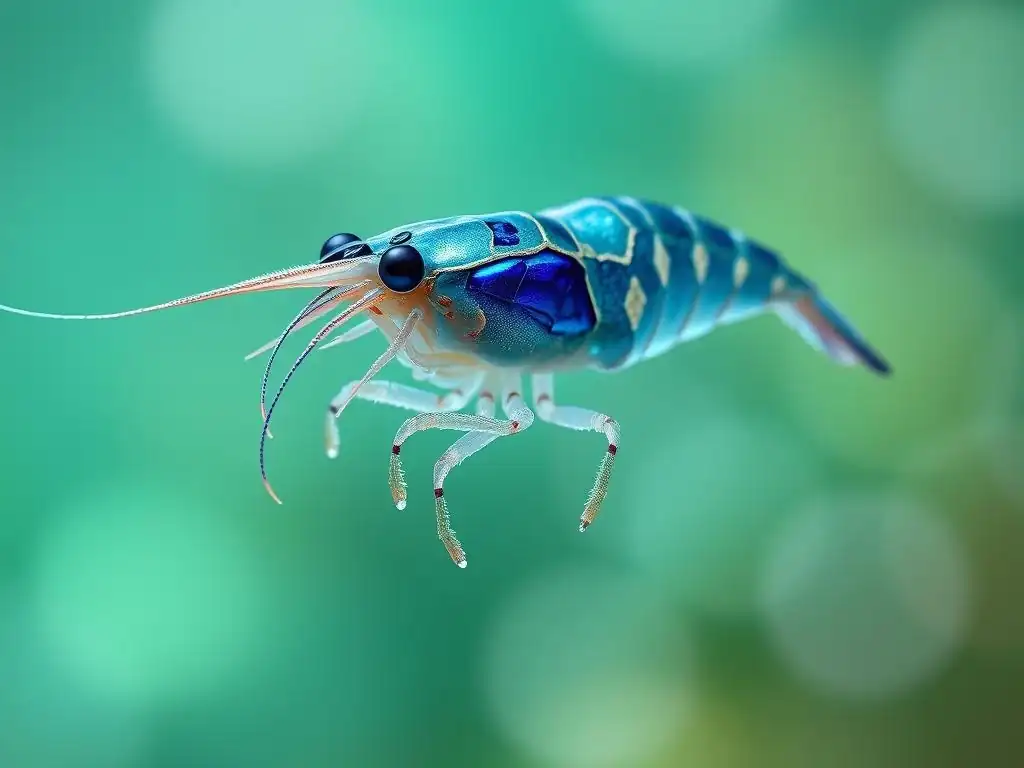
Beyond the chemical parameters of the water itself, the choice of substrate plays a significant role in shrimp keeping, particularly when considering the "shrimp hardiness water needs comparison" between Neocaridina and Caridina. Neocaridina shrimp are highly adaptable and can thrive on a variety of inert substrates, including gravel, sand, or even bare bottoms. These substrates do not significantly alter water chemistry, allowing the aquarist to manage parameters primarily through water changes and remineralization of tap water if needed. Their hardiness means they are less reliant on the substrate for environmental stability.
Caridina shrimp, however, often necessitate the use of active, buffering substrates like ADA Aqua Soil, Fluval Stratum, or similar products. These specialized substrates are designed to absorb carbonates, effectively lowering KH and pH, and maintaining a stable acidic environment crucial for many high-grade Caridina varieties. Without such a substrate, achieving and maintaining the precise soft, acidic conditions required by Caridina can be exceedingly difficult, even with RO/DI water. This reliance on specific substrates is a key differentiator in the overall care complexity.
Importance of Stable Tank Conditions
While both Neocaridina and Caridina shrimp benefit immensely from stable tank conditions, this factor becomes absolutely critical for the more sensitive Caridina species. Stability encompasses not just consistent water parameters (temperature, pH, GH, KH, TDS) but also consistent lighting cycles, feeding routines, and minimal disturbances. Rapid fluctuations in any of these areas can induce significant stress, leading to a weakened immune system, molting problems, and susceptibility to disease. For example, a sudden, large water change with different parameters can be devastating.
Neocaridina shrimp, while more tolerant, still thrive best in stable environments. Their hardiness allows them to recover from minor inconsistencies, but consistent conditions will lead to better health, more vibrant coloration, and higher breeding rates. For Caridina, however, stability is non-negotiable; even small, consistent changes, such as daily temperature swings of a few degrees, can accumulate stress over time, leading to colony decline. This emphasizes that while water chemistry is paramount, the overall consistency of the environment is equally vital for both shrimp types.
Impact of Tank Mates on Shrimp Stress Levels
The presence of tank mates can significantly impact shrimp stress levels, directly affecting their hardiness and well-being. Neocaridina shrimp, being more robust, can often coexist with very small, peaceful fish species such as Otocinclus catfish, small rasboras (e.g., Chili Rasboras), or Endler's Livebearers. However, even with these "safe" tank mates, there is always a risk of predation on shrimplets, and larger fish can still intimidate adult shrimp, reducing their activity and breeding. Overly active or aggressive fish should always be avoided.
Caridina shrimp, due to their extreme sensitivity, are best kept in species-only tanks or with other extremely peaceful invertebrates like small, inert snails (e.g., Nerite snails). Any fish, no matter how small or seemingly peaceful, can cause significant stress to Caridina shrimp through constant chasing, fin nipping, or even just their mere presence. This chronic stress can lead to reduced feeding, poor molting, and a complete cessation of breeding. Therefore, for Caridina, minimizing external stressors from tank mates is a crucial aspect of their care, often leading to dedicated shrimp-only setups.
Acclimation Strategies for Neocaridina and Caridina
Proper Acclimation for Neocaridina Shrimp
Proper acclimation is a critical step when introducing any new aquatic life to an aquarium, and shrimp are no exception. For Neocaridina shrimp, a slow drip acclimation process is generally recommended to minimize stress from changing water parameters. This involves floating the bag in the tank for 15-20 minutes to equalize temperature, then slowly adding tank water to the bag over a period of 1-2 hours. A drip line setup, using airline tubing with a knot to control the flow rate (e.g., 1-2 drips per second), is ideal for gradually introducing the shrimp to their new water chemistry.
This gradual method allows the shrimp's osmoregulation system to slowly adjust to differences in pH, GH, KH, and TDS between their transport water and the aquarium water. While Neocaridina are hardy, a too rapid introduction can still cause osmotic shock, leading to immediate death or long-term health issues. After acclimation, the shrimp should be gently netted and released into the tank, discarding the old bag water to avoid introducing any contaminants.
Delicate Acclimation Techniques for Caridina Shrimp
Caridina shrimp, given their extreme sensitivity to water parameter changes, require an even more meticulous and prolonged acclimation process. A drip acclimation method is essential, but it should be significantly slower and longer than for Neocaridina. Many experienced Caridina keepers recommend a drip rate of 1 drop per 2-3 seconds, extended over a period of 3-4 hours, or even longer, depending on the difference in water parameters. The goal is to incrementally change the water chemistry around the shrimp by tiny amounts over an extended duration.
Some advanced hobbyists even go as far as to test the TDS of the shipping water and the tank water, aiming to match them as closely as possible during the acclimation process. Any sudden shifts can cause immediate shock, leading to molting problems (like the "white ring of death" where the shrimp fails to fully shed its old exoskeleton) or rapid death. Patience is paramount with Caridina; rushing the acclimation process is one of the most common reasons for immediate losses.
Minimizing Stress During Introduction to the Aquarium
Beyond the specific acclimation techniques, several general practices can help minimize stress for both Neocaridina and Caridina shrimp during their introduction to the aquarium. Firstly, turn off the aquarium lights during and immediately after introduction. This reduces visual stress and encourages the shrimp to explore their new environment calmly. Secondly, ensure there are plenty of hiding spots available in the tank, such as mosses, leaf litter, or small caves. These provide immediate security for the shrimp as they adjust.
Avoid feeding the shrimp immediately after introduction; give them several hours, or even a full day, to settle in before offering food. Overfeeding new arrivals can lead to water quality issues if they are not yet comfortable enough to eat. By providing a dark, secure, and unpressured environment, you allow the shrimp to transition smoothly, reducing the likelihood of stress-related health problems and ensuring a higher chance of successful establishment in their new home.
Identifying Symptoms of Water Parameter Issues
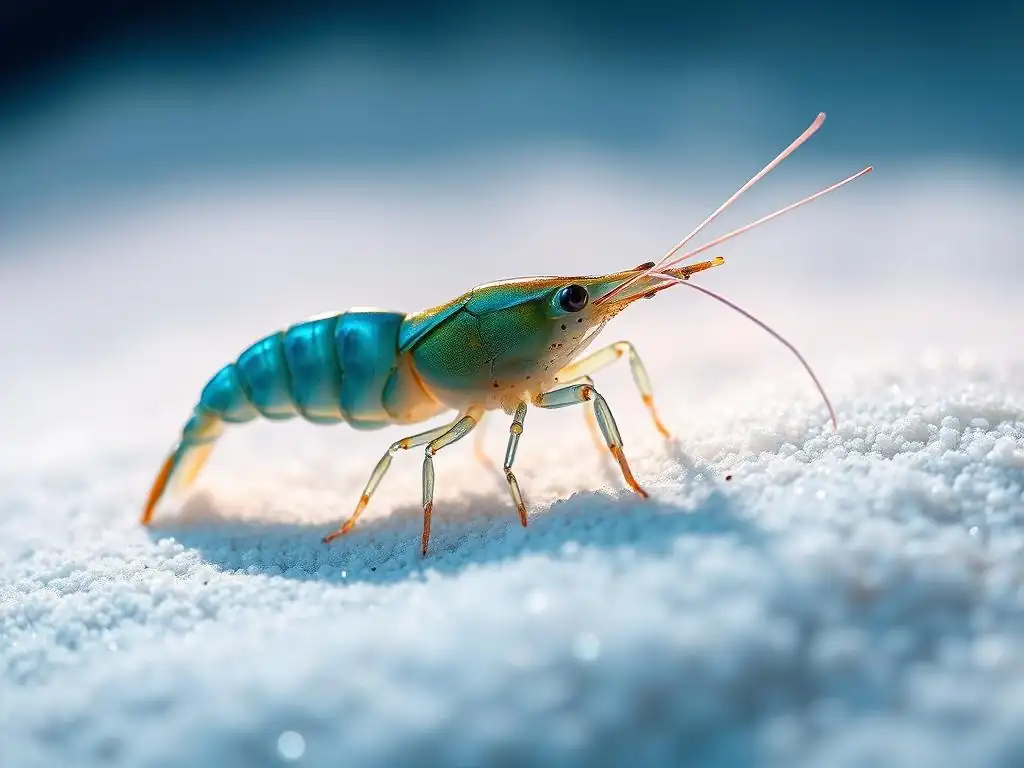
Recognizing the symptoms of water parameter issues is crucial for timely intervention and preventing mass casualties in a shrimp tank. Common signs include lethargy, where shrimp become inactive, sit still for prolonged periods, or appear listless. A loss of appetite, where shrimp ignore food, is another strong indicator. Erratic swimming, darting around the tank, or attempting to jump out can signify acute distress from sudden parameter shifts or toxins like ammonia.
Molting issues are particularly telling: a shrimp stuck in its old exoskeleton, a "white ring of death" around the shrimp's midsection where the shell fails to separate, or frequent failed molts leading to death, often point to incorrect GH, KH, or overall water instability. Discoloration, dullness, or a fading of vibrant colors can indicate chronic stress. Finally, unexplained sudden deaths, especially after a water change or without obvious cause, almost always point to underlying water quality problems or parameter imbalances.
Corrective Actions for Unstable Water Chemistry
Once water quality issues are identified, prompt and precise corrective actions are necessary. The first step is always to test the water thoroughly for pH, GH, KH, ammonia, nitrite, and nitrate to pinpoint the exact problem. If ammonia or nitrite are present, immediate small (10-15%) water changes with properly conditioned and temperature-matched water are vital, performed every few hours if necessary, until levels drop to zero. For general instability, small, frequent water changes (e.g., 10% daily for several days) are preferable to large, infrequent ones, as they minimize shock.
For Caridina tanks with parameter issues, using RO/DI water remineralized precisely to target levels is often the only safe solution. For Neocaridina, adjusting tap water with conditioners or specific mineral additives might suffice. Avoid drastic chemical additions to quickly alter parameters; slow, gradual adjustments are always safer. Addressing root causes, such as overfeeding, inadequate filtration, or overcrowding, is also essential to prevent recurrence.
Preventing Future Water Quality Problems in Your Shrimp Tank
Prevention is far more effective than treatment when it comes to shrimp health and water quality. Establishing a consistent and diligent maintenance schedule is paramount. This includes weekly water testing (even if the tank seems stable), performing small (10-20%) water changes weekly or bi-weekly with properly prepared and temperature-matched water, and cleaning filters regularly without sterilizing beneficial bacteria. Avoid overfeeding, as uneaten food quickly decomposes and pollutes the water.
Ensure your tank has adequate filtration and aeration for its bioload. For Caridina tanks, this often means using buffering substrates that are regularly monitored for their effectiveness, and having an RO/DI system for consistent water preparation. Quarantining new livestock or plants before adding them to the main tank can prevent the introduction of diseases or pests. By adhering to these preventative measures and understanding the nuances of the "shrimp hardiness water needs comparison," you can create a consistently healthy and thriving environment for your shrimp.
Choosing the Right Shrimp for Your Aquarium: A Summary
Assessing Your Water Conditions Before Selecting Shrimp
The most critical step before acquiring any freshwater shrimp is to thoroughly assess your local water conditions. Begin by testing your tap water for its base parameters: pH, General Hardness (GH), Carbonate Hardness (KH), and Total Dissolved Solids (TDS). This initial assessment will immediately inform you whether your tap water is naturally more suited for Neocaridina or Caridina shrimp, or if significant modifications will be required.
For instance, if your tap water is hard and alkaline (e.g., GH 12 dGH, pH 7.8), it's naturally better for Neocaridina. If it's soft and neutral (e.g., GH 4 dGH, pH 7.0), it might be a good starting point for some Caridina.
Beyond tap water, consider your willingness to invest in equipment like a Reverse Osmosis (RO) or Deionized (DI) water system and the specific mineral additives needed for remineralization. This commitment dictates whether you can precisely control parameters, which is almost a necessity for Caridina. Understanding your base water and your capacity for water manipulation is the foundational step in making an informed "shrimp hardiness water needs comparison" and selecting the right species for your aquarium.
Neocaridina Shrimp Recommendations for Beginners
For individuals new to the aquarium hobby or those specifically venturing into shrimp keeping for the first time, Neocaridina shrimp are highly recommended. Their resilience and broader tolerance for varying water parameters make them significantly more forgiving than Caridina. If your tap water naturally falls within the general range of pH 6.5-8.0, GH 6-10 dGH, and KH 3-8 dKH, you are well-positioned to keep Neocaridina successfully with minimal water treatment beyond a good dechlorinator.
Popular Neocaridina varieties such as Red Cherry Shrimp, Blue Dream Shrimp, Yellow Shrimp, and Sunkist Shrimp are excellent choices. They are prolific breeders, providing a rewarding experience as you observe their life cycle and colony growth. Their vibrant colors add aesthetic appeal without demanding highly specialized setups or constant, precise water parameter adjustments, making them the ideal starting point for understanding the core principles of shrimp care.
Caridina Shrimp Recommendations for Experienced Aquarists
Caridina shrimp are best suited for experienced aquarists who possess a strong understanding of water chemistry and are prepared to invest the time, effort, and resources into maintaining highly stable and precise water parameters. These shrimp are for hobbyists who enjoy the challenge of meticulous environmental control and often seek specific, rare, or high-grade patterns. If you are willing to utilize an RO/DI water system, remineralize water precisely with specialty products, and potentially use active buffering substrates to maintain soft, acidic water (e.g., pH 5.8-7.2, GH 4-6 dGH, KH 0-1 dKH), then Caridina shrimp may be a rewarding endeavor.
Species like Crystal Red Shrimp (CRS), Crystal Black Shrimp (CBS), Bee Shrimp, and the various Taiwan Bee shrimp (e.g., King Kong, Panda, Red Wine) offer stunning visual appeal but demand unwavering dedication to their specific needs. Their sensitivity means that even minor deviations can lead to stress or death, making them a true test of an aquarist's skill and commitment to mastering the intricate "shrimp hardiness water needs comparison" and its practical application.
Conclusion: Mastering Shrimp Keeping Through Water Parameter Understanding
Mastering freshwater shrimp keeping fundamentally hinges on a deep understanding and diligent management of water parameters. The "shrimp hardiness water needs comparison" between Neocaridina and Caridina genera clearly illustrates that while both offer immense beauty and fascination, their environmental demands differ significantly. Neocaridina shrimp, with their broader tolerance to pH, hardness, and temperature, serve as an accessible and rewarding entry point for beginners, forgiving minor inconsistencies in water chemistry. Their robust nature allows for a more relaxed approach to maintenance, often thriving in well-conditioned tap water.
Conversely, Caridina shrimp, with their exquisite patterns and often higher price tags, demand meticulous precision and unwavering stability in their aquatic environment. Their preference for soft, acidic water, very low KH, and specific temperature ranges necessitates specialized equipment like RO/DI systems and buffering substrates, placing them firmly in the realm of experienced aquarists.
Ultimately, successful shrimp keeping, regardless of the genus, is a testament to the aquarist's commitment to providing a stable, species-appropriate habitat. By thoroughly understanding and diligently maintaining the specific water parameters for your chosen shrimp, you can ensure their health, vibrancy, and prolific breeding, truly mastering the art of shrimp keeping.
Frequently Asked Questions
How do Neocaridina and Caridina shrimp differ in their ideal water hardness ranges?
Neocaridina shrimp are generally more tolerant and thrive in a wider range of water hardness, typically between 6-8 dGH. Caridina species, particularly those like Crystal Red Shrimp, require softer water, often between 3-5 dGH.
What is the significance of water hardness for shrimp health and breeding?
Water hardness (GH) is crucial because it reflects the amount of dissolved minerals like calcium and magnesium. These minerals are essential for shrimp molting, shell formation, and overall healthy development.
Are Neocaridina or Caridina shrimp better suited for beginners regarding water parameter stability?
Neocaridina shrimp are generally considered easier for beginners due to their higher tolerance for fluctuations in water parameters. Caridina species are more sensitive and require a more stable and controlled environment.
Can I keep Neocaridina and Caridina shrimp together in the same aquarium, considering their different water needs?
It's generally not recommended to keep them together. Meeting the specific water needs of Caridina may create unsuitable conditions for Neocaridina, impacting their health and potentially their breeding.
What are the key things to consider when testing and adjusting water hardness for shrimp?
Regular water testing is crucial. Use a reliable GH test kit and adjust the water using products specifically designed for aquariums, such as GH boosters or RO/DI water to lower hardness.
The exploration of shrimp hardness and water needs isn't merely a technical comparison; it's a crucial understanding for anyone seeking to foster thriving aquatic ecosystems. In a world increasingly aware of the delicate balance within our natural environments, the ability to provide optimal conditions for even the smallest creatures speaks volumes about our commitment to responsible stewardship. This knowledge empowers us to move beyond simple pet ownership and embrace a deeper connection with the intricate web of life.
This journey into the nuances of Neocaridina and Caridina care has profoundly impacted my understanding of the interconnectedness within aquariums. It's a reminder that even seemingly minor adjustments to water parameters can have significant consequences for the inhabitants. The care of one life is the care of all life.
This quote, though broad, resonates deeply when considering the responsibility we undertake when bringing any living creature into our care, especially those as sensitive as these shrimp.
Now, armed with this knowledge of shrimp hardness water needs comparison, I invite you to reflect on your own role in creating sustainable environments, whether within a glass tank or in the broader world around you. Consider how even small changes in your approach can contribute to the well-being of these fascinating creatures and, ultimately, to the health of our planet. Let's strive to be informed and compassionate custodians, ensuring a vibrant future for all life, great and small.
Unlock Your Shrimp-Keeping Success!
Thank you for exploring the fascinating world of freshwater shrimp! We hope this guide has equipped you with valuable insights to differentiate between Neocaridina and Caridina shrimp. Now, let’s turn knowledge into action and create thriving shrimp tanks!
Here's how to take the next step:
- Commit to a 30-day water parameter monitoring challenge for your current or planned shrimp tank. Track pH, GH, and KH to ensure stability.
- Share a picture of your shrimp tank setup on social media using #AquariumMasteryShrimp and tag us @AquariumMastery to inspire other aquarists.
- Research one unconventional food source for your shrimp, like blanched nettle leaves or bee pollen, and observe their reaction.
What’s the first water parameter you'll be testing in your shrimp tank today, and why is it crucial for your shrimp's well-being?