
Are Kissing Gouramis Right for Your Aquarium? A Reality Check

Welcome to Aquarium Mastery!
Ever been captivated by the seemingly sweet "kiss" of a Kissing Gourami? Before you bring one home, discover the real story behind this fascinating fish. Dive into our comprehensive guide to Kissing Gourami aquarium care and uncover everything you need to know about their behavior, tank requirements, and whether they're truly the right fit for your freshwater aquarium. Are you ready to separate myth from reality? Let's get started!
- Understanding Kissing Gouramis: Beyond the Basic Info
- Kissing Gourami Aquarium Care: Essential Considerations
- The Challenges of Keeping Kissing Gouramis
- Setting Up a Suitable Kissing Gourami Aquarium
- Alternatives to Kissing Gouramis: Exploring Other Large Gouramis or Peaceful Fish
- Making the Right Choice: Is a Kissing Gourami Right for You?
- Frequently Asked Questions
- Final Reflection: Beyond the Kiss: Responsible Aquarium Keeping
- Ignite Your Aquarium Journey!
Understanding Kissing Gouramis: Beyond the Basic Info
Debunking Kissing Gourami Myths: Aggression and Behavior
The iconic "kissing" behavior of Helostoma temminckii often leads new aquarists to believe they are gentle, affectionate fish. While the name suggests tenderness, this behavior is actually a form of ritualized combat or territorial display between two gouramis. They lock mouths and push against each other, asserting dominance or establishing pecking order within a group.
This can sometimes escalate to more aggressive nipping, especially when space is limited or during feeding times. It's crucial for anyone considering Kissing gourami aquarium care to understand that these fish, despite their seemingly benign appearance, can exhibit significant aggression towards conspecifics and even other tank mates.
Beyond the "kissing," these gouramis are generally quite robust and can be boisterous. They are known to be active swimmers, constantly exploring their environment and sifting through substrate. Their social structure, even in a well-maintained aquarium, often involves establishing a clear hierarchy, and the dominant fish may chase or harass subordinates. While they are not as notoriously aggressive as some cichlids, their sheer size and persistent nature can be problematic in community tanks if not managed properly. Effective Kissing gourami aquarium care necessitates a deep understanding of their true behavioral patterns, not just their charming facade.
Kissing Gourami Size and Tank Requirements: More Than You Think
A common misconception about Kissing Gouramis stems from their small size when purchased from pet stores, often just 2-3 inches long. However, these fish grow remarkably large, capable of reaching an adult length of 10-12 inches (25-30 cm) within a few years under optimal conditions. This significant growth spurt means that the small 10 or 20-gallon tank they start in will quickly become inadequate. A fully grown Kissing Gourami requires a substantial amount of space to thrive and exhibit natural behaviors.
To properly accommodate an adult Kissing Gourami, a minimum tank size of 75 gallons (approximately 280 liters) is generally recommended for a single specimen. For a pair or a small group, which is often advised to diffuse aggression, an even larger aquarium, perhaps 125 gallons (470 liters) or more, becomes essential. Overcrowding is a primary cause of stress, disease, and heightened aggression in these fish. Therefore, planning for their adult size is a critical aspect of responsible Kissing gourami aquarium care, preventing future issues and ensuring the well-being of the fish.
Kissing Gourami Aquarium Care: Essential Considerations
Water Parameters for Kissing Gouramis: Temperature, pH, and Hardness
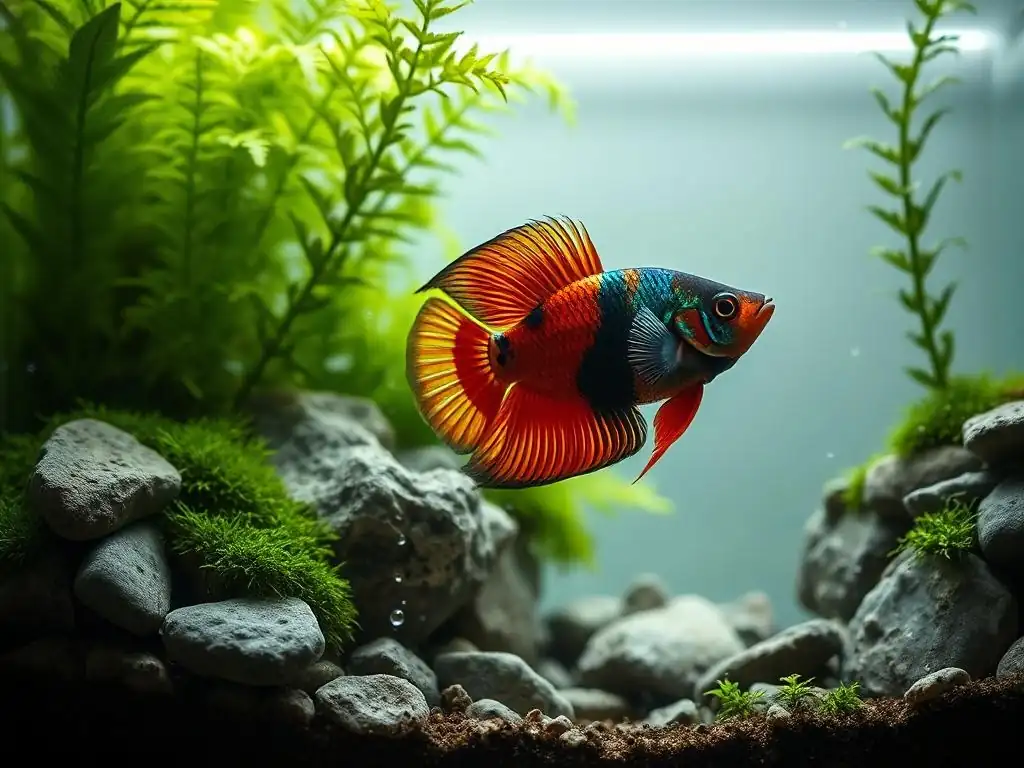
Maintaining stable and appropriate water parameters is paramount for successful Kissing gourami aquarium care. These fish are relatively hardy but thrive in specific conditions that mimic their natural tropical habitats in Southeast Asia. The ideal water temperature range for Kissing Gouramis is between 75°F and 82°F (24°C to 28°C). Consistent temperature within this range helps prevent stress and bolsters their immune system. Fluctuations can lead to susceptibility to common freshwater diseases like Ich.
Regarding pH, Kissing Gouramis prefer slightly acidic to neutral water, with an optimal range of 6.5 to 7.5. While they can tolerate a broader spectrum, significant deviations or rapid changes should be avoided. Water hardness (GH and KH) should ideally be in the soft to medium range, approximately 5-15 dGH.
Regular testing of these parameters using a reliable liquid test kit is crucial. For instance, testing twice weekly during the initial setup phase and then weekly after the tank has matured can help identify and correct imbalances before they become problematic for the fish. Proper water chemistry is the foundation of effective Kissing gourami aquarium care.
Kissing Gourami Diet and Feeding: What to Feed and How Often
Kissing Gouramis are omnivores with a strong preference for plant matter, making their diet a crucial component of Kissing gourami aquarium care. In their natural habitat, they often graze on algae and detritus. In the home aquarium, their diet should be varied and rich in both vegetable and protein sources.
High-quality flake or pellet foods formulated for omnivorous fish should form the staple of their diet. These can be supplemented with blanched vegetables such as spirulina flakes, cucumber slices, zucchini, or shelled peas. Live or frozen foods like bloodworms, brine shrimp, and daphnia can be offered as occasional treats to provide essential protein and encourage natural foraging behaviors.
Feeding frequency should be 2-3 times a day, offering only what they can consume within 2-3 minutes. Overfeeding can quickly degrade water quality due to their significant waste production. For example, a common mistake is providing too much protein, which can lead to digestive issues and fatty liver disease over time. A balanced diet, with a higher proportion of vegetable matter, ensures they receive all necessary nutrients without excessive strain on their digestive system or the aquarium's filtration. Consistent and appropriate feeding practices are fundamental to long-term Kissing gourami aquarium care.
Tank Mates for Kissing Gouramis: Compatibility and Conflict
Choosing appropriate tank mates for Kissing Gouramis requires careful consideration due to their potential for aggression and large adult size. While they are generally not predatory towards other fish, their territorial nature and boisterous swimming can stress smaller, more docile species. Ideal tank mates are robust, similarly sized fish that can tolerate the gourami's occasional "kissing" displays or nudging. Good choices often include other large, semi-aggressive community fish such as larger rainbowfish (e.g., Boeseman's Rainbowfish), certain peaceful cichlids (e.g., Kribensis, if tank size permits), or even some types of barbs (e.g., Tinfoil Barbs, though they also get very large).
It is generally advised to avoid housing Kissing Gouramis with very small, delicate, or long-finned fish, as these can become targets for nipping or stress. For instance, species like Neon Tetras, Guppies, or Angelfish with their flowing fins are often unsuitable companions.
While some aquarists successfully keep multiple Kissing Gouramis together in very large tanks (125 gallons+), it's often best to keep them singly or in a large group of 5 or more to spread out aggression, rather than in pairs, which can lead to one fish being constantly bullied. Careful selection of tank mates is a pivotal aspect of successful Kissing gourami aquarium care, ensuring a harmonious environment for all inhabitants.
The Challenges of Keeping Kissing Gouramis
Kissing Gourami Aggression: Managing Territorial Behavior
The unique "kissing" behavior, while fascinating, is a primary indicator of the Kissing Gourami's potential for aggression, particularly among conspecifics. This mouth-locking display is a form of ritualized fighting to establish dominance within a group or defend territory. If not managed, this can escalate into genuine harm, with dominant fish relentlessly harassing weaker ones, leading to stress, fin nipping, and even death. In smaller tanks, this aggression is significantly amplified, as there is insufficient space for subordinate fish to escape or hide.
To mitigate aggression in Kissing gourami aquarium care, several strategies can be employed. Firstly, providing a very large aquarium (minimum 75 gallons for one, 125+ gallons for a group) is crucial. Secondly, careful selection of tank mates to include only robust, similarly sized species that can hold their own is vital.
Thirdly, introducing plenty of visual breaks and hiding spots using driftwood, large rocks, and sturdy plants can help break lines of sight and provide refuge for targeted fish. Finally, keeping either a single Kissing Gourami or a large group (5+) can help diffuse aggression, as it spreads out the dominance displays rather than concentrating them on one or two individuals.
Kissing Gourami Waste Production: Maintaining Water Quality
Kissing Gouramis are large, active fish with a significant appetite, which translates directly into a high bioload and substantial waste production. Their large size means they excrete a considerable amount of ammonia, nitrite, and nitrate into the aquarium water. Without adequate filtration and a rigorous maintenance schedule, water quality can rapidly deteriorate, leading to elevated toxin levels that are detrimental to all tank inhabitants. High nitrate levels, for example, can cause stunted growth, weakened immune systems, and increased susceptibility to disease in fish.
Effective Kissing gourami aquarium care demands robust filtration and frequent, substantial water changes. A powerful external canister filter or a well-sized sump system with mechanical, biological, and chemical filtration media is highly recommended. These systems are capable of handling the heavy bioload and maintaining crystal-clear water.
Beyond filtration, regular weekly water changes of 25-50% are often necessary, depending on the tank size and stocking density. For instance, in a 75-gallon tank with a single adult gourami, a 30% weekly water change might suffice, but with multiple gouramis or other large fish, a 50% change could be required. Regular gravel vacuuming to remove uneaten food and detritus is also essential to prevent the buildup of organic waste.
Kissing Gourami Diseases: Prevention and Treatment in the Aquarium
While generally hardy, Kissing Gouramis are susceptible to common freshwater diseases if their environmental conditions are not optimal or if they are stressed. Poor water quality, fluctuating temperatures, and improper diet are primary culprits that weaken their immune system, making them vulnerable. Common ailments observed in Kissing gouramis include Ich (White Spot Disease), bacterial infections (such as fin rot or dropsy), and parasitic infestations. Ich, for example, often manifests as small white spots resembling salt grains on the fish's body and fins, typically triggered by temperature fluctuations or stress during acclimation.
Prevention is always the best approach in Kissing gourami aquarium care. This involves maintaining pristine water quality through regular testing and water changes, providing a balanced and nutritious diet, and ensuring stable temperatures within their preferred range. When diseases do occur, prompt diagnosis and treatment are crucial.
For instance, treating Ich often involves raising the water temperature slightly (to about 84°F/29°C, if safe for other tank mates) and using an appropriate Ich medication as per manufacturer instructions. For bacterial infections, broad-spectrum antibiotics might be necessary. Always quarantine new fish for at least 2-4 weeks before introducing them to the main display tank to prevent the introduction of pathogens.
Setting Up a Suitable Kissing Gourami Aquarium
Choosing the Right Aquarium Size for Kissing Gouramis
The single most critical factor in successful Kissing gourami aquarium care is providing an adequately sized tank. As previously noted, these fish grow much larger than their initial purchase size, often reaching 10-12 inches. A common mistake is housing them in tanks that are too small, leading to stunted growth, increased aggression, and chronic stress. For a single adult Kissing Gourami, a minimum tank volume of 75 gallons (approximately 280 liters) is absolutely essential. This provides enough swimming space and helps to dilute their significant waste output.
If you plan to keep a group of Kissing Gouramis, which can help diffuse their natural aggression, the tank size must be considerably larger. A group of three to five adult gouramis would necessitate an aquarium of 125 gallons (around 470 liters) or more. The length and width of the tank are arguably more important than just the height, as they are active swimmers that require ample horizontal space.
A tank with dimensions like 48" L x 18" W x 21" H (for a 75-gallon) or 72" L x 18" W x 21" H (for a 125-gallon) would be suitable, providing the necessary swimming lanes and territory. Investing in a sufficiently large tank from the outset is a foundational step in responsible Kissing gourami aquarium care.
Aquarium Filtration and Water Changes for Kissing Gouramis
Due to their large size and substantial bioload, Kissing Gouramis require robust filtration and a diligent water change regimen to maintain excellent water quality. A single adult gourami can produce as much waste as several smaller fish combined. Therefore, the filtration system must be capable of handling a high volume of biological and mechanical waste. Canister filters are highly recommended for Kissing Gourami tanks, often rated for tanks significantly larger than the actual volume to ensure optimal performance. For a 75-gallon tank, a canister filter rated for 100-150 gallons would provide superior filtration.
In addition to powerful filtration, frequent and substantial water changes are non-negotiable for proper Kissing gourami aquarium care. Weekly water changes of 25-50% are typically necessary to keep nitrate levels in check and replenish essential minerals. For example, in a 125-gallon tank housing a small group of gouramis, changing 40-60 gallons of water weekly might be required to maintain nitrates below 20 ppm.
Gravel vacuuming should be performed during water changes to remove accumulated detritus from the substrate. This combined approach of high-capacity filtration and regular water changes is critical for preventing toxin buildup and ensuring a healthy environment for your Kissing Gouramis.
Decorating a Kissing Gourami Tank: Rocks, Wood, and Minimal Plants
Decorating a Kissing Gourami tank requires a balance between providing visual interest and ensuring ample swimming space. These fish are active swimmers and can be clumsy, so sharp objects or overly intricate decor should be avoided. A key consideration in Kissing gourami aquarium care is their tendency to graze on algae and occasionally uproot plants. Therefore, live plants, if used, should be very hardy and securely anchored, or chosen for their robustness. Anubias, Java Fern, and large Amazon Swords, ideally potted or tied to driftwood, can withstand their foraging habits better than delicate stem plants.
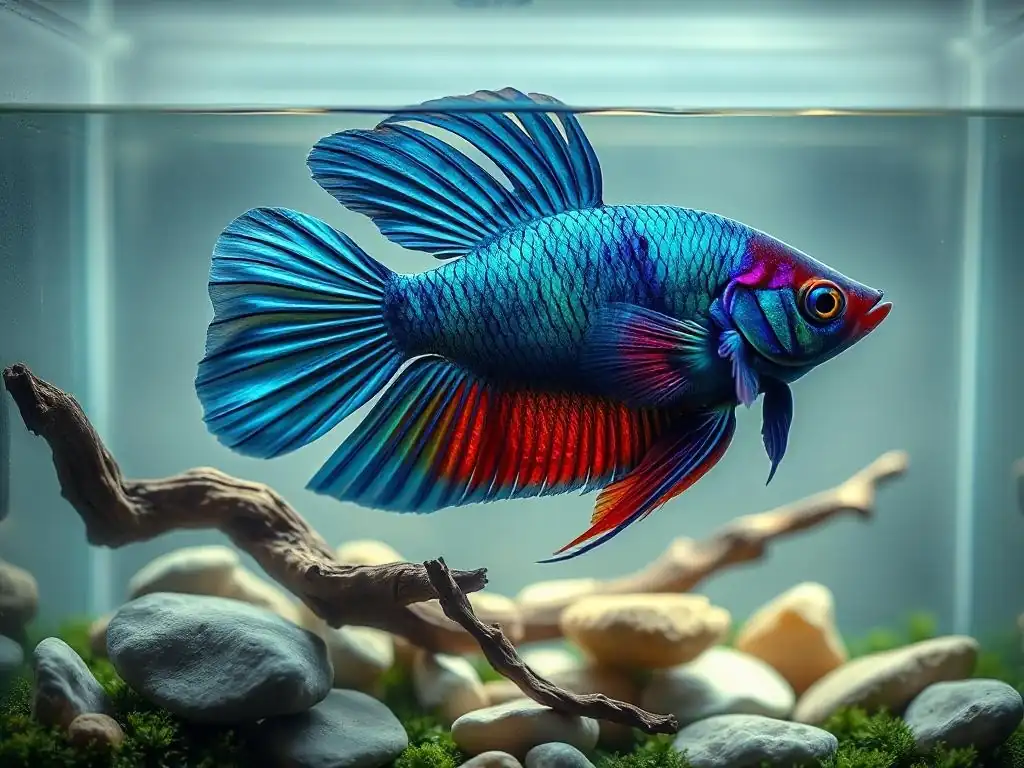
The primary decorative elements should focus on providing structure and hiding spots without impeding swimming. Large pieces of driftwood and smooth, non-porous rocks can create interesting landscapes and provide territories. For instance, a large piece of Mopani wood or several smooth river stones can serve as focal points and offer retreats.
Ensure that any caves or crevices are large enough for the gouramis to navigate without getting stuck. The substrate should ideally be fine to medium-sized gravel or sand, as they enjoy sifting through it. A clean, open layout with strategically placed, sturdy decorations is ideal for a Kissing Gourami tank, promoting natural behavior while simplifying Kissing gourami aquarium care.
Alternatives to Kissing Gouramis: Exploring Other Large Gouramis or Peaceful Fish
Pearl Gouramis: A More Peaceful Option
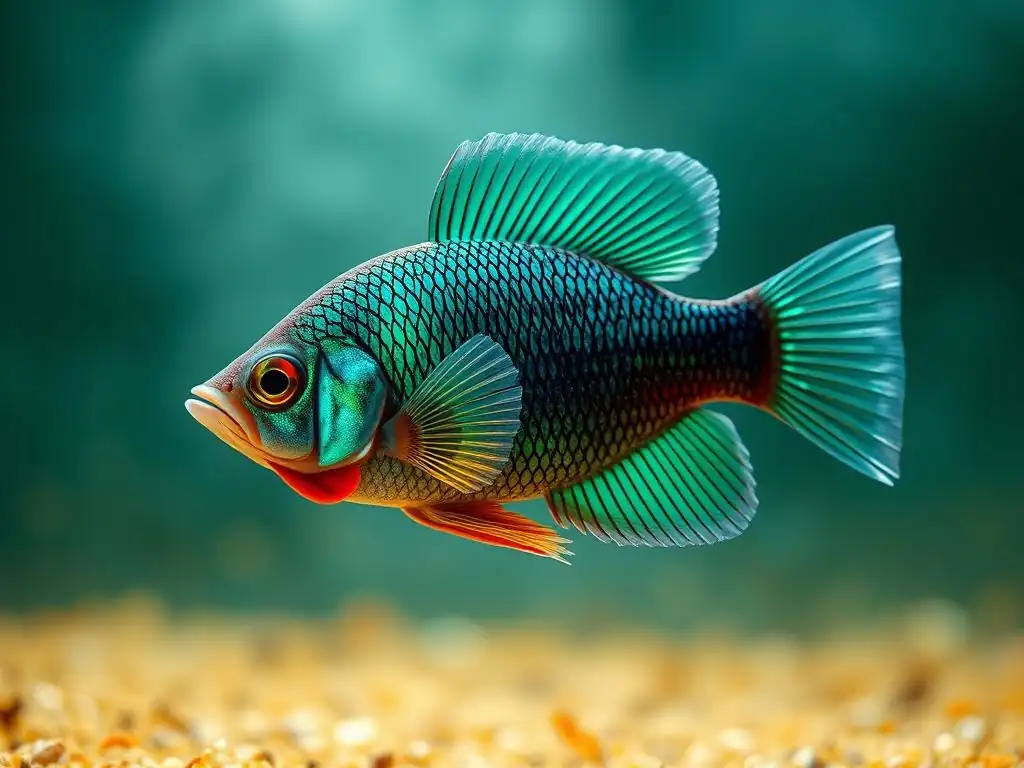
For aquarists seeking the elegance and grace of gouramis without the potential size and aggression issues of Kissing Gouramis, Pearl Gouramis ( Trichopodus leerii) present an excellent alternative. These stunning fish are renowned for their intricate pearlescent spots against a reddish-brown body, often reaching a more manageable size of 4-5 inches (10-12 cm). They are significantly more peaceful and community-friendly than Kissing Gouramis, making them suitable for a wider range of community tanks, typically 20 gallons or larger for a pair.
Pearl Gouramis are known for their calm demeanor and can coexist harmoniously with many smaller, non-aggressive fish like tetras, rasboras, and corydoras. They prefer a well-planted aquarium with plenty of hiding spots and floating vegetation, which helps them feel secure and encourages their beautiful coloration. Their diet is similar to Kissing Gouramis, consisting of high-quality flakes, small pellets, and occasional live or frozen foods. Their relatively low bioload and serene nature make them a less demanding option for Kissing gourami aquarium care, offering a beautiful focal point without the extensive space requirements or potential for conflict.
Dwarf Gouramis: Smaller and More Colorful
If tank size is a significant constraint, Dwarf Gouramis ( Trichogaster lalius) offer a vibrant and compact alternative to Kissing Gouramis. These diminutive fish typically reach only 2-2.5 inches (5-6 cm) in length, making them ideal for smaller aquariums, often as small as 10-20 gallons for a single male. They are celebrated for their dazzling array of colors, with popular varieties like the Flame, Powder Blue, and Neon Dwarf Gourami showcasing brilliant blues, reds, and oranges. While males can be territorial towards each other, they are generally peaceful towards other species.
Dwarf Gouramis thrive in well-planted tanks with gentle filtration and plenty of hiding spots. They are labyrinth fish, meaning they can breathe atmospheric oxygen, but still require good water quality. Their diet consists of small flakes, micro pellets, and occasional live or frozen foods. While they lack the unique "kissing" behavior, their vibrant appearance and manageable size make them a popular choice for beginner and experienced aquarists alike who want to enjoy the charm of gouramis without committing to the large-scale Kissing gourami aquarium care.
Moonlight Gouramis: Elegant and Community-Friendly
For those who appreciate the larger stature of gouramis but desire a more tranquil presence than a Kissing Gourami, the Moonlight Gourami ( Trichopodus microlepis) is an appealing choice. Growing to about 6 inches (15 cm), they possess a graceful, silvery-white body with iridescent hints, giving them an ethereal appearance. While larger than Pearl or Dwarf Gouramis, they are considerably more peaceful than Kissing Gouramis and can be excellent additions to a medium to large community tank (typically 30 gallons or more).
Moonlight Gouramis are relatively docile and can coexist well with a variety of peaceful to semi-aggressive fish of similar size, such as larger tetras, rasboras, and even some smaller, peaceful cichlids. They appreciate a well-decorated tank with ample swimming space, plenty of plants (both rooted and floating), and driftwood for cover. Their diet is omnivorous, similar to other gouramis. Their elegant appearance and relatively calm temperament make them a more manageable and less demanding option for those looking to enjoy a larger gourami without the specific challenges associated with intensive Kissing gourami aquarium care.
Making the Right Choice: Is a Kissing Gourami Right for You?
Assessing Your Aquarium Experience and Resources
Deciding whether a Kissing Gourami is the right fish for your aquarium requires an honest assessment of your experience level and available resources. These fish are not for the faint of heart or the casual hobbyist. Their large adult size, significant bioload, and potential for aggression demand a certain level of commitment and expertise.
New aquarists, or those with limited experience in maintaining large, active fish, may find the challenges of Kissing gourami aquarium care overwhelming. For instance, managing a 125-gallon tank with powerful filtration and frequent large water changes is a significantly different undertaking than maintaining a 20-gallon community tank.
Furthermore, consider your financial and spatial resources. A suitable aquarium for an adult Kissing Gourami will be at least 75 gallons, and preferably larger, which requires substantial floor space and a sturdy stand. The initial investment in a large tank, powerful filtration, heating, and lighting can be considerable. Ongoing costs, such as electricity for larger equipment, higher volumes of water conditioner, and a consistent supply of quality food, also add up. Only after a thorough evaluation of your capacity to provide a stable, spacious, and well-maintained environment should you consider bringing a Kissing Gourami into your home.
Considering the Long-Term Commitment to Kissing Gourami Care
Bringing a Kissing Gourami into your home is a long-term commitment that can span several years. These fish are known for their longevity, often living 5 to 7 years, and sometimes even up to 10 years, under optimal conditions.
This means you are committing to several years of dedicated Kissing gourami aquarium care, including consistent water parameter monitoring, regular large water changes, appropriate feeding, and ongoing vigilance for health issues. For example, if you are a student or someone whose living situation might change frequently, providing a stable home for a fish that requires such a large setup might become impractical in the future.
The long-term commitment also extends to managing their growth and potential behavioral changes. A small, seemingly docile juvenile will eventually mature into a large, potentially boisterous adult. Are you prepared to upgrade tank size if necessary? Can you consistently provide the specialized diet and deal with their significant waste production for nearly a decade? Understanding and accepting this extended responsibility is crucial. A Kissing Gourami is not a temporary pet; it's a long-term member of your aquatic family, requiring consistent, high-quality Kissing gourami aquarium care throughout its lifespan.
Frequently Asked Questions
What is the ideal tank size for Kissing Gouramis?
Kissing Gouramis require a large aquarium due to their potential size. A minimum of 75 gallons is recommended to provide them with ample swimming space and reduce aggression issues.
What type of water parameters do Kissing Gouramis need?
They thrive in stable freshwater conditions. Maintain a temperature between 72-82°F, a pH of 6.0-7.5, and keep the water clean and well-oxygenated.
Are Kissing Gouramis compatible with other fish species?
While generally peaceful, Kissing Gouramis can become territorial and aggressive towards smaller or similar-looking fish. Choose tankmates carefully and observe their behavior.
What do Kissing Gouramis eat?
They are omnivores and will accept a variety of foods. Offer them a balanced diet of flake food, pellets, and occasional live or frozen treats like bloodworms or brine shrimp.
What are some common health issues to watch out for in Kissing Gouramis?
Keep an eye out for signs of parasitic infections, fin rot, and Ich (white spot disease). Proper water quality and a balanced diet are crucial for their health.
Final Reflection: Beyond the Kiss: Responsible Aquarium Keeping
The allure of the Kissing Gourami, with its seemingly affectionate behavior, is undeniable, but as we've explored, responsible aquarium keeping demands more than just aesthetic appeal. Understanding the true needs of these fish, from tank size to dietary requirements, is paramount to ensuring their well-being and preventing the common pitfalls that lead to frustration and disappointment for both the fish and the aquarist.
The decision to introduce any creature into our homes carries a significant ethical weight. This article serves as a reminder that our choices directly impact the lives of these animals, and that informed decisions are crucial for creating a thriving ecosystem, not just a visually pleasing display. The greatness of a nation and its moral progress can be judged by the way its animals are treated.
- Mahatma Gandhi. This quote resonates deeply when considering the responsibility we undertake when bringing a Kissing Gourami, or any animal, into our care.
Now, armed with a deeper understanding of Kissing Gourami aquarium care, I urge you to reflect on your own practices. Are you truly prepared to provide the space, resources, and commitment necessary for these fish to flourish? Let's move beyond the romanticized image and embrace a future where aquarium keeping is defined by knowledge, empathy, and a genuine dedication to the well-being of every creature under our care.
Ignite Your Aquarium Journey!
Thanks for diving deep into the world of Kissing Gouramis with us! We hope you found this reality check helpful in understanding their needs and if they are the right fit for your aquarium. Ready to take the next step?
Here are a few things you can do right now:
- Carefully assess your tank size and community to ensure a happy and healthy environment for any fish you decide to keep.
- Share this article with fellow aquarium enthusiasts to spread awareness about responsible fishkeeping.
- Start a journal to track your aquarium's parameters and fish behavior. This could help you spot potential problems early on.
What's the first thing you'll change in your aquarium setup after reading this?