
Creating a Featherfin SpeciesSpecific Tank: Is It Right for You?

Welcome to Aquarium Mastery!
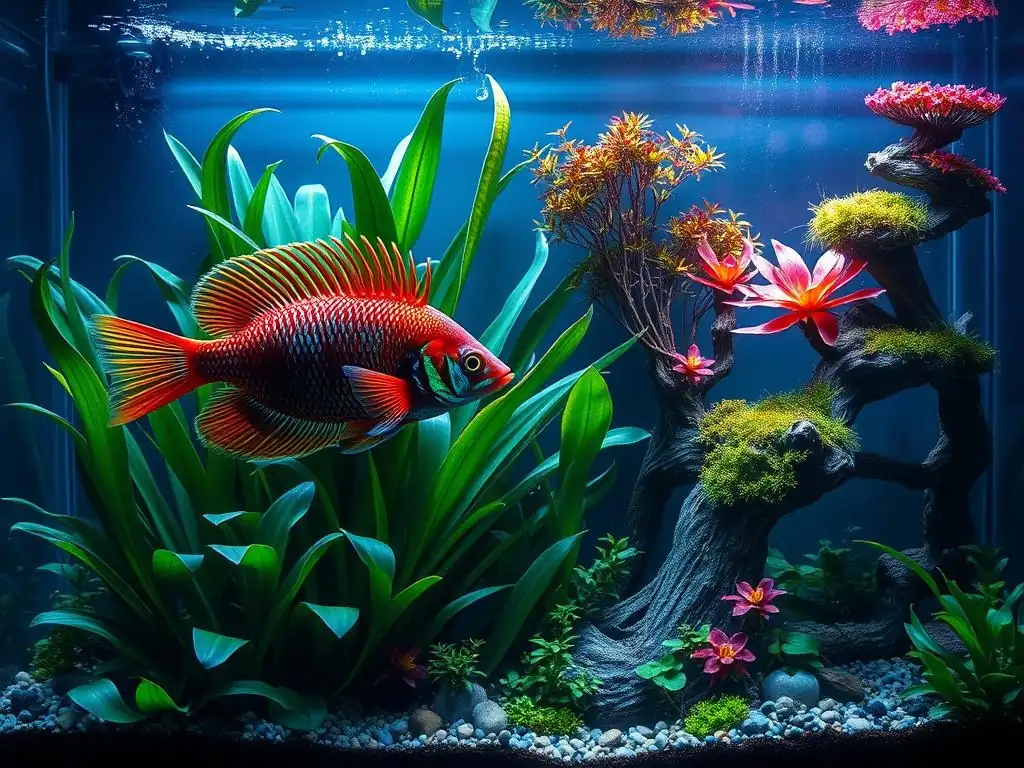
Curious about keeping a Featherfin Squeaker Catfish? Excellent! This article delves into the specifics of a successful Featherfin tank setup guide, covering everything you need to know to create the perfect environment for these fascinating freshwater fish. But before you dive in, are you really ready for the unique challenges and rewards of a species-specific aquarium? Let's find out...
- Keeping Eretmodus cyanostictus: A Species-Specific Tank Guide
- Introduction to Eretmodus cyanostictus and Species-Specific Aquariums
- Planning Your Eretmodus cyanostictus Tank Setup
- Setting Up the Eretmodus cyanostictus Habitat
- Eretmodus cyanostictus Care and Maintenance
- Eretmodus cyanostictus Breeding Considerations
- Troubleshooting Common Eretmodus cyanostictus Tank Issues
- Alternatives to Species-Specific Eretmodus cyanostictus Tanks
- Is an Eretmodus cyanostictus Species-Specific Tank Right for You?
- Eretmodus cyanostictus Tank Setup Checklist: A Summary
-
Frequently Asked Questions
- Is a species-specific tank the best option for Featherfin Catfish?
- What size tank is recommended for a Featherfin tank setup?
- What are the key water parameters for a Featherfin tank?
- What type of filtration is necessary for a Featherfin tank setup?
- What should I feed my Featherfin Catfish in a species-specific tank?
- Final Reflection: The Delicate Balance of Featherfin Stewardship
- Unleash the Beauty: Design Your Featherfin Paradise!
Keeping Eretmodus cyanostictus: A Species-Specific Tank Guide
Introduction to Eretmodus cyanostictus and Species-Specific Aquariums
Understanding Eretmodus cyanostictus: The Clown Goby of Lake Tanganyika
Eretmodus cyanostictus, commonly known as the Featherfin cichlid or Clown Goby cichlid, is a captivating species native to the rocky, surge-swept shores of Lake Tanganyika in East Africa. This unique fish is characterized by its elongated, somewhat flattened body, large eyes, and distinctive modified fins that allow it to cling to rocks in strong currents.
Its common name, "Clown Goby," stems from its peculiar hopping movement across the substrate, reminiscent of a goby. In its natural habitat, it primarily grazes on the biofilm and algae growing on rocks, making its specialized diet and environment critical considerations for any Featherfin tank setup guide.
Typically reaching an adult size of about 3 to 4 inches (7 to 10 cm), Eretmodus cyanostictus can live for an impressive 8 to 10 years or even longer with optimal care. While generally peaceful, they exhibit strong territorial behaviors, particularly towards conspecifics. Their unique adaptations to a high-energy, oxygen-rich environment mean they thrive best in conditions that closely mimic their natural biotope. Understanding these specific needs is the first step in providing a successful Featherfin cichlid tank environment.
The Benefits of Species-Specific Tanks for Eretmodus cyanostictus
A species-specific tank is highly recommended for Eretmodus cyanostictus due to their unique environmental and social requirements. Dedicating an aquarium solely to these fish allows for precise control over water parameters, which must be consistently high in pH and hardness, mirroring Lake Tanganyika's stable chemistry. This specialized Featherfin tank setup minimizes stress by eliminating competition for food and territory from other species, fostering optimal health and allowing their natural behaviors to flourish.
Furthermore, a dedicated Featherfin tank setup enables the aquarist to observe the subtle nuances of their behavior, from their distinctive sand-sifting and grazing habits to their intricate breeding rituals. It also ensures that their specialized herbivorous diet is consumed entirely by them, without faster or more aggressive tank mates intercepting the food. This focused approach to Featherfin care significantly reduces the risk of disease transmission and promotes a thriving, long-lived population.
Planning Your Eretmodus cyanostictus Tank Setup
Determining the Ideal Tank Size for Eretmodus cyanostictus
For a single Eretmodus cyanostictus or a stable pair, a minimum tank size of 20 gallons long (approximately 75 liters), measuring around 30x12x12 inches, is often suggested. This footprint provides sufficient length for them to establish a small territory. However, to keep a small group of 4-6 individuals and minimize potential aggression, a 40-gallon breeder or a 55-gallon tank (approximately 150-200 liters) is significantly more appropriate. A larger footprint allows for the creation of multiple distinct territories, which is crucial for their well-being in a group Featherfin tank setup.
The length and width of the aquarium are far more important than its height for these bottom-dwelling cichlids. A longer tank provides ample horizontal space for multiple individuals to establish their own "home ranges" among the rockwork, reducing confrontations. When planning your Featherfin cichlid tank, always consider the adult size of the fish and their territorial nature to ensure adequate space for long-term health and potential breeding success.
Essential Equipment for an Eretmodus cyanostictus Tank
Beyond the aquarium itself, several key pieces of equipment are indispensable for a successful Eretmodus cyanostictus tank setup. These include a robust and oversized filtration system, a reliable heater to maintain stable temperatures, and appropriate lighting. A tight-fitting aquarium lid is also crucial, as these fish, especially when startled, can be prone to jumping out of the tank.
Additionally, a comprehensive water test kit for pH, General Hardness (GH), Carbonate Hardness (KH), ammonia, nitrite, and nitrate is vital for ongoing water quality management. A high-quality thermometer is also necessary to monitor the tank's temperature consistently. Investing in these essential tools from the outset will lay the foundation for a healthy and stable Featherfin tank setup, allowing for precise Featherfin care.
Filtration Needs for Eretmodus cyanostictus Tanks
Eretmodus cyanostictus demand exceptionally clean, highly oxygenated water, making robust filtration a cornerstone of their care. Over-filtration is not just recommended but often necessary. A combination of mechanical, biological, and chemical filtration is ideal. Canister filters, known for their large media capacity and strong flow rates, or powerful hang-on-back (HOB) filters rated for tanks significantly larger than your actual volume, are excellent choices for a Featherfin tank setup.
Aim for a high water turnover rate, ideally 8-10 times the tank volume per hour, to ensure optimal water clarity and oxygen saturation. The addition of powerheads can further enhance water movement, mimicking the strong surge zones of their natural Lake Tanganyika habitat and boosting dissolved oxygen levels. This powerful water circulation is a critical component of any effective Featherfin tank setup guide, preventing stagnation and promoting a pristine environment.
Heating and Lighting Requirements for Eretmodus cyanostictus
Maintaining a stable water temperature between 76-80°F (24-27°C) is crucial for the health and activity of Eretmodus cyanostictus. A reliable, appropriately sized aquarium heater with a precise thermostat is therefore an essential piece of equipment. For larger Featherfin cichlid tanks, or as a safeguard, consider using two smaller heaters rather than one large one; this redundancy can prevent catastrophic temperature drops if one unit fails.
Lighting for an Eretmodus cyanostictus tank should be moderate. While these aquariums typically do not feature live plants that require intense light, adequate illumination is important for observing the fish and appreciating their coloration. However, excessively bright lighting can stress these fish, as they prefer more subdued conditions. A standard LED aquarium light set to run for 8-10 hours per day is generally sufficient.
Setting Up the Eretmodus cyanostictus Habitat
Substrate Selection for Eretmodus cyanostictus Tanks
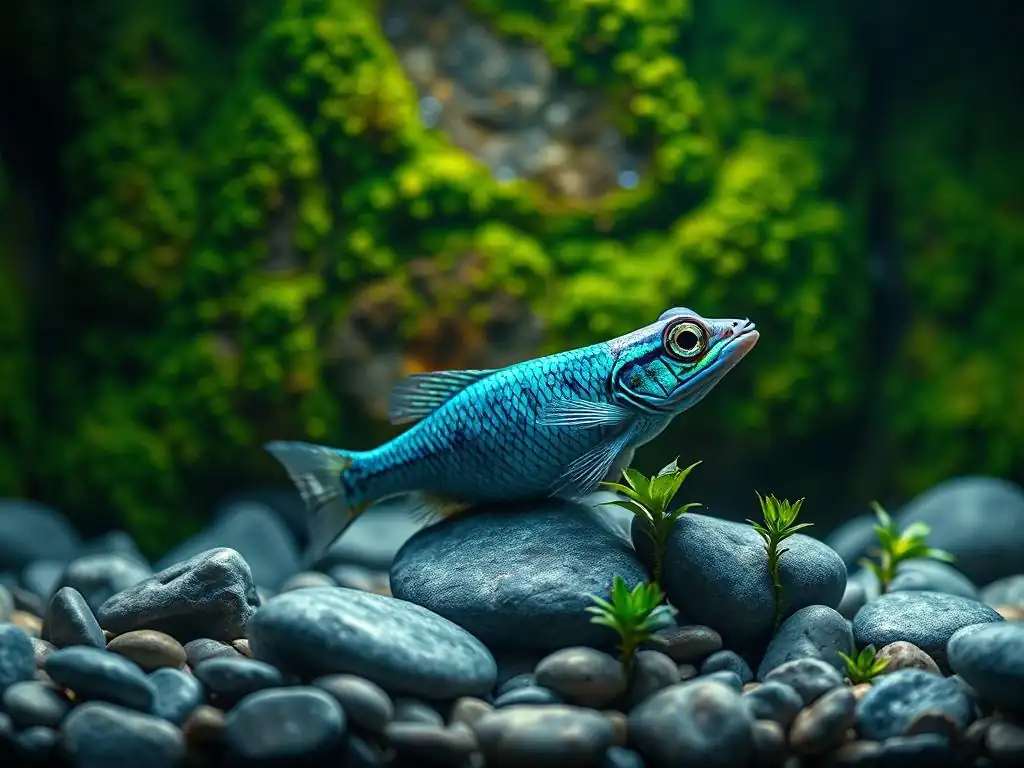
A fine sand substrate is absolutely crucial for a proper Eretmodus cyanostictus tank setup. These fish are natural sand-sifters, constantly sifting through the substrate with their mouths in search of microscopic food particles and detritus. A fine-grained aragonite sand or a specialized cichlid sand is ideal, as it not only facilitates their natural behavior but also helps to buffer the water, contributing to the high pH and hardness levels they require.
Avoid using coarse gravel, as it can injure their delicate mouths and gills when they attempt to sift. A substrate depth of at least 1-2 inches (2.5-5 cm) is sufficient to allow for their natural sifting and foraging activities. The right substrate is a non-negotiable element for a healthy Featherfin tank setup guide, directly impacting their well-being and natural expression.
Rockwork and Aquascaping for Eretmodus cyanostictus
Extensive and carefully arranged rockwork is paramount when aquascaping an Eretmodus cyanostictus tank. The goal is to recreate a rocky, cave-filled environment reminiscent of their natural Lake Tanganyika habitat. Use inert, aquarium-safe rocks such as Texas Holey Rock, lace rock, or slate. These materials not only provide aesthetic appeal but also contribute to the necessary high pH and hardness of the water.
Arrange the rocks to create numerous caves, crevices, and visual breaks. This structured environment allows individual fish to establish and defend distinct territories, which is fundamental to reducing aggression and promoting natural behavior in a Featherfin cichlid tank. Ensure all rock structures are stable and securely placed, possibly even using aquarium-safe silicone to prevent collapses that could injure the fish or damage the tank.
Creating Caves and Territories for Eretmodus cyanostictus
Eretmodus cyanostictus are highly territorial, particularly towards other members of their own species. For a successful Featherfin tank setup, each fish or established pair requires its own clearly defined territory, typically centered around a secure cave or crevice. These territories should be visually separated by strategically placed rock formations to minimize direct line of sight between rivals.
Design the aquascape to provide more caves and hiding spots than the number of fish you intend to keep. This surplus allows individuals to choose their preferred retreats and provides escape routes, further reducing stress and aggression. Paying meticulous attention to the arrangement of rockwork is a key aspect of this Featherfin tank setup guide, ensuring a harmonious and thriving environment for your fish.
Water Chemistry for Eretmodus cyanostictus Aquariums
Eretmodus cyanostictus originate from the Great Rift Lake Tanganyika, which is renowned for its very specific and remarkably stable water parameters. To ensure the health and longevity of these fish in your Featherfin tank setup, it is crucial to replicate these conditions. The pH should be consistently high, ideally ranging from 8.0 to 9.0. Similarly, both general hardness (GH) and carbonate hardness (KH) must be elevated, with GH typically between 10-20 dGH and KH between 10-15 dKH.
Maintaining these precise parameters consistently is paramount, as Eretmodus cyanostictus are highly sensitive to fluctuations. If your tap water is naturally soft or acidic, specialized Tanganyika cichlid salts or buffers can be added during water changes to achieve and stabilize the desired water chemistry. Regular testing is the only way to ensure these vital parameters remain within the optimal range for a thriving Featherfin cichlid tank.
Maintaining Optimal Water Parameters for Eretmodus cyanostictus
Consistent monitoring of water parameters is non-negotiable for Eretmodus cyanostictus care. Regular testing for pH, GH, KH, ammonia, nitrite, and nitrate levels is essential. Ammonia and nitrite should always be undetectable (0 ppm), and nitrates should be kept below 20 ppm through diligent maintenance. Any significant or rapid fluctuations in these parameters can cause severe stress, weaken the fish's immune system, and lead to various health issues.
To maintain stability, perform regular water changes as discussed in a later section, ensuring the replacement water is declorinated and closely matches the tank's temperature and pH. When introducing new fish to your Featherfin tank setup, slow and careful acclimation to your specific water parameters is also vital to prevent osmotic shock. Proactive water parameter management is the backbone of successful Featherfin care.
Eretmodus cyanostictus Care and Maintenance
Feeding Your Eretmodus cyanostictus: Diet and Nutrition
Eretmodus cyanostictus are primarily herbivorous in their natural habitat, grazing on the bio-film and algae that grow on rocks. Therefore, their diet in a Featherfin tank setup should predominantly consist of high-quality spirulina-based flakes or pellets. These specialized foods provide the essential vegetable matter and nutrients they require. Supplement their diet with blanched vegetables such as zucchini slices, spinach, or even small pieces of nori (dried seaweed) to offer variety and additional roughage.
While they may occasionally accept small meaty foods like brine shrimp or mysis shrimp, these should be offered sparingly as an infrequent treat. Overfeeding protein-rich foods can lead to digestive issues, including the potentially fatal "bloat" common in cichlids. Feed small amounts multiple times a day (e.g., 2-3 times) to simulate their natural grazing behavior, rather than one large meal, which is a key aspect of proper Featherfin care.
Regular Water Changes for Eretmodus cyanostictus Tanks
Consistent weekly water changes are fundamental to maintaining the pristine water quality and stable parameters that Eretmodus cyanostictus demand. A typical regimen involves changing 25-30% of the tank's water volume each week. However, the exact frequency and volume may need to be adjusted based on the tank's size, the number of fish, and the efficiency of your filtration system. Regular testing of nitrate levels will help determine if your water change schedule is adequate.
During each water change, use an aquarium gravel vacuum to thoroughly clean the fine sand substrate, removing any accumulated detritus and uneaten food. Always ensure that the replacement water is declorinated and matches the tank's temperature and pH as closely as possible to prevent shocking the fish. This consistent maintenance routine is a cornerstone of a successful Featherfin tank setup.
Monitoring Eretmodus cyanostictus Health and Behavior
Regularly observing your Eretmodus cyanostictus is crucial for proactive Featherfin care and early detection of any potential issues. Healthy fish will exhibit vibrant coloration, active swimming (often a distinctive "hopping" movement across the substrate), and a keen appetite. They will also display their natural behaviors, such as sifting sand and defending their established territories within the rockwork.
Signs of stress or illness include clamped fins, faded or dull coloration, labored or rapid breathing, scratching or "flashing" against decor, and unusual swimming patterns like lethargy or erratic movements. Any sudden change in appetite or social behavior should also raise a red flag. Early identification of these symptoms allows for prompt diagnosis and intervention, which significantly increases the chances of successful treatment and overall well-being in your Featherfin cichlid tank.
Eretmodus cyanostictus Breeding Considerations
Creating Breeding Conditions for Eretmodus cyanostictus
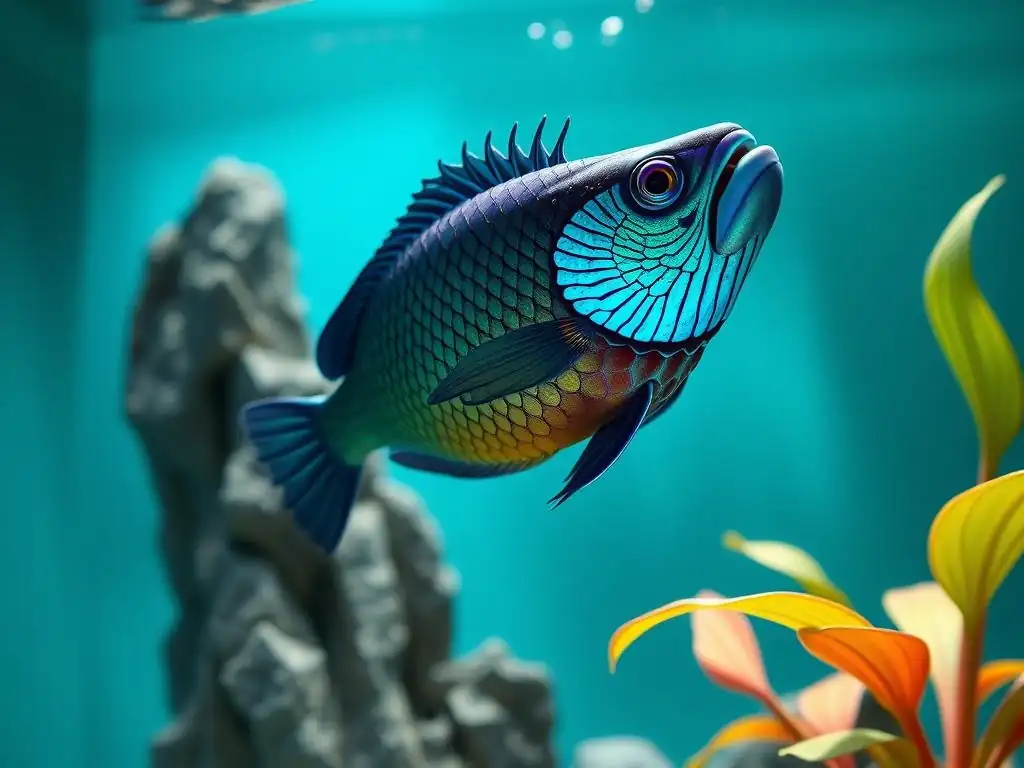
Breeding Eretmodus cyanostictus in a species-specific Featherfin tank setup is a rewarding experience for dedicated aquarists, provided optimal conditions are met. Establishing a stable, compatible pair is often the first step, though sometimes a small group can lead to natural pair formation. Pristine water quality, stable parameters within their preferred range, and a varied, nutritious diet are all crucial triggers for spawning. Slightly elevating the water temperature to the upper end of their preferred range, such as 79-80°F (26-27°C), can sometimes encourage breeding activity.
The presence of ample caves and a fine sand substrate is essential, as these provide the security and necessary environment for spawning and subsequent mouthbrooding. A diet rich in high-quality spirulina flakes, supplemented with occasional live or frozen protein boosts, can also help condition the fish for breeding.
Recognizing Eretmodus cyanostictus Spawning Behavior
Eretmodus cyanostictus are biparental mouthbrooders, meaning both parents are involved in the care of the eggs and fry, with the female typically doing the primary brooding. Spawning usually occurs on a flat, smooth rock surface within a secluded cave. The female will lay a small clutch of eggs, which the male then fertilizes. Immediately after fertilization, the female diligently collects the eggs into her mouth for incubation.
The most obvious sign that a female is brooding is a noticeably swollen buccal cavity (the area under her mouth), which will appear distended due to the eggs or fry she is holding. During this period, she will become more reclusive, often hiding deep within her chosen cave, and may refuse food entirely. The brooding period typically lasts approximately 18-21 days, during which she will not eat.
Raising Eretmodus cyanostictus Fry
After the brooding period concludes, the female Eretmodus cyanostictus will release fully formed, miniature versions of the adults. These fry are relatively large compared to many other cichlid fry and are generally capable of consuming finely crushed spirulina flakes or newly hatched brine shrimp immediately upon release. The female may continue to care for the fry for a short period, taking them back into her mouth if danger is perceived.
In a dedicated species-specific Featherfin tank setup, it is often best to leave the fry with the parents, as the parents will defend them. However, if you wish to maximize fry survival, especially in a mixed tank (though not recommended for this species), a separate grow-out tank with identical water parameters can be used. This separate tank should also feature fine sand and small hiding spots for the fry.
Troubleshooting Common Eretmodus cyanostictus Tank Issues
Identifying and Treating Eretmodus cyanostictus Diseases
Like all aquarium fish, Eretmodus cyanostictus can be susceptible to common freshwater diseases, particularly if water quality is compromised or stress levels are high. "Cichlid Bloat" is a significant concern for these Tanganyikan cichlids, often linked to an improper diet (too much protein) or poor water conditions. Symptoms include abdominal swelling, loss of appetite, and white, stringy feces. Prompt intervention with specialized medications is crucial, though prevention through proper Featherfin tank setup and diet is always best.
Other common ailments include Ich (Ichthyophthirius multifiliis), characterized by small white spots resembling salt grains on the body and fins, and bacterial infections, which can manifest as fin rot, ulcers, or cloudy eyes. Maintaining excellent water quality, providing a stable environment, and ensuring a balanced diet are the best preventive measures. If disease occurs, isolating the affected fish in a quarantine tank for treatment with appropriate aquarium medications is highly recommended.
Addressing Aggression in Eretmodus cyanostictus Tanks
While generally peaceful, Eretmodus cyanostictus can exhibit territorial aggression, particularly between males or when tank space is limited. This aggression often manifests as chasing, fin nipping, or even physical altercations as individuals compete for prime territories or mates. It is a natural behavior, but if excessive, it can lead to stress, injury, or even death.
The primary solution to mitigate aggression in a Featherfin tank setup is proper aquascaping. Providing an abundance of caves, crevices, and visual breaks within the rockwork allows each fish to establish and defend its own territory without constant direct confrontation. Ensuring sufficient tank size for the number of fish you keep, as outlined in this Featherfin tank setup guide, and avoiding overstocking can significantly reduce aggressive interactions. Sometimes, simply rearranging the decor can help "reset" territories and alleviate tensions.
Dealing with Algae Problems in Eretmodus cyanostictus Aquariums
Given their natural diet, some algae growth on the rocks in an Eretmodus cyanostictus tank is not only normal but also beneficial, providing a natural food source. However, excessive or undesirable types of algae (e.g., hair algae, black beard algae) can indicate an imbalance in the aquarium. Common causes include nutrient overload (high nitrates and phosphates) from overfeeding or insufficient water changes, or too much light exposure.
To address severe algae problems in your Featherfin cichlid tank, first review your maintenance routine. Increase the frequency or volume of water changes, reduce the amount of food offered, and adjust your lighting duration (typically 8-10 hours per day is sufficient). While Eretmodus cyanostictus will graze on some soft algae, they are not effective "clean-up crews" for rampant outbreaks. Manual removal of algae during water changes is often necessary, alongside addressing the root cause.
Alternatives to Species-Specific Eretmodus cyanostictus Tanks
Compatible Tank Mates for Eretmodus cyanostictus [If a mixed tank is desired]
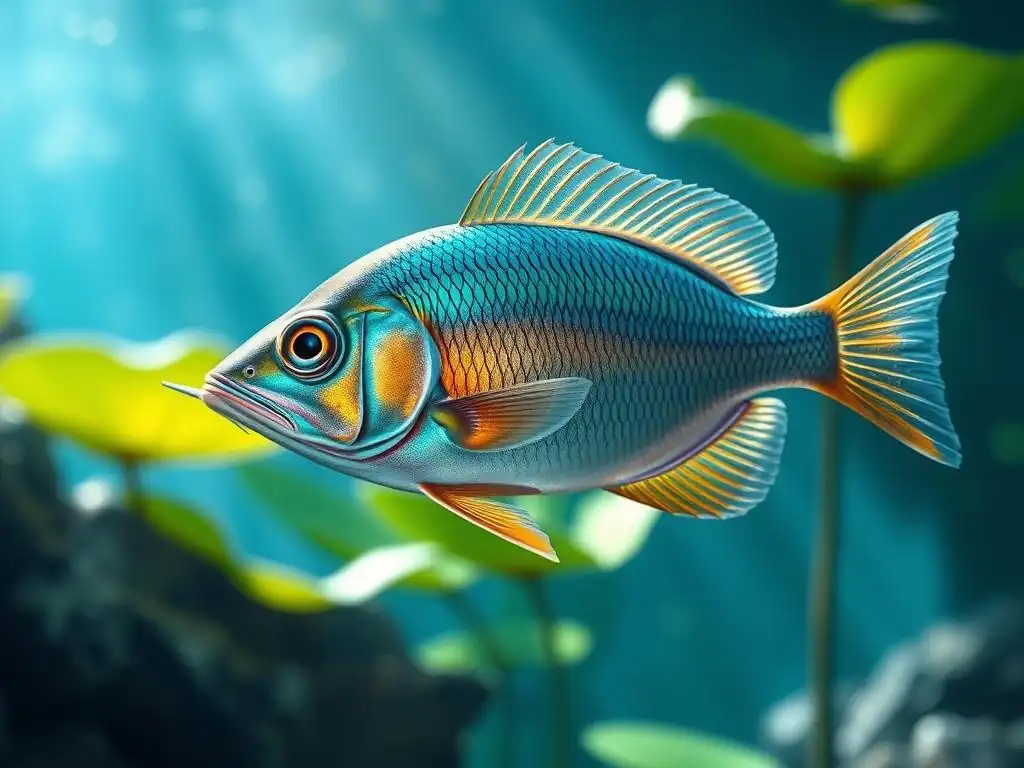
While a species-specific Featherfin tank setup is generally considered the optimal environment for Eretmodus cyanostictus, if a mixed Tanganyikan cichlid tank is desired, extreme caution must be exercised in choosing tank mates. Compatible fish must share similar water parameter requirements (high pH, high hardness, stable temperature) and should not be overly aggressive, boisterous, or compete directly for food or territory. Ideally, tank mates should occupy different levels of the aquarium.
Potential tank mates, if the tank is sufficiently large and properly aquascaped, might include other small, relatively peaceful Tanganyikan cichlids. Examples could be certain species of Julidochromis (like Julidochromis dickfeldi), Neolamprologus brichardi (Fairy Cichlids, though they can be prolific breeders and territorial), or Altolamprologus calvus (Calvus Cichlids, which are slow-moving and occupy rock crevices). Avoid any fish that are known to be highly aggressive, very fast swimmers, or direct competitors for the bottom-dwelling rock and sand territories that Eretmodus cyanostictus inhabit.
Considerations for Community Tanks with Eretmodus cyanostictus
Introducing Eretmodus cyanostictus into a general freshwater community tank is generally not recommended. Their highly specific water chemistry needs (high pH, high hardness, and high oxygenation) are rarely met by typical community aquarium setups, which often feature softer, more acidic water. Furthermore, these specialized Featherfin cichlids are relatively slow-moving and can easily be outcompeted for food by faster, more aggressive, or more boisterous species commonly found in community tanks.
If considering a community setup, it absolutely must be a large, carefully planned Tanganyikan biotope tank. Even in such a specialized environment, diligent observation is required to ensure that Eretmodus cyanostictus are thriving and not being stressed, intimidated, or starved by their tank mates. For the long-term health and natural behavior of Eretmodus cyanostictus, the benefits of a dedicated Featherfin tank setup far outweigh the challenges and risks associated with a mixed environment.
Is an Eretmodus cyanostictus Species-Specific Tank Right for You?
Evaluating Your Commitment to Eretmodus cyanostictus Care
Creating and maintaining a successful Eretmodus cyanostictus Featherfin tank setup requires a significant level of commitment and attention to detail. These fish are not particularly demanding once their environment is stable, but achieving that stability and consistency demands dedication. You must be prepared to maintain pristine water quality through regular water changes, diligently monitor and adjust water parameters (pH, GH, KH), and provide a specialized spirulina-based diet.
Consider your current experience level with cichlids and your willingness to invest the time required for consistent monitoring and proactive troubleshooting. This is not a "set it and forget it" type of aquarium; it requires ongoing engagement to ensure the long-term health and well-being of these unique fish. If you are prepared for this level of Featherfin care, the rewards are immense.
The Rewards of a Dedicated Eretmodus cyanostictus Aquarium
For the dedicated and prepared aquarist, a species-specific Eretmodus cyanostictus tank offers unparalleled rewards. You gain the unique opportunity to observe their fascinating and often comical behaviors, such as their distinctive hopping movement, meticulous sand sifting, territorial displays, and intricate mouthbrooding rituals, all within a naturalistic and stress-free environment. Their unusual appearance and active personalities make them a truly captivating focal point for any room.
A thriving Featherfin cichlid tank is a testament to careful planning, consistent Featherfin care, and a deep appreciation for the specialized needs of these remarkable Tanganyikan cichlids. It provides a serene, engaging, and educational display that showcases Eretmodus cyanostictus at their absolute best, offering immense satisfaction to the passionate aquarist.
Eretmodus cyanostictus Tank Setup Checklist: A Summary
Essential Steps for a Thriving Eretmodus cyanostictus Aquarium
- Appropriate Tank Size: Minimum 20 gallons long for a pair, 40-55 gallons or larger for a small group, prioritizing footprint over height.
- Robust Filtration: Over-sized canister or HOB filters, aiming for 8-10x tank volume turnover per hour, with additional powerheads for oxygenation.
- Stable Heating: Maintain 76-80°F (24-27°C) with a reliable, appropriately sized heater.
- Fine Sand Substrate: Use 1-2 inches of fine aragonite or specialized cichlid sand for sifting and buffering.
- Extensive Rockwork: Create numerous stable caves, crevices, and visual breaks to establish distinct territories.
- High Water Chemistry: Consistently maintain pH 8.0-9.0, GH 10-20 dGH, and KH 10-15 dKH, using buffers if necessary.
- High-Quality Spirulina-based Diet: Primary food source, supplemented with blanched vegetables and occasional meaty treats.
- Regular Water Changes: Perform 25-30% weekly water changes, ensuring replacement water matches tank parameters.
- Consistent Monitoring: Regularly test water parameters and observe fish health and behavior for early detection of issues.
- Patience and Observation: Especially crucial for encouraging breeding and understanding social dynamics.
Frequently Asked Questions
Is a species-specific tank the best option for Featherfin Catfish?
A species-specific tank is often recommended for Featherfin Catfish (Synodontis eupterus) due to their unique needs and potential to be outcompeted for food in a community setting. This allows for optimal water parameters and feeding strategies.
What size tank is recommended for a Featherfin tank setup?
A minimum of 55 gallons is recommended for a single Featherfin Catfish, and even larger tanks (75 gallons or more) are preferable. This gives them ample space to swim and explore, and helps maintain water quality.
What are the key water parameters for a Featherfin tank?
Featherfin Catfish thrive in water with a pH between 6.5 and 7.5, a temperature range of 72-78°F (22-26°C), and low levels of ammonia and nitrites. Regular water changes are crucial for maintaining these parameters.
What type of filtration is necessary for a Featherfin tank setup?
A robust filtration system is essential to handle the bioload produced by Featherfin Catfish. Canister filters or sumps are excellent choices for providing mechanical, chemical, and biological filtration.
What should I feed my Featherfin Catfish in a species-specific tank?
Offer a varied diet including sinking pellets, bloodworms, and brine shrimp. Ensure food reaches the bottom of the tank, as they are bottom feeders, and watch for signs of overfeeding.
Final Reflection: The Delicate Balance of Featherfin Stewardship
The journey of crafting a species-specific Featherfin tank, as we've explored, is far more than just assembling equipment and adding water. It's about understanding and respecting the unique needs of these fascinating creatures, a responsibility that resonates deeply in today's world where responsible pet ownership and conservation efforts are increasingly vital. The choices we make as aquarists directly impact the well-being of these fish, and by extension, contribute to the broader health of aquatic ecosystems.
This dedication to creating a thriving environment for Featherfins reflects a growing awareness of our interconnectedness with the natural world. The commitment required to build and maintain such a specialized habitat underscores the profound impact we can have, both positive and negative, on the lives of other beings. In the end, we will conserve only what we love; we will love only what we understand; and we will understand only what we are taught.
- Baba Dioum. This quote perfectly encapsulates the essence of Featherfin stewardship – a journey of learning, understanding, and ultimately, loving these remarkable fish.
So, as you consider embarking on your own Featherfin adventure, remember that it's not just about creating a beautiful tank; it's about embracing a commitment to responsible care and conservation. Let the knowledge and insights shared here serve as a foundation for your journey, guiding you to create a thriving haven for your Featherfins and inspiring you to become a true steward of their well-being. Let's all strive to be better aquarists, better conservationists, and better inhabitants of this planet.
Unleash the Beauty: Design Your Featherfin Paradise!
Thanks for diving into the world of Featherfin Synodontis! We hope this article has given you the knowledge you need to consider whether a species-specific setup is the right choice for your aquatic friends. Now, let's put that knowledge into action!
- Decide: Is a Featherfin species-specific tank right for you, based on your resources and goals for your aquarium?
- Explore the ethics of fishkeeping. Consider the long-term commitment involved.
- Share this article with fellow aquarium enthusiasts and spark a discussion about the unique needs of Featherfin Synodontis.
What specific aspect of Featherfin care are you most eager to learn more about?