
Lighting Your African Cichlid Tank: Enhancing Colors & Algae Growth (for Mbuna)

Welcome to Aquarium Mastery!
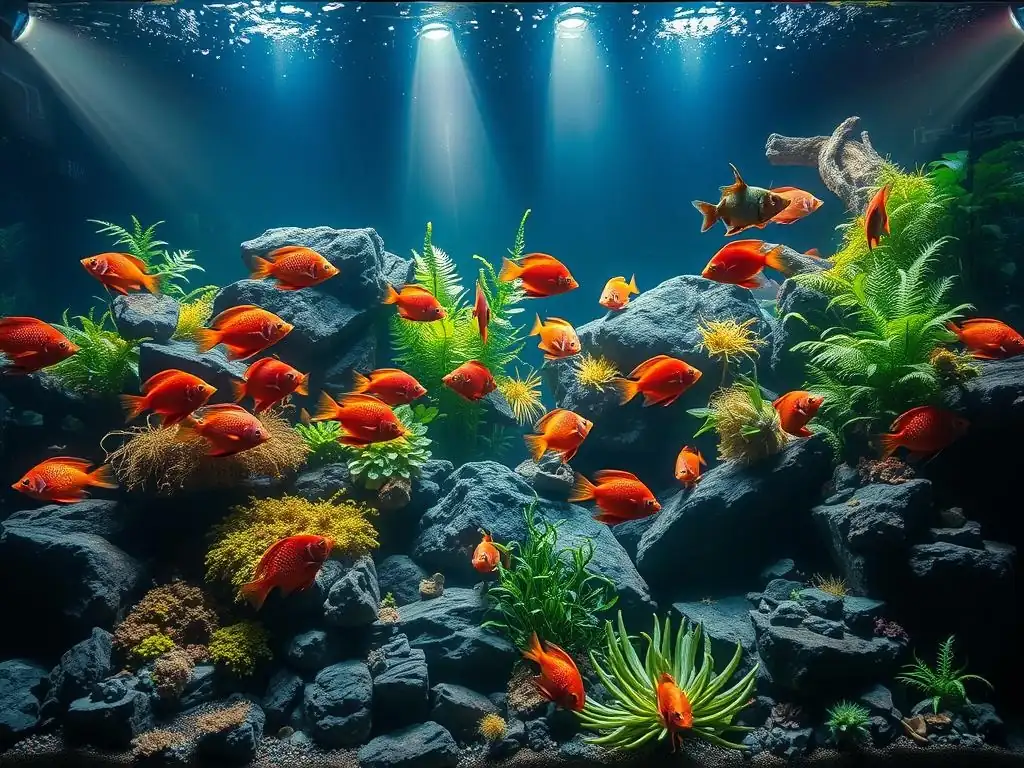
Ever wondered how the right lighting can transform your African cichlid tank from drab to dazzling, while also managing algae growth? Dive in! We're unlocking the secrets to optimal African cichlid tank lighting, specifically for Mbuna species. Discover how to enhance their vibrant colors and maintain a healthy, balanced ecosystem. Ready to illuminate your aquarium journey?
- Lighting Your African Cichlid Tank: Enhancing Colors & Controlling Algae (for Mbuna)
- Understanding African Cichlid Tank Lighting Needs
- Choosing the Right Lights for Your Mbuna Aquarium
- Enhancing Mbuna Colors with Specific Light Spectrum
- Managing Algae Growth in Your African Cichlid Tank
- Lighting Schedules for Mbuna Cichlids: Achieving Balance
- Impact of Lighting on Mbuna Behavior and Health
- Practical Tips for African Cichlid Tank Lighting Setup
- Troubleshooting Common Lighting Issues in Mbuna Tanks
- Conclusion: Mastering African Cichlid Tank Lighting for a Thriving Aquarium
-
Frequently Asked Questions
- How does lighting impact the colors of Mbuna in an African Cichlid tank?
- What type of lighting is best to encourage algae growth in an African Cichlid tank?
- Can too much light be detrimental to an African Cichlid tank?
- How long should I keep the lights on in my African Cichlid tank each day?
- What are some alternative lighting options for African Cichlid tanks besides standard fluorescent bulbs?
- Final Reflection: Illuminating the Underwater World
- Unleash the Vibrant Potential of Your Mbuna Tank!
Lighting Your African Cichlid Tank: Enhancing Colors & Controlling Algae (for Mbuna)
Understanding African Cichlid Tank Lighting Needs
The Importance of Proper Lighting for Mbuna Cichlids
Proper African cichlid tank lighting is not merely an aesthetic choice; it is fundamental to the health and well-being of Mbuna cichlids. These vibrant fish, originating from the rocky shores of Lake Malawi, rely on a consistent light-dark cycle to regulate their biological rhythms, including metabolism, feeding, and reproductive behaviors. Inadequate lighting can lead to increased stress, suppressed immune systems, and a general dulling of their natural activity levels, making them more susceptible to disease.
Furthermore, the right African cichlid tank lighting dramatically enhances the already stunning coloration of Mbuna. Their brilliant blues, yellows, and oranges, which are key to their visual appeal, are most pronounced under specific light spectra. Without appropriate illumination, these colors can appear muted or faded, diminishing the visual spectacle of the aquarium and potentially indicating a less-than-optimal environment for the fish.
Replicating the Natural Habitat: Light Spectrum and Intensity
The natural habitat of Mbuna cichlids in Lake Malawi is characterized by extremely clear water, allowing significant light penetration even at moderate depths. Mbuna typically inhabit the shallow, rocky zones where sunlight is abundant and full-spectrum. Replicating this bright, well-lit environment in an African cichlid tank is crucial for their comfort and natural display.
Achieving this replication involves selecting lights with the correct spectrum, measured in Kelvin (K), and appropriate intensity, often discussed in terms of lux or PAR (Photosynthetically Active Radiation). While Mbuna do not require light for photosynthesis themselves, the intensity and quality of light influence their perception of their surroundings, their ability to forage, and their overall sense of security. A light source in the range of 6500K to 10000K often best mimics the bright, clear conditions of their native waters, promoting both vibrant coloration and natural behavior.
Choosing the Right Lights for Your Mbuna Aquarium
LED Lighting for African Cichlids: Efficiency and Color Enhancement
LED (Light Emitting Diode) African cichlid tank lighting has become the preferred choice for many aquarists due to its superior energy efficiency and remarkable versatility. LEDs consume significantly less power than traditional fluorescent bulbs, often reducing electricity costs by up to 70%, and boast an impressively long lifespan, frequently exceeding 50,000 hours of operation. Their slim profile and minimal heat transfer to the water are additional practical advantages.
Beyond efficiency, LED lighting offers unparalleled control over the light spectrum, which is ideal for enhancing Mbuna colors. Many high-quality LED fixtures for African cichlid tanks feature multiple color channels (e.g., white, blue, red, green) that can be individually adjusted. This allows aquarists to fine-tune the light to specifically accentuate the iridescent blues of species like Pseudotropheus demasoni or the fiery oranges of Maylandia estherae (Red Zebra), making their tank a true showcase.
T5 and T8 Fluorescent Lights: A Traditional Option
T5 and T8 fluorescent lights represent a more traditional, yet still viable, option for African cichlid tank lighting. T8 bulbs are generally more budget-friendly and provide a good spread of light, suitable for shallower tanks. T5 HO (High Output) bulbs, while slightly more expensive, offer significantly greater intensity and are often preferred for deeper aquariums, ensuring light penetrates effectively to the substrate.
The main drawback of fluorescent lighting for an African cichlid tank is their shorter lifespan compared to LEDs, typically requiring replacement every 12 to 18 months as their light output degrades over time, even before the bulb burns out. While their spectrum is fixed per bulb, combining different Kelvin temperature bulbs (e.g., a 6700K daylight bulb with a 10000K or actinic blue bulb) can achieve a desirable visual effect and support fish health.
PAR (Photosynthetically Active Radiation) and its Importance
PAR, or Photosynthetically Active Radiation, is a crucial metric that measures the amount of light within the visible spectrum (400-700 nanometers) that is available for photosynthesis. While Mbuna cichlids themselves do not photosynthesize, understanding PAR is vital for managing algae growth and ensuring adequate light intensity reaches all areas of the African cichlid tank, especially if live plants are present.
For a typical Mbuna African cichlid tank, where live plants are often minimal or absent, a PAR reading of approximately 20-40 µmol/m²/s at the substrate level is generally sufficient to enhance fish colors and maintain a healthy, bright environment. Exceeding PAR values of 50 µmol/m²/s without corresponding nutrient control and light duration management can quickly lead to aggressive nuisance algae blooms, as algae are highly efficient at utilizing this light for rapid proliferation.
Enhancing Mbuna Colors with Specific Light Spectrum
The Role of Blue Light in Accentuating Cichlid Colors
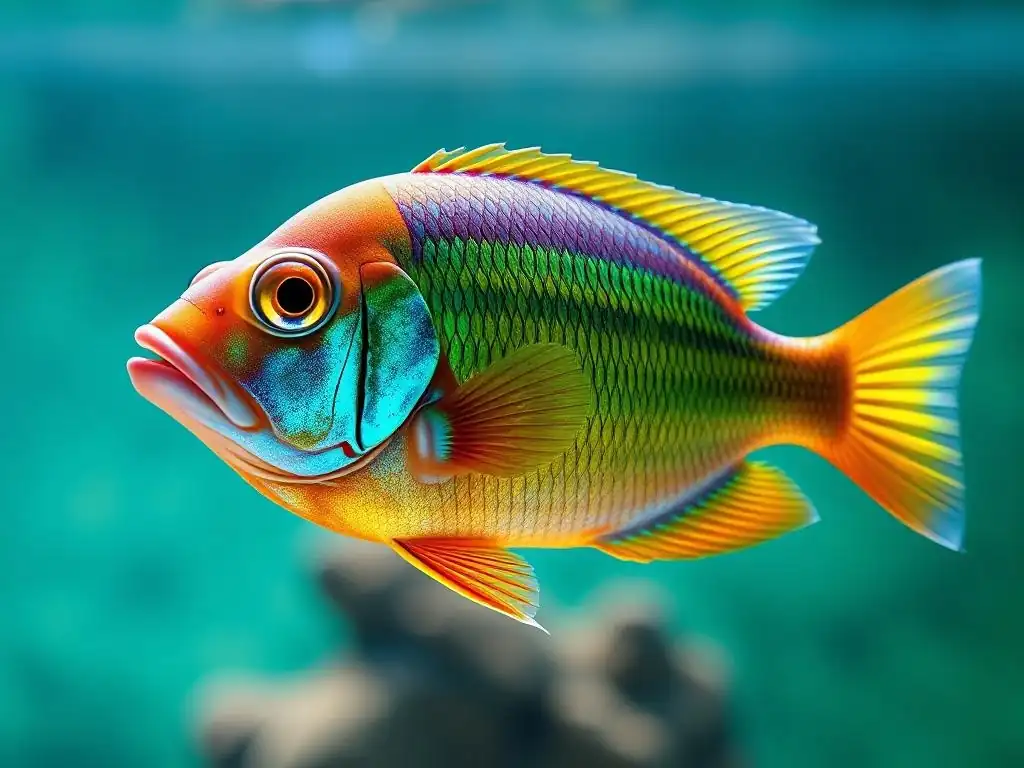
Blue light plays a particularly striking role in enhancing the natural iridescence and vibrant blues found in many Mbuna cichlid species. Wavelengths specifically around 450-470 nanometers (often associated with "actinic" or "royal blue" light) cause the natural blue pigments in fish like Labidochromis caeruleus (Electric Yellow, which has blue undertones) or Pseudotropheus saulosi to "pop" and appear far more intense than under white light alone.
Many modern African cichlid tank lighting systems, especially LED units, incorporate dedicated blue LED channels that can be independently controlled or programmed into the daily light cycle. Aquarists often utilize these blue lights during specific viewing periods or as a dawn/dusk effect to highlight these spectacular colors, transforming the appearance of the tank and making the blues incredibly vivid without over-lighting the entire system.
Using Full-Spectrum Lights for Overall Health and Appearance
While specific spectrums enhance certain colors, using full-spectrum African cichlid tank lighting is essential for the overall health, natural appearance, and well-being of your Mbuna. Full-spectrum light, typically defined as light that mimics natural sunlight (e.g., 6500K to 10000K), provides a balanced representation of all colors, ensuring that the entire palette of your Mbuna is rendered accurately and vibrantly.
A balanced, full-spectrum light supports the fish's natural physiological processes, including their circadian rhythms, which are crucial for stress reduction and robust health. It also provides a more natural viewing experience, allowing the fish to perceive their environment clearly and behave more naturally. Without adequate full-spectrum African cichlid tank lighting, fish colors can appear dull or washed out, and their overall vitality may diminish.
Choosing the Right Kelvin Temperature for Optimal Coloration
Kelvin (K) temperature is a measure of the color appearance of light, ranging from warm, yellowish-reds (low K values, e.g., 2700K) to cool, bluish-whites (high K values, e.g., 10000K+). For optimal Mbuna coloration and a visually appealing African cichlid tank, the ideal Kelvin temperature typically falls between 6500K and 10000K. A 6500K light closely mimics midday sunlight and provides a natural, crisp look that allows all fish colors to shine.
Moving towards higher Kelvin temperatures, such as 8000K or 10000K, introduces more blue light into the spectrum. This can intensify the blues, purples, and even some greens in Mbuna species like Cynotilapia afra or Metriaclima callainos (Cobalt Blue Zebra), making them appear more iridescent. Many aquarists find that a combination of a full-spectrum white light (e.g., 6500K) with a supplemental bluer light (e.g., 10000K or a dedicated blue LED channel) creates the most stunning effect for their African cichlid tank.
Managing Algae Growth in Your African Cichlid Tank
The Relationship Between Lighting and Algae Blooms
Algae are photosynthetic organisms that, like plants, require light and nutrients to grow. In an African cichlid tank, excessive or inappropriate lighting is one of the most common catalysts for rapid and unsightly algae blooms. When light intensity is too high, the duration is too long, or the spectrum contains wavelengths particularly favorable to algae (such as too much red light without corresponding plant mass), it provides the primary energy source for their unchecked proliferation.
Beyond light, the presence of dissolved nutrients, primarily nitrates (NO3) and phosphates (PO4), acts as fuel for algae. Even with ideal African cichlid tank lighting, high nutrient levels resulting from overfeeding, infrequent water changes, or decaying organic matter will exacerbate algae problems. A holistic approach that manages both light exposure and nutrient concentration is essential for effective algae control.
Controlling Algae Growth with Light Duration
One of the most effective and straightforward methods for controlling algae in an African cichlid tank is to precisely manage the duration of light exposure. A consistent photoperiod of 8 to 10 hours per day is generally sufficient for Mbuna cichlids to maintain their natural rhythms, display optimal coloration, and avoid undue stress. Simultaneously, this limited duration often helps to starve out or significantly slow down excessive algae growth.
Exceeding 10-12 hours of African cichlid tank lighting daily provides algae with an unnecessary advantage, allowing them extended periods for photosynthesis and growth. If an aquarist is struggling with persistent algae, gradually reducing the light cycle (e.g., by one hour per week until an 8-hour cycle is reached) can dramatically curb algae without negatively impacting the fish, who primarily rely on light for their daily cycle and visual cues rather than for energy production.
Algae-Eating Fish and Invertebrates for Mbuna Tanks
While introducing algae-eating species is a common strategy in many freshwater aquariums, finding suitable tank mates for aggressive Mbuna African cichlid tanks can be challenging. Most traditional algae eaters, such as Otocinclus catfish, are too small and delicate to safely coexist with territorial Mbuna and would likely be harassed or injured. Similarly, most snail species (e.g., Nerite snails) are often viewed as snacks by larger cichlids and quickly become victims.
One of the few compatible options, albeit with caveats, is the Bristlenose Pleco ( Ancistrus spp.). These armored catfish are more robust and can sometimes coexist in larger Mbuna tanks (typically 100 gallons or more) if provided with ample hiding spots like caves and driftwood. However, even Bristlenose Plecos can become stressed if constantly targeted by overly aggressive cichlids. Therefore, the primary methods for algae control in an African cichlid tank should always be proper lighting management, diligent nutrient control through water changes, and manual removal, rather than solely relying on biological solutions.
Lighting Schedules for Mbuna Cichlids: Achieving Balance
Establishing a Consistent Day/Night Cycle
Establishing a consistent and predictable day/night cycle is paramount for the health and stability of Mbuna cichlids in an African cichlid tank. Just like humans, fish rely on regular periods of light and darkness to regulate their circadian rhythms, which influence everything from their metabolism and immune function to their feeding patterns and breeding behaviors. An erratic African cichlid tank lighting schedule can induce chronic stress, leading to faded colors, reduced activity, and increased susceptibility to disease.
A typical and highly effective schedule involves a photoperiod of 8 to 10 hours of light followed by 14 to 16 hours of complete darkness. For instance, having lights on from 9:00 AM to 7:00 PM provides a consistent 10-hour "day." This predictability promotes natural behaviors such as territorial displays and foraging during the "day" and allows for essential rest and reduced stress during the "night" period.
Adjusting Lighting for Planted Mbuna Tanks
While Mbuna cichlids are infamous for their tendency to uproot and consume live plants, some aquarists successfully incorporate extremely hardy species like Anubias, Java Fern, or certain types of Valisneria, often by attaching them to rocks or driftwood. In these less common African cichlid tank setups, the lighting requirements must be adjusted to support the plants' photosynthetic needs, which generally demand higher PAR values (e.g., 30-50 µmol/m²/s) and a spectrum rich in red and blue wavelengths.
Balancing plant health with algae control in an Mbuna tank can be a delicate act. If plants are struggling, a slight increase in light intensity or duration might be considered, but always with caution to avoid fueling algae. Nutrient dosing, if any, should be minimal, as Mbuna tanks typically have high nitrate levels from fish waste. For the vast majority of Mbuna setups, which are barren or sparsely decorated with artificial plants, the African cichlid tank lighting is chosen purely for fish coloration and algae prevention, simplifying the process considerably.
Using Timers for Automated Light Control
The use of an automated timer for African cichlid tank lighting is not just a convenience; it is a critical tool for maintaining a stable and healthy aquarium environment. Manual control of lights is prone to inconsistencies, such as forgetting to turn them on or off, or varying the duration daily. Such irregularities disrupt the vital day/night cycle, which can be a significant source of stress for Mbuna cichlids.
Digital timers offer precise control, allowing for exact "on" and "off" times down to the minute, ensuring a perfectly consistent photoperiod every single day. Mechanical timers, while simpler, also provide reliable daily automation. By employing a timer, aquarists can guarantee that their African cichlid tank lighting cycle remains stable, which is paramount for reducing fish stress, promoting natural behaviors, and effectively managing algae growth without daily manual intervention.
Impact of Lighting on Mbuna Behavior and Health
How Lighting Affects Cichlid Activity Levels
Lighting profoundly influences the activity levels and overall behavior of Mbuna cichlids. In their natural Lake Malawi habitat, these fish are most active during daylight hours, engaging in foraging, defending territories, and performing intricate breeding rituals. Replicating this with appropriate African cichlid tank lighting encourages these natural behaviors, leading to a more vibrant, dynamic, and engaging display in the home aquarium.
Conversely, insufficient or overly dim lighting can cause Mbuna to become shy, reclusive, and less active, often spending more time hiding among rocks. On the other hand, excessively bright or constant African cichlid tank lighting, without a proper dark period, can lead to overstimulation. This constant exposure can increase stress levels, potentially exacerbating aggression due to perpetual visual input and a lack of restful darkness.
Aquarists must be vigilant in recognizing signs of light-related stress in their Mbuna cichlids, as these indicators often point to an imbalance in the African cichlid tank lighting setup. Common symptoms include faded or dull coloration, which is a primary stress response in these fish, as well as excessive hiding, rapid gill movement (indicating labored breathing), or erratic darting movements around the tank.
If these behaviors emerge after changes to the African cichlid tank lighting or if the existing setup appears extreme, adjustments should be considered. For example, if fish are constantly pressed against the substrate or exhibiting frantic darting, the light may be too intense. Conversely, if they appear perpetually dull and listless, the light might be too dim or lacking the correct spectrum to stimulate their natural vibrancy and well-being.
Dimming Lights to Reduce Aggression
In Mbuna African cichlid tanks, which are renowned for their territorial aggression, lighting can be a contributing factor to heightened disputes. Constant, intense illumination can exacerbate aggression by keeping fish perpetually "on edge" and making visual threats between rivals more pronounced. Strategically dimming the lights, particularly with adjustable LED fixtures, can sometimes help to reduce this constant visual stimulation and create a slightly calmer environment.
Many modern LED African cichlid tank lighting systems offer dimming capabilities or even programmable gradual sunrise/sunset effects. While dimming lights is not a standalone solution for severe aggression, reducing the overall intensity, especially during periods when aggression seems heightened, can sometimes lead to a noticeable decrease in chasing and territorial disputes. This subtle reduction in visual cues can contribute to a more peaceful coexistence among Mbuna.
Practical Tips for African Cichlid Tank Lighting Setup
Positioning Lights for Optimal Coverage and Aesthetics
Proper positioning of African cichlid tank lighting is crucial for both the aesthetic appeal of the aquarium and the well-being of its inhabitants. Lights should always be placed directly over the tank, ensuring even and uniform coverage across the entire water surface. This prevents the creation of dark spots where timid fish might perpetually hide and ensures that all areas of the tank receive adequate illumination for fish coloration and visual clarity.
For longer tanks, such as those 75 gallons or more, using multiple smaller fixtures or a single, appropriately sized long fixture might be necessary to achieve consistent light distribution. Ensure the light fixture is securely mounted and positioned at an appropriate height above the water to prevent excessive glare and allow for easy access during routine African cichlid tank maintenance. Many fixtures come with adjustable legs or hanging kits for precise height control, allowing for fine-tuning of light spread and intensity.
Preventing Light from Shining Directly into Cichlid Eyes
While Mbuna cichlids are accustomed to bright, clear water in their natural habitat, direct, unshielded African cichlid tank lighting can cause unnecessary stress and potentially lead to eye discomfort or even damage over prolonged periods. Intense glare shining directly into their eyes from certain angles can cause fish to shy away from the top of the tank, exhibit erratic movements, or display other signs of stress.
To mitigate this, ensure that the light source is primarily directed downwards into the water column, rather than horizontally across the tank. If using powerful LED African cichlid tank lighting or multiple fixtures, consider adding a diffuser panel or positioning the light slightly higher above the water surface. This helps to spread the intensity more evenly and reduce direct glare. Observing how your fish react to the light, such as whether they actively avoid certain areas, can provide valuable clues for necessary adjustments.
Maintaining Your Aquarium Lights for Longevity and Performance
Regular maintenance of your African cichlid tank lighting system is essential for both extending its lifespan and ensuring optimal performance. Over time, dust, mineral deposits from evaporated water, and even salt creep (if your tank is near a saltwater setup) can accumulate on the light fixture's lens or reflector. This accumulation significantly reduces light output, alters the intended spectrum, and can lead to inefficient operation.
Wiping down the light fixture's lens with a damp, lint-free cloth (always ensuring the fixture is unplugged first) at least once a month can prevent light degradation by up to 20-30%. For fluorescent bulbs, adhering to manufacturer recommendations for replacement (typically every 12-18 months for T5/T8) is crucial, as their light output diminishes significantly over time even before they burn out. LEDs, while longer-lasting, still benefit from routine lens cleaning to maintain their peak performance in your African cichlid tank.
Troubleshooting Common Lighting Issues in Mbuna Tanks
Dealing with Excessive Algae Growth
Excessive algae growth is arguably the most common African cichlid tank lighting issue, often manifesting as green film, brown diatoms, or even stringy green algae coating surfaces. If algae are rapidly proliferating, the primary culprits are usually too much light (either intensity or duration) combined with high nutrient levels. Begin by reducing the light cycle to a consistent 8 hours per day and perform a significant water change (e.g., 50%) to lower nitrates and phosphates.
If the problem persists, consider implementing a complete blackout for 3-4 days, covering the tank completely to block all light. Follow this with another large water change and thorough manual scrubbing of affected surfaces. Review feeding habits to ensure no overfeeding, as uneaten food breaks down into algae-fueling nutrients. Regularly testing water parameters for nitrates and phosphates can confirm if nutrient overload is contributing to the algae problem in your African cichlid tank.
Addressing Fading Cichlid Colors
Fading or dull Mbuna colors, a stark contrast to their natural vibrancy, can be a disheartening sight and often points to underlying issues, including suboptimal African cichlid tank lighting. While stress from aggression, poor water quality, or an unstable environment are common causes, inadequate light spectrum or insufficient intensity can also prevent their true, brilliant colors from manifesting.
Ensure your African cichlid tank lighting provides a full spectrum (ideally between 6500K-10000K) with sufficient intensity to penetrate the tank depth. If using adjustable LED fixtures, experiment with slightly increasing the blue and red channels, as these often enhance Mbuna coloration. Crucially, also address any potential stressors: meticulously check water parameters (ammonia, nitrite, nitrate), ensure a stable water temperature, and evaluate tank mate compatibility to reduce aggression. A healthy, stress-free Mbuna will naturally display its most vivid coloration.
Resolving Issues with Light Fixture Malfunctions
Light fixture malfunctions, such as flickering, partial failure of LEDs, or the entire unit not turning on, can disrupt the crucial African cichlid tank lighting cycle. For fluorescent fixtures, a common issue is a failing bulb that needs replacement, or a faulty ballast if a new bulb doesn't light up. Visibly blackened ends on fluorescent tubes often indicate they are nearing the end of their lifespan and should be replaced.
For LED fixtures, first check the power supply adapter and ensure all connections are secure and dry. If only a section of LEDs is out, it might indicate a specific LED module failure, which sometimes requires professional repair or replacement of the entire unit. Always unplug the fixture from the power source before troubleshooting any issues, and consider consulting the manufacturer's manual for specific diagnostic steps relevant to your African cichlid tank lighting model.
Conclusion: Mastering African Cichlid Tank Lighting for a Thriving Aquarium
Mastering African cichlid tank lighting is a cornerstone of successful Mbuna keeping, extending far beyond mere aesthetics. It profoundly impacts fish health, behavior, and the vibrancy of their remarkable colors, while simultaneously playing a critical role in managing the ever-present challenge of algae growth. A well-lit African cichlid tank creates a dynamic and engaging environment for both the fish and the observer.
By understanding the specific lighting needs of Mbuna cichlids, carefully selecting appropriate light fixtures (such as efficient LEDs or reliable T5s), maintaining a consistent photoperiod with automated timers, and proactively troubleshooting common issues, aquarists can create a stunning and thriving African cichlid tank. This meticulous approach to African cichlid tank lighting ensures a harmonious balance, allowing these captivating fish to display their full potential in a healthy and visually spectacular habitat.
Frequently Asked Questions
How does lighting impact the colors of Mbuna in an African Cichlid tank?
Proper lighting enhances the vibrant colors of Mbuna cichlids. Certain wavelengths can make their blues, yellows, and oranges more pronounced, improving visual appeal.
What type of lighting is best to encourage algae growth in an African Cichlid tank?
Lighting with a lower Kelvin temperature, around 6500K, is ideal. This spectrum encourages the growth of green algae, a natural food source for many Mbuna cichlids.
Can too much light be detrimental to an African Cichlid tank?
Yes, excessive lighting can lead to excessive algae growth, creating an unsightly tank. It can also stress the fish and disrupt the natural balance of the aquarium ecosystem.
How long should I keep the lights on in my African Cichlid tank each day?
A lighting period of 8-10 hours per day is generally recommended. This provides sufficient light for viewing and algae growth while minimizing the risk of overgrowth and stress.
What are some alternative lighting options for African Cichlid tanks besides standard fluorescent bulbs?
LED lighting is a popular alternative, offering energy efficiency and customizable color spectrums. You can also use specialized aquarium lights designed specifically for planted tanks or fish coloration enhancement.
Final Reflection: Illuminating the Underwater World
The journey of understanding African cichlid tank lighting extends far beyond simply flipping a switch. It's about creating a vibrant, thriving ecosystem that mimics the natural environment of these stunning fish, while simultaneously managing the delicate balance of algae growth. This understanding is more crucial than ever, as the popularity of keeping African cichlids continues to rise, demanding a responsible and informed approach to their care.
This exploration into the nuances of lighting has underscored the profound impact we have on the lives of these creatures. It's not just about aesthetics; it's about providing the optimal conditions for their health, color expression, and overall well-being. In the right light, at the right time, everything is extraordinary.
- Aaron Rose. This quote perfectly encapsulates the power of proper lighting to transform an ordinary aquarium into an extraordinary underwater spectacle, benefiting both the fish and the observer.
Now, as you gaze upon your own African cichlid tank, consider the light it casts. Is it merely illumination, or is it a carefully crafted environment that supports life and beauty? Let this knowledge empower you to refine your approach, to experiment, and to continuously learn. Let the light guide you towards a deeper understanding and appreciation for these remarkable fish, ensuring their vibrant colors and energetic lives continue to brighten our world.
Unleash the Vibrant Potential of Your Mbuna Tank!
Thank you for diving into the world of African Cichlid lighting! We hope you've gained valuable insights into maximizing the health and beauty of your Mbuna tank. Now, let's turn that knowledge into action!
Here's how you can take the next step:
- Take the plunge and experiment with different lighting spectrums. Observe how your Mbuna react and how algae growth changes in the tank.
- Explore the vibrant world of underwater photography! Capture and share the stunning colors of your Mbuna under optimal lighting conditions.
- Join the Aquarium Mastery community forum and share your tank lighting journey! Discuss your successes, challenges, and even the funniest Mbuna moments under different light settings.
What unique lighting setup will you explore to unlock your Mbuna's hidden brilliance?