
Maximizing Anthias Lifespan: Secrets to LongTerm Health and Vibrancy

Welcome to Aquarium Mastery!
Curious about extending the vibrant life of your Anthias? You've come to the right place. Discover expert insights and essential Anthias lifespan care tips in our comprehensive guide below. Unlock the secrets to a thriving saltwater aquarium and a longer, healthier life for these stunning fish. Dive in and let's master the art of Anthias care together!
- Understanding Anthias Biology and Lifespan Potential
- Essential Anthias Care Tips for Extended Lifespan
- Advanced Anthias Husbandry Techniques for Longevity
- Troubleshooting Common Anthias Health Issues
- Long-Term Anthias Care and Considerations
- Conclusion: Ensuring a Long and Vibrant Life for Your Anthias
-
Frequently Asked Questions
- How long do Anthias fish typically live in a home aquarium?
- What are the most crucial water parameters to maintain for Anthias health?
- What kind of diet do Anthias require to thrive and live longer?
- What are some common diseases that can shorten an Anthias lifespan, and how can I prevent them?
- What are some key tankmate considerations to ensure a long and healthy life for Anthias?
- Final Reflection: Embracing the Anthias Legacy
- Ignite Your Anthias Aquarium: Embrace Long-Term Success!
Understanding Anthias Biology and Lifespan Potential
Introduction to Anthias: Reef Jewels and Their Natural History
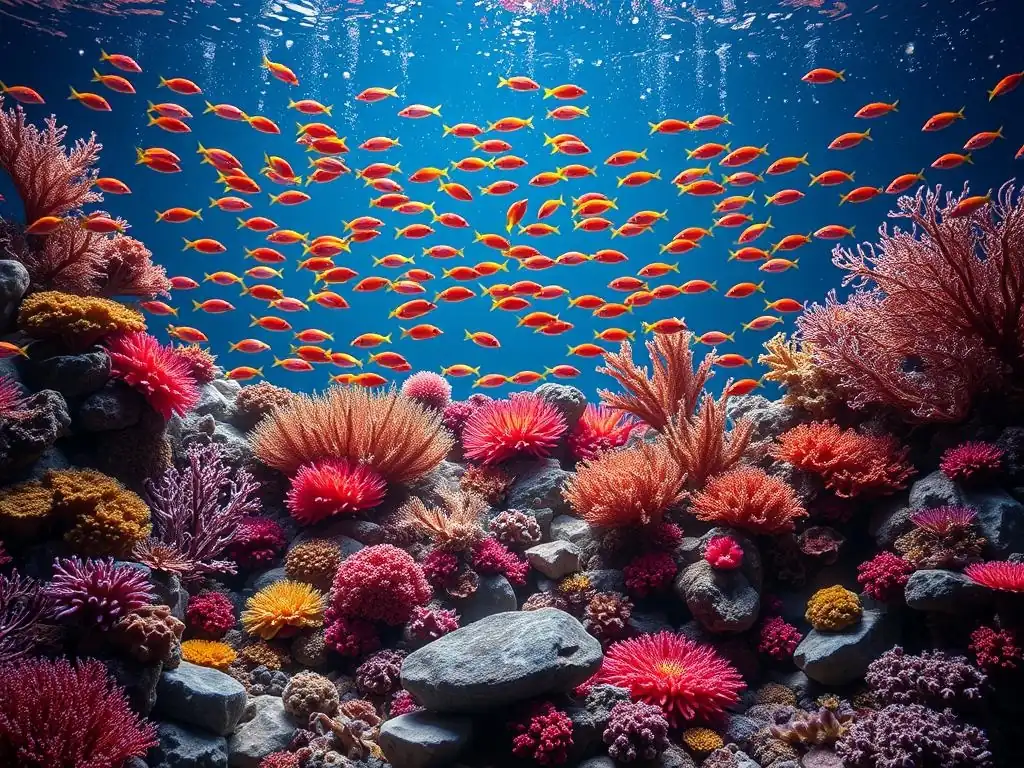
Anthias, members of the Serranidae family, are truly the jewels of the reef, renowned for their dazzling array of colors, from vibrant oranges and reds to striking purples and yellows. These captivating fish originate primarily from the Indo-Pacific and Red Sea regions, inhabiting the outer slopes of coral reefs at depths ranging from shallow waters to over 200 feet.
They typically form large, active schools, constantly darting through the water column, feeding on zooplankton. Most popular aquarium species, such as the Lyretail Anthias ( Pseudanthias squamipinnis) or the Dispar Anthias ( Pseudanthias dispar), range in size from approximately 3 to 6 inches when mature.
In their natural habitat, Anthias exhibit a fascinating social structure, typically forming harems with one dominant male overseeing multiple females. If the dominant male is removed or dies, the largest female in the group will often undergo a sex change to become the new male, demonstrating remarkable biological adaptability. Their continuous feeding on zooplankton, which drifts in the currents, is crucial for their high metabolism and energy demands. Understanding these innate behaviors and dietary needs is fundamental to providing the best Anthias lifespan care tips in a captive environment, ensuring their long-term health and vibrancy.
Expected Anthias Lifespan in the Wild vs. Captivity
In the wild, the Anthias lifespan is often shorter due to a myriad of environmental pressures, including predation from larger fish, competition for food resources, and exposure to natural disease outbreaks. While precise long-term studies are challenging, observations suggest that species like the Lyretail Anthias might live for an average of 2 to 4 years in their natural reef environment. This relatively short lifespan is a consequence of the harsh realities of predator-prey dynamics and fluctuating conditions.
However, with optimal care and adherence to proven Anthias lifespan care tips in a well-maintained home aquarium, these fish have the potential to significantly exceed their wild counterparts' longevity. Many aquarists report successfully keeping Lyretail Anthias for 5 to 7 years, and some even longer, approaching a decade. This extended Anthias lifespan is a testament to the benefits of a stable, predator-free environment, consistent access to high-quality nutrition, and proactive disease management, all of which mitigate the primary stressors found in the wild.
Factors Influencing Anthias Longevity in Reef Aquariums
Several critical factors collectively dictate the potential Anthias lifespan in a captive reef aquarium. Foremost among these are water quality and stability, which directly impact the fish's physiological stress levels and immune function. A stable environment, characterized by consistent temperature, salinity, and pH, along with low levels of nitrates and phosphates, is paramount. For instance, chronic exposure to nitrates above 20 ppm can significantly reduce a fish's immune response by up to 25%, making them more susceptible to disease and thus shortening their life.
Beyond water parameters, a high-quality, varied diet, appropriate tank size and design, compatible tank mates, and diligent disease prevention protocols are equally vital. Inadequate nutrition can lead to deficiencies that manifest as faded colors, wasting, and a compromised immune system, potentially shaving years off an Anthias's life. Similarly, persistent aggression from tank mates or insufficient hiding spots can induce chronic stress, diverting energy from growth and immune function, resulting in a noticeably diminished Anthias lifespan. Adhering to comprehensive Anthias lifespan care tips across all these areas is essential for maximizing their longevity.
Essential Anthias Care Tips for Extended Lifespan
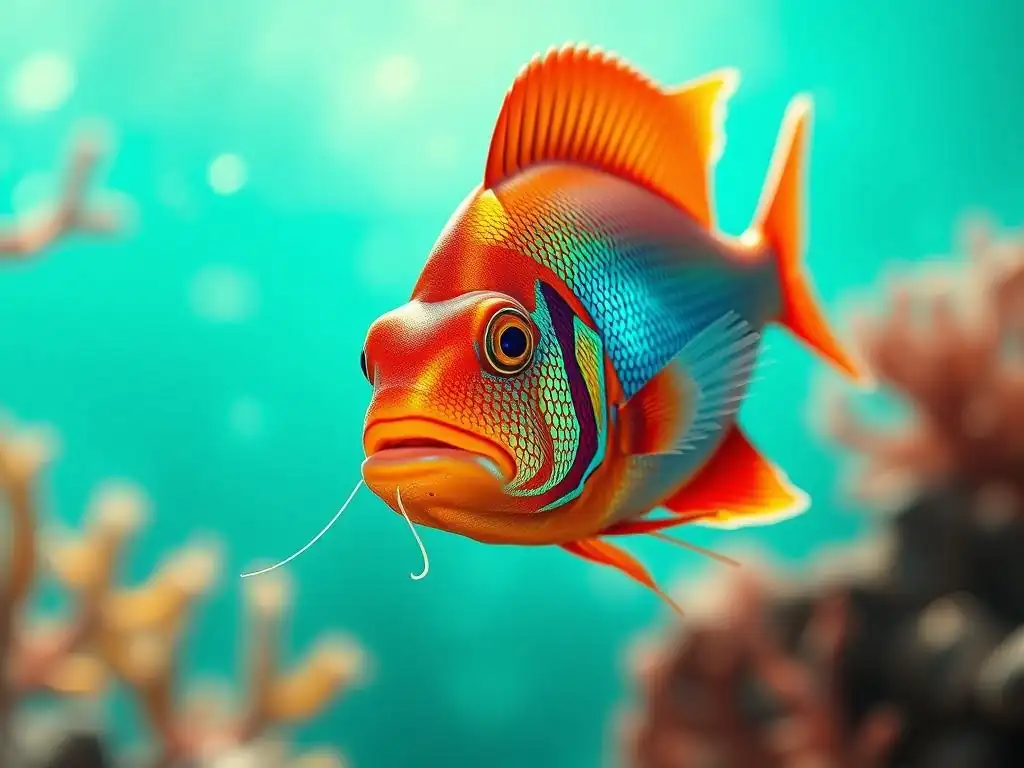
Optimal Tank Setup for Anthias Health and Longevity
Tank Size and Dimensions for Schooling Anthias
Providing an appropriately sized aquarium is fundamental to maximizing Anthias lifespan. Due to their active, schooling nature and high metabolism, Anthias require ample swimming space. For a small harem of 5-7 individuals (e.g., one male and 4-6 females), a minimum tank size of 75 gallons is often recommended. However, to truly allow for natural schooling behavior, diffuse aggression, and provide sufficient stability for their sensitive nature, a 120-gallon or larger system is highly preferred.
The dimensions of the tank are arguably more critical than just the gallonage. Anthias thrive in longer, wider tanks that offer extensive horizontal swimming lanes, rather than tall, narrow setups. For example, a 6-foot long, 180-gallon tank provides significantly more usable swimming and schooling territory than a 4-foot long, 75-gallon tank, even if both meet the "minimum" volume for a small group. This horizontal expanse helps to reduce stress by allowing individuals to maintain distance and establish territories without constant confrontation, directly contributing to a longer Anthias lifespan.
Water Parameters: Maintaining Stability for Anthias Well-being
Maintaining stable water parameters is non-negotiable for the long-term health and Anthias lifespan. Key parameters include salinity, temperature, pH, alkalinity, calcium, and magnesium. Ideal ranges are: Salinity 1.023-1.026 specific gravity (SG), Temperature 74-78°F (23-26°C), pH 8.1-8.4, Alkalinity 8-12 dKH, Calcium 400-450 ppm, and Magnesium 1250-1350 ppm. While specific numbers are important, the stability of these parameters is even more critical.
Sudden or large fluctuations can cause osmotic shock and severe physiological stress, weakening the Anthias's immune system and making them vulnerable to disease. For instance, a rapid temperature swing of just 3-4°F over a few hours can induce significant stress, potentially leading to a 15-20% reduction in feeding response and increased susceptibility to common parasitic infections. Consistent monitoring and small, regular adjustments are far superior to infrequent, large corrections, forming a core component of effective Anthias lifespan care tips.
Importance of Strong Filtration for Anthias Health
Robust and efficient filtration is indispensable for maintaining the pristine water quality that Anthias demand. This includes a combination of biological, mechanical, and chemical filtration. A well-sized protein skimmer is a cornerstone, as it removes dissolved organic compounds before they break down into harmful nitrates and phosphates. Sumps with large refugiums, containing macroalgae like Chaetomorpha, further enhance nutrient export and provide a stable environment for beneficial microfauna.
Effective filtration directly impacts Anthias lifespan by minimizing exposure to toxins and maintaining stable water chemistry. A system capable of keeping nitrates consistently below 10 ppm and phosphates below 0.03 ppm significantly reduces chronic stress on the fish. For example, a high-quality protein skimmer can remove up to 80% of proteinaceous waste, drastically reducing the bioload and preventing the accumulation of harmful compounds that would otherwise shorten the Anthias lifespan.
Providing Adequate Flow and Oxygenation for Anthias
Anthias are naturally found in areas of moderate to strong water flow on reef slopes, where currents bring them a constant supply of zooplankton. Replicating this environment in the aquarium is vital for their well-being and Anthias lifespan. Adequate water flow, typically 10-20 times the tank volume turnover per hour, helps to keep food suspended in the water column and ensures excellent gas exchange, providing high dissolved oxygen levels.
Insufficient flow can lead to "dead spots" where detritus accumulates and oxygen levels deplete, stressing the fish and promoting bacterial growth. Dissolved oxygen levels below 6 ppm can cause lethargy, labored breathing, and increased susceptibility to disease. Powerheads and wavemakers should be strategically placed to create turbulent, yet not overly powerful, flow throughout the tank, mimicking natural reef currents and ensuring that every Anthias in the school has access to oxygen-rich water.
Anthias Diet and Feeding Strategies for Optimal Health
The Importance of a Varied and Nutritious Diet
Anthias are obligate planktivores, meaning their natural diet consists almost exclusively of zooplankton. Replicating this in captivity with a varied and nutritious diet is paramount for their vibrant coloration, strong immune system, and extended Anthias lifespan. A diet lacking in variety can quickly lead to nutritional deficiencies, manifesting as faded colors, stunted growth, and a weakened ability to fight off disease.
Relying on a single type of food, even if seemingly high-quality, will inevitably result in a nutritional imbalance over time. For example, feeding only brine shrimp, which are low in essential fatty acids, can lead to chronic deficiencies within 6-8 weeks, impacting liver function and overall vitality. A diverse feeding regimen that includes various types of marine-based foods ensures that Anthias receive a full spectrum of vitamins, minerals, and fatty acids necessary for robust health and a long Anthias lifespan.
Feeding Frequency and Portion Control for Anthias
Due to their high metabolism and small stomachs, Anthias require frequent, small feedings throughout the day rather than one or two large meals. Mimicking their natural grazing behavior on zooplankton, ideally, Anthias should be fed 3-5 times per day. Each feeding should consist of a small portion that can be consumed entirely within 2-3 minutes to prevent excess food from polluting the water.
Underfeeding can lead to emaciation and a lack of energy, while overfeeding contributes to poor water quality, elevated nitrates, and potential health issues. Consistent, appropriate feeding provides the continuous energy supply Anthias need to thrive, supporting their active lifestyle and metabolic demands. This meticulous feeding strategy is a cornerstone of Anthias lifespan care tips, directly impacting their growth, coloration, and resistance to illness.
Best Food Choices for Anthias: Live, Frozen, and Prepared Foods
The ideal diet for Anthias should comprise a mix of high-quality live, frozen, and finely chopped prepared foods. Live foods, such as enriched copepods and newly hatched brine shrimp (though less nutritious), are excellent for enticing finicky eaters and providing natural hunting stimulation. Frozen foods should form the bulk of their diet and include items like enriched Mysis shrimp, finely chopped krill, enriched brine shrimp, and various marine-based mixes. Brands like Hikari Mysis or Rod's Food are popular choices due to their nutritional profiles.
Prepared foods, such as high-quality marine pellets and flakes (e.g., TDO Chroma Boost, New Life Spectrum Thera+A), can also be offered, provided they are small enough for Anthias to consume easily (typically 1-3mm). When selecting frozen or prepared foods, prioritize those that are specifically formulated for marine fish and contain a good balance of proteins, lipids, and vitamins. Regularly rotating these food types ensures a comprehensive nutritional intake, vital for supporting a maximal Anthias lifespan.
Supplementing Anthias Diet with Vitamins and Minerals
Even with a varied diet of high-quality foods, supplementing Anthias's meals with essential vitamins and minerals can provide an added layer of nutritional security, particularly for newly acquired or stressed fish. Products like Selcon, Vita-Chem, or other liquid vitamin supplements can be soaked into frozen foods before feeding. This boosts the nutritional content, especially of Omega-3 fatty acids and fat-soluble vitamins (A, D, E, K).
Garlic extracts, such as Seachem GarlicGuard, can also be used to enhance the palatability of foods, encouraging reluctant eaters, and are believed by some aquarists to offer immune-boosting properties. Regular supplementation, perhaps 2-3 times per week, can fortify the Anthias's immune system, making them more resilient to disease and stress. This proactive approach to nutrition is a crucial element among the Anthias lifespan care tips, directly contributing to their long-term vitality.
Selecting Healthy Anthias: Minimizing Stress and Disease
Identifying Healthy Anthias Before Purchase
The journey to a long Anthias lifespan begins even before bringing them home. When selecting Anthias at your local fish store or reputable online vendor, meticulous observation is key. Look for fish that are actively swimming, exhibiting their characteristic schooling behavior, and displaying vibrant, full coloration. Their eyes should be clear and bright, and their fins should be intact and free of tears or fraying.
Avoid fish that are hiding excessively, exhibiting clamped fins, rapid breathing, white spots (Ich), dusty appearance (Velvet), or any signs of physical injury or emaciation (sunken belly). Inquire about how long the fish have been at the store; ideally, they should have been settled for at least 1-2 weeks, showing they are eating well and are stable. Observing them feed enthusiastically in the store is a strong indicator of a healthy specimen, poised for a long Anthias lifespan in your care.
Quarantine Procedures for New Anthias Arrivals
Quarantine is a non-negotiable step for any new marine fish, especially for sensitive species like Anthias, and is one of the most important Anthias lifespan care tips. A dedicated quarantine tank (QT) allows for observation, deworming, and treatment of common diseases without risking the health of your established display tank. A minimum quarantine period of 4-6 weeks is highly recommended.
The QT should be a simple setup: bare bottom, a heater, an air stone, a small filter (sponge filter or hang-on-back), and PVC pipes or inert rock for hiding. During quarantine, monitor for signs of disease, offer a varied diet, and consider prophylactic treatments for internal parasites (e.g., Praziquantel) and external parasites (e.g., copper-based medications for Ich/Velvet). This rigorous process significantly reduces the risk of introducing pathogens into your main system, protecting your entire collection and maximizing the Anthias lifespan of your existing fish.
Acclimation Strategies to Reduce Stress and Maximize Survival
Proper acclimation is crucial for minimizing stress and ensuring the successful introduction of new Anthias to your aquarium, directly impacting their initial survival and long-term Anthias lifespan. Due to their sensitivity to changes in water parameters, the drip acclimation method is highly recommended. This involves slowly dripping water from your display tank into the bag or container holding the new fish, gradually equalizing temperature, pH, and salinity over a period of 1-2 hours.
Before beginning the acclimation, turn off the lights in your display tank and keep the room dim to reduce stress on the newly introduced fish and existing inhabitants. Once acclimated, gently net the Anthias and release them into the display tank, discarding the water from the shipping bag.
Introducing new Anthias, especially a male to an existing female group, after the main tank lights have been off for a few hours can help diffuse initial aggression and allow them to settle in more smoothly. A careful acclimation process can reduce initial mortality rates by 20-30%, a significant factor in ensuring a long Anthias lifespan.
Minimizing Stress and Promoting a Stable Environment
Reducing Aggression Among Anthias and Tank Mates
Stress is a significant factor that can shorten the Anthias lifespan. Within an Anthias school, aggression can arise, particularly if a dominant male is overly aggressive or if the group size is too small. Introducing Anthias in odd-numbered groups (e.g., 5, 7, or 9 individuals) can help diffuse aggression, as the male's attention is spread across multiple females. It's often recommended to introduce all females first, allowing them to settle, before adding a single male.
Beyond intraspecific aggression, selecting compatible tank mates is crucial. Avoid large, boisterous, or predatory fish that might harass or prey on Anthias. Peaceful tank mates such as certain gobies, blennies, and smaller wrasses are generally suitable. Chronic aggression, whether from within the Anthias group or from other tank inhabitants, leads to constant stress, reduced feeding, and a weakened immune system, potentially reducing an Anthias's potential lifespan by 25% or more. Providing ample hiding spots and visual breaks within the rockwork also helps reduce stress.
Proper Lighting and Photoperiod for Anthias Health
While Anthias are not directly dependent on intense lighting for photosynthesis like corals, the quality and consistency of lighting in their environment still impact their well-being and Anthias lifespan. Anthias generally appreciate moderate lighting, mimicking the deeper reef environments where many species are found. Avoid overly intense lighting that might cause them to hide excessively or stress them.
A consistent photoperiod, typically 10-12 hours of light per day, is important for maintaining their natural circadian rhythm. Using LED lighting systems with gradual ramp-up and ramp-down features can simulate dawn and dusk, providing a less jarring transition than sudden on/off lighting. Erratic or excessively bright lighting can induce stress, impacting their feeding behavior and overall health, which in turn can compromise their long-term Anthias lifespan.
Avoiding Sudden Changes in Water Chemistry
The stability of water chemistry is paramount for Anthias, even more so than hitting precise target numbers. Sudden or significant fluctuations in parameters like salinity, pH, or temperature can induce severe stress and osmotic shock, leading to rapid health decline. This is why small, frequent water changes (e.g., 10-15% weekly) are generally preferred over large, infrequent ones (e.g., 50% monthly), as the former maintains parameters with minimal disturbance.
When performing water changes or dosing supplements, ensure the new water or solution is matched as closely as possible in temperature and salinity to the tank water. For example, a sudden drop in salinity by even 0.002 SG can cause significant osmotic stress. Similarly, rapid changes in alkalinity or pH can shock sensitive fish. Consistency in water parameters is one of the most critical Anthias lifespan care tips, safeguarding their delicate physiological balance and ensuring long-term health.
Advanced Anthias Husbandry Techniques for Longevity
Proactive Disease Prevention and Management
Recognizing Common Anthias Diseases and Symptoms
Proactive disease prevention and early detection are paramount for ensuring a long Anthias lifespan. Common ailments affecting Anthias include external parasites like Marine Ich ( Cryptocaryon irritans) and Velvet ( Amyloodinium ocellatum), bacterial infections (e.g., fin rot, cloudy eyes), and internal parasites leading to wasting disease. Symptoms to watch for include white spots (Ich), a dusty or velvet-like coating, rapid or labored breathing, clamped fins, excessive scratching against decor, lethargy, loss of appetite, and emaciation.
Daily, thorough observation of your Anthias's behavior, appearance, and feeding habits is the most effective tool for early detection. Subtle changes, such as slightly dulled colors or a reduced feeding response, can be early indicators of a problem. Catching these issues early significantly increases the chances of successful treatment and prevents widespread outbreaks, directly preserving the Anthias lifespan of your entire school.
Implementing Preventative Measures against Parasites and Infections
The cornerstone of disease prevention for Anthias is a strict quarantine protocol for all new fish, corals, and invertebrates introduced to the display tank. A minimum 4-6 week quarantine period allows for observation and prophylactic treatment, preventing the introduction of pathogens. Beyond quarantine, maintaining pristine water quality and a stable, stress-free environment are critical.
A balanced, highly nutritious diet strengthens the Anthias's immune system, making them more resilient to pathogens. Avoid overstocking the aquarium, as this increases bioload and stress, making fish more susceptible to disease. The use of a UV sterilizer, while not a substitute for quarantine, can help reduce the number of free-floating parasites and bacteria in the water column by up to 90%, further bolstering preventative efforts and supporting Anthias lifespan.
Safe and Effective Treatment Options for Anthias Illnesses
When Anthias do fall ill, prompt and appropriate treatment is essential. For external parasitic infections like Ich and Velvet, copper-based medications (e.g., Copper Power, Cupramine) or Chloroquine Phosphate are highly effective, but must be administered in a dedicated hospital tank, as copper is toxic to invertebrates and corals. Bacterial infections, such as fin rot or secondary infections from injuries, often respond to broad-spectrum antibiotics like Furan-2 or Maracyn, again, ideally in a hospital tank.
Internal parasites can be treated with medications containing Praziquantel, often mixed into food. Always follow dosage instructions precisely and complete the full course of treatment, even if symptoms disappear, to prevent recurrence. Understanding the appropriate treatment options and having a hospital tank ready is a crucial part of Anthias lifespan care tips, as it can be the difference between recovery and loss.
Maintaining Optimal Water Quality for Anthias Health
Regular Water Changes and Testing Procedures
Consistent water quality is paramount for Anthias health and a long Anthias lifespan. Regular water changes are the most effective way to replenish essential trace elements, reduce accumulated nitrates and phosphates, and remove dissolved organic compounds that protein skimmers might miss. A common recommendation is a 10-20% water change weekly or bi-weekly, depending on stocking density and feeding habits.
Beyond water changes, diligent testing of key parameters is indispensable. Regularly test for salinity, temperature, pH, alkalinity, calcium, magnesium, nitrates, and phosphates. For optimal Anthias lifespan, nitrates should ideally be kept below 10 ppm, and phosphates below 0.03 ppm. Maintaining a detailed log of your test results allows you to identify trends, troubleshoot issues proactively, and make informed adjustments to your husbandry routine.
Managing Nitrate and Phosphate Levels
Nitrates and phosphates are the end products of the nitrogen cycle and organic decomposition. While some level is tolerable, high concentrations are detrimental to Anthias and the overall reef ecosystem, leading to chronic stress, weakened immune systems, and excessive algae growth. Effective management of these nutrients is a key Anthias lifespan care tip.
Methods to control nitrates and phosphates include robust protein skimming, regular water changes, and biological filtration. Refugiums with actively growing macroalgae (e.g., Chaetomorpha) export nutrients as the algae grows. Other options include biopellets, granular ferric oxide (GFO), or carbon dosing, which promote beneficial bacteria that consume these nutrients. A well-managed system can see nitrates reduced by 5-10 ppm per week with a combination of these methods, directly improving the health and longevity of your Anthias.
The Role of Protein Skimmers and Refugiums
Protein skimmers and refugiums are powerful tools in maintaining superior water quality for Anthias. A protein skimmer efficiently removes dissolved organic compounds from the water column before they break down into nitrates and phosphates. A properly sized and maintained skimmer can remove up to 80% of these precursors, significantly reducing the overall bioload and preventing the accumulation of harmful substances.
Refugiums, typically a separate compartment in the sump, provide a dedicated space for growing macroalgae and cultivating beneficial microfauna like copepods and amphipods. The macroalgae actively absorb nitrates and phosphates for their growth, effectively exporting nutrients when harvested. Furthermore, the copepods and amphipods that proliferate in a refugium can serve as a natural, continuous food source for Anthias, supplementing their diet and enhancing their vitality, thereby contributing to an extended Anthias lifespan.
Creating a Thriving Reef Ecosystem for Anthias
Selecting Compatible Tank Mates for a Balanced Reef
The selection of compatible tank mates is crucial for creating a harmonious and stress-free environment, directly influencing the Anthias lifespan. Anthias are generally peaceful fish, but they can be timid and easily stressed by overly aggressive or large, boisterous tank mates. Avoid species known for aggression, such as certain triggers, large angelfish, or highly territorial damselfish.
Good tank mate choices include other peaceful planktivores, gobies, blennies, certain wrasses (e.g., fairy wrasses, flasher wrasses), and peaceful tangs (in appropriately sized tanks). Ensure that new additions are quarantined to prevent disease introduction. A balanced community reduces chronic stress, fin nipping, and competition for food, allowing your Anthias to thrive and exhibit their natural behaviors, which is vital for their long-term Anthias lifespan.
Promoting Coral Growth and Stability
A thriving reef ecosystem, complete with healthy corals, contributes indirectly but significantly to the Anthias lifespan. Corals provide natural hiding spots and a sense of security for Anthias, making them feel more at home and reducing stress. Furthermore, the stable water parameters required for healthy coral growth (consistent alkalinity, calcium, magnesium, and low nitrates/phosphates) are precisely what Anthias also need to flourish.
Maintaining a stable environment for corals means avoiding rapid parameter swings or the introduction of harmful chemicals, which benefits all inhabitants. A well-established coral system can also contribute to biological stability. The overall health and vibrancy of the reef ecosystem directly translate to a more robust and longer Anthias lifespan for your fish.
Maintaining a Healthy Biological Filter
A healthy and robust biological filter is the backbone of any successful marine aquarium and is fundamental for a long Anthias lifespan. This filter, primarily composed of beneficial bacteria residing on live rock, sand, and filter media, converts toxic ammonia and nitrite (byproducts of fish waste and uneaten food) into less toxic nitrate. Without a functioning biological filter, ammonia and nitrite levels would quickly become lethal.
It is crucial to avoid actions that could disrupt this delicate bacterial colony, such as over-cleaning filter media with tap water or performing excessively large water changes that strip beneficial bacteria. Allow new tanks to cycle completely before adding Anthias. A well-established biological filter can efficiently process ammonia at rates of 0.5-1.0 ppm per hour in a healthy system, ensuring the water remains safe and stable, a non-negotiable aspect of Anthias lifespan care tips.
Troubleshooting Common Anthias Health Issues
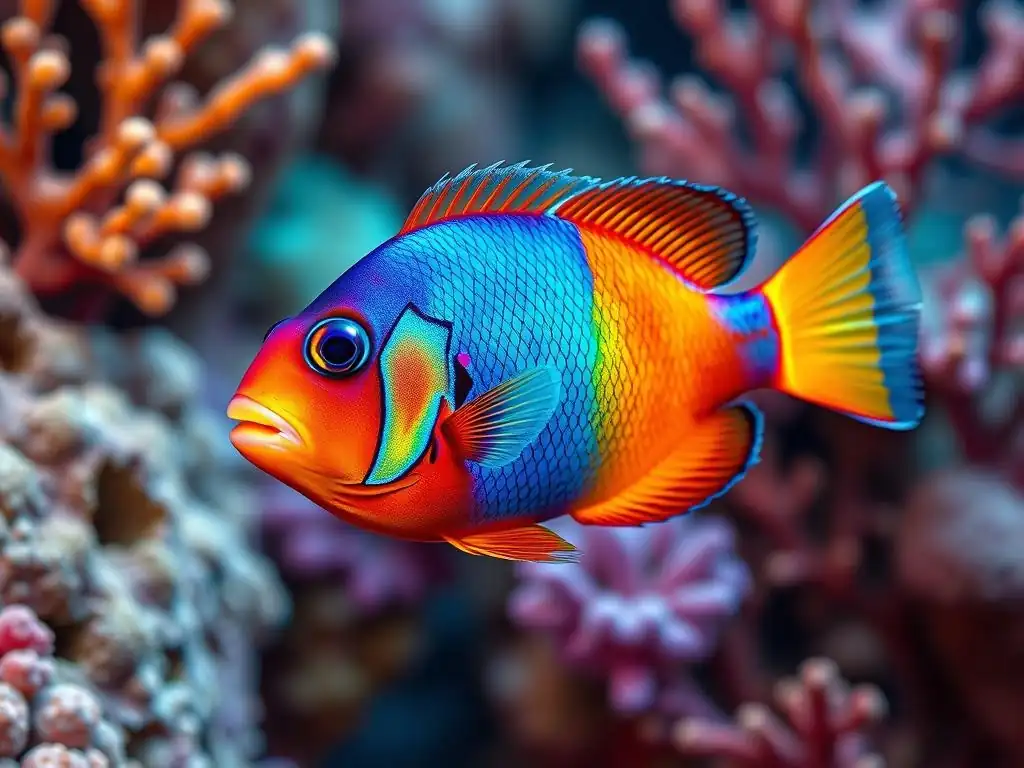
Identifying and Addressing Common Anthias Problems
Fin Rot and Bacterial Infections
Fin rot and other bacterial infections are common ailments in Anthias, often manifesting as ragged, deteriorating fins, cloudy eyes, red streaks on the body, or white patches. These infections are frequently secondary, meaning they occur when a fish is already stressed by poor water quality, aggression, injury, or other underlying health issues that compromise their immune system.
Treatment for bacterial infections typically involves improving water quality through increased water changes and using broad-spectrum antibiotics. These medications, such as Furan-2 or Maracyn, should ideally be administered in a dedicated hospital tank to avoid harming the beneficial bacteria in the main display tank and to ensure precise dosing. Early detection and prompt treatment can resolve 80-90% of bacterial infections, preventing severe tissue damage and preserving the Anthias lifespan.
Parasitic Infestations (e.g., Ich, Velvet)
Parasitic infestations like Marine Ich ( Cryptocaryon irritans) and Marine Velvet ( Amyloodinium ocellatum) are highly contagious and can be devastating to Anthias if not addressed swiftly. Ich presents as small, white spots resembling salt grains scattered across the fish's body and fins, often accompanied by rubbing against rocks and rapid breathing. Velvet appears as a fine, dusty, yellowish-brown coating, with symptoms including rapid breathing and lethargy.
Treatment for both Ich and Velvet typically involves copper-based medications (e.g., Cupramine, Copper Power) or Chloroquine Phosphate, administered in a bare-bottom hospital tank for a minimum of 2-4 weeks to ensure the parasite's life cycle is broken. Freshwater dips can offer temporary relief but are not a cure. Vigilant quarantine of all new fish is the best preventative measure against these pervasive parasites, which can significantly shorten Anthias lifespan if left untreated.
Nutritional Deficiencies and Wasting Diseases
Nutritional deficiencies can lead to "wasting disease" in Anthias, characterized by severe emaciation (a sunken belly), faded colors, lethargy, and a general failure to thrive despite seemingly eating. This is often a result of an inadequate or monotonous diet, insufficient feeding frequency, or internal parasites that prevent nutrient absorption.
Addressing nutritional deficiencies requires a multi-pronged approach: ensuring a highly varied diet of nutrient-rich foods (live, frozen, and high-quality prepared foods), increasing feeding frequency to 3-5 small meals per day, and supplementing foods with vitamins (e.g., Selcon, Vita-Chem). If internal parasites are suspected, an appropriate dewormer (e.g., Praziquantel mixed in food) should be used. Reversing wasting can take several weeks to months, and while challenging, it is crucial for extending the Anthias lifespan.
Stress-Related Illnesses
Stress is a silent killer in aquariums, and Anthias are particularly susceptible. Chronic stress, caused by factors such as aggressive tank mates, unstable water parameters, insufficient hiding spots, or improper tank size, can lead to a range of symptoms: clamped fins, excessive hiding, loss of appetite, faded coloration, and a general increase in susceptibility to all other diseases.
The primary approach to treating stress-related illnesses is to identify and eliminate the underlying stressor. This might involve re-evaluating tank mate compatibility, improving water quality stability, providing more appropriate hiding structures, or even upgrading to a larger tank. Reducing stress is fundamental to allowing the Anthias's immune system to recover and function optimally, thereby preventing secondary infections and promoting a healthy, long Anthias lifespan.
Long-Term Anthias Care and Considerations
Regular Observation and Monitoring for Early Detection of Problems
Consistent, daily observation of your Anthias is arguably the most powerful tool for ensuring their long-term health and maximizing their Anthias lifespan. Spend a few minutes each day watching their swimming patterns, feeding enthusiasm, coloration, and interaction with tank mates. Look for any subtle changes from their normal behavior, such as a fish hiding more than usual, showing clamped fins, or exhibiting a reduced appetite.
Early detection of problems allows for prompt intervention, which significantly increases the chances of successful treatment and prevents minor issues from escalating into major health crises. Many common Anthias ailments, if caught in their initial stages, can be resolved with simple adjustments to water quality or targeted treatments, preserving the Anthias lifespan that dedicated care can provide.
Maintaining Detailed Aquarium Records
Keeping meticulous records of your aquarium's parameters, maintenance routines, and livestock observations is an invaluable practice for long-term Anthias care. A logbook should include daily or weekly readings for salinity, temperature, pH, alkalinity, calcium, magnesium, nitrates, and phosphates. Also, record feeding schedules, water change dates and volumes, livestock additions and removals, and any treatments administered.
This detailed documentation allows you to identify trends over time, diagnose recurring issues, and fine-tune your husbandry practices. For example, noticing a gradual creep in nitrate levels might prompt more frequent water changes or a review of feeding habits. These records provide a historical context that is crucial for understanding the health trajectory of your Anthias and making informed decisions that extend their Anthias lifespan.
Future Research and Advancements in Anthias Care
The field of marine aquariculture is continuously evolving, with ongoing research and advancements regularly providing new insights into fish biology, nutrition, and disease management. Staying informed about the latest scientific findings and best practices is essential for providing the most current and effective Anthias lifespan care tips. This includes following reputable marine science journals, attending aquaculture conferences, or engaging with expert forums and communities.
Recent advancements might include new understanding of Anthias specific nutritional needs, development of more effective disease diagnostics, or breakthroughs in captive breeding techniques that could lead to hardier, aquarium-bred specimens. For instance, studies on gut microbiomes in marine fish suggest that certain probiotics might enhance nutrient absorption and disease resistance, potentially further extending the Anthias lifespan in captivity. Embracing this continuous learning process empowers aquarists to provide ever-improving care for their Anthias.
Conclusion: Ensuring a Long and Vibrant Life for Your Anthias
Recap of Key Anthias Lifespan Care Tips
Maximizing the Anthias lifespan and ensuring their vibrant health in a home aquarium is a rewarding endeavor that hinges on several interconnected pillars of care. Key among these are maintaining impeccable and consistently stable water quality, providing a diverse and frequent feeding regimen to meet their high metabolic demands, and implementing stringent disease prevention protocols, especially through diligent quarantine of all new additions. Equally important is creating a stress-free environment by selecting compatible tank mates and offering ample space and hiding spots.
These comprehensive Anthias lifespan care tips are not isolated practices but rather a holistic approach to husbandry. Each element contributes to the overall well-being of the fish, strengthening their immune system, promoting natural behaviors, and reducing the likelihood of stress-induced illnesses. By prioritizing these practices, aquarists can cultivate an environment where Anthias not only survive but truly thrive.
The Rewards of Dedicated Anthias Husbandry
The dedication required for optimal Anthias husbandry, while significant, is profoundly rewarding. Watching a school of healthy, vibrant Anthias dart and weave through a thriving reef aquarium is one of the most captivating spectacles in the marine hobby. Their dynamic schooling behavior, coupled with their stunning coloration, brings unparalleled life and beauty to any reef system.
A long Anthias lifespan, often extending beyond their wild counterparts, is the ultimate testament to an aquarist's commitment and skill. It signifies that you have successfully replicated a complex natural environment in miniature, providing all the necessary conditions for these magnificent reef jewels to flourish for many years. The joy and satisfaction derived from keeping these fish healthy and active makes every effort worthwhile, truly maximizing the Anthias lifespan and the pleasure they bring.
Frequently Asked Questions
How long do Anthias fish typically live in a home aquarium?
Anthias lifespan in captivity can vary greatly, but with proper care and optimal conditions, they can live for 5-7 years. Factors like water quality and diet significantly impact their longevity.
What are the most crucial water parameters to maintain for Anthias health?
Maintaining stable water parameters is critical. Pay close attention to temperature (around 72-78°F), salinity (1.024-1.026), and ammonia/nitrite levels (zero).
What kind of diet do Anthias require to thrive and live longer?
Anthias are planktivores and need frequent feedings of small, high-quality foods like frozen mysis shrimp, copepods, and enriched brine shrimp. Multiple feedings a day are generally recommended.
What are some common diseases that can shorten an Anthias lifespan, and how can I prevent them?
Common diseases include ich (white spot disease) and internal parasites. Quarantine new fish and maintain excellent water quality to prevent outbreaks. Stress reduction is also key.
What are some key tankmate considerations to ensure a long and healthy life for Anthias?
Anthias are social fish, but can be bullied. Choose peaceful tankmates that won't compete for food or territory. Ensure the tank is large enough to accommodate their social structure and swimming needs.
Final Reflection: Embracing the Anthias Legacy
The insights shared throughout this article, focusing on maximizing Anthias lifespan, are not merely theoretical exercises; they represent a commitment to responsible reef keeping in a world increasingly aware of its environmental impact. Understanding and implementing these care tips is crucial now more than ever, ensuring that the vibrant beauty of Anthias species continues to grace our aquariums for generations to come.
The journey of nurturing Anthias, with its inherent challenges and rewards, profoundly influences our understanding of the delicate balance within reef ecosystems. This responsibility extends beyond the glass walls of our tanks, fostering a deeper appreciation for the interconnectedness of marine life and the importance of sustainable practices. In the end, we will conserve only what we love; we will love only what we understand; and we will understand only what we are taught.
- Baba Dioum. This quote perfectly encapsulates the essence of Anthias keeping: through dedicated care and understanding, we cultivate a love that fuels conservation.
Now, as you close this article, consider how you can further refine your approach to Anthias care. Reflect on the specific tips that resonated most deeply and commit to integrating them into your routine. Let the knowledge gained here inspire you to become not just a keeper, but a steward of these magnificent creatures, ensuring their health, vibrancy, and longevity within your care.
Ignite Your Anthias Aquarium: Embrace Long-Term Success!
Thank you for diving into the world of Anthias care! We hope you’ve discovered valuable insights to keep these vibrant fish thriving. Now, let's turn that knowledge into action and ensure your Anthias sparkle for years to come.
Here are a few steps you can take today:
- Prioritize a Varied Feeding Schedule: Immediately adjust your feeding routine to incorporate a wider range of small, high-quality foods multiple times a day. Remember, consistency is key for their health and vibrant colors!
- Document your feeding and water change habits this week to have a clear overview and identify areas for improvement.
- Share your Anthias success stories or ask questions in our forum to connect with fellow reef enthusiasts.
What specific feeding challenge are you ready to tackle this week to ensure your Anthias reach their full potential?