
Feeding Euphyllia: What, When & How for Explosive Growth & Color

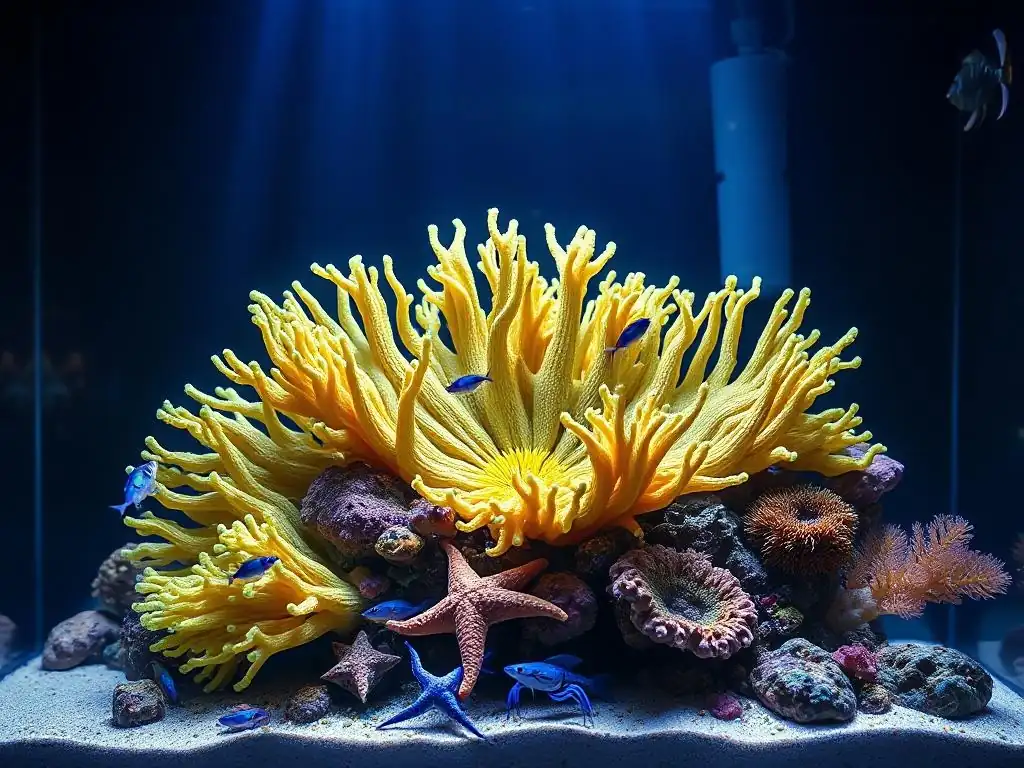
Welcome to Aquarium Mastery!
Ever wondered how to unlock the full potential of your Euphyllia coral? From vibrant colors to explosive growth, mastering their feeding habits is key. Dive into our comprehensive Euphyllia feeding guide tips and discover the secrets to keeping your corals thriving. Ready to see your reef come alive? Let's get started!
- Understanding Euphyllia Nutrition for Optimal Health
- What to Feed Your Euphyllia Coral: A Comprehensive Guide
- When to Feed Euphyllia: Establishing a Feeding Schedule
- How to Feed Euphyllia: Techniques for Success
- Troubleshooting Euphyllia Feeding Problems
- Advanced Euphyllia Feeding Techniques for Maximum Growth
- Euphyllia Feeding Guide Tips: Summary and Best Practices
- Frequently Asked Questions
- Final Reflection: Nurturing the Reef's Jewels
- Ignite Your Euphyllia's Potential!
Understanding Euphyllia Nutrition for Optimal Health
The Importance of Proper Euphyllia Feeding for Vibrant Colors and Growth
Proper Euphyllia feeding is paramount for achieving vibrant colors and robust growth in these beloved large polyp stony (LPS) corals. While Euphyllia corals host symbiotic zooxanthellae, which provide the majority of their energy through photosynthesis, direct feeding supplies essential building blocks that light alone cannot. These building blocks, such as proteins, fatty acids, and amino acids, are crucial for tissue repair, calcification, and the synthesis of vibrant fluorescent pigments, leading to deeper, richer coloration and significantly faster growth rates. Without adequate external nutrition, even well-lit Euphyllia may exhibit slower growth, pale coloration, and reduced resilience to environmental stressors.
Beyond mere survival, a well-executed Euphyllia feeding guide tips approach directly translates into explosive growth and enhanced vitality. For instance, a colony that receives regular, targeted feedings of appropriate foods can calcify at a rate significantly higher than one relying solely on photosynthesis, potentially adding new polyps or branches much more rapidly. This nutritional supplement helps the coral allocate more energy towards growth and repair, rather than just maintenance, making it a cornerstone of successful Euphyllia husbandry.
Euphyllia Natural Diet: What They Eat in the Wild
In their natural habitats, Euphyllia corals are found in shallow, nutrient-rich waters across the Indo-Pacific, where they thrive by capturing a diverse range of microscopic organisms and particulate matter. Their diet primarily consists of zooplankton, including copepods, amphipods, and various larval stages of marine invertebrates. They also opportunistically consume marine snow, which is a continuous shower of organic detritus and microbial aggregates that drifts down through the water column.
This opportunistic feeding behavior in the wild highlights their need for a varied diet in a home aquarium. While zooxanthellae provide consistent energy, the wild diet of Euphyllia ensures they receive a full spectrum of nutrients, including crucial proteins and lipids, which are often less available through photosynthesis alone. Understanding this natural diet is fundamental to developing effective Euphyllia feeding guide tips for captive environments, aiming to replicate the nutritional diversity they would encounter in their native reefs.
Photosynthesis vs. Feeding: Balancing Light and Nutrition for Euphyllia Corals
Euphyllia corals, like many other photosynthetic corals, derive a significant portion of their energy, typically between 70-90%, from the sugars produced by their symbiotic zooxanthellae through photosynthesis. This light-driven process is the primary energy source for their metabolic functions. However, while photosynthesis provides the bulk energy, it does not supply all the necessary raw materials for tissue growth, calcification, and vibrant coloration, particularly complex proteins and fatty acids.
Therefore, heterotrophic feeding—the direct consumption of food particles—acts as a vital supplement, providing the essential building blocks that photosynthesis cannot. A balanced approach involves providing adequate lighting (e.g., 50-150 PAR for most Euphyllia species) to support robust zooxanthellae activity, combined with regular, targeted feedings. This synergy ensures the coral has both ample energy for its daily needs and the necessary nutrients for significant growth and maintenance of its stunning colors, making it a critical aspect of any comprehensive Euphyllia feeding guide tips.
What to Feed Your Euphyllia Coral: A Comprehensive Guide
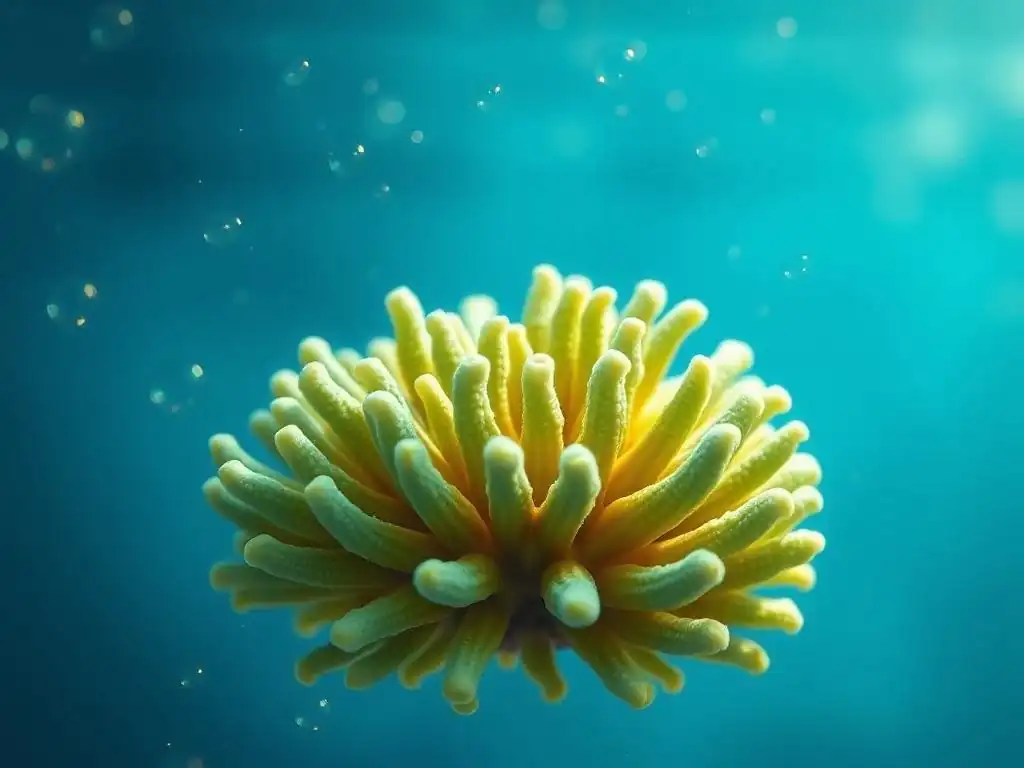
Best Food Options for Euphyllia: A Detailed Breakdown
Choosing the right food is crucial for maximizing the health and growth of your Euphyllia. A diverse diet ensures they receive all necessary nutrients, mimicking their natural intake. The best Euphyllia feeding guide tips emphasize variety and quality in food sources.
Small Particle Foods: Mysis Shrimp, Brine Shrimp, and Rotifers
- Mysis Shrimp: Widely considered an excellent staple, Mysis shrimp (e.g., Hikari Mysis, San Francisco Bay Brand Mysis) are rich in protein and fatty acids, making them highly nutritious for Euphyllia. Their relatively small size (around 1-2 cm) is perfect for the polyps to capture and ingest. Always rinse frozen Mysis in RO/DI water before feeding to prevent nutrient pollution from the packing liquid.
- Brine Shrimp: While less nutritious than Mysis shrimp, especially adult brine shrimp, newly hatched nauplii are an excellent choice for smaller polyps or as an initial food to stimulate a feeding response in new or stressed corals. They are often used as a carrier for nutrient-rich additives or to entice hesitant feeders, making them a useful component in a varied Euphyllia feeding guide tips strategy.
- Rotifers: These microscopic organisms are ideal for fragged Euphyllia or colonies with smaller polyps that might struggle with larger food particles. Rotifers (e.g., live or frozen T-Type Rotifers) provide a natural planktonic food source that is easily digestible and highly beneficial for general coral health and growth.
Specialized Coral Foods: Formulated Options for Euphyllia Growth
Beyond individual frozen foods, a range of specialized coral foods are formulated to provide a balanced nutritional profile specifically for LPS corals like Euphyllia. Products such as Polyp Lab's Reef-Roids, Fauna Marin LPS Grow and Color, and Vibrant Corals offer a blend of planktonic organisms, amino acids, and fatty acids in a convenient powder or liquid form. These formulations are designed to be easily consumed and digested, promoting strong growth and vibrant coloration.
Using these specialized foods can simplify the feeding process while ensuring your Euphyllia receives a comprehensive diet. Many aquarists find that incorporating these formulated foods into their routine, alongside frozen options, significantly enhances the vitality and expansion of their colonies. They are a valuable addition to any detailed Euphyllia feeding guide tips.
Amino Acids and Trace Elements: Supporting Euphyllia Health and Coloration
While not primary food sources, amino acids and trace elements are crucial supplements that support overall Euphyllia health, enhance coloration, and improve feeding response. Amino acid solutions (e.g., Fauna Marin's Aminos, Brightwell Aquatics' Aminodrifts) provide the building blocks for protein synthesis, directly contributing to tissue growth and the production of vibrant fluorescent pigments. Dosing amino acids can often lead to a noticeable pop in coral coloration within weeks.
Trace elements like iodine, strontium, potassium, and magnesium are vital for calcification, enzyme function, and various metabolic processes within the coral. Regular dosing, often through balanced reef supplements, ensures these essential elements are available. While coral foods contain some of these, targeted supplementation can address specific deficiencies and further optimize growth and color, forming an advanced component of Euphyllia feeding guide tips.
Preparing Food for Euphyllia: Size and Consistency Matters
Proper food preparation is key to ensuring your Euphyllia can effectively capture and ingest the nutrients you provide. For frozen foods like Mysis shrimp, always thaw them in a small amount of tank water or RO/DI water, never tap water, to avoid introducing contaminants. If the Mysis shrimp are particularly large for your Euphyllia's polyps, you can gently chop them into smaller, more manageable pieces using a clean razor blade or scissors.
For powdered coral foods, it's best to mix them with a small amount of tank water to create a fine slurry. This consistency allows for easier uptake by the coral's polyps and prevents the powder from simply dispersing into the water column before it can be consumed. The goal is to create a mixture that is neither too watery (diluting nutrients) nor too thick (making it difficult for the coral to ingest), ensuring maximum absorption of the food.
When to Feed Euphyllia: Establishing a Feeding Schedule
Optimal Feeding Frequency for Euphyllia: Balancing Nutrition and Water Quality
Establishing an optimal feeding frequency for your Euphyllia involves a careful balance between providing sufficient nutrition for growth and maintaining pristine water quality. For most established Euphyllia colonies in a healthy reef tank, feeding 1 to 3 times per week is a common and effective schedule. Younger frags or colonies you are trying to grow out aggressively might benefit from more frequent feedings, perhaps every other day, for a period.
However, overfeeding is a significant concern, as excess food can quickly decompose, leading to elevated nitrate and phosphate levels. These elevated nutrients can fuel nuisance algae blooms and negatively impact the overall health of your reef ecosystem. Therefore, observing your coral's response and monitoring water parameters regularly are crucial Euphyllia feeding guide tips to adjust the frequency to your specific tank's needs and bioload.
Identifying Feeding Cues: Recognizing When Your Euphyllia is Hungry
Recognizing when your Euphyllia coral is receptive to feeding is a key skill for any aquarist. The most prominent feeding cue is the significant extension of their polyps, often accompanied by the visible extension of sweeper tentacles. While Euphyllia polyps typically extend throughout the day, they often become even more elongated and "puffy" when they sense food in the water or when the tank lights dim.
Another subtle cue can be the presence of a thin, sticky mucus layer around the coral's mouth, which helps them trap food particles. By observing these behaviors, especially prior to feeding, you can optimize your timing and ensure the coral is actively prepared to consume the food, minimizing waste and maximizing nutrient uptake. These visual indicators are invaluable Euphyllia feeding guide tips for successful feeding.
Night vs. Day Feeding: Which is Best for Euphyllia?
The debate between night and day feeding for Euphyllia often comes down to observing their natural behavior and optimizing nutrient absorption. Many aquarists find that night feeding, or feeding shortly after the main tank lights have turned off, yields the best results. At night, Euphyllia polyps are typically at their most extended, reaching out to capture plankton that becomes more active in the darker hours, mimicking their natural nocturnal feeding behavior.
Furthermore, during the day, the coral's zooxanthellae are actively photosynthesizing, potentially diverting some of the coral's energy towards light absorption. At night, with photosynthesis reduced, the coral can dedicate more energy to heterotrophic feeding and digestion. While daytime target feeding is possible, especially with reduced flow, night feeding often results in more efficient food capture and less waste, making it a preferred Euphyllia feeding guide tips strategy for many.
How to Feed Euphyllia: Techniques for Success
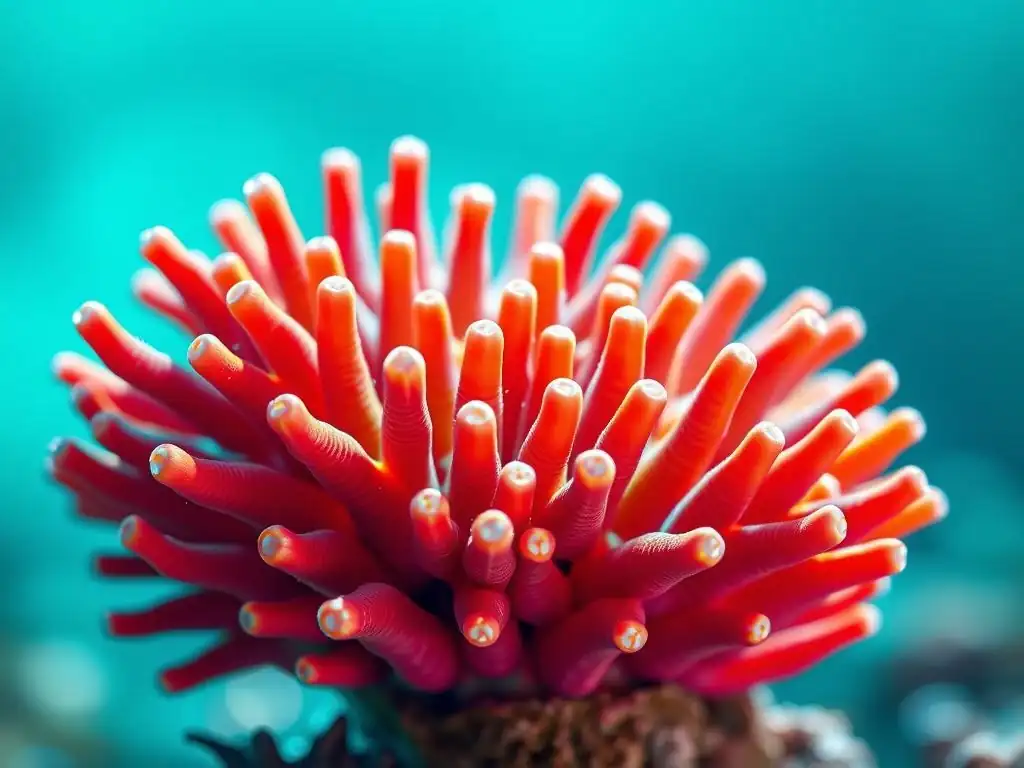
Target Feeding Euphyllia: A Step-by-Step Guide
Target feeding is the most efficient method to ensure your Euphyllia receives its intended nutrition, minimizing waste and preventing broad nutrient spikes in the tank. This precision method is a cornerstone of effective Euphyllia feeding guide tips.
Turning off Flow: Minimizing Food Waste During Feeding
The first and most critical step in target feeding Euphyllia is to temporarily turn off all major water flow in your aquarium, including powerheads and the return pump from your sump. This creates a still water environment around the coral, preventing the food from being immediately swept away before the Euphyllia has a chance to capture it. Allow the water to settle for 5-10 minutes after turning off the flow to ensure complete stillness.
Maintaining this low-flow condition for 15-30 minutes after feeding is essential to give the Euphyllia ample time to fully ingest the food. If the flow is turned back on too soon, the coral may expel the food, or it could be washed away, negating the effort and contributing to nutrient pollution.
Using a Turkey Baster or Pipette: Precision Feeding Techniques
Once the flow is off and the food is prepared (e.g., a thawed Mysis shrimp or a coral food slurry), use a long-handled turkey baster or a specialized coral feeding pipette to deliver the food directly to the Euphyllia's polyps. Gently draw up a small amount of food into the baster or pipette. Slowly and carefully approach the coral, aiming the tip directly over one or more of its mouths.
Gently depress the plunger, releasing a small puff of food directly onto the coral. Avoid blasting the food, as this can startle the coral and cause it to retract its polyps. The goal is a controlled, precise delivery that allows the coral to sense and grab the food without being overwhelmed. Repeat this process for each polyp you wish to feed, or for different sections of a larger colony.
Observing Polyp Extension: Ensuring Your Euphyllia is Actively Feeding
After delivering the food, observe your Euphyllia closely. A healthy, hungry Euphyllia will typically respond by extending its sweeper tentacles, if present, and slowly drawing the food particle towards its central mouth. You should see the polyp's mouth opening and the food being gradually ingested into the coral's tissue. This process can take several minutes, depending on the size of the food and the coral's appetite.
Successful ingestion is indicated by the food particle disappearing into the polyp. If the coral retracts immediately, or the food simply sits on top of the polyp without being ingested, it might be stressed, not hungry, or the food particle might be too large. Consistent observation helps refine your Euphyllia feeding guide tips and techniques over time.
Broadcast Feeding: A Supplementary Feeding Method for Euphyllia
While target feeding is highly effective for directly nourishing Euphyllia, broadcast feeding can serve as a supplementary method to enrich the water column and provide ambient nutrition for the entire reef ecosystem, including your Euphyllia. This involves dispersing a small amount of finely crushed or liquid coral food throughout the tank, allowing the various inhabitants to filter-feed or capture particles as they drift by.
Broadcast feeding is less efficient for direct Euphyllia consumption compared to target feeding, as much of the food will be filtered by other corals, invertebrates, and the filtration system. However, it can contribute to a generally nutrient-rich environment that benefits Euphyllia by increasing the availability of dissolved organic matter and smaller planktonic particles. It should typically be used sparingly and in conjunction with a robust filtration system to prevent nutrient accumulation.
Preventing Overfeeding: Maintaining Water Quality and Preventing Algae Blooms
Preventing overfeeding is as critical as providing adequate nutrition when it comes to Euphyllia feeding guide tips. Excess food that is not consumed by the coral or other tank inhabitants will decompose, rapidly increasing the levels of nitrates and phosphates in the water column. High nutrient levels are a primary driver of nuisance algae blooms, such as green hair algae, cyanobacteria, and dinoflagellates, which can outcompete and smother corals.
To prevent overfeeding, feed small amounts at a time, only what your Euphyllia can consume within 15-30 minutes. Remove any uneaten food promptly using a pipette or siphon. Furthermore, ensure your tank's nutrient export mechanisms—such as protein skimming, refugiums, carbon dosing, and regular water changes—are robust and efficient. Monitoring your water parameters (nitrates, phosphates) regularly is essential to adjust your feeding regimen and prevent water quality degradation.
Troubleshooting Euphyllia Feeding Problems
Euphyllia Not Eating: Potential Causes and Solutions
When your Euphyllia coral is not eating, it's a clear sign of stress or an underlying issue. Addressing these problems promptly is crucial for the coral's long-term health and is an important part of any comprehensive Euphyllia feeding guide tips.
Poor Water Quality: Testing and Addressing Ammonia, Nitrite, and Nitrate Levels
Euphyllia corals are highly sensitive to poor water quality, particularly elevated levels of ammonia, nitrite, and nitrate. Even trace amounts of ammonia or nitrite (which should be zero in a cycled tank) can cause severe stress and lead to a complete loss of appetite. High nitrates (above 20 ppm) or phosphates (above 0.1 ppm) can also inhibit feeding and lead to tissue recession.
Solution: Immediately test your water parameters using reliable test kits. If ammonia or nitrite are present, perform large water changes (25-50%) and investigate the cause (e.g., dead fish, new tank syndrome). For high nitrates and phosphates, increase water change frequency, enhance protein skimming, consider adding GFO (Granular Ferric Oxide) or a refugium, and reduce the bioload or feeding if necessary. Consistent water quality is paramount.
Inadequate Lighting: Ensuring Proper Photosynthesis
While direct feeding is important, Euphyllia corals still rely heavily on photosynthesis for their energy needs. Inadequate lighting, either too dim or the wrong spectrum, can stress the coral, reduce its primary energy production, and subsequently diminish its appetite for heterotrophic feeding. If your Euphyllia appears dull, pale, or is not extending fully, lighting could be a factor.
Solution: Verify your lighting system is appropriate for LPS corals, typically requiring a PAR (Photosynthetically Active Radiation) range of 50-150. Use a PAR meter if possible, or consult reliable lighting guides for your specific fixture. Adjust light intensity, duration, or placement if necessary. Gradual changes are always recommended to avoid shocking the coral.
Aggressive Tank Mates: Protecting Your Euphyllia from Harassment
Certain tank mates can harass Euphyllia corals, causing them to retract, stop feeding, and even suffer tissue damage. This includes fish that nip at coral polyps (e.g., some angelfish, butterflyfish, or triggerfish) or other aggressive corals with long sweeper tentacles (e.g., other LPS corals like Favia or Goniopora) that can sting Euphyllia.
Solution: Observe your tank during the day and night for any signs of aggression. If a fish is confirmed to be nipping, consider re-homing it. For aggressive corals, ensure adequate spacing (Euphyllia sweeper tentacles can extend 4-6 inches or more) or create physical barriers if re-positioning is not an option. A stressed coral will not feed effectively.
Disease and Parasites: Identifying and Treating Common Euphyllia Ailments
Euphyllia corals are susceptible to certain diseases and parasites that can severely impact their health and feeding response. Brown Jelly Disease (BJD) is a rapid tissue necrosis often caused by bacterial infection, appearing as a slimy brown goo. Euphyllia Eating Flatworms are small, reddish-brown flatworms that consume coral tissue, leading to recession.
Solution: For BJD, immediate action is required: remove the affected coral, gently siphon off the brown jelly, and dip the coral in an antiseptic solution like Lugol's iodine or a broad-spectrum coral dip (e.g., CoralRx, Revive). Severely affected polyps may need to be fragged off. For flatworms, a freshwater dip (briefly, 30-60 seconds) or a specific flatworm treatment (e.g., Flatworm Exit) may be necessary, followed by siphoning out the dead worms. Early identification is key for these Euphyllia feeding guide tips.
Recognizing Overfeeding Symptoms in Euphyllia
While underfeeding can lead to pale colors and slow growth, overfeeding presents its own set of distinct problems, primarily related to water quality degradation. Recognizing these symptoms is crucial for maintaining a healthy reef and optimizing your Euphyllia feeding guide tips. One of the most common signs of overfeeding is the appearance of a slimy coating or excessive mucus production on the coral's surface, which the coral produces as a defense mechanism against bacterial growth fueled by excess nutrients.
Furthermore, overfeeding directly contributes to elevated nitrate and phosphate levels in the aquarium, which in turn can lead to rampant nuisance algae blooms (e.g., green hair algae, cyanobacteria, dinoflagellates) on the rocks, substrate, and even directly on the coral skeleton. The water may also appear cloudy, and detritus can accumulate quickly around the base of the coral or in low-flow areas. If you observe these symptoms, it's a strong indication that your feeding regimen needs to be adjusted to smaller amounts or less frequent feedings.
Advanced Euphyllia Feeding Techniques for Maximum Growth
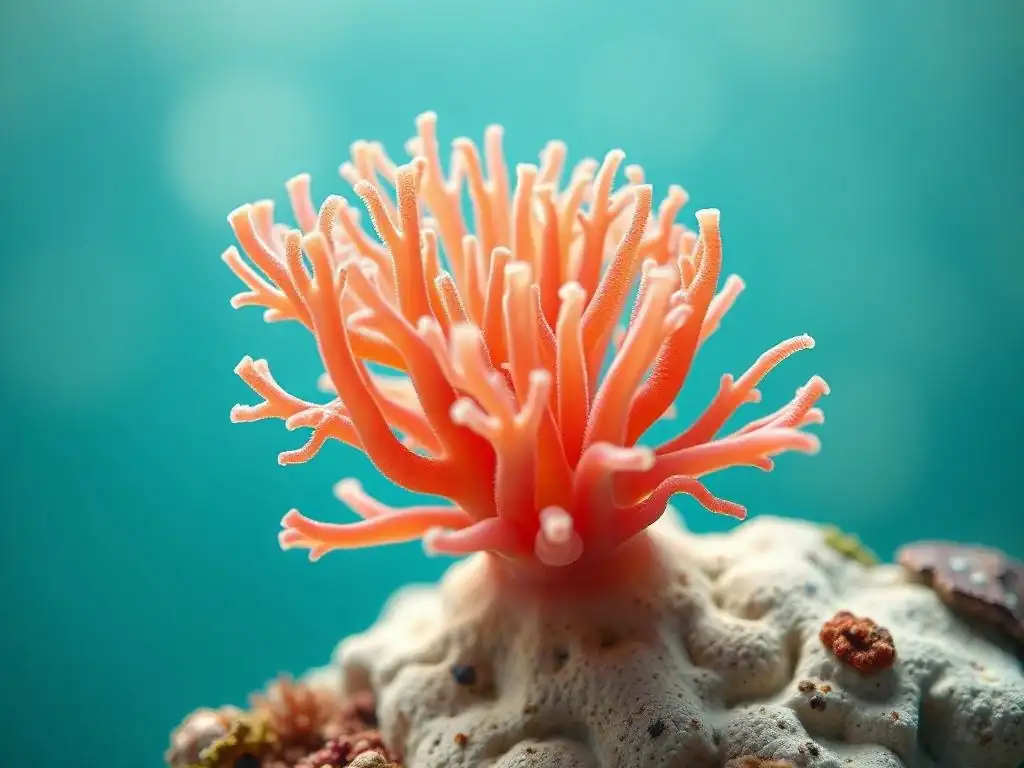
Creating a Custom Euphyllia Feeding Schedule Based on Tank Conditions
Developing a custom Euphyllia feeding schedule tailored to your specific tank conditions is an advanced technique that optimizes growth and health. This goes beyond a general recommendation and considers factors like your tank's maturity, bioload, and your specific growth goals. For a newly established tank, a less frequent feeding schedule (e.g., once a week) might be appropriate to avoid nutrient spikes while the biological filtration matures.
In contrast, a mature tank with a robust protein skimmer, refugium, and consistent water changes, coupled with a desire for rapid Euphyllia growth, might support feeding 3-4 times a week. A heavily stocked tank with many fish will naturally produce more ambient nutrients, potentially reducing the need for very frequent direct coral feeding compared to a sparsely stocked, coral-focused system. Continuously monitoring water parameters and the coral's response allows for fine-tuning this custom Euphyllia feeding guide tips strategy.
Utilizing Coral Dips to Enhance Euphyllia Health and Feeding Response
While coral dips are not a direct feeding method, their strategic use can significantly enhance overall Euphyllia health, which in turn improves their feeding response and growth. Dips, such as iodine-based solutions (e.g., Seachem Reef Dip, Brightwell Aquatics CoralRx) or broad-spectrum anti-parasitic dips, are primarily used to cleanse new corals of unwanted pests (like flatworms or nudibranchs) and reduce bacterial loads before introduction to the display tank.
A healthy, pest-free coral is far less stressed and thus more receptive to feeding. If an existing Euphyllia colony shows signs of stress, such as reduced polyp extension or pale coloration, a preventative dip can sometimes help it recover and become more vigorous, leading to a better feeding response. This proactive approach to coral health is an often-overlooked but vital component of comprehensive Euphyllia feeding guide tips.
Monitoring Euphyllia Growth and Coloration to Adjust Feeding Strategies
Consistent monitoring of your Euphyllia's growth and coloration is the ultimate feedback loop for adjusting your feeding strategies. Take regular photos (e.g., weekly or bi-weekly) from the same angle to track changes in size, polyp extension, and color vibrancy. Healthy Euphyllia should exhibit consistent growth, potentially adding new heads or increasing overall biomass by 0.5-1 inch per month under optimal conditions.
Observe the depth and richness of their colors; vibrant, deep hues often indicate a well-fed and healthy coral, while paleness or dullness can suggest underfeeding or nutrient deficiencies. If growth is slow or colors are muted despite good water parameters, consider increasing feeding frequency or diversifying food types. Conversely, if nuisance algae appear or water parameters spike, scale back feeding. This iterative process of observation and adjustment is the most advanced and effective Euphyllia feeding guide tips strategy.
Euphyllia Feeding Guide Tips: Summary and Best Practices
- Understand Their Diet: Euphyllia are photosynthetic but require direct feeding of zooplankton, small crustaceans, and marine snow for optimal growth and color.
- Choose Diverse Foods: Offer a variety of small particle foods like Mysis shrimp, rotifers, and specialized coral foods. Supplement with amino acids and trace elements.
- Prepare Food Properly: Thaw frozen foods, chop larger pieces if necessary, and create a slurry for powdered foods to ensure easy ingestion.
- Establish a Schedule: Feed 1-3 times per week for established colonies, adjusting based on tank maturity, bioload, and growth goals.
- Observe Feeding Cues: Feed when polyps are fully extended, often at night, as this indicates the coral is receptive.
- Target Feed Precisely: Always turn off flow, use a baster or pipette to deliver food directly to polyps, and observe ingestion.
- Prevent Overfeeding: Feed small amounts, remove uneaten food, and ensure robust nutrient export to maintain water quality and prevent algae.
- Troubleshoot Issues: If not eating, check water quality, lighting, tank mates, and signs of disease or parasites.
- Monitor and Adjust: Regularly track growth and coloration to fine-tune your feeding frequency and food choices, ensuring continuous improvement.
- Prioritize Water Quality: No Euphyllia feeding guide tips will be effective without stable and pristine water parameters.
Frequently Asked Questions
How often should I feed my Euphyllia coral?
You should aim to feed your Euphyllia 1-3 times per week. This supplementary feeding helps enhance growth and coloration, supplementing what they get from light and water quality.
What is the best food to feed my Euphyllia?
Euphyllia corals thrive on a diet of small meaty foods like mysis shrimp, brine shrimp, or specially formulated coral foods. Ensure the pieces are small enough for them to ingest easily.
How do I know if my Euphyllia is hungry?
Signs of a hungry Euphyllia can include reduced polyp extension or a lack of response to food being introduced into the tank. Monitor its behavior closely for changes.
How can I target feed my Euphyllia coral?
Using a turkey baster or feeding pipette is the most effective way to target feed your Euphyllia. Gently release the food near the mouths of the polyps.
Are there any foods I should avoid feeding my Euphyllia?
Avoid feeding your Euphyllia large or hard foods that it cannot easily digest. This can stress the coral and potentially lead to health problems.
Final Reflection: Nurturing the Reef's Jewels
The journey into Euphyllia feeding reveals more than just techniques; it unveils a deeper understanding of the delicate balance within our aquariums. As we've explored the "what, when, and how" of nourishing these captivating corals, it becomes clear that responsible reef keeping is an art form, demanding both knowledge and dedication to replicate the natural environment. The vibrant colors and explosive growth we strive for are not merely aesthetic goals, but indicators of a thriving, healthy ecosystem.
This exploration has profoundly impacted my perspective on reef keeping. Witnessing the transformative power of targeted feeding, and the resulting vibrancy it brings to Euphyllia, underscores the importance of diligent observation and continuous learning. In the end, we will conserve only what we love; we will love only what we understand; and we will understand only what we are taught.
- Baba Dioum. This quote resonates deeply, reminding us that understanding the needs of our aquatic inhabitants is the cornerstone of successful and ethical reef keeping.
Now, armed with this knowledge, I invite you to reflect on your own reef keeping practices. Consider how you can refine your approach to Euphyllia feeding, not just to achieve explosive growth and vibrant colors, but to contribute to the overall health and resilience of your reef ecosystem. Let us all strive to be more than just hobbyists; let us be stewards of these miniature oceans, ensuring their beauty and vitality for generations to come.
Ignite Your Euphyllia's Potential!
Thanks for diving into the world of Euphyllia feeding! You've now got the knowledge to help your corals thrive. Ready to see your torches, hammers, and frogsspawn explode with color and growth? Let's put that learning into action!
Here's how to get started:
- Begin spot-feeding your Euphyllia at least twice a week with a quality coral food like Reef Roids or thawed mysis shrimp. Watch those polyps extend!
- Experiment with different lighting intensities and water flow patterns to observe how they impact your Euphyllia's color and feeding response. Every tank is unique!
- Share your stunning Euphyllia photos and feeding tips with the Aquarium Mastery community on our Facebook page! Let's learn from each other's successes.
What's the first Euphyllia in your reef tank that's getting a gourmet meal tonight?