
The Art of Acropora Aquascaping: Building a Breathtaking, Functional SPS Landscape

Welcome to Aquarium Mastery!
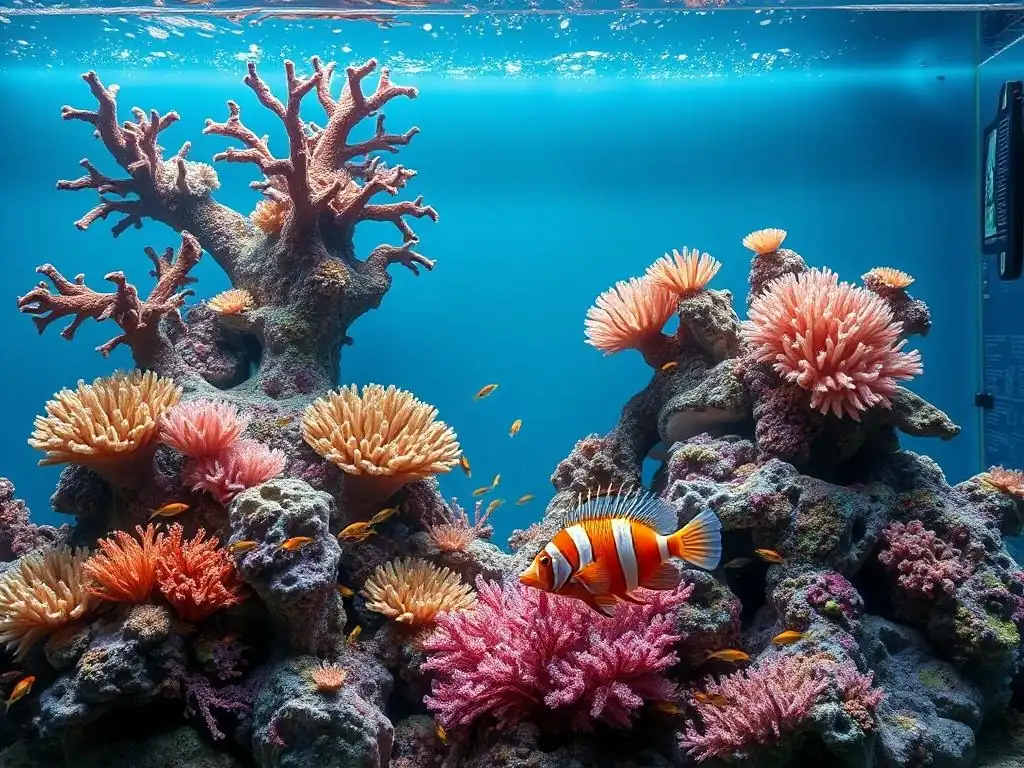
Ever dreamt of creating a vibrant, thriving reef bursting with color and life? Dive into the captivating world of SPS coral aquascaping. We'll unveil the secrets to crafting a stunning, functional landscape, focusing specifically on SPS coral aquascaping techniques. Ready to transform your tank into a living masterpiece? Let's begin!
- Introduction to Acropora Aquascaping: Creating Stunning SPS Reef Tanks
- Planning Your Acropora Aquascape: Design and Functionality
- Essential SPS Coral Aquascaping Techniques: A Step-by-Step Guide
- Maintaining Your Acropora Aquascape: Long-Term Health and Beauty
- Advanced Acropora Aquascaping Concepts: Beyond the Basics
- Showcasing Exceptional Acropora Aquascapes: Inspiration and Ideas
- Conclusion: Elevating Your Reef Tank with Acropora Aquascaping
-
Frequently Asked Questions
- How difficult is it to aquascape with SPS corals compared to other types of corals?
- What are the key considerations when planning an SPS coral aquascape?
- What types of rock are best suited for SPS coral aquascaping?
- How do you properly attach SPS corals to the rock structure?
- What are some common mistakes to avoid when aquascaping with SPS corals?
- Final Reflection: Sculpting Underwater Masterpieces
- Ignite Your Reef: Design the Acropora Dreamscape You've Always Imagined!
Introduction to Acropora Aquascaping: Creating Stunning SPS Reef Tanks
Why Choose Acropora for Your Reef Aquascape? Beauty and Benefits
Acropora corals, often referred to simply as "Acros," are a cornerstone of many advanced reef aquariums due to their unparalleled beauty, diverse growth forms, and vibrant coloration. These small polyp stony (SPS) corals can develop into intricate branching structures, plating formations, or even columnar shapes, creating a dynamic and visually stunning underwater landscape.
Their ability to exhibit a wide spectrum of colors, from electric blues and greens to fiery reds and purples, makes them highly sought after by aquarists aiming for a truly breathtaking display. Beyond their aesthetic appeal, a thriving Acropora aquascape provides a natural habitat for various reef inhabitants, fostering a miniature ecosystem within the confines of the home aquarium.
Furthermore, integrating Acropora into your reef aquascape offers significant benefits for the overall health and stability of the system. As calcifying organisms, they actively participate in the calcium and alkalinity cycles within the tank, helping to maintain stable water parameters crucial for all stony corals.
A well-designed Acropora layout, utilizing effective SPS coral aquascaping techniques, also promotes biological filtration by providing ample surface area for beneficial bacteria to colonize. The challenge and reward of successfully cultivating these delicate corals push aquarists to master advanced husbandry practices, leading to a deeper understanding of reef ecology and a more robust, resilient aquarium environment.
Understanding SPS Coral Needs for Successful Aquascaping
Successful Acropora aquascaping hinges on a thorough understanding of their specific environmental requirements, which are more demanding than those of many other coral types. Acropora thrive in pristine water conditions with stable parameters. This includes maintaining alkalinity (dKH) between 7.5 and 8.5, calcium (Ca) levels between 400 and 450 ppm, and magnesium (Mg) between 1300 and 1350 ppm. Fluctuations in these parameters, even by as little as 0.5 dKH over 24 hours, can stress Acropora and lead to tissue necrosis or bleaching. Therefore, consistent monitoring and dosing are paramount for long-term success.
Beyond chemical stability, Acropora demand intense lighting and robust, turbulent water flow to flourish. They host symbiotic zooxanthellae algae, which perform photosynthesis, requiring high Photosynthetically Active Radiation (PAR) levels, often ranging from 250 to 450 PAR at the coral's surface. Insufficient light can lead to browning or loss of color, while excessive light can cause bleaching.
Similarly, strong, chaotic water flow, ideally between 20 to 40 times the tank's volume per hour, ensures nutrient delivery to the polyps and waste removal, preventing detritus buildup and facilitating gas exchange. Achieving this balance is a core aspect of effective SPS coral aquascaping techniques, dictating the placement and orientation of corals within the tank.
Planning Your Acropora Aquascape: Design and Functionality
Determining the Ideal Tank Size and Dimensions for SPS Aquascaping
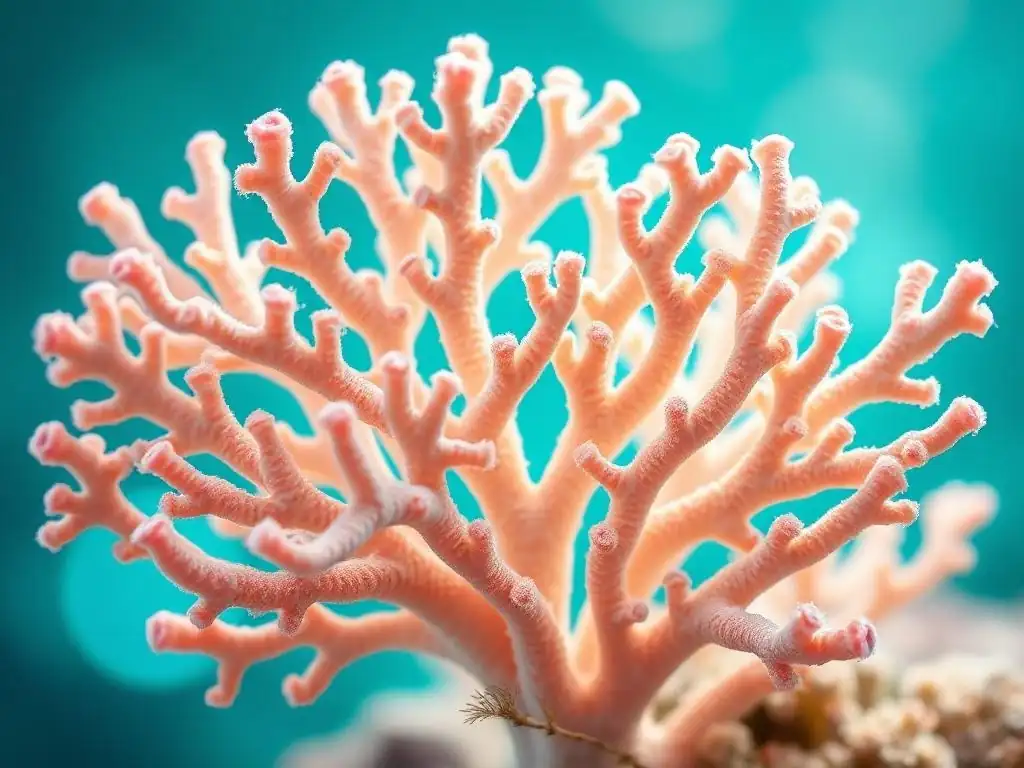
The initial choice of tank size and dimensions profoundly impacts the potential for a thriving Acropora aquascape. While Acropora can be kept in smaller tanks, a minimum of 40 gallons, and ideally 75 gallons or more, is recommended for long-term success. Larger volumes provide greater water stability, making it easier to maintain the precise parameters Acropora require.
For instance, a 120-gallon tank offers a much larger buffer against parameter swings compared to a 40-gallon nano tank, reducing the frequency of critical adjustments. The dimensions are equally important; taller tanks might look impressive but can make it challenging to provide adequate PAR levels to corals positioned deep within the tank without very powerful and expensive lighting.
Opting for tanks with a wider footprint and shallower depth, such as a "low boy" or "frag tank" style, often proves more advantageous for SPS coral aquascaping techniques. A wider tank allows for more creative rockwork arrangements that facilitate optimal water flow around individual colonies and prevent shading as corals grow.
For example, a 48" x 24" x 20" (length x width x height) tank provides ample horizontal space for multiple large Acropora colonies to mature without overcrowding, while its 20-inch height ensures that even moderate-output LED fixtures can deliver sufficient PAR to the bottom. This allows for a more natural, expansive reef look, promoting better light penetration and gas exchange throughout the entire aquascape.
Choosing the Right Rockwork for Acropora Attachment and Growth
Selecting appropriate rockwork is a foundational step in any SPS coral aquascaping project, directly influencing water flow, coral placement, and the overall aesthetic. Dry, inert rock, such as MarcoRocks or CaribSea LifeRock, is highly recommended. These rocks are free of pests and algae commonly found on live rock, and their porous nature provides excellent surface area for beneficial bacteria colonization.
When selecting pieces, prioritize those with intricate shapes, crevices, and stable bases. Avoid dense, smooth rocks that offer little surface for coral attachment or minimal flow through their structure. Aim for a total rock weight that constitutes about 1 to 1.5 pounds per gallon for a natural-looking, yet open, aquascape.
The arrangement of the rockwork is crucial for both aesthetics and functionality. For Acropora, an open, "airy" aquascape with plenty of negative space is preferable to a dense wall of rock. This open structure ensures robust water flow around all corals, prevents detritus accumulation, and minimizes shading as colonies expand.
Common SPS coral aquascaping techniques include creating islands, arches, or a minimalistic "bonsai" style. For example, a "bonsai" aquascape in a 90-gallon tank might use only 60-70 pounds of carefully selected, branching dry rock, arranged to maximize open water and create distinct elevated platforms for different Acropora species. This allows for excellent light penetration and efficient nutrient exchange, vital for vibrant SPS growth.
Acropora Placement Strategies: Maximizing Light and Flow for Optimal Growth
Strategic placement of Acropora within the aquascape is paramount for their long-term health, growth, and coloration, directly addressing the core of effective SPS coral aquascaping techniques. Given their high demands for light and flow, Acropora should generally be positioned in the upper two-thirds of the tank, closer to the light source. However, specific PAR requirements vary by species and even individual colony. For instance, a highly demanding Acropora millepora might thrive at 400 PAR, while a Acropora valida might prefer 300 PAR. Using a PAR meter to map your tank's light distribution is invaluable for precise placement.
Water flow is equally critical and often overlooked in its complexity. Acropora require strong, turbulent, and varied flow patterns to prevent dead spots, deliver nutrients, and remove waste. Placing powerheads strategically to create gyre flow or opposing currents is more effective than simply aiming a single strong stream.
For example, in a 4-foot tank, two powerheads (e.g., EcoTech Marine VorTech MP40s) on opposite ends, running in anti-sync mode, can create a chaotic yet consistent flow throughout the aquascape. When positioning individual Acropora frags or colonies, ensure they are not directly blasted by intense, laminar flow, which can cause tissue recession. Instead, aim for indirect, swirling currents that gently "dance" the polyps, indicating optimal flow conditions.
Essential SPS Coral Aquascaping Techniques: A Step-by-Step Guide
Preparing Your Rockwork: Cleaning and Curing for a Healthy Reef
Before any Acropora can be introduced, proper preparation of the rockwork is a critical, often overlooked, step in SPS coral aquascaping techniques. If using dry rock, a thorough cleaning is essential to remove any dust, debris, or residual chemicals from manufacturing or shipping.
This typically involves rinsing the rocks extensively under tap water, followed by a soak in a dilute bleach solution (e.g., 1 part bleach to 10 parts water) for 24-48 hours to sterilize them and break down any organic matter. After the bleach soak, the rocks must be rinsed again and then soaked in fresh, dechlorinated water, changing the water daily for several days, until no residual bleach smell is detectable.
Following cleaning, the rockwork must be "cured" to allow beneficial bacteria to colonize and to facilitate the die-off and decomposition of any remaining organic material, preventing future nutrient spikes. This curing process can take anywhere from two to eight weeks, depending on the rock type and initial cleanliness. During curing, the rocks are submerged in saltwater, ideally with a small powerhead for circulation and an air stone for aeration.
Monitoring ammonia, nitrite, and nitrate levels is crucial; the curing is complete when ammonia and nitrite consistently read zero, and nitrates are stable and low. This diligent preparation ensures a stable foundation for a thriving Acropora aquascape, minimizing the risk of algae outbreaks or nutrient issues down the line.
Selecting Healthy Acropora Frags or Colonies for Aquascaping
The success of your Acropora aquascape begins with the quality of the corals you introduce. When selecting Acropora frags or colonies, prioritize health and vibrancy over size or rarity. A healthy Acropora will exhibit full polyp extension, vibrant and consistent coloration across the entire colony, and no signs of tissue recession, bleaching, or brown jelly disease. Avoid corals with visible pests like Montipora-eating nudibranchs, Acropora-eating flatworms (AEFW), or red bugs. It's advisable to source corals from reputable local fish stores or established online vendors with a strong track record of healthy, pest-free SPS corals.
Before introducing new Acropora to your display tank, a proper quarantine and dipping protocol is highly recommended as a key SPS coral aquascaping technique. Even from reliable sources, pests can hitchhike. A quarantine tank, even a small 10-gallon setup, allows for observation and treatment without risking your main aquascape.
Dipping corals in commercially available coral dips (e.g., Revive, CoralRx) for the recommended duration can help remove external parasites. For instance, a 5-10 minute dip in a solution designed for pest removal, followed by a gentle rinse in tank water, can significantly reduce the risk of introducing unwanted organisms. This proactive approach safeguards your existing corals and ensures a cleaner start for your new additions.
Attaching Acropora to Rockwork: Methods and Best Practices
Securely attaching Acropora frags or colonies to the rockwork is a crucial step in creating a stable and aesthetically pleasing SPS coral aquascape. The primary methods involve using cyanoacrylate gel glue (super glue gel) or epoxy. For smaller frags, a generous dab of cyanoacrylate gel applied to the frag plug or base, pressed firmly against a clean, dry spot on the rockwork for 30-60 seconds, is often sufficient.
Ensure the attachment point on the rock is free of algae or detritus for optimal adhesion. For larger frags or colonies, or for a more secure, permanent bond, a two-part marine epoxy can be molded around the base of the coral and adhered to the rock.
A combination of both methods often yields the best results. For example, a small amount of cyanoacrylate gel can be applied to the coral's base first, providing instant tack, and then a small amount of marine epoxy can be molded around it for a stronger, more lasting bond. When using epoxy, ensure it is fully cured before placing the coral into the display tank, typically a few hours.
Consider the future growth of the coral when attaching it, leaving adequate space for expansion and ensuring it won't shade or sting neighboring corals. Proper attachment prevents corals from falling, which can damage them or other tank inhabitants, and allows them to direct all their energy towards growth rather than re-attachment. This is a fundamental aspect of effective SPS coral aquascaping techniques.
Achieving Natural-Looking Acropora Arrangements: Tips and Tricks
The art of creating a natural-looking Acropora aquascape goes beyond simply placing corals; it involves understanding growth patterns and visual balance. One effective SPS coral aquascaping technique is to arrange corals in a way that mimics a natural reef, often by grouping similar growth forms or colors. For instance, creating a "forest" of branching Acropora on one side of the tank, transitioning to a "plateau" of plating Acropora on another, can add depth and realism.
Avoid placing corals in a rigid grid-like pattern; instead, aim for asymmetry and organic flow. Consider the "rule of thirds" in photography, placing focal points off-center to create a more dynamic composition.
Furthermore, consider the eventual size and shape of the Acropora colonies. A small frag might look insignificant now, but a healthy Acropora hyacinthus can grow into a massive plate exceeding 12 inches in diameter within a year or two under optimal conditions. Plan for this growth by providing ample space between corals, typically 4-6 inches for most Acropora species when fully grown. Varying the heights at which corals are placed, utilizing elevated rock structures, can also add significant dimension. For example, placing a vibrant blue Acropora tortuosa on a higher perch with intense light, while a more subdued green Acropora formosa occupies a slightly lower, shaded spot, contributes to a diverse and visually appealing SPS coral aquascape.
Maintaining Your Acropora Aquascape: Long-Term Health and Beauty
Water Chemistry for SPS Coral Growth and Coloration
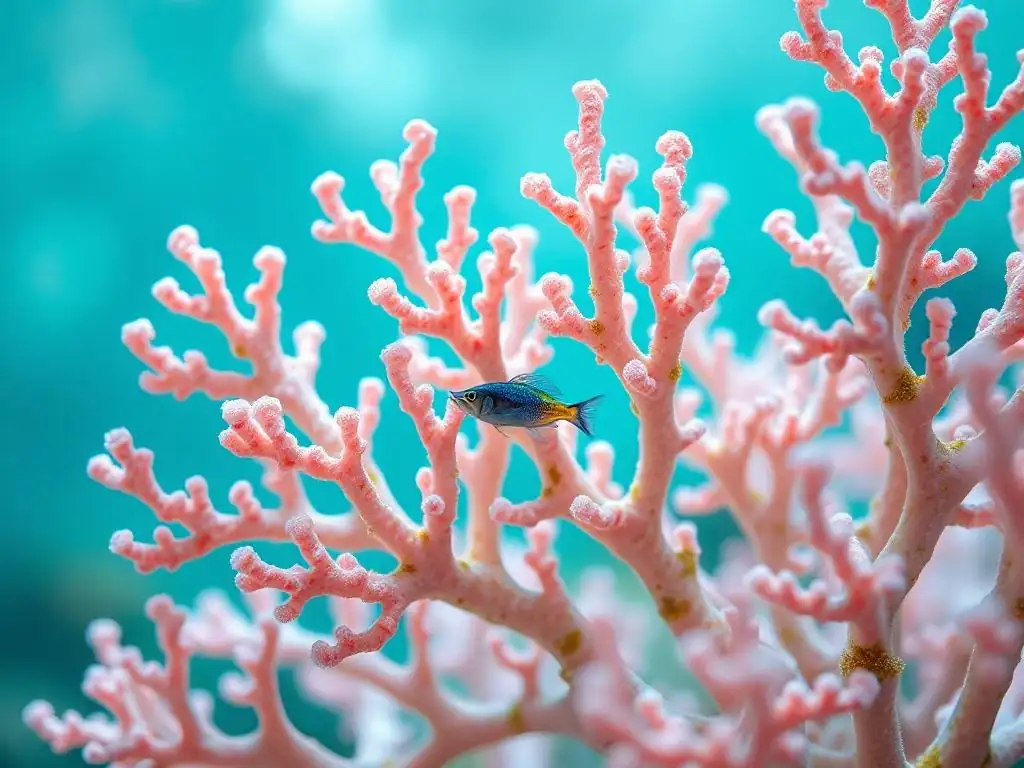
Maintaining precise and stable water chemistry is the bedrock of a thriving Acropora aquascape, underpinning all successful SPS coral aquascaping techniques. The critical parameters for Acropora health and vibrant coloration include alkalinity (dKH), calcium (Ca), and magnesium (Mg). Aim for dKH between 7.5 and 8.5, Ca between 400 and 450 ppm, and Mg between 1300 and 1350 ppm. Daily testing of alkalinity is often necessary for mature SPS-dominated tanks due to rapid consumption, while calcium and magnesium can typically be tested weekly. Fluctuations of more than 0.5 dKH within 24 hours can severely stress Acropora.
To maintain these parameters, most Acropora aquascapes require regular supplementation. This can be achieved through two-part dosing (e.g., B-Ionic, ESV B-Ionic), calcium reactors, or kalkwasser. For example, a 180-gallon Acropora-heavy tank might consume 2-3 dKH per day, necessitating a calcium reactor running to maintain stable levels, or daily automated dosing of 300-500 ml of a two-part solution.
Additionally, trace elements like iodine, potassium, and strontium, though consumed in smaller quantities, play a role in coral coloration and overall health. While specific dosing of individual trace elements is debatable, regular large-volume water changes (e.g., 10-15% weekly) with high-quality salt mix can replenish these elements naturally.
Lighting Requirements for Acropora: Providing Optimal Spectrum and Intensity
Providing optimal lighting is non-negotiable for Acropora, directly influencing their growth rate, polyp extension, and most importantly, their vibrant coloration. Acropora are photosynthetic corals and require high Photosynthetically Active Radiation (PAR) levels, typically ranging from 250 to 450 PAR at the coral's surface. The specific PAR required varies by species and the desired coloration; some high-light Acropora may even tolerate up to 600 PAR.
LED fixtures are popular due to their customizable spectrum, energy efficiency, and low heat output. For instance, a high-end LED fixture over a 24-inch deep tank can deliver a consistent 350-400 PAR across a wide footprint.
The spectrum of light is as important as its intensity. Acropora thrive under a blue-heavy spectrum, typically with a color temperature around 18,000K to 20,000K, which emphasizes the fluorescent proteins responsible for their stunning blues, purples, and greens. Combining royal blue, blue, and violet LEDs with smaller amounts of white and green diodes is a common SPS coral aquascaping technique.
For example, a typical LED schedule might ramp up from a dim blue at 8 AM, reach peak intensity with full spectrum at 2 PM, and ramp down to moonlight blue by 10 PM, providing a natural photoperiod of 10-12 hours of intense light. Regularly cleaning light lenses is also crucial, as even a thin film of salt creep can reduce light penetration by 10-20%.
Flow Considerations: Ensuring Proper Circulation for SPS Health
Effective water flow is paramount for Acropora health, growth, and the overall success of SPS coral aquascaping techniques. Acropora require strong, turbulent, and varied flow patterns to facilitate nutrient uptake, remove waste products from their tissues, and prevent detritus from settling on their delicate polyps. Ideal flow rates for an Acropora-dominated tank are often cited as 20 to 40 times the tank's volume per hour. For a 100-gallon tank, this translates to 2,000 to 4,000 gallons per hour (GPH) of total circulation, achieved through a combination of return pumps and strategically placed powerheads.
The type of flow is equally important. Laminar (straight-line) flow can damage Acropora tissue, leading to bare spots or even tissue necrosis. Instead, aim for chaotic, multi-directional flow that constantly changes.
This can be achieved by using multiple powerheads with different flow patterns (e.g., gyre pumps, propeller pumps) or by placing them on opposite ends of the tank and running them in anti-sync or random modes. For example, two high-quality propeller pumps on a 75-gallon tank, each rated at 2,000 GPH, can be programmed to create alternating pulses, mimicking natural reef surge. This ensures all surfaces of the Acropora colonies receive adequate flow, preventing "dead spots" and promoting uniform growth across the entire aquascape.
Pest Control and Disease Prevention in Acropora Aquascapes
Despite meticulous care, Acropora aquascapes can be susceptible to various pests and diseases, making proactive control and prevention essential SPS coral aquascaping techniques. Common pests include Acropora Eating Flatworms (AEFW), Montipora Eating Nudibranchs (MEN), red bugs (Tegastes acroporae), and various types of undesirable algae. AEFW are particularly devastating, capable of stripping an Acropora colony of its tissue in days. Prevention starts with strict quarantine protocols for all new corals, typically a 4-6 week period in a separate tank.
Regular inspection of your Acropora colonies is critical for early detection. Use a magnifying glass to examine the coral's base and branches for any signs of pests, such as AEFW egg spirals or red bugs. If pests are detected, targeted treatments are necessary.
For example, AEFW infestations often require multiple dips in specific medications (e.g., Levamisole HCl) over several weeks, combined with manual removal of visible flatworms and their eggs. Red bugs can be treated with interceptor, while MEN often require manual removal and potentially specific dips. Maintaining optimal water quality, stable parameters, and a diverse clean-up crew can also help prevent opportunistic diseases and algae outbreaks, ensuring the long-term health and beauty of your Acropora aquascape.
Advanced Acropora Aquascaping Concepts: Beyond the Basics
Creating Depth and Dimension in Your SPS Aquascape
Creating depth and dimension is an advanced SPS coral aquascaping technique that transforms a flat, two-dimensional display into a captivating, immersive underwater scene. This is achieved by manipulating the height, depth, and negative space within the rockwork and coral placement. Instead of a simple "wall of rock," aim for a multi-tiered structure with varying heights, including elevated islands, arches, and overhangs. For instance, in a 6-foot tank, you might have a central towering rock formation reaching close to the water surface, flanked by lower, more expansive structures on either side, creating a natural valley or pass in the middle.
Furthermore, strategic placement of Acropora species with different growth forms can enhance perceived depth. Place larger, more robust branching or plating Acropora towards the back and sides, while smaller, more delicate or colorful frags are positioned closer to the front viewing pane. Using the "rule of thirds" and creating focal points at different depths draws the viewer's eye through the aquascape. For example, a vibrant Acropora tenuis placed high and central, combined with a lower Acropora valida slightly to the side and a deep blue Acropora loripes in a shadowed crevice, creates a layered effect that gives the impression of a much larger and more complex reef system.
Incorporating Other Coral Species for a Diverse Reef Ecosystem
While an Acropora-dominated tank is stunning, incorporating a select few other coral species can enhance diversity, add visual interest, and contribute to a more robust reef ecosystem, provided careful consideration is given to compatibility and placement. Small polyp stony (SPS) corals like Montipora, Seriatopora, and Stylophora are often excellent companions for Acropora, as they share similar lighting and flow requirements. For instance, a vibrant "Monti Cap" (Montipora digitata or undata) can be placed on a lower, less intensely lit rock outcrop, providing a striking contrast in shape and texture to the branching Acropora above it.
When integrating non-SPS corals, careful planning is crucial to prevent chemical warfare or stinging. Large polyp stony (LPS) corals like Euphyllia (Torch, Hammer, Frogspawn) or Blastomussa can add movement and different textures but require significant spacing from Acropora due to their potent stinging tentacles. A general rule is to maintain at least 6-8 inches of clear space between LPS and SPS corals, especially if flow patterns are unpredictable.
Soft corals are generally not recommended in Acropora-dominated tanks due to their tendency to release allelopathic chemicals, which can inhibit SPS growth and coloration. However, small, non-aggressive soft corals like Ricordea mushrooms could be placed on the sandbed, far from any SPS colonies, to add a splash of color without posing a threat.
Fragging and Propagating Acropora in Your Aquascape
Fragging (fragmenting) and propagating Acropora is an advanced SPS coral aquascaping technique that allows aquarists to share corals, manage growth, and even create new colonies from existing ones, contributing to sustainable reef keeping. As Acropora colonies grow, they can begin to shade other corals or grow into undesirable areas. Fragging allows for controlled pruning and shaping of the aquascape. The process involves carefully cutting a small branch or tip from a healthy colony using specialized coral cutters or bone shears. Aim for a frag size of 1-3 inches, ensuring it has at least a few polyps.
After fragging, the new fragment should be glued to a frag plug or a small piece of rubble rock using cyanoacrylate gel. It's crucial to place the frag in a lower flow, slightly less intense light area of the tank for the first few weeks to allow it to heal and encrust. For example, a newly fragged Acropora granulosa might be placed in an area with 150-200 PAR and moderate, indirect flow for 2-3 weeks before gradually moving it to its final, higher-light, higher-flow position. Successful propagation not only provides extra corals for trade or sale but also encourages branching and bushier growth in the parent colony, further enhancing the overall aesthetic of your Acropora aquascape.
Troubleshooting Common Acropora Aquascaping Challenges
Even with the best SPS coral aquascaping techniques, challenges can arise in an Acropora tank, requiring diligent observation and prompt action. One common issue is "browning out," where Acropora lose their vibrant colors and turn a dull brown. This is often caused by insufficient light, excess nutrients (nitrate or phosphate), or an imbalance in the zooxanthellae population.
To troubleshoot, first check PAR levels and ensure they are within the optimal range (250-450 PAR). Then, test nitrate and phosphate; levels above 5 ppm for nitrate or 0.1 ppm for phosphate can lead to browning. Addressing nutrient issues through water changes, GFO (granular ferric oxide) usage, or increased biological filtration can often resolve this.
Another prevalent problem is tissue necrosis (RTN - Rapid Tissue Necrosis or STN - Slow Tissue Necrosis), where coral tissue peels off the skeleton. RTN is rapid and often fatal within hours, while STN progresses slowly over days or weeks. Causes can range from severe parameter swings (e.g., a sudden drop in alkalinity from 8.5 to 6.0 dKH), bacterial infections, or extreme stress from pests. For RTN, immediate fragging of healthy tissue above the necrosis line is often the only hope. For STN, identifying and correcting the underlying stressor is key. For example, if a Acropora valida shows STN after a power outage, it's likely stress-induced. Regular, stable parameters, proper acclimation, and a pest-free environment are the best preventative measures against these devastating issues in an Acropora aquascape.
Showcasing Exceptional Acropora Aquascapes: Inspiration and Ideas
The "Rainbow Wall": A Vibrant Display of Multi-Colored Acropora
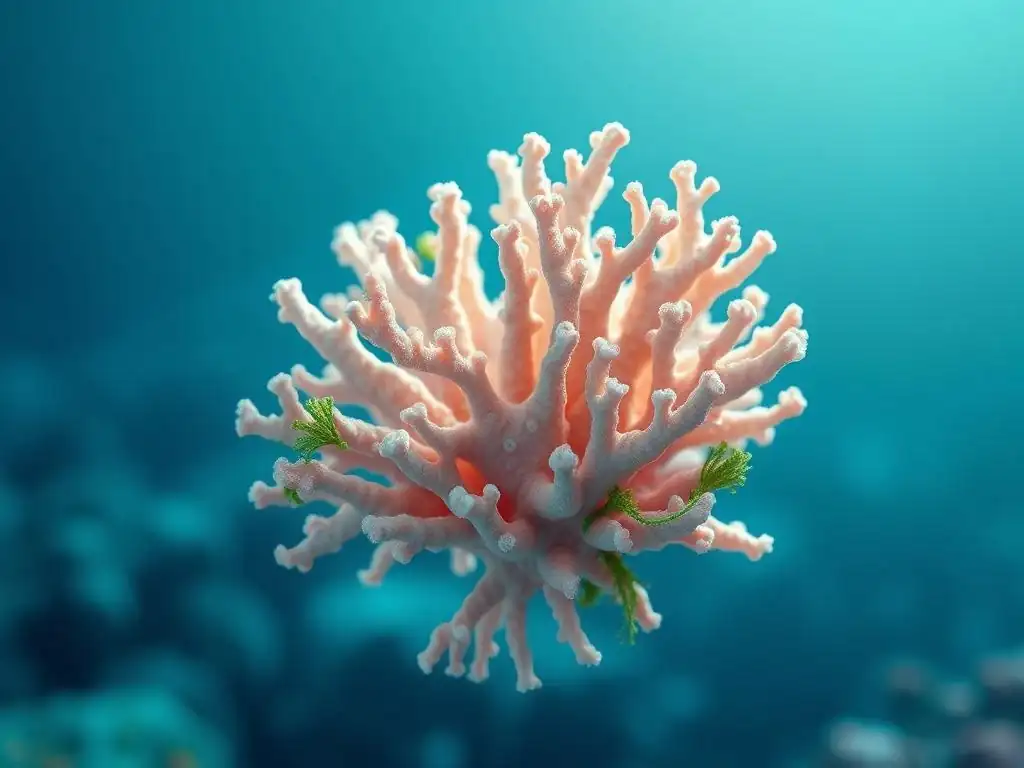
One of the most ambitious and visually striking SPS coral aquascaping techniques is the "Rainbow Wall," where a diverse array of Acropora species are meticulously placed to create a gradient of colors across a vertical rock structure. This involves selecting Acropora that exhibit distinct hues – electric blues, vibrant greens, fiery reds, deep purples, and sunny yellows – and arranging them in a visually pleasing progression.
For instance, a common approach might involve placing blues and purples at the top, transitioning to greens and yellows in the middle, and reds and oranges towards the bottom, or vice versa. The challenge lies in ensuring each coral receives its specific light and flow requirements while contributing to the overall color flow.
Achieving a true "Rainbow Wall" requires not only a keen eye for color but also a deep understanding of individual Acropora species' growth habits and light/flow preferences. For example, a fast-growing, bright blue Acropora tortuosa might be placed near the top, while a slower-growing, deep purple Acropora divaricata is positioned slightly lower, but still within high light. The success of this SPS coral aquascaping technique is often seen in tanks that have matured for 2-3 years, where individual frags have grown into substantial colonies, forming an interconnected tapestry of color. A notable example might be a 200-gallon display tank where a 6-foot back wall is adorned with over 30 distinct Acropora colonies, each contributing to a breathtaking, living spectrum.
The "Monti Cap Plateau": Combining Acropora with Montipora for Contrast
The "Monti Cap Plateau" is an elegant SPS coral aquascaping technique that leverages the contrasting growth forms and colors of plating Montipora corals with branching or tabling Acropora. This style typically features large, flat Montipora caps (e.g., Montipora capricornis, Montipora undata) forming broad, elevated platforms or shelves, upon which smaller, often more delicate, Acropora colonies are placed.
This creates a naturalistic layered effect, mimicking the diverse habitats found on a real reef where different coral species coexist at various elevations. The smooth, often vibrant orange or green plates of Montipora provide a striking visual backdrop and textural contrast to the intricate, often spiky, Acropora.
To execute this SPS coral aquascaping technique effectively, careful planning of light and flow is essential. Montipora generally require slightly less intense light than many Acropora, making them ideal for forming the base layer. For example, a large, 18-inch diameter green Montipora cap might form a plateau at 250 PAR, while a smaller, highly demanding Acropora millepora frag is placed directly on top of it, reaching into 350-400 PAR. The Montipora also provides a stable, broad surface for Acropora attachment once it has encrusted. This method is often seen in tanks over 100 gallons, allowing sufficient space for the large Montipora colonies to mature, creating a dramatic, multi-level reefscape that highlights the beauty of both coral types.
The "Branching Forest": A Naturalistic Aquascape Dominated by Branching Acropora
The "Branching Forest" is a captivating SPS coral aquascaping technique that aims to replicate the dense, intricate structures of a natural Acropora thicket found in shallow reef environments. This style is characterized by a dominant presence of various branching Acropora species (e.g., Acropora formosa, Acropora valida, Acropora secale) arranged to create a sense of depth and wild, untamed growth.
The rockwork is often minimal, serving primarily as a base for the branching corals, which are allowed to grow outwards and upwards, intertwining to form a complex, three-dimensional canopy. The aesthetic relies on the diversity of branching patterns – from thin, delicate twigs to robust, antler-like structures – and the interplay of shadows and light created by the dense canopy.
Implementing a "Branching Forest" requires meticulous attention to water flow, as the dense coral growth can create dead spots if not properly managed. Multiple, high-output powerheads strategically placed to create turbulent, multi-directional flow are crucial to ensure adequate circulation throughout the entire structure. For example, in a 75-gallon "Branching Forest" setup, four smaller powerheads might be used instead of two large ones, each aimed to create opposing gyres and cross-currents that penetrate the coral branches.
This SPS coral aquascaping technique also demands long-term commitment, as it can take 3-5 years for the Acropora to grow into a truly mature "forest" where the individual colonies merge and create a seamless, living sculpture. The result is a breathtaking, dynamic aquascape that truly embodies the wild beauty of a natural reef.
Conclusion: Elevating Your Reef Tank with Acropora Aquascaping
Acropora aquascaping is undoubtedly one of the most rewarding and challenging facets of reef keeping, offering the opportunity to transform a mere glass box into a breathtaking, functional SPS landscape. From the initial planning of tank dimensions and rockwork to the meticulous maintenance of water chemistry, lighting, and flow, every step is crucial for success. Mastering SPS coral aquascaping techniques involves not only technical proficiency but also an artistic eye for design, allowing aquarists to create dynamic, visually stunning environments that mimic the complexity and beauty of natural reefs.
The journey of building an Acropora aquascape is one of continuous learning and adaptation, from troubleshooting common issues like browning out or tissue necrosis to exploring advanced concepts like creating depth and dimension or integrating diverse coral species. The dedication required to cultivate these magnificent corals is amply repaid by the vibrant colors, intricate growth forms, and the profound satisfaction of nurturing a thriving miniature ecosystem. Ultimately, embracing the art of Acropora aquascaping elevates the reef tank hobby beyond simple animal husbandry, transforming it into a living art form that inspires awe and provides endless fascination.
Frequently Asked Questions
How difficult is it to aquascape with SPS corals compared to other types of corals?
SPS aquascaping is generally considered more challenging due to the corals' specific needs. They require intense lighting and stable water parameters, demanding a higher level of experience.
What are the key considerations when planning an SPS coral aquascape?
Crucial factors include water flow, lighting intensity and spectrum, and coral placement to ensure adequate access to nutrients and prevent stinging. Also, future growth needs to be considered.
What types of rock are best suited for SPS coral aquascaping?
Porous rock, such as live rock or dry rock, is ideal as it provides a surface for coral attachment and harbors beneficial bacteria. Ensure the rock is stable and secure before adding corals.
How do you properly attach SPS corals to the rock structure?
Use coral glue or epoxy specifically designed for aquarium use. Ensure the coral base is clean and dry before applying the adhesive. Avoid covering the coral's tissue with glue.
What are some common mistakes to avoid when aquascaping with SPS corals?
Overcrowding the tank, neglecting water quality, and insufficient water flow are common pitfalls. Also, incompatible coral placement can lead to aggression and coral death.
Final Reflection: Sculpting Underwater Masterpieces
The techniques discussed throughout this article, from frag placement to flow dynamics, are not merely about arranging corals; they are about creating thriving ecosystems and breathtaking underwater art. In a world increasingly aware of the fragility of our coral reefs, the ability to cultivate and appreciate these vibrant ecosystems within our own homes takes on a profound significance.
The art of Acropora aquascaping is more than just a hobby; it's a commitment to understanding and replicating the delicate balance of nature. This journey of learning and creation has personally deepened my appreciation for the complexity and beauty of coral reefs, and I believe it can do the same for others. As Jacques Cousteau so eloquently stated, The sea, once it casts its spell, holds one in its net of wonder forever.
This "net of wonder" compels us to protect and preserve these underwater treasures.
Now, I invite you to look beyond the technical aspects of SPS coral aquascaping and consider the bigger picture. How can you, through your own reef-keeping practices, contribute to the conservation and appreciation of coral reefs? Let your aquascape be not just a beautiful display, but a testament to your commitment to the health and future of our oceans. Embrace the challenge, experiment with these techniques, and create your own breathtaking underwater masterpiece – a living, breathing testament to the art and science of SPS coral aquascaping.
Ignite Your Reef: Design the Acropora Dreamscape You've Always Imagined!
Thank you for diving into the captivating world of Acropora aquascaping. We hope you've gained valuable insights into crafting your own stunning SPS reef. Now, let's turn that knowledge into action and bring your underwater vision to life!
Here are some exciting next steps you can take:
- Plan Your Masterpiece: Carefully sketch out your aquascape design, focusing on flow, light distribution, and coral placement. Consider utilizing different rock structures and elevations to maximize visual impact. This meticulous planning is the foundation of a thriving and beautiful Acropora reef.
- Share your Acropora aquascaping inspiration with fellow reef enthusiasts. Post your design ideas or favorite aquascapes on social media using #AcroporaAquascaping and connect with the Aquarium Mastery community.
- Why not try to create a miniature mockup of your aquascape using clay or LEGO bricks to visualize the layout and make adjustments before you start building in your tank?
What's the single most inspiring element you're incorporating into your Acropora aquascape, and what challenges are you most excited to overcome?